Sweetbriar Villa offers competitive pricing for its residents, especially in comparison to the broader market in Lane County and the state of Oregon. For a semi-private room, residents can expect to pay $2,950 per month, significantly lower than the county average of $4,740 and the state average of $4,457. This represents a compelling value for those seeking shared accommodations. In terms of studio rooms, Sweetbriar Villa's rate of $4,320 is slightly above the county's average cost of $3,877 and the state's average of $3,815; however, it may reflect enhanced amenities or services that are included. Overall, Sweetbriar Villa provides an appealing option for individuals looking for quality care without straining their budget too heavily.
Floor plans
Sweetbriar Villa
Lane County
Oregon
Semi-Private
$2,950
$4,740
$4,457
Studio
$4,320
$3,877
$3,815
Memory care communities with a similar price nearby
Residents and families consistently describe a team that feels genuinely caring and responsive.
Across the reviews, families and caregivers repeatedly talk about staff members who are friendly, helpful, and supportive—especially during move-in and difficult days. Several residents also describe staff interactions that feel personal and reassuring, including helping address concerns quickly and coordinating day-to-day needs. A few reviewers specifically name leaders or caregivers who were quick to respond and kept communication going, which helped them feel confident about care.
common18 reviews mention this
Food is a frequent bright spot
Dining stands out in reviews, with residents and families describing meals as satisfying.
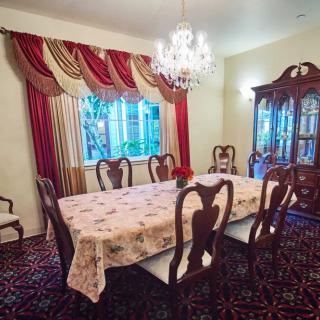
Many reviews mention meals positively, including comments about food being good, meals being plentiful, and residents looking forward to what’s served. The community also offers restaurant-style dining and room service, which aligns with the day-to-day dining support that families mention. A smaller number of reviews frame dining as part of what helps residents feel more at home and comfortable after moving in.
common16 reviews mention this
Homey setting with well-kept grounds
Reviews frequently describe a home-like facility with clean spaces and pleasant outdoor areas.
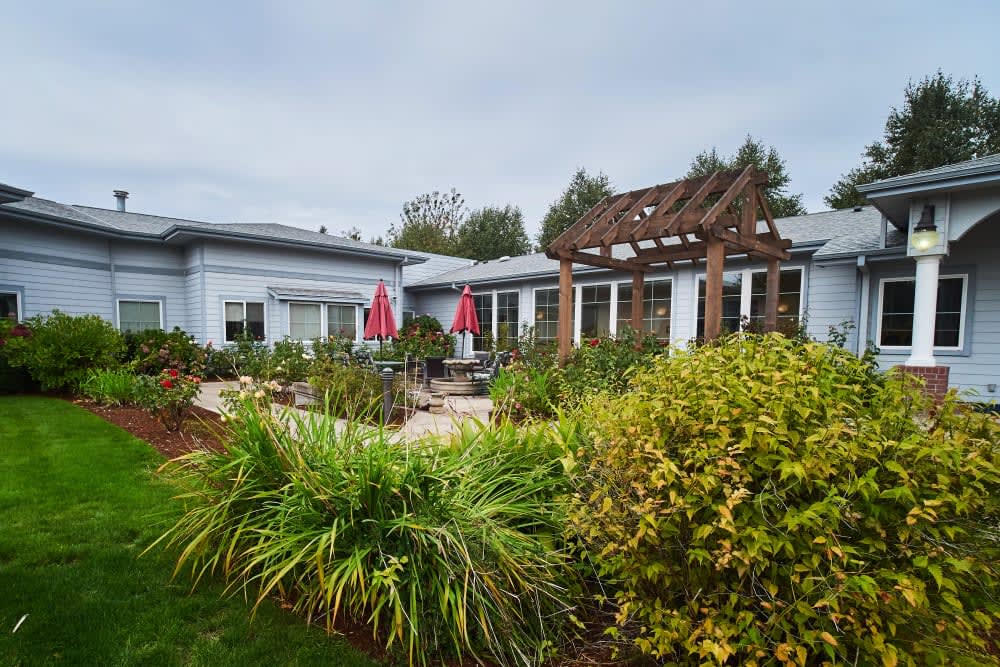
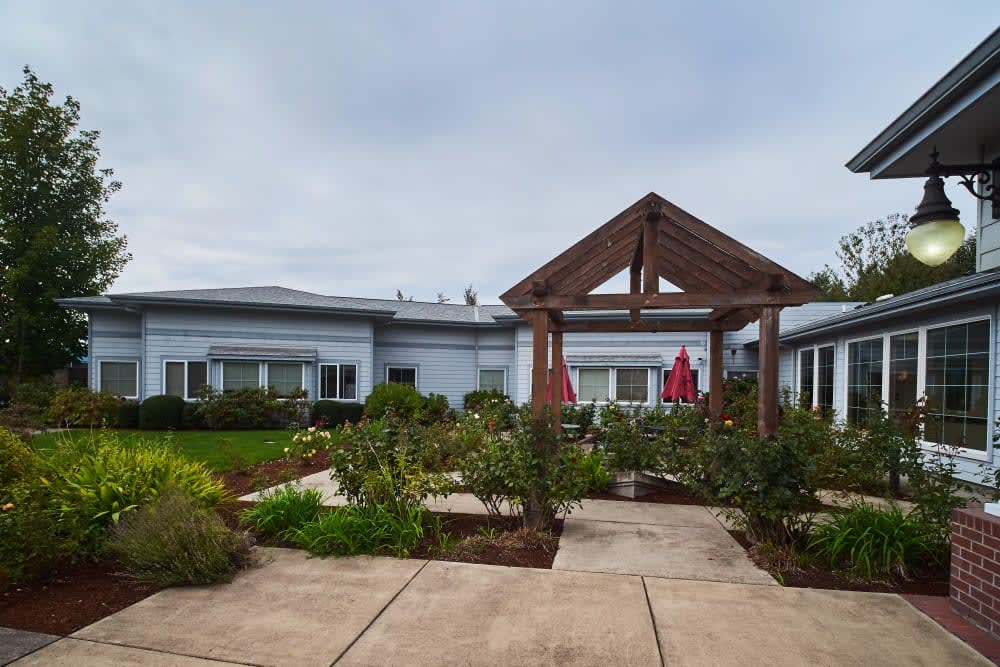
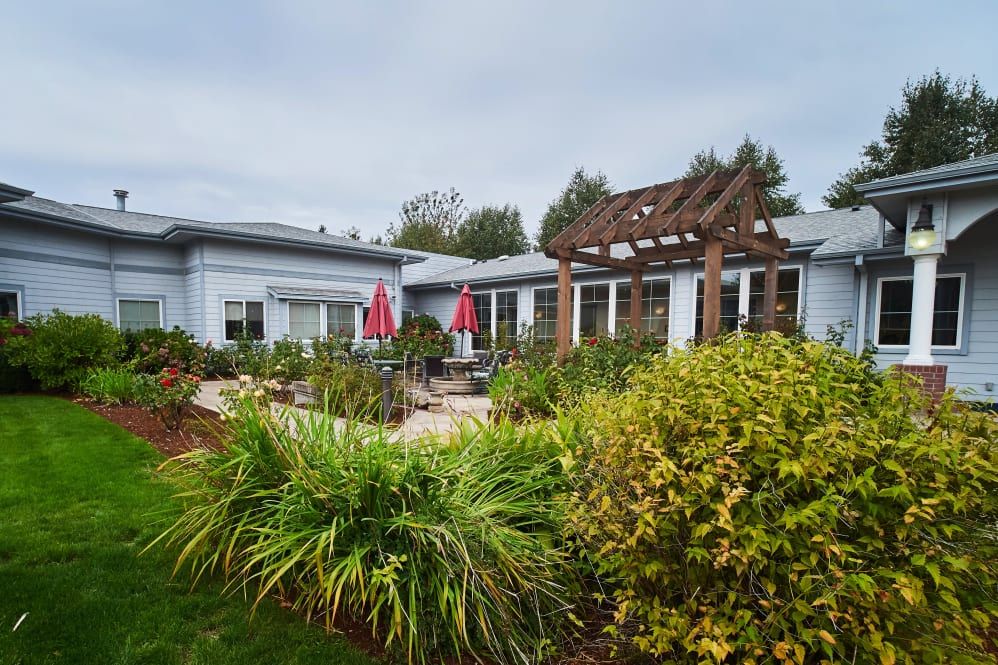
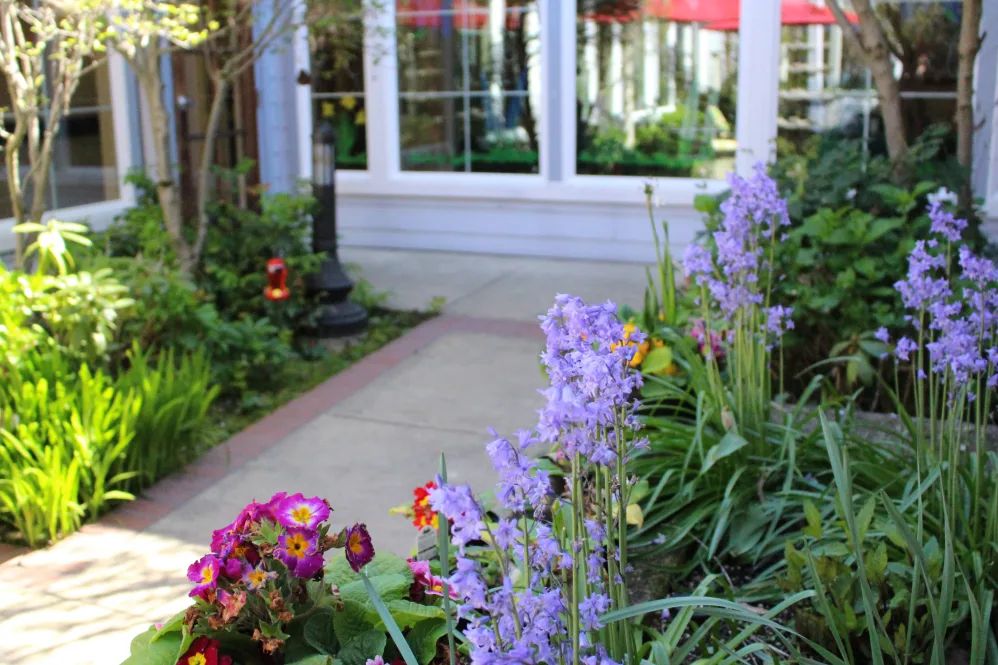
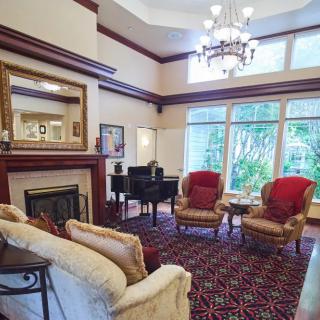
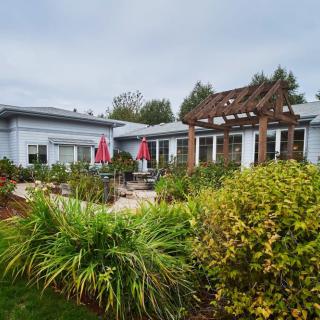
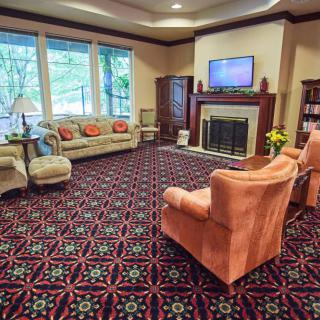
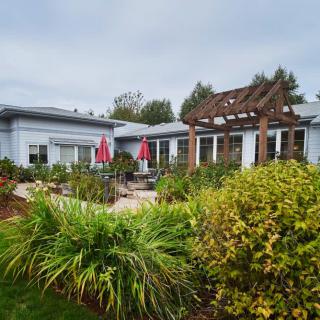
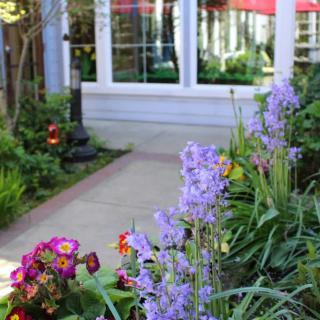
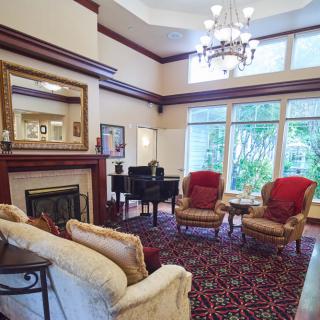
Residents and families often comment on the facility’s cleanliness and an overall homey feel, describing comfortable common spaces and a courtyard or garden atmosphere. Multiple reviewers also point to well-kept grounds, including outdoor areas where residents can spend time. A few tour experiences add detail about the facility layout and how it felt during the visit, even when other fit concerns came up.
common14 reviews mention this
Activities help residents stay engaged
Residents describe staying engaged through scheduled activities and outings.
Several reviews highlight activities that keep residents involved, including group events like games and music, plus crafts and other scheduled programs. Families also describe their loved ones enjoying activities and socializing with others, which supports a more engaged daily routine. The community’s activity mix includes on-site programs, community-sponsored events, and day trips or outings, matching what reviewers say they’re able to participate in.
caveat6 reviews mention this
Care and memory support have gaps
A few reviews report shortcomings in care processes and fit for dementia needs.
While many reviewers speak positively about care, some families describe problems during a respite or stay, including missed bathing, concerns about how dementia was handled, and issues related to communication or follow-through. Others mention privacy or bathroom setup concerns, including whether showers were available in ways that met expectations. A couple of tour-based reviews also say the memory care area felt limited in size or layout for their needs.
caveat2 reviews mention this
Shared shower and privacy concerns
Privacy around bathing is a recurring concern in some feedback.
Two reviews specifically raise issues about bathing access and privacy, with one mentioning that residents must share a shower. Another reviewer also describes shower access being set up differently than they expected. These comments suggest that bathroom arrangement and personal privacy can affect the fit for some families.
How we summarize
Counts show how many written reviews mention each theme; a review can touch several themes, and only frequently mentioned themes are displayed.
Features
Housing
39 resident community capacity
1-bedroom apartments
Studio apartments
Types of Care
Assisted Living
Memory Care
Pets
Cats allowed
Dogs allowed
Amenities
Activities off-site
Activities on-site
Air-conditioning
Beautician on-site
Beauty salon
Cable or satellite TV
Devotional services on-site
Dining room
Fully furnished
Garden
Ground floor units
Guasts at mealtime
Housekeeping services
Indoor common areas
Kitchenette
Laundry
Move-in coordination
Outdoor common areas
Outdoor space
Party space
Respite or short term stays offered
Restaurant-style dining
Small library
Telephone
Wi-Fi/high-speed internet available
Transportation
Mahlon Sweet (16 miles away)
Transportation & parking
Care Services
24-hour call system
24-hour supervision
Activities of daily living assistance
Ambulatory care
Assistance with bathing
Assistance with dressing
Assistance with transfers
Diabetes diet
Diabetic care
Incontinence care
Meal preparation and service
Medication management
Mental wellness program
Mild cognitive impairment
Special dietary restrictions
Specialized memory care programming
Dining
Diabetes diet
Guest meals
Meals provided
Room service
Special dietary restrictions
Vegetarian
Activities
Activities off-site
Activities on-site
Art classes
BBQs or picnics
Birthday parties
Community-sponsored activities
Day trips and outings
Devotional activities on-site
Intergenerational programs
Karaoke
Live dance or theater performances
Live musical performances
Religious services
Resident-run activities
Scheduled daily activities
Sensory-based programs
Languages Spoken
English
Nearby Places of Interest
This part of Springfield, Oregon offers a variety of amenities and services that may be appealing to seniors looking for a convenient and comfortable living environment. With several pharmacies in close proximity, accessing necessary medications and healthcare supplies is made easy. Additionally, there are multiple physicians' offices nearby, providing residents with access to medical care within a short distance. The presence of hospitals in the area ensures that advanced medical treatment is readily available if needed. For leisure activities, there are plenty of dining options ranging from casual eateries to breweries, as well as cafes for socializing over coffee. Parks offer opportunities for outdoor recreation and relaxation, while the nearby theater provides entertainment options for those interested in movies. Overall, this area provides a mix of essential services and recreational opportunities that could make it a suitable choice for seniors looking to settle down in Springfield.
Pharmacies
Sav-on Pharmacy (0.5 miles)
Cannabis (3.7 miles)
Fred Meyer Pharmacy (4.9 miles)
Target Pharmacy (6.4 miles)
Rite Aid (7.6 miles)
Albertsons Pharmacy (7.7 miles)
Safeway Pharmacy (7.7 miles)
Physicians
Thurston Medical Clinic (1 miles)
Springfield Family Practice Group (3.7 miles)
Oregon Medical Group (3.9 miles)
Willamette Valley Dermatology (4 miles)
MR Imaging Associates (4 miles)
McKenzie Medical Imaging PC (4 miles)
Mckenzie Medical Center (4 miles)
Hospitals
Emeritus at Springfield - the Woodside (1.4 miles)
McKenzie-Willamette Medical Center (4.1 miles)
Riverbend Hospital Pediatric Unit (5.6 miles)
Oregon Heart & Vascular Institute (5.6 miles)
PeaceHealth Sacred Heart Medical Center at Riverbend (5.7 miles)
Sacred Heart Medical Center - Children's Miracle Network (6 miles)
White, Kery - Nova Health Urgent Care Coburg (7.6 miles)
Sweetbriar Villa offers competitive pricing for its residents, especially in comparison to the broader market in Lane County and the state of Oregon. For a semi-private room, residents can expect to pay $2,950 per month, significantly lower than the county average of $4,740 and the state average of $4,457. This represents a compelling value for those seeking shared accommodations. In terms of studio rooms, Sweetbriar Villa's rate of $4,320 is slightly above the county's average cost of $3,877 and the state's average of $3,815; however, it may reflect enhanced amenities or services that are included. Overall, Sweetbriar Villa provides an appealing option for individuals looking for quality care without straining their budget too heavily.
Sweetbriar Villa's comprehensive features are designed to create a supportive environment tailored to the unique needs of residents experiencing dementia or Alzheimer's disease. The 24-hour supervision ensures safety and immediate assistance whenever needed, while help with activities of daily living (ADLs) fosters independence and dignity. Assistance with bathing, dressing, and transfers enhances personal hygiene and mobility, essential for maintaining comfort and self-esteem. Incontinence care further ensures residents' dignity and cleanliness, while meal preparation focuses on nutritious diets that cater to individual preferences. Medication management is crucial for maintaining health stability, reducing confusion around prescriptions, and ensuring adherence. The mental wellness program addresses cognitive decline through engaging activities tailored for those with mild cognitive impairment. Sensory-based programs stimulate engagement through touch, sound, and sight, promoting emotional well-being. Lastly, specialized memory care programming encompasses structured activities aimed at enhancing cognitive function and social interaction, providing residents with a sense of purpose and community connection. Together, these features foster a nurturing atmosphere where individuals can thrive despite the challenges posed by memory-related conditions.
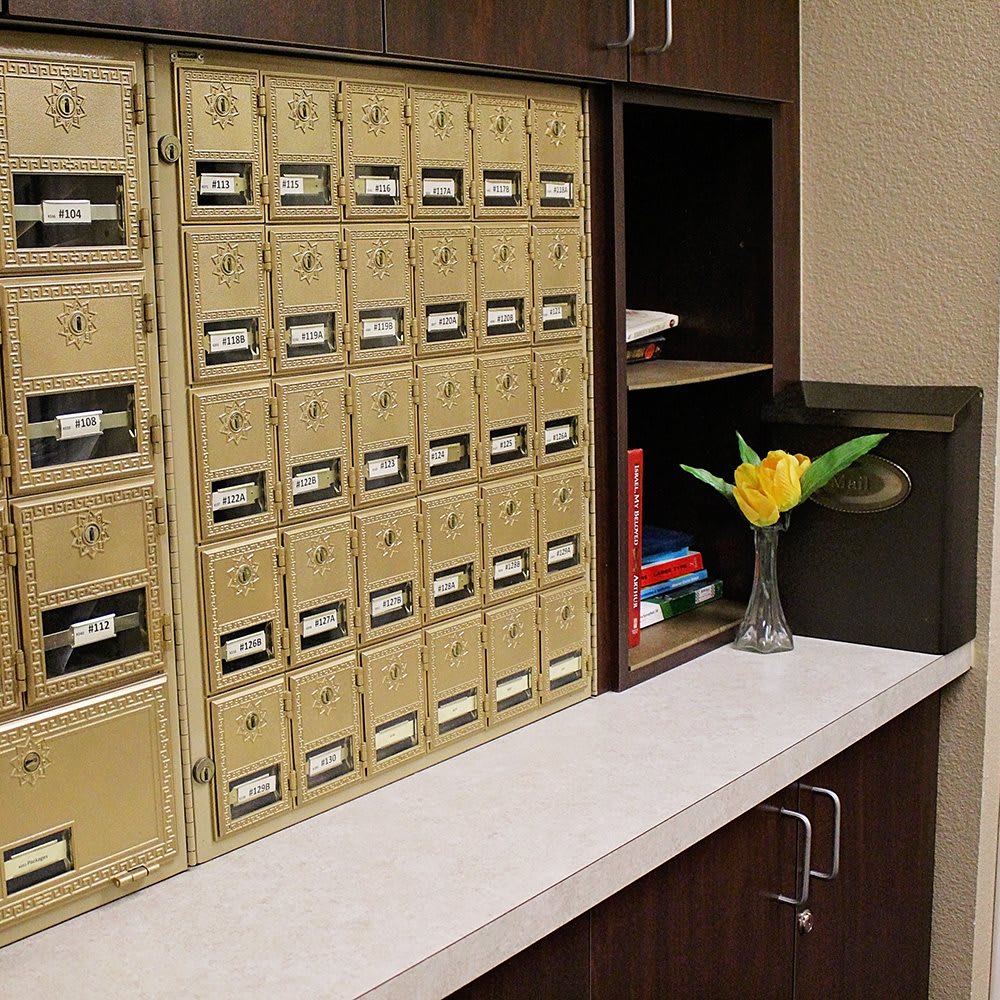
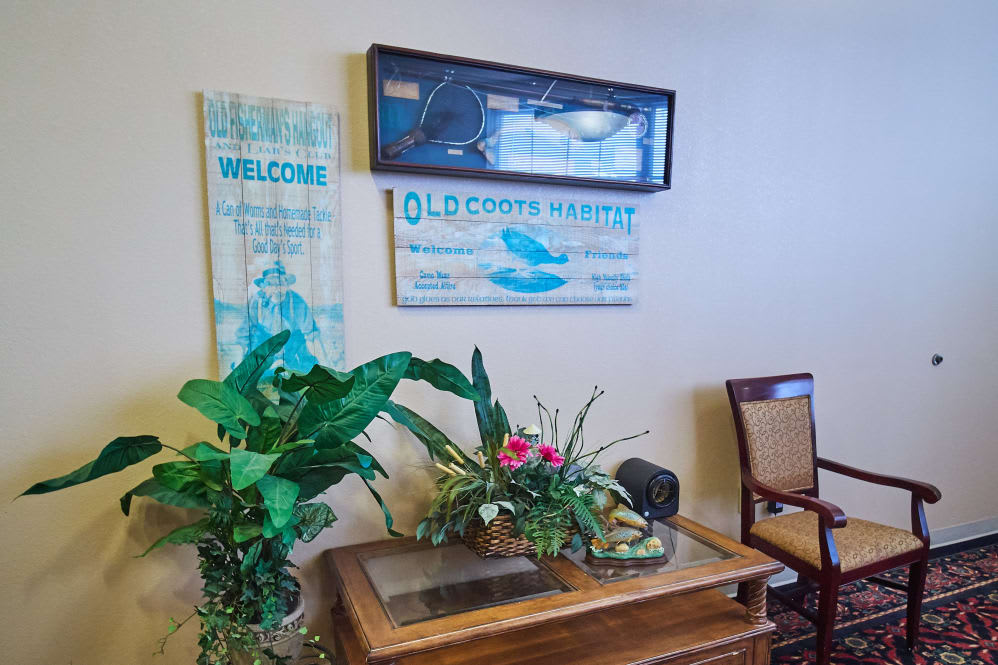
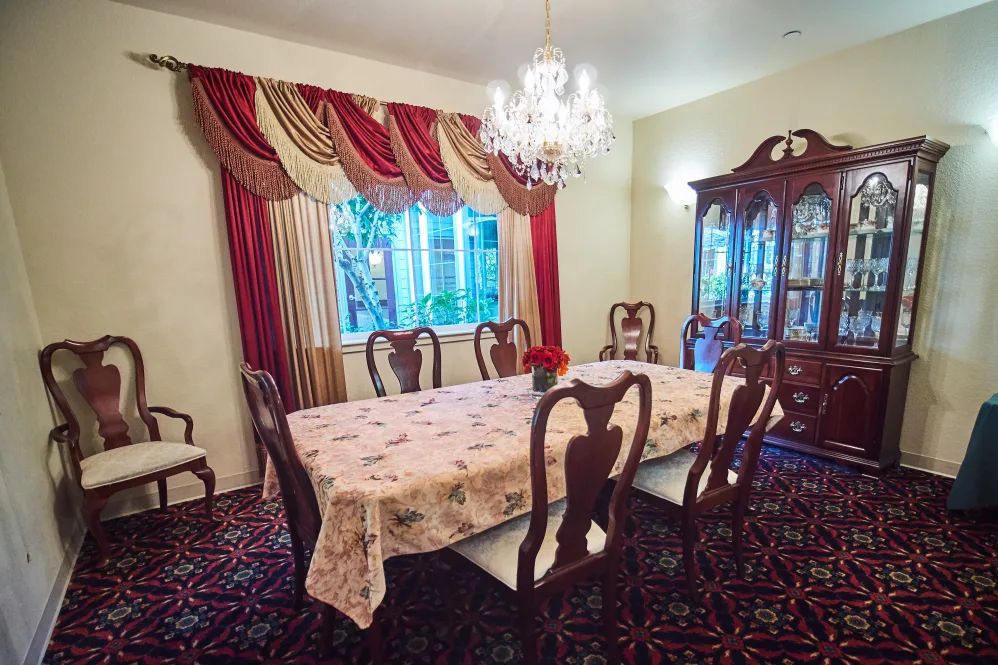
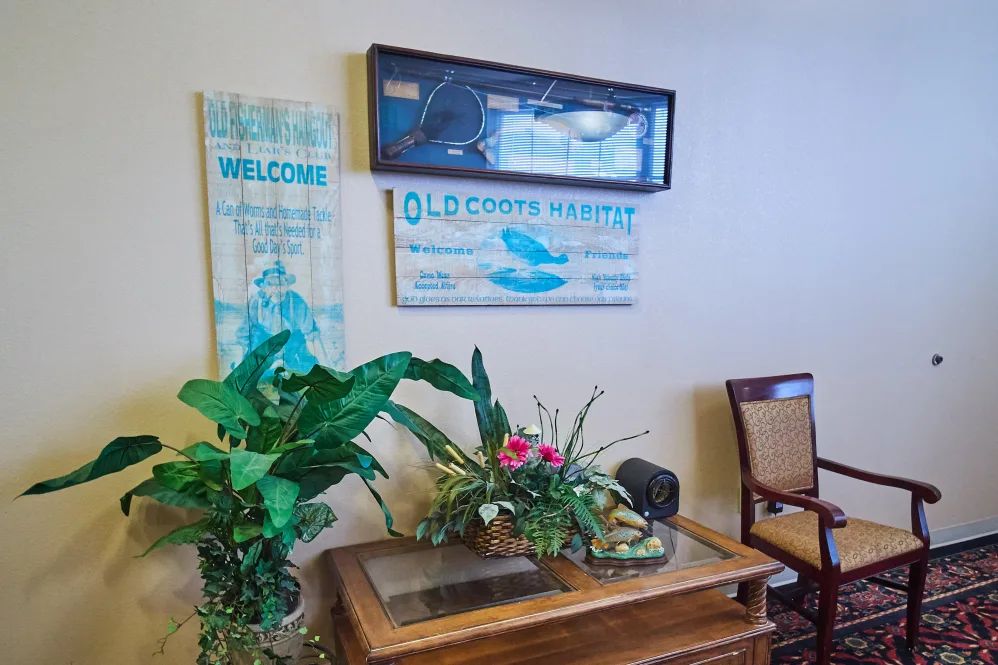
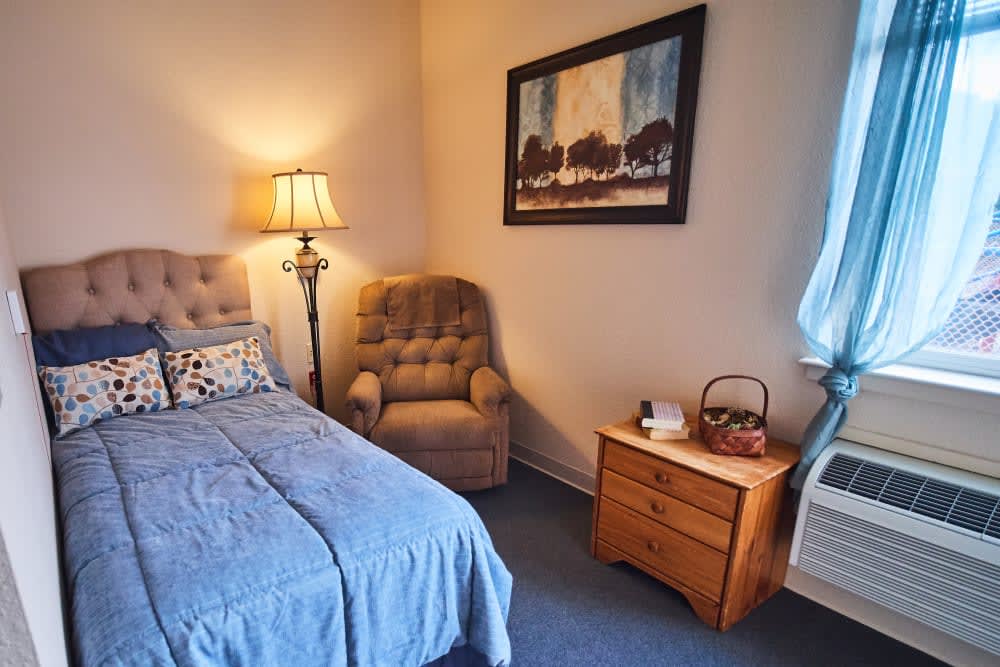
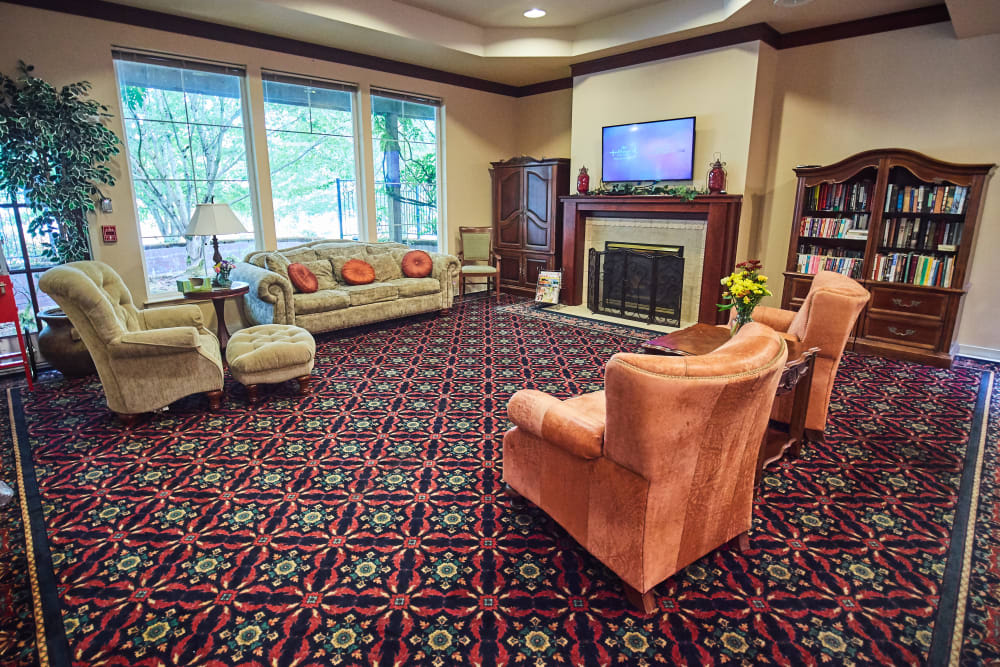
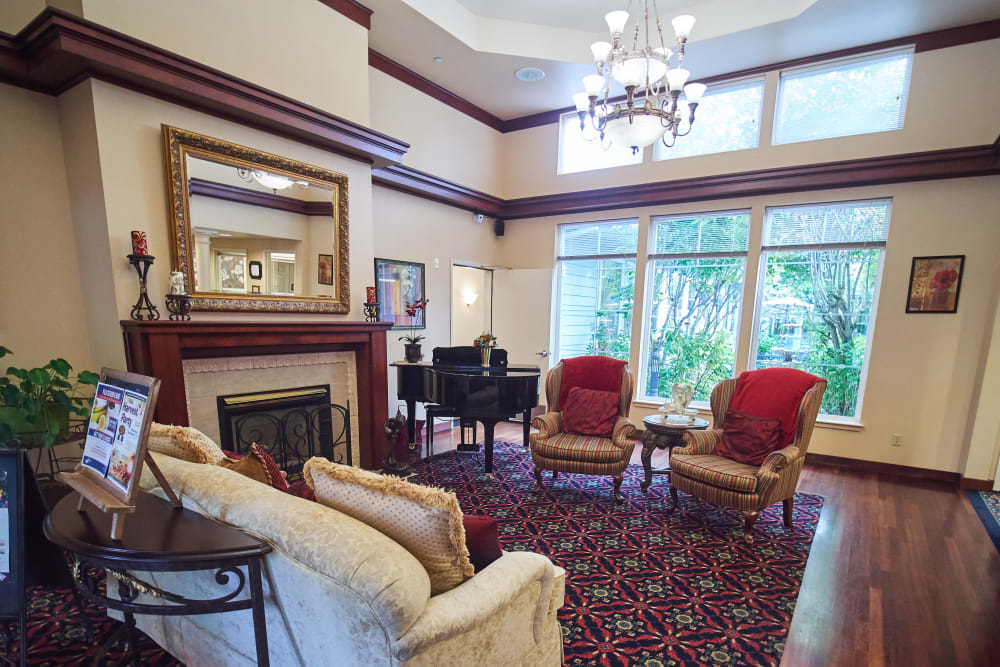
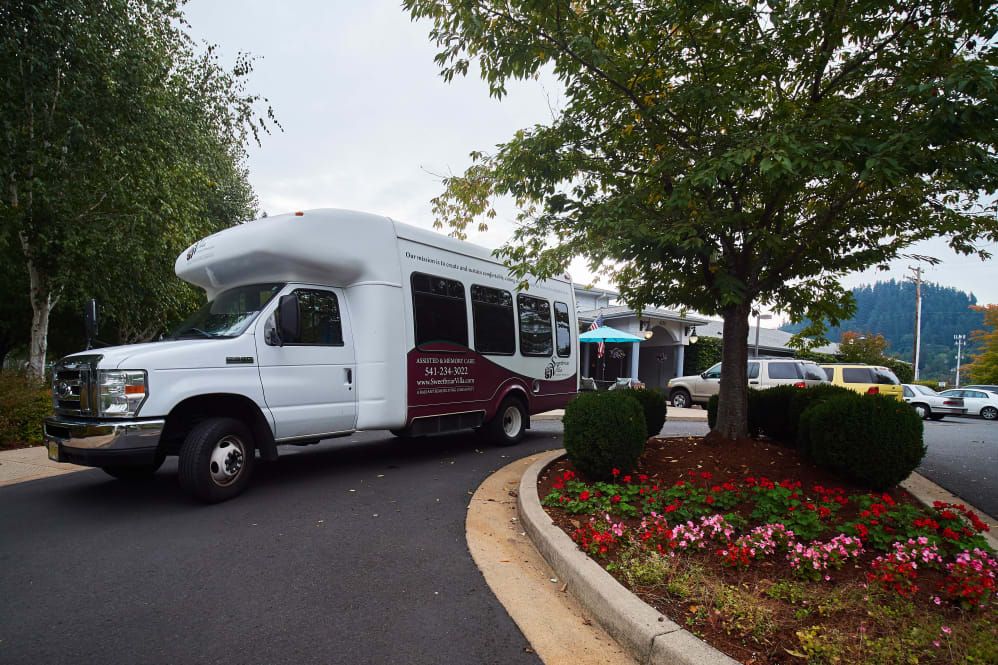
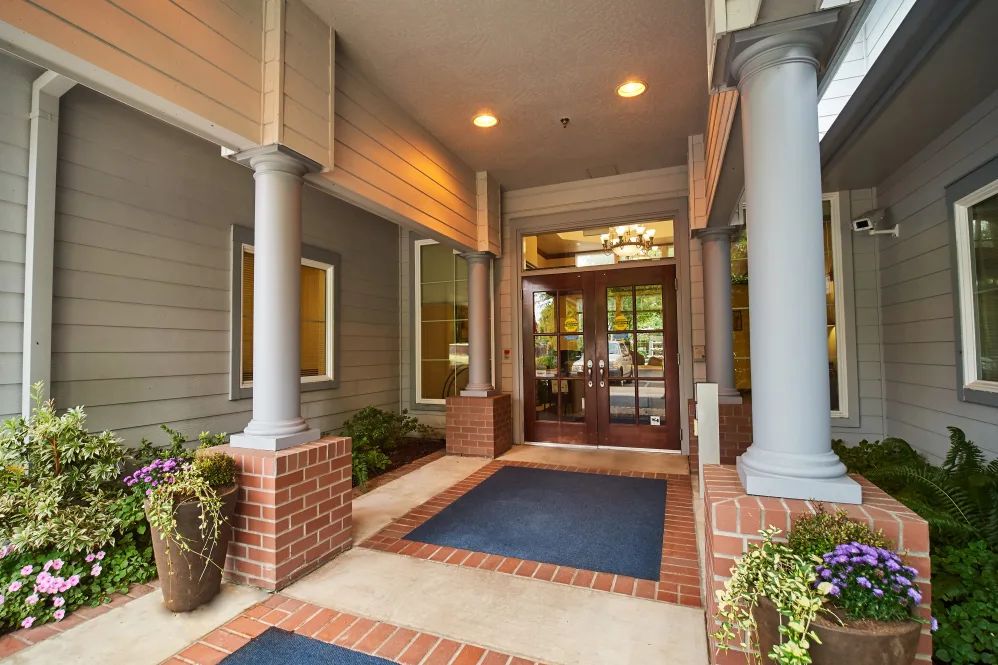
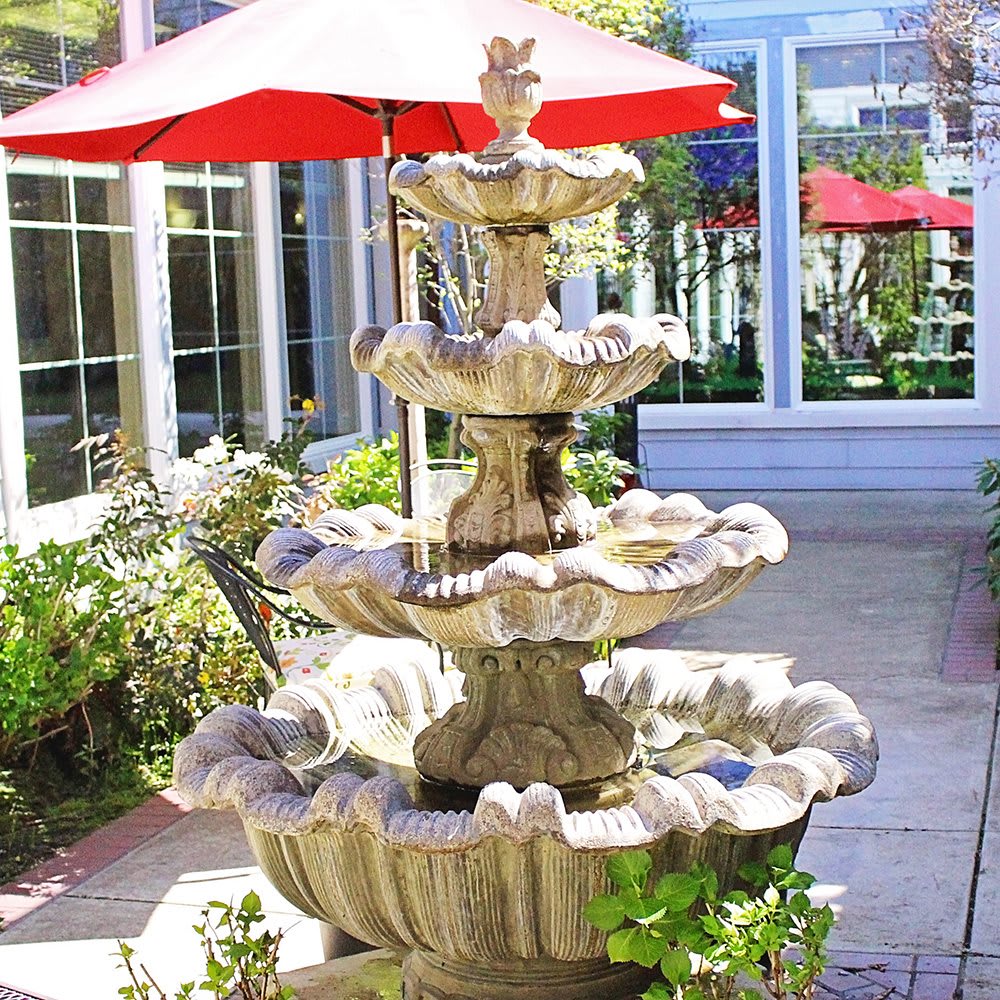
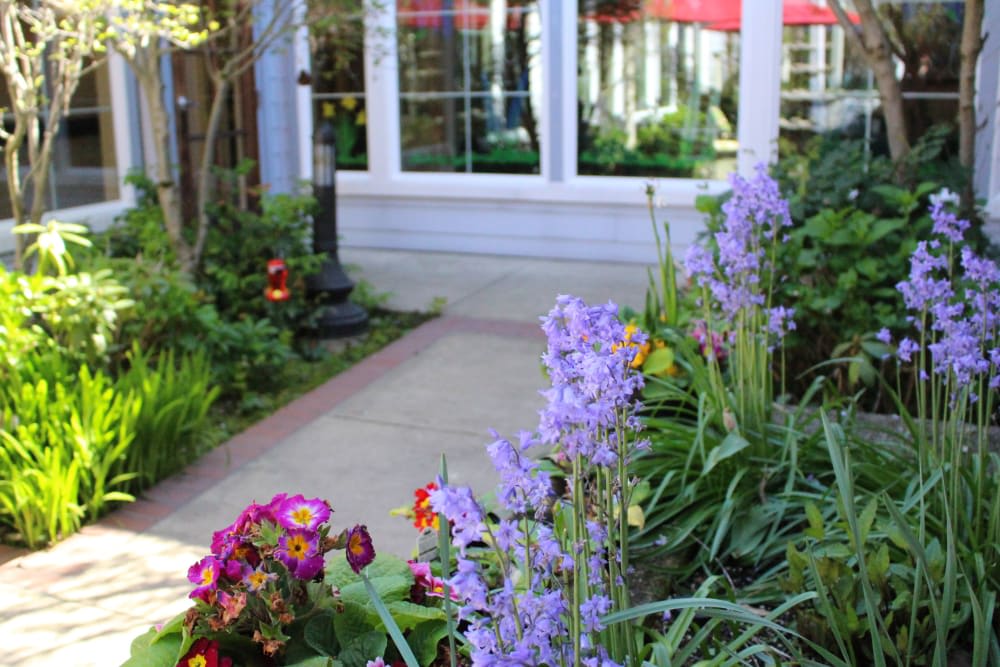
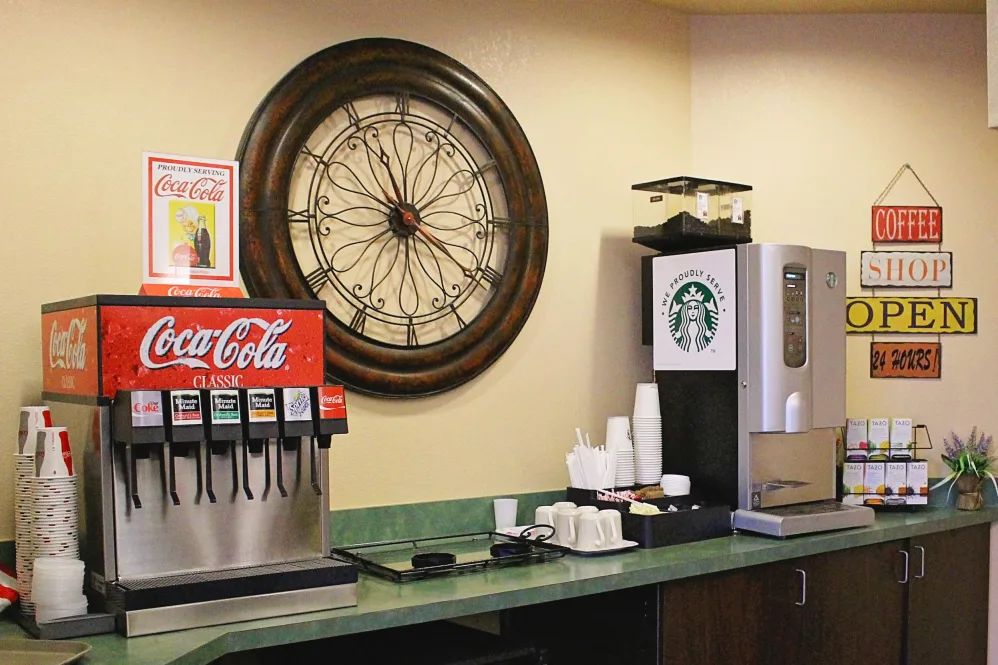
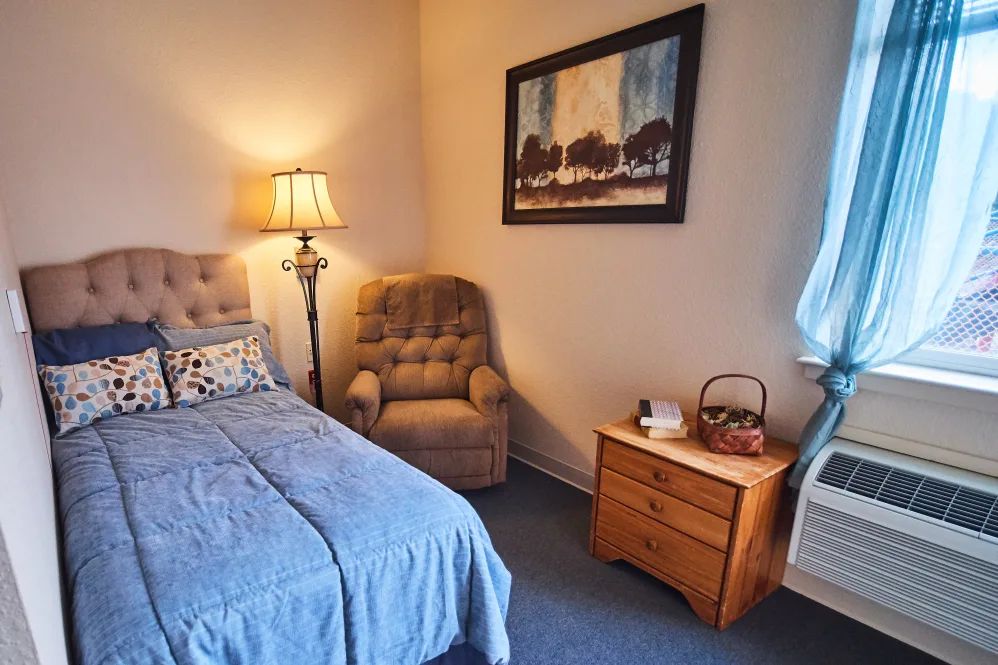
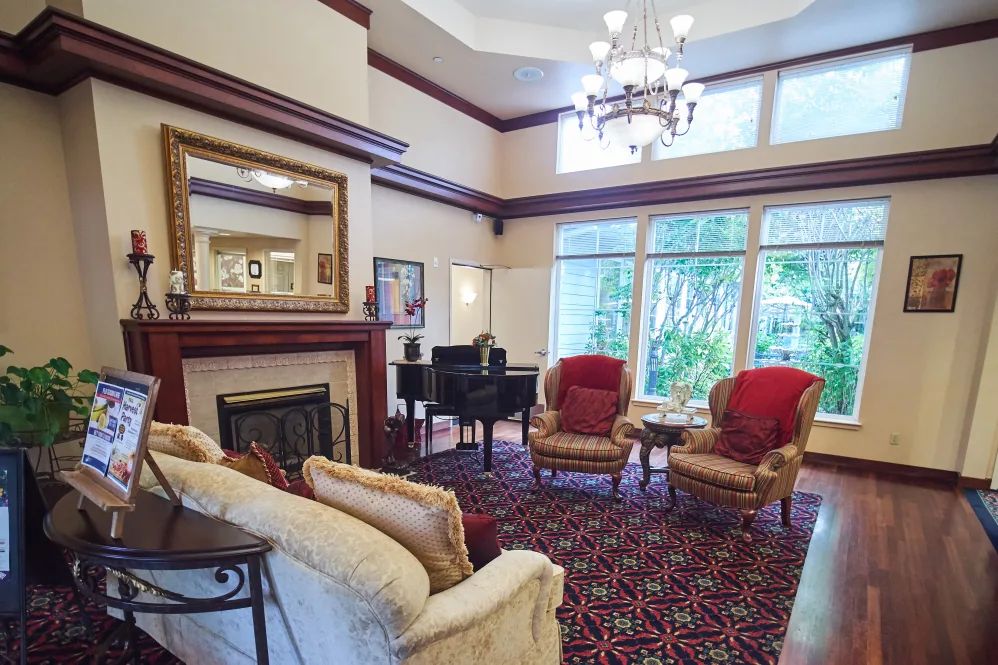
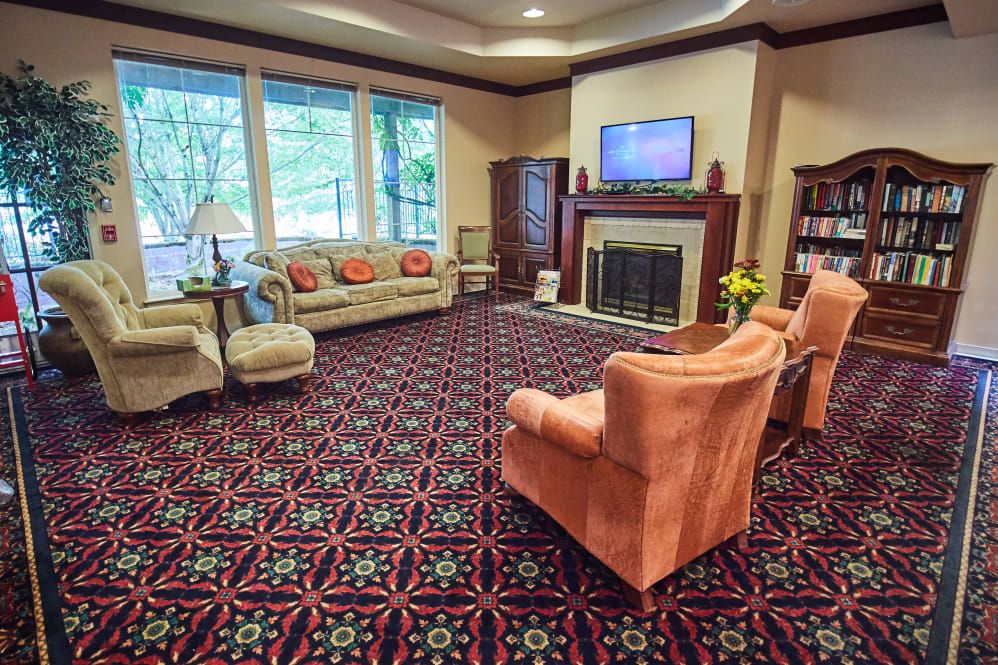
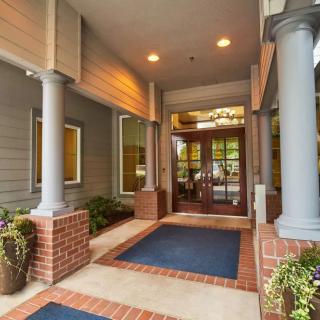
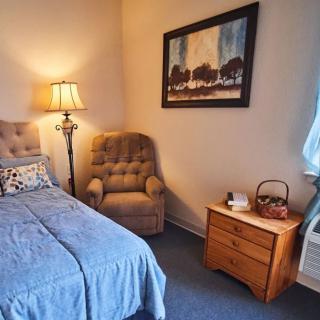
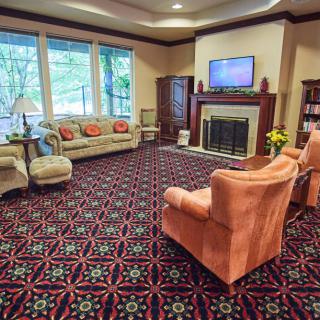
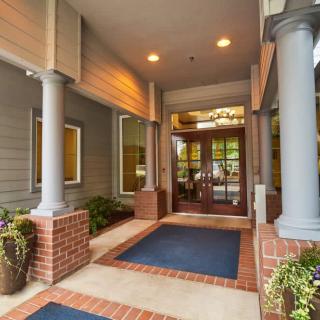
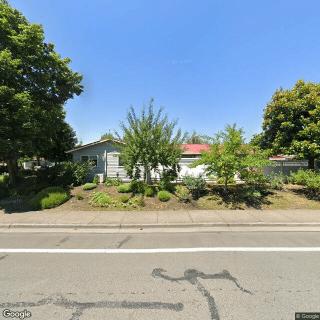
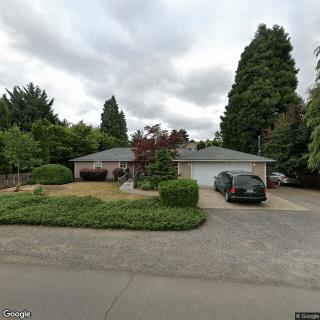
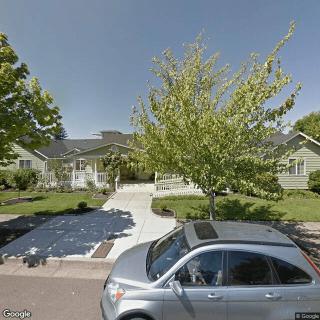
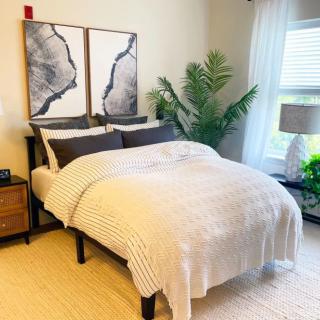
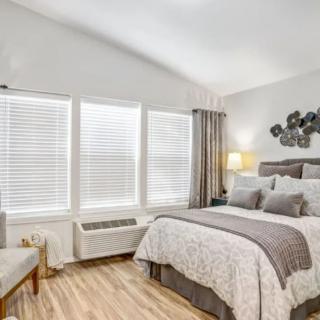
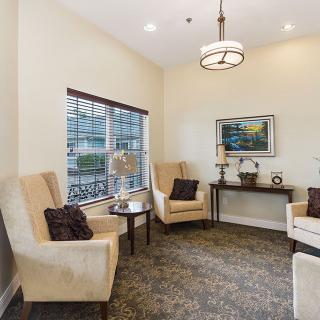
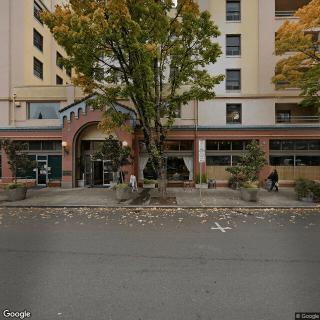
Sweetbriar Villa on seniors.fyi includes 25 photos including images showing garden, landscaping, decor, interior, fireplace, windows, outdoor, bedroom, and more.
Nearby Communities
Mc Kenzie Living
Springfield, OR
5 from 2 reviews
Restaurant-style dining and fully furnished apartments with 24-hour supervision and medication management.
ElderHealth & Living
Springfield, OR
4.4 from 41 reviews
$3,095 to $3,250 / month
Clean, home-like setting with attentive staff and personalized care.
ElderHealth and Living Memory Village
Springfield, OR
4.4 from 33 reviews
Memory-care focused with 24/7 supervision and personalized care.
Shalem Cottage Assisted Living
Springfield, OR
4.4 from 33 reviews
Personalized care with easy access to nearby pharmacies, doctors, hospitals, and social activities.
Timber Pointe Senior Living
Springfield, OR
4.3 from 131 reviews
$4,995 to $6,295 / month
Friendly, attentive staff with a strong sense of community and engaging activities.
Woodside Senior Living
Springfield, OR
4.5 from 70 reviews
$4,795 to $5,295 / month
Caring staff, tasty meals, and engaging activities.
The Rawlin at Riverbend Memory Care
Springfield, OR
4 from 73 reviews
$5,390 to $7,890 / month
Caring staff in a clean, well-maintained environment with engaging activities.
Spring Valley Assisted Living
Springfield, OR
4.5 from 30 reviews
$4,565 to $5,000 / month
Friendly, family-like staff in a clean, well-maintained environment with a variety of activities.
Eugene Hotel Retirement Community
Eugene, OR
4.7 from 31 reviews
$1,000 to $2,250 / month
Very affordable independent-living option with rich nearby amenities
The guide on holistic dementia care outlines the complexity of dementia and stresses the need for individualized caregiver strategies that include medical treatment, psychological support, and environmental adaptations, while emphasizing early detection, various therapeutic options, and caregiver support to enhance quality of life and maintain dignity.
"Memory Care Pathways: A Holistic Guide to Dementia Support" outlines the complexities of dementia and its various types, emphasizing early detection, patient-centered care strategies, caregiver support, and long-term care options while addressing legal and financial considerations to enhance the quality of life for individuals with dementia and their families.
Sundown syndrome, or sundowning, is a phenomenon in dementia patients characterized by increased confusion and agitation during late afternoon and evening, influenced by factors like disrupted circadian rhythms and fatigue. Effective caregiver strategies include establishing routines and managing environmental light while addressing caregiver stress through support services.
Get PricingAsk A QuestionSchedule A TourContact Senior Advisor
By clicking submit, you agree to our Partner's Terms of Use. You
also consent to receive calls and texts, which may be autodialed, from our Partner. Your consent is not a condition to
using our Partner's service. Please visit our Partner's Privacy Policy for information about their privacy practices.








 39 resident community capacity
 1-bedroom apartments
 Assisted Living
 Memory Care
 Cats allowed
 Dogs allowed
 Activities off-site
 Air-conditioning
 Beautician on-site
 Cable or satellite TV
 Devotional services on-site
 Dining room
 Fully furnished
 Garden
 Ground floor units
 Housekeeping services
 Indoor common areas
 Kitchenette
 Laundry
 Move-in coordination
 Outdoor common areas
 Party space
 Respite or short term stays offered
 Restaurant-style dining
 Small library
 Telephone
 Wi-Fi/high-speed internet available
 Mahlon Sweet (16 miles away)
 Transportation & parking
 24-hour call system
 Ambulatory care
 Assistance with bathing
 Assistance with dressing
 Assistance with transfers
 Diabetes diet
 Diabetic care
 Incontinence care
 Medication management
 Mental wellness program
 Special dietary restrictions
 Art classes
 BBQs or picnics
 Day trips and outings
 Intergenerational programs
 Karaoke
 Live dance or theater performances
 Live musical performances
 Sensory-based programs
 English
 Restaurant-style dining and fully furnished apartments with 24-hour supervision and medication management.

 A Holistic Dementia Care Guide: Effective Strategies for Memory Support
 Memory Care Pathways: A Holistic Guide to Dementia Support
 Comprehending Evening Confusion in Dementia: Causes, Manifestations, and Support