Timber Pointe Senior Living offers a variety of accommodation options, with monthly costs that reflect the quality and services provided in comparison to both Lane County and the wider state of Oregon. For a studio apartment at Timber Pointe, residents can expect to pay $4,995, which is significantly higher than the county's average of $3,877 and the state's benchmark of $3,815. The pricing continues to trend above local averages for larger spaces as well; a one-bedroom unit costs $5,495 compared to $4,179 in Lane County and $3,904 in Oregon. Similarly, the two-bedroom option at Timber Pointe is priced at $6,295, far exceeding the county's average of $4,934 and the state's rate of $4,436. These figures suggest that while Timber Pointe Senior Living comes at a premium price point within its market context, it likely offers distinctive amenities and comprehensive care tailored to enhance residents' quality of life.
Floor plans
Timber Pointe Senior Living
Lane County
Oregon
Studio
$4,995
$3,877
$3,815
1 Bedroom
$5,495
$4,179
$3,904
2 Bedrooms
$6,295
$4,934
$4,436
Skilled Nursing Facilities with a similar price nearby
Residents and families consistently describe responsive, attentive help from staff.
Many reviewers say staff were easy to reach and quick to answer questions, including during stressful transitions and move-in planning. Several also describe nurses and medical assistants as knowledgeable and caring, with families appreciating how supported they felt. A few reviews, however, point to concerns like turnover, incomplete training, and instances where care didn’t feel consistent.
differentiator16 reviews mention this
Dining earns strong reactions
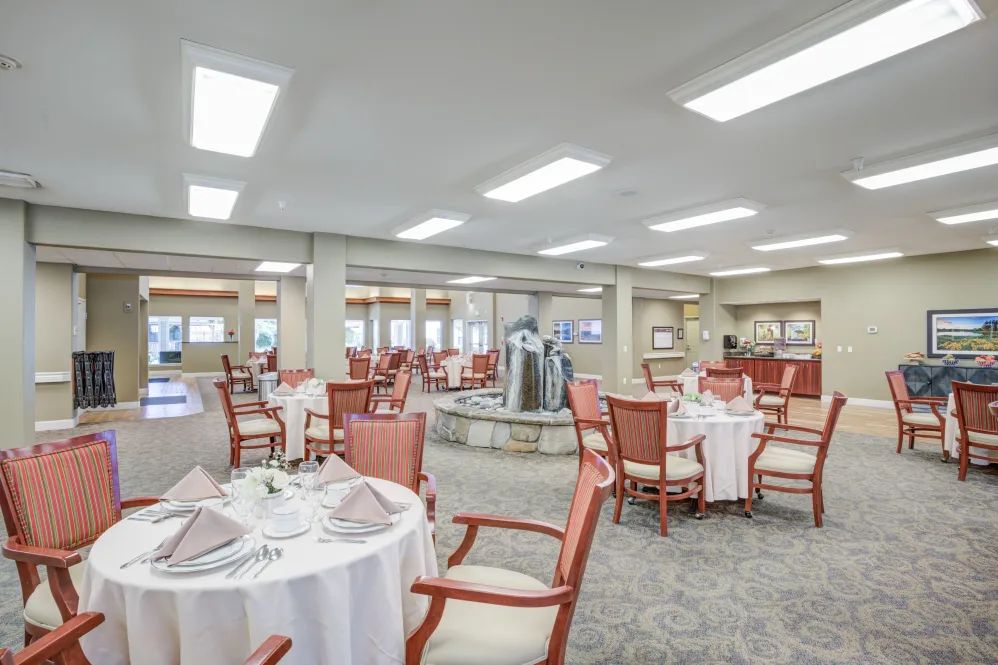
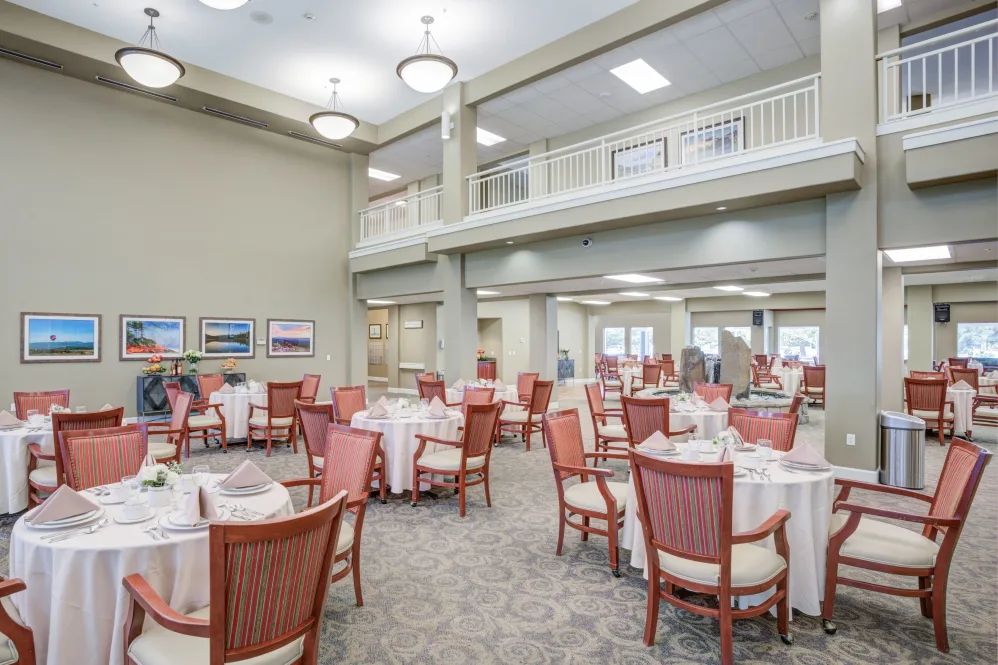
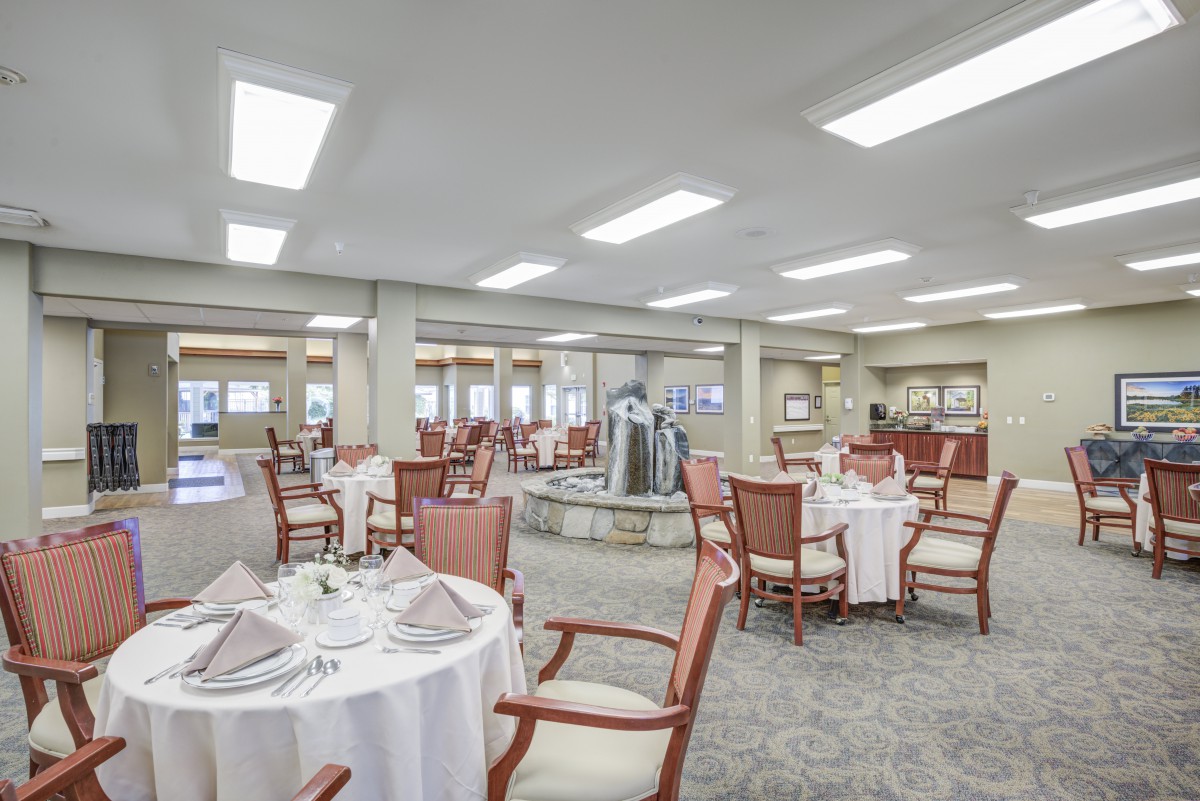
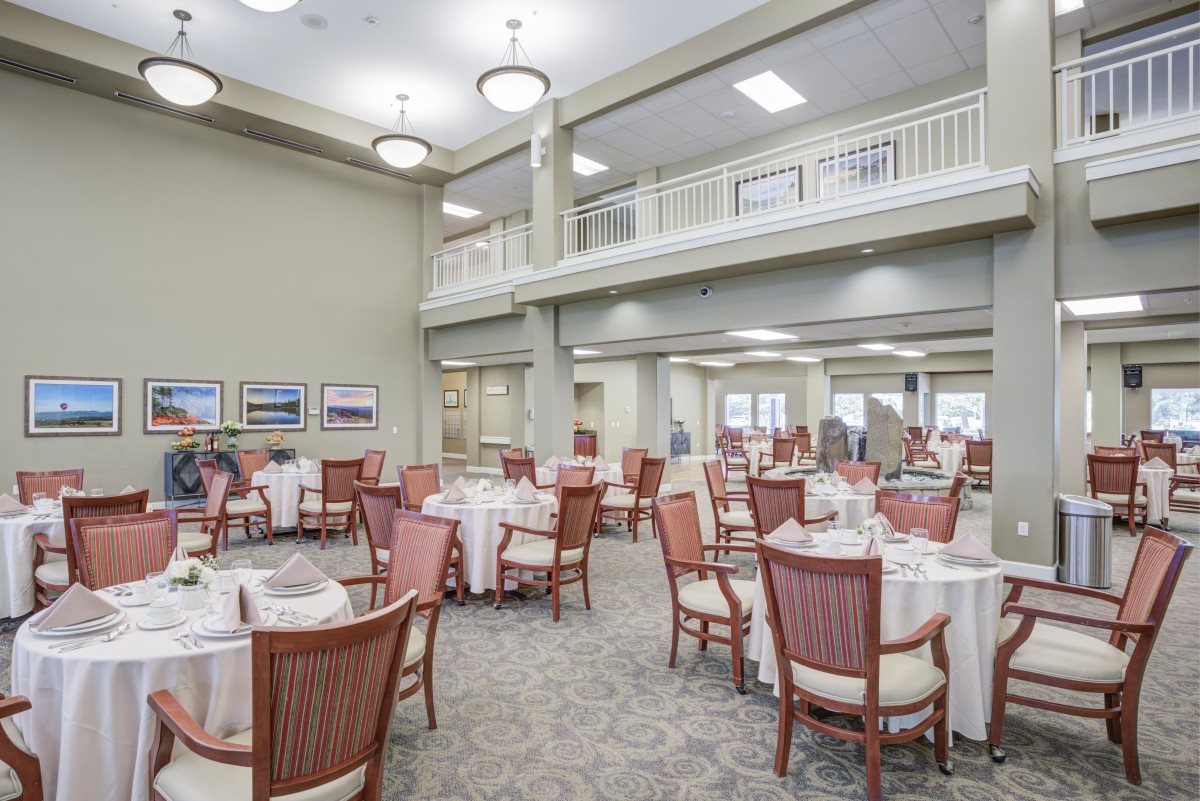
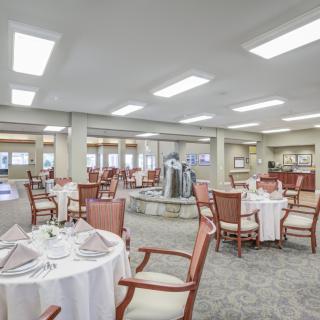
Dining is a recurring highlight, with restaurant-style meals and dietary options mentioned.
Reviewers frequently praise the quality of food and the effort put into dining, describing it as excellent and offering variety. Some also mention enjoying the way meals are served and the availability of café-style choices. On the other hand, a handful of reviews criticize food quality or say service slowed when staff roles overlapped.
common10 reviews mention this
Activities keep residents engaged
Families describe an active schedule of outings, clubs, and events.
Several reviews describe frequent activities ranging from games and exercise to outings and community events. Some reviewers specifically call out resident council, baking or garden-style clubs, and seasonal entertainment. The structured activity offerings also align with this theme, including on-site activities, planned day trips, and resident-run opportunities.
caveat2 reviews mention this
Pricing runs above averages
Pricing is set above county and state benchmarks across unit types.
For prospective residents, the listed monthly range is consistently above both county and state benchmarks for studio through two-bedroom options. A few reviews include cost-related frustration in their overall impressions, while most focus on care and lifestyle rather than pricing specifics.
common4 reviews mention this
Convenient nearby medical options
Medical and daily-needs destinations are close by.
The location appears convenient for both healthcare and everyday errands, with nearby clinics and pharmacies listed within a few miles. Reviewers also reference access to care and transportation needs, which pairs with the surrounding options.
How we summarize
Counts show how many written reviews mention each theme; a review can touch several themes, and only frequently mentioned themes are displayed.
Features
Housing
150 resident community capacity
1-bedroom apartments
2-bedroom apartments
Detached homes
Studio apartments
Types of Care
Assisted Living
Independent Living
Skilled Nursing Facility
Pets
Cats allowed
Dogs allowed
Amenities
Activities off-site
Activities on-site
Air-conditioning
Beautician on-site
Beauty salon
Cable or satellite TV
Computer center
Devotional services on-site
Dining room
Fitness room
Full kitchen
Fully furnished
Gaming room
Garden
Housekeeping services
Indoor common areas
Kitchenette
Located close to restaurants
Located close to shopping centers
Move-in coordination
Outdoor common areas
Outdoor patio
Outdoor space
Private bathrooms
Resident parking
Respite or short term stays offered
Restaurant-style dining
Small library
Telephone
VA Benefits Consultation
Wellness center
Wheelchair accessible showers
Wi-Fi/high-speed internet available
Transportation
Mahlon Sweet (14 miles away)
Community operated transportation
Transportation & parking
Transportation arrangement
Transportation arrangement (non-medical)
Transportation to doctors appointments
Care Services
12-16 hour nursing
24-hour call system
24-hour supervision
Activities of daily living assistance
Ambulatory care
Assistance with bathing
Assistance with dressing
Assistance with transfers
Diabetes diet
Diabetic care
Incontinence care
Meal preparation and service
Medication management
Mental wellness program
Special dietary restrictions
Dining
Diabetes diet
Low / no sodium
Meals provided
Special dietary restrictions
Vegetarian
Activities
Activities off-site
Activities on-site
Community-sponsored activities
Concierge services
Devotional activities on-site
Fitness programs
Planned day trips
Resident-run activities
Scheduled daily activities
Languages Spoken
English
Videos
Nearby Places of Interest
This part of Springfield, Oregon, offers a variety of amenities and services that cater to seniors' needs. With multiple hospitals and medical facilities within close proximity, residents can easily access healthcare services. There are also several pharmacies nearby for convenient medication management. In terms of dining options, a range of restaurants and cafes provide diverse culinary choices for residents. Additionally, the area features parks for leisurely walks and outdoor activities. For entertainment, there is a theater nearby for movie buffs to enjoy. Overall, this neighborhood provides a well-rounded living environment with essential services and recreational opportunities for seniors to embrace a comfortable and fulfilling lifestyle.
Hospitals
Emeritus at Springfield - the Woodside (0.1 miles)
McKenzie-Willamette Medical Center (2.8 miles)
Riverbend Hospital Pediatric Unit (4.6 miles)
Oregon Heart & Vascular Institute (4.6 miles)
PeaceHealth Sacred Heart Medical Center at Riverbend (4.7 miles)
Sacred Heart Medical Center - Children's Miracle Network (5 miles)
White, Kery - Nova Health Urgent Care Coburg (6.5 miles)
Timber Pointe Senior Living offers a variety of accommodation options, with monthly costs that reflect the quality and services provided in comparison to both Lane County and the wider state of Oregon. For a studio apartment at Timber Pointe, residents can expect to pay $4,995, which is significantly higher than the county's average of $3,877 and the state's benchmark of $3,815. The pricing continues to trend above local averages for larger spaces as well; a one-bedroom unit costs $5,495 compared to $4,179 in Lane County and $3,904 in Oregon. Similarly, the two-bedroom option at Timber Pointe is priced at $6,295, far exceeding the county's average of $4,934 and the state's rate of $4,436. These figures suggest that while Timber Pointe Senior Living comes at a premium price point within its market context, it likely offers distinctive amenities and comprehensive care tailored to enhance residents' quality of life.
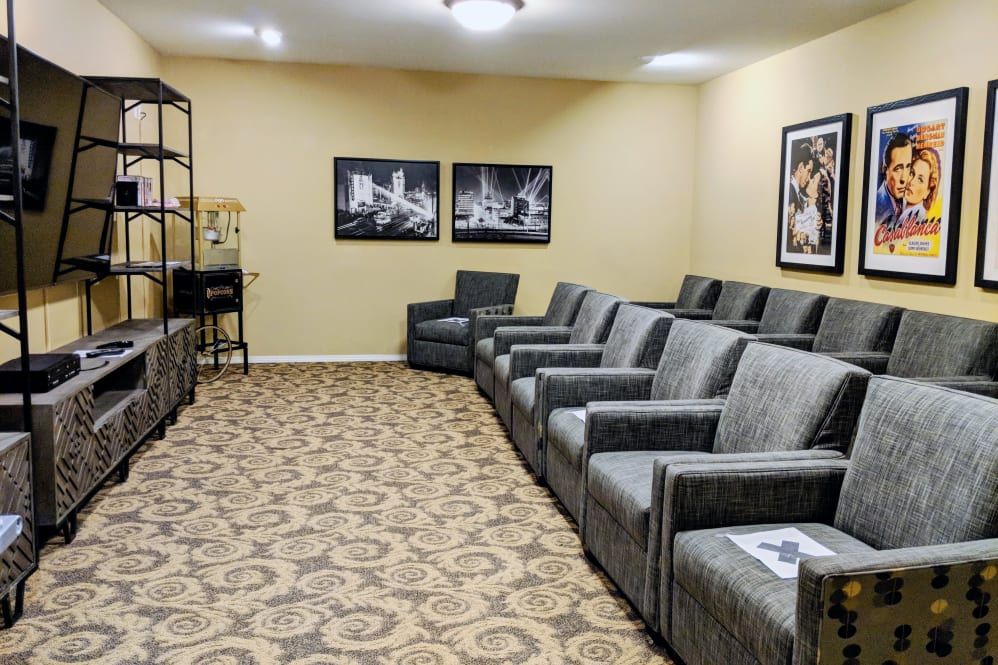
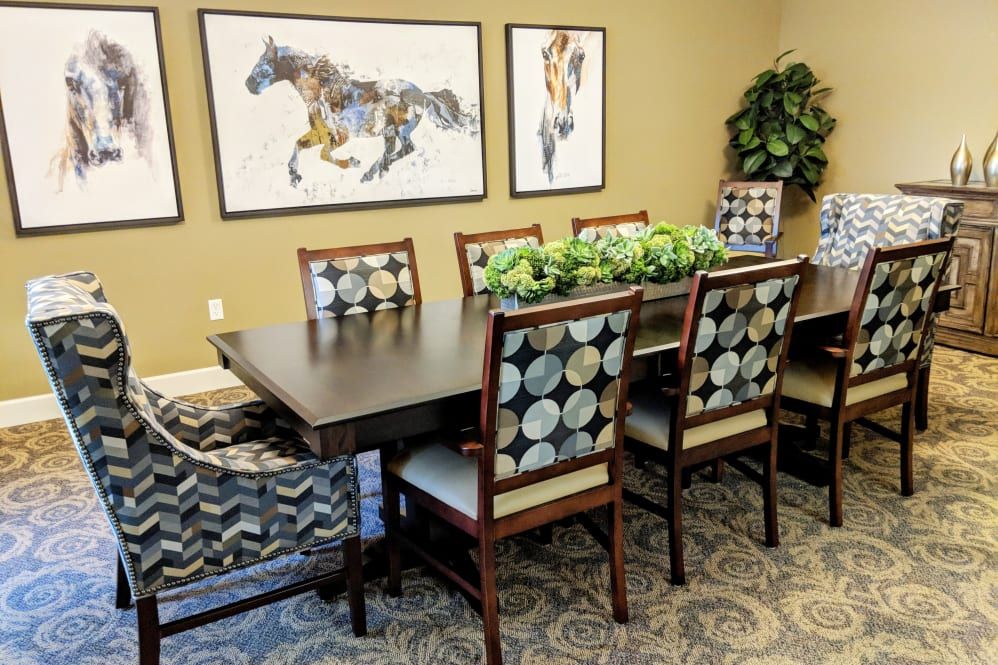
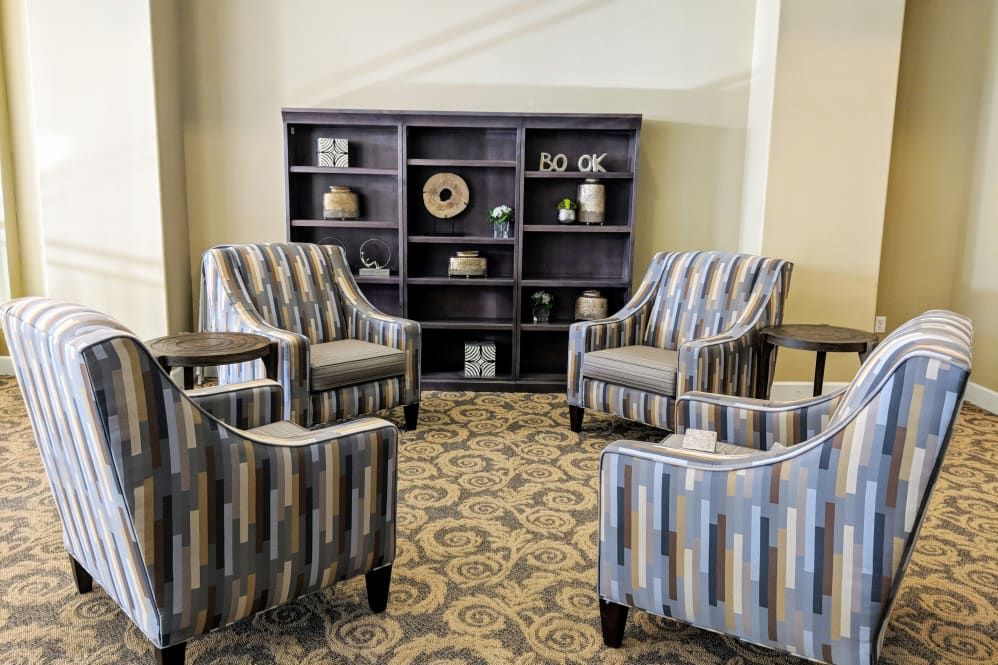
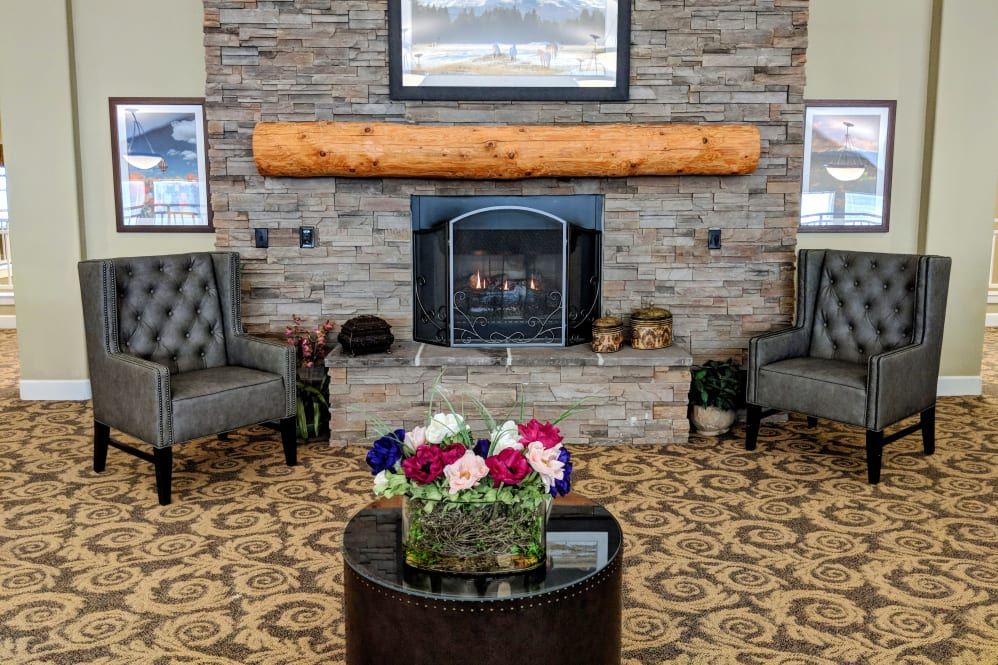
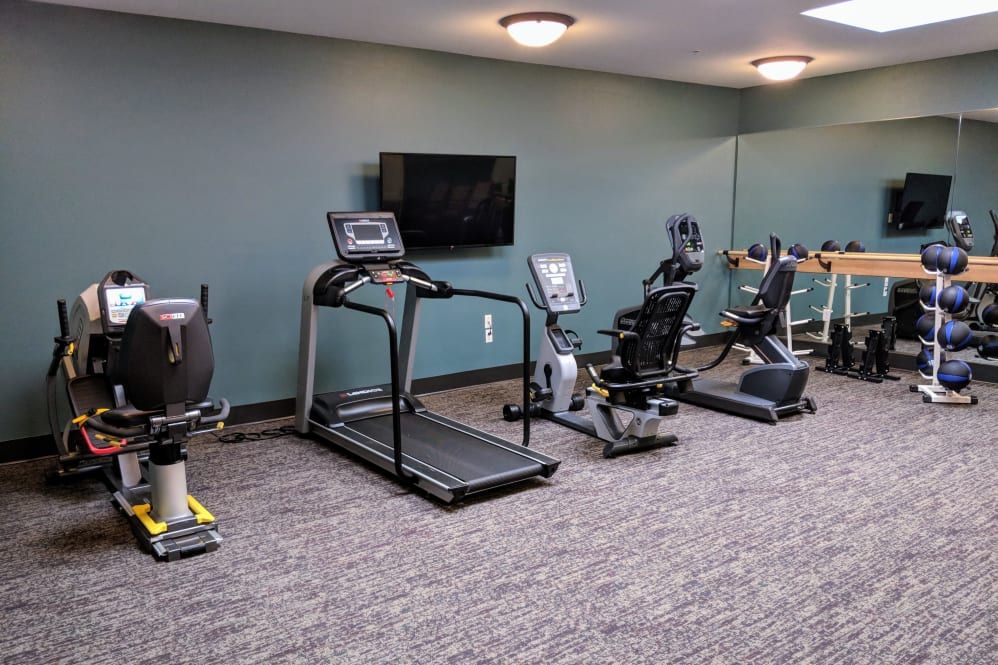
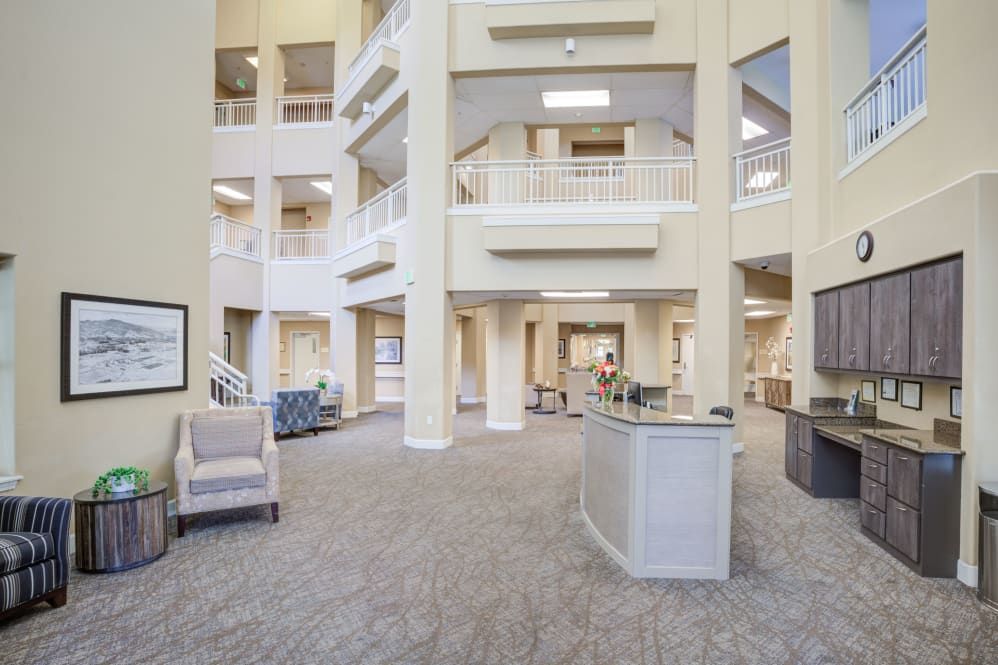
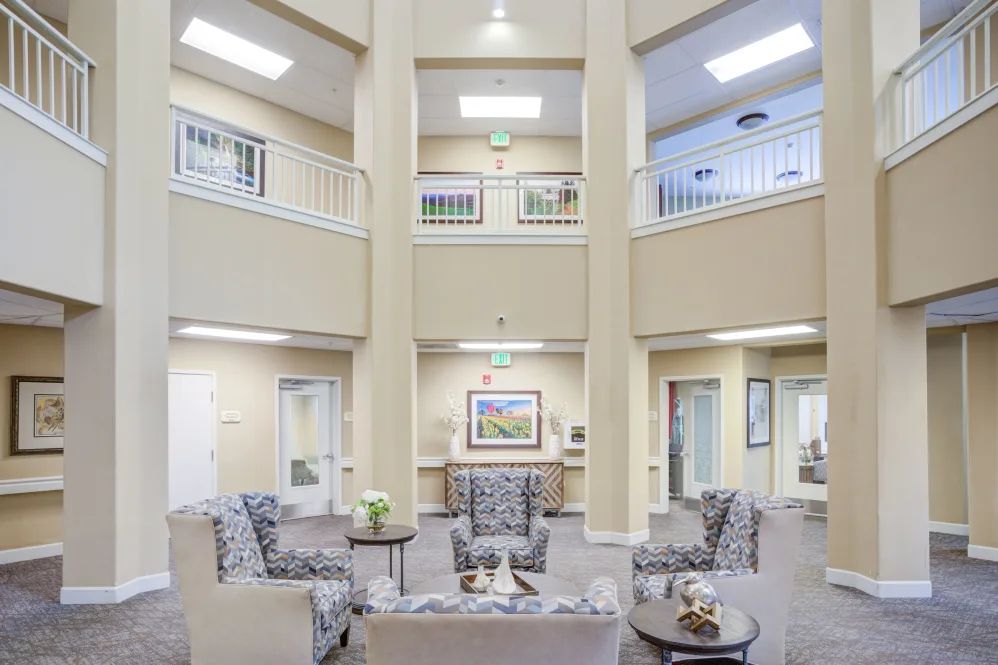
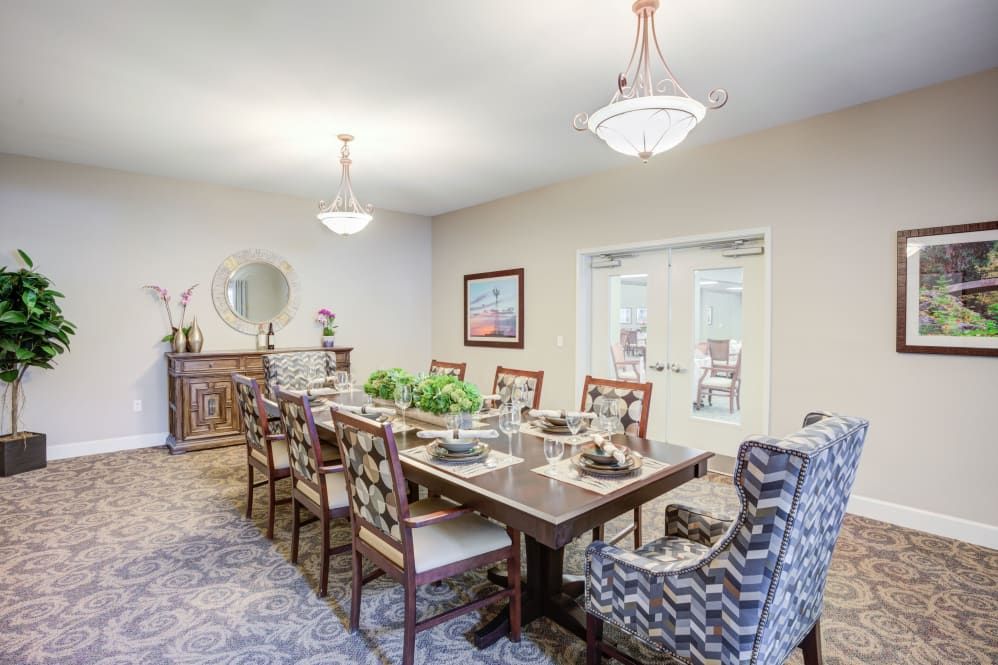
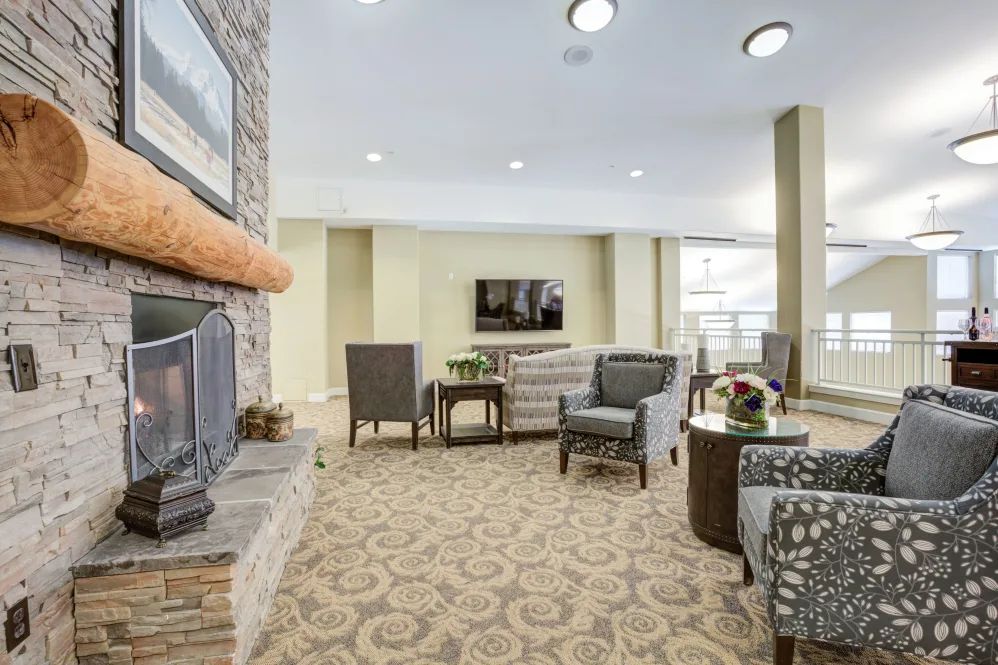
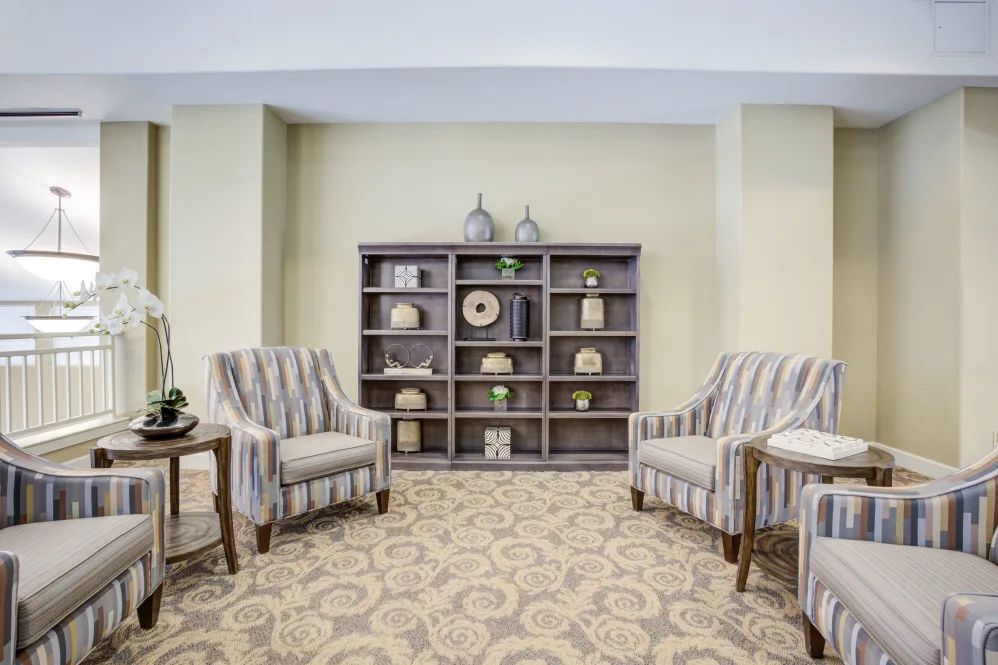
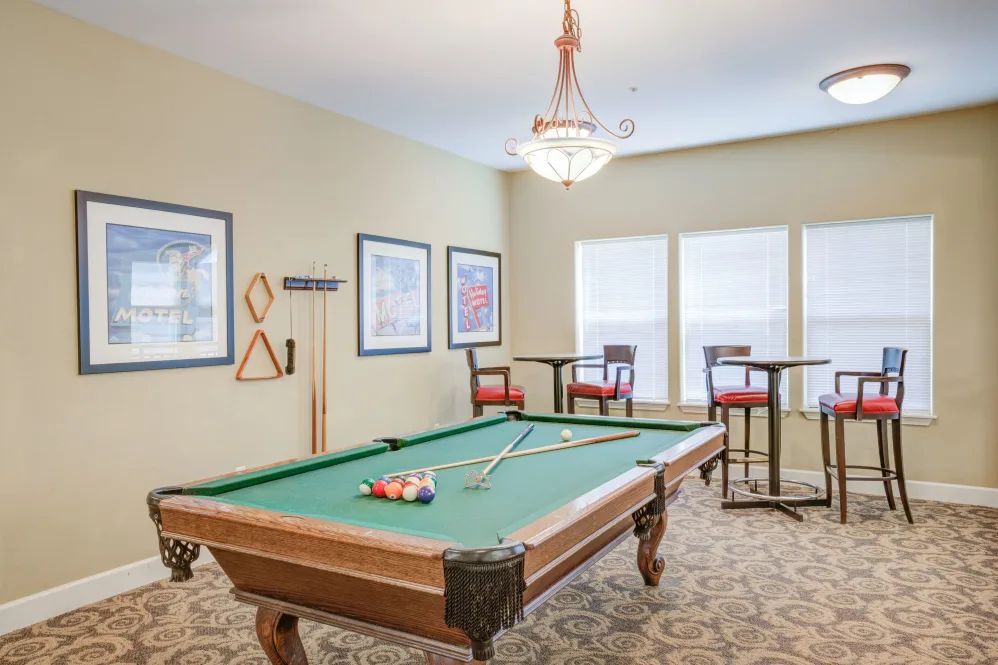
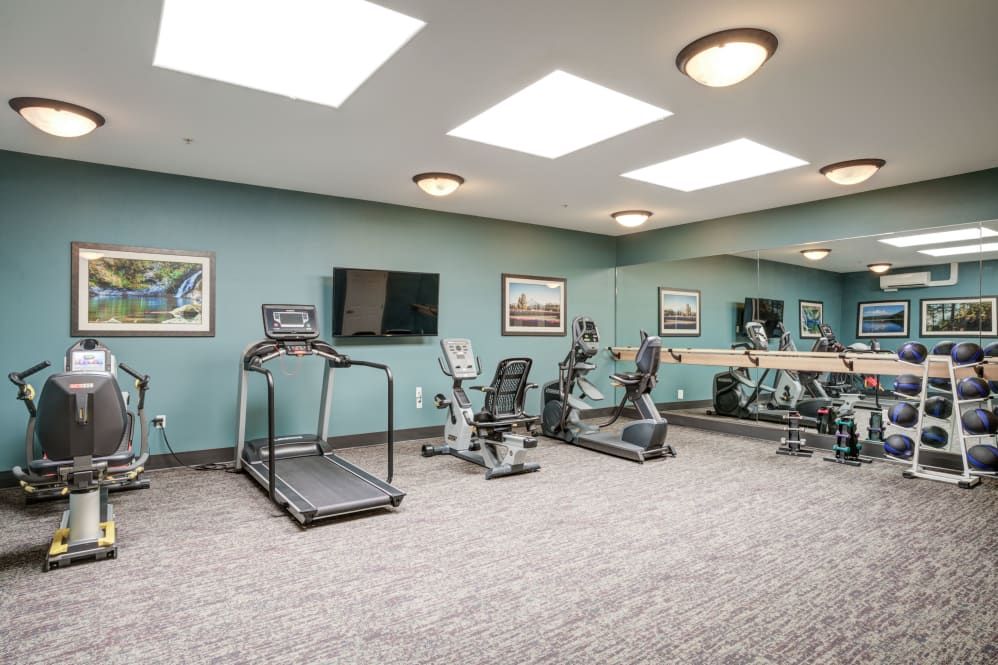
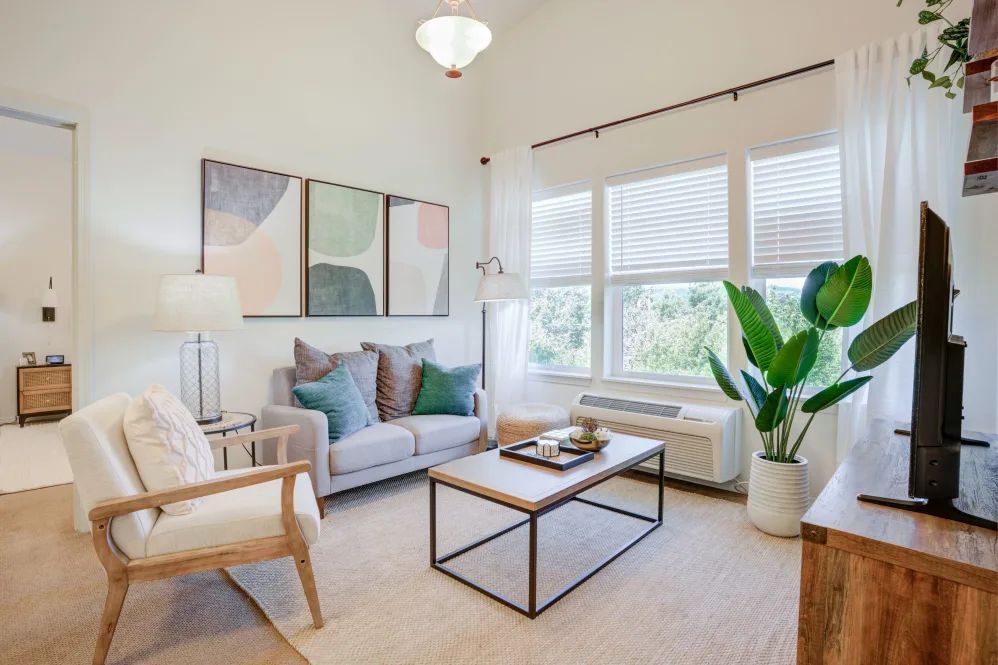
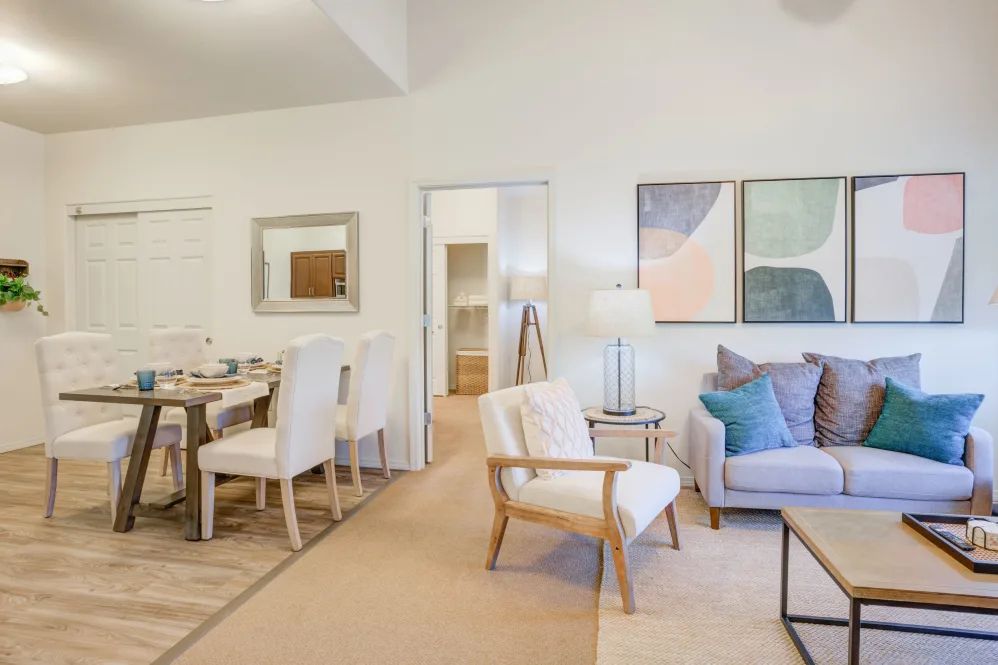
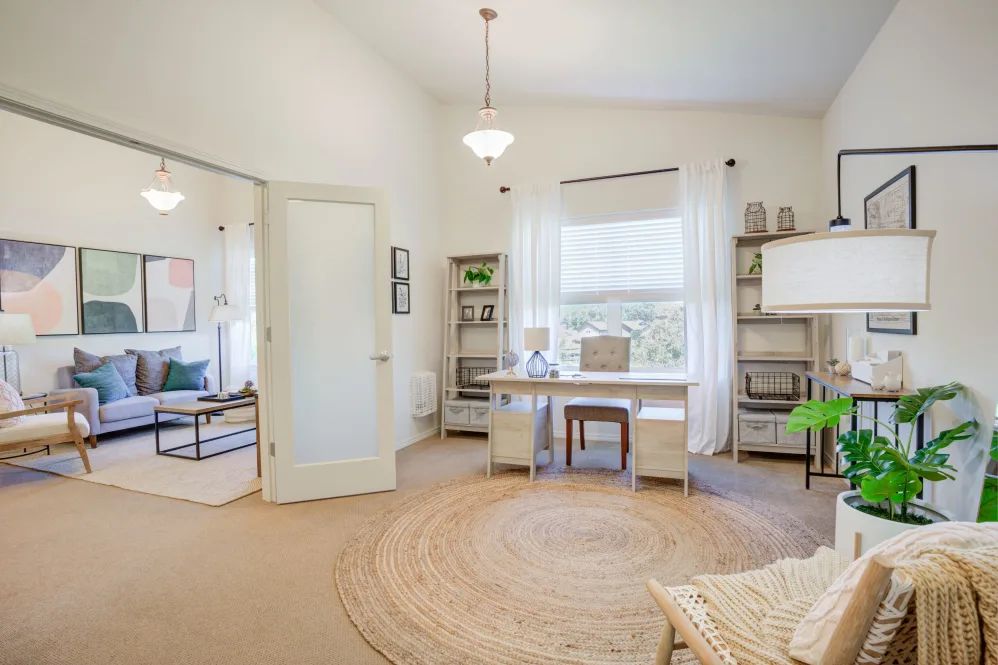
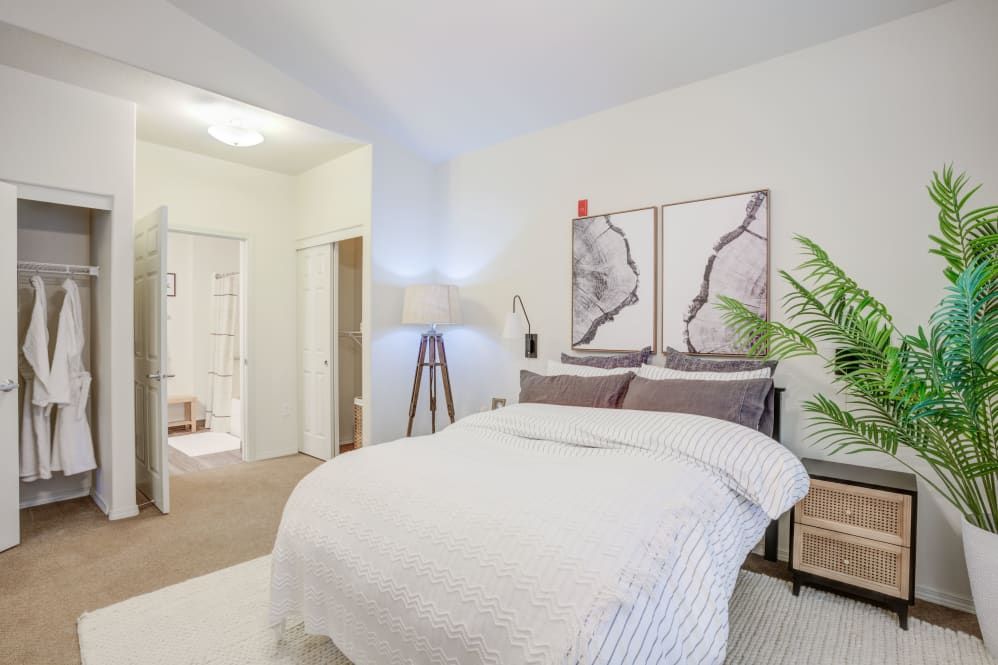
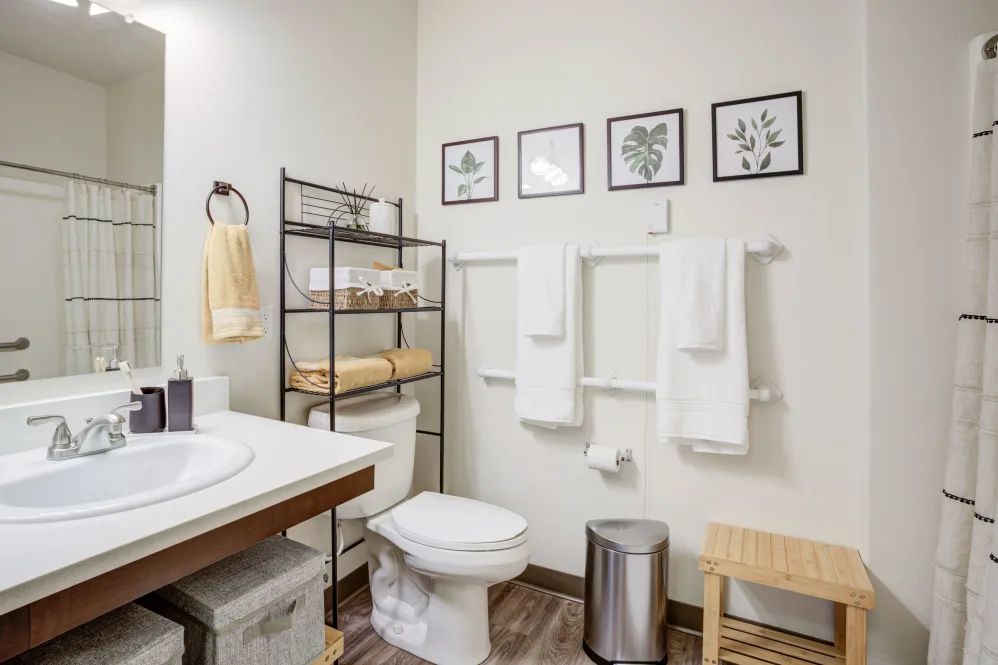
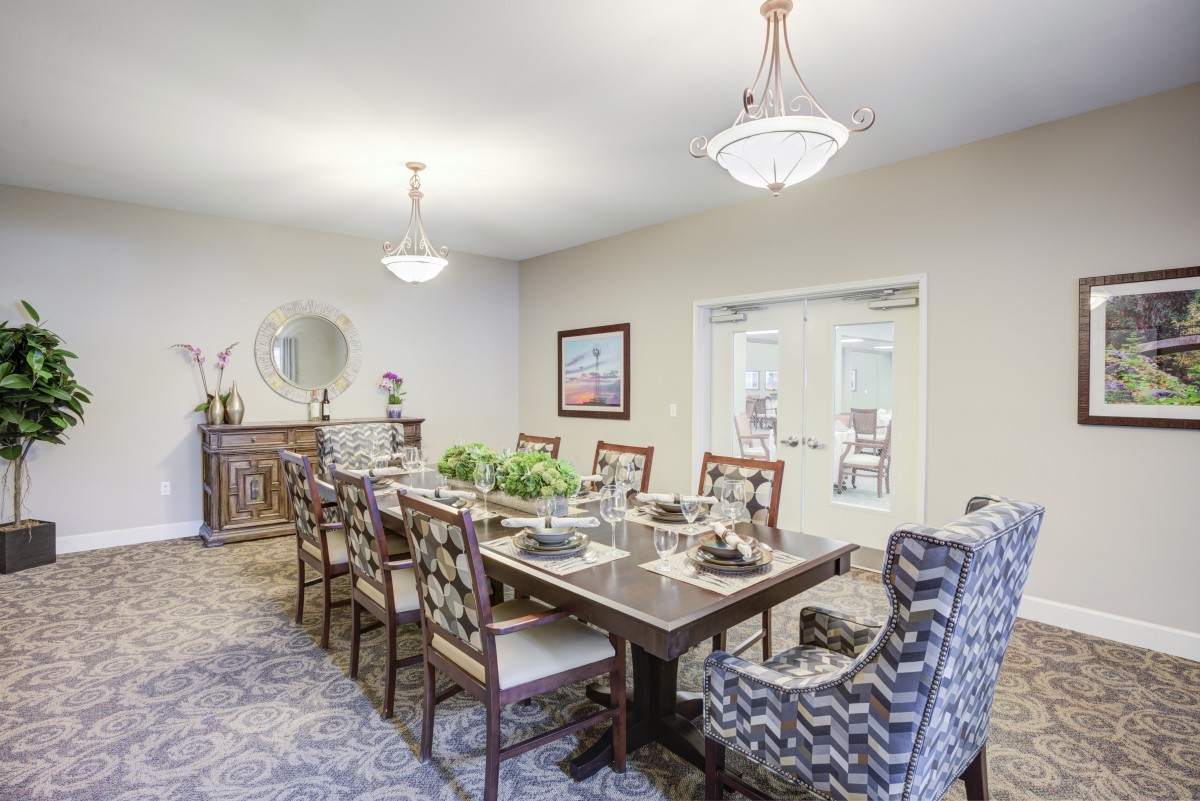
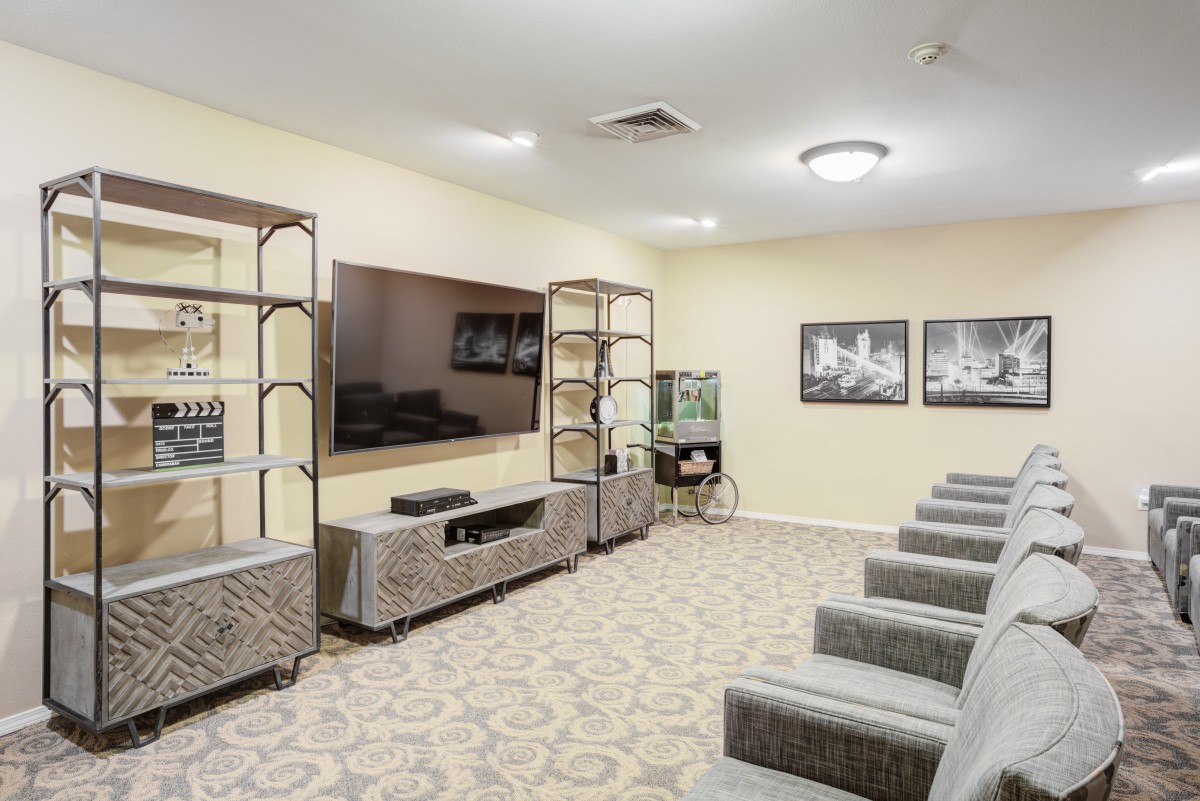
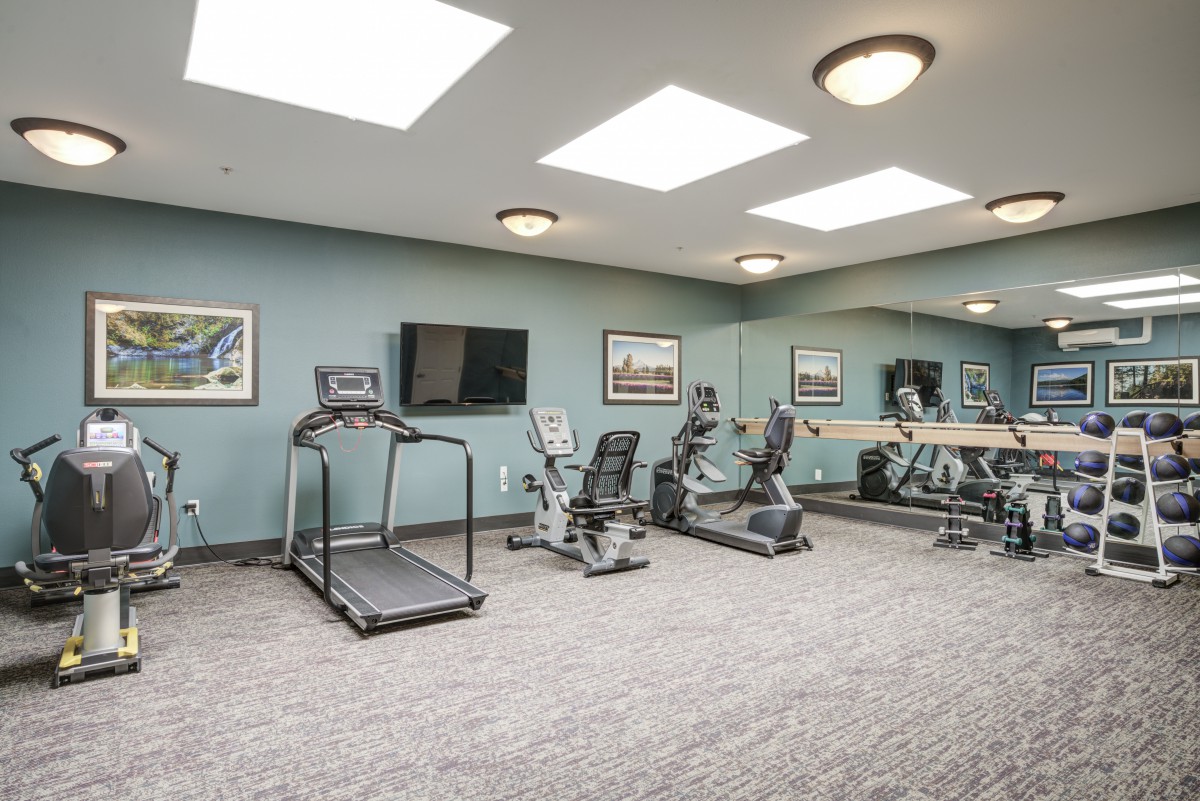
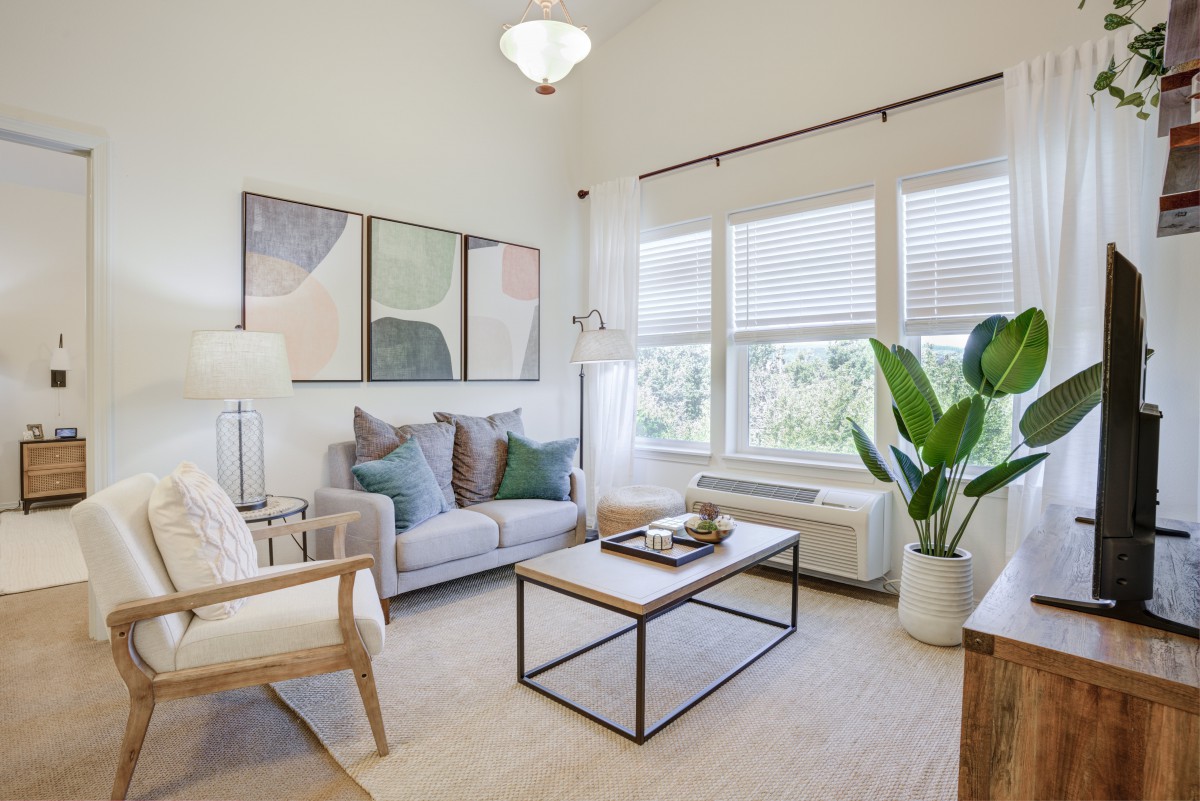
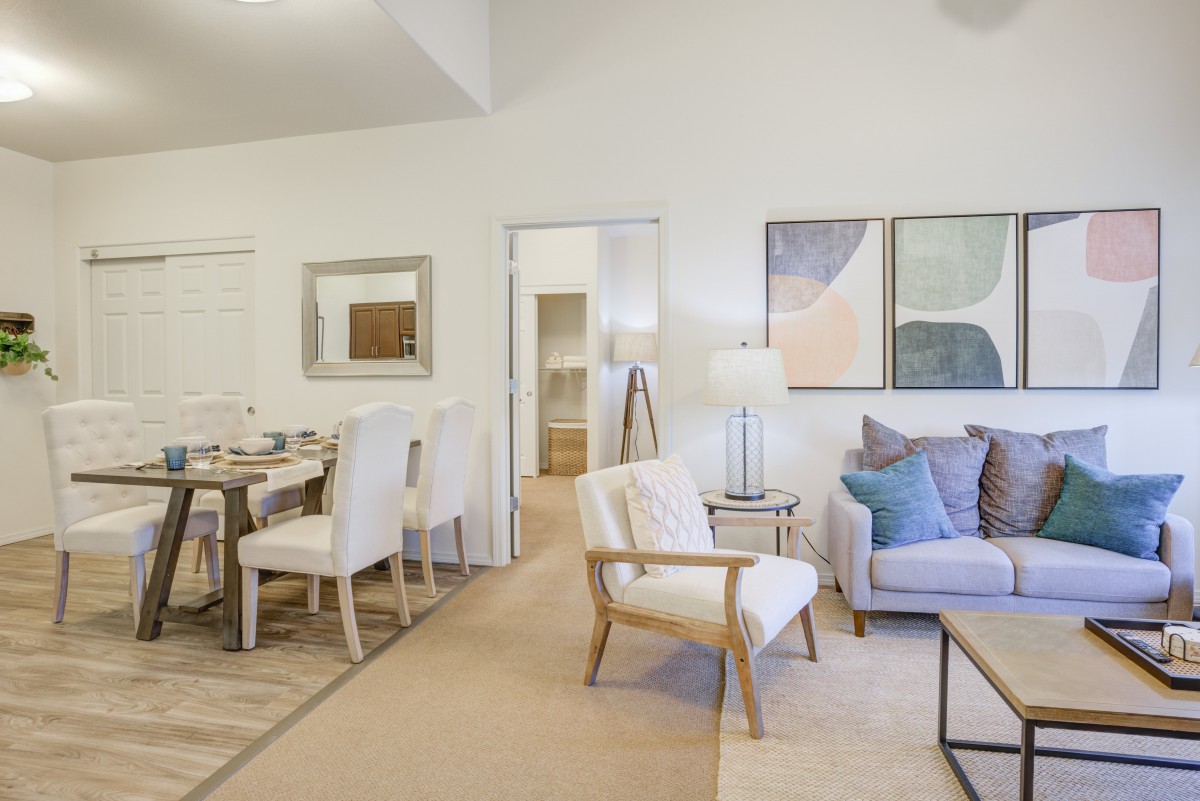
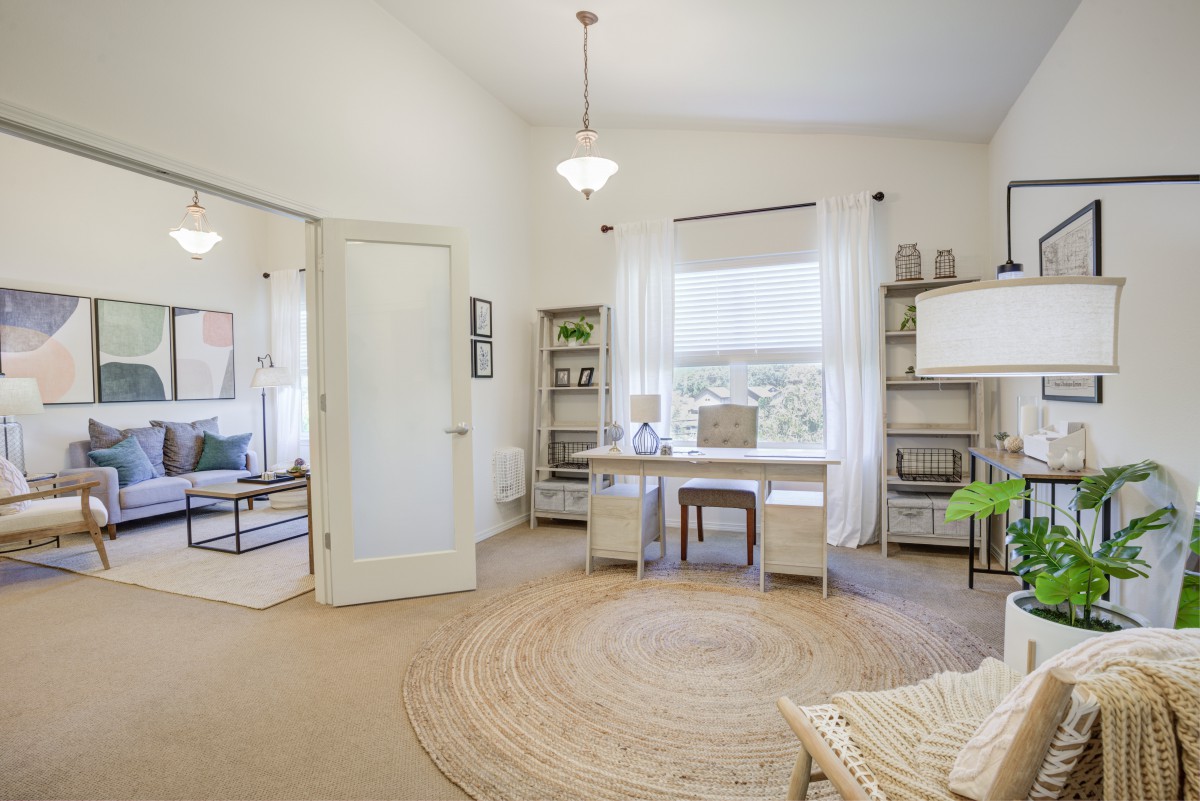
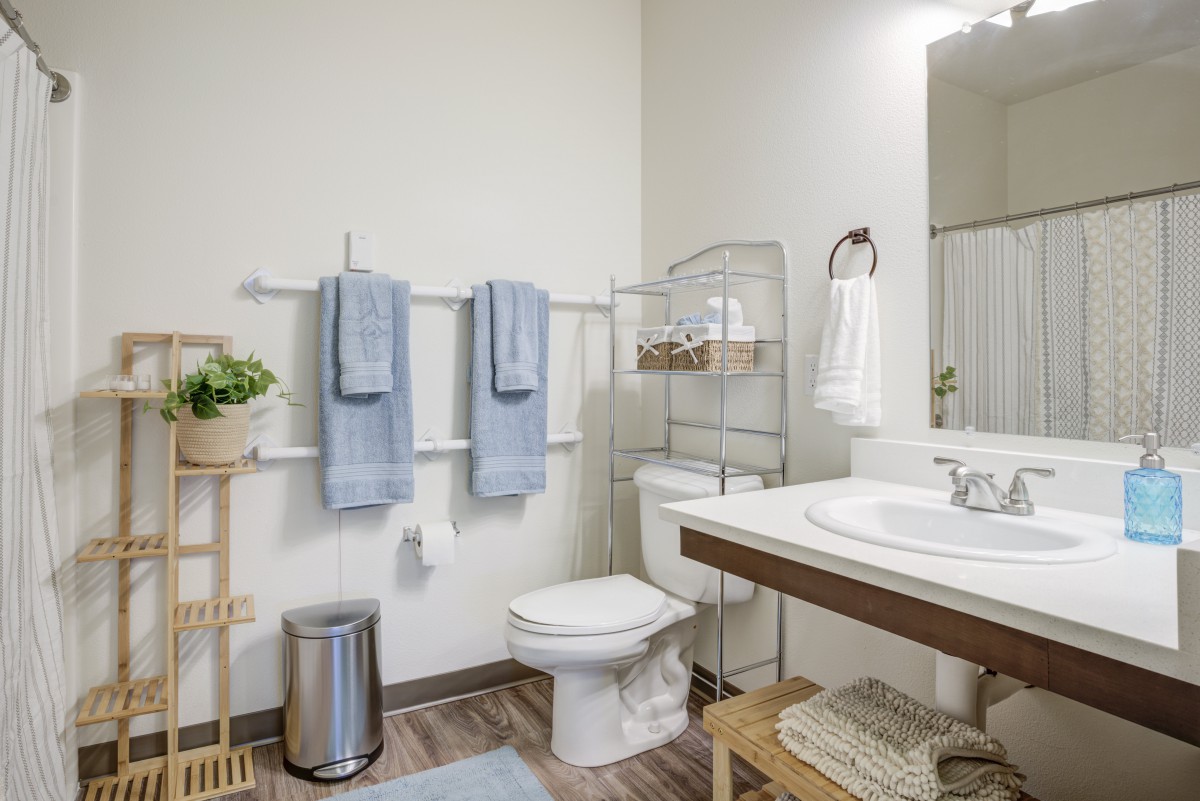
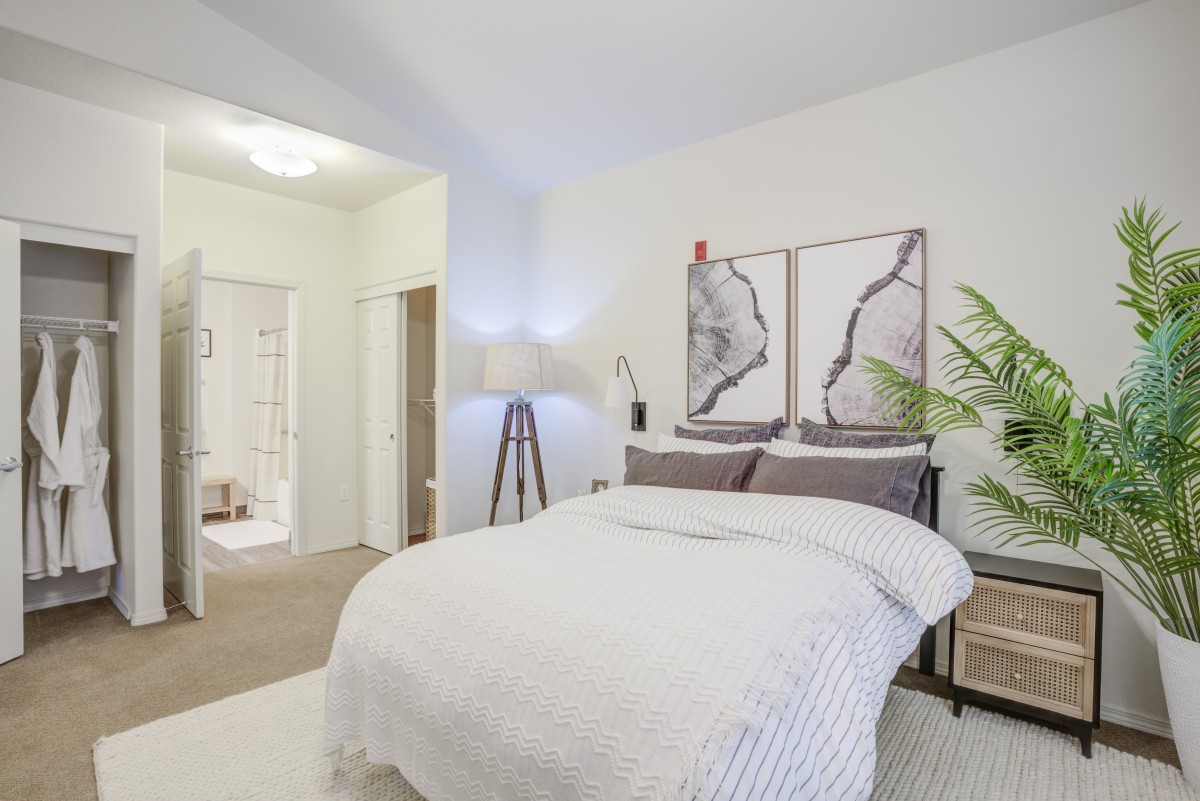
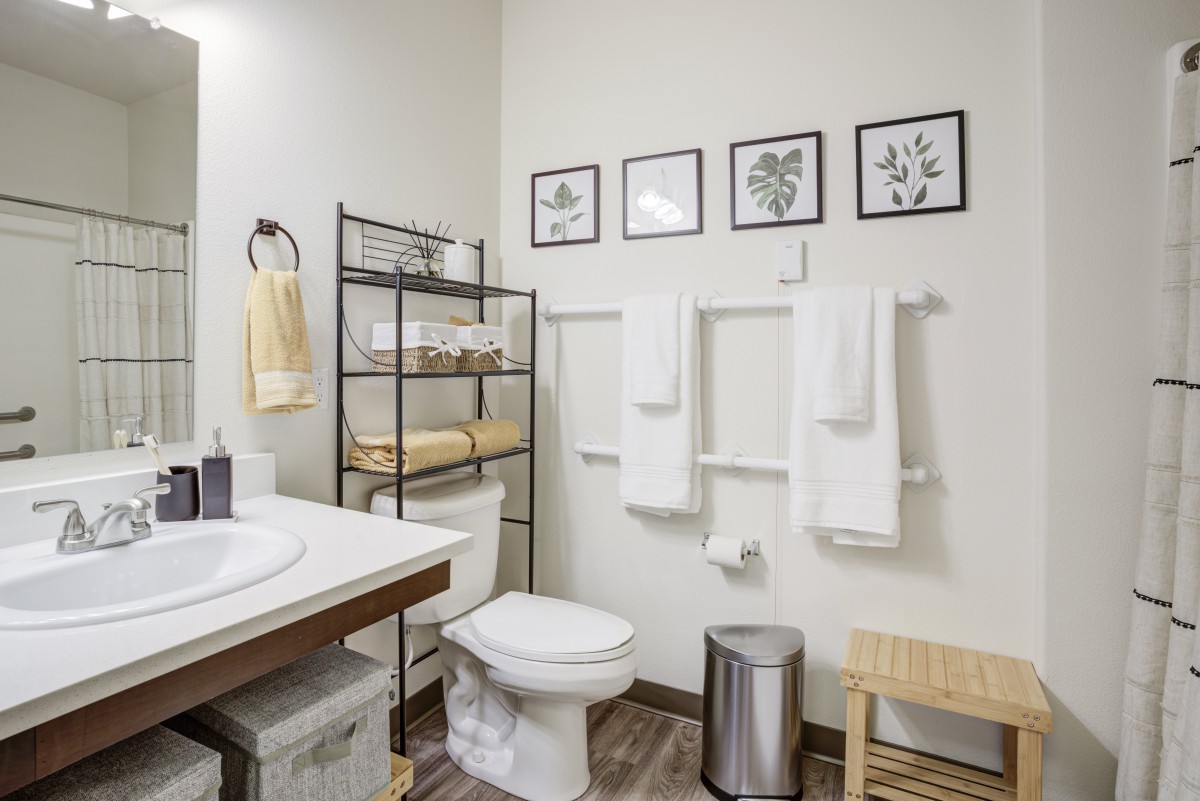
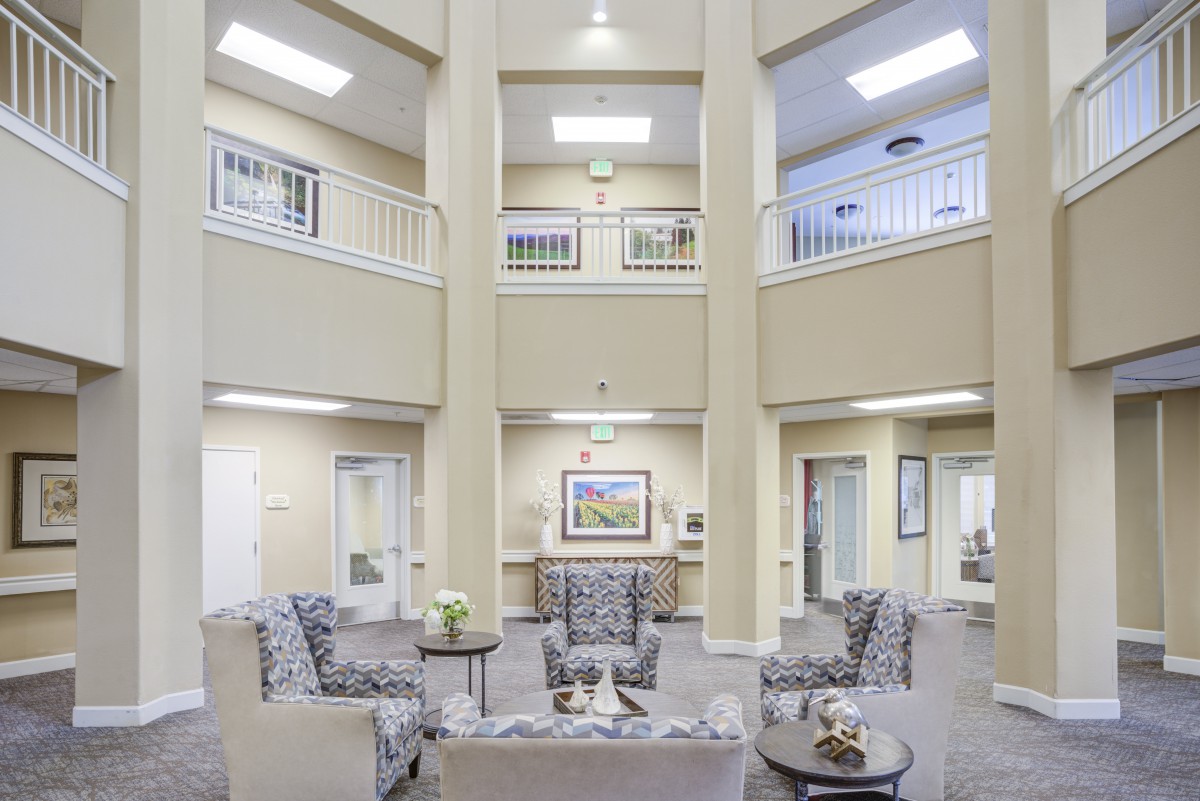
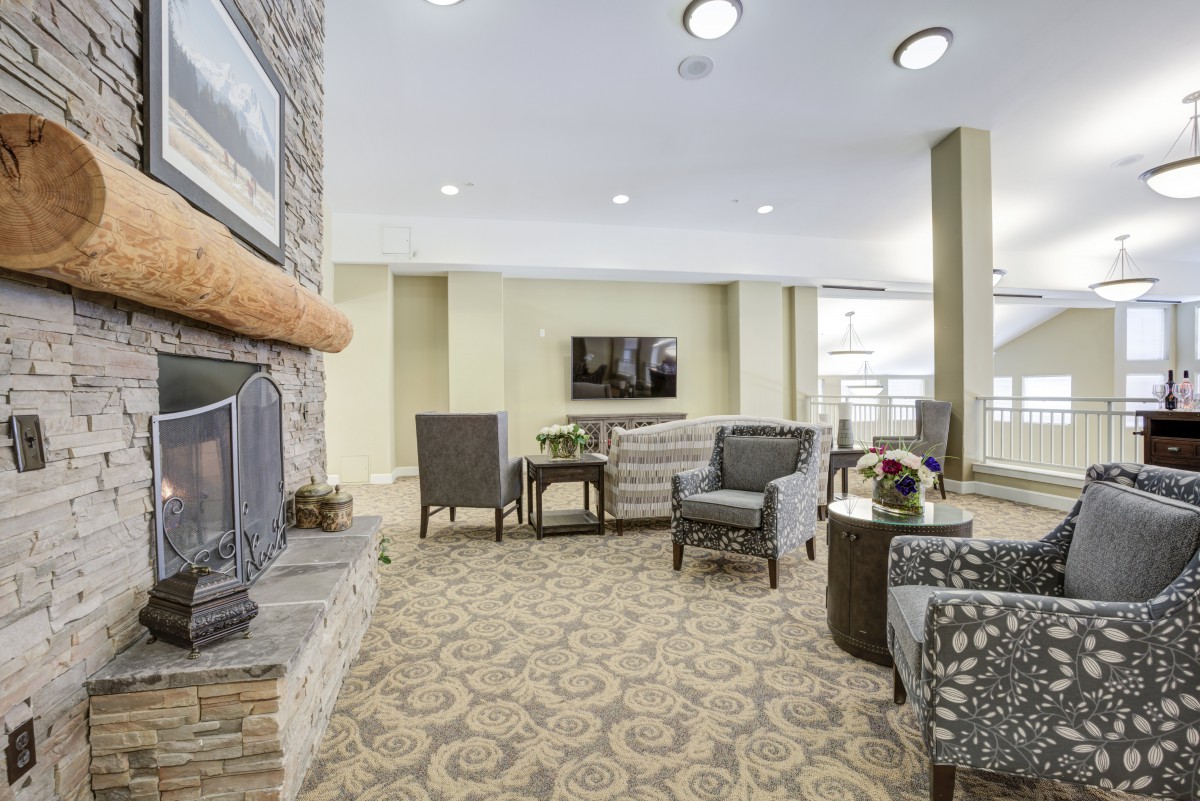
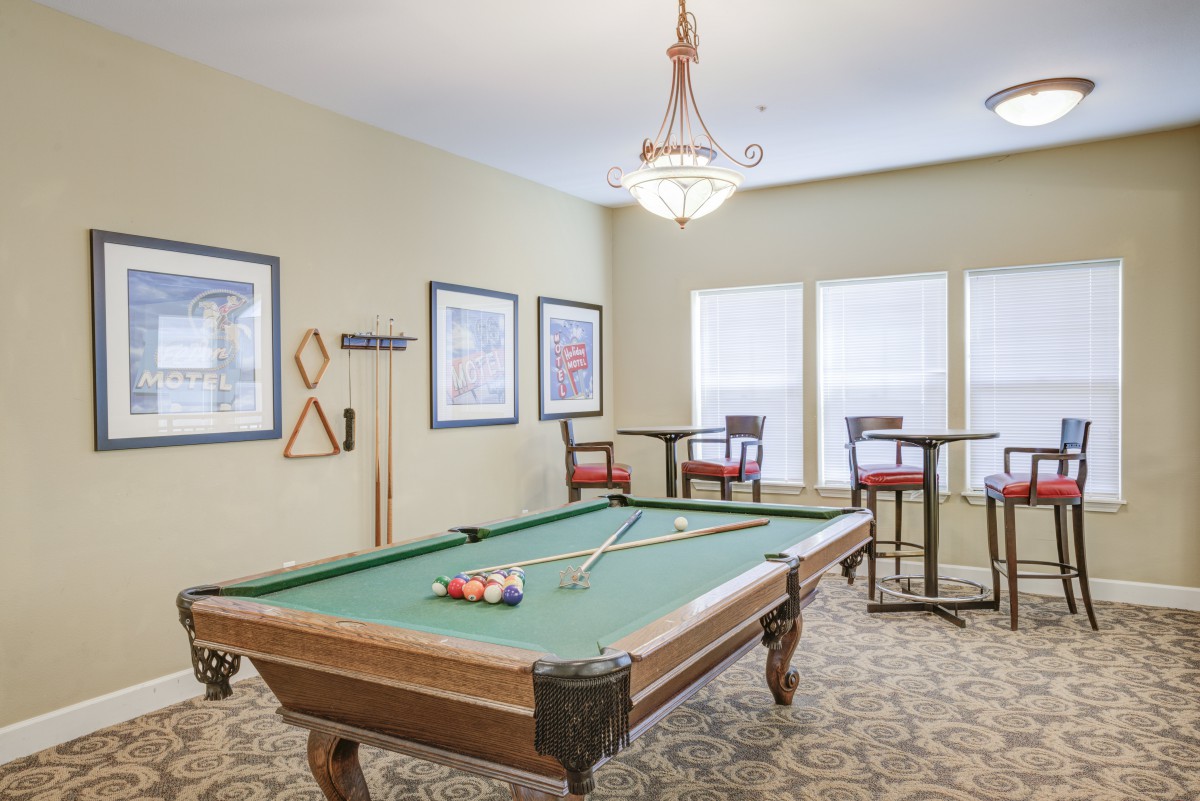
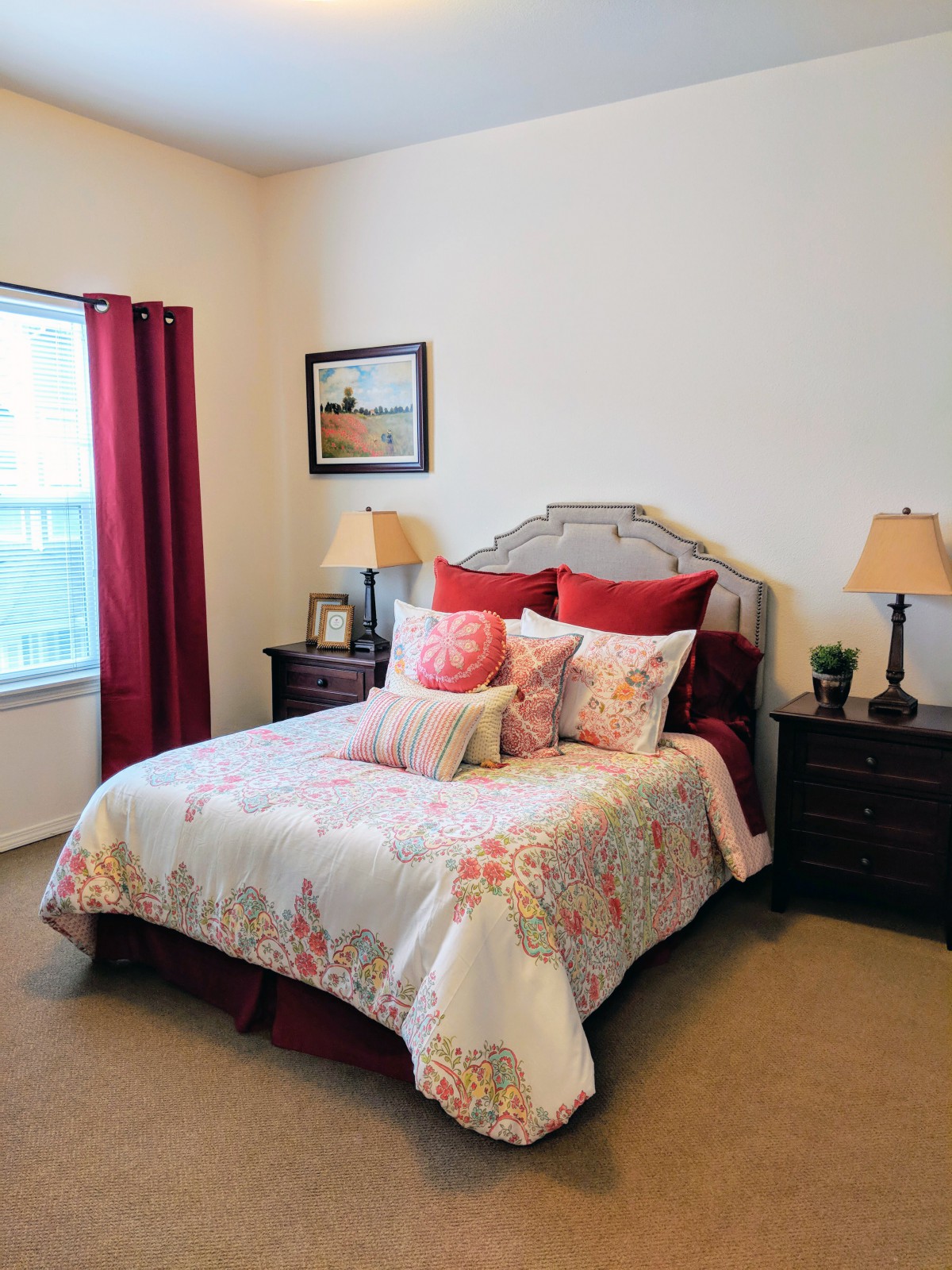
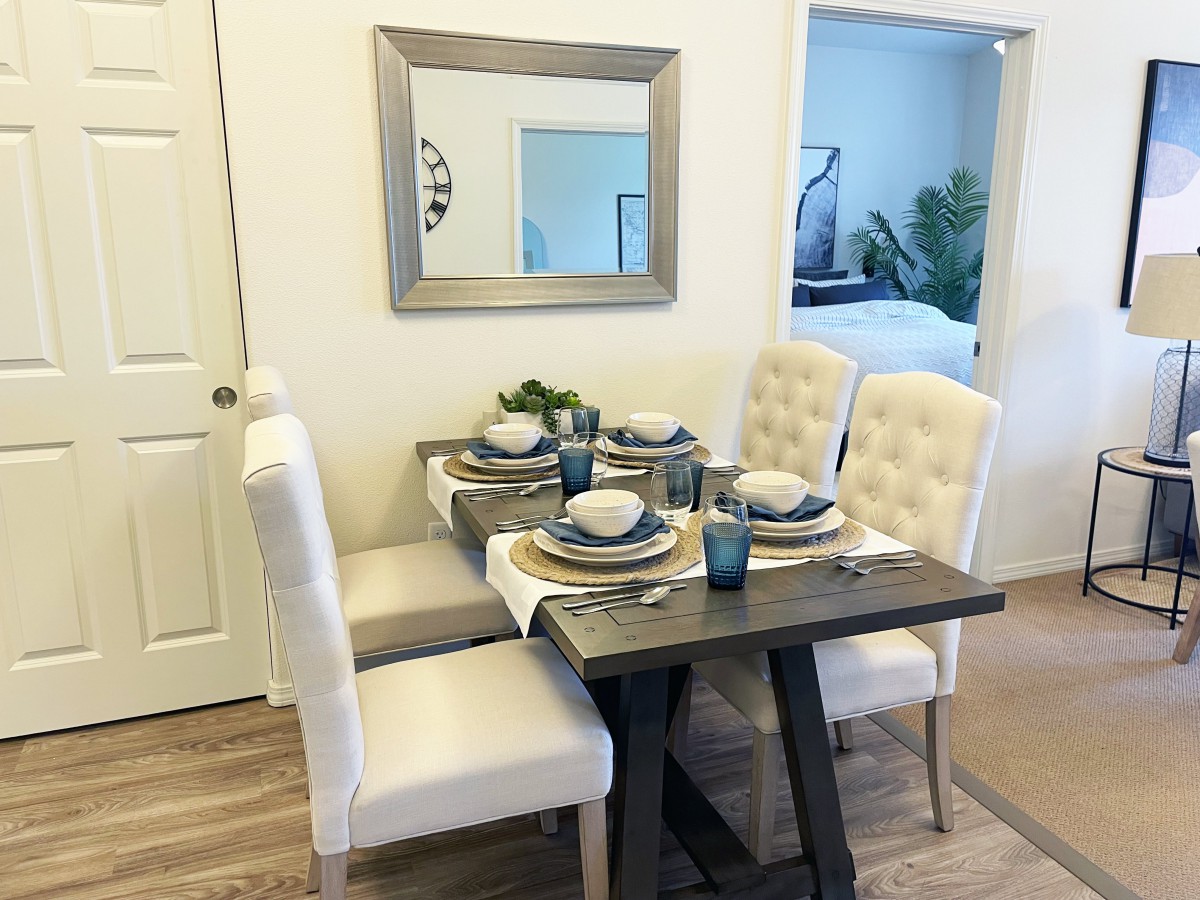
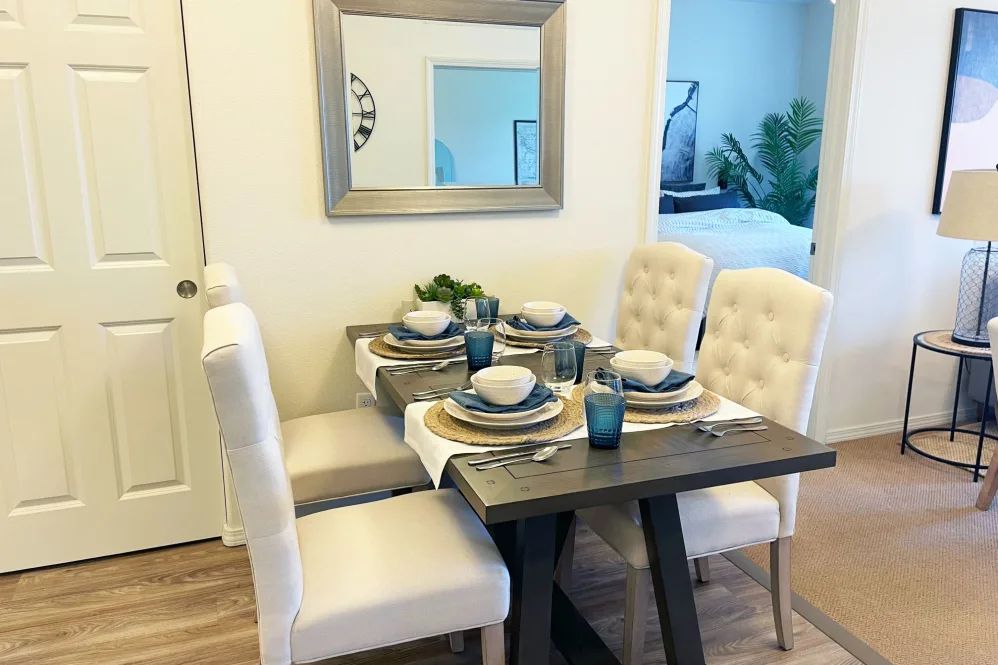
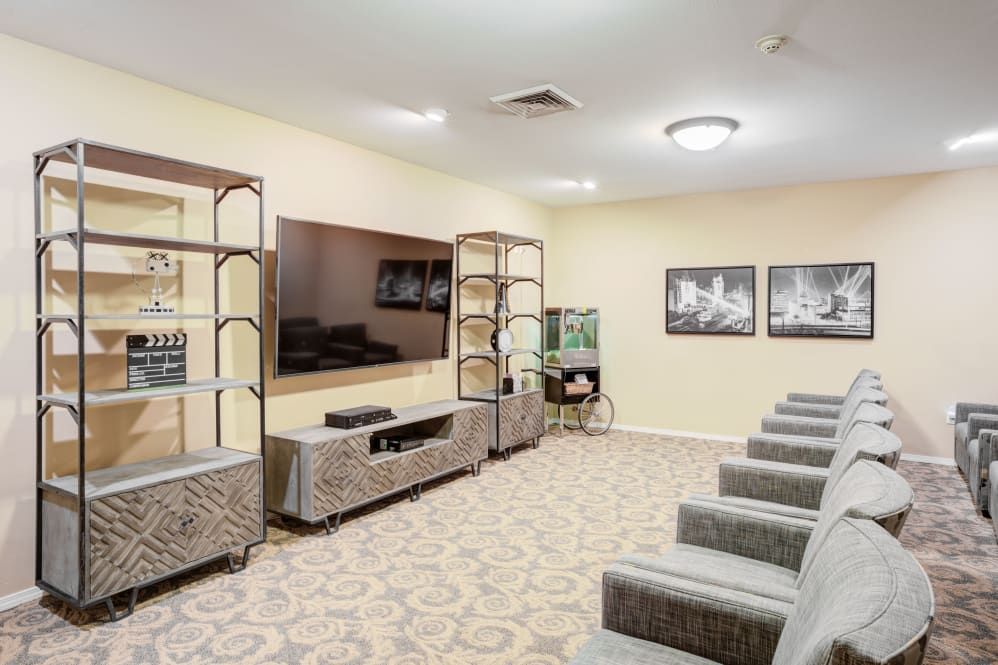
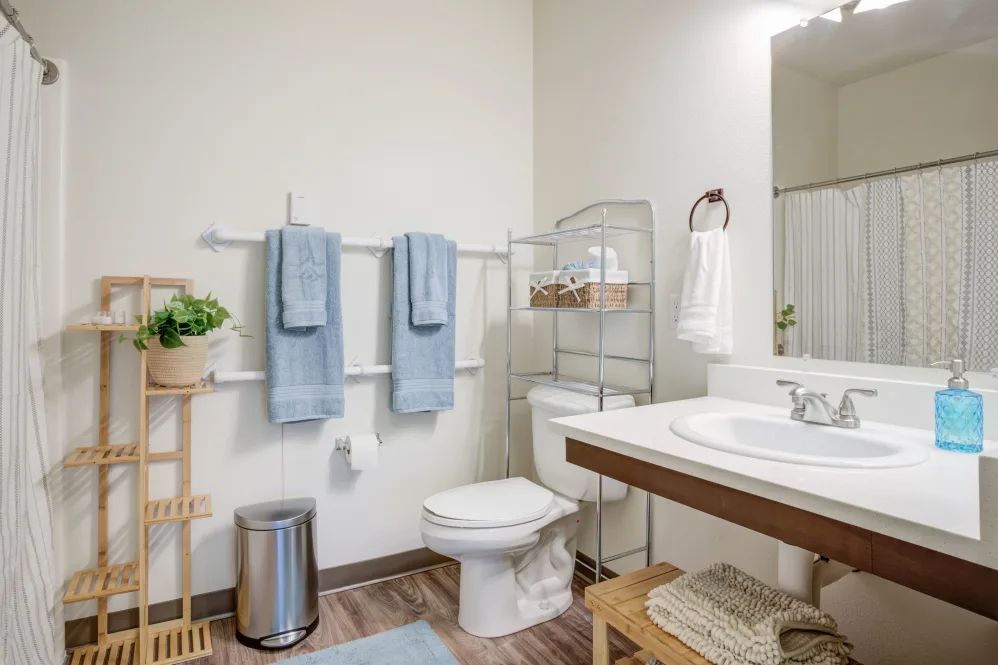
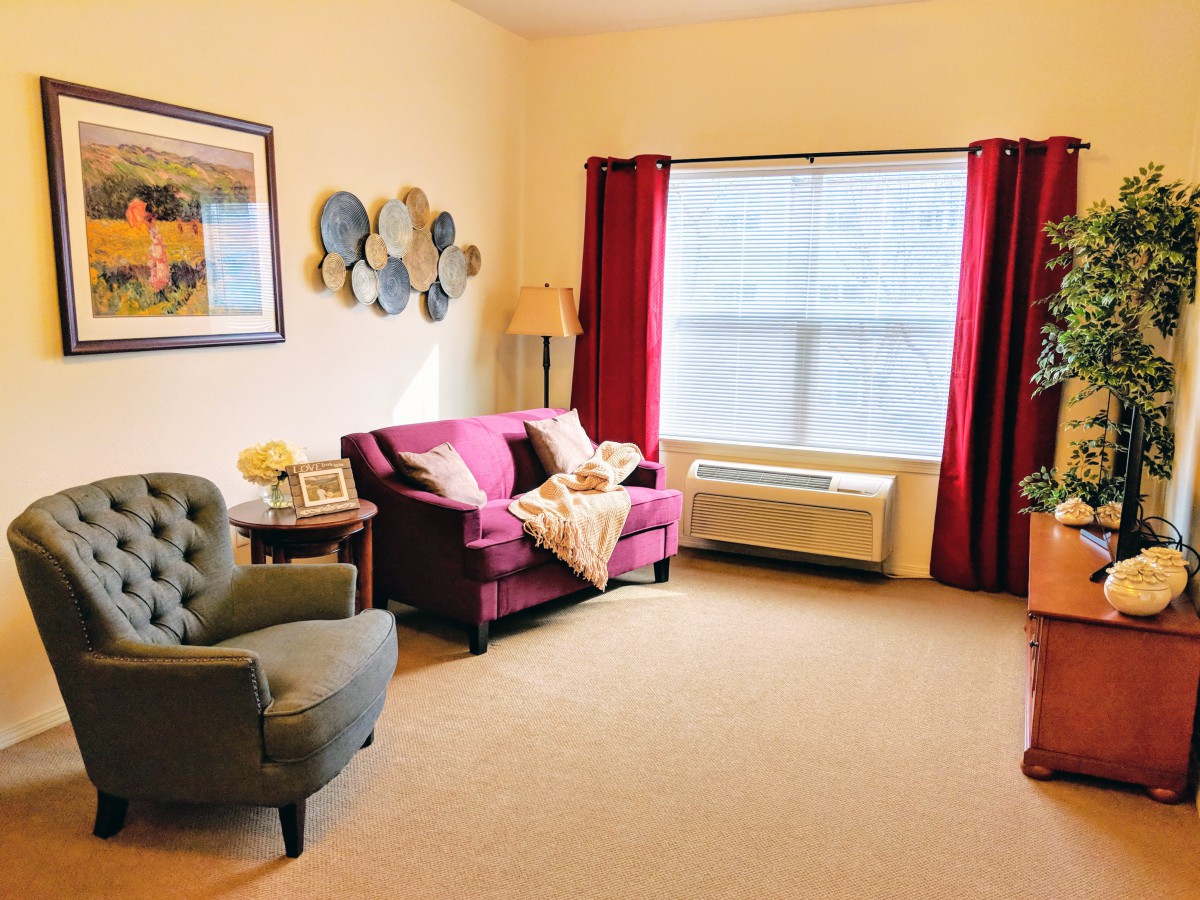
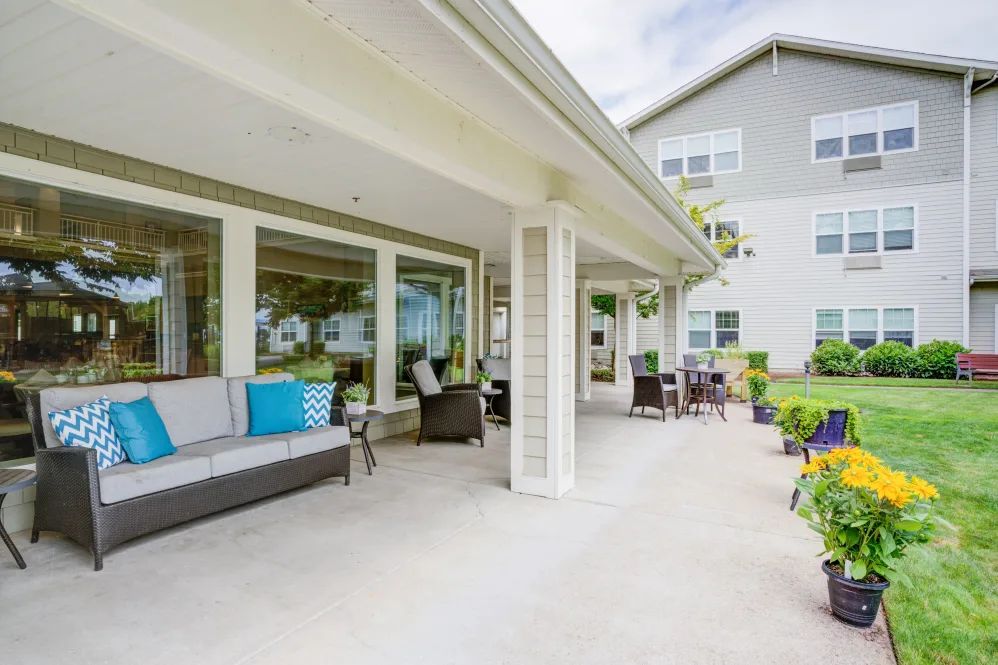
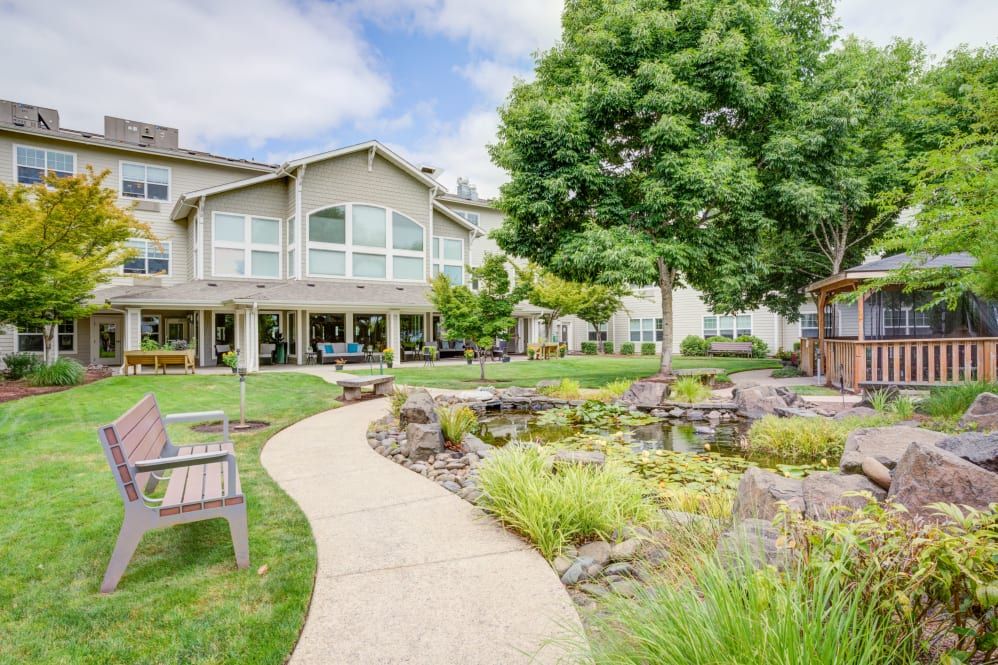
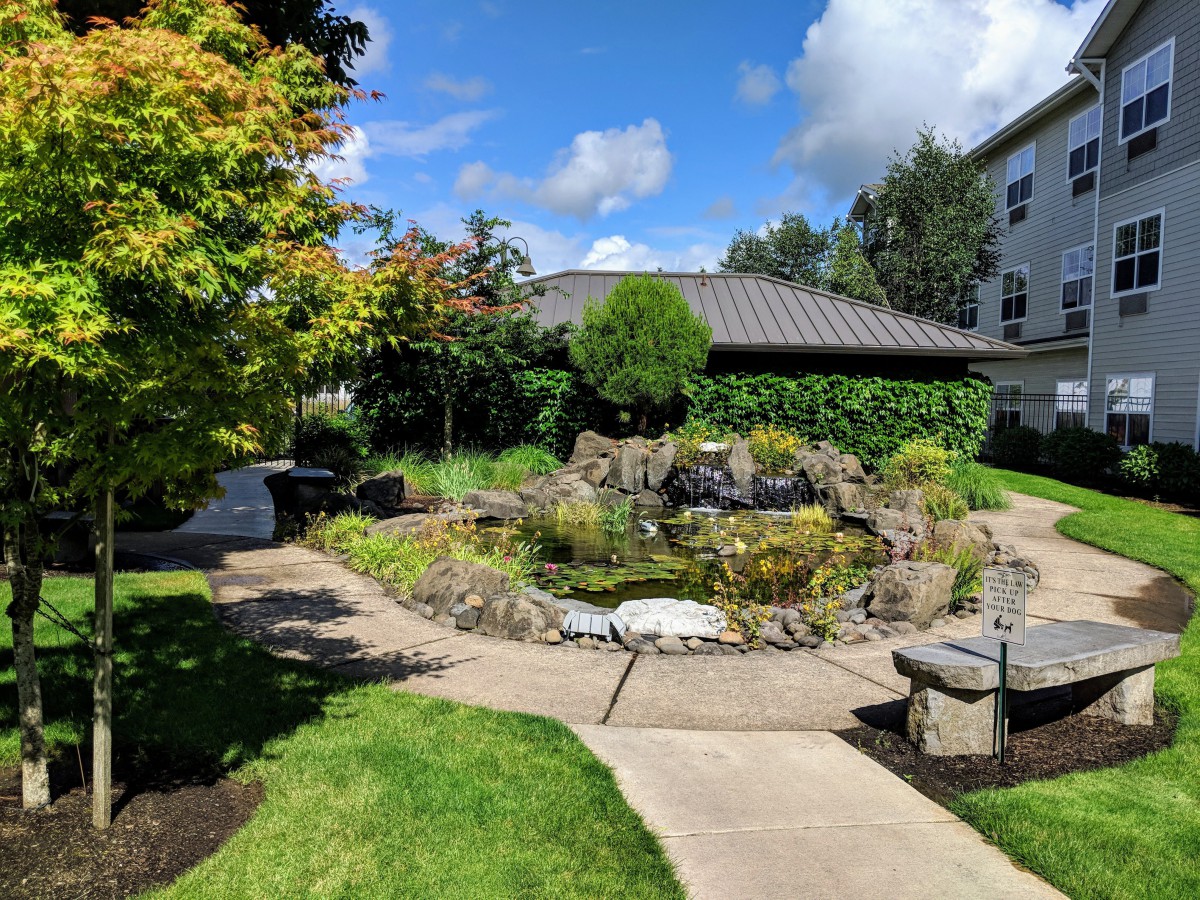
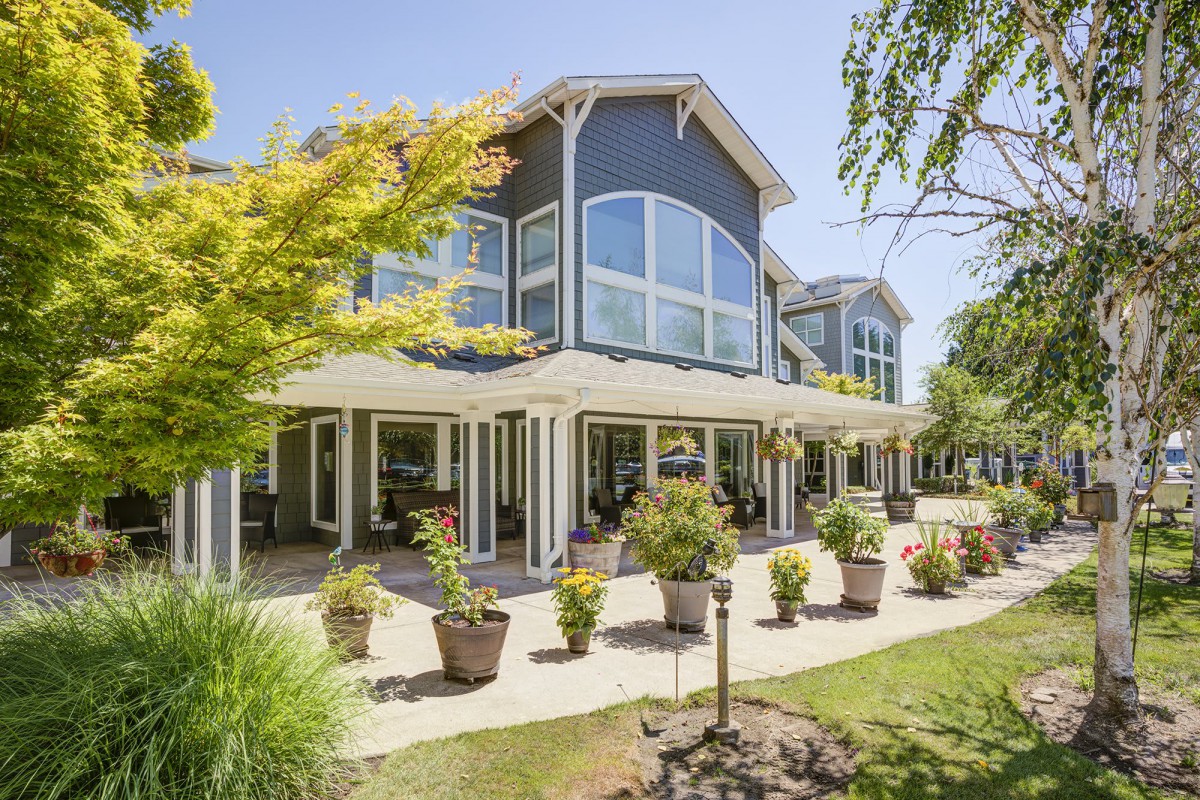
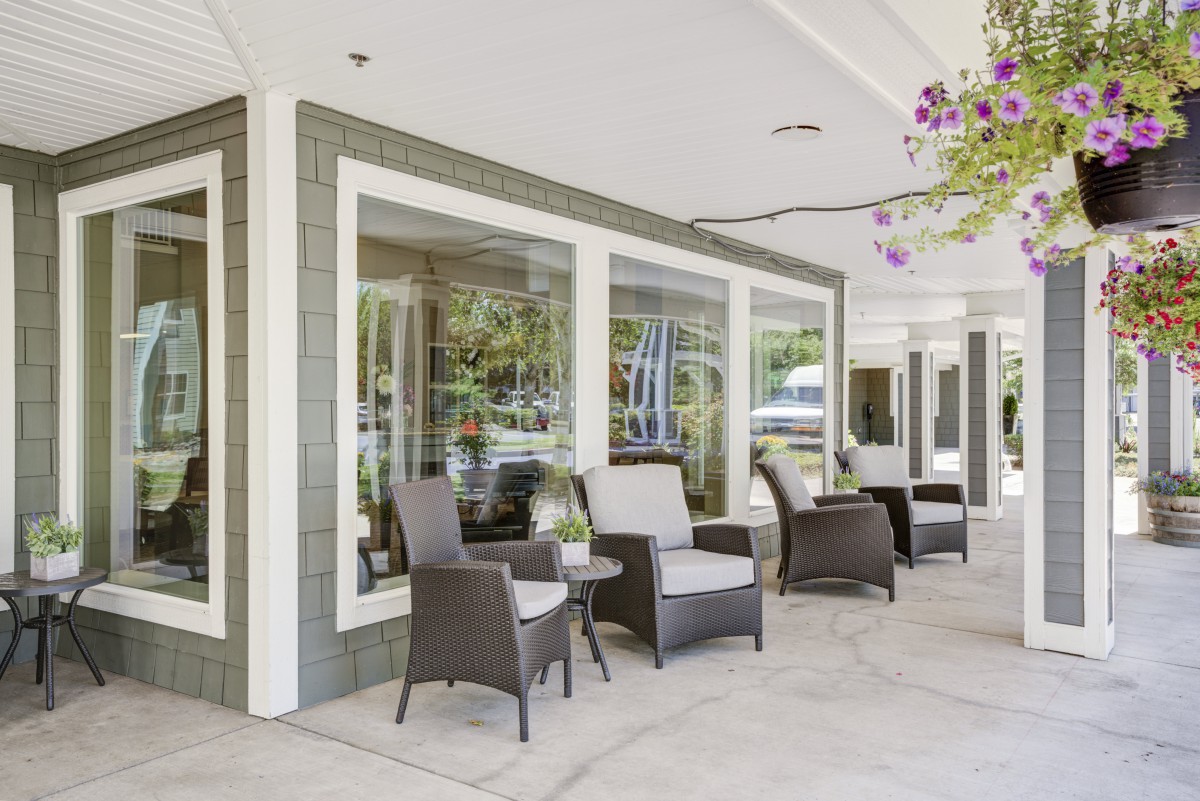
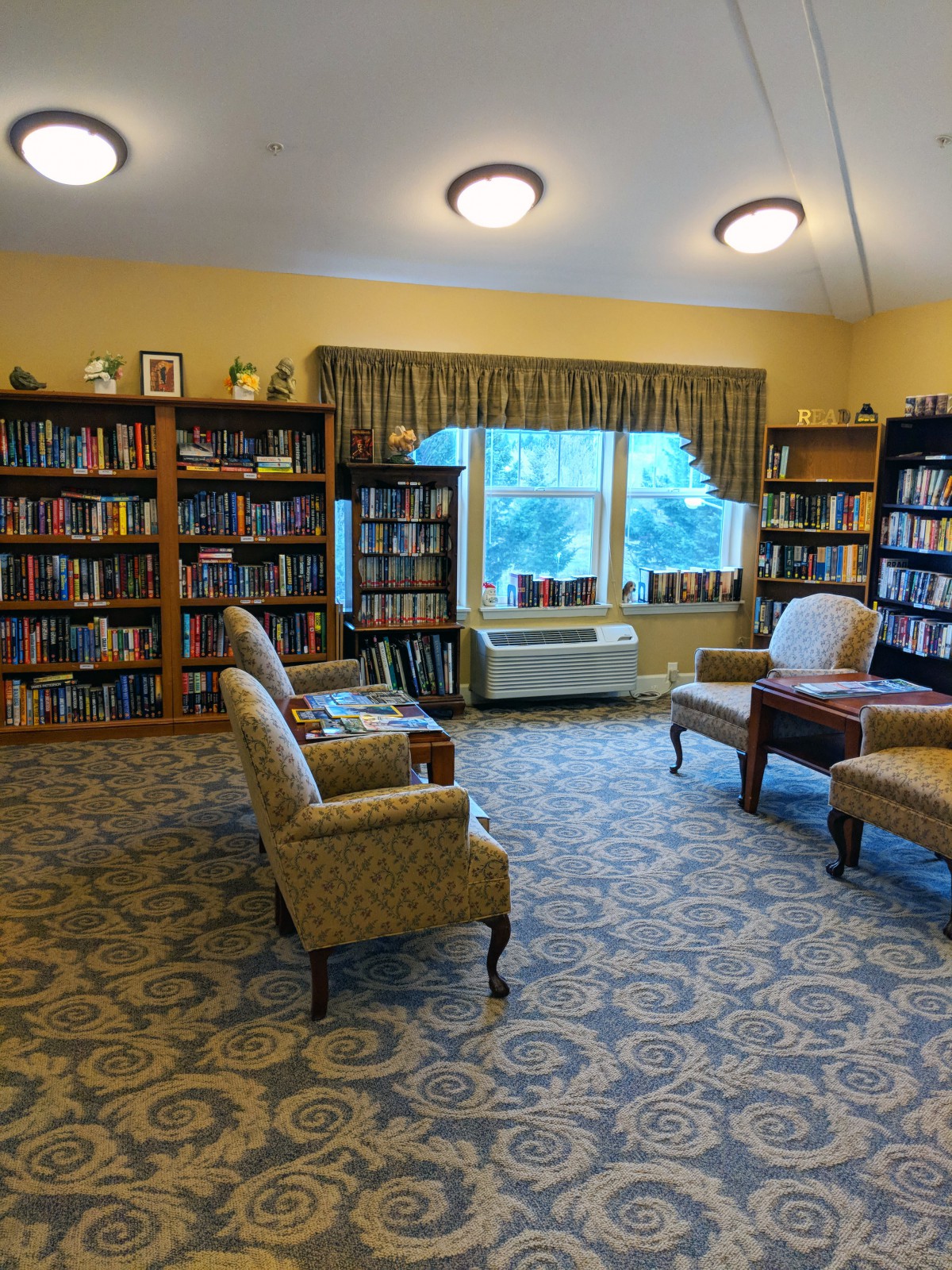
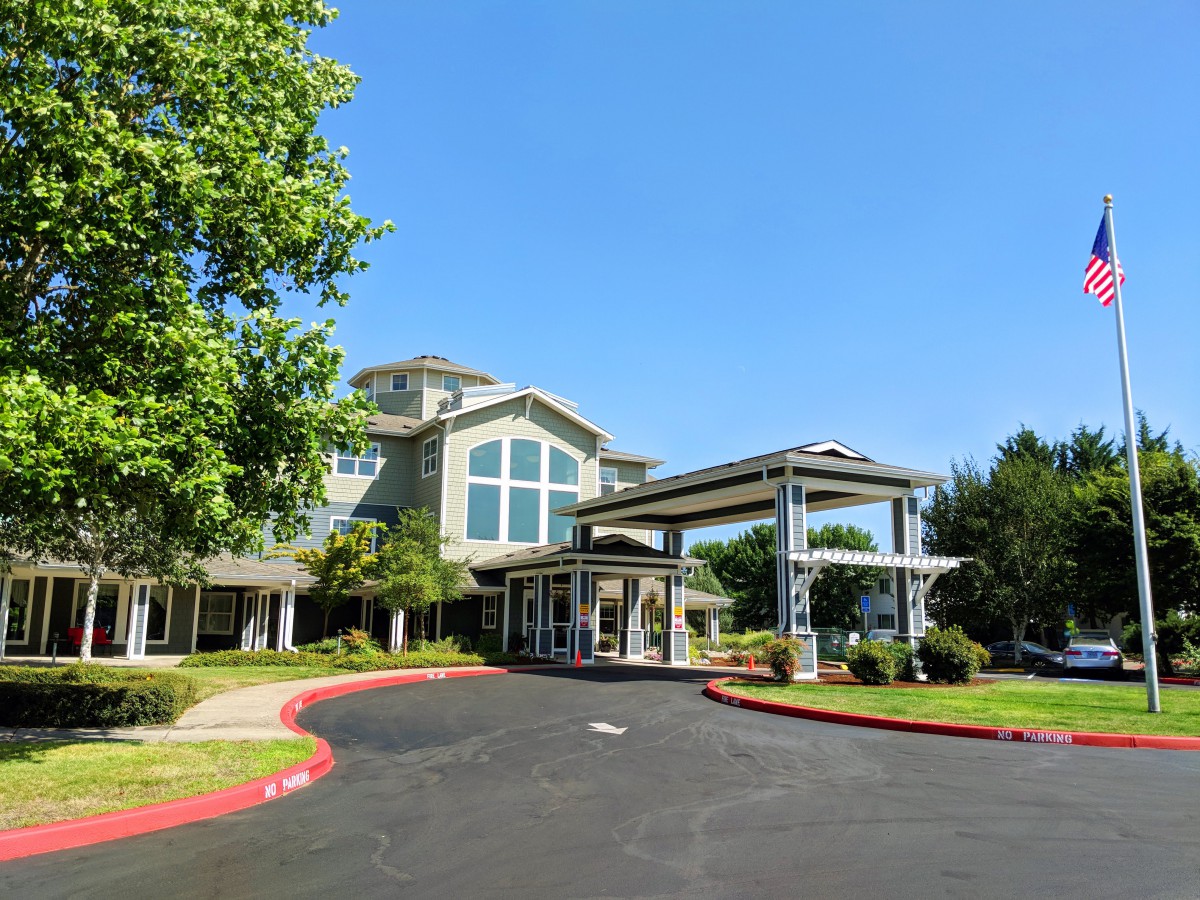
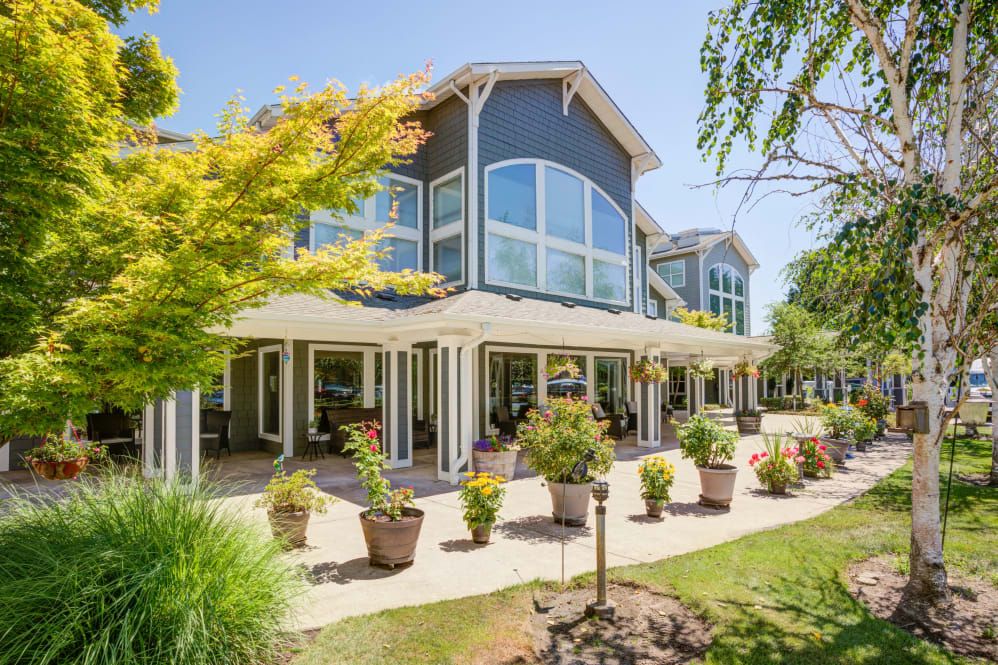
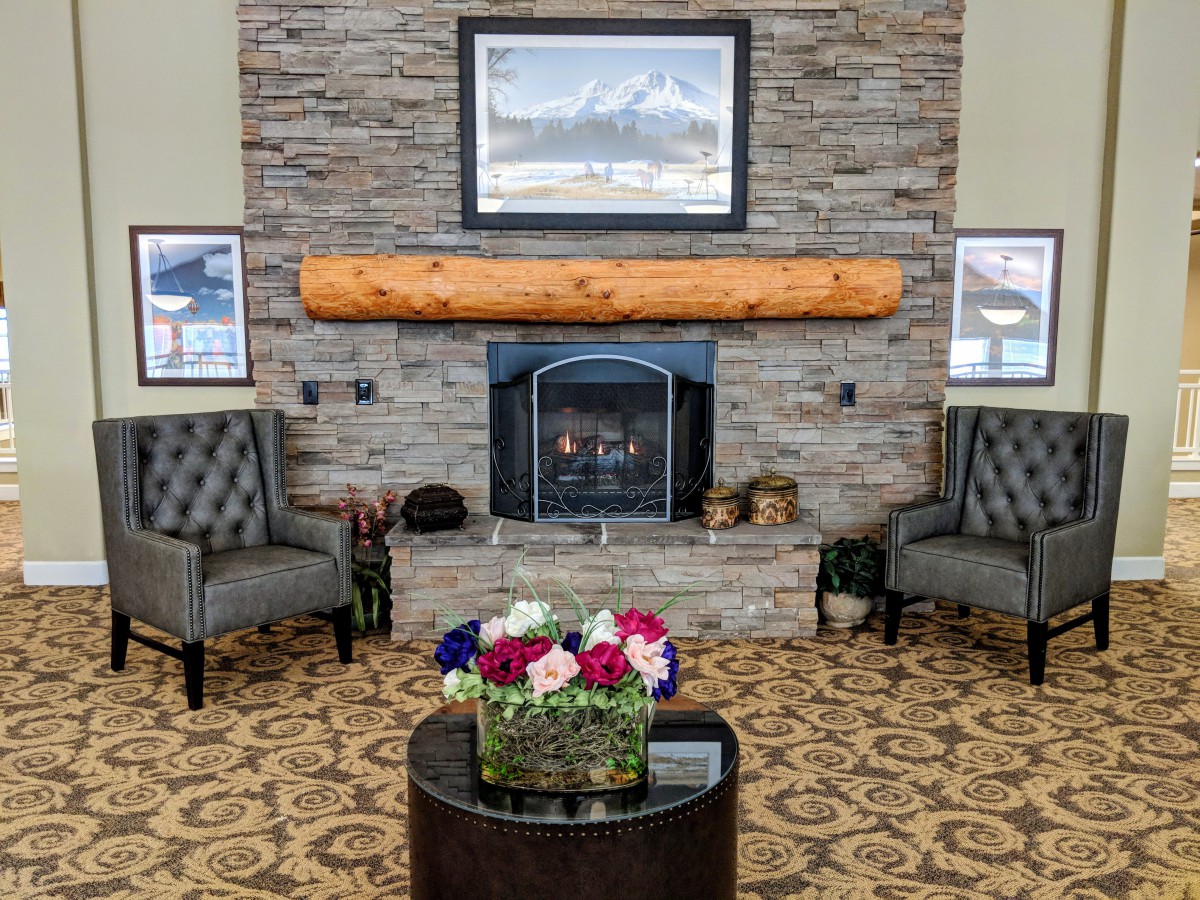
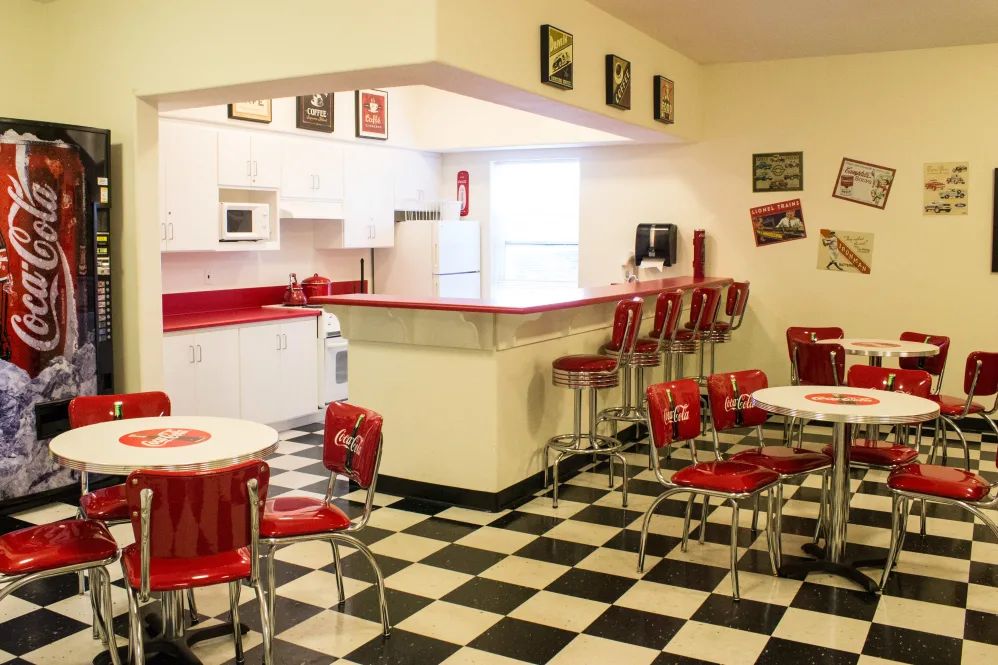
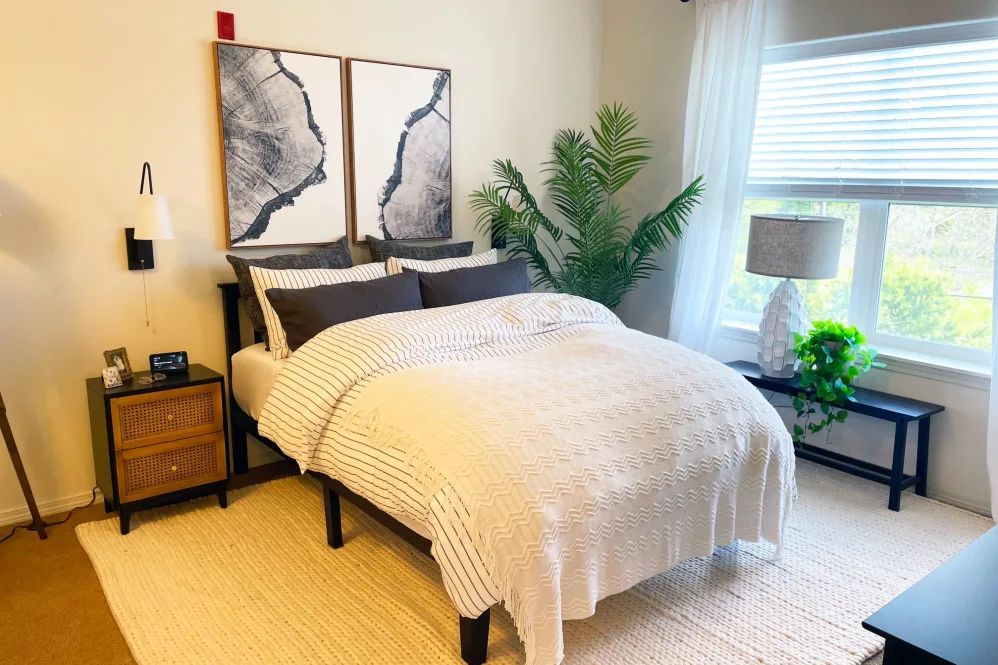
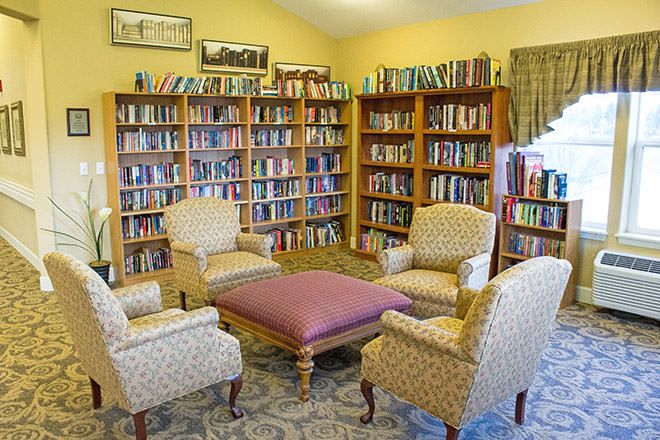
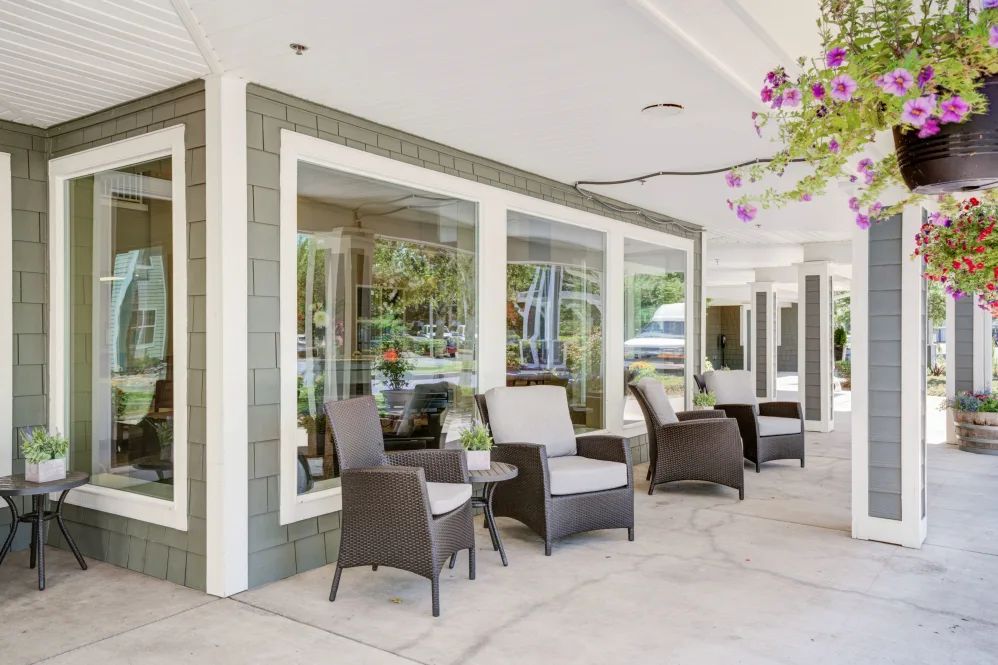
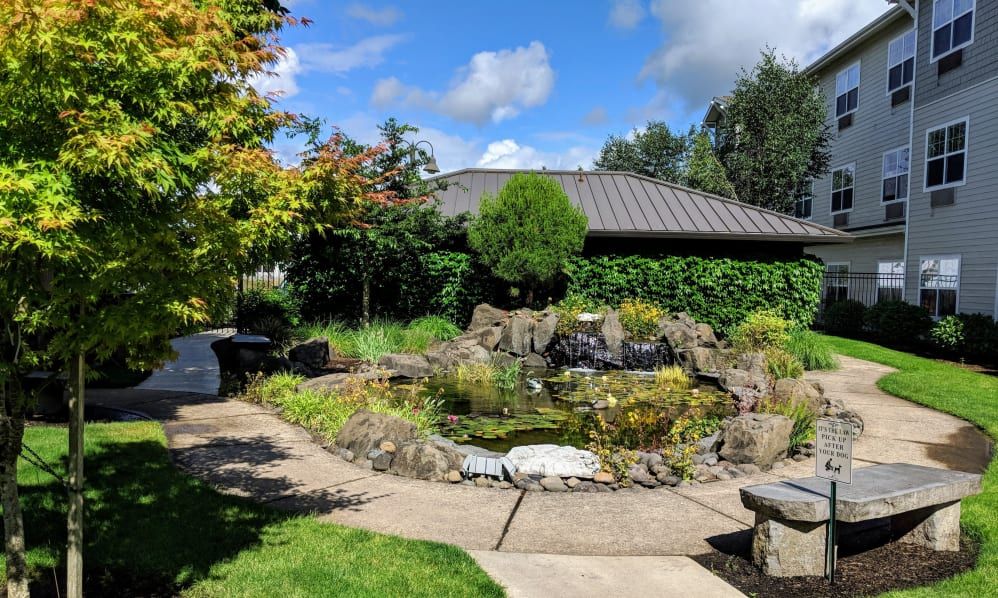
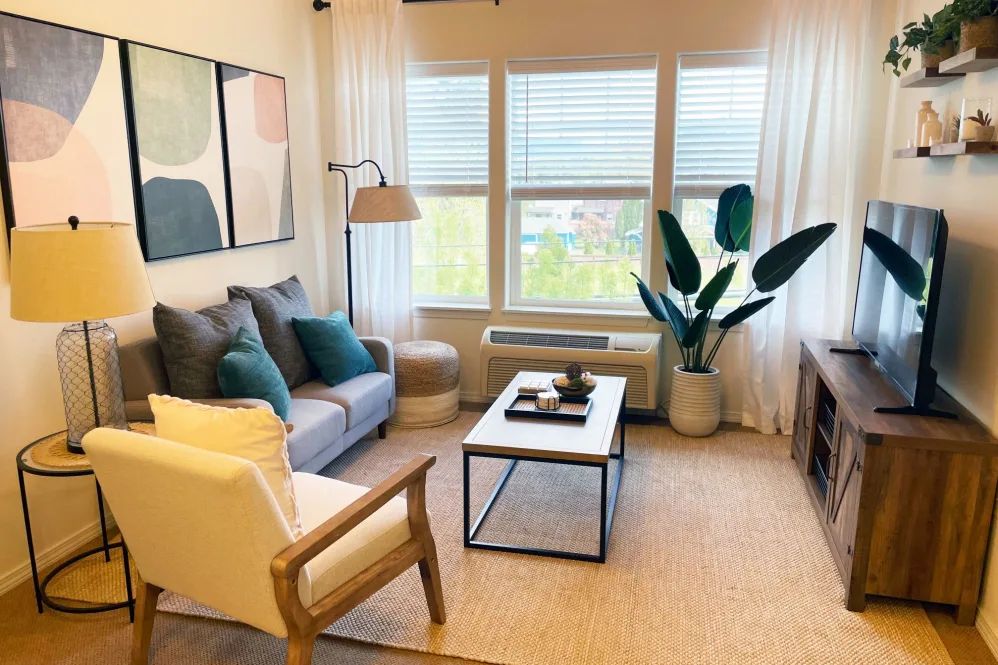
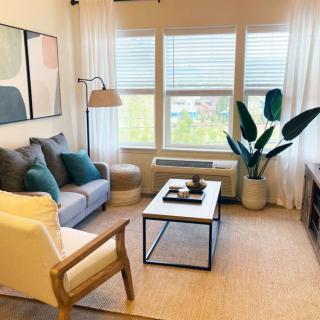
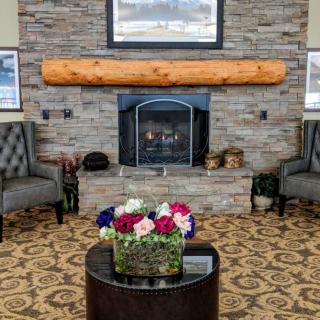
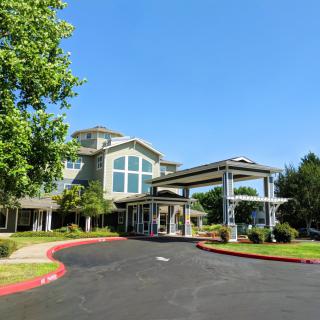
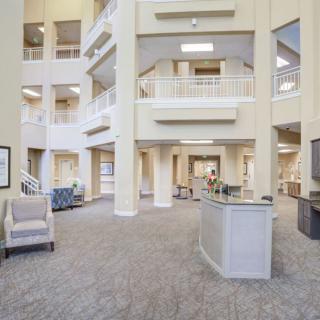
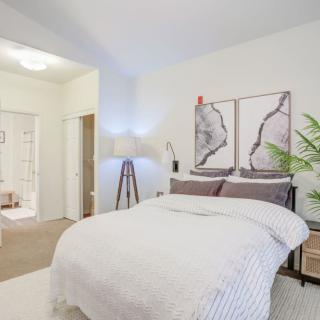
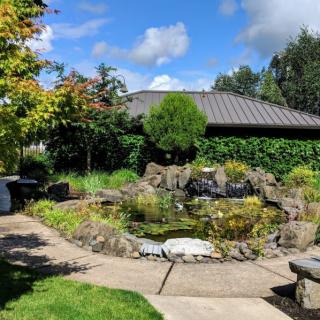
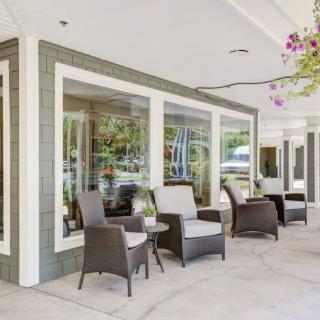
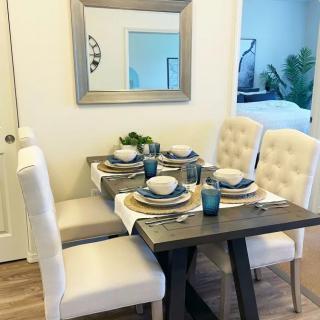
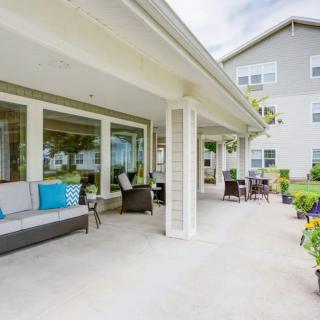
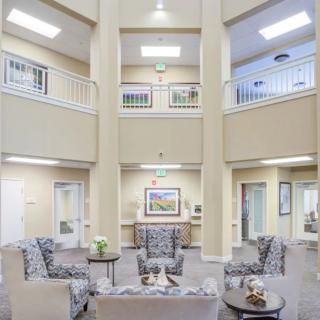
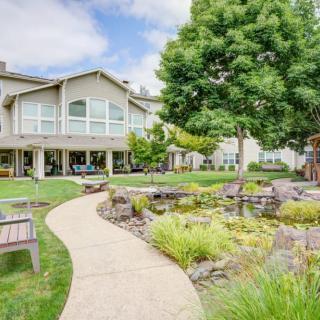
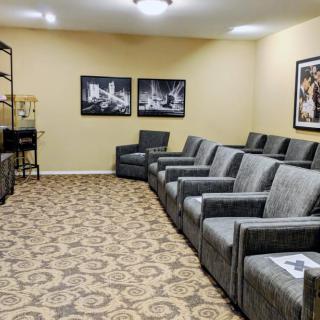
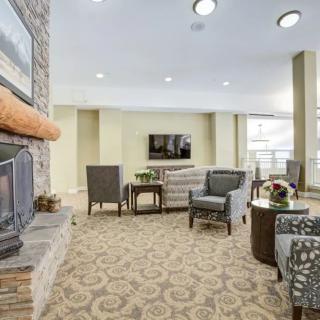
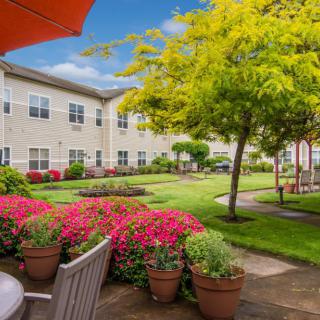
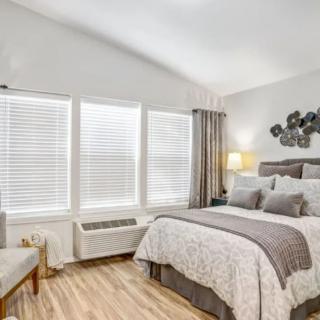
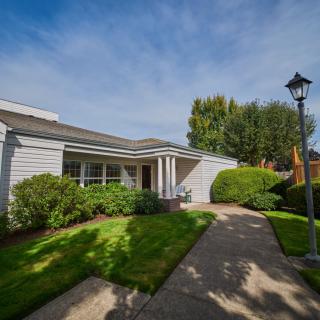
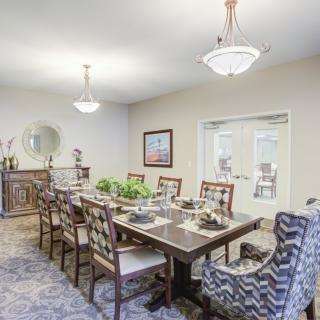
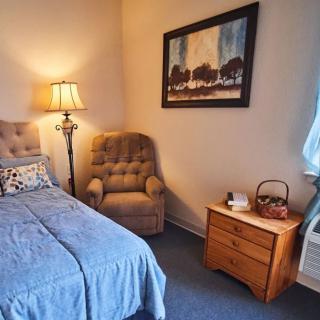
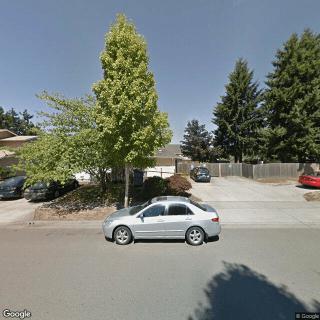
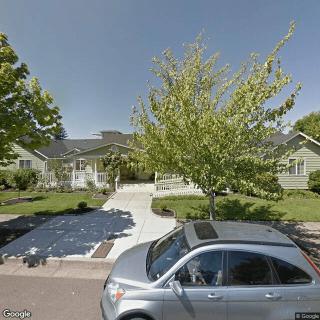
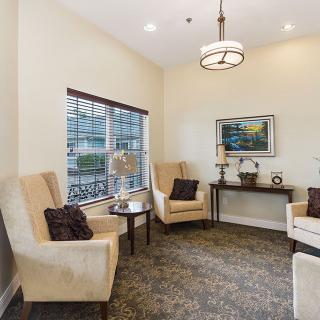
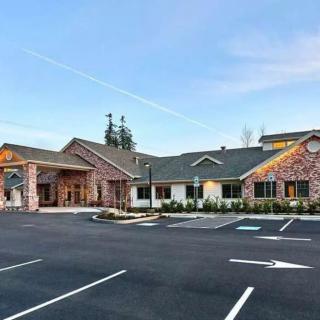
Timber Pointe Senior Living on seniors.fyi includes 58 photos including images showing interior, decor, dining, artwork, living room, exercise equipment, bathroom, windows, and more.
Nearby Communities
Woodside Senior Living
Springfield, OR
4.5 from 70 reviews
$4,795 to $5,295 / month
Caring staff, tasty meals, and engaging activities.
ElderHealth & Living
Springfield, OR
4.4 from 41 reviews
$3,095 to $3,250 / month
Clean, home-like setting with attentive staff and personalized care.
ElderHealth and Living Memory Village
Springfield, OR
4.4 from 33 reviews
Memory-care focused with 24/7 supervision and personalized care.
Sweetbriar Villa
Springfield, OR
4.7 from 80 reviews
$2,950 to $4,320 / month
Intimate, home-like environment with compassionate staff and personalized care.
Mc Kenzie Living
Springfield, OR
5 from 2 reviews
Restaurant-style dining and fully furnished apartments with 24-hour supervision and medication management.
Shalem Cottage Assisted Living
Springfield, OR
4.4 from 33 reviews
Personalized care with easy access to nearby pharmacies, doctors, hospitals, and social activities.
Spring Valley Assisted Living
Springfield, OR
4.5 from 30 reviews
$4,565 to $5,000 / month
Friendly, family-like staff in a clean, well-maintained environment with a variety of activities.
The Rawlin at Riverbend Memory Care
Springfield, OR
4 from 73 reviews
$5,390 to $7,890 / month
Caring staff in a clean, well-maintained environment with engaging activities.
Eugene Hotel Retirement Community
Eugene, OR
4.7 from 31 reviews
$1,000 to $2,250 / month
Very affordable independent-living option with rich nearby amenities
Assisted living communities offer diverse activities beyond traditional games to enhance seniors' physical health, cognitive well-being, emotional enrichment, and social connections, including fitness classes, creative expression, and intergenerational interactions. These enriching programs foster community bonds and support residents' independence and happiness.
The article differentiates between assisted living and memory care, explaining that assisted living supports seniors with daily activities while promoting independence, whereas memory care provides specialized services for individuals with dementia, focusing on secure environments and cognitive support. It also addresses staff training, safety considerations, costs, family involvement, and transition strategies for families navigating these care options.
Family caregivers face emotional, legal, and practical challenges when elderly parents refuse assisted living, often due to fears of losing autonomy. Open conversations and professional assessments can help address these concerns while exploring alternatives and ensuring safety, potentially leading to legal guardianship if necessary.
Get PricingAsk A QuestionSchedule A TourContact Senior Advisor
By clicking submit, you agree to our Partner's Terms of Use. You
also consent to receive calls and texts, which may be autodialed, from our Partner. Your consent is not a condition to
using our Partner's service. Please visit our Partner's Privacy Policy for information about their privacy practices.



 150 resident community capacity
 1-bedroom apartments
 Detached homes
 Assisted Living
 Independent Living
 Skilled Nursing Facility
 Cats allowed
 Dogs allowed
 Activities off-site
 Air-conditioning
 Beautician on-site
 Cable or satellite TV
 Computer center
 Devotional services on-site
 Dining room
 Fitness room
 Full kitchen
 Fully furnished
 Gaming room
 Garden
 Housekeeping services
 Indoor common areas
 Located close to restaurants
 Located close to shopping centers
 Move-in coordination
 Outdoor common areas
 Outdoor patio
 Private bathrooms
 Resident parking
 Respite or short term stays offered
 Restaurant-style dining
 Small library
 Telephone
 VA Benefits Consultation
 Wellness center
 Wheelchair accessible showers
 Wi-Fi/high-speed internet available
 Mahlon Sweet (14 miles away)
 Community operated transportation
 12-16 hour nursing
 24-hour call system
 Ambulatory care
 Assistance with bathing
 Assistance with dressing
 Assistance with transfers
 Diabetes diet
 Diabetic care
 Incontinence care
 Medication management
 Mental wellness program
 Special dietary restrictions
 Concierge services
 Planned day trips
 English
 Caring staff, tasty meals, and engaging activities.
 Beyond the Bingo Hall: 50+ Enriching Activities for Seniors in Assisted Living
 Understanding the Distinctions: Assisted Living and Memory Care Explained
 Guiding Elderly Parents Who Refuse Assisted Living: 6 Practical Steps