
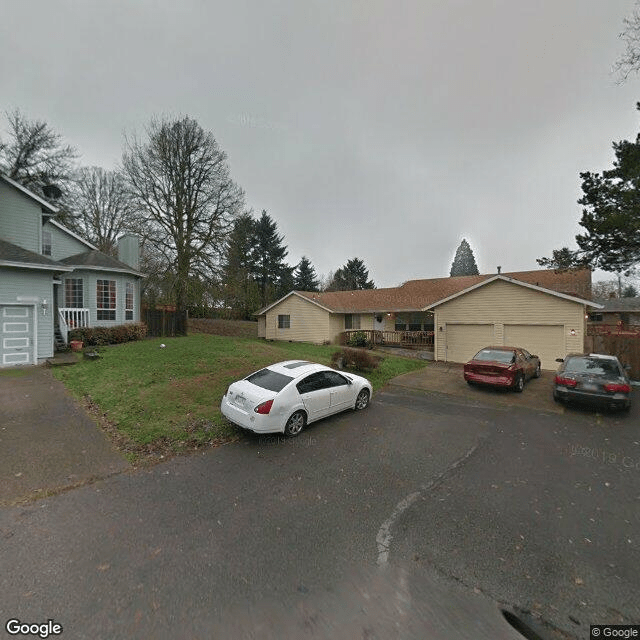
10831 SW 57th Pl, Portland, OR 97219
To contact a resident: (503) 740-9927
For more information about senior living options: (866) 208-4318
Poppywood Adult Care Home Costs & Pricing
Poppywood Adult Care Home offers a competitive pricing structure for its private rooms, with a monthly cost of $3,100. This rate is noticeably lower than both the average costs for Washington County at $3,261 and the broader state average of $3,424 in Oregon. By providing a more affordable option without compromising quality care, Poppywood Adult Care Home positions itself as an appealing choice for families seeking supportive living environments for their loved ones in the region. This strategic pricing not only reflects an understanding of local economic conditions but also highlights Poppywood's commitment to accessible senior care.
| Floor plans | Poppywood Adult Care Home | Washington County | Oregon |
|---|---|---|---|
| Private | $3,100 | $3,261 | $3,424 |
Memory care communities with a similar price nearby
-
from -$600 / mo
A Gentle Care Home
$2,500 / month10.8 miles away -
from +$400 / mo
American Living Adult Family Home LLC
$3,500 / month18.8 miles away -
from -$100 / mo
Elder Garden Care Home, LLC
$3,000 / month14.6 miles away -
from +$400 / mo
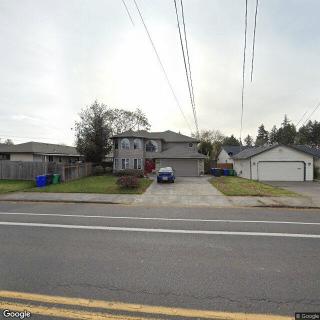
Northwest Home Health
$3,500 to $3,700 / month6.6 miles away -
from -$100 / mo
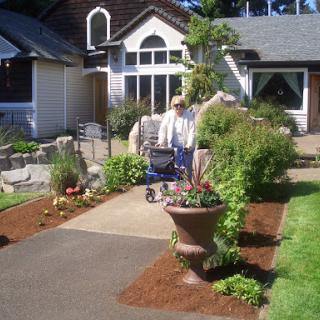
Rivercrest Adult Care
$3,000 to $3,700 / month10.2 miles away
Overall Review of Poppywood Adult Care Home
Pros
 Garden Haven provided incredible care for mom during her recovery.
 - The staff at Garden Haven were warm and kind and delivered excellent care.
- The food at Garden Haven was great and residents enjoyed being there.
- Aubbriella, Rob, and the team treated residents with respect, compassion, and attentive care around the clock when needed.
- The owners were extremely helpful and accommodating to residents’ needs and preferences.
- Garden Haven feels like a true family home, with caregivers who make residents and their families feel supported.
Review
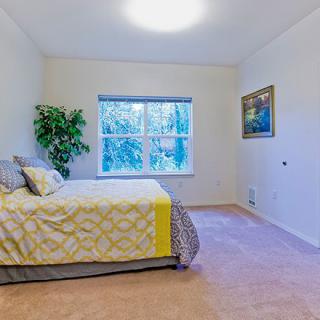
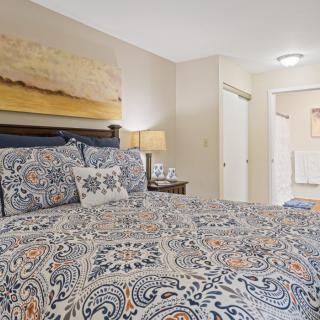
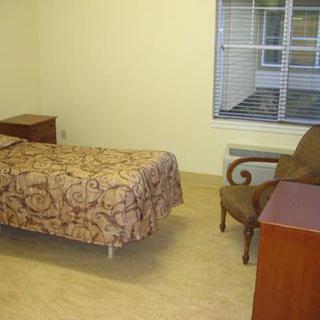
Poppywood Adult Care Home in Portland is best suited for seniors who want a warm, home-like setting where caregiving feels deeply personal and consistently present. This is where daily routines are shaped around individual preferences, and staff members become familiar, trusted companions rather than distant providers. The model suits residents recovering from a medical setback who need steady assistance, companionship, and reassurance, as well as those navigating end-of-life care who value dignity, comfort, and a sense of family-like support. Families seeking continuity of care, where caregivers and the owners take ownership of a resident’s well-being, will find Poppywood’s approach especially compelling. In short, it’s a practical fit for seniors who prize intimate attention, flexible meal planning, and a living environment that treats daily care as a collaborative, heartfelt obligation.
That close-knit, hands-on approach may not suit everyone. Those with high-acuity medical needs requiring frequent on-site nursing, complex wound care, or intensive therapies may be better served by larger, more clinically oriented communities with dedicated nursing staffs and structured medical programs. If the priority is a robust calendar of activities managed by a sizeable team, or if specialized memory-care infrastructure is essential, an alternative setting could deliver more predictable access to a broad range of clinical services and therapy options. In short, potential residents who demand hospital-level medical supervision on site or want a facility with a clearly defined, formalized program of clinical care should weigh other options carefully.
The strongest pros flow from the reviews’ consistent emphasis on warmth, respect, and tactile caregiving. Caregivers are described as genuinely present, day and night, delivering support that extends beyond basic tasks to include emotional comfort and meaningful human connection. Owners play an active, hands-on role, quickly addressing practical needs, from adjusting living space to accommodating dietary preferences, creating a sense of partnership with families. The home-like atmosphere translates into tangible, daily benefits: residents feel safe, valued, and understood, which reduces anxiety for loved ones and supports smoother recovery or transitional phases. For families navigating post-hospital discharge or hospice-related care, this level of attentiveness and flexibility can reduce the stress of caregiving and improve overall quality of life for the resident. The cumulative effect is a culture where care quality is measured by personal attention and the consistency of compassionate interactions, not by glossy amenities.
That said, the intimate scale of Poppywood carries inherent trade-offs. The smaller footprint means fewer on-site clinicians and a heavier reliance on external partners for specialized services, which can slow rapid responses in medical moments and limit access to certain therapies without careful coordination. Activity programming, while meaningful and personalized, may be less expansive than in larger communities with full-time activity directors. This can feel constraining for residents who crave a busy calendar or specialized programming. Finally, while hospice and palliative collaborations are positively noted in similar settings, residents with evolving medical complexity may encounter occasional friction between the desire for quick clinical intervention and the available on-site resources. In practice, smooth continuity of care depends on proactive communication with outside providers and clear lines of responsibility among staff and family members.
To navigate a decision effectively, families should foreground medical needs against the home’s operational strengths. Verify whether a licensed nurse is on site or on call, and confirm staff-to-resident ratios, especially during night hours. Inquire about medication management, exactly who handles med changes and how often reviews occur, and determine how responsive the team remains when changes arise. Probe dietary flexibility, dish customization, and adherence to restrictions, since meals are a daily touchstone for comfort and wellbeing. Assess safety features like grab bars, non-slip flooring, and accessible emergency systems, and request to meet the caregiving team to observe how well the culture aligns with family expectations. If possible, ask for a short-term respite or trial stay to gauge fit before committing long term, and clarify how Poppywood coordinates with external physical, occupational, or hospice services to ensure uninterrupted care.
The bottom-line verdict favors Poppywood for families prioritizing a genuine home atmosphere and a highly relational care model. The most persuasive case rests with seniors who value the visible dedication of caregivers, the owners’ active involvement, and the ability to tailor daily life to personal tastes, from meals to routines. For residents whose needs skew toward intensive medical management, complex therapies, or highly structured programming, a larger facility with on-site clinical teams may be a more suitable match, even if that means accepting a less intimate, less instantly familial environment. Still, with clear expectations, Poppywood can be a pragmatically superb choice, delivering dependable, compassionate care within a small, risk-managed framework that makes the aging-in-place goal more attainable and less daunting for families.
 Board and Care Home
 Memory Care
 Cats allowed
 Private
 Respite or short term stays offered
 Wheelchair accessible showers
 Portland International (12 miles away)
 Ambulatory care
 Diabetic care
 Medication management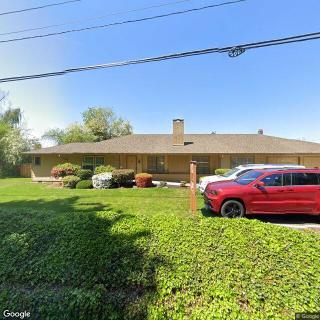


 Comprehensive Guide to VA Nursing Homes: A Crucial Long-Term Care Resource for Veterans
 Estimating the Expenses of At-Home Dementia Care: A Detailed Exploration
 Comprehensive Insights on the Late Stages of Dementia: What to Expect and How to Provide Care