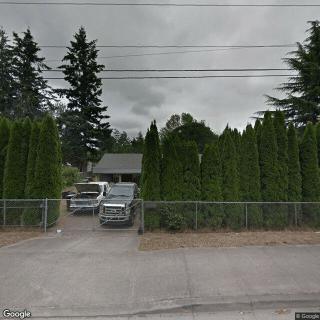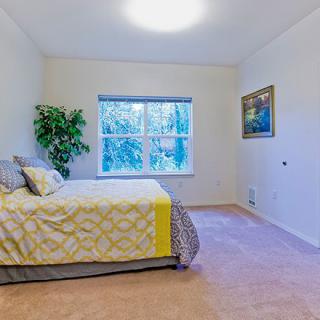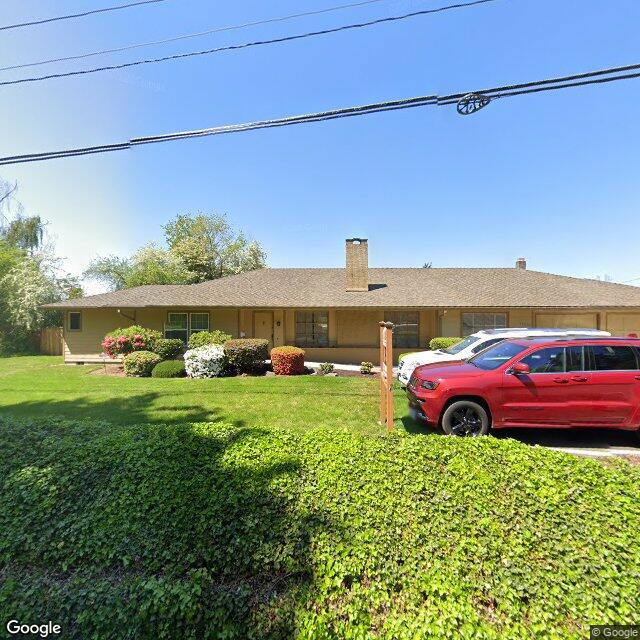
Capitol Adult Care Home

Save
Capitol Adult Care Home

Capitol Adult Care Home

11375 SW Capitol Hwy, Portland, OR 97219

For more information about senior living options: (844) 490-3973

5 from 3 reviews
5 stars
3
4 stars
0
3 stars
0
2 stars
0
1 stars
0

Board and Care Home

Capitol Adult Care Home Costs & Pricing

Capitol Adult Care Home offers private room accommodations at a monthly cost of $4,000, which is notably higher than the average costs observed in both Washington County and Oregon as a whole. In Washington County, the average monthly cost for similar private room care is approximately $3,261, while the statewide average sits at about $3,424. This positioning suggests that Capitol Adult Care Home may provide additional amenities or services that justify the higher price point, aligning with residents seeking specialized care or enhanced living experiences in a supportive environment.

Floor plansCapitol Adult Care HomeWashington CountyOregon
Private$4,000$3,261$3,424

Overall Review of Capitol Adult Care Home

Pros

  • pro Ligia and her team are incredibly caring and devoted to residents as if they were family.
  • pro The home feels warm and homelike, not like a typical senior living facility.
  • pro The staff consistently meets residents' requests and small comforts, such as favorite foods on birthdays.
  • pro Ligia goes above and beyond, often taking extra steps to ensure residents' happiness and dignity.
  • pro Night-time care is arranged with a night nurse to prevent distress and keep residents safe.
  • pro The care provided brings peace of mind and heart to families during difficult times.
  • pro The facility is clean, and the compassionate owner fosters a supportive environment.

Cons

  • pro The atmosphere did not feel like a senior living facility.
  • pro The aunt was tormented in those days and was removed from multiple other senior care facilities.

Review

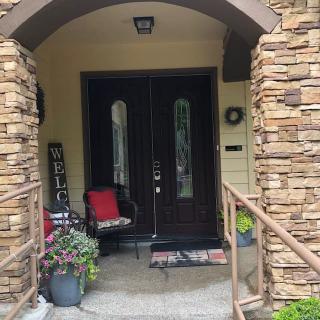
In speaking about Ligia and the caretakers who run this home-like care facility, it's clear they stand in a class of their own when it comes to senior care. The place feels less like a conventional care facility and more like a welcoming, lived-in home where warmth, attention, and dignity are the guiding principles. The environment is designed so that a resident never feels like they're in a clinical setting, but rather cared for as part of a close-knit family. It's a place that honors the emotional and practical needs of both the person receiving care and the loved ones who worry about them.

What sets this team apart is the depth of genuine care they show every day. The staff are described as incredibly caring and devoted to your family as if they were their own. They listen to every request and take pride in fulfilling even the smallest preferences - hanging hummingbird feeders, ensuring favorite cakes appear on birthdays, and creating small, meaningful touches that make days brighter. This unwavering attentiveness contributes to an atmosphere that never feels sterile or impersonal, but rather intimate and respectful, elevating the sense of safety and belonging for each resident.

The narrative of trust here runs deep, especially for families facing the challenges of Alzheimer's disease. The reviewer emphasizes that Ligia, who is described as an angel, and her team embody a level of dedication that makes them stand out in a field where the stakes are incredibly high. In the darkest and most demanding moments, they are the kind of caregivers who ensure that every possible measure of care is provided for a loved one in their final days. The tone conveys both reverence and gratitude for the way these caregivers approached the most difficult phase of a loved one's life.

It's impossible to overstate the difference this care team made during a particularly trying period. The aunt in question experienced days that were tormenting for her and for the caregivers who attended to her, so much so that her family removed her from multiple other facilities in search of something better. What they found with Ligia and her team was a level of diligence and commitment that felt personal - like they were tending to their own family. That sense of being truly seen and protected offered a measure of peace that the family hadn't been sure could be found elsewhere.

There are specific, memorable acts that illustrate the depth of their care. For example, Ligia drove a considerable distance just to obtain the aunt's favorite food for her birthday. It turned out to be the aunt's last birthday, and the effort to make that day special was noted with great appreciation. Such gestures demonstrate more than professional duty; they reveal a heart-led approach to caregiving, where moments of joy are consciously crafted even in the twilight of life.

The care extended beyond routine tasks to address fear and distress as well. When the aunt began to experience night terrors, Ligia arranged for a night nurse so she would not have to endure them alone or feel frightened. This level of proactive, compassionate care reflects a philosophy that a resident's comfort and sense of safety are non-negotiable. The family's gratitude for this kind of thoughtful intervention is profound, underscoring how essential it was to their peace of mind during an incredibly difficult time.

Looking to the future, the family expresses a sincere wish that they would end up at this care home again if they ever find themselves in need of elder care. Their gratitude is palpable, and they acknowledge that they could not possibly convey the extent of their appreciation for Ligia and the team. They feel incredibly fortunate to have found a place that could offer their loved one both comfort and dignity as she faced end-of-life moments, and they are hopeful that such compassion will continue to be available to others in need.

Ultimately, the family's message is one of heartfelt thanks for superior care, a clean and welcoming home environment, and a compassionate owner who makes all the difference. The combination of a well-maintained, home-like setting, hands-on care, and a deeply caring leadership team creates what they believe is the perfect place for a loved one. Their experience is a testament to the power of truly dedicated caregiving and the peace of mind it can bring to families during the most challenging times.

Features

Types of Care

  • Board and Care Home Board and Care HomeBoard and care homes provide a smaller, more intimate setting for seniors who require assistance with daily tasks but do not need the level of care offered by a nursing home. They offer personalized care, meals, and social activities in a homelike environment, ensuring that seniors receive individualized attention and support in their golden years.

Pets

  • Dogs allowed Dogs allowed"Pet friendly" senior living communities are important for seniors because pets provide companionship, reduce feelings of loneliness and depression, promote physical activity and mental stimulation, and offer a sense of purpose and responsibility. Pets can improve overall well-being and quality of life for seniors in many ways.

Amenities

  • Activities on-site Activities on-siteActivities on-site are important for seniors because they provide opportunities for socialization, mental stimulation, physical activity, and overall well-being. Engaging in activities can help seniors stay active, maintain their independence, and improve their quality of life.
  • Devotional services off-site Devotional services off-siteDevotional services off-site are important for seniors as they provide spiritual nourishment, social engagement, and a sense of community outside of the senior living facility. This can enhance overall well-being and help combat feelings of isolation and loneliness often experienced by older adults.
  • Indoor common areas Indoor common areasIndoor common areas are crucial for seniors as they provide a space for socialization, recreation, and community engagement, promoting overall well-being and reducing feelings of isolation and loneliness.
  • Private PrivatePrivacy is important for seniors as it allows them to maintain their independence, dignity, and sense of control over their own lives. It also gives them the space and freedom to relax, reflect, and engage in activities that bring them joy and fulfillment. Creating private spaces within senior living facilities is crucial for promoting overall well-being and quality of life.

Transportation

  • Portland International (12 miles away) Portland International (12 miles away)

Care Services

  • Diabetic care Diabetic careDiabetic care is crucial for seniors as they are more susceptible to developing diabetes due to aging and other health conditions. Proper management of diabetes can help prevent complications such as heart disease, vision loss, and nerve damage, improving the overall quality of life for seniors in senior living communities.
  • High acuity care High acuity careHigh acuity care is important for seniors because it provides specialized medical attention and support for individuals with complex medical needs. This level of care ensures that seniors receive the appropriate treatment and assistance to maintain their health and quality of life as they age.
  • Medication management Medication managementMedication management is crucial for seniors to ensure they are taking the right medications at the correct dosages and times. This helps prevent adverse drug interactions, reduces the risk of medication errors, and promotes overall health and well-being. Proactive management also allows for adjustments as needed based on changing health conditions or new prescriptions.

Dining

  • Meals provided Meals provided"Meals provided" are crucial for seniors in assisted living communities as it ensures they have access to nutritious, balanced meals without the stress of meal planning and preparation. This can help promote overall health and well-being for seniors who may have limited mobility or cognitive abilities.

Activities

  • Activities on-site Activities on-siteActivities on-site are important for seniors because they provide opportunities for socialization, mental stimulation, physical activity, and overall well-being. Engaging in activities can help seniors stay active, maintain their independence, and improve their quality of life.
  • Devotional activities offsite Devotional activities offsiteDevotional activities offsite are important for seniors because they provide social engagement, spiritual growth, and a sense of community outside of their living environment. This can improve overall well-being, mental health, and combat feelings of isolation or loneliness.

Description

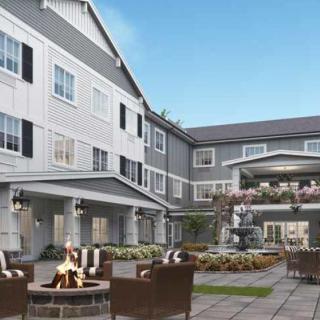
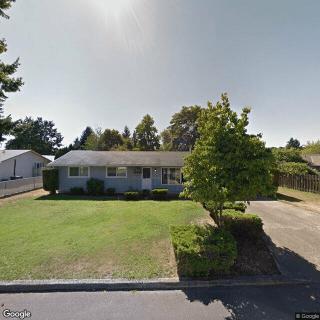
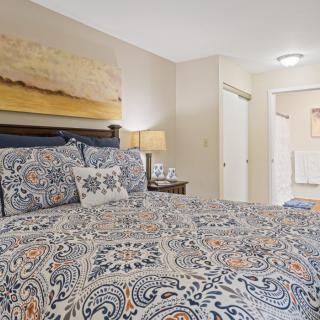
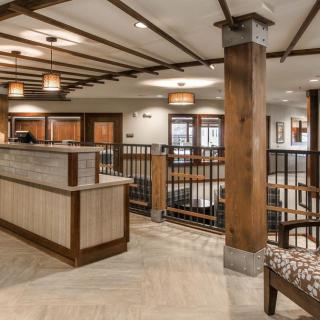
Capitol Adult Care Home is a welcoming assisted living community located in the heart of Portland, Oregon. Designed to cater to the needs of its residents, this home offers a warm and inviting atmosphere with spacious indoor common areas where residents can socialize and engage with one another.

The community provides high acuity care and comprehensive medication management services, ensuring that each resident receives the personalized attention they deserve. Whether it?s assistance with daily activities or specialized healthcare needs, the dedicated staff is committed to providing exceptional care tailored to individual requirements.

Residents are encouraged to partake in off-site devotional activities, fostering spiritual growth and connection within the community. The surrounding area is rich in amenities, with eight nearby cafes for casual outings, twelve parks perfect for leisurely strolls or picnics, and a variety of dining options with seventeen restaurants close by.

Healthcare is easily accessible, with sixteen pharmacies and eighteen physicians in proximity. In case of emergencies or health needs, four hospitals are conveniently located nearby. Additionally, there?s access to public transportation for easy mobility around the city.

For those seeking a vibrant lifestyle enriched by community engagement and supportive services, Capitol Adult Care Home stands as an ideal choice for assisted living in Portland. With recreational options such as theaters and places of worship close at hand, residents can enjoy both leisure and spiritual fulfillment while benefiting from compassionate care.

Nearby Places of Interest

This area of Portland, Oregon offers a variety of amenities and services that cater to seniors looking for a convenient and comfortable living environment. With several restaurants, cafes, pharmacies, and medical facilities located within a short distance, residents have easy access to dining options as well as healthcare services. The presence of parks and places of worship in the vicinity provides opportunities for relaxation and spiritual fulfillment. Additionally, the availability of public transportation options such as the TriMet bus stop ensures ease of travel for seniors who may not drive. The proximity to theaters and hospitals further enhances the quality of life in this area, making it an appealing choice for senior living.

Restaurants

  • Bannings Restaurant & Pie House (0.5 miles)
  • McDonald's (0.8 miles)
  • Wendy's (1.5 miles)
  • Old Market Pub & Brewery (1.7 miles)
  • Applebee's (1.7 miles)
  • Hanko's Sports Bar & Grill (1.8 miles)
  • Thirsty Lion Pub & Grill (2 miles)

Physicians

  • Pediatric Associates Of The NW (1 miles)
  • Reflex (1.9 miles)
  • The Portland Clinic (1.9 miles)
  • Pacific Medical Group (2.5 miles)
  • Bridgeport Family Medicine (2.8 miles)
  • Legacy Medical Group-Raleigh Hills (3.3 miles)
  • EyeHealth Northwest - Tigard Office (3.6 miles)

Pharmacies

  • Walgreens (1.1 miles)
  • Rite Aid (1.6 miles)
  • Fred Meyer Pharmacy (2.9 miles)
  • Walgreens (3 miles)
  • Walgreens (3 miles)
  • Rite Aid (3.1 miles)
  • Rite Aid (3.2 miles)

Cafes

  • Well & Good Coffee House (1.2 miles)
  • Panera Bread (1.9 miles)
  • Dutch Bros Coffee (2.8 miles)
  • Peet's Coffee and Tea (3.4 miles)
  • Starbucks (4 miles)
  • Starbucks (4 miles)
  • Starbucks (4 miles)

Parks

  • Florence Pointe Park (1.2 miles)
  • Spring Garden Park (1.9 miles)
  • Tryon Creek State Park (3 miles)
  • Albert Kelly Park (3.2 miles)
  • Summerlake Park (3.6 miles)
  • Sellwood Riverfront Park (3.9 miles)
  • George Rogers Park (3.9 miles)

Transportation

  • TriMet Bus Stop ID 3655 (1.7 miles)
  • Sunset Transit Center (5.1 miles)

Places of Worship

  • St John Fisher Church (2.2 miles)

Theaters

  • Regal Bridgeport Village ScreenX & IMAX (3.2 miles)
  • Century Theater Cedarhill (5.2 miles)

Hospitals

  • Legacy Meridian Park Hospital (4.5 miles)
  • Doernbecher Children's Hospital (4.5 miles)
  • Portland VA Medical Center (4.5 miles)
  • Shriners Hospitals For Children (4.7 miles)
  • Providence Milwaukie Hospital (5.3 miles)

Frequently Asked Questions

How much does it cost to live at Capitol Adult Care Home in Portland, OR?
Where is Capitol Adult Care Home?
Does Capitol Adult Care Home allow residents to have pets?

Nearby Communities

Related Resources

  • caregiver burnoutCaregiver Exhaustion: Recognizing the Signs and Restoring Your Well-Being

    Caregiver exhaustion, or burnout, stems from the relentless demands of caregiving, leading to emotional and physical depletion characterized by stress, frustration, and neglect of personal needs. Addressing this burden is essential to prevent long-term consequences, with early recognition and support being crucial for caregivers to maintain balance and implement self-care.

  • what is hospice care at homeUnderstanding Hospice Care at Home: Comprehensive Services, Key Benefits, and Eligibility

    Hospice care at home provides specialized end-of-life support that focuses on comfort and dignity for individuals with life-limiting illnesses, offering a range of services including medical management, emotional and spiritual support, and logistical assistance tailored to the family's needs. It involves collaboration to create individualized care plans and extends to bereavement support after a loved one's passing.

  • how much does 24/7 in home care cost per monthUnderstanding the Full Cost of 24/7 In-Home Care: A Detailed Overview

    The guide outlines the rising costs of 24/7 in-home care, ranging from $10,000 to over $20,000 monthly, driven by factors such as location and caregiver qualifications. It discusses the limited coverage by Medicare and private insurance, potential Medicaid support, and the emotional and living condition considerations influencing families' decisions on care arrangements.