
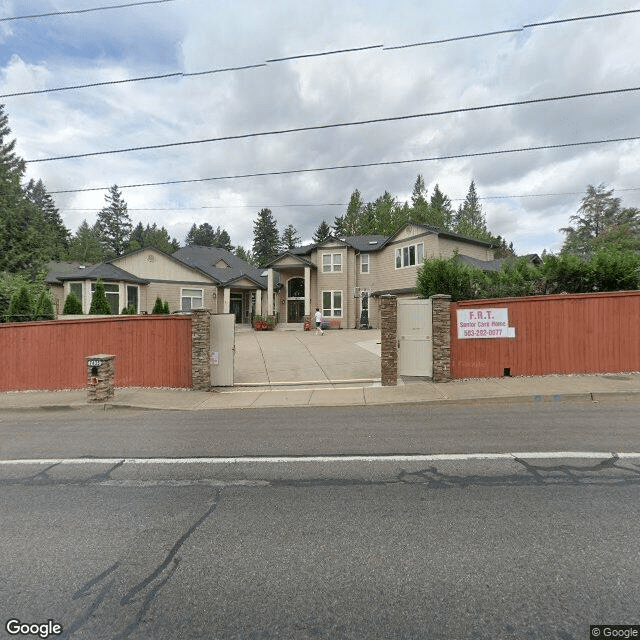
7435 SW Canyon Road, Portland, OR 97225
To contact a resident: (503) 292-0077
For more information about senior living options: (866) 208-4318
F.R.T. Adult Care Home Costs & Pricing
F.R.T. Adult Care Home offers competitive pricing for its residents, with private room accommodations priced at $3,600 per month. This cost is slightly higher than the average for Washington County at $3,261 but remains lower than the state average of $3,424 in Oregon. Additionally, the studio rooms are available for the same monthly rate of $3,600, which is more affordable compared to both Washington County's average of $3,909 and Oregon's statewide average of $3,815. These figures suggest that F.R.T. Adult Care Home provides a valuable option for those seeking adult care services in a market where prices vary significantly by location.
| Floor plans | F.R.T. Adult Care Home | Washington County | Oregon |
|---|---|---|---|
| Private | $3,600 | $3,261 | $3,424 |
| Studio | $3,600 | $3,909 | $3,815 |
Memory care communities with a similar price nearby
-
About the same
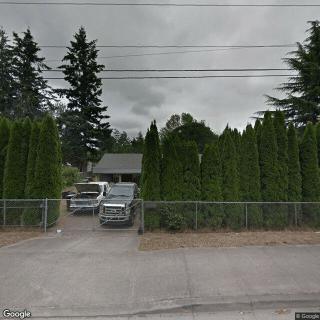
American Living Adult Family Home LLC
$3,500 / month16.6 miles away -
from -$600 / mo
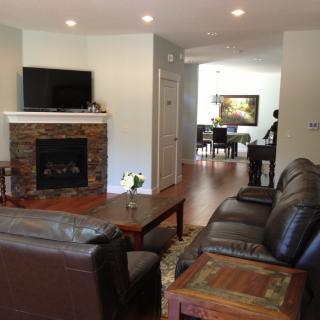
Elder Garden Care Home, LLC
$3,000 / month14.5 miles away -
About the same
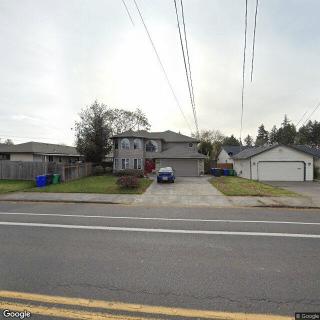
Northwest Home Health
$3,500 to $3,700 / month7.4 miles away -
from -$600 / mo
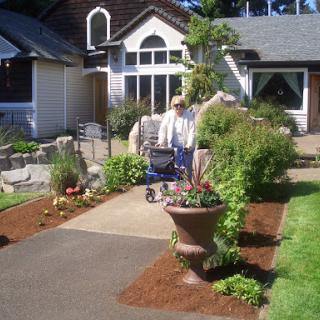
Rivercrest Adult Care
$3,000 to $3,700 / month13.7 miles away -
from +$400 / mo
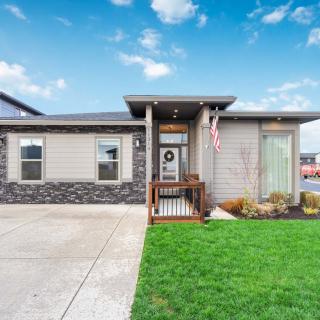
The Finest Care AFH, LLC
$4,000 to $5,500 / month15.1 miles away
Overall Review of F.R.T. Adult Care Home
Pros
 The place is fantastic.
- The caregivers are wonderful.
- Everything is great at the facility.
- The place is very nice and clean.
- The neighbors are good to the community.
Cons
 The activities are lacking.
Review
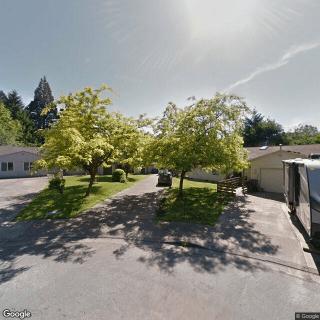
F.R.T. Adult Care Home in Portland is best suited for seniors who want an intensely intimate, home-like assisted living experience where personal attention from a devoted caregiving team is the defining feature. The five-person footprint creates a setting that feels more like a family household than a typical facility, which translates into highly responsive care, easier communication with staff, and a predictable daily rhythm. This is ideal for residents who value privacy, meaningful one-on-one time with caregivers, and a quiet, low-key environment over a bustling community calendar.
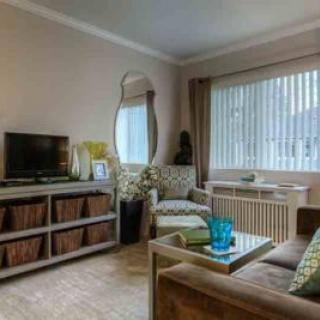
The strongest selling points are clear. The care team delivers hands-on support that can be tuned to individual preferences, and the environment consistently reads as clean and well-maintained. Neighbors within the small group tend to know one another well, which supports natural social interaction and accountability among residents and staff alike. The combination of a clean, uncluttered space and a close-knit community reduces the friction that often comes with larger facilities, making daily life calmer and more manageable for many families.
On the downside, activities and structured programming are noticeably limited. The same five-resident format that fosters close caregiver-resident connections also constrains the breadth of group events and organized outings. For residents who rely on a robust calendar of social activities, memory care groups, or on-site amenities to stay engaged, this setting can feel understimulating. In short, the home excels at intimate care but offers fewer opportunities for diverse, scheduled recreation and peer interaction than larger assisted living communities.
Those limitations are not fatal when weighed against the core strengths. The intimate staffing model means the care team can cultivate deep knowledge of each resident’s routines, preferences, and health signals, enabling rapid adjustments to care plans and daily schedules. Safety and stability benefit from the small, controllable environment, and the seamless communication between residents and caregivers enhances trust and reduces stress for families. Cleanliness and neighborly rapport contribute to a comfortable living experience, making everyday life predictable and pleasant for residents who do not require a highly structured activity ecosystem.
Families should consider alternatives if the priority is a robust activity schedule, diverse social programming, or access to specialized services like memory care or on-site medical oversight. Larger assisted living communities often deliver more entertainment options, transportation to events, and a broader network of therapy or wellness programs. If a resident needs more intensive or specialized care than what a five-person home typically provides, such as frequent therapeutic activities, complex medical management, or memory-care-specific programming, exploring other options is prudent. A different setting may also be preferable for those who place a premium on constant social programming and peer interaction.
To make a well-informed decision, prospective families should visit with a practical, outcome-focused mindset. Observe daytime routines during a few different activities, ask about caregiver-to-resident ratios at night, and request a tour of the living areas to assess flow, safety, and cleanliness. Inquire about how individualized plans are developed and revised, and whether residents have input into daily schedules. Finally, weigh the emotional and social value of intimate, continuous caregiver relationships against the limited activity calendar. For families prioritizing dedicated, hands-on care within a small, homelike setting, F.R.T. stands out as one of Portland’s strongest choices; for those needing a richer lineup of activities or specialized care, alternatives should be explored without hesitation.
 Board and Care Home
 Memory Care
 Dogs allowed
 Activities off-site
 Beautician on-site
 Indoor common areas
 Outdoor common areas
 Private
 Private bathrooms
 Respite or short term stays offered
 Wheelchair accessible showers
 Portland International (10 miles away)
 Diabetic care
 High acuity care
 Incontinence care
 Medication management
 Kosher

 Understanding Dementia Through Its Seven Stages: A Comprehensive Look at Progression and Expectations
 A Holistic Dementia Care Guide: Effective Strategies for Memory Support
 Memory Care Pathways: A Holistic Guide to Dementia Support