
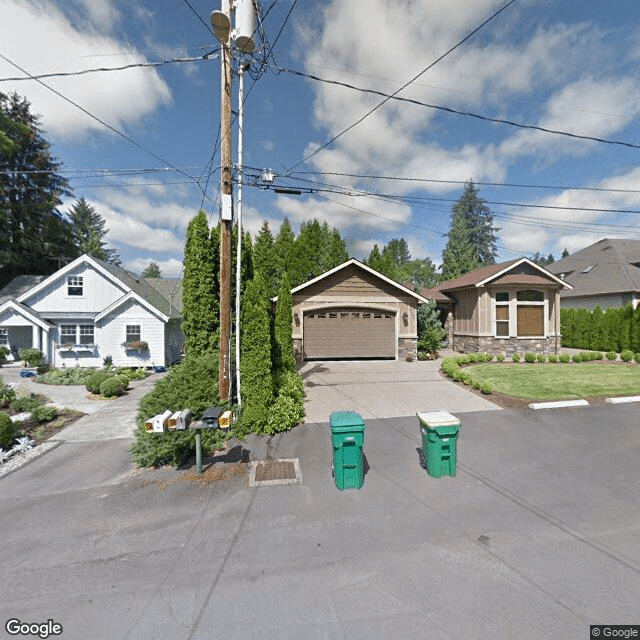
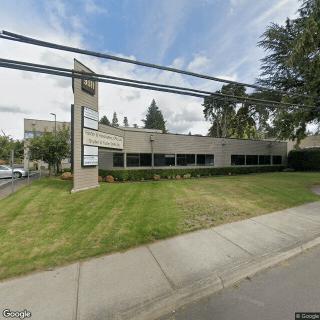
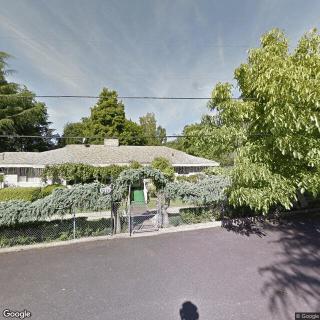
3485 SW 86th Ave, Portland, OR 97225
To contact a resident: (503) 901-1978
For more information about senior living options: (866) 208-4318
Golden Age Foster Home Costs & Pricing
Golden Age Foster Home offers private room accommodations at a monthly cost of $3,500. In comparison, the average cost for similar foster home services in Washington County stands at $3,261, while the statewide average across Oregon is slightly lower at $3,424. This places Golden Age Foster Home above both local and state averages, reflecting its potentially enhanced level of care and amenities. The difference in pricing may indicate a commitment to providing personalized attention and quality that appeals to families seeking exceptional support for their loved ones.
| Floor plans | Golden Age Foster Home | Washington County | Oregon |
|---|---|---|---|
| Private | $3,500 | $3,261 | $3,424 |
Senior living communities with a similar price nearby
-
from +$300 / mo

The Inn at University Village
$3,800 to $7,500 / month16.5 miles away -
from -$500 / mo
A Piece of Heaven
$3,000 / month9.2 miles away -
from +$500 / mo
Oaktree Adult Care Home
$4,000 / month13.0 miles away -
from -$500 / mo
Yamhill Senior Care Home
$3,000 / month12.8 miles away -
from -$500 / mo
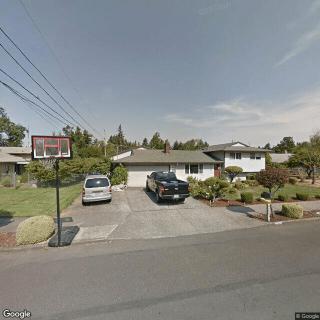
Peaceful Lighthouse Adult Care Home
$3,000 / month15.1 miles away
Overall Review of Golden Age Foster Home
Pros
 The Heritage House environment was warm and welcoming.
- It felt like the right place for her mother to be.
- Jenilee and Mark were professional, caring, and authentic.
- Her mother was in good hands and received care suited to this stage of life.
- Jenilee was attentive, offering suggestions and providing high-quality care.
- The presence of a dog and cat provided additional comfort to the resident.
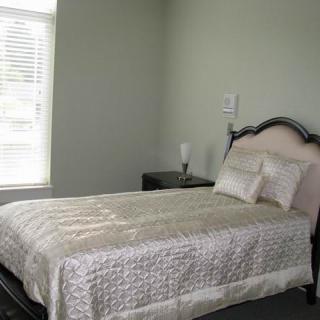
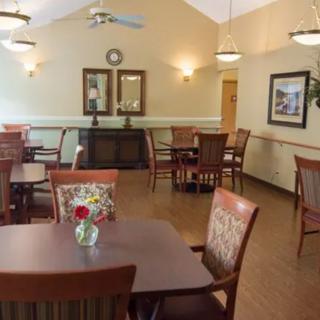
- The room was sunny with a glass door to the outdoors, avoiding a stuffy feel.
- Staff would get residents outside on the porch on nice days.
- Overall, Heritage House comes highly recommended.
Review
This Portland foster-home option is best suited for families seeking a warm, intimate, home-like assisted living experience where caregivers know residents well, anticipate needs, and respond with genuine care. It serves seniors who prioritize personalized attention over a large, impersonal campus, and who value the comforts of a smaller, residential setting. The environment tends to feel welcoming and non-clinical, with daily life organized around familiar routines, easy access to fresh air, and the tranquil rhythm of a smaller home rather than a hospital-like atmosphere. For those who want real warmth from staff and the reassurance that comes from seeing the same faces day after day, this kind of community often hits the mark.
Alternatives should be considered for residents with more intensive medical needs, complex memory-care requirements, or a desire for broader, more structured programming and amenities. Larger, more resource-rich communities typically offer 24/7 nursing coverage, on-site therapy suites, and a wider calendar of activities; they can be better fits when medical oversight and formalized programming are top priorities. Families who need a strict, around-the-clock visiting policy, or who must avoid pet exposure due to allergies or sensitivities, may also want to look at options with different environmental features. In short, this Portland option excels on warmth and personalized attention, but may not be the best match for those chasing medical breadth or ultra-structured urban campus life.
On balance, the core positives create strong value that can offset the most plausible drawbacks of a smaller operation. The intimate setting fosters authentic relationships between residents and caregivers, which translates into highly responsive care and a sense of safety for families. A small team can adjust routines quickly as needs shift, something larger facilities often struggle with due to scale. The home-like atmosphere, natural light, porch time on pleasant days, and a sense of daily life that resembles a comfortable residence, reduces stress for residents who resist institutional atmospheres. When staff are described as professional, caring, and genuine, the resulting continuity of care makes up for potential limits in formal programming or breadth of services.
A practical expectation for daily life is a gentle, human-scale routine rather than a calendar packed with institutional activities. Residents benefit from consistent caregivers who know their preferences, from moments spent outdoors, and from the everyday comfort that a small, residential setting naturally provides. If pet companions are part of the environment, that can add emotional lift and social warmth, aiding mood and engagement. Visiting becomes a thoughtful, manageable experience rather than a rigid, high-demand process. Families should confirm the exact level of medical oversight, snack and meal options, transportation arrangements, and any specialized therapies offered, but the overall tone remains firmly residential and person-centered.
The decision framework is straightforward: choose this option when the priority is intimate, high-touch care delivered in a home-like setting with genuine caregiver engagement, and when the resident thrives with familiarity, routine, and simpler, calmer surroundings. It is a strong fit for seniors who value comfort, predictability, and the emotional reassurance of a smaller, neighborly community. Consider other routes if medical complexity, the need for expansive on-site amenities, or highly structured programming are non-negotiables. In those cases, a larger campus with broader clinical resources may serve better.
Actionable next steps are clear. Schedule a first-hand visit to assess how staff interact with residents and whether routines align with the loved one’s preferences. Ask about caregiver turnover, the exact visiting-hour policy, and how emergencies are handled after hours. Inquire about pet policy and how the presence (or absence) of animals affects daily life, social time, and mobility around the home. Probe the scope of medical oversight available on-site, including nursing presence, medication management, and partnerships with local clinicians. Finally, request a trial period or a short stay to observe real-life dynamics, ensure comfort with the environment, and determine whether this intimate Portland option truly matches the resident’s needs and the family’s expectations.
 Board and Care Home
 Activities off-site
 Beautician on-site
 Devotional services off-site
 Indoor common areas
 Outdoor common areas
 Private
 Private bathrooms
 Swimming pool / hot tub
 Wheelchair accessible showers
 Portland International (10 miles away)
 Ambulatory care
 Diabetic care
 Incontinence care
 Meals provided
 Urinary Tract Infections in Older Adults: Comprehensive Insights on Symptoms, Treatment, and Prevention
 California's Form 602A: An In-Depth Examination of Senior Care Assessment
 Comprehensive Look at Senior Blood Pressure Charts: Normal and Elevated Levels by Age