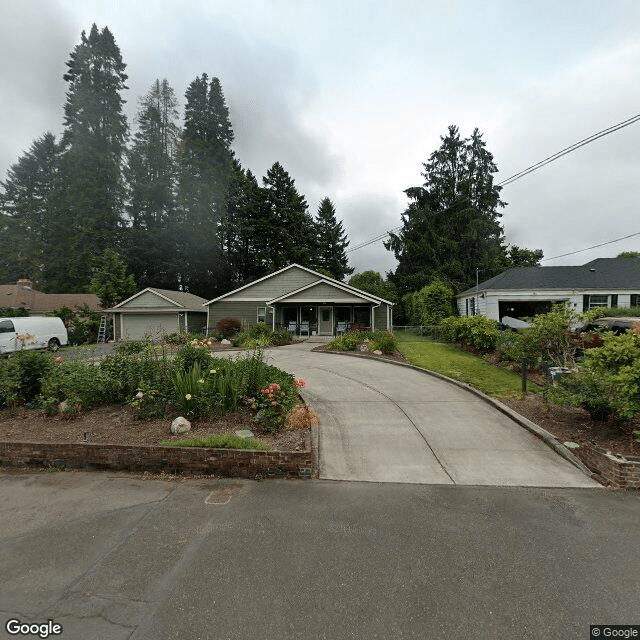
4280 Southwest 86th Avenue, Portland, OR 97225
To contact a resident: (503) 297-2770
For more information about senior living options: (866) 208-4318
Comfort Home Costs & Pricing
Comfort Home offers competitive pricing for its accommodations, with both private and semi-private room types set at $3,000 per month. This cost is notably lower than the average rates in Washington County, where private rooms are priced at $3,261 and semi-private options soar to $4,848. Comparatively, statewide averages in Oregon reflect even higher costs, with private rooms reaching $3,424 and semi-private rooms averaging $4,457. By providing quality care at these attractive price points, Comfort Home positions itself as a cost-effective choice for residents seeking comfortable living arrangements without compromising on essential services.
| Floor plans | Comfort Home | Washington County | Oregon |
|---|---|---|---|
| Private | $3,000 | $3,261 | $3,424 |
| Semi-Private | $3,000 | $4,848 | $4,457 |
Senior living communities with a similar price nearby
-
About the same
A Piece of Heaven
$3,000 / month9.0 miles away -
from -$500 / mo

Mapleview Manor, LLC
$2,500 / month9.6 miles away -
About the same
Yamhill Senior Care Home
$3,000 / month12.8 miles away -
About the same
Peaceful Lighthouse Adult Care Home
$3,000 / month15.1 miles away -
from +$500 / mo
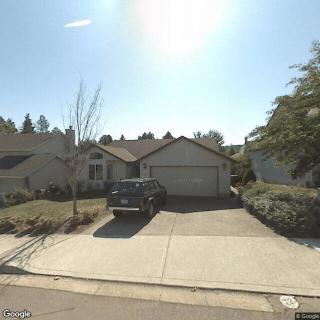
Fulga's ACH
$3,500 / month4.3 miles away
Overall Review of Comfort Home
Pros
 The staff at Comfort Home are kind, compassionate, and able to keep a light, friendly sense of humor with residents.
- The home feels peaceful and truly like a welcoming, homelike place.
- Families are pleased to see residents adjusting well to foster home living.
- The owner is a caring gentleman and the resident manager makes everyone feel at home and welcome.
- The meals are described as really good, with activities offered at a level residents can participate in.
- Private rooms with toilets and sinks, plus safety-focused shower arrangements, help prevent falls.
- The home is newer and fully functional for residents’ mobility.
- The staff handle all aspects of care, providing reassurance and peace of mind for families.
Cons
 The facility allows smoking on the premises and provides no Medicaid support.
- The reviewer felt that many homes could not meet their needs.
- The reviewer was not impressed with the resident manager during the conversation.
- The reviewer’s radar indicated they would not like the situation.
Review
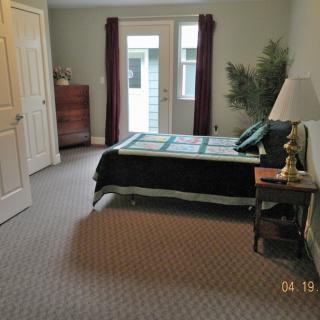
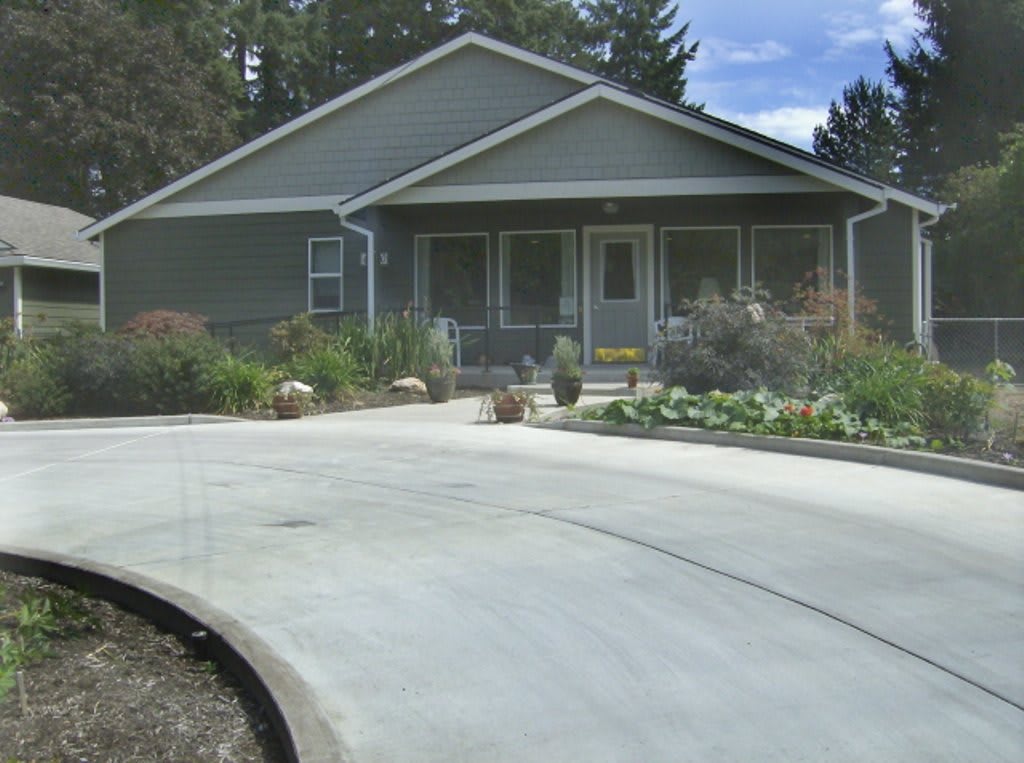
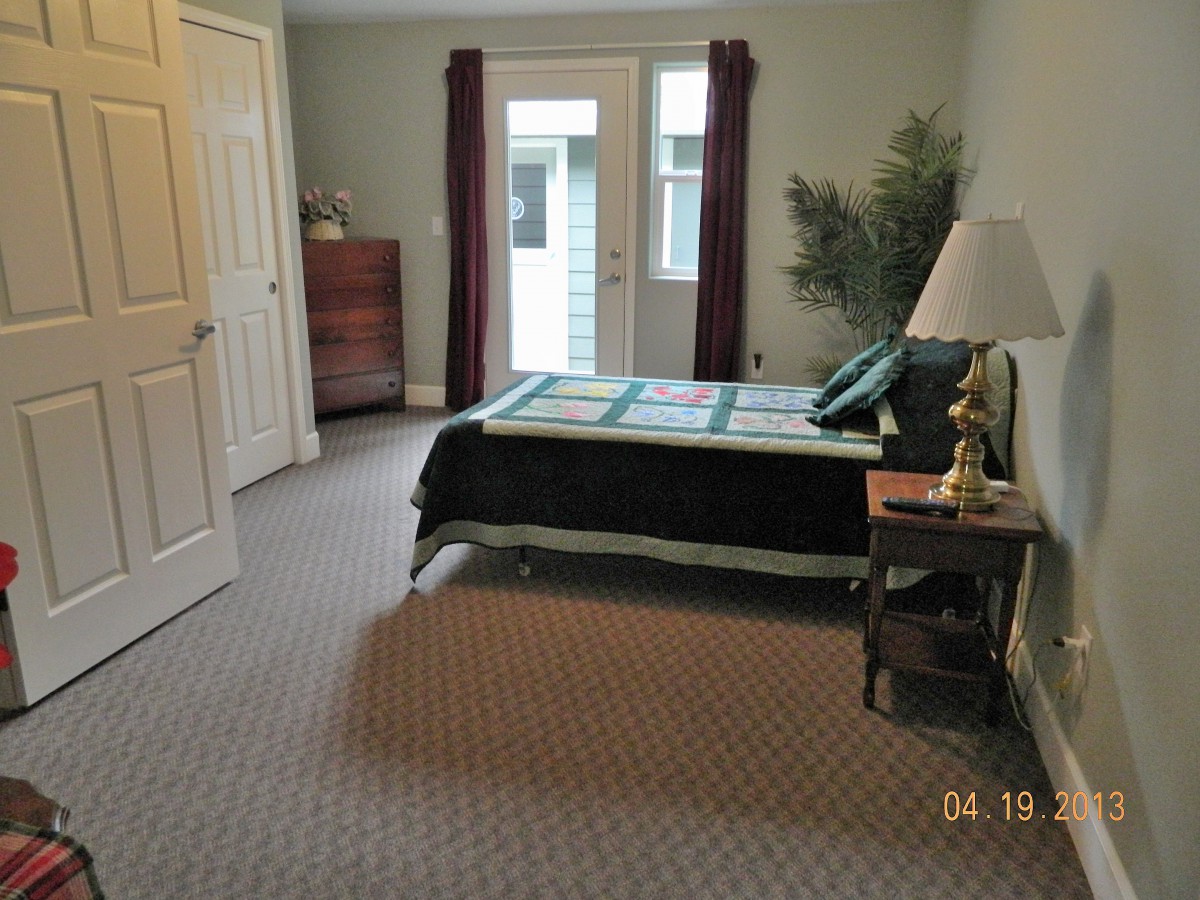
This community is best suited for independent seniors who want a small, home-like setting and do not require high-touch medical care. Comfort Home operates as a foster-home model, with large rooms and good closet space, and every resident room opening to the outdoors. The vibe is peaceful and residential rather than institutional, which makes it a natural fit for someone who values privacy and a quiet atmosphere while still wanting a bit of daily support. Residents tend to be older, more settled in, and capable of handling most day-to-day tasks with minimal assistance, such as medication reminders, meal prep, and standby help during bathing.
Those who may want to consider alternatives are primarily families needing Medicaid coverage or a strictly smoke-free environment. Comfort Home does not participate in Medicaid, and smoking is allowed on site, which can be a deal-breaker for some households prioritizing healthcare funding or smoke-free policy. In addition, the home’s size and staffing model limit the scale of activities and the level of supervision you’ll find in larger, more medicalized assisted-living communities. If a couple seeks shared living space or if a resident requires more intensive daily assistance or medical oversight, it’s worth looking at other options with broader staffing and formal care plans.
The strongest pro here is the staff-driven, homey environment. Bill and the resident manager team, Susan, Amber, and Melissa, are repeatedly described as kind, compassionate, and capable of handling even difficult moments with humor and patience. That warmth translates into real comfort for families, helping a loved one adjust from living alone to foster-home living. The setting supports independence without sacrificing safety, and the staff’s willingness to go beyond basic duties is a meaningful offset to the smaller scale of care. The quiet, residential atmosphere makes the home feel like a real living space rather than a monitored facility, which matters when peace of mind is the priority.
On the care-and-cost front, the offers are clear but with caveats. Monthly fees commonly fall in the $3,000 to $3,500 range, with private rooms that include in-room toilets and sinks and showers arranged to reduce fall risk. Meals are described as good, and activities are tailored to what residents can participate in, which aligns with the foster-home approach. The trade-off is that the facility operates with a compact footprint: a small number of residents (often three to five) means less routine around-the-clock coverage and fewer structured programs than bigger communities. One reviewer noted concerns about the resident manager’s communication, which can create uncertainty for families tracking care plans or changes in routines.
In practice, Comfort Home delivers outcomes that resonate with families seeking dignity, personalization, and practical support. One family member shared that their mother loved her stay and received attentive, individualized care until the end, highlighting a level of attentiveness that feels rare in small settings. The owner’s and manager’s attentiveness helps create a sense of security, and the environment feels both welcoming and manageable for residents who do not require heavy medical intervention. Still, the combination of smoking on premises and the lack of Medicaid support means this option is not suitable for everyone, particularly those who must rely on public funding or who prefer a non-smoking campus.
Decision guidance: Comfort Home is a strong choice for families prioritizing a cozy, home-like setting with highly engaged staff who can deliver personalized attention in a smaller, quieter environment. It is best for seniors who are relatively independent, require minimal daily assistance, and can tolerate a smoking-permissive policy. For families needing Medicaid coverage, a stricter smoke-free policy, or a larger, more comprehensive care program with guaranteed around-the-clock supervision, alternatives should be considered. Prospects should visit with a clear checklist: confirm room configuration and accessibility, assess the consistency and availability of staff, query current residents’ activity options, and understand the exact daily care routine. If the fit aligns with the above priorities, Comfort Home offers a practical, compassionate home setting that often delivers real peace of mind.
 Board and Care Home
 Activities off-site
 Air-conditioning
 Beautician on-site
 Cable or satellite TV
 Devotional services off-site
 Ground floor units
 Indoor common areas
 Kitchenette
 Outdoor common areas
 Private
 Private bathrooms
 Respite or short term stays offered
 Wheelchair accessible showers
 Wi-Fi/high-speed internet available
 Portland International (11 miles away)
 Ambulatory care
 Diabetic care
 High acuity care
 Incontinence care
 Medication management
 Low / no sodium
 BBQs or picnics
 Birthday parties
 Resident band or musicians
 Wii bowling





 Managing Nursing Home Expenses After Medicare Coverage Ends
 Is a Geriatric Care Manager the Right Choice for Your Family?
 Compassionate Conversations: How to Comfort Someone Who Is Grieving