
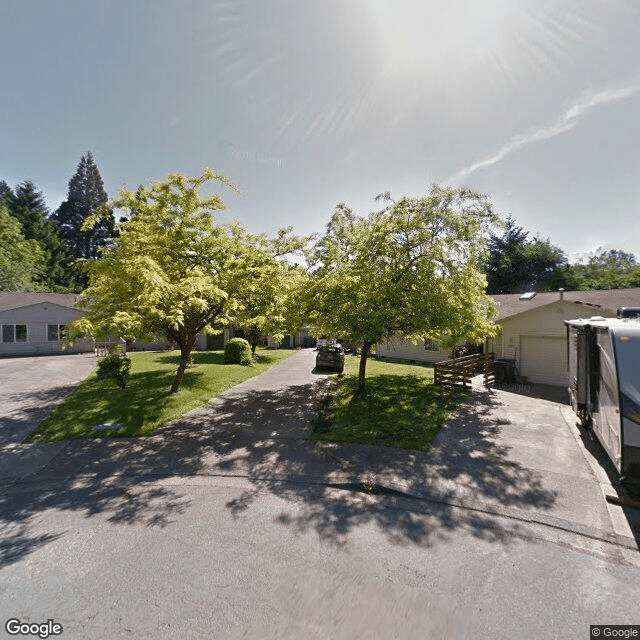
8040 SW Greenhouse Lane, Portland, OR 97225
To contact a resident: (503) 477-9308
For more information about senior living options: (866) 208-4318
It's All About Me Adult Home Costs & Pricing
At It's All About Me Adult Home, the monthly cost for a private room is set at $3,000, which positions it competitively within the local market. When we compare this figure to the average costs in Washington County and across Oregon, we find that our rates are quite attractive. Specifically, private rooms in Washington County average around $3,261, while the state average escalates further to approximately $3,424. This pricing not only reflects our commitment to providing quality care but also emphasizes our goal of making housing accessible for those seeking adult home services in a supportive environment.
| Floor plans | It's All About Me Adult Home | Washington County | Oregon |
|---|---|---|---|
| Private | $3,000 | $3,261 | $3,424 |
Senior living communities with a similar price nearby
-
About the same
A Piece of Heaven
$3,000 / month9.4 miles away -
from -$500 / mo

Mapleview Manor, LLC
$2,500 / month9.9 miles away -
About the same
Yamhill Senior Care Home
$3,000 / month12.4 miles away -
About the same
Peaceful Lighthouse Adult Care Home
$3,000 / month14.7 miles away -
from +$500 / mo
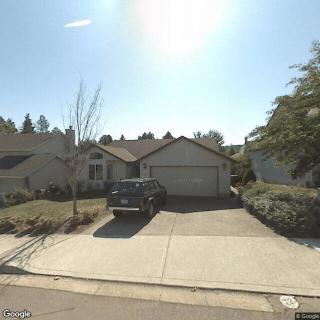
Fulga's ACH
$3,500 / month5.0 miles away
Overall Review of It's All About Me Adult Home
Pros
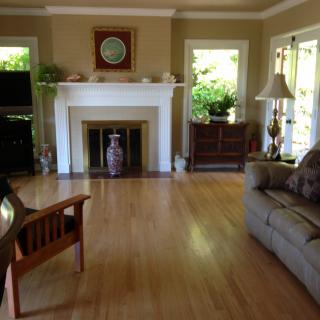
 Heritage House feels warm and welcoming.
- The staff are professional, caring, and authentic.
- The caregiving is attentive and of high quality.
- A resident-friendly dog and cat provide additional comfort.
- The rooms are sunny with a glass door to the outdoors, avoiding a stuffy feel.
- Staff provide outdoor time on the porch on nice days.
- The small operation offers flexible visiting hours, and Heritage House is highly recommended.
Review
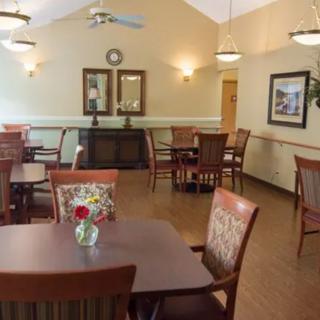
This Portland, Oregon small-home approach is best suited for families seeking a warm, intimate care setting where daily life feels like a supportive, living room atmosphere rather than a clinical environment. The resident who thrives in a home-like space, sunlit rooms with a view, easy access to fresh air, and caregivers who treat every day as a personal relationship, will find this model especially comforting. A pet-friendly vibe, with a dog and a cat on site, adds a meaningful touch of companionship, while porch time and outdoor moments help maintain a sense of normalcy and independence. In short, this is ideal for seniors who prioritize connection, comfort, and a sense of belonging over institutional grandeur.
Those considering alternatives should weigh the needs for more formal medical oversight, a broader activity slate, or specialized care. A larger community with on-site nursing, a structured daily schedule, and dedicated memory-care resources may be a better match for residents requiring consistent 24/7 medical management or more extensive behavioral support. Families should also consider if allergies to pets or a preference for a more conventional, hospital-like aesthetic might steer them toward a different setting. For seniors who want a more expansive campus feel with varied dining options and routine programming, this smaller model could feel limiting.
The strongest pros center on genuine care, warmth, and a high-touch approach. Caregivers are described as professional, authentic, and deeply attentive, with a readiness to offer suggestions and adapt care to the resident’s evolving needs. The intimate scale fosters meaningful, regular interactions, care plans feel personalized rather than generic. The home-like environment, reinforced by sun-filled rooms and outdoor access, reduces the sense of confinement and supports day-to-day comfort. The presence of pets and the ability to get outside on good days contribute to emotional well-being and a more relaxed pace of life.
On the flip side, the small operation naturally limits certain resources. Programming can be more modest, and access to specialized medical staff may be less visible than in larger facilities. Visiting hours, while flexible, require some planning and coordination, which can be a constraint for families needing spontaneous or extended visitation. In practical terms, this means medical appointments, lab visits, or on-site interventions may hinge on a leaner staff and smaller footprint. These are manageable trade-offs, but they matter for families weighing ongoing medical needs or a wish for more comprehensive on-site services.
Yet the positives largely offset those constraints for residents who prize belonging and personalized attention. A caregiver team that consistently engages, communicates clearly, and remains present in daily routines translates into stability and peace of mind for families. The home’s design, bright, open rooms, doors to the outdoors, and a porch for fresh air, supports mood and reduces the sense of isolation. The pet presence, while not universal to all seniors, offers predictable companionship and a comforting backdrop to everyday life. In this setting, intimacies, one-on-one conversations, familiar faces, and a predictable caregiving rhythm, become the defining feature that often outweighs occasional limits in services.
Bottom line: this environment is a strong choice for families prioritizing warmth, sustained personal connection, and a caregiving team that treats residents like members of the family. It is less suitable for those requiring robust nursing oversight, expansive activity programming, or highly specialized memory-care infrastructure. For a parent who cherishes a small, home-like vibe with dependable, attentive staff and even the comfort of pets, this option warrants serious consideration. For others seeking broader medical resources or a larger community footprint, exploring a more resource-rich facility may be the prudent path.
 Board and Care Home
 Activities on-site
 Indoor common areas
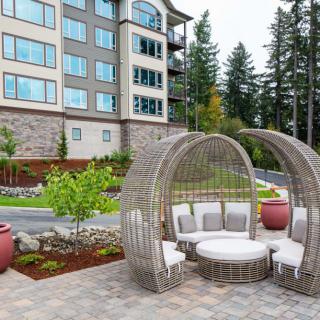
 Outdoor common areas
 Private
 Portland International (10 miles away)
 Ambulatory care
 Diabetic care
 High acuity care
 Incontinence care
 Medication management
 Meals provided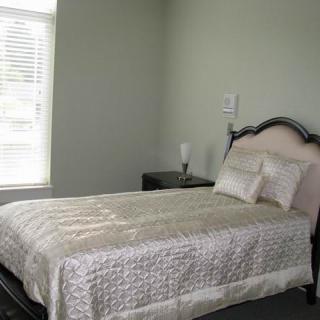

 Understanding the Full Cost of 24/7 In-Home Care: A Detailed Overview
 Exploring the World of Home Health Nurses: Qualifications, Roles, and Hiring Tips
 Navigating Medicare Coverage for In-Home Care Services