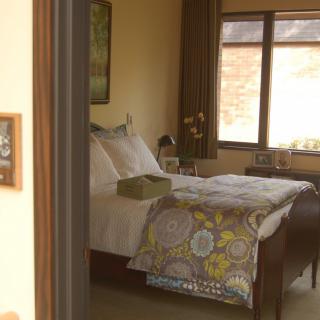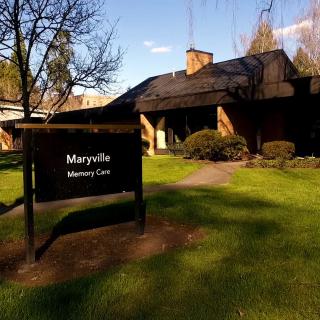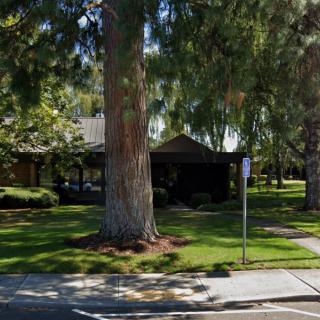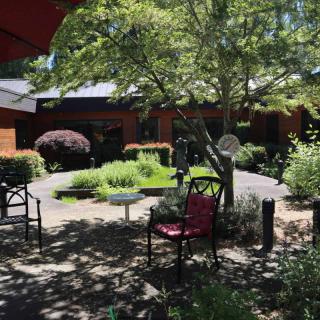
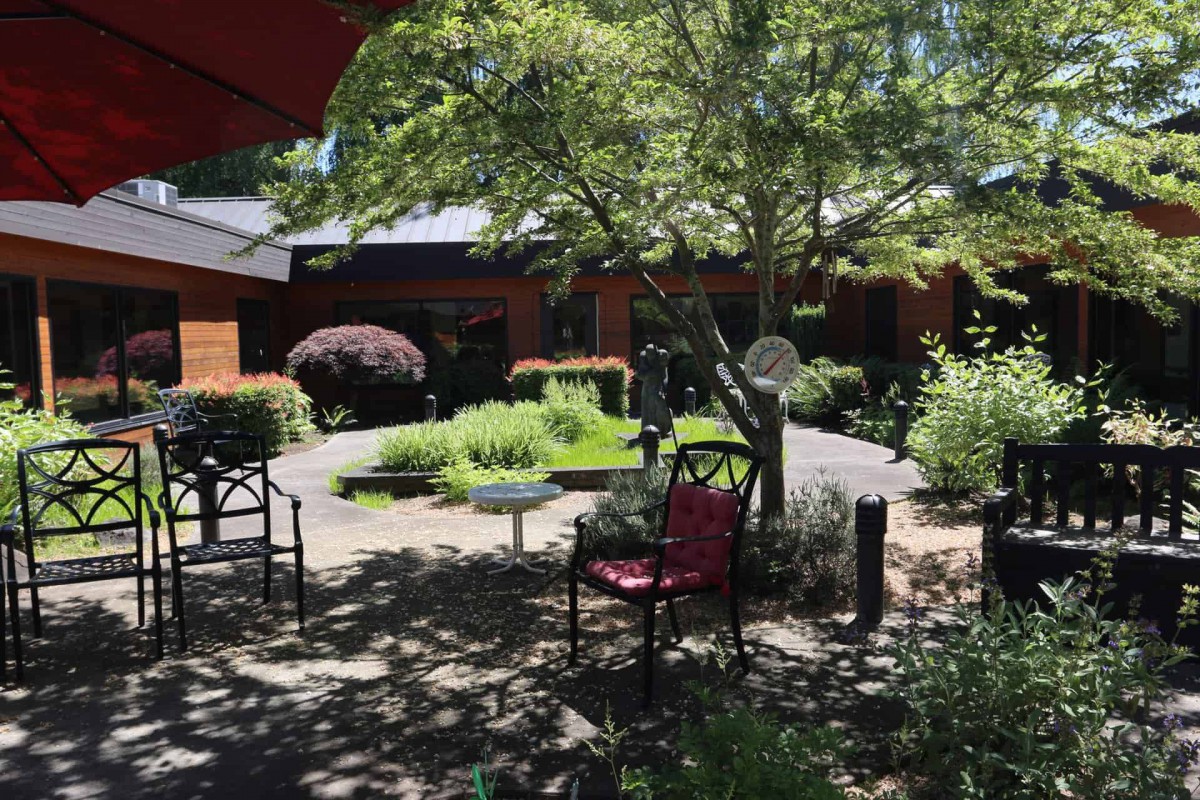
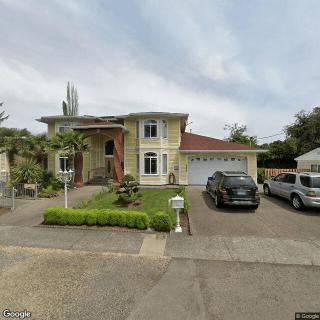
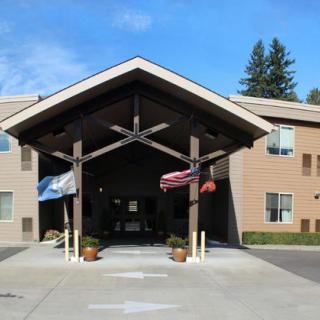
14645 South West Farmington Road, Beaverton, OR 97007
For more information about senior living options: (866) 208-4318
Maryville Memory Care Costs & Pricing
Maryville Memory Care presents distinct pricing for its memory care services, reflecting the specialized care and amenities offered. For a semi-private room, the monthly cost is $7,829, significantly higher than the averages in Washington County at $4,848 and Oregon as a whole at $4,457. If you opt for a studio room, the monthly fee rises to $8,559, again above local and state averages of $3,909 and $3,815 respectively. These costs underscore Maryville's commitment to providing high-quality care tailored to residents with memory challenges while also highlighting the regional price variances in assisted living spaces.
| Floor plans | Maryville Memory Care | Washington County | Oregon |
|---|---|---|---|
| Semi-Private | $7,829 | $4,848 | $4,457 |
| Studio | $8,559 | $3,909 | $3,815 |
Memory care communities with a similar price nearby
-
from -$829 / mo
Tabor Crest 1
$7,000 / month11.8 miles away -
from -$1429 / mo
Cedar Crest Alzheimer's Special Care Center
$6,400 to $8,200 / month6.9 miles away -
from -$254 / mo
Arbor Oaks Terrace Memory Care
$7,575 to $9,095 / month13.8 miles away -
from -$394 / mo
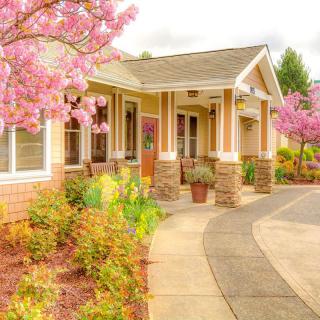
Monterey Court Alzheimer's Care
$7,435 / month12.8 miles away -
from -$1105 / mo
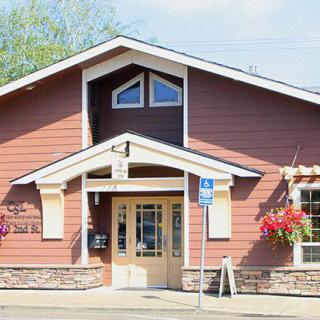
Countryside Living of Canby
$6,724 to $7,430 / month16.7 miles away
Overall Review of Maryville Memory Care
Pros
 Maryville provides exceptional care for residents.
- There are many great staff members at Maryville.
- Maryville offers a unique atmosphere with positive Catholic values guiding its goals.
- Families report a great experience at Maryville, with no complaints and outstanding staff.
- The facility is loved for its caring staff who meet every resident's needs, with strong communication and excellent food.
- The rehab and therapy teams work as a coordinated unit to help residents regain mobility.
- Residents are treated with respect and feel truly cared for by the entire Maryville team.
- Maryville feels like a second family to both staff and residents.
- Maryville is a wonderful place to work, with strong relationships between staff and residents.
Cons
 They described the situation as the worst they could have imagined, yet it was the best place they could have asked for.
Review
Maryville Memory Care in Beaverton is best suited for families seeking a memory-care environment with a clear faith-based compass, a highly engaged staff, and a care culture that treats residents like family. The community delivers a coherent, purpose-driven approach where nursing, rehab, dining, and activities operate in concert to preserve dignity, function, and daily meaning. It appeals to families prioritizing consistent routines, spiritual support, and a care team that remains visible and accountable. The Catholic frame informs goals and daily life in a way that feels principled and trustworthy, not clinical alone. For those who want a warm, values-driven memory-care home with tangible frontline dedication, Maryville stands out as a strong match.
Alternatives may be worth considering for families who prefer a secular environment, a broader geriatric program, or care settings that emphasize a medical culture beyond a faith-based framework. The Catholic orientation is a strength for many, but it can be a misfit for residents or families seeking fully secular programming or different cultural framing. Location and service scope also matter: those needing a different mix of specialists, or easier access to other medical services, may want to compare options. In short, Maryville shines for a faith-aligned, intensely engaged memory-care experience; those desiring a non-religious or differently oriented program may find better fit elsewhere.
The strengths are unmistakable and well-documented across multiple perspectives. The care team’s consistency and breadth emerge as standout assets: staff across departments, nurses, aides, therapists, kitchen and administrative personnel, work as a coordinated unit with genuine warmth. Families repeatedly credit the facility with robust communication, empathy, and a sense that every resident is valued. The rehab component is particularly compelling, with dedicated PTs and OTs integrated into daily routines, and success stories suggesting real gains in mobility and independence. The atmosphere itself feels like a second family, reinforced by approachable, respectful humor and a culture of mutual support that permeates everyday life. Food quality earns its share of praise, reinforcing comfort and routine in meaningful ways.
Where decisions tend to hinge, the Catholic framework and the rehab-forward ethos largely offset potential friction. The faith orientation provides a cohesive, values-driven care blueprint that many families find stabilizing and comforting, especially when decisions involve end-of-life considerations, spiritual needs, or meaningful rituals. For families who fear a clinical, impersonal environment, Maryville’s culture offers the opposite: intimate care that still maintains professional standards. Yet for those who insist on a secular or highly medical-dominant model, this orientation could feel limiting. In such cases, it remains an important caveat that a very specific cultural milieu can shape daily life, activities, and even the pace of care planning.
For those evaluating Maryville, practical next steps can sharpen the fit. During visits, probe staff stability, turnover, and how care plans are updated with family input. Ask how the rehab schedule translates into tangible progress, how meals support cognitive health, and how spiritual life is woven into daily activities without overshadowing clinical needs. Observe interactions among aides, nurses, and therapists, and seek out current residents’ families for candid impressions about consistency, reliability, and responsiveness. If maximizing mobility, maintaining safety, and sustaining cherished routines are priorities, request concrete examples of goal-setting, progress tracking, and multidisciplinary coordination.
In the end, Maryville Memory Care represents a principled, high-touch option for Beaverton families who want a memory-care environment anchored in community, faith, and aggressive rehabilitation. Its strongest appeal lies in the staff-driven culture, transparent communication, and cohesive care that treats residents as whole people. It is an especially strong pick for those who value a values-based framework and a family-like atmosphere that consistently delivers compassionate support. It will be less suitable for families seeking a secular program or a medical model that ventures beyond faith-informed care. For families where dignity, everyday function, and a sense of belonging are paramount, Maryville stands as a standout choice in the Beaverton area.
 165 resident community capacity
 Memory Care
 Activities on-site
 Air-conditioning
 Beauty salon
 Cable or satellite TV
 Computer center
 Dining room
 Fitness room
 Fully furnished
 Gaming room
 Garden
 Ground floor units
 Housekeeping services
 Indoor common areas
 Kitchenette
 Move-in coordination
 Outdoor common areas
 Private bathrooms
 Restaurant-style dining
 Small library
 Telephone
 Wellness center
 Wheelchair accessible showers
 Wi-Fi/high-speed internet available
 Portland International (13 miles away)
 Community operated transportation
 24-hour call system
 Ambulatory care
 Assistance with bathing
 Assistance with dressing
 Assistance with transfers
 Diabetes diet
 Diabetic care
 High acuity care
 Hospice waiver
 Incontinence care
 Medication management
 Mental wellness program
 Special dietary restrictions
 Transportation arrangement (medical)
 Art classes
 BBQs or picnics
 Birthday parties
 Brain fitness
 Catholic services
 Concierge services
 Cooking classes
 Live musical performances
 Pet-focused programs
 Planned day trips
 Trivia games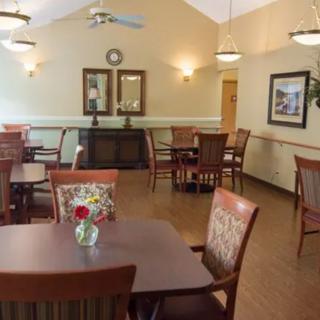


 A Thorough Discussion of Medications Potentially Linked to Dementia Risk
 Why Do Dementia Patients Sleep So Much? Understanding Oversleeping, Stages, and Care Approaches
 8 Key Indicators That Suggest It May Be Time to Transition from Assisted Living to Skilled Nursing Care