
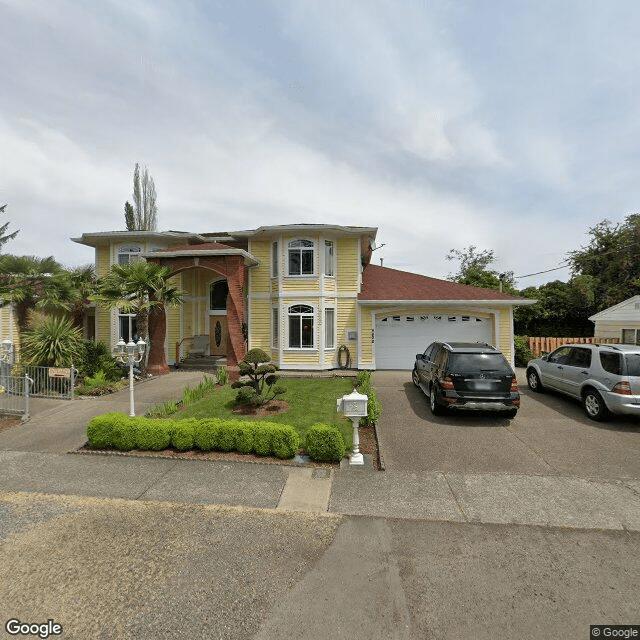
4820 SW Fairmount Drive, Beaverton, OR 97005
To contact a resident: (503) 626-5109
For more information about senior living options: (866) 208-4318
Cascade Adult Care Home Costs & Pricing
Cascade Adult Care Home offers competitive pricing for its private rooms, with a monthly cost of $2,900. This figure stands in contrast to the average costs within both Washington County and the broader state of Oregon, where expenses reach approximately $3,261 and $3,424 respectively. By providing a more affordable option without compromising quality care, Cascade Adult Care Home positions itself as an appealing choice for those seeking adult care services in a region where costs can be significantly higher. This thoughtful pricing strategy underscores their commitment to accessibility while maintaining a high standard of service for residents.
| Floor plans | Cascade Adult Care Home | Washington County | Oregon |
|---|---|---|---|
| Private | $2,900 | $3,261 | $3,424 |
Senior living communities with a similar price nearby
-
from +$100 / mo
A Piece of Heaven
$3,000 / month11.1 miles away -
from -$400 / mo
Mapleview Manor, LLC
$2,500 / month11.7 miles away -
from +$100 / mo
Yamhill Senior Care Home
$3,000 / month15.2 miles away -
from +$100 / mo
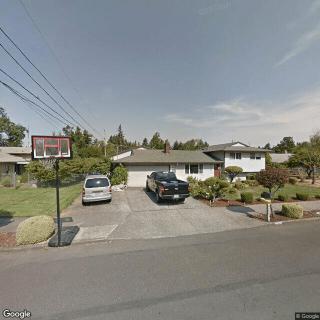
Peaceful Lighthouse Adult Care Home
$3,000 / month17.6 miles away -
from -$400 / mo
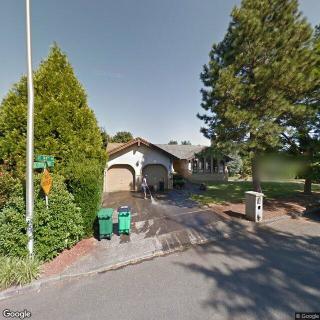
A Gentle Care Home
$2,500 / month14.6 miles away
Overall Review of Cascade Adult Care Home
Pros
 There are plenty of activities going on at the community.
- Residents enjoy going to bingo.
- Everything else was great.
Cons
 There are staffing shortages that prevent expected services from being provided or followed through.
 - There is no driver available for the residents.
- There is no real common area for residents.
Review
Cascade Adult Care Home in Beaverton is best suited for active seniors who want a compact, homelike setting with robust daily programming and personal attention from a small staff. The community's overall impression, reflected in a 3.5-star average from two reviews, signals solid engagement for residents who thrive on structured activities and social connection. This is a place where daily life centers on programming and interpersonal warmth, rather than on expansive common areas or high-volume services. Families prioritizing sociable days and accessible, hands-on staff will likely feel satisfied more often than not. However, those who require dependable transportation and a generous shared living space may want to consider alternatives.
The standout strength here is the activity calendar. Residents clearly enjoy the offerings, with bingo and other programs creating meaningful daily routines. When activities are running, the atmosphere can be lively and personable, and staff seem capable of delivering engagement in ways that keep residents intellectually and socially involved. In a smaller home setting, that level of attention can translate into better individual connections and a sense of being seen. For a senior who wants to participate in frequent, familiar routines without navigating a large campus, this focus on programming can be a meaningful offset to other gaps.
Yet the most notable drawbacks are practical and predictable. Staffing shortages have real consequences: events and services that are supposed to occur may not happen, and essential supports can fall through the cracks. The absence of a dedicated driver means opportunistic outings or routine trips may be unreliable, limiting residents’ ability to access appointments, errands, or community activities outside the home. Coupled with the lack of a real common area, residents may not experience the same degree of shared social space that many families associate with a traditional assisted living setting. These gaps matter for anyone who relies on consistent transportation and a central hub for socialization.
The key pros, engaging activities and attentive, personable staff, do offset the main cons only to a point. For residents who are capable of arranging some transportation themselves or who have frequent family assistance, the absence of a built-in shuttle is less crippling. The intimate size can also foster a warmer, more individualized care dynamic, which helps mitigate the lack of a communal lounge or large gathering area. In short, the positives can carry the day for more independent or family-supported residents, but they won’t fully compensate for structural service gaps that affect daily routines and mobility needs.
This analysis points to clear boundaries for choosing Cascade. Families should consider alternatives if reliable transportation is nonnegotiable, if a resident places a premium on a spacious, clearly defined common area for socialization, or if a more predictable schedule across multiple shifts is essential. Larger or more resource-rich communities often provide guaranteed transportation and ample communal spaces, along with broader staffing coverage. If those features align with a loved one’s priorities, it makes sense to widen the search rather than compromise on core needs.
For a practical decision, use Cascade as a benchmark option rather than the default choice. Schedule a focused visit to assess current staffing levels and to confirm how transportation is managed on a weekly basis. Request a walk-through of any available common-area spaces and observe how staff interact with residents during peak activity times. Ask for a trial period or a short-term stay to gauge whether programming remains consistently engaging and whether transportation gaps are manageable with family coordination or supplemental services. With clear expectations set, Cascade can deliver meaningful days for the right resident, just not for everyone.
 Board and Care Home
 Activities off-site
 Beautician on-site
 Devotional services off-site
 Indoor common areas
 Outdoor common areas
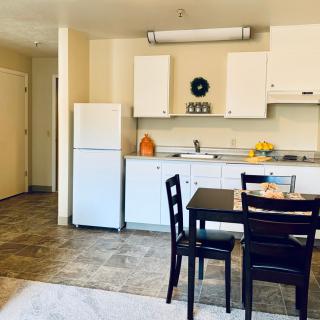
 Private
 Private bathrooms
 Wheelchair accessible showers
 Portland International (13 miles away)
 Ambulatory care
 Diabetic care
 High acuity care
 Medication management
 Meals provided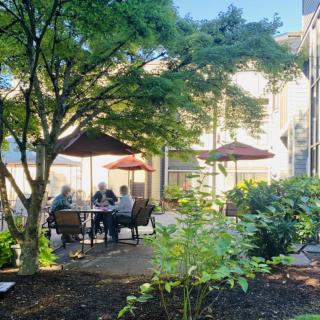


 Nurturing Our Loved Ones: A Daughter's Journey in Caring for Her Mother
 Nurturing Our Elders: Linda's Journey of Supporting Her Mother
 A Comprehensive Exploration of Common Misunderstandings about Powers of Attorney