

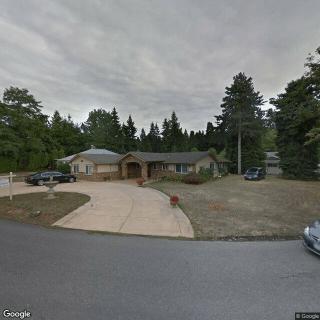
14950 SW Daphne Ct, Beaverton, OR 97007
To contact a resident: (503) 747-2700
For more information about senior living options: (866) 208-4318
A New Beginning Compassionate LLC Costs & Pricing
A New Beginning Compassionate LLC offers competitive pricing for private room accommodations, with a monthly cost of $3,200. This figure is slightly lower than the average rate in Washington County, which stands at $3,261, and significantly below the broader state average of $3,424 for similar facilities in Oregon. By positioning its costs effectively within the local market, A New Beginning Compassionate LLC not only provides quality services but also ensures affordability for its clients. This thoughtful pricing strategy reflects the organization's commitment to delivering compassionate care without compromising on value.
| Floor plans | A New Beginning Compassionate LLC | Washington County | Oregon |
|---|---|---|---|
| Private | $3,200 | $3,261 | $3,424 |
Senior living communities with a similar price nearby
-
from +$600 / mo

The Inn at University Village
$3,800 to $7,500 / month19.1 miles away -
from -$200 / mo
A Piece of Heaven
$3,000 / month11.6 miles away -
from -$200 / mo

Yamhill Senior Care Home
$3,000 / month16.1 miles away -
from -$200 / mo

Peaceful Lighthouse Adult Care Home
$3,000 / month18.5 miles away -
from +$300 / mo

Fulga's ACH
$3,500 / month1.0 miles away
Overall Review of A New Beginning Compassionate LLC
Pros
 They are organized.
- They are not afraid to stand up to nurses when extra help is needed.
- They are lovely to work with.
- Their help made the hospice transition easier.
- A definite find.
- The director is a gem.
- The room is adequate with a lovely view of a quiet cul-de-sac.
Review
A New Beginning Compassionate LLC in Beaverton, Oregon is best suited for families seeking a small, hands-on care environment where staff know residents well, care deeply about daily well-being, and coordinate aggressively with families and hospice teams to ease transitions. This community shines for residents who thrive on personal attention, predictable routines, and a calm, homelike atmosphere. It is a strong fit for hospice-adjacent care where meticulous advocacy by the leadership and a cooperative care team can make meaningful differences in comfort and dignity. For families prioritizing a highly medicalized setting, or those counting on extensive on-site specialized services, this option may not deliver all the depth of nursing oversight found in larger campuses. The emphasis here is on relational quality and nimble, responsive care rather than on roomier accommodations or expansive programming.
Those who should consider alternatives are primarily families seeking robust medical infrastructure in a larger facility. If 24/7 on-site skilled nursing with a wide array of specialty services, extensive activity calendars, or nurse-led care coordination across multiple shifts are non-negotiable, a bigger campus may be a better match. Similarly, if private room size and more elaborate amenities are a priority, or if the resident requires intensive medical supervision that stretches beyond what a small team can sustain, exploring other options will pay off. The Beaverton area offers several communities with different service mixes; the decision should hinge on the balance between intimate, attentive care and the level of clinical support needed.
The strongest compensating factors here are the staff’s evident dedication and the leadership’s proactive stance. The care team is described as genuinely devoted to residents and willing to push for the extra help that can prevent unnecessary distress or hospitalization. The ability to coordinate smoothly with hospice and to ease transitions is not incidental but a core strength, suggesting a care culture that prioritizes comfort, dignity, and clear communication in critical moments. The director emerges as a standout leader, known for accessibility and for guiding staff with a steady, capable hand. Such leadership tends to translate into fewer gaps in daily care, quicker problem-solving, and a more predictable experience for families during stressful times, even when clinical resources are not as expansive as those on larger campuses. The room quality, adequate in size with pleasant views, complements the intimate setting by offering a serene, non-clinical atmosphere that can be restorative for residents.
These pros offset several notable gaps. The proactive advocacy on residents’ behalf reduces friction with nursing staff and helps ensure that needs are acknowledged promptly, which can be a decisive factor for families reassessing care quality. The hospice transition becomes less fraught when the team already operates with a collaborative mindset, which can translate into smoother symptom management and more consistent care plans. The combination of a director who actively supports staff and a culture of resident-centered responsiveness often translates into fewer confusing handoffs and a greater sense of security for loved ones. However, the modest size implies that the breadth of medical services and the scope of on-site programming will not rival larger facilities, so expectations should be aligned with what the setting can realistically sustain.
For decision-makers, the practical next steps are clear. Verify the exact level of on-site medical supervision and how rapidly changes in care needs are escalated. Confirm hospice coordination practices, including who leads care planning and how family input is incorporated. Assess room configurations, privacy options, and any potential changes in living space as needs evolve. Inquire about staffing patterns, including how many caregivers are assigned per shift and how responsive the team is during peak activity times. Finally, gather candid feedback from current families about communication, nighttime coverage, and day-to-day consistency in care delivery. With these checks, the picture becomes solid enough to decide whether this community aligns with the resident’s clinical needs and the family’s comfort level.
In sum, A New Beginning Compassionate LLC presents a pragmatic choice for families who prize heartfelt care, steady advocacy, and a calm, intimate setting. It is particularly compelling for residents entering or transitioning through hospice, where leadership-driven coordination and a tight-knit team can reduce stress and ease the journey. Alternatives make sense for those demanding heavier medical oversight, broader activity options, or larger-scale amenities. The decision should hinge on a clear assessment of care needs, the importance placed on personal attention, and the willingness to favor a smaller, deeply engaged community over a bigger, more resource-rich campus.
 Board and Care Home
 Dogs allowed
 Activities on-site
 Devotional services on-site
 Outdoor common areas
 Private
 Portland International (14 miles away)
 Diabetic care
 High acuity care
 Medication management







 Comprehensive Guide to Qualifying for Home Health Care Services
 Powerful Realities of Elder Abuse and the Most Effective Ways to Report It
 Ten Vital Duties of a Senior Caregiver: A Comprehensive Guide