
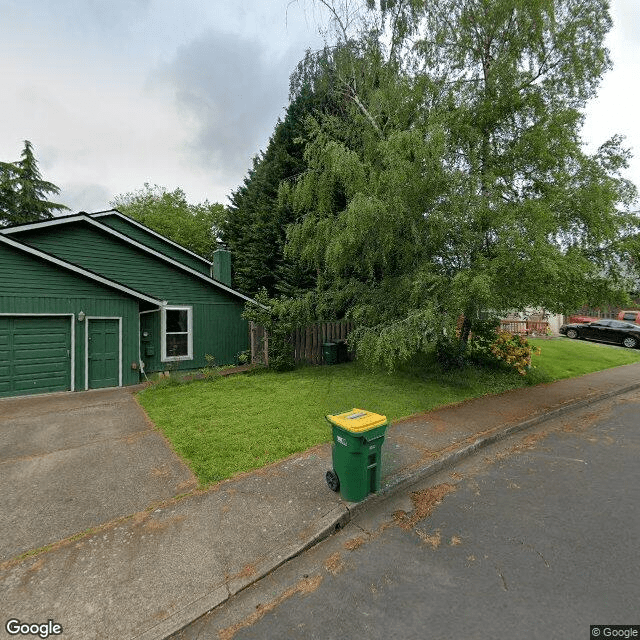
7555 Southwest 157th Avenue, Beaverton, OR 97007
To contact a resident: (503) 646-3534
For more information about senior living options: (866) 208-4318
Overall Review of Autumn House AFH
Pros
 Guardian Angel ACH provides nutritional meals, assisted daily living, and a loving, supportive environment that fosters independence.
- Loredana is kind, compassionate, and caring.
- Loredana is a knowledgeable professional who displays compassion and kindness with her clients.
- Loredana is very likable, has a great sense of humor, and interacts well with clients and their families.
- Residents and families feel their loved ones are in the best of hands with Loredana.
- The care provided at Guardian Angel ACH is considered the best care available.
- Loredana helps make the transition from independent living to dependent living seamless.
- Guardian Angel ACH has exceeded prayers in every way.
Cons
 It is not easy for that person.
- My mom was very hesitant to enter an adult care home.
Review
Autumn House AFH in Beaverton is best suited for families seeking a small, intimate, home-like setting where a devoted caregiver can deliver highly personalized assistance, steady routines, and real companionship for an older adult transitioning from independent living to dependent living. The model thrives on warmth, nutritional meals, attentive daily support, and a sense of safety that feels like a trusted family environment rather than a clinical facility. Residents who prize steady oversight from a single, caring voice, consistent scheduling, and meaningful interaction with staff and peers will find Autumn House AFH aligns with those needs.
Alternatives should be considered for residents needing robust clinical oversight, memory-care specialization, or campus-scale amenities. If 24/7 on-site medical management, dementia-specific programming, or a broad menu of therapies and activities are non-negotiable, a larger community with dedicated medical teams and structured programming may be a better fit. Families should also weigh whether they want more formal care coordination, medication administration protocols, or dedicated spaces for therapy sessions, beyond what a small home-based setting typically provides.
The strongest positives in these Beaverton-area reviews center on compassionate leadership and reliable, high-quality care. A caregiver, named Loredana in the reports, combines competence with kindness, displays a practical sense of humor, and earns trust from both residents and their families. That personal investment translates into a smooth transition from independence to assisted living, a cornerstone for peace of mind when a loved one is navigating Parkinson’s-related challenges or falling risks. The reduction of isolation through attentive daily interaction and consistent routines is not accidental; it is the deliberate result of a caregiver who stays engaged and communicates openly with families.
Nutritional meals, a focus on independence within a supportive framework, and a warm, family-like atmosphere emerge as tangible benefits. Families note that residents feel respected, valued, and well cared for, with staff who genuinely invest in daily well-being. This combination often reduces stress for caregivers at home who fear the upheaval of a transition, while offering residents a sense of belonging and purpose. The social dynamic in a small home can outpace larger communities in terms of meaningful connections, provided the staffing remains stable and engaged.
Yet the model carries potential caveats. The reviews highlight a singular caregiving leadership, which is excellent while present, but inherently vulnerable to shifts in staffing or availability. Prospective residents should ask about backup coverage, clear care plans, and how emergencies are managed when the lead caregiver is off-site or unavailable. Small settings may offer intimate attention but can appear less comprehensive for complex medical needs or highly specialized dementia care, making it essential to confirm what medical oversight is genuinely available and how quickly specialists can be engaged.
For families prioritizing a warm, trust-driven, home-like approach, Autumn House AFH represents a disciplined, practical choice with proven strengths in caregiver dedication, nutrition, and existential comfort. Use the decision window to verify cadence of communication, responsiveness to medical issues, and the adaptability of care plans over time. In making a choice, align the setting’s intimate strengths with the resident’s medical reality and personality: if independence, dignity, and steady human connection trump on-site therapies, this community stands out as a prudent, results-oriented option. If those medical and programmatic needs exceed what a small home can reliably deliver, explore alternatives with more formal medical support.
 Board and Care Home
 Portland International (15 miles away)


 Seniors and Modern Transportation: Exploring Uber, Lyft, and Other Ride-Hailing Options
 Comprehensive Guide to Qualifying for Home Health Care Services
 Powerful Realities of Elder Abuse and the Most Effective Ways to Report It