
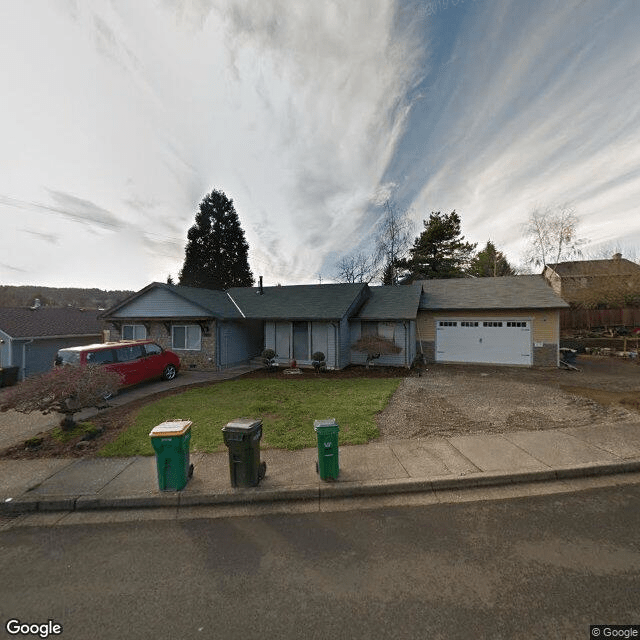
7445 SW 160th Avenue, Beaverton, OR 97007
To contact a resident: (503) 430-8990
For more information about senior living options: (866) 208-4318
Parkview Adult Care LLC Costs & Pricing
Parkview Adult Care LLC offers competitive pricing for its private room accommodations, charging $3,000 per month. This rate is notably lower than the average costs in Washington County, which are approximately $3,261, and significantly below the state average of $3,424 for similar services in Oregon. By positioning itself within this pricing framework, Parkview Adult Care LLC provides a cost-effective option for individuals seeking quality adult care without compromising on essential services or comfort.
| Floor plans | Parkview Adult Care LLC | Washington County | Oregon |
|---|---|---|---|
| Private | $3,000 | $3,261 | $3,424 |
Senior living communities with a similar price nearby
-
About the same
A Piece of Heaven
$3,000 / month11.9 miles away -
from -$500 / mo
Mapleview Manor, LLC
$2,500 / month12.5 miles away -
About the same
Yamhill Senior Care Home
$3,000 / month16.7 miles away -
About the same
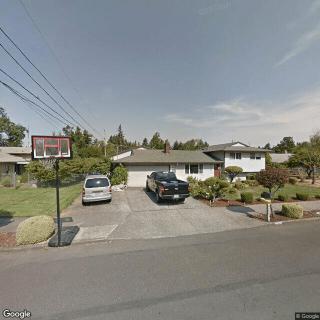
Peaceful Lighthouse Adult Care Home
$3,000 / month19.1 miles away -
from +$500 / mo
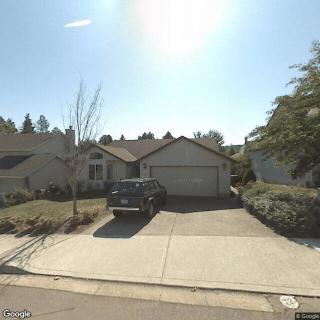
Fulga's ACH
$3,500 / month0.3 miles away
Overall Review of Parkview Adult Care LLC
Pros
 One reviewer notes that the community acts responsibly by promptly reporting the incident to the Vancouver Police Department and the City of Vancouver.
- The dash cam footage submission demonstrates proactive vigilance in keeping the neighborhood safe.
- Neighbors are shown prioritizing children's safety by addressing concerns with the authorities.
- The response reflects constructive engagement between residents and local officials.
- This action-oriented approach fosters a sense of safety and collaboration in the community.
Cons
 A resident is fully nude in the front yard, which is inappropriate in a neighborhood with children.
- A naked man lounging on the front lawn is disturbing and unacceptable.
- Complaints have been filed with the Vancouver Police Department and the City of Vancouver, supported by dash cam footage.
Review
Parkview Adult Care LLC in Beaverton is best suited for families seeking a small, home-like assisted-living option where caregivers can deliver close, hands-on oversight in a tightly knit setting. This is the kind of community that appeals to residents who want regular personal attention and a less clinical atmosphere, with a focus on satisfying daily needs through direct interaction with a smaller care team. It can work for seniors who value proximity to home and prefer a more intimate environment over a large campus. However, this setup demands robust day-to-day supervision and clear, well-communicated safety protocols; without those, the fit can deteriorate quickly. For families prioritizing high-security features, predictable routines, or specialty memory-care design, alternatives should be on the radar.
Two reviews rate Parkview highly, signaling that on some days the care connection can be genuine and the environment can feel welcoming. When staff are engaged, residents may experience a warmer, less institutional vibe, which many families associate with dignity and personal attention. The Beaverton location itself is convenient for nearby families, reducing travel burden and enabling more frequent involvement. Yet, the overall rating trajectory, paired with two strongly critical accounts, makes it clear that the positive moments are not universal and may hinge on specific staff, shifts, or recent changes in management. That uneven balance matters when weighing safety, consistency, and long-term reliability.
The most consequential warning centers on safety and supervision. Reported incidents describe a resident openly nude in a visible outdoor space, with authorities notified. Such episodes raise immediate red flags about wander management, privacy protections, and neighbor relations. They suggest potential gaps in adult-day-to-evening supervision, outdoor access control, and behavioral oversight. In a neighborhood setting, this kind of scenario risks not only resident well-being but also community trust and the facility’s ability to maintain a peaceful, secure environment. These concerns are not abstract; they translate into real, tangible considerations for families evaluating daily safety, sleep quality, and the ability to prevent exposure or injury.
In judging whether the pros offset the cons, the answer depends on how transparently and effectively the facility can address risk controls. If Parkview can demonstrate a concrete, verifiable plan, high staff-to-resident ratios during peak hours, wander-management protocols, secure outdoor spaces, incident reporting, and ongoing staff training in de-escalation and privacy protections, those positives could meaningfully counterbalance the drawbacks for certain residents. Without access to clear, current data on these safeguards, however, the favorable aspects risk becoming theoretical comfort rather than dependable assurance. Prospective residents should request explicit evidence of policies and real-world outcomes before committing.
Alternatives should be strongly considered by families whose top priorities include predictable safety, consistent supervision, and specialized behaviors management. Residents who require heightened security, routine structure, or dementia-focused design will likely be better served elsewhere. Even for those intent on a small, person-centered setting, facilities with clearly defined wander-control systems, gated outdoor spaces, and transparent incident histories may offer greater peace of mind. If a smaller footprint is non-negotiable, insist on a transparent care plan that details supervision schedules, staff qualifications, and neighbor-safety measures before any binding agreement.
The bottom line is pragmatic and decisive: Parkview may deliver a warm, individualized feel on good days, but material safety and supervision concerns cannot be glossed over. Families must pursue a rigorous due diligence path, request current staffing ratios by shift, see outdoor supervision protocols in action, review incident logs, and talk directly with staff, residents, and current families. If safety assurances are not explicit and verifiable, pursue options with stronger, demonstrable wander-control and risk-management practices. If those assurances exist and are demonstrable, a closer, well-structured trial can clarify whether the intimate setting truly matches the resident’s needs.
 Board and Care Home
 Activities off-site
 Devotional services on-site
 Indoor common areas
 Outdoor common areas
 Private
 Wheelchair accessible showers
 Portland International (15 miles away)
 Ambulatory care
 Diabetic care
 High acuity care
 Incontinence care
 Medication management
 Meals provided

 6 Crucial Ways an Elder Law Attorney Assists Families
 Navigating the Tax Landscape of Caregiving: Credits, Deductions, and Beyond
 Highly Beneficial Low-Impact Exercises for Senior Living Residents