
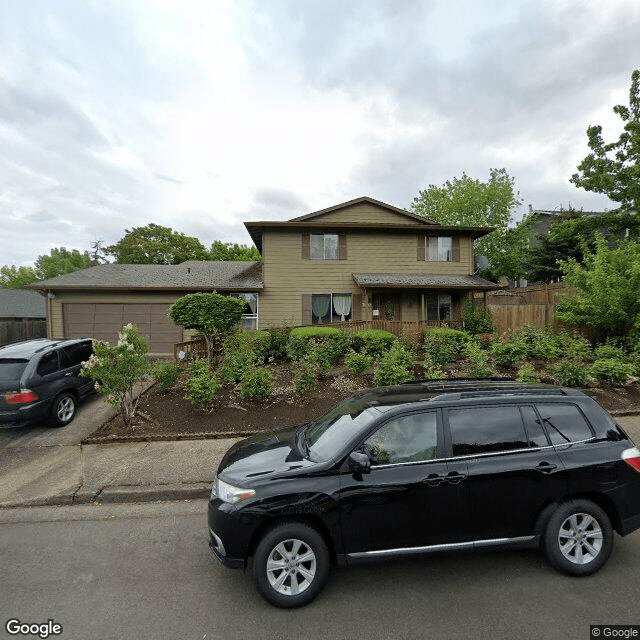
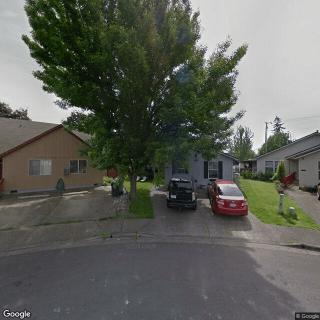
7490 SW 172nd Ave, Beaverton, OR 97007
To contact a resident: (503) 649-6909
For more information about senior living options: (866) 208-4318
New Start Care Home Costs & Pricing
New Start Care Home offers a range of private room options, with monthly costs spanning from $2,200 to $4,400. This pricing stands out when compared to the average costs in Washington County, which is approximately $3,261 per month, and the overall state average for Oregon at about $3,424. The variability in New Start Care Home's rates may reflect differing levels of care and amenities provided, positioning it as a potentially cost-effective choice for those seeking personalized care in a supportive environment. Overall, this facility provides competitive pricing relative to local standards while ensuring quality service tailored to individual needs.
| Floor plans | New Start Care Home | Washington County | Oregon |
|---|---|---|---|
| Private | $2,200 to $4,400 | $3,261 | $3,424 |
Senior living communities with a similar price nearby
-
from +$300 / mo

Mapleview Manor, LLC
$2,500 / month13.1 miles away -
About the same

The Peace and Joy Garden
$2,200 / month20.6 miles away -
from -$200 / mo

Alliance Home Health
$2,000 / month13.9 miles away -
from +$300 / mo

A Gentle Care Home
$2,500 / month16.4 miles away -
from +$300 / mo

Sacred Heart Adult Foster Care
$2,500 / month5.1 miles away
Overall Review of New Start Care Home
Pros
 Touching Hearts Adult Care is clean and quiet, and its staff are polite.
- It is better than most places.
- The care provided is good and people are treated well there.
- Touching Hearts Adult Care offers a level of care, compassion, and professionalism that is truly exceptional, led by Paulina and her friendly, caring team.
- Working with Touching Hearts Adult Care is a real pleasure.
Cons
 The reviewer notes that no one is perfect.
- The reviewer warns readers that they should have their own doctor.
Review
New Start Care Home in Beaverton is best suited for seniors who value a quiet, clean, and courteous environment where daily life proceeds smoothly with reliable basic support, and where medical oversight can be managed through the resident’s own physician. It fits residents who are relatively independent day-to-day but want the reassurance of a respectful staff, straightforward routines, and a setting that feels cleaner and calmer than average. Families should feel confident about predictable staffing and a modest, no-nonsense atmosphere that prioritizes comfort and daily functioning over spectacle or high-intensity medical services.
Those who should consider alternatives are individuals or families prioritizing robust on-site medical staffing, frequent physician engagement, or a more expansive activity and therapy program. If a resident requires constant on-site medical attention, highly integrated care coordination, or memory-care-focused programming, other communities with larger teams and full-time clinicians may deliver a better match. Similarly, if the plan hinges on a broad spectrum of therapeutic services or deep, daily physician oversight, it’s prudent to benchmark multiple options before committing.
The strongest positives center on the living environment and daily care culture. Residents describe the community as clean, quiet, and staffed by polite, considerate personnel, delivering a level of attentiveness that stands out relative to many peers. The facility’s overall tone appears practical and stable, which translates into fewer daily frictions and a more predictable routine. In addition, external feedback from a non-emergency medical transport partner highlights a high level of care, compassion, and professionalism flowing from the home’s care ecosystem, underscored by leadership and a team that communicates well and treats clients with genuine concern. Taken together, these elements create a credible foundation for steady, low-stress living where basic needs are consistently met.
The notable caveat lies in medical coordination. The resident who posted a five-month experience notes the importance of maintaining one’s own doctor, hinting at limited on-site medical oversight or reliance on outside physicians for ongoing care. That stance isn’t a complaint so much as a practical governance reality families should verify: what is the facility’s protocol for medical rounds, nurse availability, and urgent care coordination? With only two reviews, the full picture of medical responsiveness remains inherently incomplete. For a resident with complex health needs, this gap could be consequential and warrants rigorous verification before move-in.
Still, the favorable care culture and the defensible, clean, and orderly environment help offset these potential gaps for many prospective residents. Where a resident already has a stable physician relationship and a clear care plan, New Start Care Home can act as a reliably supportive base that reduces daily friction and preserves independence. The credible praise from a care-partner source about the firm’s standards and teamwork strengthens confidence that front-line staff will respond promptly, treat families with respect, and coordinate care with a practical, no-nonsense approach. Those dynamics matter when choosing between communities that all look decent on paper but differ in how consistently staff respond day-to-day.
In the end, the decision hinges on medical expectations and the comfort level with external care coordination. New Start Care Home offers a solid option for seniors who prize a calm, well-kept environment and dependable day-to-day support, paired with a care culture that external partners commend. It is less clearly the best fit for those who require robust on-site medical staffing, frequent physician involvement, or intensive specialized therapies. Prospective families should visit with questions ready about on-site clinicians, emergency protocols, care planning, and how outside doctors will interface with the home’s team. Schedule a tour, meet the administrator, review sample care plans, and confirm how medical oversight is arranged to ensure the fit aligns with the resident’s health needs and family expectations.
 Board and Care Home
 Private
 Portland International (15 miles away)
 Diabetic care



 Weight Training for Seniors: Building Strength and Vitality
 Understanding the Sandwich Generation: Stress and Responsibilities for Multigenerational Caregivers
 8 Essential Assistive Devices for Older Adults