
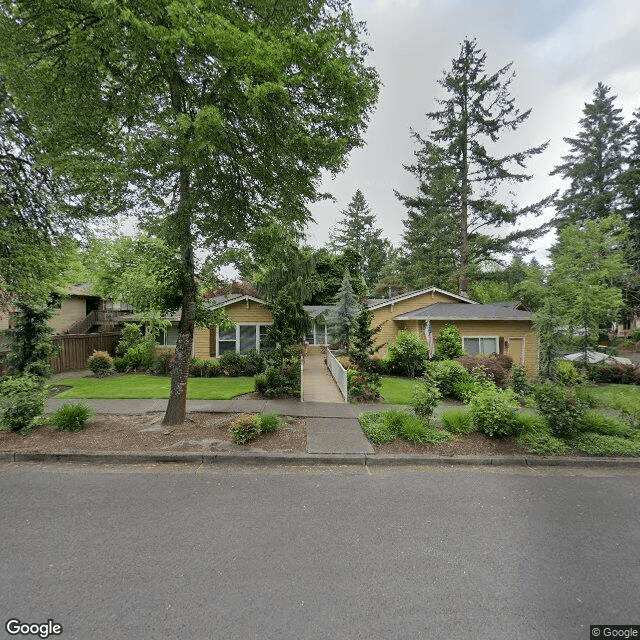
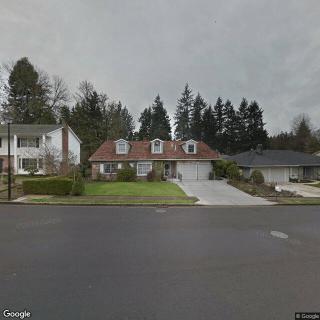
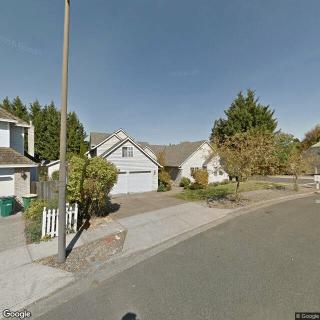
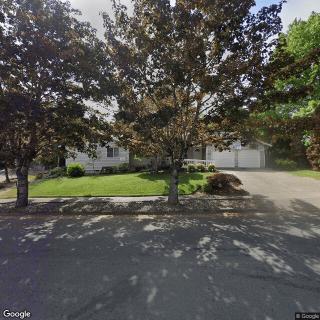
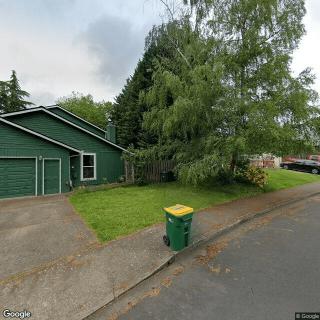
7855 SW Alameda Ln, Beaverton, OR 97007
To contact a resident: (503) 526-2967
For more information about senior living options: (866) 208-4318
Fine Living Costs & Pricing
Fine Living offers competitive pricing for its accommodations compared to the broader market in Washington County and Oregon. For a one-bedroom unit, Fine Living's rate of $3,200 stands out as more affordable than the county average of $4,082 and the state average of $3,904. Similarly, their private rooms are priced at $3,200, which is lower than both Washington County's average of $3,261 and Oregon's statewide rate of $3,424. This positioning underscores Fine Living's commitment to delivering quality housing options that align with budget-conscious individuals seeking to maintain a comfortable lifestyle without sacrificing amenities or location.
| Floor plans | Fine Living | Washington County | Oregon |
|---|---|---|---|
| 1 Bedroom | $3,200 | $4,082 | $3,904 |
| Private | $3,200 | $3,261 | $3,424 |
Memory care communities with a similar price nearby
-
from +$300 / mo
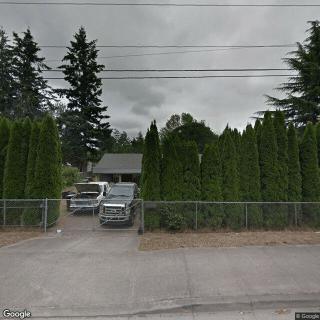
American Living Adult Family Home LLC
$3,500 / month21.0 miles away -
from -$200 / mo
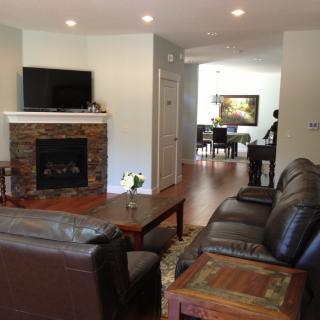
Elder Garden Care Home, LLC
$3,000 / month18.5 miles away -
from +$300 / mo
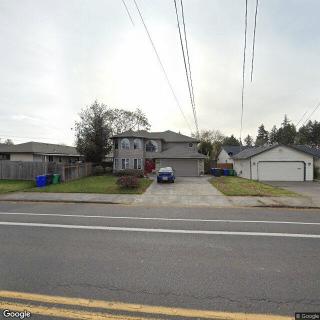
Northwest Home Health
$3,500 to $3,700 / month10.8 miles away -
from -$200 / mo
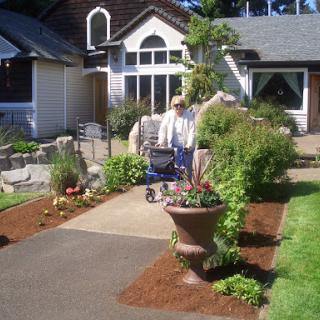
Rivercrest Adult Care
$3,000 to $3,700 / month14.2 miles away -
from -$400 / mo
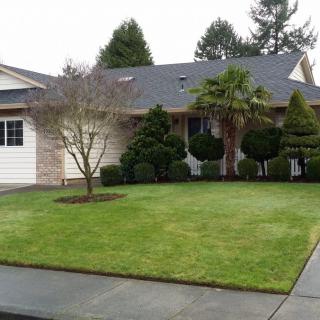
Aging Gracefully Family Home
$2,800 to $3,500 / month16.4 miles away
Overall Review of Fine Living
Pros
 The loved one received excellent care since arriving at Fine Living.
- The reviewer would highly recommend Fine Living.
- The caregiver is a lovely person and the home is very nice.
- The two ladies at the home look happy and well-cared for.
- The caregiver is doing a fabulous job, and her communication is excellent.
- The care provided is excellent and the home is always spotless.
Cons
 One reviewer found that the available room had a half bath across the hall, not in the room itself, which would be difficult for their parent.
Review
Fine Living in Beaverton, OR is best suited for families seeking a small, home-like senior living option where one caregiver-owner is deeply involved in day-to-day care. This community shines for residents who prize intimate attention, low-key routines, and high standards of cleanliness. It works well for seniors who respond to a calm, predictable environment and to caregivers who can be consistently present, listen promptly, and tailor care to individual rhythms. The setting feels warm and personal rather than institutional, which helps residents settle in with minimal stress and families feel assured that a trusted, hands-on approach is governing daily life.
Those who should consider alternatives include families confronting needs beyond a caregiver-operated model. A non-en-suite bathroom across the hall, noted in one room, can be a practical obstacle for residents with mobility challenges, incontinence, or a strong preference for private bathroom access. This layout detail signals that options with en-suite rooms or more accessible floor plans may be essential for some. Additionally, if a resident requires more formalized nursing oversight, broader social programming, or a larger campus with more on-site services, a bigger assisted living community could deliver the required level of medical and recreational structure. In short, a care plan that hinges on extensive clinical support or expansive activity calendars may outpace what Fine Living offers.
The strongest positives center on care quality and communication. The care provider’s performance is consistently described as excellent, with arrivals and ongoing treatment feeling personalized and attentive. Cleanliness is repeatedly highlighted, painting a picture of a meticulously maintained home where residents live with dignity and comfort. The impression of staff happiness, two caregivers depicted as content and engaged, translates into steadier routines, fewer miscommunications, and a sense that caregivers know each resident’s preferences. For families prioritizing rapid responsiveness, transparent dialogue, and a trusted caregiver who takes ownership of day-to-day care, these attributes carry substantial weight.
Nonetheless, the main drawback, space and room configuration, matters more for some residents than others. A bathroom situation not located in the living space can complicate routine activities and safety, especially for users with mobility restrictions or who require frequent assistance. This is not a universal flaw, but it is a concrete factor to verify during a visit. The smaller, home-based model may also limit the breadth of on-site clinical resources and scheduled activities found in larger facilities. For families with residents who need robust, round-the-clock nursing or a full calendar of social programs, the scale and services may fall short of expectations.
Yet the balance of pros often outweighs the cons for the target resident. The intimate caregiver model tends to produce highly customized care plans, swift problem-solving, and clear, ongoing communication with families. A spotless, comfortable living space reduces stress and supports better sleep, appetite, and mood, factors that directly influence overall well-being. The stability implied by long-tenured, content staff can translate into a trustworthy, low-drama daily experience for seniors who value dignity and personal attention over sheer volume of services. For families seeking a warm, reliable, non-institutional atmosphere with top-tier cleanliness, Fine Living presents a compelling choice.
Practical next steps should focus on hands-on assessment. Prospective residents or their families should schedule a detailed tour and insist on meeting the caregiver-owner, as this offers insight into daily routines, responsiveness, and the caregiver’s philosophy of care. Request floor plans and a sample daily schedule to confirm room configurations, bathroom access, meal service, housekeeping, and bathing routines. Clarify the availability of on-call medical support and identify which medical or nursing services can be provided on-site. If the resident’s needs align with the arrangement, deep, personal attention, a clean, cozy home, and transparent communication, Fine Living stands out as a practical, well-suited option. If not, families should pursue alternatives with more extensive clinical services, en-suite accommodations, and broader activity offerings to ensure long-term safety and satisfaction.
 Board and Care Home
 Memory Care
 Activities off-site
 Devotional services off-site
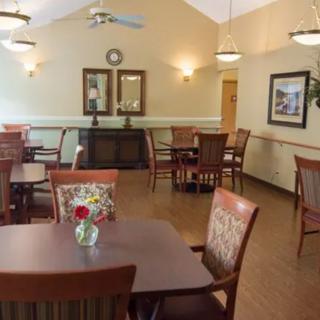
 Indoor common areas
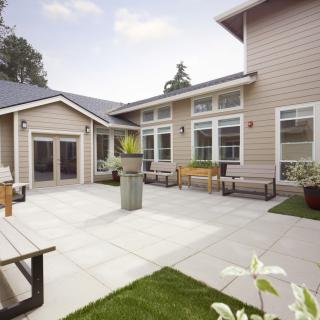
 Outdoor common areas
 Private
 Private bathrooms
 Respite or short term stays offered
 Wheelchair accessible showers
 Portland International (14 miles away)
 Ambulatory care
 Diabetic care
 High acuity care
 Incontinence care
 Medication management
 Kosher
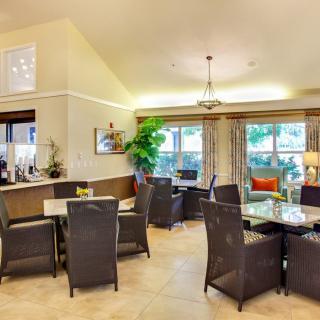

 Why Do Dementia Patients Sleep So Much? Understanding Oversleeping, Stages, and Care Approaches
 8 Key Indicators That Suggest It May Be Time to Transition from Assisted Living to Skilled Nursing Care
 Nourishing the Mind: Essential Dietary Approaches for Dementia