Wellspring offers competitive pricing for its accommodations, particularly when compared to the average costs in Hamilton County and across Ohio. For a semi-private room, Wellspring sets its monthly rate at $5,100, which is notably higher than the county's average of $4,617 and significantly above the state average of $3,965. Similarly, for studio apartments, Wellspring charges $6,150 - again surpassing both local and state averages; Hamilton County's average is $4,327 while Ohio as a whole reflects a lower figure of $3,727. While Wellspring may represent a premium choice within these markets, it suggests an emphasis on quality services and amenities that likely resonate with residents seeking exceptional care and comfort in their living environment.
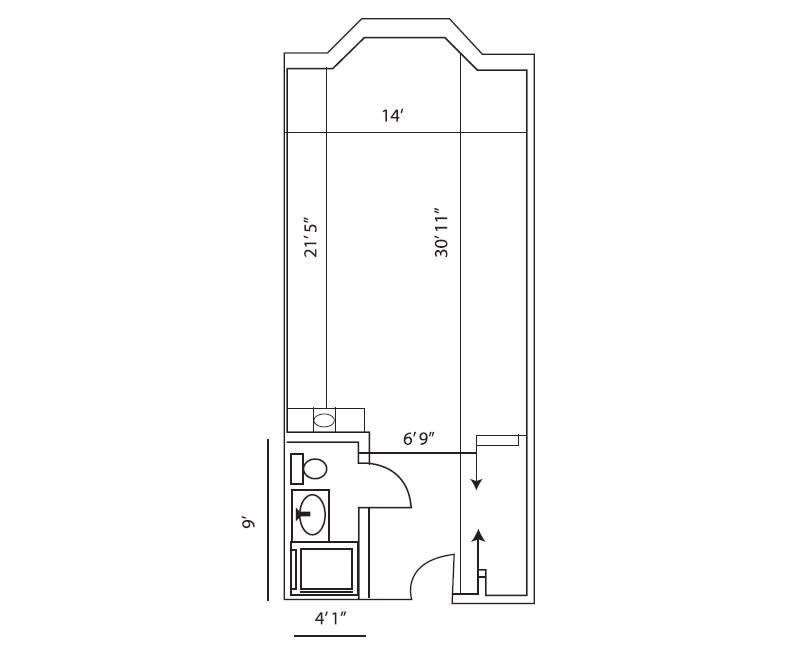
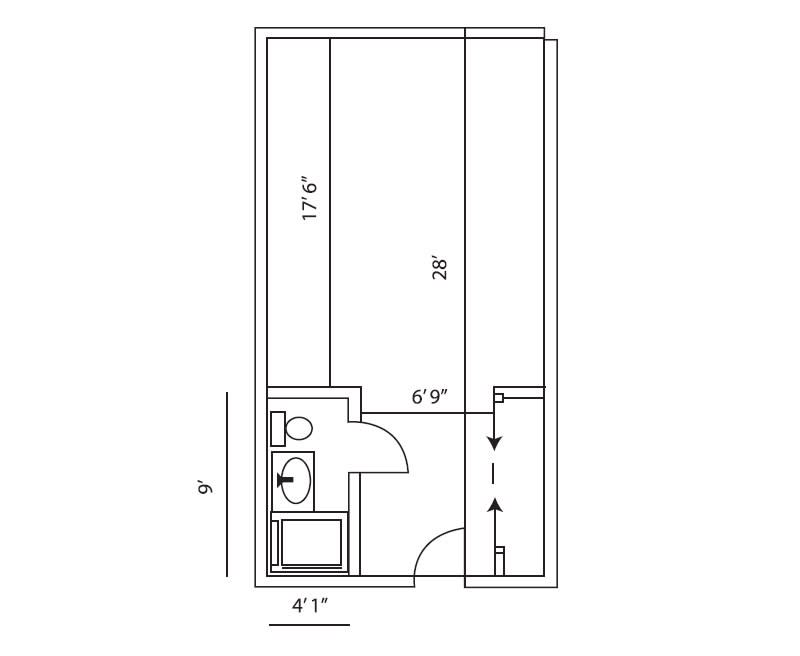
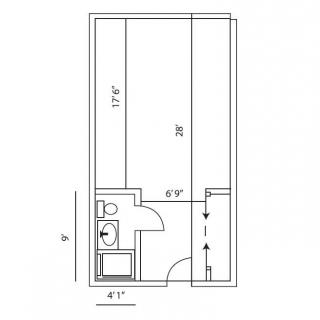
Floor plans
Wellspring
Hamilton County
Ohio
Semi-Private
$5,100
$4,617
$3,965
Studio
$6,150
$4,327
$3,727
Skilled Nursing Facilities with a similar price nearby
Residents and families describe memory care with proactive safety and responsive communication.
Several families say the memory care team takes a hands-on approach to keeping residents safe and comfortable, including noticing needs and following up with updates to loved ones. Reviews also mention staff helping residents feel secure and supported during daily routines, not just during specific moments. One reviewer specifically credits the Memory Care Director and aides with going above and beyond to plan improvements and maintain high standards in the unit.
common3 reviews mention this
Therapy supports rehab progress
Therapy is repeatedly described as effective during rehab stays.
Multiple reviewers describe positive rehab experiences, including quickly getting back on their feet after an injury and regaining strength over a short stay. Families also mention hands-on nursing support around therapy needs, such as helping with icing as requested for recovery. The overall tone is that therapy is organized and staffed in a way that helps residents move forward.
common3 reviews mention this
Cleanliness and equipment upkeep
Residents and families frequently mention cleanliness and well-maintained equipment.
Reviews commonly describe the facility as clean and up to date, with staff keeping equipment in working order. At the same time, at least one review raises concerns about cleanliness inside rooms and hygiene care, citing problems that were not resolved to their satisfaction. So while cleanliness is often praised, it is not consistent across every experience.
caveat4 reviews mention this
Response and staffing concerns
Some families report slow response times and staffing shortfalls during care needs.
Several negative reviews point to problems getting timely help, including broken call systems and delays in answering requests. Others describe understaffing and management that they felt was not responsive when concerns were raised. Even in reviews that are mixed or mostly positive, there are mentions that communication channels and follow-through are areas to watch closely.
caveat2 reviews mention this
Cost can feel mismatched
A recurring complaint is that pricing does not match the care delivered.
At least two reviewers call out high monthly costs while saying the care quality they received did not justify the price. One of these reviews also contrasts the expected standard of care with what they observed, and the other focuses on value concerns tied to outcomes and day-to-day experiences. This theme shows up as a straightforward “paying more, getting less” complaint.
How we summarize
Counts show how many written reviews mention each theme; a review can touch several themes, and only frequently mentioned themes are displayed.
Features
Housing
21 resident community capacity
1-bedroom apartments
2-bedroom apartments
Studio apartments
Types of Care
Memory Care
Skilled Nursing Facility
Pets
Dogs allowed
Amenities
Activities on-site
Beautician on-site
Beauty salon
Cable or satellite TV
Cafe
Devotional services on-site
Dining room
Full kitchen
Fully furnished
Garden
General store
Guasts at mealtime
Guest parking
Handicap accessible
Housekeeping services
Indoor common areas
Kitchenette
Laundry
Move-in coordination
Outdoor space
Overnight guests
Party space
Private cleaning services
Resident parking
Respite or short term stays offered
Security gate
Swimming pool
Swimming pool / hot tub
TV room
Telephone
VA Benefits Consultation
Wheelchair accessible showers
Wi-Fi/high-speed internet available
Transportation
Cincinnati Northern Kentucky International (15 miles away)
Transportation & parking
Care Services
24-hour call system
24-hour supervision
Activities of daily living assistance
Ambulatory care
Assistance with bathing
Assistance with dressing
Assistance with transfers
Coordination with health care providers
Diabetes diet
Diabetic care
High acuity care
Hospice care
Incontinence care
Meal preparation and service
Medication management
Mental wellness program
Mild cognitive impairment
Physical therapy
Special dietary restrictions
Specialized memory care programming
Transportation arrangement (medical)
Transportation to doctors appointments
Dining
Diabetes diet
Gluten-free
Guest meals
Low / no sodium
Meals provided
No Sugar
Restaurant style dining
Room service
Special dietary restrictions
Activities
Activities off-site
Art classes
Arts and crafts
Bible study group
Book club
Catholic services
Community-sponsored activities
Cooking club
Day trips and outings
Devotional activities on-site
Educational speakers / life long learning
Fitness programs
Games
Gardening club
Happy hour
Jewish services
Live musical performances
Other religious services
Religious services
Scheduled daily activities
Stories
Tai Chi
Visiting Rabbi
Visiting chaplain or priest
Wii bowling
Yoga / chair yoga
Languages Spoken
English
Nearby Places of Interest
Located in Cincinnati, Ohio, this part of town offers a variety of amenities that cater to senior living. With multiple pharmacies such as CVS and Walgreens within close proximity, access to medication and healthcare is convenient. Places of worship like St James of the Valley and St Vivian's Catholic Church provide spiritual support for residents. A range of dining options are available including Station Family BBQ and Skyline Chili, catering to different tastes. Nearby hospitals such as Cincinnati Children's and Good Samaritan Hospital ensure quality healthcare services are easily accessible. Additionally, transportation options like Metro Bond Hill Garage make getting around effortless. Parks like Winton Woods Cherry Hill Shelter provide opportunities for outdoor recreation, while theaters such as Showcase Cinema de Lux Springdale 18 offer entertainment options. Overall, this area combines convenience, healthcare accessibility, and recreational activities making it a desirable location for senior living in Cincinnati.
Pharmacies
CVS Pharmacy (0.7 miles)
Walgreens (1.7 miles)
CVS Pharmacy (1.7 miles)
Kroger Pharmacy (1.8 miles)
Walgreens (2.2 miles)
Walgreens (3.3 miles)
Kroger Pharmacy (3.4 miles)
Places of Worship
St James of the Valley (0.9 miles)
St Vivian's Catholic Church (1.7 miles)
Lifespring Christian Church (2.8 miles)
Adath Israel Congregation (3.3 miles)
White Oak Chapel (5.9 miles)
St Mary Church (6 miles)
Vineyard Church Northwest (6.1 miles)
Restaurants
Station Family BBQ (1.3 miles)
Skyline Chili (1.7 miles)
Buffalo Wings & Rings (1.7 miles)
McDonald's (2.2 miles)
Hook Fish & Chicken (2.9 miles)
McDonald's (3 miles)
Skyline Chili (3.5 miles)
Cafes
Gabby's Cafe (1.4 miles)
Panera Bread (1.7 miles)
Silverton Cafe (4.8 miles)
Starbucks (5.3 miles)
The 86 Coffee Bar & Concert Venue (5.9 miles)
Hospitals
Summit Behavioral Healthcare (1.7 miles)
Cincinnati Children's (3.5 miles)
Cincinnati Children's Hospital Medical Center (5.3 miles)
Veterans Hospital (5.4 miles)
University of Cincinnati Medical Center (5.5 miles)
Good Samaritan Hospital (5.6 miles)
Mercy Health - The Jewish Hospital (5.7 miles)
Physicians
Reading Family Practice (2.9 miles)
The Urology Group (3.7 miles)
Riverhills Neuroscience (3.8 miles)
Springdale Family Medicine (4 miles)
Bowen Center For Women's Health (4.4 miles)
ESD Pediatric Group (5 miles)
UC Health Primary Care Family Medicine (5.1 miles)
Wellspring offers competitive pricing for its accommodations, particularly when compared to the average costs in Hamilton County and across Ohio. For a semi-private room, Wellspring sets its monthly rate at $5,100, which is notably higher than the county's average of $4,617 and significantly above the state average of $3,965. Similarly, for studio apartments, Wellspring charges $6,150 - again surpassing both local and state averages; Hamilton County's average is $4,327 while Ohio as a whole reflects a lower figure of $3,727. While Wellspring may represent a premium choice within these markets, it suggests an emphasis on quality services and amenities that likely resonate with residents seeking exceptional care and comfort in their living environment.
Wellspring's comprehensive care features create an environment specifically designed to support residents with dementia or Alzheimer's disease through personalized and attentive assistance. The 24-hour supervision ensures safety and immediate response to needs, while assistance with activities of daily living--including bathing, dressing, and transfers--promotes dignity and fosters independence in residents. Coordination with healthcare providers guarantees that medical needs are effectively managed, complemented by important services like medication management and incontinence care that focus on comfort and well-being. Meal preparation tailored to dietary requirements enhances nutrition, while specialized memory care programming and mental wellness initiatives engage cognitive functions, ultimately improving quality of life. Additionally, physical therapy aids mobility and strength, while transportation arrangements for medical appointments provide seamless access to further care. Overall, these integrated services work synergistically to enhance the daily lives of individuals facing mild to advanced stages of cognitive decline.
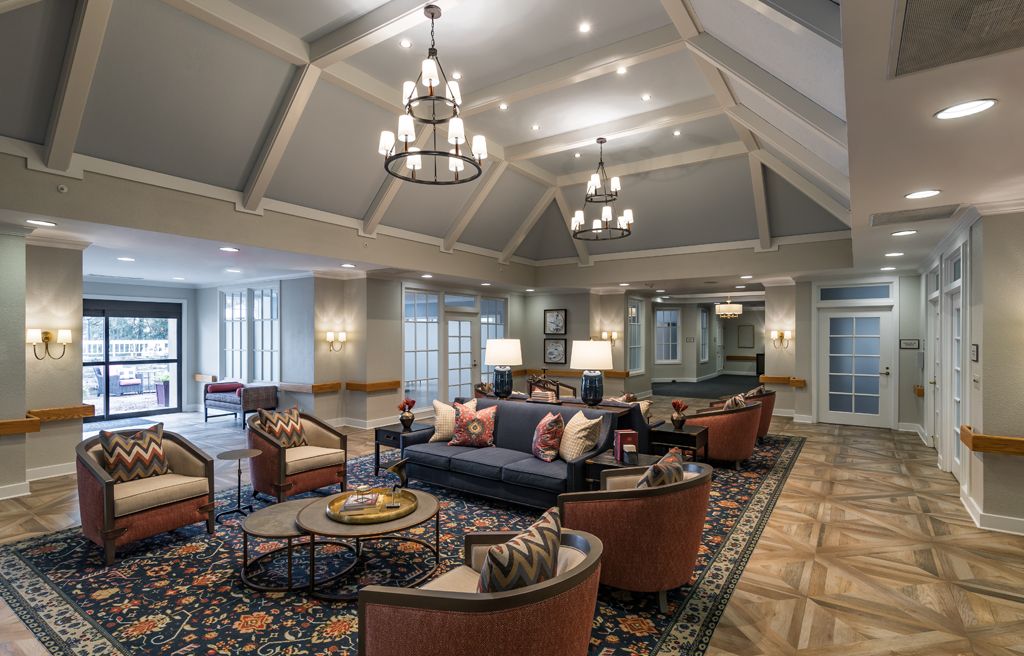
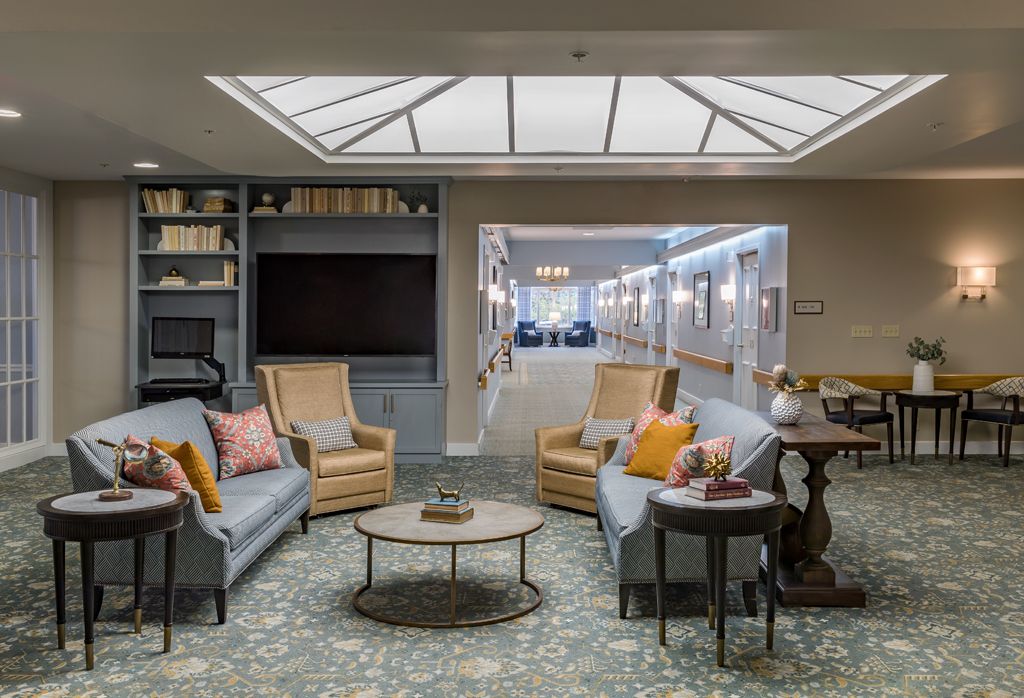
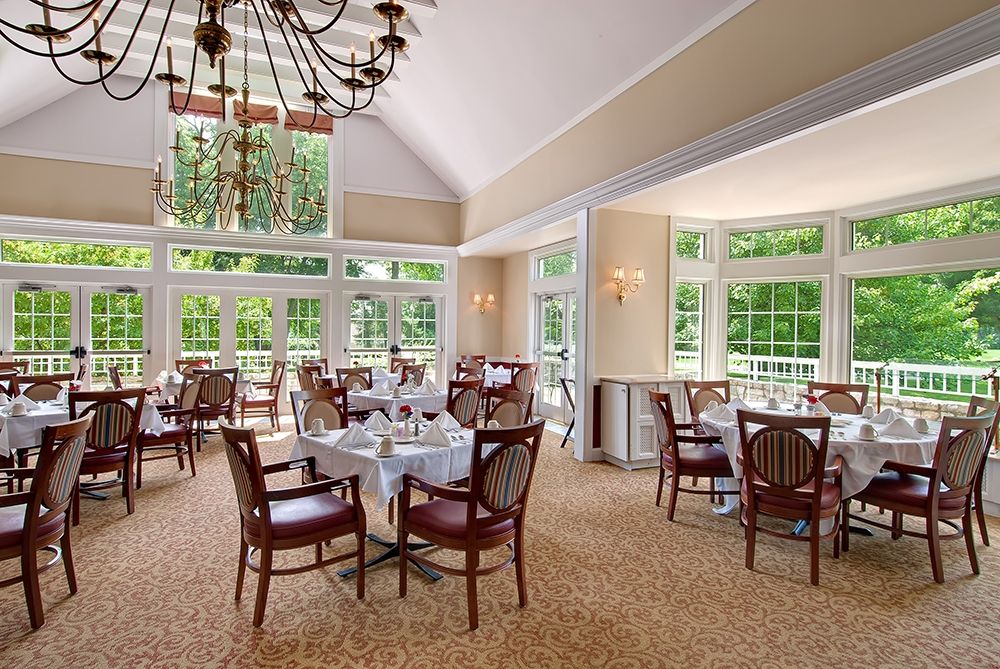
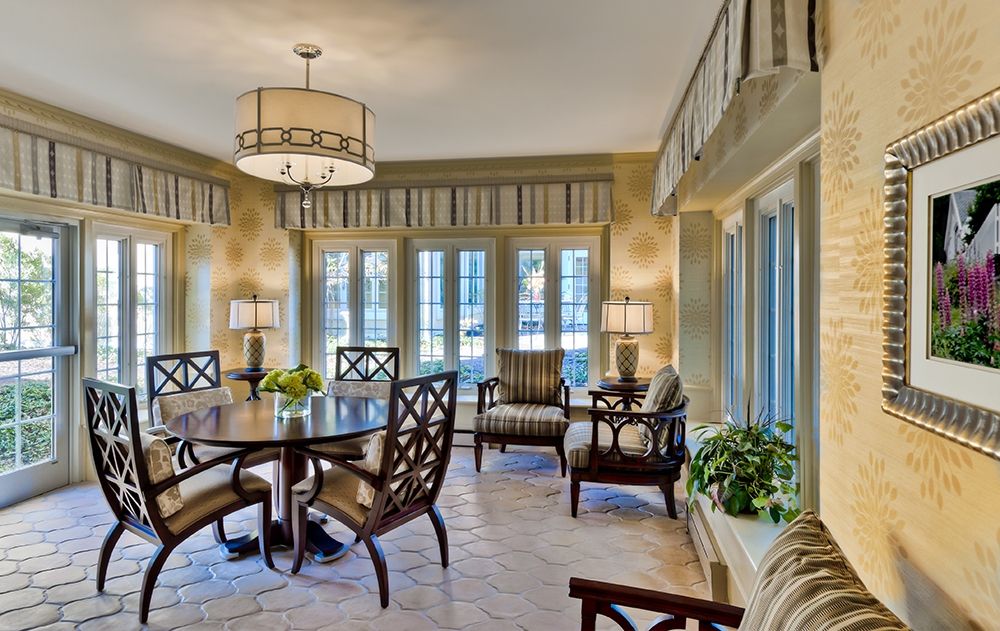
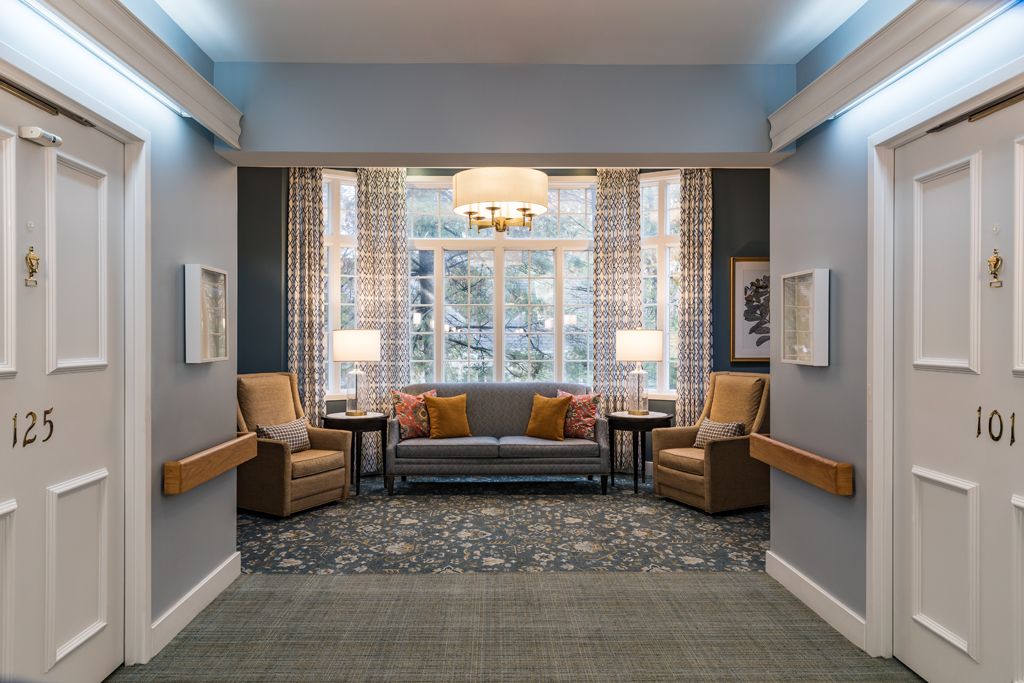
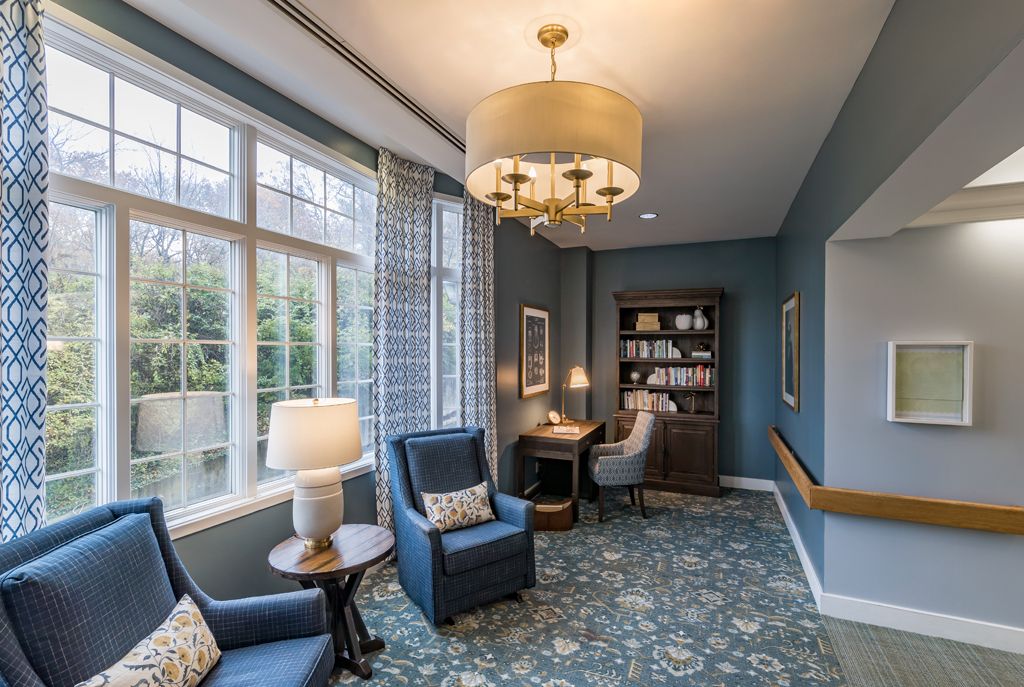
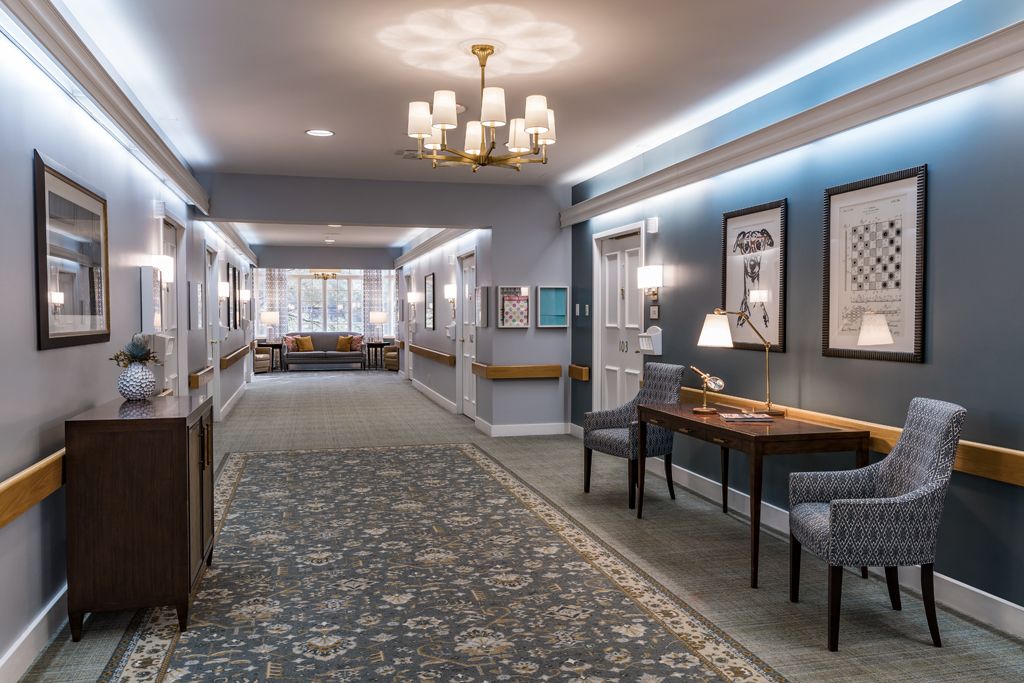
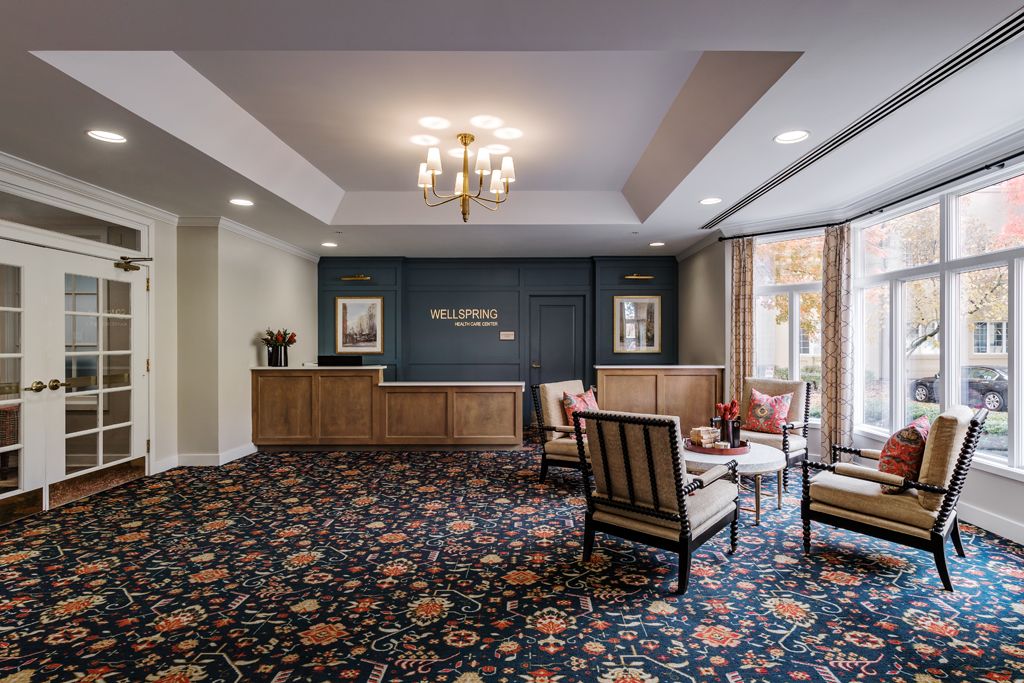
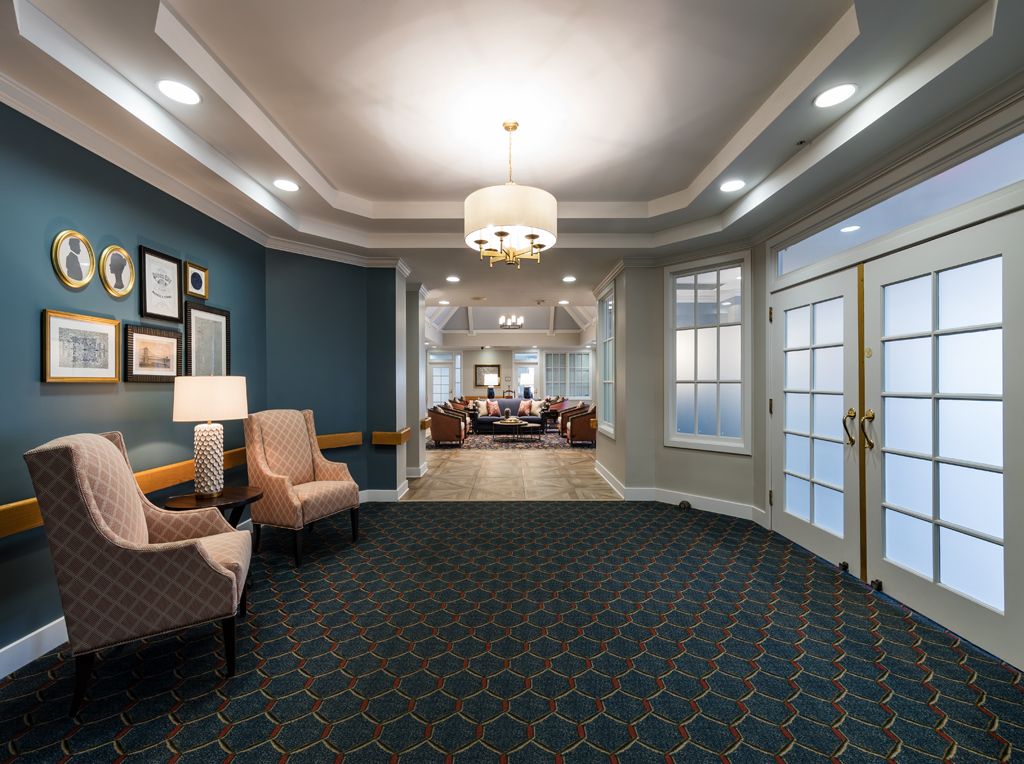
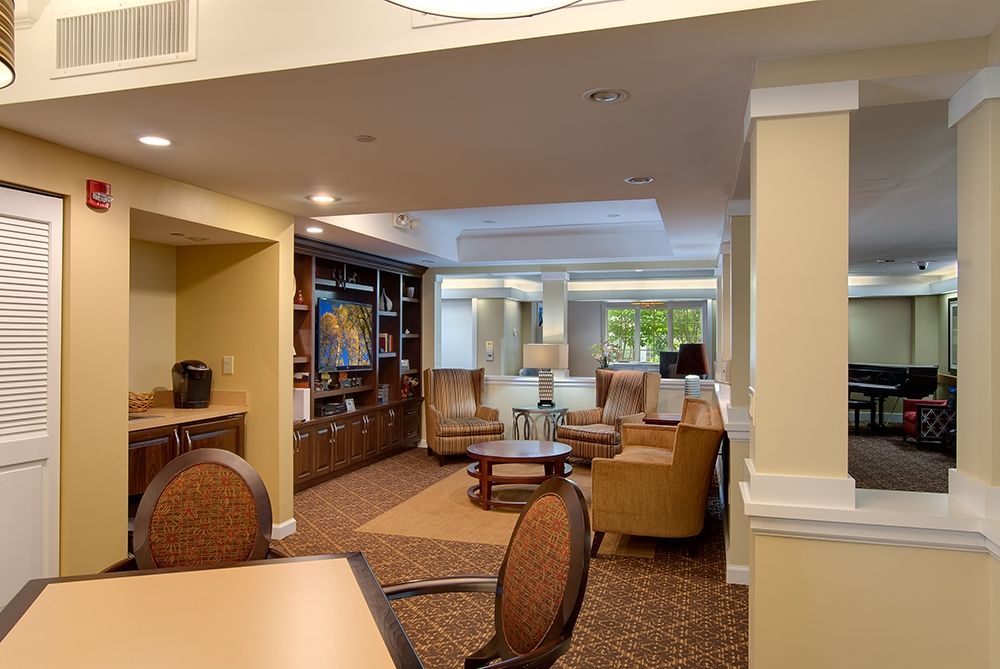
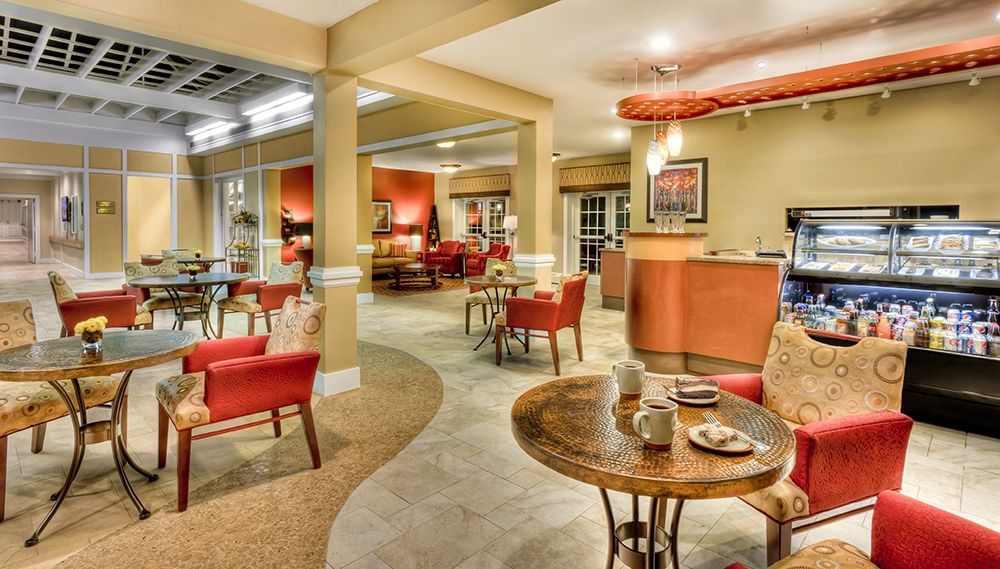
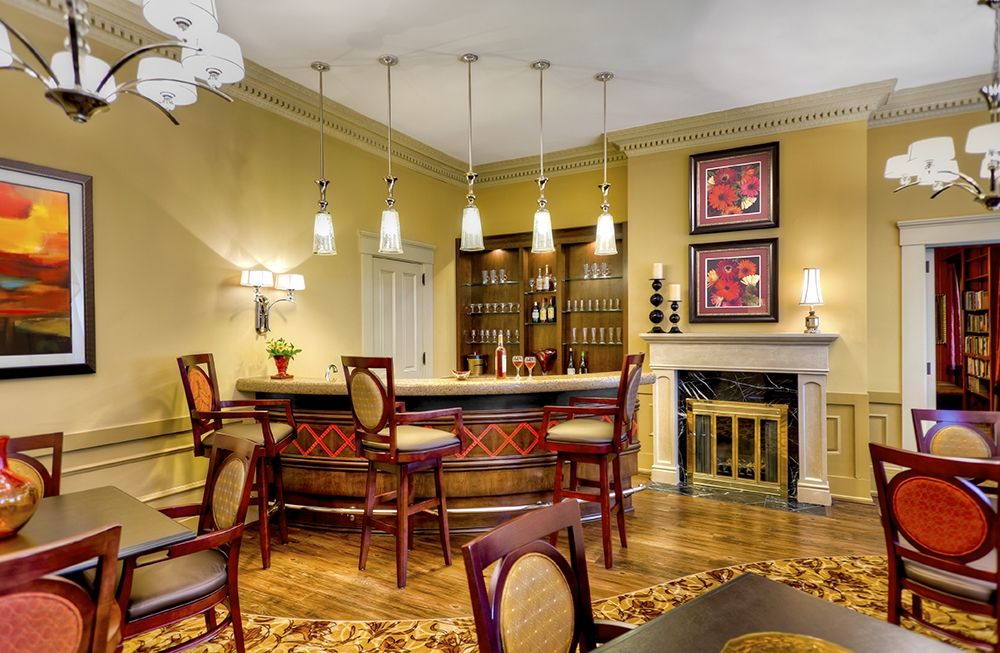
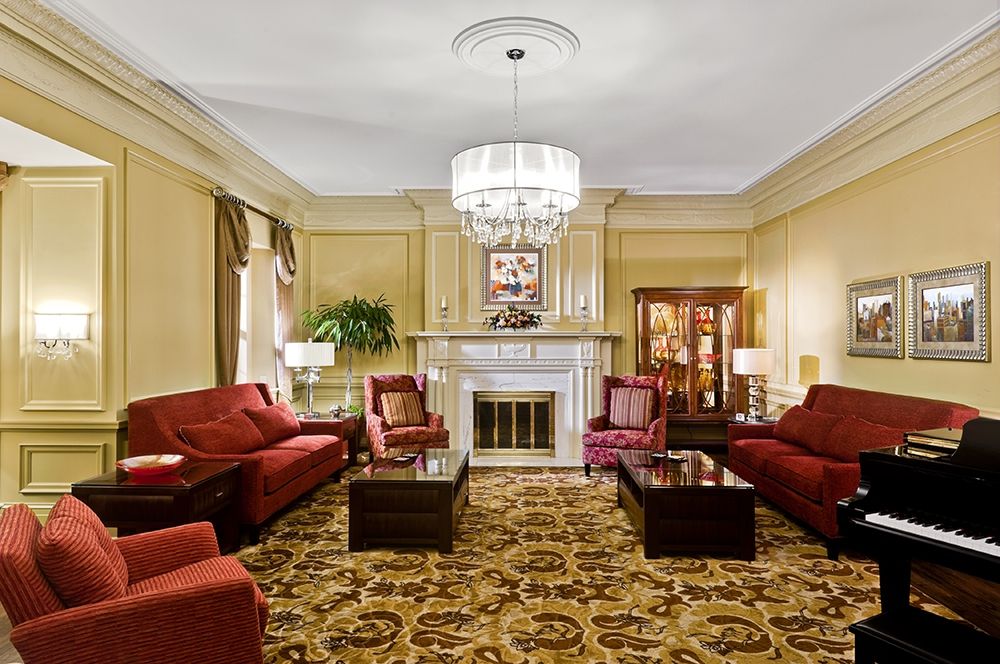
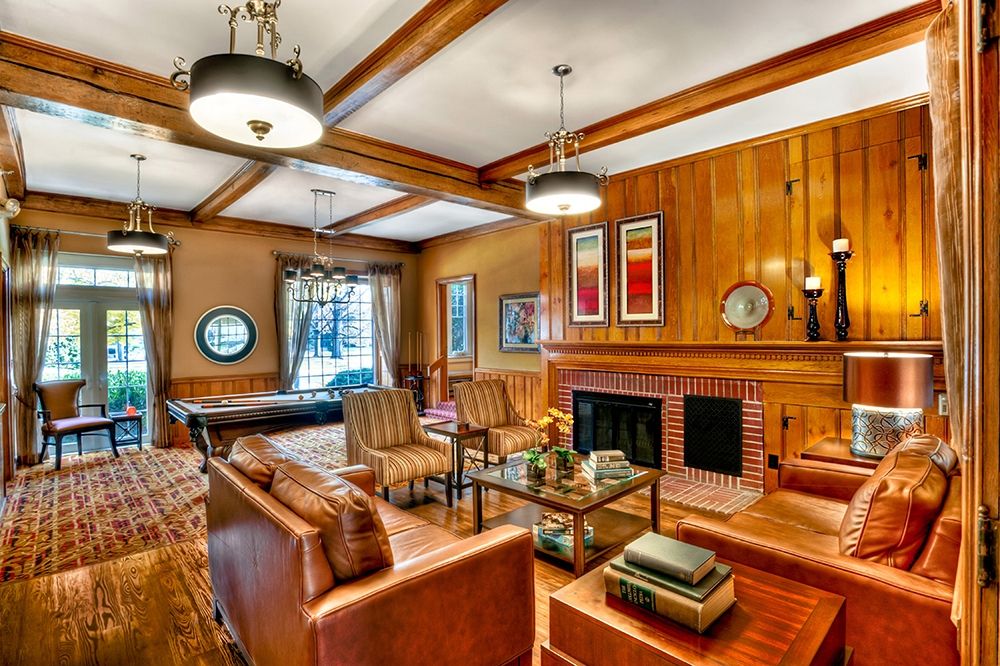
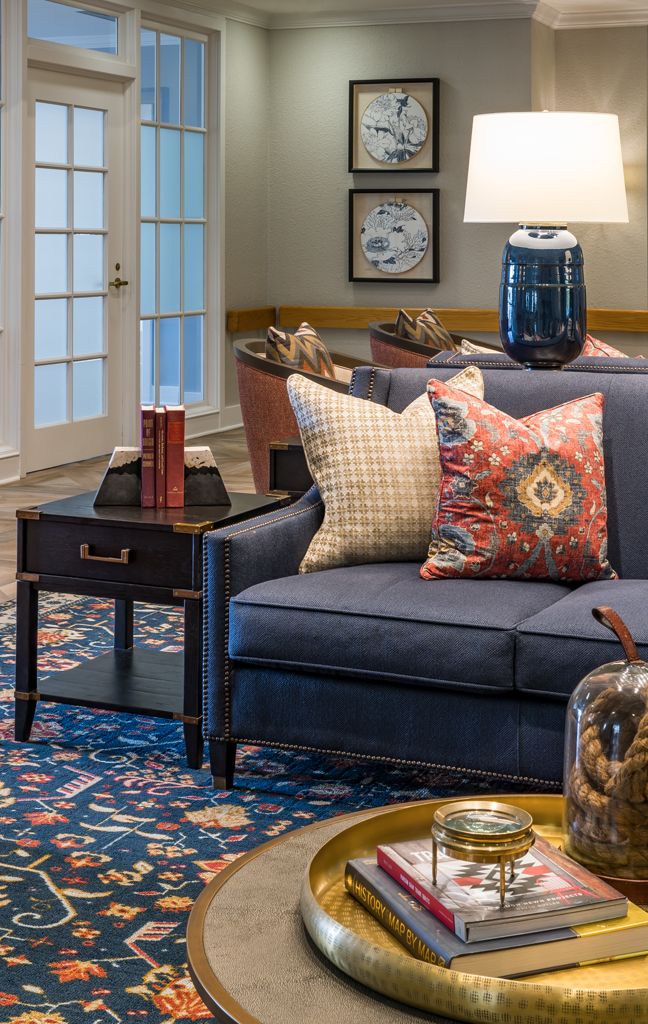
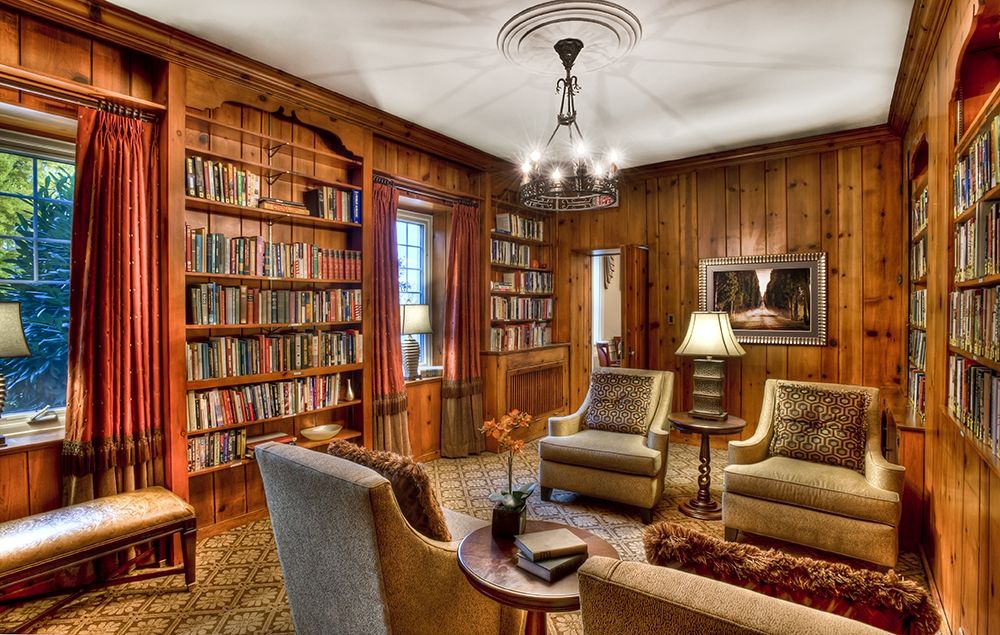
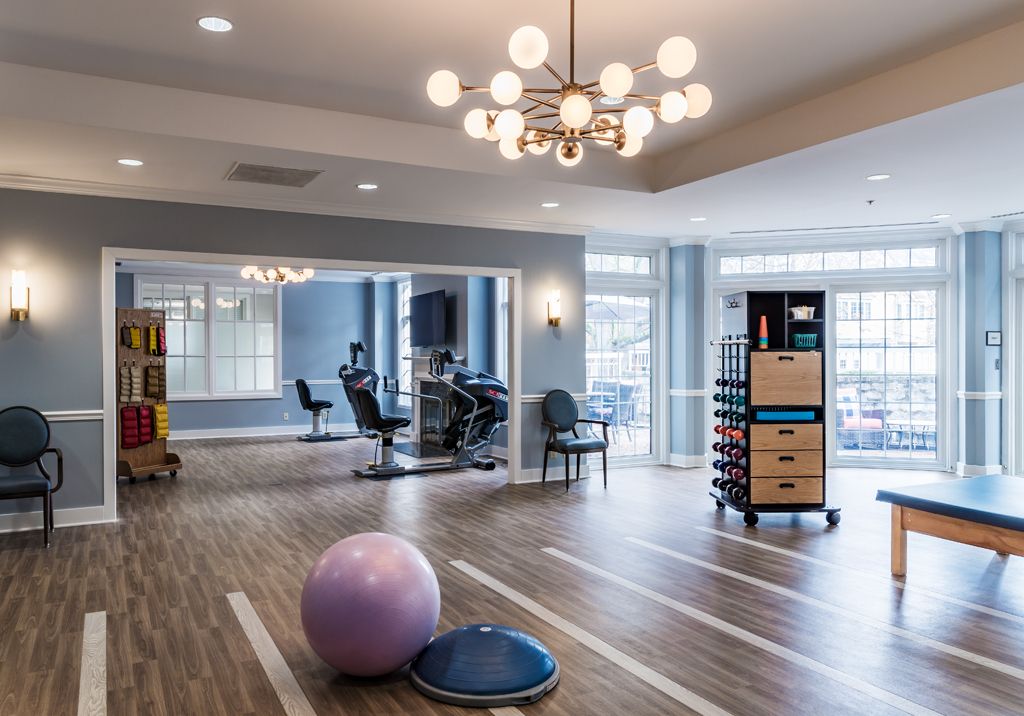
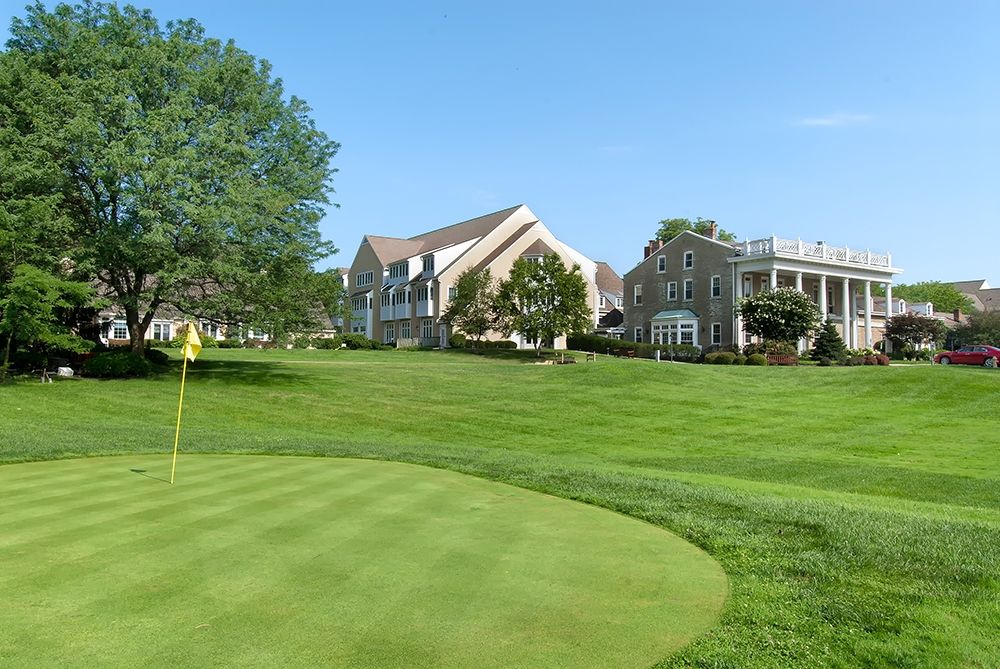
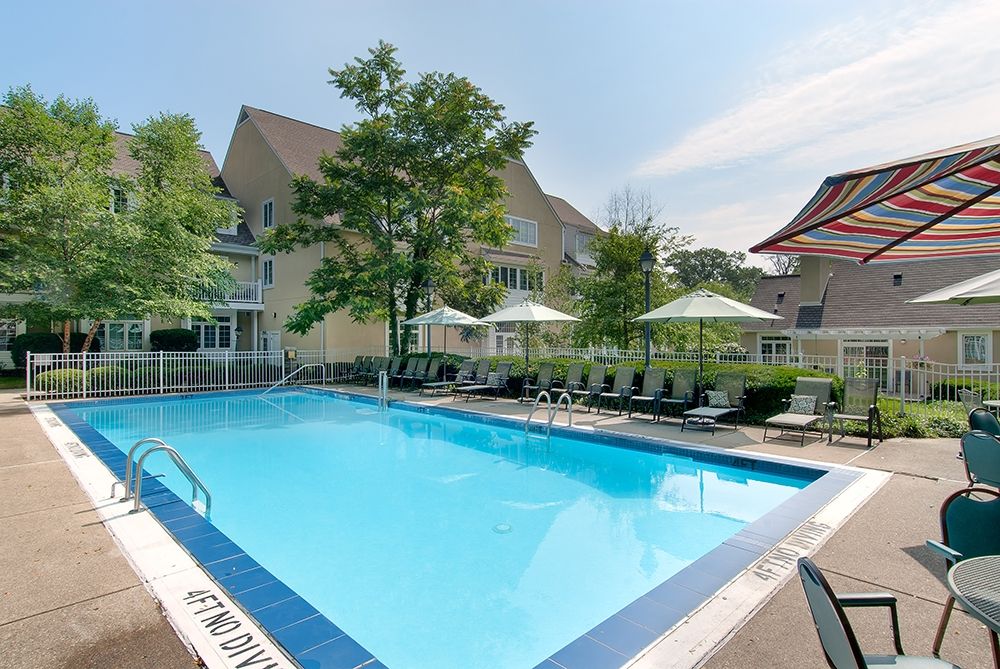
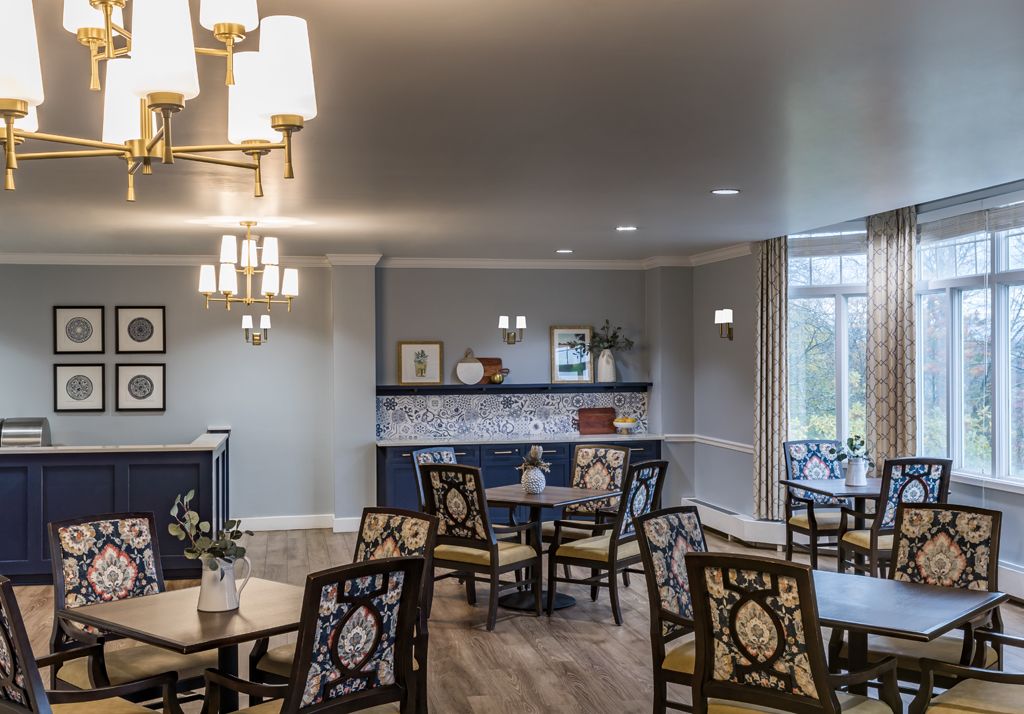
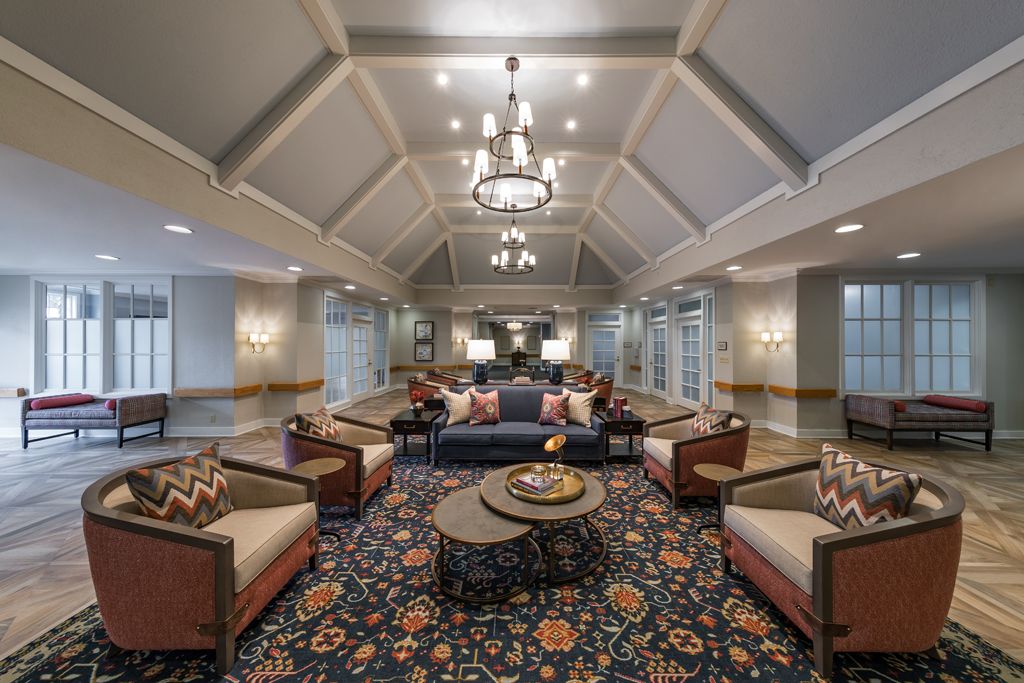
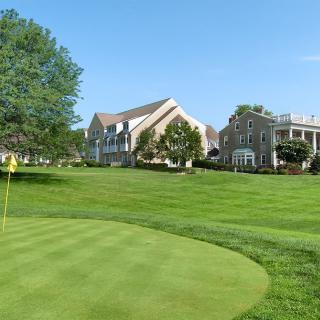
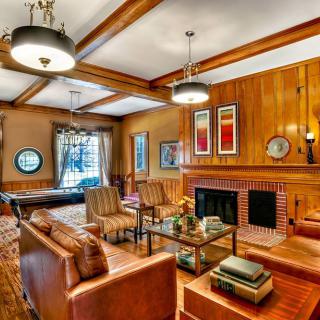
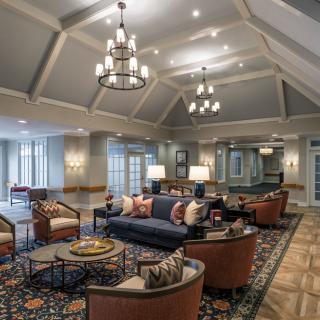
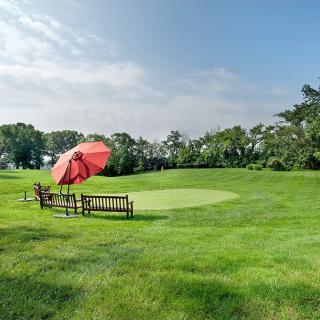
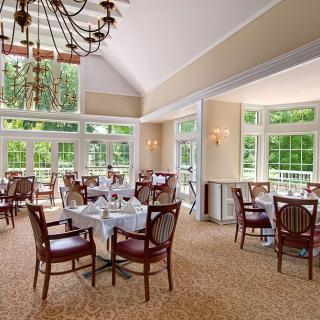
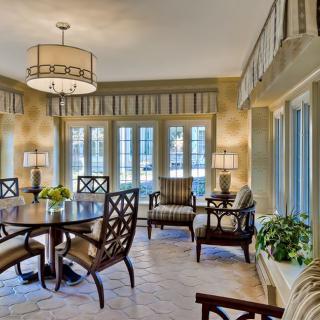
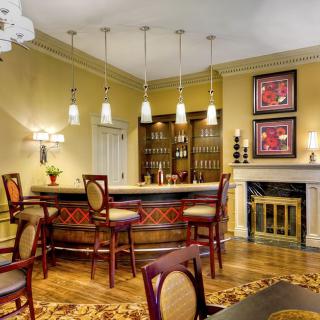
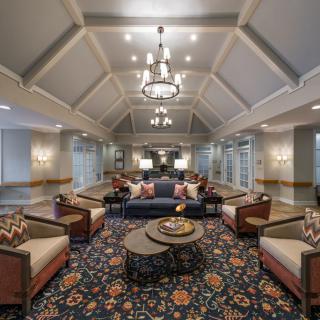
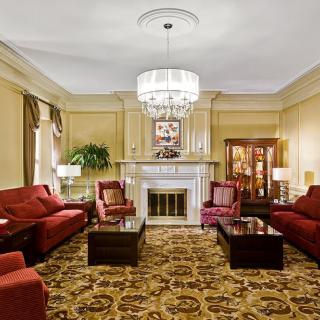
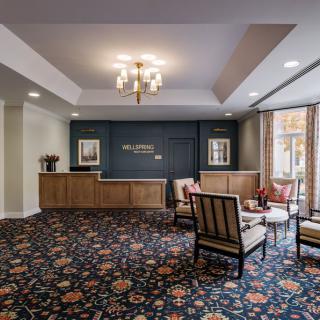
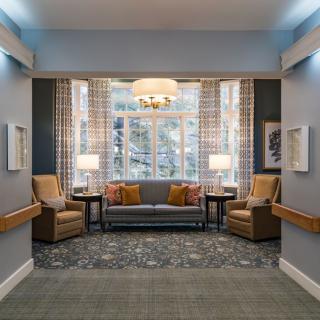
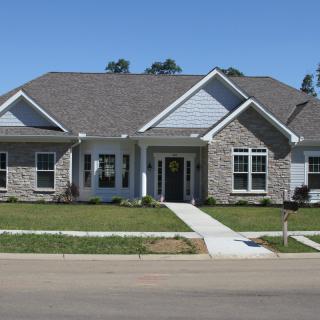
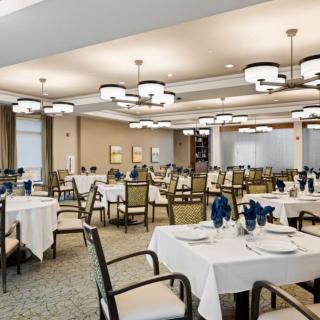
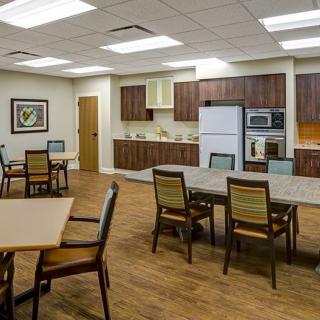
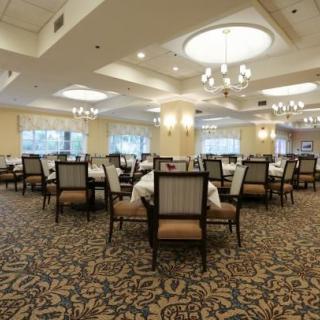
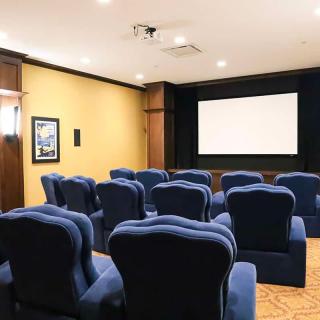
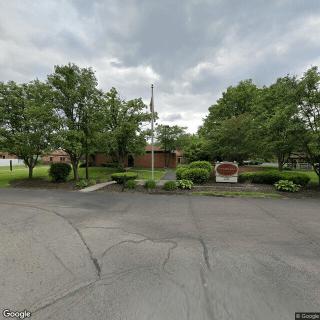
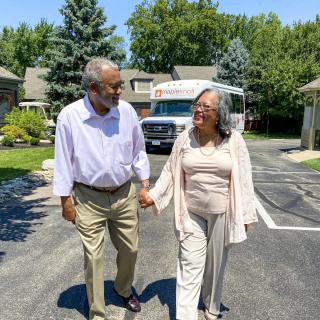
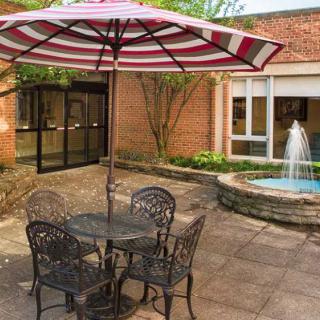
Wellspring on seniors.fyi includes 38 photos including images showing interior, decor, living room, chandelier, dining, windows, seating area, floor plan, and more.
Nearby Communities
Wellspring Health Center
Cincinnati, OH
3.7 from 76 reviews
Continuum of care (Independent Living, Memory Care, Skilled Nursing) in a small, intimate setting with comprehensive services.
Evergreen
Cincinnati, OH
3.9 from 181 reviews
$3,960 to $5,170 / month
Clean, well-maintained facility with friendly staff and engaging activities.
Bridgeway Pointe
Cincinnati, OH
4.8 from 48 reviews
$3,325 to $4,240 / month
Attentive, family-like staff in a warm community with plentiful activities and quality dining.
Drake Center
Cincinnati, OH
3.3 from 101 reviews
$3,750 to $5,000 / month
Extensive on-site amenities and active programs.
Brookdale Finneytown
Cincinnati, OH
3.9 from 99 reviews
$3,270 to $6,125 / month
Friendly staff in a clean, home-like, smaller community with personalized care.
Zimmer Home II
Cincinnati, OH
Excellent access to healthcare, dining, worship, and parks nearby.
Harmony Court
Cincinnati, OH
4 from 93 reviews
Compassionate, attentive staff and clean private rooms.
Maple Knoll Village
Cincinnati, OH
4 from 85 reviews
$2,873 to $12,180 / month
Spacious, soundproof apartments with arboretum views and strong social/amenity options.
The Christian Village at Mt. Healthy
Cincinnati, OH
4.3 from 73 reviews
$2,025 to $2,725 / month
Compassionate staff in a clean, home-like setting with engaging activities.
The article outlines effective communication strategies for interacting with loved ones with dementia, highlighting the need for empathy, patience, and understanding while emphasizing supportive approaches like using simple language, minimizing distractions, and focusing on feelings over facts to maintain dignity and foster connection. It also suggests seeking professional guidance when needed as communication challenges evolve.
VA nursing homes, or Community Living Centers (CLCs), offer tailored long-term care for veterans, featuring medical attention and rehabilitation in a supportive environment. The guide covers facility types, eligibility criteria, financial assistance options, quality of care standards, and alternatives to full-time nursing home placement.
At-home dementia care expenses vary widely based on care levels, location, and caregiver expertise, with monthly costs for home health aides exceeding $4,500 and specialized care potentially surpassing $100,000 annually. While families favor in-home care for its comfort and personalized attention, they must consider financial planning and the challenges of caregiver fatigue.
Exercise Equipment, Mirrors, Exercise Room, and Indoor Lighting
Natural Light
Bookshelves
Seating
Hallway
Library and Reading Room
Billiards
Grass and Golf
Waiting Area and Reception
Swimming Pool and Umbrellas
Doors
Lounge Area
Wood Paneling
Get PricingAsk A QuestionSchedule A TourContact Senior Advisor
By clicking submit, you agree to our Partner's Terms of Use. You
also consent to receive calls and texts, which may be autodialed, from our Partner. Your consent is not a condition to
using our Partner's service. Please visit our Partner's Privacy Policy for information about their privacy practices.



 21 resident community capacity
 1-bedroom apartments
 Memory Care
 Skilled Nursing Facility
 Dogs allowed
 Activities on-site
 Beautician on-site
 Cable or satellite TV
 Cafe
Cafe Devotional services on-site
 Dining room
 Full kitchen
 Fully furnished
 Garden
 General store
 Guest parking
 Handicap accessible
 Housekeeping services
 Indoor common areas
 Laundry
 Move-in coordination
 Outdoor space
 Overnight guests
 Party space
 Respite or short term stays offered
 Security gate
 Swimming pool
 Telephone
 VA Benefits Consultation
 Wheelchair accessible showers
 Wi-Fi/high-speed internet available
 Cincinnati Northern Kentucky International (15 miles away)
 Transportation & parking
 24-hour call system
 Ambulatory care
 Assistance with bathing
 Assistance with dressing
 Assistance with transfers
 Diabetes diet
 Diabetic care
 High acuity care
 Hospice care
 Incontinence care
 Meal preparation and service
 Medication management
 Mental wellness program
 Physical therapy
 Special dietary restrictions
 Transportation arrangement (medical)
 Art classes
 Bible study group
 Book club
 Cooking club
 Day trips and outings
 Educational speakers / life long learning
 Fitness programs
 Games
Games Happy hour
 Jewish services
 Live musical performances
 Tai Chi
 Wii bowling
 English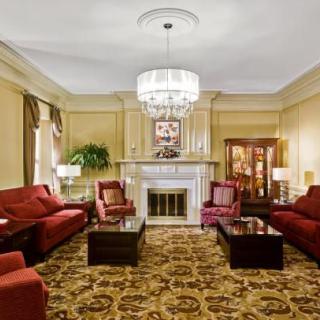
 Continuum of care (Independent Living, Memory Care, Skilled Nursing) in a small, intimate setting with comprehensive services.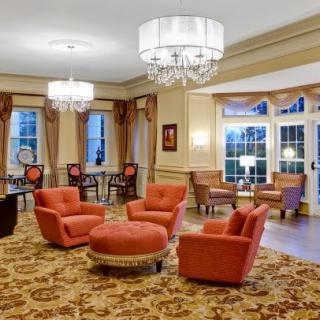
 How to Communicate with a Loved One Living with Dementia: 10 Supportive Strategies
 Comprehensive Guide to VA Nursing Homes: A Crucial Long-Term Care Resource for Veterans
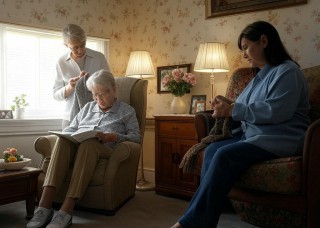 Estimating the Expenses of At-Home Dementia Care: A Detailed Exploration