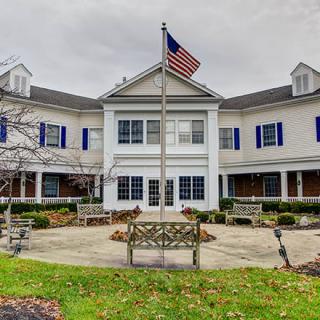
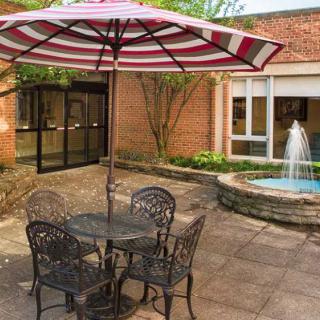
Wellspring Health Center in Cincinnati, OH

Save

  • Interior

    A cozy library with wood paneling, bookshelves, and comfortable armchairs.
  • Outdoors

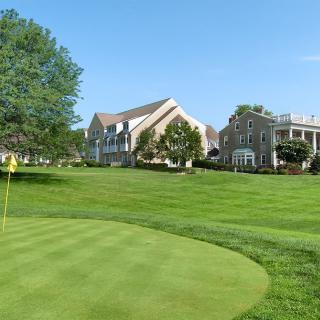
    A scenic view of a golf course with a red umbrella and bench under the clear sky.
  • Decor

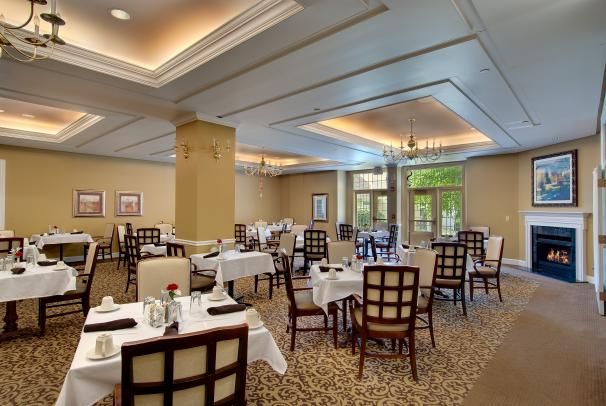
    An elegant restaurant dining room with neatly arranged tables and chairs.
  • Living Room

    A traditionally decorated living room with red sofas, a chandelier, and a fireplace.
  • Windows

    A beautifully arranged dining room with elegant furniture and ample natural light.
  • Fireplace

    A stylish home bar area with pendant lighting, elegant bar stools, and a cozy fireplace in a traditional interior setting.
  • Chandelier

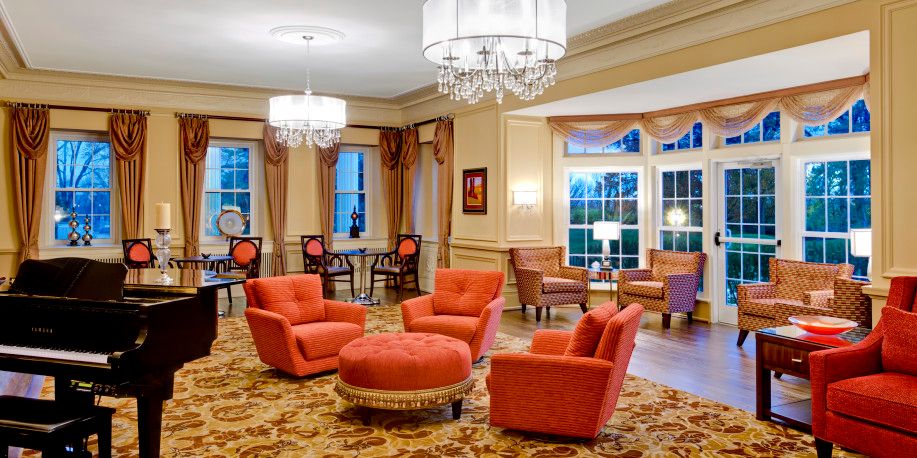
    A luxurious lounge area featuring elegant chandeliers, plush armchairs, and a central ottoman in a warmly decorated room.

Wellspring Health Center in Cincinnati, OH

8000 Evergreen Ridge Drive, Cincinnati, OH 45215

For more information about senior living options: (844) 490-3973

3.5 from 64 reviews
5 stars
28
4 stars
12
3 stars
4
2 stars
4
1 stars
16

Assisted Living Continuing Care Retirement Community (CCRC) Independent Living Memory Care Skilled Nursing Facility

Overall Review of Wellspring Health Center

Pros

  • pro He had a good experience with rehab after a hospital stay.
  • pro The rehab department helped him get up and walking on a walker and strengthened his legs so he could lift them to put on socks.
  • pro He is home now thanks to their effective physical therapy.
  • pro The Wellspring staff were friendly and responsive, and the residents were also friendly and happy.
  • pro The facilities were immaculate, and the food was amazing.
  • pro Dana, a nurse, consistently goes above and beyond to take care of everyone.
  • pro Dana is the pinnacle of what a nurse should be, and the Memory Care staff are also very good.
  • pro The staff are friendly and knowledgeable.
  • pro The rooms are large and clean.
  • pro The grounds are beautifully landscaped.
  • pro Kellee Gerding's initiative helped residents adjust to new rooms and transfers.
  • pro The Memory Care team has done a fantastic job caring for Mom, leaving her more engaged, relaxed, and happy.
  • pro Lorine and the caregivers provide ample social time and activities, even outings.
  • pro The food is very good.
  • pro Lorine and the caregivers are responsive and friendly.
  • pro The staff became her family, providing comfort and support.
  • pro The activities program is fun and creative, engaging residents according to their abilities.
  • pro The facility is beautiful and well kept, with a nice atmosphere.
  • pro The therapy department is fabulous and helps residents get up and walking.

Cons

  • pro The facility has gone downhill after leadership left abruptly, with families told nothing.
  • pro They stopped providing an aide for medical transport, leaving patients in wheelchairs and abandoned.
  • pro Patients waited an hour or more to have incontinence briefs changed, which felt degrading.
  • pro The in-house doctor wasn't seen for days, and medications and tests were delayed or mishandled.
  • pro The doctor was described as a joke, and the facility is not set up for anything beyond basic care.
  • pro Nurses delayed pain meds for hours and lacked consistent communication across shifts.
  • pro The call button was broken, and in one case staff gave a cow bell instead, which is unacceptable.
  • pro Residents were left in urine for hours and rooms were dirty; care and hygiene were lacking.

Review

Wellspring Health Center in Cincinnati is best suited for families prioritizing solid rehabilitation outcomes and memory-care support, especially when a loved one needs to regain mobility after surgery or hospital stays and benefits from a compassionate, activity-rich memory-care environment. The strongest case for Wellspring rests on effective physical therapy that can restore walking and leg strength, the presence of dedicated memory-care staff, and a culture that many families describe as caring and responsive. When leadership has been stable and engaged, residents and families report improvements in communication, cleanliness, and even food quality, suggesting a facility that can deliver meaningful gains in daily functioning for certain residents.

The major positives cluster around the therapy and memory-care experiences. Pros include a therapy department praised for getting people up and moving quickly, aided by a team that is described as professional and attentive. Several residents have benefited from a memory-care team that feels accessible and genuinely involved, with managers and social workers who coordinate room changes, transitions, and ongoing care planning with families. The living spaces are described as large and well-kept, with clean premises and inviting grounds, and dining experiences that many families rate highly. On the memory-care side, staff like Kellee Gerding have shown initiative in arranging private rooms and smoothing transitions, while the overall atmosphere on many days is described as warm, family-like, and supportive for activities and social engagement.

Yet a spectrum of grave concerns shadows Wellspring, and these cannot be dismissed. The most troubling threads involve staffing consistency and communication gaps: shifts that fail to convey care plans, administrators or lead nursing staff departures without timely updates, and reports of delays in doctor visits or in obtaining medications. Several reviews recount situations where basic safety and medical needs were not promptly addressed - gait-belt transfers overlooked, falls occurring, call buttons malfunctioning or being substituted with inadequate makeshift solutions, and families learning of problems only after the fact. In the most severe cases, families allege neglect or unsafe conditions that culminated in serious harm, and some strongly advise avoiding Wellspring for skilled-nursing needs altogether. The contrast between the overwhelmingly positive experiences in some units and the brutal incidents in others is stark and heavily unit- or shift-dependent.

These strengths and weaknesses do not cancel each other out; they intersect in a way that requires careful weighing. The robust rehabilitation track and the responsive memory-care teams can offset some risk for residents who are otherwise medically stable and who require structured therapy and daily social programming. However, the pool of risk remains real: inconsistent nursing oversight, delayed physician access, and reports of staff disengagement undermine confidence in the center's ability to manage higher-acuity medical needs or to respond swiftly to emergencies. For families with a loved one who has complex medical requirements or who cannot personally supervise daily care, these reliability gaps become critical considerations. In other words, Wellspring can be an excellent fit for rehab-driven recovery and dementia-focused day-to-day living, but only with vigilant oversight and clearly defined expectations.

For families choosing Wellspring, practical due-diligence is essential. Prospective residents should demand transparency around staffing levels and turnover, request to meet frontline managers across shifts, and verify the in-house clinician schedule and responsiveness. Engage early with the social-work and memory-care teams, insist on written care plans, and insist on demonstrable responses to call-bell failures, medication administration processes, and fall-prevention practices. Tour multiple times, including during meals and evenings, and speak with current residents and families across units to gauge consistency of care. Where possible, verify that leadership has a track record of follow-through and accountability, and push for concrete service-level assurances in writing.

Ultimately, Wellspring Health Center offers a practical, potentially transformative path for rehab and memory-care when the environment is well-led and consistently staffed. The facility can deliver meaningful physical gains, dignified dementia care, and a caregiver ecosystem that many families find comforting. But the decision hinges on risk tolerance for staffing volatility and the quality of physician and nurse responsiveness. If a high level of continuous nursing oversight and reliable medical access is non-negotiable, alternatives may provide more predictable care. For families who can actively participate in oversight and who prioritize robust therapy plus engaged memory-care support, Wellspring represents a compelling option - provided leadership and frontline staffing are proven stable at the time of enrollment.

Features

Housing

  • 35 resident community capacity 35 resident community capacity

Types of Care

  • Assisted Living Assisted LivingAssisted living facilities provide crucial support and care for seniors who may need help with daily tasks such as medication management, bathing, and meal preparation. These communities offer a safe and comfortable environment where seniors can maintain their independence while receiving the assistance they need to thrive in their golden years.
  • Continuing Care Retirement Community (CCRC) Continuing Care Retirement Community (CCRC)Continuing Care Retirement Communities (CCRCs) are important for seniors because they provide a range of housing options and care services all in one location. This allows seniors to age in place and receive the level of care they need as their health changes, without having to move to a new facility. CCRCs provide a sense of security and peace of mind for seniors and their families, knowing that they will be taken care of no matter what the future holds.
  • Independent Living Independent LivingIndependent living communities are important for seniors because they offer a safe and supportive environment where older adults can live independently while still having access to amenities and services that enhance their quality of life. These communities provide social opportunities, recreational activities, and assistance with daily tasks, promoting overall well-being and allowing seniors to maintain their independence for as long as possible.
  • Memory Care Memory CareMemory care is crucial for seniors as it provides specialized support and services for individuals with dementia or Alzheimer's disease. These programs offer a safe and secure environment where residents receive personalized care, cognitive stimulation, and help with daily activities. Memory care helps seniors maintain their independence, quality of life, and dignity while also providing peace of mind for their families.
  • Skilled Nursing Facility Skilled Nursing FacilitySkilled Nursing Facilities are crucial for seniors as they provide round-the-clock medical care, rehabilitation services, and assistance with daily activities. These facilities ensure that seniors receive the specialized care they need to maintain their health and well-being as they age.

Amenities

  • Beauty salon Beauty salonBeauty salons are important for seniors because they provide a space for them to feel pampered, socialize, and maintain their personal grooming and hygiene. Regular visits to a beauty salon can help boost seniors' self-esteem and overall well-being.
  • Cable or satellite TV Cable or satellite TVCable or satellite TV is important for seniors because it provides entertainment, news, and companionship, helping to combat loneliness and boredom. It also offers a wide range of programming options tailored to different interests and preferences.
  • Dining room Dining roomDining rooms are important for seniors as they provide a space for socialization, connection, and nutritious meals. They offer opportunities for residents to bond over shared meals, foster a sense of community, and promote healthy eating habits. Dining rooms also ensure that seniors have access to well-balanced meals tailored to their dietary needs and preferences.
  • Fully furnished Fully furnishedFully furnished senior living communities are important for seniors because they provide convenience, comfort, and a hassle-free moving experience. Seniors can easily settle into their new living space without the stress of having to buy and move furniture. This allows them to focus on enjoying their new home and community.
  • Garden GardenGardens are important for seniors as they provide a peaceful and therapeutic environment for relaxation, physical activity, and socialization. Being in nature has been shown to reduce stress, improve mood, and promote overall well-being. Gardens also offer opportunities for seniors to engage in gardening activities, which can improve mobility, flexibility, and cognitive function. Additionally, gardens create a sense of community and connection with others who share a passion for plants and outdoor spaces.
  • Housekeeping services Housekeeping servicesHousekeeping services are important for seniors because they help maintain a clean and safe living environment, promote independence, and reduce the risk of accidents or illnesses. Additionally, having assistance with household chores can alleviate physical strain and allow seniors to focus on other aspects of their well-being.
  • Kitchenette KitchenetteKitchenettes are important for seniors living in senior living communities because they provide the convenience and independence of being able to prepare simple meals and snacks in the comfort of their own living space. This can help promote a sense of autonomy and well-being for seniors, allowing them to maintain some level of control over their dietary choices and daily routines.
  • Move-in coordination Move-in coordinationMove-in coordination is important for seniors because it helps ease the transition into their new living environment. It ensures that all logistics, such as packing, organizing movers, and setting up utilities are taken care of, allowing seniors to focus on settling in and adjusting to their new home. Having a smooth move-in process can alleviate stress and anxiety, making the transition smoother and more enjoyable for seniors.
  • Outdoor space Outdoor spaceOutdoor spaces are important for seniors as they provide opportunities for physical activity, social interaction, exposure to natural light and fresh air, and a sense of connection to nature. Having access to outdoor spaces can improve overall well-being and quality of life for older adults living in senior communities.
  • Restaurant-style dining Restaurant-style diningRestaurant-style dining is important for seniors because it allows them to enjoy delicious, nutritious meals in a social and upscale setting. This enhances their dining experience, promotes healthy eating habits, and fosters socialization with fellow residents, ultimately contributing to their overall well-being and quality of life.
  • Small library Small librarySmall libraries are important for seniors as they provide access to a variety of reading materials, including books, newspapers, and magazines. This can help stimulate their minds, keep them engaged, and provide a sense of community through book clubs and other social activities. Additionally, reading has been shown to improve cognitive function and overall mental well-being in older adults.
  • Telephone TelephoneTelephones are important for seniors as they provide a lifeline for communication with loved ones, emergency services, and healthcare providers. They offer a sense of security and independence, enabling seniors to stay connected and access assistance when needed.
  • Wi-Fi/high-speed internet available Wi-Fi/high-speed internet availableWi-Fi/high-speed internet is important for seniors to stay connected with loved ones, access online resources, and participate in virtual activities to combat feelings of loneliness and isolation. It also allows them to easily manage healthcare needs, access entertainment, and engage in lifelong learning opportunities.

Transportation

  • Cincinnati Northern Kentucky International (15 miles away) Cincinnati Northern Kentucky International (15 miles away)

Care Services

  • 24-hour call system 24-hour call system24-hour call systems are important for seniors because they provide peace of mind and immediate assistance in case of emergencies. This technology ensures that help is always available, promoting safety and security for elderly individuals living alone or in assisted living facilities.
  • 24-hour supervision 24-hour supervision24-hour supervision is important for seniors to ensure their safety, well-being, and access to immediate assistance in case of emergencies or health issues. This constant support provides peace of mind for both seniors and their loved ones, allowing them to age in place with dignity and security.
  • Activities of daily living assistance Activities of daily living assistanceActivities of daily living assistance are important for seniors because they provide essential support with tasks such as eating, bathing, dressing, and mobility. This assistance helps seniors maintain their independence, dignity, and overall quality of life as they age.
  • Assistance with bathing Assistance with bathingAssistance with bathing is crucial for seniors as it helps maintain personal hygiene, prevents infections, and ensures their overall well-being and comfort. It also provides a sense of dignity and independence for seniors who may struggle with this task on their own.
  • Assistance with dressing Assistance with dressingAssistance with dressing is important for seniors because it helps maintain their independence, promotes personal hygiene, prevents accidents and injuries, and improves overall quality of life. This service ensures that seniors can continue to dress comfortably and confidently, despite any physical limitations they may have.
  • Assistance with transfers Assistance with transfersAssistance with transfers is crucial for seniors as it helps prevent falls and injuries, maintains their independence, and ensures they can safely navigate their living environment. It also provides peace of mind for both seniors and their loved ones.
  • Diabetes diet Diabetes dietA diabetes diet is crucial for seniors as it helps manage blood sugar levels, reduce risks of complications, and improve overall health and well-being. By following a balanced and nutritious diet tailored to their specific needs, seniors can better control their diabetes and enhance their quality of life.
  • Meal preparation and service Meal preparation and serviceMeal preparation and service are crucial for seniors as they may have limited mobility or energy to cook nutritious meals. Having access to healthy and convenient food options can ensure they are getting the proper nutrition needed to maintain their overall health and well-being.
  • Medication management Medication managementMedication management is crucial for seniors to ensure they are taking the right medications at the correct dosages and times. This helps prevent adverse drug interactions, reduces the risk of medication errors, and promotes overall health and well-being. Proactive management also allows for adjustments as needed based on changing health conditions or new prescriptions.
  • Mental wellness program Mental wellness programMental wellness programs are essential for seniors as they promote cognitive stimulation, emotional support, and social engagement. These programs help prevent isolation, depression, and cognitive decline, ultimately enhancing the overall quality of life for older adults.
  • Special dietary restrictions Special dietary restrictionsSpecial dietary restrictions are important for seniors because age-related changes in metabolism and health conditions can make it difficult for their bodies to process certain foods. By following a diet tailored to their specific needs, seniors can maintain their overall health and well-being, manage chronic conditions, and reduce the risk of complications such as malnutrition or food interactions with medications.
Dining

  • Diabetes diet Diabetes dietA diabetes diet is crucial for seniors as it helps manage blood sugar levels, reduce risks of complications, and improve overall health and well-being. By following a balanced and nutritious diet tailored to their specific needs, seniors can better control their diabetes and enhance their quality of life.
  • Special dietary restrictions Special dietary restrictionsSpecial dietary restrictions are important for seniors because age-related changes in metabolism and health conditions can make it difficult for their bodies to process certain foods. By following a diet tailored to their specific needs, seniors can maintain their overall health and well-being, manage chronic conditions, and reduce the risk of complications such as malnutrition or food interactions with medications.

Activities

  • Community-sponsored activities Community-sponsored activitiesCommunity-sponsored activities are important for seniors as they provide opportunities for social interaction, mental stimulation, and physical activity. These activities can help improve overall well-being, combat loneliness and isolation, and promote a sense of belonging and purpose among older adults.
  • Resident-run activities Resident-run activitiesResident-run activities are important for seniors as they encourage social interaction, creativity, and a sense of autonomy. These activities empower seniors to stay engaged and active in their community while fostering meaningful connections with their peers.
  • Scheduled daily activities Scheduled daily activitiesScheduled daily activities are important for seniors because they provide structure, socialization, mental stimulation, and physical activity. Engaging in regular activities can improve overall well-being and quality of life for seniors living in a community setting.

Description

Wellspring Health Center in Cincinnati, OH is a comprehensive senior care community offering a variety of services to meet the unique needs of its residents. With a range of care options including Continuing Care Retirement Community (CCRC), Independent Living, Memory Care, and Skilled Nursing Facility, Wellspring Health Center provides a continuum of care for individuals at various stages of their lives.

The community offers an array of amenities to ensure comfort and convenience for its residents. Each living unit is fully furnished and equipped with cable or satellite TV, telephone, and Wi-Fi/high-speed internet. Residents can enjoy delicious meals in the on-site dining room that offers restaurant-style dining and accommodates special dietary restrictions. Additionally, the community features small libraries and outdoor spaces where residents can relax and spend time outdoors.

Care services at Wellspring Health Center are designed to promote independence while providing necessary assistance when needed. The professional staff provides 24-hour supervision and assistance with activities of daily living such as bathing, dressing, and transfers. Medication management is also available to ensure that residents receive their medications on time. Furthermore, a mental wellness program is in place to support emotional well-being.

Wellspring Health Center takes pride in offering a vibrant lifestyle for its residents through resident-run activities and scheduled daily activities. This encourages socializing and engagement among the seniors within the community. Additionally, with cafes, parks, pharmacies, physicians' offices, restaurants, places of worship, hospitals all nearby, there are ample opportunities for outings and access to essential services.

Whether someone is seeking independent living or requires specialized memory care or skilled nursing services later on, Wellspring Health Center provides a supportive environment where residents can age gracefully while receiving the care they need.

Videos

Nearby Places of Interest

Pharmacies

  • CVS Pharmacy (0.8 miles)
  • Walgreens (1.6 miles)
  • CVS Pharmacy (1.6 miles)
  • Kroger Pharmacy (1.7 miles)
  • Walgreens (2.2 miles)
  • Walgreens (3.3 miles)
  • Kroger Pharmacy (3.3 miles)

Places of Worship

  • St James of the Valley (1 miles)
  • St Vivian's Catholic Church (1.6 miles)
  • Lifespring Christian Church (2.7 miles)
  • Adath Israel Congregation (3.3 miles)
  • White Oak Chapel (5.8 miles)
  • St Mary Church (5.9 miles)
  • Vineyard Church Northwest (6 miles)

Restaurants

  • Station Family BBQ (1.4 miles)
  • Skyline Chili (1.7 miles)
  • Buffalo Wings & Rings (1.7 miles)
  • McDonald's (2.2 miles)
  • Hook Fish & Chicken (2.9 miles)
  • McDonald's (3.1 miles)
  • Skyline Chili (3.4 miles)

Cafes

  • Gabby's Cafe (1.5 miles)
  • Panera Bread (1.6 miles)
  • Silverton Cafe (4.9 miles)
  • Starbucks (5.3 miles)
  • The 86 Coffee Bar & Concert Venue (5.8 miles)

Hospitals

  • Summit Behavioral Healthcare (1.7 miles)
  • Cincinnati Children's (3.4 miles)
  • Cincinnati Children's Hospital Medical Center (5.2 miles)
  • Veterans Hospital (5.3 miles)
  • University of Cincinnati Medical Center (5.4 miles)
  • Good Samaritan Hospital (5.5 miles)
  • Mercy Health - The Jewish Hospital (5.8 miles)

Physicians

  • Reading Family Practice (3 miles)
  • The Urology Group (3.7 miles)
  • Riverhills Neuroscience (3.8 miles)
  • Springdale Family Medicine (4.1 miles)
  • Bowen Center For Women's Health (4.4 miles)
  • ESD Pediatric Group (5 miles)
  • UC Health Primary Care Family Medicine (5.2 miles)

Transportation

  • Metro Bond Hill Garage (3.1 miles)

Parks

  • Winton Woods Cherry Hill Shelter (4.4 miles)
  • Chamberlin Park (4.8 miles)
  • Blue Ash Summit Park (5.9 miles)

Theaters

  • Showcase Cinema de Lux Springdale 18 (5.8 miles)

Frequently Asked Questions

Where is Wellspring Health Center?
Does Wellspring Health Center provide care for residents with dementia or Alzheimer's disease?
What photos are available for Wellspring Health Center in Cincinnati, Ohio?

Nearby Communities

  • Wellspring

    Wellspring

    Cincinnati, OH

    4.1 from 180 reviews
    $5,100 to $6,150 / month

    pro Strong therapy program and compassionate dementia care with attentive staff.


  • Evergreen

    Evergreen

    Cincinnati, OH

    3.9 from 181 reviews
    $3,960 to $5,170 / month

    pro Clean, well-maintained facility with friendly staff and engaging activities.

  • Bridgeway Pointe

    Bridgeway Pointe

    Cincinnati, OH

    4.8 from 47 reviews
    $3,325 to $4,240 / month

    pro Attentive, family-like staff in a warm community with plentiful activities and quality dining.

  • Drake Center

    Drake Center

    Cincinnati, OH

    3.3 from 100 reviews
    $3,750 to $5,000 / month

    pro Extensive on-site amenities and active programs.

  • Zimmer Home II

    Zimmer Home II

    Cincinnati, OH


    pro Excellent access to healthcare, dining, worship, and parks nearby.

  • Brookdale Finneytown

    Brookdale Finneytown

    Cincinnati, OH

    3.9 from 97 reviews
    $3,270 to $6,125 / month

    pro Friendly staff in a clean, home-like, smaller community with personalized care.

  • Harmony Court

    Harmony Court

    Cincinnati, OH

    4 from 93 reviews
     

    pro Compassionate, attentive staff and clean private rooms.

  • Maple Knoll Village

    Maple Knoll Village

    Cincinnati, OH

    4.1 from 79 reviews
    $2,873 to $12,180 / month

    pro Spacious, soundproof apartments with arboretum views and strong social/amenity options.

  • The Christian Village at Mt. Healthy

    The Christian Village at Mt. Healthy

    Cincinnati, OH

    4.3 from 72 reviews
    $2,025 to $2,725 / month

    pro Compassionate staff in a clean, home-like setting with engaging activities.

Related Resources

  • dementia stagesUnderstanding Dementia Through Its Seven Stages: A Comprehensive Look at Progression and Expectations

    Dementia encompasses a range of cognitive impairments characterized by types such as Alzheimer's and vascular dementia, and follows a seven-stage progression model known as the Global Deterioration Scale (GDS), highlighting varying symptoms and decline timelines. Early detection allows for lifestyle adjustments to potentially slow progression, while caregivers need support and resources to manage the challenges involved in caring for affected individuals.

  • how to prevent memory loss in old ageSafeguarding Your Memory Through the Golden Years: Eight Ways to Preserve Cognitive Health

    The article presents eight strategies for preserving cognitive health and memory in older adults, emphasizing a nutrient-rich diet, regular exercise, intellectually stimulating activities, adequate sleep, social connections, stress management techniques, limiting harmful substances, and regular medical checkups to mitigate age-related memory decline.

  • activities of daily livingComprehensive Insights into Activities of Daily Living (ADLs) and Their Assessment
    Activities of Daily Living (ADLs) are fundamental tasks vital for an individual's independence, particularly in older adults over 85, and include functions like bathing and dressing; assessing ADLs alongside Instrumental Activities of Daily Living (IADLs) helps determine the level of required assistance due to age-related health challenges. Tailored support plans, involving family and community resources, are essential for maintaining dignity and autonomy in assisted living environments.