The Gardens Of Trent

Save

The Gardens Of Trent

2915 Brunswick Avenue, New Bern, NC 28562

For more information about senior living options: (844) 490-3973

2.5 from 19 reviews
5 stars
5
4 stars
2
3 stars
1
2 stars
0
1 stars
11

Assisted Living Memory Care

The Gardens Of Trent Costs & Pricing

The Gardens of Trent offers competitive pricing for its residents, particularly when compared to the broader market in Jones County and the state of North Carolina. For a semi-private room, The Gardens charges $2,500 per month, significantly lower than the county average of $3,339 and the state average of $3,584. Similarly, studio apartments at The Gardens are priced at $2,800, which remains more affordable than both the county's average of $3,507 and the state's average price of $4,020. This pricing structure positions The Gardens of Trent as an attractive option for those seeking quality care without the financial burden commonly associated with senior living accommodations in the region.

Floor plansThe Gardens Of TrentJones CountyNorth Carolina
Semi-Private$2,500$3,339$3,584
Studio$2,800$3,507$4,020

Overall Review of The Gardens Of Trent

Pros

  • pro The staff were very welcoming.
  • pro Residents and staff on duty were engaging, creating a comfortable environment for visitors.
  • pro Visitors were made to feel welcome upon arrival.
  • pro The staff were very knowledgeable.
  • pro Other residents spoke positively about the community to visitors.
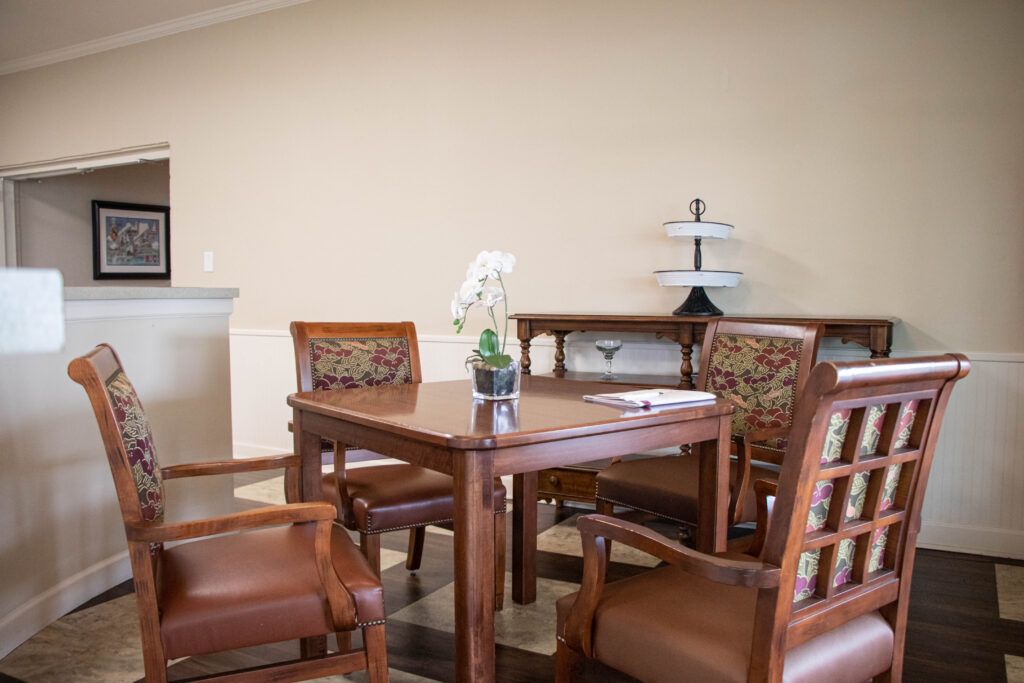
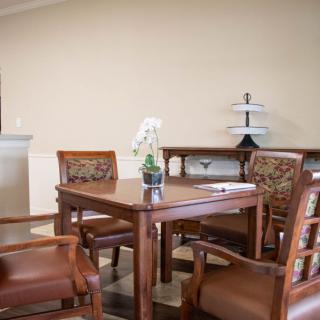
  • pro The dining area was nice and well laid out for safety.
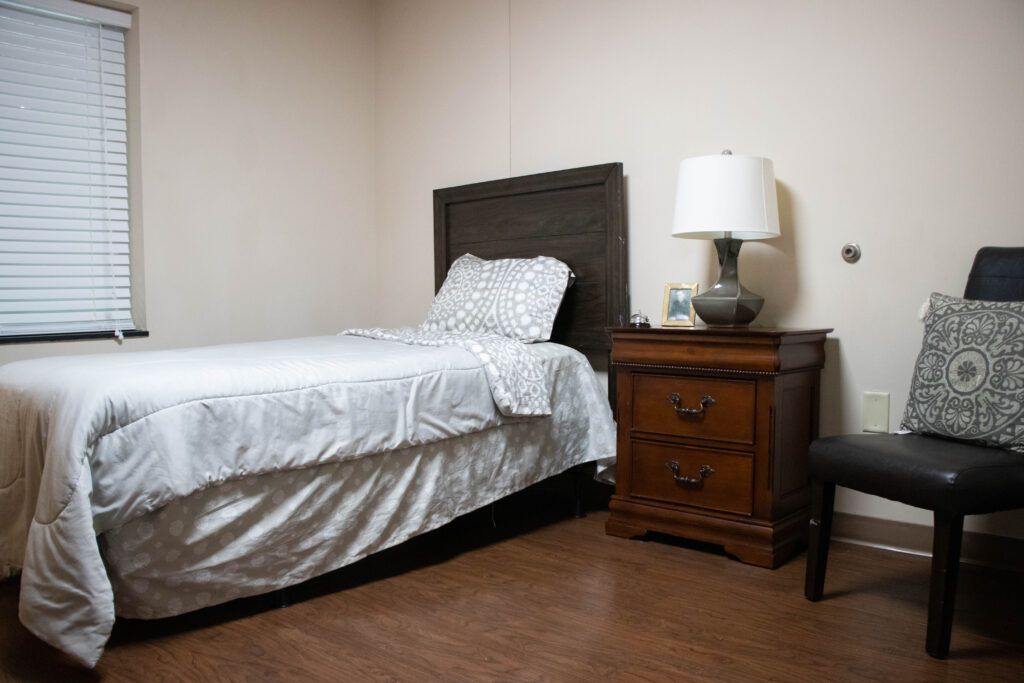
  • pro The rooms were clean, spacious, with private bathrooms and closets.
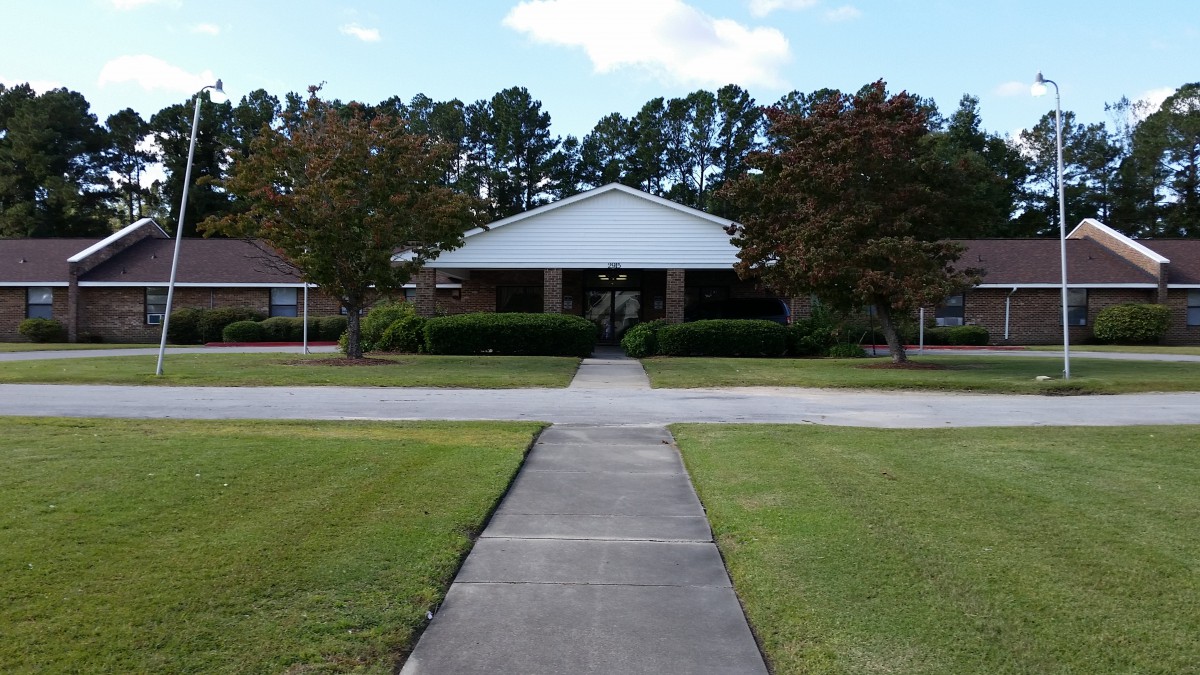
  • pro The grounds were well-kept and the facility was clean, neat, and orderly.
  • pro The staff were friendly and helpful, and everyone who passed by spoke to visitors.

Cons

  • pro The company is pocketing money from the residents.
  • pro Employees are stealing from the residents.
  • pro The residents are treated poorly; they sleep in their own urine.
  • pro The facility won't allow a resident's family member to see her mother when she complains.
  • pro The manager only handles matters their own way and ignores families' concerns.
  • pro Corporate offices have failed to return calls or provide timely responses.
  • pro There is a lack of communication when a resident is taken to the ER.
  • pro There is no cable or internet service in the building, and TVs in rooms are not available.

Review

The Gardens of Trent presents itself in these accounts as a place that can feel welcoming and comforting at the outset, especially for families facing the daunting process of choosing care for a loved one. Several reviewers describe strong positive first impressions: the staff are friendly and professional, the facility feels bright and neat, and the tour experience can be reassuring even when not planned in advance. Families note that conversations with residents and staff help them feel at ease about the idea of a new living arrangement for a parent or spouse. In particular, one reviewer highlights how the staff were knowledgeable and how residents themselves came forward with kind words about the community, reinforcing a sense that this could become a supportive home. The general tone in these comments is that of relief and comfort when moving through the onboarding process.

Beyond the initial reception, there are consistent reflections on the quality of interaction with staff. Positive notes often emphasize a welcoming atmosphere where staff appear approachable and able to answer questions thoroughly. Several reviewers point to specific individuals - such as a manager named Kris - who provided detailed tours and answered questions, helping families feel confident about the transition. The dining area and overall layout receive praise for being well-organized and considerate of safety, with mentions of COVID-era spacing and a layout that facilitates easy movement. The sense is that, for many families, the facility represents a structured, supportive environment with available activities and opportunities for social engagement, which can be a meaningful source of comfort for both residents and their relatives.

However, the sentiment is not one-dimensional. A substantial portion of the feedback is sharply negative, describing experiences that raise serious concerns. Several reviewers express that they would not recommend the facility, citing a range of problems from poor communication to outright mismanagement. One reviewer paints a grim picture of restricted family access and power-of-attorney conflicts, alleging that a mother was unfairly prevented from seeing another relative. Others allege that management acts in their own way, without adequately considering families' concerns, and use strong language to describe their dissatisfaction with the care and responsiveness of the leadership.

More alarming accusations surface in a subset of comments: financial improprieties and neglect. Some reviewers claim that money is being misused or that staff are stealing from residents, with reports of residents sleeping in urine and aides being distracted by phones rather than tending to duties. These claims are serious and, if accurate, point to systemic issues requiring formal investigation. The tenor of these remarks is a call for accountability and oversight, suggesting that it is not merely a matter of perception but of documented or observable problems that warrant external intervention.

Additional layers of criticism focus on communication gaps and the perceived uncaring or unresponsive nature of administration. A recurrent theme is the lack of timely responses from corporate offices and the central management, with some families recounting months of waiting for return calls or action on concerns. One detailed account describes a lack of hospital-to-family communication when a relative was treated in the ER, which led to further frustration and the decision to move the loved one elsewhere. These stories reinforce a belief among some families that the facility's leadership may not consistently prioritize clear, proactive communication, especially during emergencies or crisis moments.

On the more nuanced end of the spectrum, a number of tour-based or in-house observations offer a mixed picture. Reviewers describe clean rooms and well-kept grounds, with flexible options for residents to personalize rooms - such as bringing in carpeting, curtains, or favorite blankets. Some notes highlight spacious rooms with private bathrooms, communal areas like a salon, and a generally neat and orderly environment. There are also practical critiques that surface in these discussions: the absence of in-room cable or internet, cold floors due to no carpeting, and some dissatisfaction with decor or a lack of inviting atmosphere in the hallways. In one case, a visitor pointed out a misalignment between the "bath/spa" sign and actual offerings, reflecting how small communicative gaps can color a visitor's impression even when other aspects are positive. There are also practical considerations voiced about amenities, such as the absence of TV service in rooms, which some families would consider a drawback.

As with any complex care decision, the overall picture painted by these reviews is a blend of warmth and concern. The Gardens of Trent seems to deliver moments of genuine, people-centered care - the kind of welcome, informed tours, and friendly staff that reassure families during a stressful transition - while also facing allegations that require serious scrutiny: potential breakdowns in communication, questions about governance and accountability, and distressing claims about the treatment of residents and the handling of funds. Prospective residents and their families are urged to engage in thorough due diligence, including talking at length with multiple staff members, seeking up-to-date references, and, where appropriate, consulting external bodies for oversight. The most helpful takeaway is to balance the comforting, personal interactions and the positive notes about facility upkeep and staff engagement with a careful check of the more troubling reports, ensuring that questions about safety, supervision, and accountability are addressed before making a final commitment.

Features

Housing

  • 108 resident community capacity 108 resident community capacity
  • Studio apartments Studio apartmentsStudio apartments are important for seniors because they offer a smaller, more manageable living space that is easier to navigate and maintain as physical abilities decline. Additionally, studio apartments provide seniors with independence and privacy while still being part of a community that offers support and social opportunities.

Types of Care

  • Assisted Living Assisted LivingAssisted living facilities provide crucial support and care for seniors who may need help with daily tasks such as medication management, bathing, and meal preparation. These communities offer a safe and comfortable environment where seniors can maintain their independence while receiving the assistance they need to thrive in their golden years.
  • Memory Care Memory CareMemory care is crucial for seniors as it provides specialized support and services for individuals with dementia or Alzheimer's disease. These programs offer a safe and secure environment where residents receive personalized care, cognitive stimulation, and help with daily activities. Memory care helps seniors maintain their independence, quality of life, and dignity while also providing peace of mind for their families.

Amenities

  • Activities on-site Activities on-siteActivities on-site are important for seniors because they provide opportunities for socialization, mental stimulation, physical activity, and overall well-being. Engaging in activities can help seniors stay active, maintain their independence, and improve their quality of life.
  • Air-conditioning Air-conditioningAir conditioning is important for seniors as they are more vulnerable to heat-related illnesses and may have underlying health conditions that make it difficult for them to regulate their body temperature. It helps to keep them comfortable, safe, and healthy in hot weather.
  • Beautician on-site Beautician on-siteHaving a beautician on-site at a senior living community is important for seniors as it allows them to easily access grooming and personal care services, boosting their self-esteem and overall well-being. It also provides convenience and helps seniors maintain their sense of independence and personal style.
  • Beauty salon Beauty salonBeauty salons are important for seniors because they provide a space for them to feel pampered, socialize, and maintain their personal grooming and hygiene. Regular visits to a beauty salon can help boost seniors' self-esteem and overall well-being.
  • Cable or satellite TV Cable or satellite TVCable or satellite TV is important for seniors because it provides entertainment, news, and companionship, helping to combat loneliness and boredom. It also offers a wide range of programming options tailored to different interests and preferences.
  • Computer center Computer centerA computer center is essential for seniors as it provides access to technology, communication tools, and resources that can enhance their daily lives. It allows them to stay connected with loved ones, engage in online activities, and learn new skills, ultimately promoting socialization and mental stimulation.
  • Devotional services off-site Devotional services off-siteDevotional services off-site are important for seniors as they provide spiritual nourishment, social engagement, and a sense of community outside of the senior living facility. This can enhance overall well-being and help combat feelings of isolation and loneliness often experienced by older adults.
  • Dining room Dining roomDining rooms are important for seniors as they provide a space for socialization, connection, and nutritious meals. They offer opportunities for residents to bond over shared meals, foster a sense of community, and promote healthy eating habits. Dining rooms also ensure that seniors have access to well-balanced meals tailored to their dietary needs and preferences.
  • Fitness room Fitness roomHaving a fitness room in a senior living community is essential for seniors to stay active, maintain their physical health, and improve their overall well-being. Regular exercise can help prevent falls, reduce the risk of chronic diseases, and promote mental sharpness. It also provides social opportunities for residents to connect with others and enjoy a sense of community.
  • Fully furnished Fully furnishedFully furnished senior living communities are important for seniors because they provide convenience, comfort, and a hassle-free moving experience. Seniors can easily settle into their new living space without the stress of having to buy and move furniture. This allows them to focus on enjoying their new home and community.
  • Gaming room Gaming roomGaming rooms are important for seniors as they provide a fun and engaging environment for socializing, cognitive stimulation, and physical activity. Games can improve memory, problem-solving skills, and overall mental well-being while fostering friendships and reducing feelings of isolation.
  • Garden GardenGardens are important for seniors as they provide a peaceful and therapeutic environment for relaxation, physical activity, and socialization. Being in nature has been shown to reduce stress, improve mood, and promote overall well-being. Gardens also offer opportunities for seniors to engage in gardening activities, which can improve mobility, flexibility, and cognitive function. Additionally, gardens create a sense of community and connection with others who share a passion for plants and outdoor spaces.
  • Housekeeping services Housekeeping servicesHousekeeping services are important for seniors because they help maintain a clean and safe living environment, promote independence, and reduce the risk of accidents or illnesses. Additionally, having assistance with household chores can alleviate physical strain and allow seniors to focus on other aspects of their well-being.
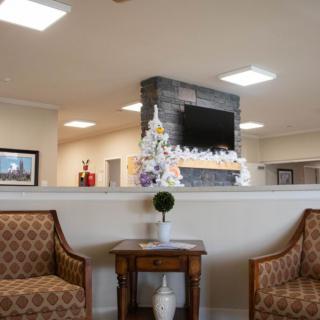
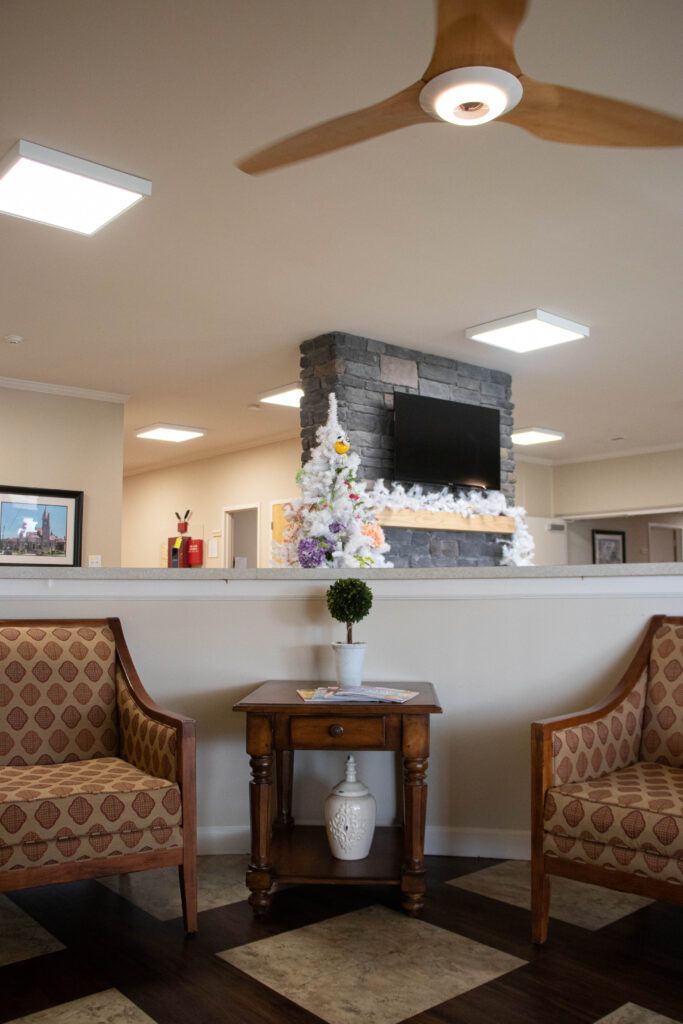
  • Indoor common areas Indoor common areasIndoor common areas are crucial for seniors as they provide a space for socialization, recreation, and community engagement, promoting overall well-being and reducing feelings of isolation and loneliness.
  • Kitchenette KitchenetteKitchenettes are important for seniors living in senior living communities because they provide the convenience and independence of being able to prepare simple meals and snacks in the comfort of their own living space. This can help promote a sense of autonomy and well-being for seniors, allowing them to maintain some level of control over their dietary choices and daily routines.
  • Move-in coordination Move-in coordinationMove-in coordination is important for seniors because it helps ease the transition into their new living environment. It ensures that all logistics, such as packing, organizing movers, and setting up utilities are taken care of, allowing seniors to focus on settling in and adjusting to their new home. Having a smooth move-in process can alleviate stress and anxiety, making the transition smoother and more enjoyable for seniors.
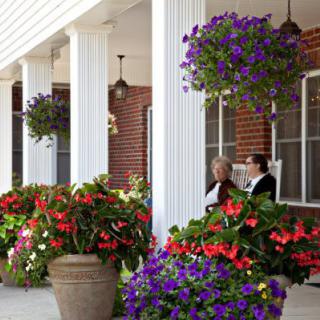
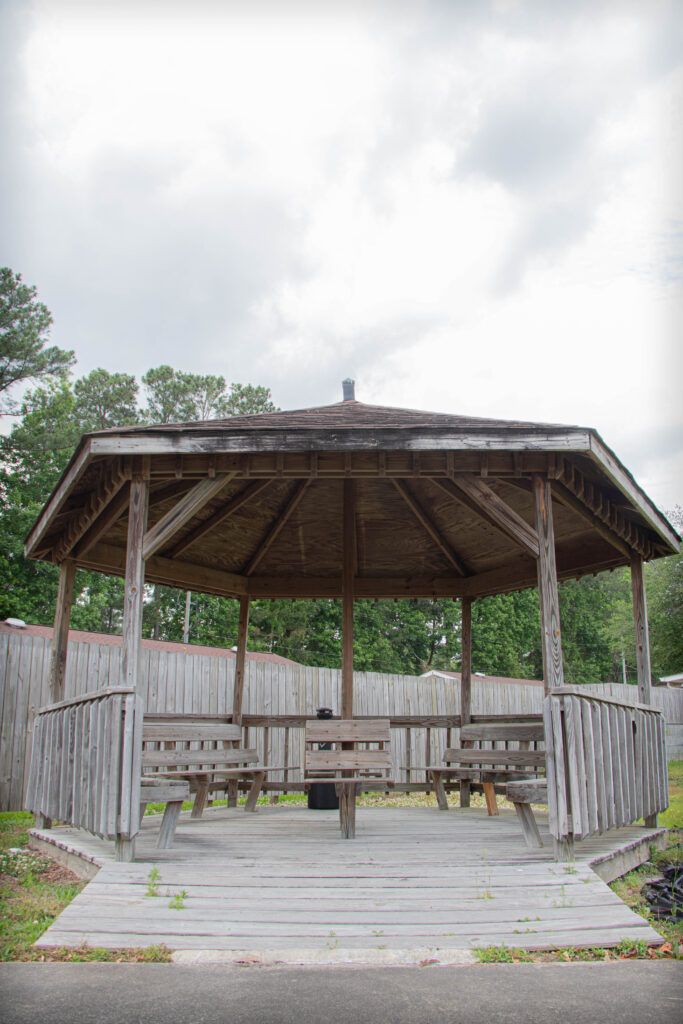
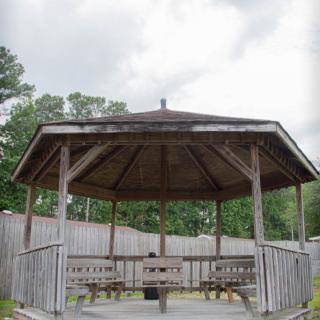
  • Outdoor space Outdoor spaceOutdoor spaces are important for seniors as they provide opportunities for physical activity, social interaction, exposure to natural light and fresh air, and a sense of connection to nature. Having access to outdoor spaces can improve overall well-being and quality of life for older adults living in senior communities.
  • Private bathrooms Private bathroomsPrivate bathrooms are important for seniors in senior living communities because they provide independence, dignity, and comfort. Having a private bathroom allows seniors to maintain their personal hygiene routines without the need for assistance, promoting a sense of autonomy and privacy. Additionally, private bathrooms help prevent the spread of infections and provide a safe and clean environment for seniors to navigate safely.
  • Restaurant-style dining Restaurant-style diningRestaurant-style dining is important for seniors because it allows them to enjoy delicious, nutritious meals in a social and upscale setting. This enhances their dining experience, promotes healthy eating habits, and fosters socialization with fellow residents, ultimately contributing to their overall well-being and quality of life.
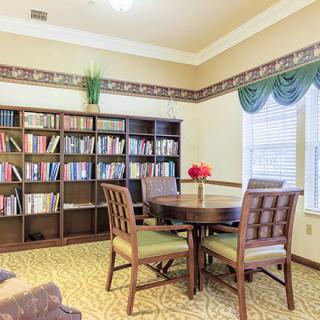
  • Small library Small librarySmall libraries are important for seniors as they provide access to a variety of reading materials, including books, newspapers, and magazines. This can help stimulate their minds, keep them engaged, and provide a sense of community through book clubs and other social activities. Additionally, reading has been shown to improve cognitive function and overall mental well-being in older adults.
  • Telephone TelephoneTelephones are important for seniors as they provide a lifeline for communication with loved ones, emergency services, and healthcare providers. They offer a sense of security and independence, enabling seniors to stay connected and access assistance when needed.
  • Wellness center Wellness centerWellness centers are important for seniors because they offer a variety of programs and services that promote physical, mental, and emotional well-being. These centers provide opportunities for exercise, socialization, education, and relaxation, helping seniors maintain their overall health and quality of life.
  • Wi-Fi/high-speed internet available Wi-Fi/high-speed internet availableWi-Fi/high-speed internet is important for seniors to stay connected with loved ones, access online resources, and participate in virtual activities to combat feelings of loneliness and isolation. It also allows them to easily manage healthcare needs, access entertainment, and engage in lifelong learning opportunities.

Transportation

  • Craven County Regional (4 miles away) Craven County Regional (4 miles away)
  • Community operated transportation Community operated transportationCommunity operated transportation is crucial for seniors as it provides them with the means to access essential services, social activities, and medical appointments. It allows seniors to maintain their independence and quality of life by ensuring they can participate in activities outside of their homes. Additionally, community-operated transportation services offer a safe and reliable way for seniors to travel without having to rely on family or friends for assistance.
  • Transportation & parking Transportation & parkingTransportation and parking are vital for seniors as they offer access to essential services, activities, and social interactions. Reliable transportation options can help seniors maintain independence, stay connected within their community, and enjoy a higher quality of life. Additionally, convenient parking facilities ensure that seniors can easily access necessary resources and amenities without added stress or difficulty.
  • Transportation arrangement Transportation arrangementTransportation arrangements are crucial for seniors as they may face challenges with driving, mobility, or access to public transportation. Having reliable transportation services ensures that seniors can easily attend appointments, social activities, and maintain their independence and quality of life.
  • Transportation arrangement (non-medical) Transportation arrangement (non-medical)Transportation arrangements are essential for seniors as they provide access to essential services, activities, and social interactions outside the home. This service helps maintain independence, mobility, and overall well-being for seniors who may have limited transportation options.
  • Transportation to doctors appointments Transportation to doctors appointmentsTransportation to doctors appointments is crucial for seniors as it ensures they have access to necessary medical care and support, promoting their health and well-being. It allows them to receive timely treatment, monitor existing conditions, and address any new health concerns efficiently. Additionally, transportation services can help seniors maintain their independence and quality of life by enabling them to stay connected with their healthcare providers.

Care Services

  • 12-16 hour nursing 12-16 hour nursing12-16 hour nursing care is crucial for seniors in order to ensure around-the-clock monitoring, timely medication administration, and prompt response to any health concerns or emergencies. This level of care helps to promote the overall well-being and safety of seniors living in senior living communities.
  • 24-hour call system 24-hour call system24-hour call systems are important for seniors because they provide peace of mind and immediate assistance in case of emergencies. This technology ensures that help is always available, promoting safety and security for elderly individuals living alone or in assisted living facilities.
  • 24-hour supervision 24-hour supervision24-hour supervision is important for seniors to ensure their safety, well-being, and access to immediate assistance in case of emergencies or health issues. This constant support provides peace of mind for both seniors and their loved ones, allowing them to age in place with dignity and security.
  • Activities of daily living assistance Activities of daily living assistanceActivities of daily living assistance are important for seniors because they provide essential support with tasks such as eating, bathing, dressing, and mobility. This assistance helps seniors maintain their independence, dignity, and overall quality of life as they age.
  • Ambulatory care Ambulatory care"Ambulatory care services provide essential medical support and treatment to seniors without requiring hospitalization, allowing them to maintain their independence and quality of life while managing chronic conditions or receiving routine medical care."
  • Assistance with bathing Assistance with bathingAssistance with bathing is crucial for seniors as it helps maintain personal hygiene, prevents infections, and ensures their overall well-being and comfort. It also provides a sense of dignity and independence for seniors who may struggle with this task on their own.
  • Assistance with dressing Assistance with dressingAssistance with dressing is important for seniors because it helps maintain their independence, promotes personal hygiene, prevents accidents and injuries, and improves overall quality of life. This service ensures that seniors can continue to dress comfortably and confidently, despite any physical limitations they may have.
  • Assistance with transfers Assistance with transfersAssistance with transfers is crucial for seniors as it helps prevent falls and injuries, maintains their independence, and ensures they can safely navigate their living environment. It also provides peace of mind for both seniors and their loved ones.
  • Diabetes diet Diabetes dietA diabetes diet is crucial for seniors as it helps manage blood sugar levels, reduce risks of complications, and improve overall health and well-being. By following a balanced and nutritious diet tailored to their specific needs, seniors can better control their diabetes and enhance their quality of life.
  • Diabetic care Diabetic careDiabetic care is crucial for seniors as they are more susceptible to developing diabetes due to aging and other health conditions. Proper management of diabetes can help prevent complications such as heart disease, vision loss, and nerve damage, improving the overall quality of life for seniors in senior living communities.
  • Meal preparation and service Meal preparation and serviceMeal preparation and service are crucial for seniors as they may have limited mobility or energy to cook nutritious meals. Having access to healthy and convenient food options can ensure they are getting the proper nutrition needed to maintain their overall health and well-being.
  • Medication management Medication managementMedication management is crucial for seniors to ensure they are taking the right medications at the correct dosages and times. This helps prevent adverse drug interactions, reduces the risk of medication errors, and promotes overall health and well-being. Proactive management also allows for adjustments as needed based on changing health conditions or new prescriptions.
  • Mental wellness program Mental wellness programMental wellness programs are essential for seniors as they promote cognitive stimulation, emotional support, and social engagement. These programs help prevent isolation, depression, and cognitive decline, ultimately enhancing the overall quality of life for older adults.
  • Mild cognitive impairment Mild cognitive impairment"Mild cognitive impairment" is important for seniors because it is an early stage of cognitive decline that can potentially progress to more severe conditions such as dementia. Recognizing and addressing mild cognitive impairment can help seniors receive appropriate care and support to maintain their quality of life and independence for as long as possible.
  • Special dietary restrictions Special dietary restrictionsSpecial dietary restrictions are important for seniors because age-related changes in metabolism and health conditions can make it difficult for their bodies to process certain foods. By following a diet tailored to their specific needs, seniors can maintain their overall health and well-being, manage chronic conditions, and reduce the risk of complications such as malnutrition or food interactions with medications.
  • Specialized memory care programming Specialized memory care programmingSpecialized memory care programming is crucial for seniors with cognitive impairments such as dementia or Alzheimer's disease. These programs provide a safe and supportive environment tailored to the unique needs of individuals with memory loss, helping them maintain their independence, dignity, and quality of life.

Dining

  • Diabetes diet Diabetes dietA diabetes diet is crucial for seniors as it helps manage blood sugar levels, reduce risks of complications, and improve overall health and well-being. By following a balanced and nutritious diet tailored to their specific needs, seniors can better control their diabetes and enhance their quality of life.
  • Meals provided Meals provided"Meals provided" are crucial for seniors in assisted living communities as it ensures they have access to nutritious, balanced meals without the stress of meal planning and preparation. This can help promote overall health and well-being for seniors who may have limited mobility or cognitive abilities.
  • Special dietary restrictions Special dietary restrictionsSpecial dietary restrictions are important for seniors because age-related changes in metabolism and health conditions can make it difficult for their bodies to process certain foods. By following a diet tailored to their specific needs, seniors can maintain their overall health and well-being, manage chronic conditions, and reduce the risk of complications such as malnutrition or food interactions with medications.

Activities

  • Activities off-site Activities off-siteActivities off-site are crucial for seniors as they provide opportunities for socialization, mental stimulation, and physical activity outside of their usual routine. This helps combat feelings of isolation and boredom, promotes overall well-being, and allows seniors to remain engaged in the community.
  • Activities on-site Activities on-siteActivities on-site are important for seniors because they provide opportunities for socialization, mental stimulation, physical activity, and overall well-being. Engaging in activities can help seniors stay active, maintain their independence, and improve their quality of life.
  • Community-sponsored activities Community-sponsored activitiesCommunity-sponsored activities are important for seniors as they provide opportunities for social interaction, mental stimulation, and physical activity. These activities can help improve overall well-being, combat loneliness and isolation, and promote a sense of belonging and purpose among older adults.
  • Concierge services Concierge servicesConcierge services are essential for seniors as they provide assistance with daily tasks and errands, enhance their quality of life by offering convenience and personalized care, and promote a sense of safety and security.
  • Devotional activities offsite Devotional activities offsiteDevotional activities offsite are important for seniors because they provide social engagement, spiritual growth, and a sense of community outside of their living environment. This can improve overall well-being, mental health, and combat feelings of isolation or loneliness.
  • Fitness programs Fitness programsFitness programs are crucial for seniors as they help improve strength, flexibility, balance, and overall well-being. Staying active can reduce the risk of chronic diseases, improve mental health, and enhance quality of life in older adults.
  • Planned day trips Planned day tripsPlanned day trips are important for seniors because they offer opportunities for socialization, mental stimulation, and physical activity. They provide a change of scenery and help seniors stay engaged and connected to their community, promoting overall well-being and quality of life.
  • Resident-run activities Resident-run activitiesResident-run activities are important for seniors as they encourage social interaction, creativity, and a sense of autonomy. These activities empower seniors to stay engaged and active in their community while fostering meaningful connections with their peers.
  • Scheduled daily activities Scheduled daily activitiesScheduled daily activities are important for seniors because they provide structure, socialization, mental stimulation, and physical activity. Engaging in regular activities can improve overall well-being and quality of life for seniors living in a community setting.

Languages Spoken

  • English EnglishEnglish is important for seniors as it allows them to communicate effectively with healthcare providers, understand important information related to their health and medications, stay connected with loved ones, and engage in social activities within their communities. It also opens up opportunities for lifelong learning and intellectual stimulation.

Description

The Gardens Of Trent in New Bern, NC is an assisted living community that offers a wide range of amenities and care services to enhance the quality of life for its residents.

In terms of amenities, residents can take advantage of the beautician on-site and beauty salon services to keep themselves looking and feeling their best. They can enjoy their favorite TV shows with cable or satellite TV in their fully furnished apartments. The community also provides transportation services for outings and appointments, as well as a computer center for those who want to stay connected.

For dining, residents can enjoy delicious meals in the restaurant-style dining room, with special dietary restrictions accommodated. Additionally, there is a small library available for those who love reading.

To promote physical wellness, The Gardens Of Trent offers a fitness room where residents can stay active and healthy. Outdoor space is also available for those who enjoy spending time in nature. Housekeeping services ensure that the living environment remains clean and tidy.

Care services provided by the community include 24-hour call system and supervision to ensure that residents' needs are promptly attended to. Assistance is available for daily activities such as bathing, dressing, and transfers. Medication management helps maintain proper health routines, while special dietary restrictions are taken into consideration during meal preparation and service.

There is a mental wellness program in place to support the emotional well-being of residents, including specialized memory care programming for those with cognitive impairments. Transportation arrangements are made not only for non-medical purposes but also specifically for doctor's appointments.

The Gardens Of Trent also focuses on providing engaging activities for its residents. Community-sponsored events and concierge services create opportunities for social interaction. Fitness programs help individuals stay active, while planned day trips offer exciting adventures outside the community. Residents are encouraged to run their own activities as well as participate in scheduled daily activities.

Overall, The Gardens Of Trent offers a welcoming assisted living community with comprehensive amenities and care services that cater to the well-being and enjoyment of its residents.

Nearby Places of Interest

Frequently Asked Questions

How much does it cost to live at The Gardens Of Trent in New Bern, NC?
What floor plans and room types does The Gardens Of Trent offer?
Where is The Gardens Of Trent?
Does The Gardens Of Trent provide care for residents with dementia or Alzheimer's disease?
What photos are available for The Gardens Of Trent in New Bern, North Carolina?

Nearby Communities

Memory care in Nearby Cities

Related Resources

  • dementia behaviorsDementia Behaviors: In-Depth Understanding and Effective Coping Strategies

    Dementia causes cognitive decline and challenging behaviors that caregivers must manage, necessitating an understanding of the neurological basis of these issues. Effective strategies and self-care for caregivers can enhance support for those with dementia and improve their daily lives.

  • does my mom have dementia quiz5 Early Indicators of Dementia and What You Can Do

    The content outlines five key early indicators of dementia, including significant memory loss and confusion about time and place, while emphasizing the need for professional evaluation and emotional support for both individuals showing symptoms and their caregivers. It encourages family members to monitor these signs closely and use online quizzes for initial awareness.

  • when should someone with dementia go into a care home8 Important Indicators That Memory Care May Be Necessary
    The article highlights eight indicators that a loved one with dementia may require specialized memory care, emphasizing the emotional and logistical challenges families encounter in this decision. It discusses signs such as difficulties with daily tasks, safety concerns, and caregiver burnout, suggesting that memory care facilities can provide the necessary support and structured environments for those experiencing cognitive decline.