For more information about senior living options: (866) 208-4318
4.8 from 119 reviews
5 stars
111
4 stars
4
3 stars
0
2 stars
0
1 stars
4
Overall Review of Help at Home
common24 reviews mention this
Staff responsiveness and patience
Residents repeatedly describe staff as patient, courteous, and quick to help with equipment needs.
Across reviews, residents and family members say the staff is helpful and takes the time to answer questions without rushing. Multiple people mention specific team members being kind and responsive when they needed CPAP, oxygen, or other medical equipment. Several reviews also highlight follow-up support when problems came up after the initial call or visit.
common11 reviews mention this
Fast delivery when time matters
Many reviewers highlight fast turnaround, including same-day and within-hour service.
Several reviews describe urgent situations being handled quickly, such as getting CPAP or oxygen equipment the same day. Others mention arrival within an hour, prompt delivery, and on-time setup. A few reviews also describe rapid action during off-hours situations or when a person was traveling and needed equipment support immediately.
differentiator12 reviews mention this
Setup and training quality
Residents consistently mention knowledgeable setup and clear instructions for using or maintaining equipment.
Reviews frequently emphasize that technicians and representatives explain how to use equipment and provide guidance for the details that affect day-to-day comfort. People describe getting help learning CPAP settings, understanding equipment parts, and knowing how to clean or handle items properly. Others mention hands-on setup being quick and correct, along with explanations about how the equipment should work and what to do if questions come up later.
caveat3 reviews mention this
Billing disputes and rude interactions
A small number of reviewers report problems with billing accuracy or unsatisfactory customer treatment.
While most experiences are positive, some reviewers describe serious dissatisfaction, including alleged false charges and difficulty getting refunds resolved. Others report rude treatment when contacting the company for oxygen or equipment questions. A review also mentions receiving the wrong piece of equipment, which added frustration to the process.
How we summarize
Counts show how many written reviews mention each theme; a review can touch several themes, and only frequently mentioned themes are displayed.
Palliative care focuses on alleviating distress at any stage of a serious illness and can accompany curative treatments, while hospice care is for those nearing the end of life with a prognosis of six months or less, emphasizing comfort over curative measures. Both prioritize holistic care for patients and families but differ in timing, goals, and scope.
Fecal incontinence, prevalent among older adults, arises from factors like weakened pelvic muscles and nerve damage, significantly affecting well-being and social interactions. Diagnosis involves clinical evaluation and tests to inform tailored treatments, while caregivers and preventive measures can aid in managing the condition effectively.
Gardening provides seniors with physical exercise, mental and emotional support, and social interaction opportunities, while accommodating their needs through raised beds and ergonomic tools. It promotes health benefits like improved dexterity and cardiovascular health, encourages sustainable practices, and allows for manageable upkeep with low-maintenance plants.
Get PricingAsk A QuestionSchedule A TourContact Senior Advisor
By clicking submit, you agree to our Partner's Terms of Use. You
also consent to receive calls and texts, which may be autodialed, from our Partner. Your consent is not a condition to
using our Partner's service. Please visit our Partner's Privacy Policy for information about their privacy practices.


 Cats allowed
 Dogs allowed
 Craven County Regional (4 miles away)
 Clean, welcoming facility with friendly staff and well-maintained grounds.






 Understanding the Nuances of Palliative Care and Hospice: A Comprehensive Exploration
 Fecal Incontinence in Older Adults: A Comprehensive Guide
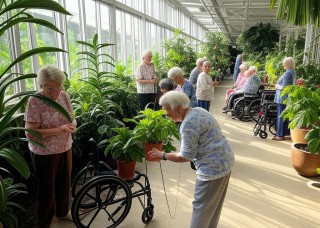 Nurturing Well-Being Through Gardening: A Detailed Guide for Senior Enthusiasts