
11 Distillery Road, Warwick, NY 10990
To contact a resident: (845) 544-2984
For more information about senior living options: (866) 208-4318
Hope Gardens Costs & Pricing
Hope Gardens offers competitive pricing for its accommodations, with both private rooms and one-bedroom units priced at $6,000 per month. This positions Hope Gardens slightly above the average costs in Orange County, where private rooms are available for $5,750 and one-bedroom units for $4,014. In comparison to New York state averages, Hope Gardens still holds its ground, as New York's prices reflect a lower monthly cost of $5,159 for private rooms and $4,307 for one-bedrooms. Overall, while Hope Gardens may be on the higher end within these comparisons, it underscores a commitment to quality and service that often accompanies such pricing in the realm of senior living and assisted care facilities.
| Floor plans | Hope Gardens | Orange County | New York |
|---|---|---|---|
| Private | $6,000 | $5,750 | $5,159 |
| 1 Bedroom | $6,000 | $4,014 | $4,307 |
Memory care communities with a similar price nearby
-
from -$300 / mo
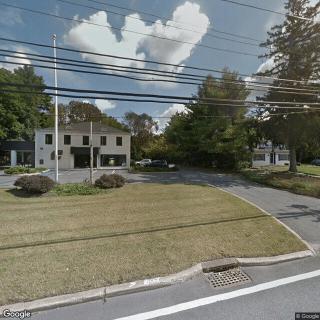
Brandywine Living At Mahwah
$5,700 / month20.3 miles away -
from -$1050 / mo
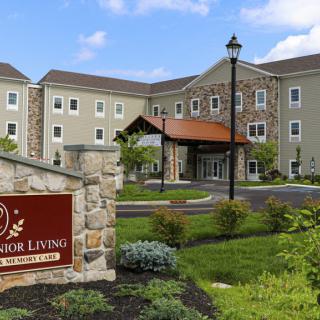
The Chelsea At Sparta
$4,950 to $9,900 / month19.9 miles away -
from -$1050 / mo
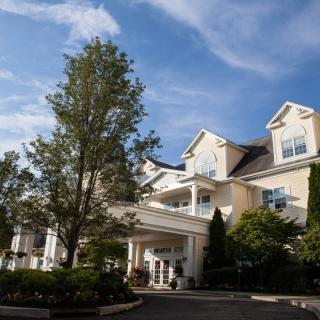
Van Dyk Park Place
$4,950 to $7,500 / month24.7 miles away -
from +$450 / mo
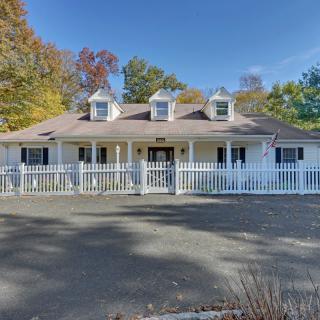
Fox Trail Memory Care Living at Woodcliff Lake
$6,450 / month23.4 miles away -
About the same

Allendale Senior Living Community
$6,000 to $7,950 / month20.8 miles away
Overall Review of Hope Gardens
Pros
 Hope Gardens offers a near-at-home feel with two aides and a small group of residents in a nice, homey environment, owned and operated by an RN.
- The staff are very helpful with the transition, helping the resident settle into the new living environment.
- The community is great: it is clean, the food is good and appealing, and there are many activities offered.
- It is recommended for great care and good value for families.
Cons
 She thought it was uncomfortably small for the number of people.
Review
Hope Gardens in Warwick is best suited for seniors who want a home-like, intimate assisted-living experience with hands-on daily support. The setting centers on a small group, roughly four to five residents, with two aides on site and an owner who is a registered nurse. For families prioritizing personal attention and direct clinical oversight, this community delivers a level of continuity and reassurance that resembles in-home care rather than a large campus atmosphere. The layout and routines emphasize warmth and ease of interaction with caregivers, making the transition feel less clinical and more like settling into a carefully supervised home.
Who may want to consider alternatives? Families seeking a larger campus with expansive common spaces, more varied social networks, and a broader calendar of events may find Hope Gardens too cozy or cramped as numbers grow. Those with significant mobility limitations or specialized medical needs requiring frequent on-site rehabilitation, memory-care amenities, or more structured clinical programs may not find all requirements met in this compact model. If privacy, guest capacity, or a bustling social scene are priorities, it’s prudent to explore larger options that can deliver those attributes more consistently.
The core virtues of Hope Gardens offset the potential drawbacks in meaningful ways. The staff are consistently described as helpful, particularly with the difficult transition that accompanies moving a loved one into care, and the RN ownership provides steady clinical oversight that reassures families about daily medical needs. The intimate two-aide, small-resident approach translates into highly visible caregiving, more like in-home assistance than a hospital corridor, where residents receive frequent attention and quicker response times. The environment remains clean and homey, meals are described as appetizing, and there is a recognized emphasis on activities that foster social connection and mental engagement, all of which counterbalance the lack of breadth that a larger facility would offer.
Where the smaller footprint can bite is in scale. The repeated observation that the setting feels “uncomfortably small for the number of people” points to a real constraint: as occupancy shifts or as social demands evolve, there may be less flexibility for spontaneous gatherings or broader shared experiences than in bigger communities. Still, this limitation is balanced by the upside, less distance to staff, more predictable routines, and a space that encourages familiarity and comfort. For residents who thrive on a calm, predictable day-to-day rhythm and value close relationships with caregivers, the advantages trump the potential downsides.
Practical decision-making comes down to clarifying the live realities behind the routines. Prospective families should ask about current occupancy and how that affects daily programming and meal times, as well as the exact staff-to-resident mix during peak hours. Inquire about the RN’s level of involvement and how day-to-day care is coordinated with aides, because that predictable clinical oversight is a uniquely reassuring element here. A review of room options, privacy measures, and the ease of scheduling private time with loved ones will also help determine if the home-y atmosphere remains comfortable as needs evolve. Finally, verify how activities are curated and whether there is room to tailor them to personal interests, since meaningful engagement remains central to the experience at Hope Gardens.
Bottom line: Hope Gardens represents a solid match for families prioritizing intimate, home-like care with steady staffing and clinical oversight, delivered in a clean, well-run, value-oriented package. It is less suitable for those who want a broader social ecosystem, expansive common areas, or highly varied programming that comes with larger campuses. For the right family, the combination of privacy, close caregiver access, and practical routines makes this community a compelling option worth a thorough visit and a candid discussion about current occupancy, staff structure, and future care plans.
 Board and Care Home
 Memory Care
 Private
 Stewart (21 miles away)
 Ambulatory care
 Diabetic care
 Incontinence care





 Exploring the Contrasts Between Assisted Living and Skilled Nursing
 Vibrant Senior Living: A Comprehensive Guide for Active Older Adults
 Assisted Living and Memory Care: Understanding Their Core Differences