Overall Review of Vestal Park Rehabilitation And Nursing Center
caveat6 reviews mention this
Food gets mixed feedback
Food quality is the most common day-to-day concern and it’s mixed with some praise.
Several residents and families describe the meals as inconsistent, including food that is sometimes cold or lacking flavor. Others mention issues like portion size and getting what was ordered. At the same time, a few reviewers say they’ve seen food that their loved one enjoys, including specifically calling out favorites and generally “pretty good” meals. Overall, dining comes through as a variable experience rather than uniformly dependable.
caveat2 reviews mention this
Staffing is a recurring risk
Some reviewers worry that understaffing can affect supervision and responsiveness.
Two reviews raise concerns about staffing levels. One describes being historically understaffed and says that when staff are stretched thin, it can impact care—citing a serious fall-related outcome. Another reviewer also says the facility seems understaffed, even while describing other aspects of care as positive. These accounts contrast with the broader praise of day-to-day helpfulness, but they are specific enough to stand out.
differentiator2 reviews mention this
Memory-unit care stands out
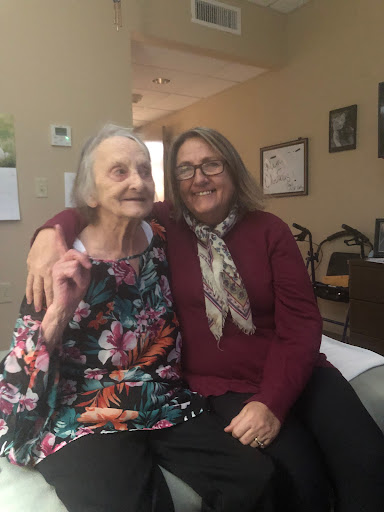
Care on the memory unit is specifically mentioned, including staff who help residents feel happy.
Reviewers who mention memory-related situations describe the experience with more detail than general praise. One highlights a nurse on the memory unit as funny, kind, and making clients happy. Another reviewer describes their family member being moved into a memory unit due to mild dementia and says there are activities for memory patients, with caregiving in the unit seeming to go “pretty good.” Together, these comments suggest memory-care experiences are memorable to families even when overall feedback varies elsewhere.
How we summarize
Counts show how many written reviews mention each theme; a review can touch several themes, and only frequently mentioned themes are displayed.
Features
Housing
180 resident community capacity
Types of Care
Memory Care
Skilled Nursing Facility
Amenities
Air-conditioning
Beauty salon
Cable or satellite TV
Computer center
Dining room
Fitness room
Fully furnished
Gaming room
Garden
Housekeeping services
Kitchenette
Move-in coordination
Outdoor space
Private bathrooms
Restaurant-style dining
Small library
Telephone
Wellness center
Wi-Fi/high-speed internet available
Transportation
Binghamton Regional (11 miles away)
Community operated transportation
Transportation arrangement
Transportation arrangement (non-medical)
Transportation to doctors appointments
Care Services
12-16 hour nursing
24-hour call system
24-hour supervision
Activities of daily living assistance
Assistance with bathing
Assistance with dressing
Assistance with transfers
Diabetes diet
Meal preparation and service
Medication management
Mental wellness program
Special dietary restrictions
Dining
Diabetes diet
Special dietary restrictions
Activities
Community-sponsored activities
Concierge services
Fitness programs
Planned day trips
Resident-run activities
Scheduled daily activities
Nearby Places of Interest
Places of Worship
Our Lady of Sorrows Church (1.7 miles)
St Ambrose Church (3.3 miles)
Our Lady Of Good Counsel (3.7 miles)
Grace Point Church (3.9 miles)
St. Joseph's Church (4 miles)
St Anthony of Padua (4.1 miles)
Church of Jesus Christ of Latter Day Saints (4.3 miles)
Parks
Arnold Park (2 miles)
Vestal Rail Trail Playground (2.8 miles)
Vestal Rail Trail (2.9 miles)
West Endicott Park Carousel (3.7 miles)
Physicians
Fang, Jin Oriental Medical Center (2.1 miles)
Lourdes Hospital: Vestal Medical Associates (2.5 miles)
Vestal Park Rehabilitation and Nursing Center offers a comprehensive approach to memory care through a range of essential services that cater to the diverse needs of residents with dementia or Alzheimer's disease. Assistance with dressing, bathing, and transfers ensures that individuals maintain dignity while receiving the physical support they require. Medication management is crucial for maintaining health and stability, as it helps prevent confusion related to medication schedules. Thoughtful meal preparation and service provide not only nutritious options but also encourage social interaction during dining. Moreover, assistance with activities of daily living promotes independence and boosts self-esteem in residents. The presence of 24-hour supervision provides peace of mind to both residents and their families, ensuring safety at all times. Meanwhile, the mental wellness program fosters cognitive engagement through tailored activities designed to stimulate thinking and enhance emotional well-being, creating an enriching environment that addresses both physical and mental health needs comprehensively.
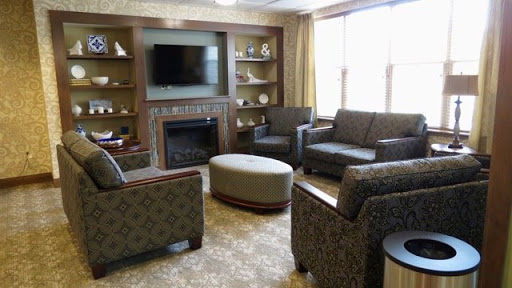
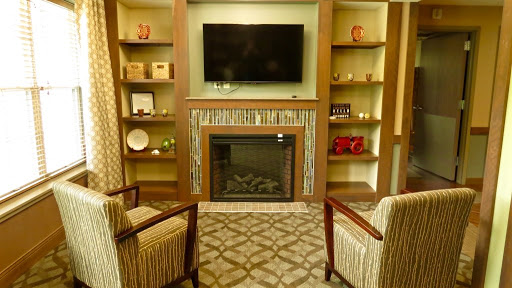
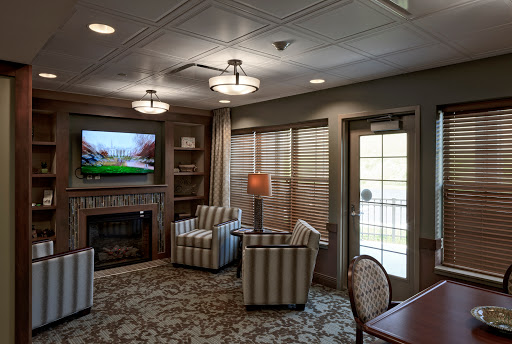
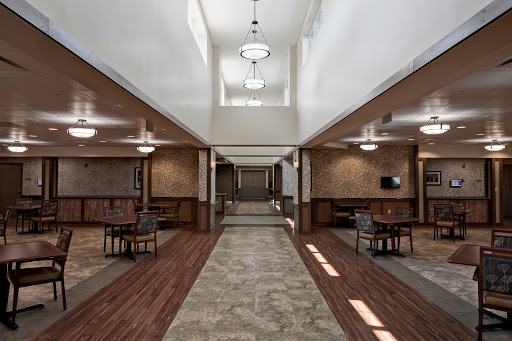
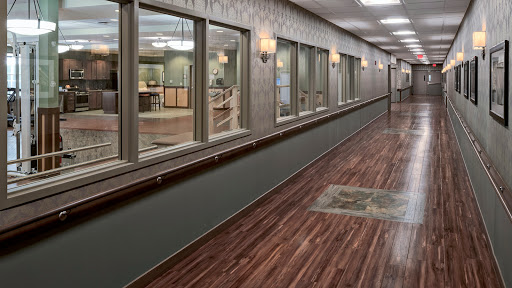
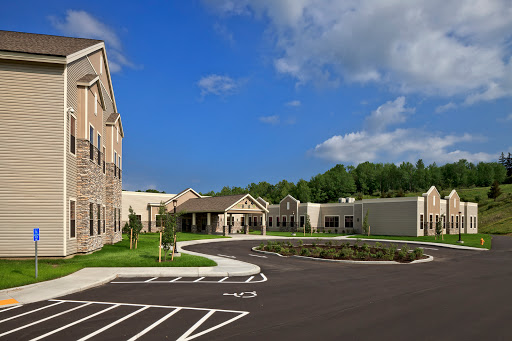
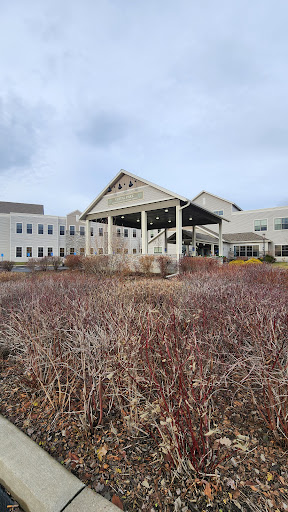
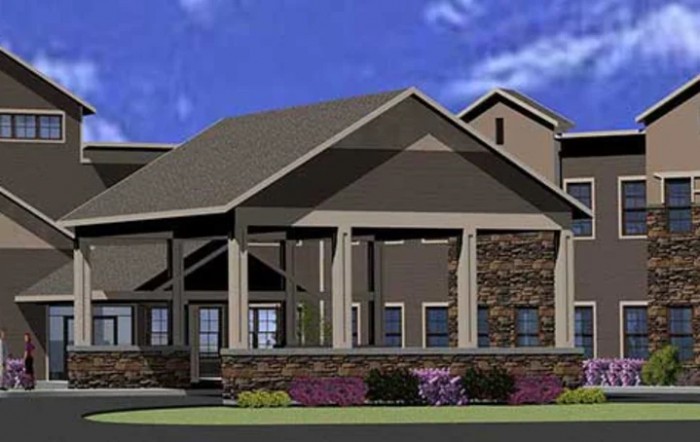
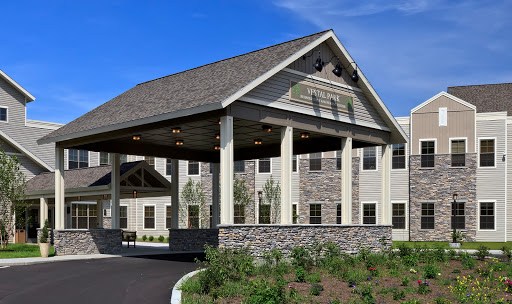
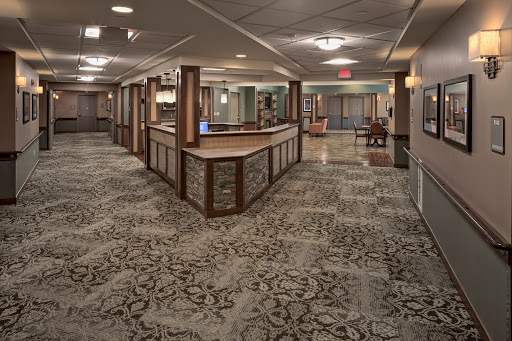
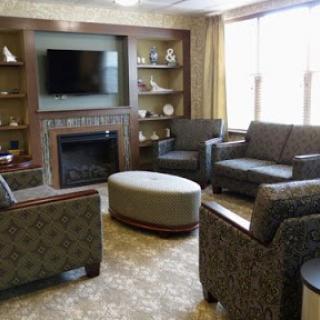
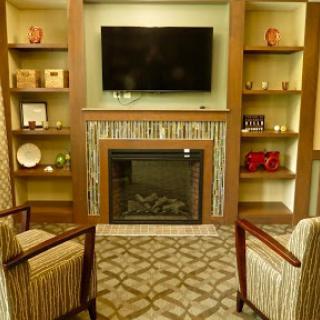
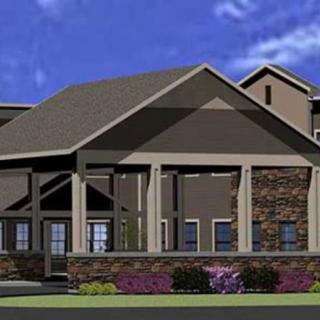
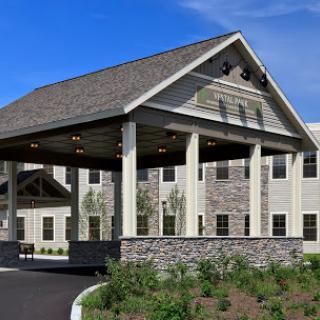
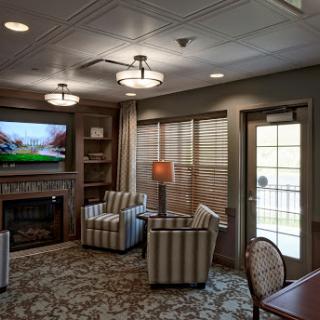
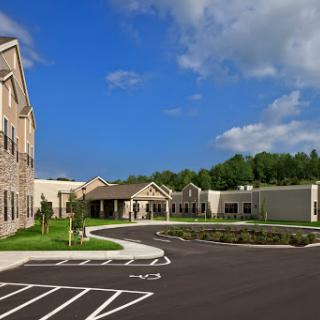
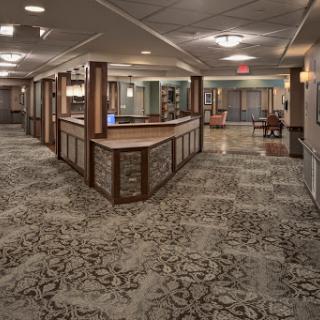
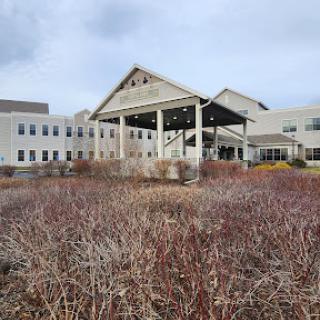
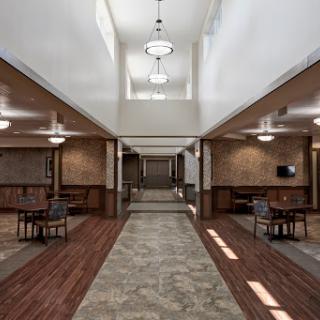
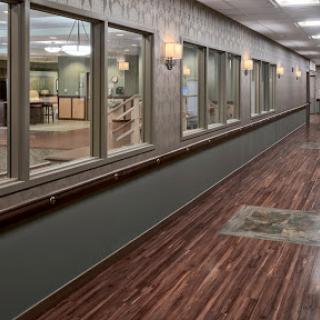
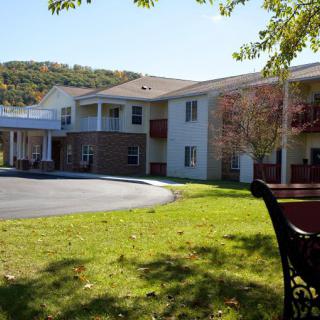
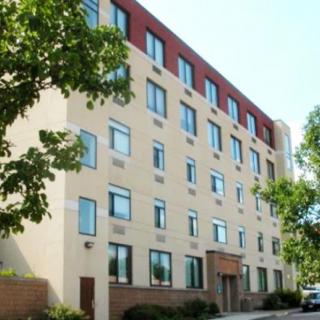
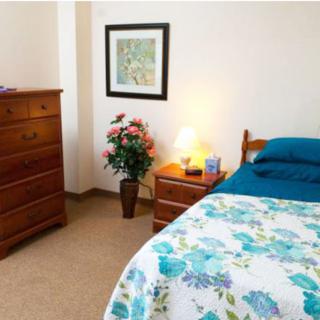
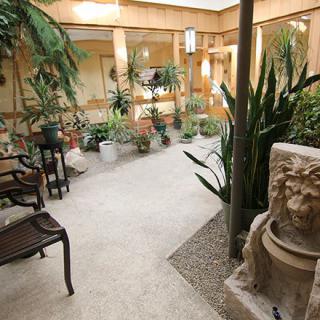
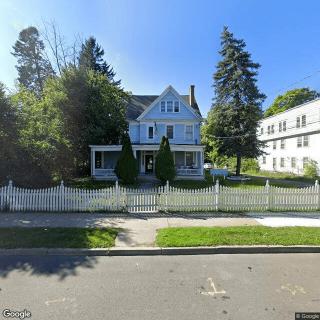
Vestal Park Rehabilitation And Nursing Center on seniors.fyi includes 15 photos including images showing interior, architecture, building, lighting, bedroom, living room, decor, television, and more.
Nearby Communities
The Pavilion At Vestal
Vestal, NY
4.6 from 121 reviews
Clean, welcoming environment with abundant activities and on-site medical care.
Willow Point Rehabilitation And Nursing Center
Vestal, NY
3.7 from 31 reviews
Caring staff with engaging activities and a clean, comfortable environment.
The Hearth at Castle Gardens
Vestal, NY
4.1 from 81 reviews
$2,958 to $5,443 / month
Friendly, caring staff; engaging activities; clean, homey environment; good dining and transparent communication.
Ideal Senior Living Center
Endicott, NY
3.8 from 18 reviews
Extensive on-site amenities and 24/7 care
UHS Senior Living at Ideal
Endicott, NY
3.6 from 28 reviews
Nice dining room with good food; friendly staff and engaging activities.
Long Term Home Health Care
Endicott, NY
5 from 1 review
Extensive nearby amenities and healthcare resources.
Transitioning from assisted living to memory care is driven by an individual's cognitive decline and specific needs, requiring careful evaluation of indicators like increased confusion and wandering. The process involves consulting medical professionals, researching suitable communities, considering financial and legal aspects, and ensuring effective communication for personalized care plans.
The article differentiates between assisted living and memory care, explaining that assisted living supports seniors with daily activities while promoting independence, whereas memory care provides specialized services for individuals with dementia, focusing on secure environments and cognitive support. It also addresses staff training, safety considerations, costs, family involvement, and transition strategies for families navigating these care options.
The article outlines effective communication strategies for interacting with loved ones with dementia, highlighting the need for empathy, patience, and understanding while emphasizing supportive approaches like using simple language, minimizing distractions, and focusing on feelings over facts to maintain dignity and foster connection. It also suggests seeking professional guidance when needed as communication challenges evolve.
Vestal Park Rehabilitation And Nursing Center photos
×
Interior
Decor
Living Room
Building
Architecture
Windows
Landscaping
Lighting
Outdoor
Lobby
Hallway
Healthcare
Rehabilitation
Physical Therapy
Interior
Decor
Bedroom and Potted Plant
Living Room, Television, and Fireplace
Landscaping
Windows
Building and Architecture
Lighting
Outdoor and Nature
Entrance
Lobby
Exterior, Parking, and Facility
Seating
Healthcare
Hallway
Rehabilitation
Physical Therapy
Reception Area
Exercise and Nursing Home
Caregiver
Get PricingAsk A QuestionSchedule A TourContact Senior Advisor
By clicking submit, you agree to our Partner's Terms of Use. You
also consent to receive calls and texts, which may be autodialed, from our Partner. Your consent is not a condition to
using our Partner's service. Please visit our Partner's Privacy Policy for information about their privacy practices.







 180 resident community capacity
 Memory Care
 Skilled Nursing Facility
 Air-conditioning
 Beauty salon
 Cable or satellite TV
 Computer center
 Dining room
 Fitness room
 Fully furnished
 Gaming room
 Garden
 Housekeeping services
 Kitchenette
 Move-in coordination
 Outdoor space
 Private bathrooms
 Restaurant-style dining
 Small library
 Telephone
 Wellness center
 Wi-Fi/high-speed internet available
 Binghamton Regional (11 miles away)
 Community operated transportation
 12-16 hour nursing
 24-hour call system
 Activities of daily living assistance
 Assistance with bathing
 Assistance with dressing
 Assistance with transfers
 Diabetes diet
 Medication management
 Mental wellness program
 Special dietary restrictions
 Concierge services
 Planned day trips
 Clean, welcoming environment with abundant activities and on-site medical care.

 When to Transition from Assisted Living to Memory Care: Key Indicators, Steps, and Finding the Right Community
 Understanding the Distinctions: Assisted Living and Memory Care Explained
 How to Communicate with a Loved One Living with Dementia: 10 Supportive Strategies