
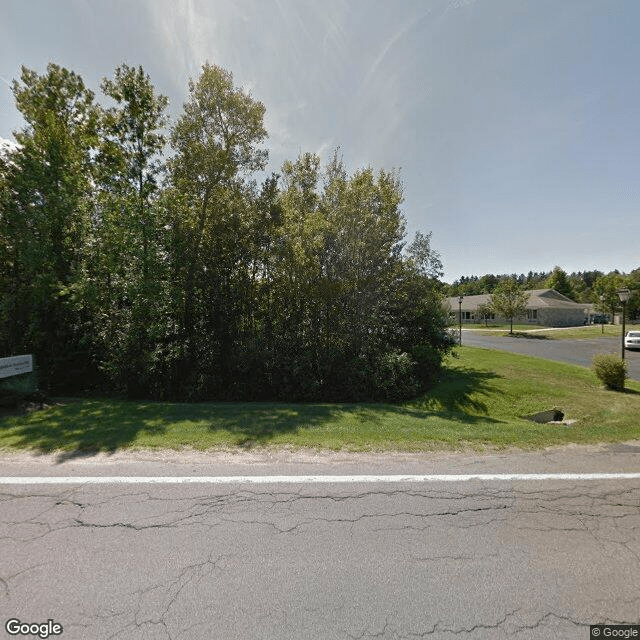
10 County Route 45A, Oswego, NY 13126
To contact a resident: (315) 343-5658
For more information about senior living options: (866) 208-4318
Overall Review of Springside At Seneca Hill
Pros
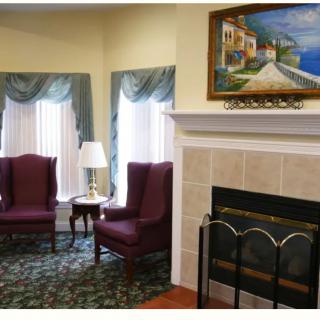
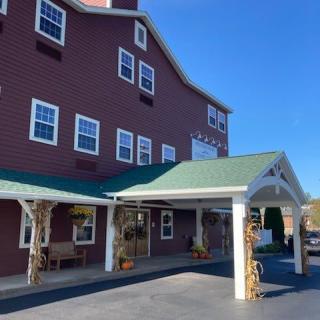
 The setting is beautiful.
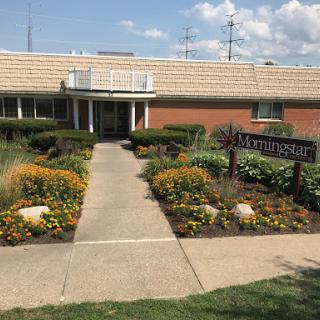
- The complex appears to be very well maintained.
- The facility is recommended for senior living and offers one- and two-bedroom apartments.
- Residents can remain for many years.
Cons
 The facility does not provide memory-care services.
- The facility is not an assisted living facility or a nursing home.
Review
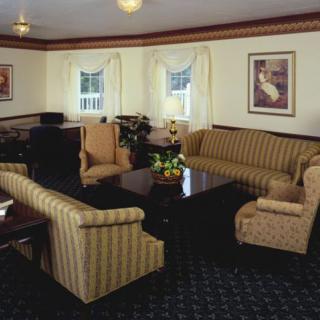
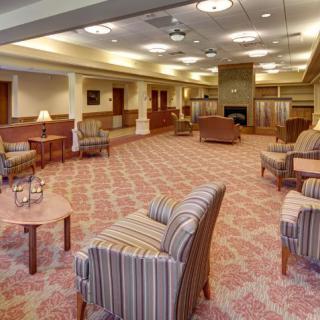
Springside at Seneca Hill in Oswego is best suited for independent seniors who want a comfortable, self-contained living arrangement, one- and two-bedroom options in a well-kept, scenic setting, with the stability that comes from a long-tenured, resident-focused community. This is a place where residents can settle in for years, enjoy a pleasant campus, and rely on the basics of maintenance, safety, and a predictable daily routine. The emphasis is on providing a homey, apartment-style environment rather than a care continuum, so it appeals to those who value privacy, autonomy, and a sense of community without immediate need for memory care or on-site nursing services.
That clear boundary matters for families weighing alternatives. Springside does not offer memory care, assisted living services, or skilled nursing, and it is not positioned as a facility for individuals experiencing dementia or advanced health needs. Those realities should steer anyone with memory loss, significant daily care requirements, or escalating medical supervision needs toward communities that provide dedicated memory-care programs or higher-level on-site care. If the expectation is a campus that can adapt to varying levels of care over time, Springside may fall short, and other options will likely serve better in the long run.
From a practical standpoint, the strongest positives are the environment and the basic assurances of independence. The property is described as beautiful and well maintained, which translates into fewer maintenance headaches and a more predictable living experience. The availability of one- and two-bedroom apartments broadens the appeal to couples or residents who want more space than a studio offers. A long-tenured resident base, evidenced by a parent living there for more than five years, signals satisfaction, continuity of management, and a community where neighbors stay put, contributing to a stable social fabric and reliable routines.
The main drawbacks center on the mismatch between what Springside delivers and what some seniors eventually require. The absence of memory care and higher levels of assistance means that any decline in cognitive function or functional independence must be managed elsewhere, with planning for a transition when care needs intensify. The reviews donā€™t reveal a spectrum of on-site supportive services, which reinforces that Springside is best viewed as a home base for independent living rather than a stepping-stone for escalating care. For families, this creates a crucial forward planning task: ensure a concrete plan for future care transitions, should memory issues or nursing needs arise.
When considering whether Springside offsets its limitations, the answer hinges on priorities. For households prioritizing autonomy, legible costs, and a serene, well-kept living environment, the pros largely offset the lack of on-site care. The beauty of the setting, the sense of stability from long-term residency, and the straightforward apartment living model can reduce daily stress and simplify life, especially for seniors who value privacy and routine over proximity to intensive services. The trade-off is clear: the peace of mind that comes from a pleasant, low-maintenance home, balanced against the reality that any future escalation in care must be pursued off-site or in a different community.
In sum, Springside at Seneca Hill stands out for independent seniors who prize autonomy, a calm and beautiful setting, and dependable maintenance, with the understanding that memory care or on-site assisted living is not available. It is a strong recommendation for couples or individuals who expect to stay at this level of care long term and who have a plan in place if cognitive or functional needs grow. For those whose loved one may eventually require memory-support, or who anticipate a need for regular assistance or nursing supervision, it is wise to explore alternatives now and compare how other communities structure memory care, care coordination, and transition options. The right fit is a clear decision: Springside is a solid home base for independent living, not a bridge to greater care.
 Memory Care



 Assisted Living and Memory Care: Understanding Their Core Differences
 Choosing the Right Senior Care: A Detailed Exploration of Assisted Living and Nursing Homes
 Safeguarding Your Memory Through the Golden Years: Eight Ways to Preserve Cognitive Health