Park Terrace at Radisson offers competitive pricing for its senior living accommodations compared to both Onondaga County and the broader New York state averages. For semi-private rooms, residents can expect a monthly cost of $3,916, which is significantly lower than the county's average of $4,755 and even more favorable relative to the state average of $4,389. Additionally, studio rooms are priced at $5,182, placing them above the county average of $4,296 but still within a reasonable range when looking at the state level where studio rates average around $4,532. This positioning indicates that while Park Terrace may offer some higher-end options in terms of private accommodations, it remains an appealing choice for those seeking affordability in semi-private arrangements without compromising on quality care and community living.
Floor plans
Park Terrace at Radisson
Onondaga County
New York
Semi-Private
$3,916
$4,755
$4,389
Studio
$5,182
$4,296
$4,532
Memory care communities with a similar price nearby
Residents and families commonly describe staff as helpful, kind, and responsive.
Many reviews say the staff takes requests seriously, communicates with families, and responds quickly when issues come up. Several also highlight individual team members for supportive, attentive care. A few reviews temper this by saying some helpers were not as proactive during certain care moments, or that staffing experience wasn’t strong enough for more advanced needs.
differentiator8 reviews mention this
Meals feel restaurant-style
Dining stands out with restaurant-style service and meal options people enjoy.
Multiple residents and families describe dining as restaurant-like, with servers coming to take orders rather than cafeteria-style meals. Reviews also mention good meal plans and people enjoying specific foods, and one family notes snacks are available. The community also offers special diet options such as low or no-sodium and no-sugar meals for residents who need them.
common8 reviews mention this
Activities keep residents engaged
Reviews frequently mention a steady flow of activities and outings.
Several reviews credit the community with keeping residents busy through group exercises, social events, and planned activities, including gospel singing and bingo. Others mention the variety of options for both on-site interests and outings via transportation. A couple of reviews note limitations, such as not enough activities for every person or difficulty matching the level of engagement for more advanced residents.
differentiator6 reviews mention this
Memory care gets dedicated attention
Memory care residents are described as supported with structured routines and monitored care.
Families describe memory care as having a dedicated environment and a focus on daily routine, including stimulating activities and consistent structure. Some reviews specifically mention medication and respiratory treatments being monitored by dedicated nurses. There are also concerns from a minority of reviewers about limited experienced help in the locked setting for more advanced Alzheimer’s needs.
caveat3 reviews mention this
Pricing can feel tight for some
Some families felt pricing was higher than expected or worth confirming before moving forward.
While several reviews recommend checking pricing and mention it changed recently, at least one family says the community was a little out of their price range. Others describe the cost as reasonable, which suggests experiences vary by unit needs and expectations. Overall, it’s a good idea for families to confirm the level of care they need aligns with what’s included in the pricing.
How we summarize
Counts show how many written reviews mention each theme; a review can touch several themes, and only frequently mentioned themes are displayed.
Features
Housing
65 resident community capacity
Studio apartments
Types of Care
Assisted Living
Memory Care
Pets
Cats allowed
Dogs allowed
Amenities
Activities on-site
Air-conditioning
Beautician on-site
Beauty salon
Cable or satellite TV
Cafe
Computer center
Devotional services off-site
Dining room
Financial aid
Financing advice
Fitness room
Fully furnished
Gaming room
Garden
Guest parking
Hiking trails
Home sale assistance
Housekeeping services
Indoor common areas
Kitchenette
Laundry
Move-in coordination
Outdoor space
Private bathrooms
Resident parking
Respite or short term stays offered
Restaurant-style dining
Small library
Telephone
VA Benefits Consultation
Wellness center
Wi-Fi/high-speed internet available
Transportation
Syracuse-Hancock International (11 miles away)
Community operated transportation
Transportation & parking
Transportation arrangement
Transportation arrangement (non-medical)
Transportation to doctors appointments
Care Services
12-16 hour nursing
24-hour call system
24-hour supervision
Activities of daily living assistance
Ambulatory care
Assistance with bathing
Assistance with dressing
Assistance with transfers
Diabetes diet
Diabetic care
Incontinence care
Meal preparation and service
Medication management
Mental wellness program
Mild cognitive impairment
Physical therapy
Special dietary restrictions
Specialized memory care programming
Dining
Diabetes diet
Low / no sodium
Meals provided
No Sugar
Restaurant style dining
Special dietary restrictions
Activities
Activities off-site
Activities on-site
Arts and crafts
BBQs or picnics
Book club
Catholic services
Community-sponsored activities
Concierge services
Cooking classes
Day trips and outings
Devotional activities offsite
Fitness programs
Games
Gardening club
Happy hour
Live dance or theater performances
Live musical performances
Planned day trips
Religious services
Reminiscence programs
Resident-run activities
Scheduled daily activities
Trivia games
Wii bowling
Languages Spoken
English
Nearby Places of Interest
This part of Baldwinsville, New York offers a convenient and diverse range of amenities for senior living. With several restaurants within a few miles, including popular chains like Five Guys and Chick-Fil-A, seniors have plenty of dining options to choose from. Additionally, there are multiple cafes such as Starbucks for socializing or enjoying a cup of coffee. Access to pharmacies like Wegmans and Walgreens ensures easy access to medications and healthcare products. For medical needs, there are physicians specializing in various fields nearby, as well as hospitals like St Josephs Hospital Mental Health Services within a reasonable distance. The presence of parks like Van Buren Park and Onondaga Lake Park provide opportunities for outdoor recreation and relaxation. Places of worship such as The Vineyard Church offer spiritual support and community engagement. Overall, this area provides a well-rounded environment with convenient services and facilities for seniors looking to settle in Baldwinsville.
Restaurants
Five Guys Burgers & Fries (2.4 miles)
McDonald's (2.5 miles)
Friendly's (2.6 miles)
Chick-Fil-A (3.1 miles)
Smokey Bones Bar & Fire Grill (3.2 miles)
Burger King (3.2 miles)
Taco Bell (3.4 miles)
Cafes
Starbucks (2.4 miles)
Freedom of Espresso (7.1 miles)
Starbucks (9 miles)
Pharmacies
Wegmans (3 miles)
Rite Aid (3.2 miles)
Walgreens (3.6 miles)
Wegmans (4.9 miles)
Walgreens (5.4 miles)
Wegmans (7.6 miles)
Kinney Drugs (7.8 miles)
Physicians
Mondo Optical (3.5 miles)
Syracuse Gastroenterologist (3.7 miles)
Dr. David Paul (3.7 miles)
Family Medicine Associates of Cny PC (7.2 miles)
Merola Family Dentistry of Liverpool (7.6 miles)
Syracuse Hematology-Oncology PC (8 miles)
Cardiovascular Group of Syracuse (8 miles)
Parks
Van Buren Park (4.3 miles)
Long Branch Park (5.2 miles)
Clay Park Central (6.2 miles)
Onondaga Lake Park (7.2 miles)
Hamlin Marsh (8 miles)
Heritage Park (8.4 miles)
Camillus Erie Canal Park (9 miles)
Places of Worship
The Vineyard Church (5.7 miles)
St Paul's Lutheran Church (7.1 miles)
Fulton First United Methodist Church (10.2 miles)
Hospitals
St Josephs Hospital Mental Health Services (8.5 miles)
Park Terrace at Radisson offers competitive pricing for its senior living accommodations compared to both Onondaga County and the broader New York state averages. For semi-private rooms, residents can expect a monthly cost of $3,916, which is significantly lower than the county's average of $4,755 and even more favorable relative to the state average of $4,389. Additionally, studio rooms are priced at $5,182, placing them above the county average of $4,296 but still within a reasonable range when looking at the state level where studio rates average around $4,532. This positioning indicates that while Park Terrace may offer some higher-end options in terms of private accommodations, it remains an appealing choice for those seeking affordability in semi-private arrangements without compromising on quality care and community living.
Park Terrace at Radisson offers a comprehensive suite of services designed to support residents with dementia or Alzheimer's disease, ensuring their safety and well-being. The 24-hour supervision provides constant oversight, allowing staff to promptly address any needs or emergencies that arise. Assistance with activities of daily living, including bathing, dressing, and transfers, promotes independence while respecting the dignity of residents, making daily routines easier to navigate. Incontinence care is handled sensitively, fostering comfort and privacy. Meal preparation and service cater to nutritional needs, while medication management ensures adherence to prescribed treatments. The mental wellness program combined with specialized memory care programming addresses cognitive challenges through engaging activities tailored for varying levels of cognitive impairment. Furthermore, physical therapy helps maintain mobility and overall health, reinforcing a holistic approach to care that prioritizes both physical and emotional well-being for those in various stages of memory decline.
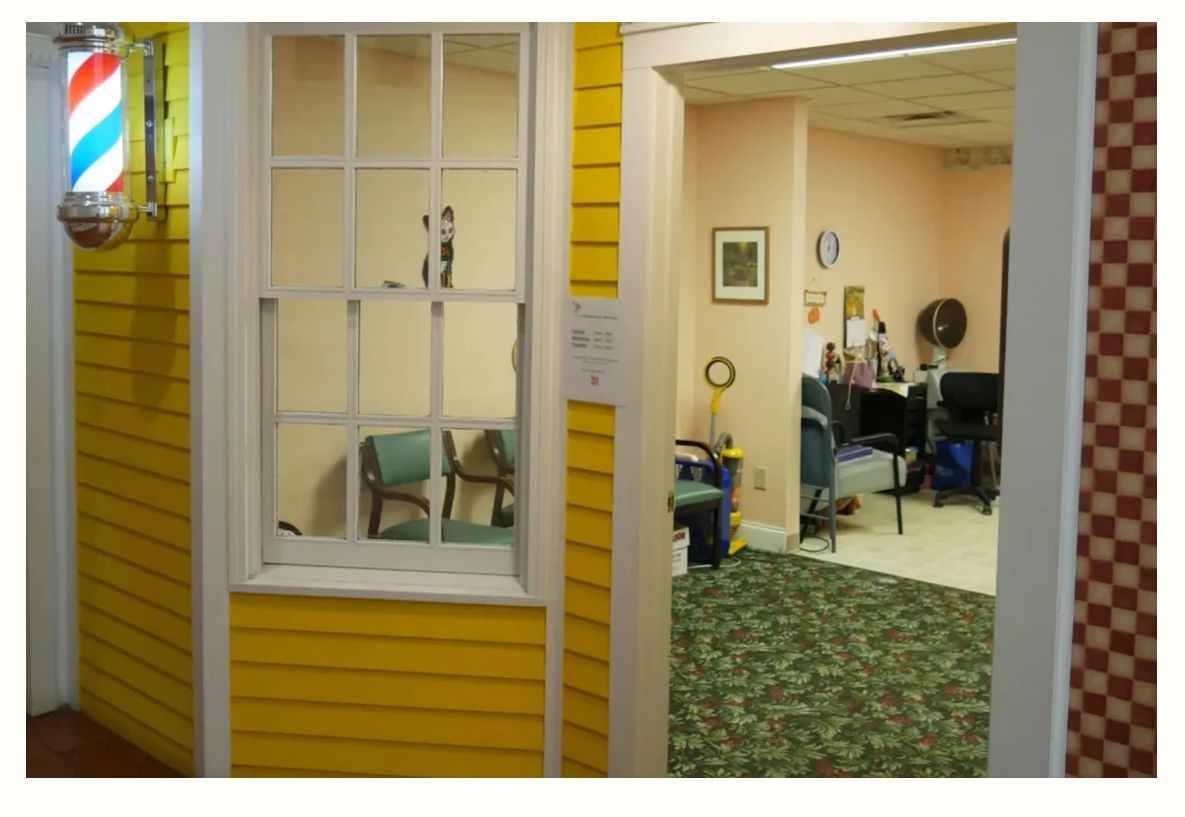
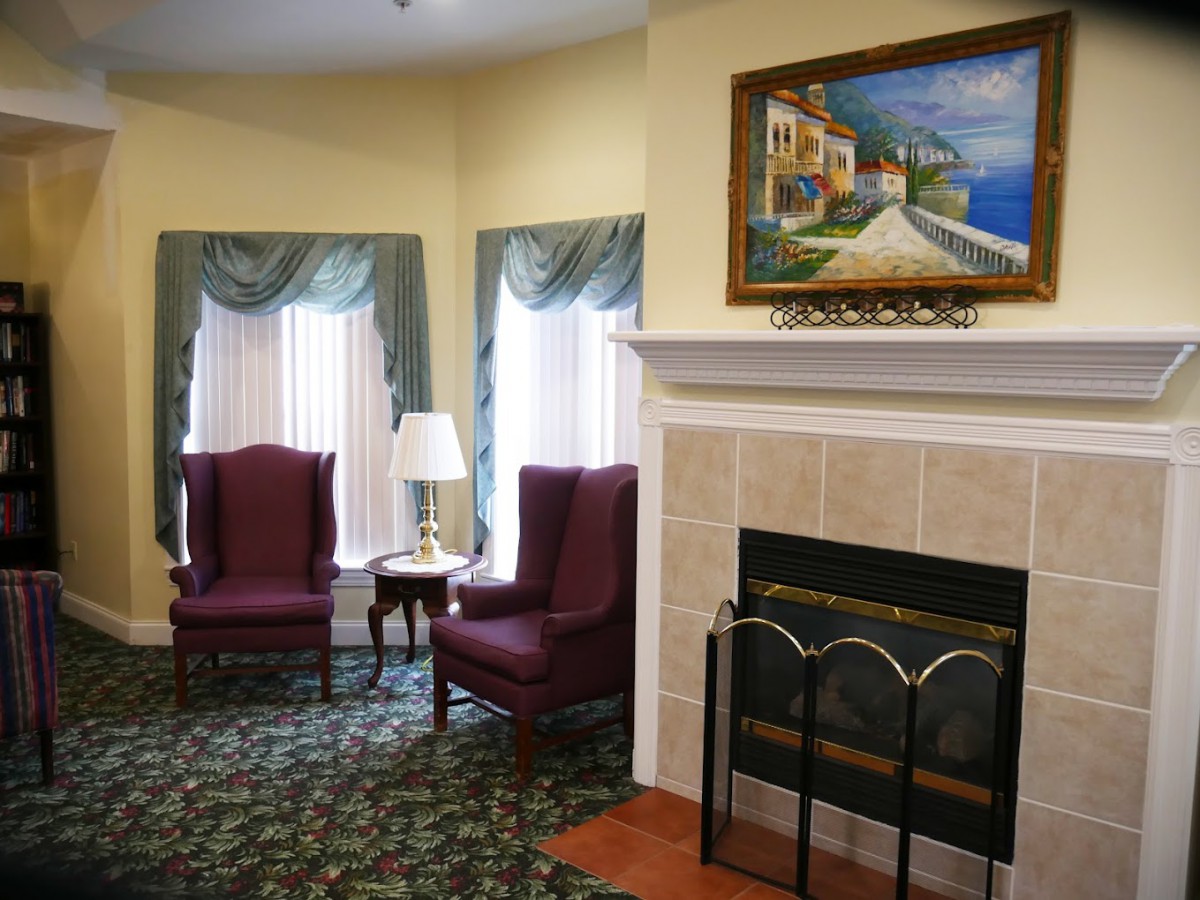
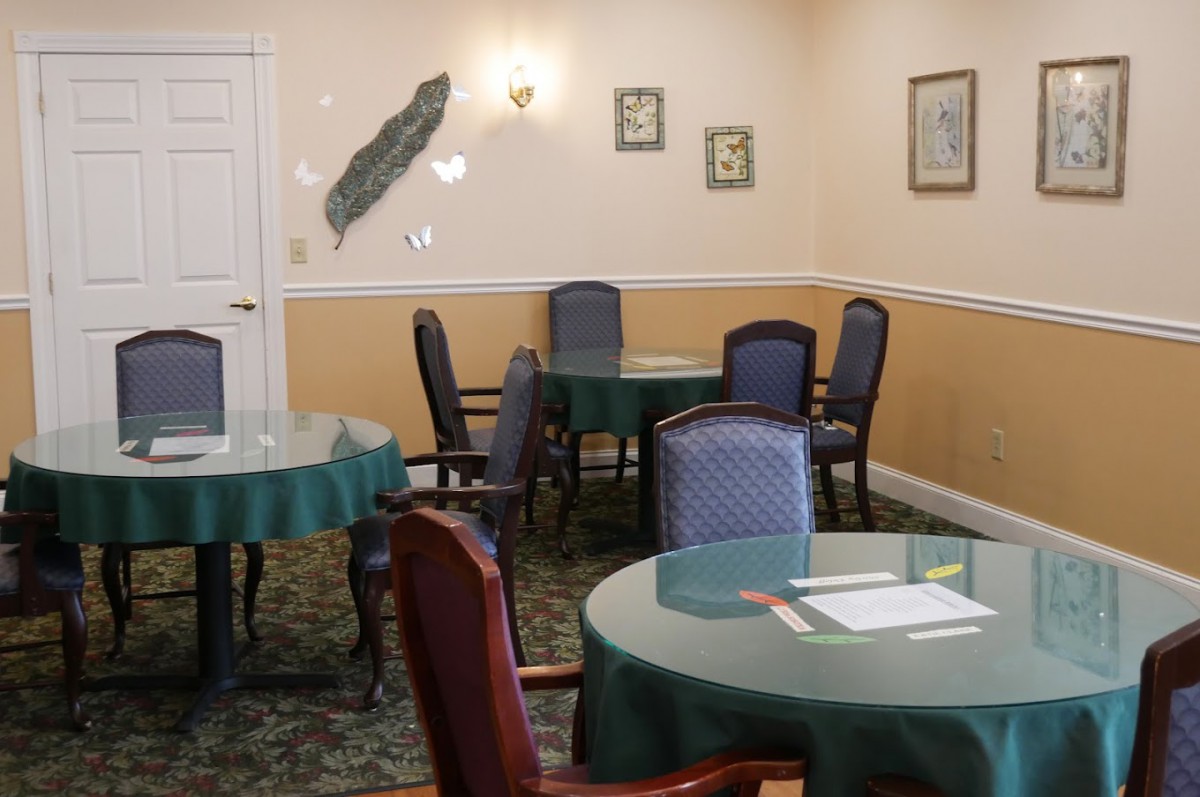
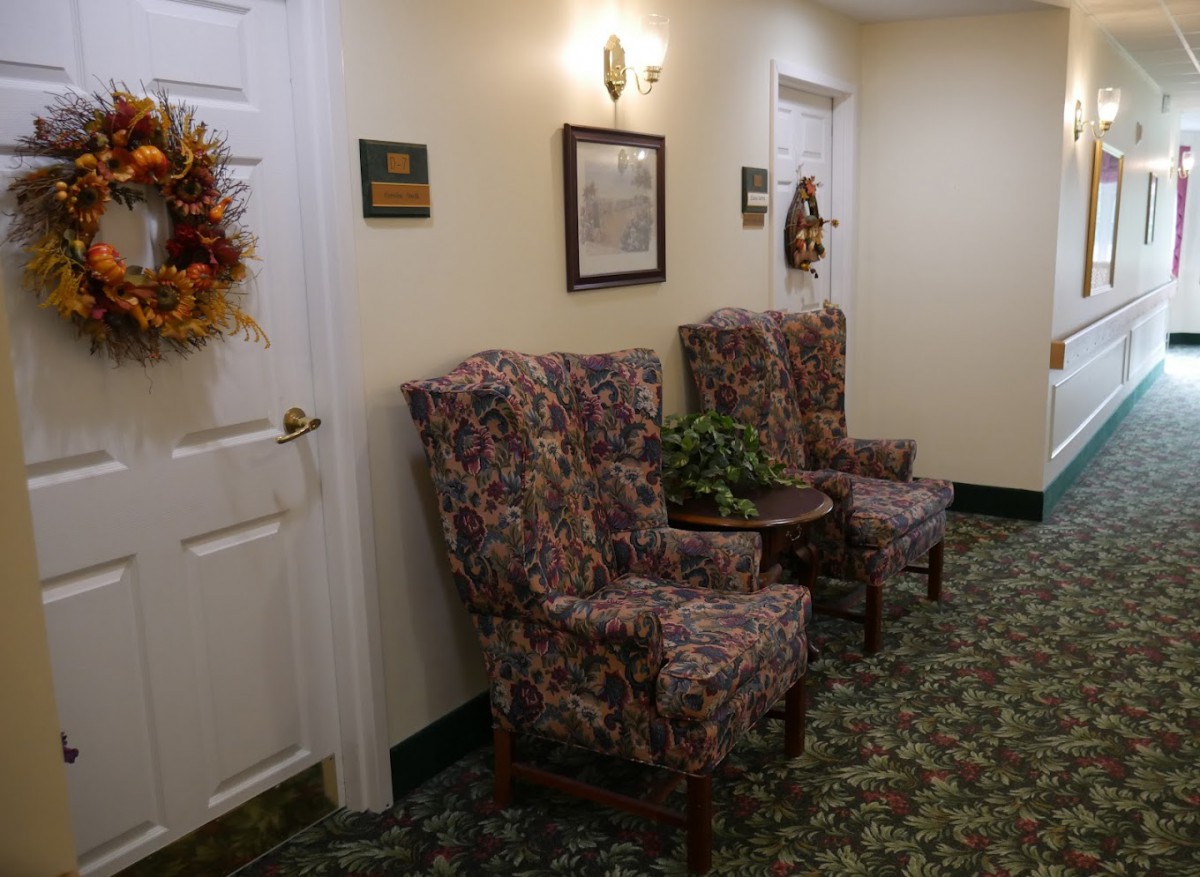
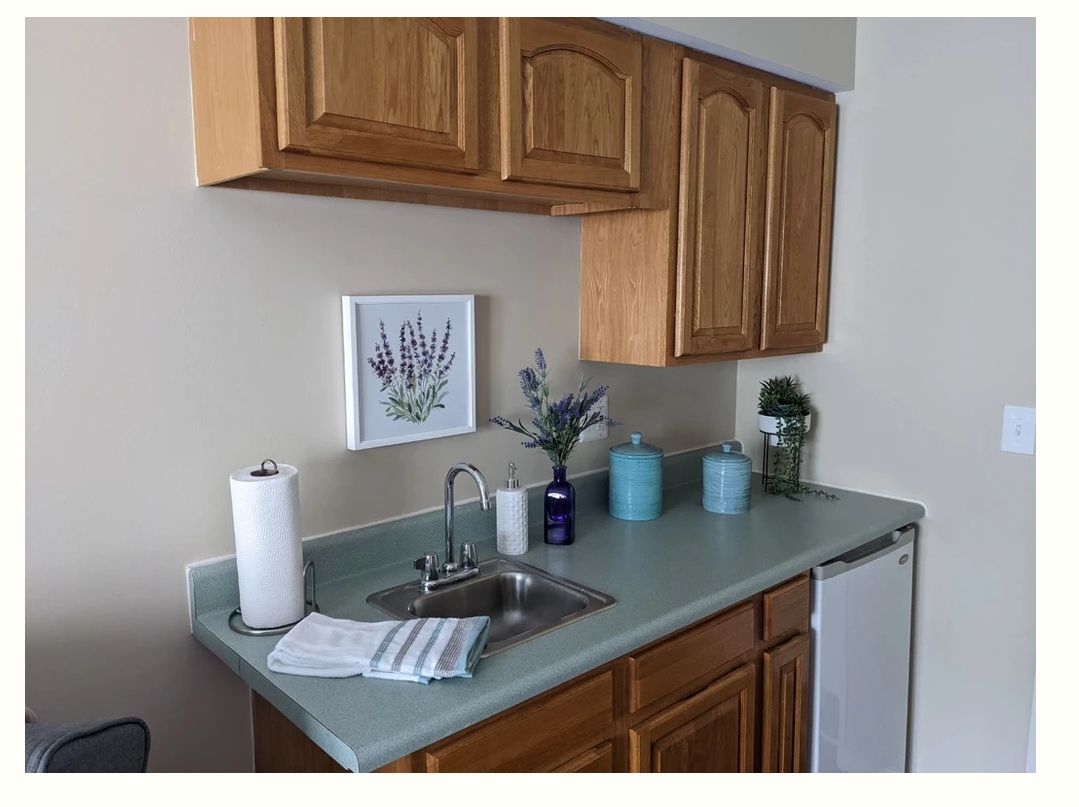
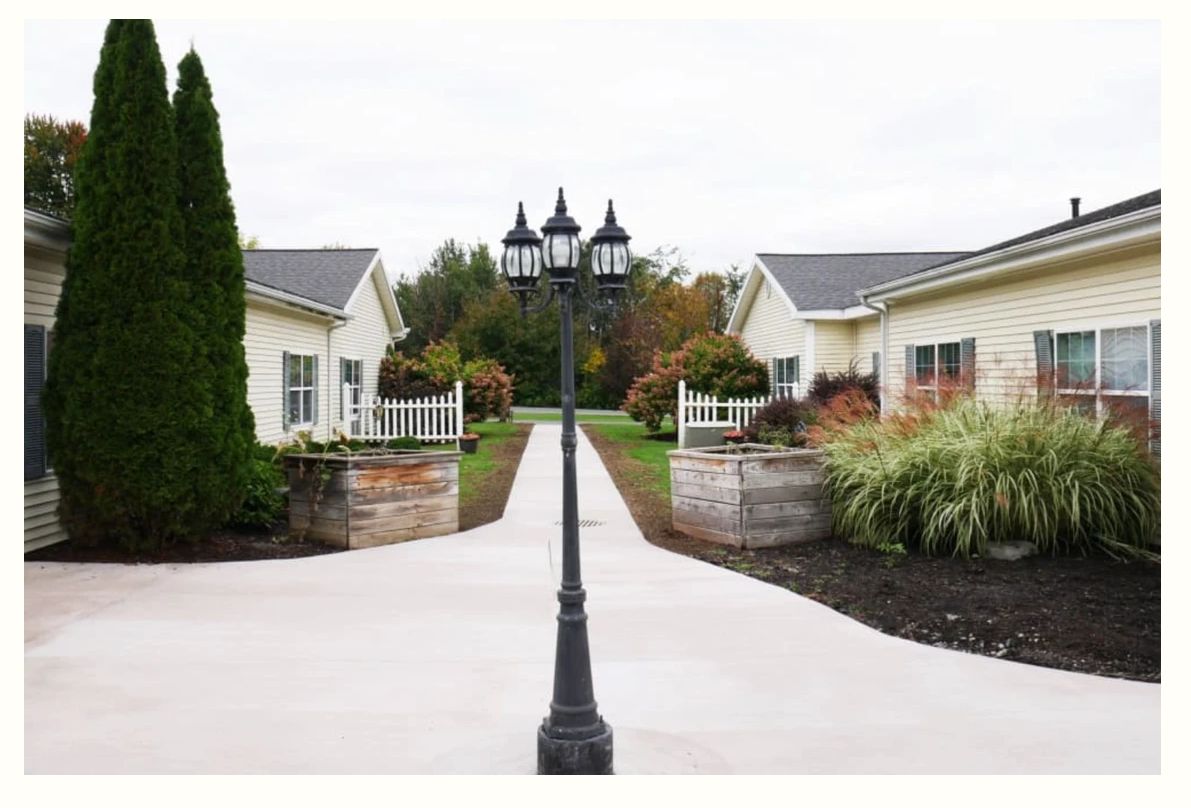
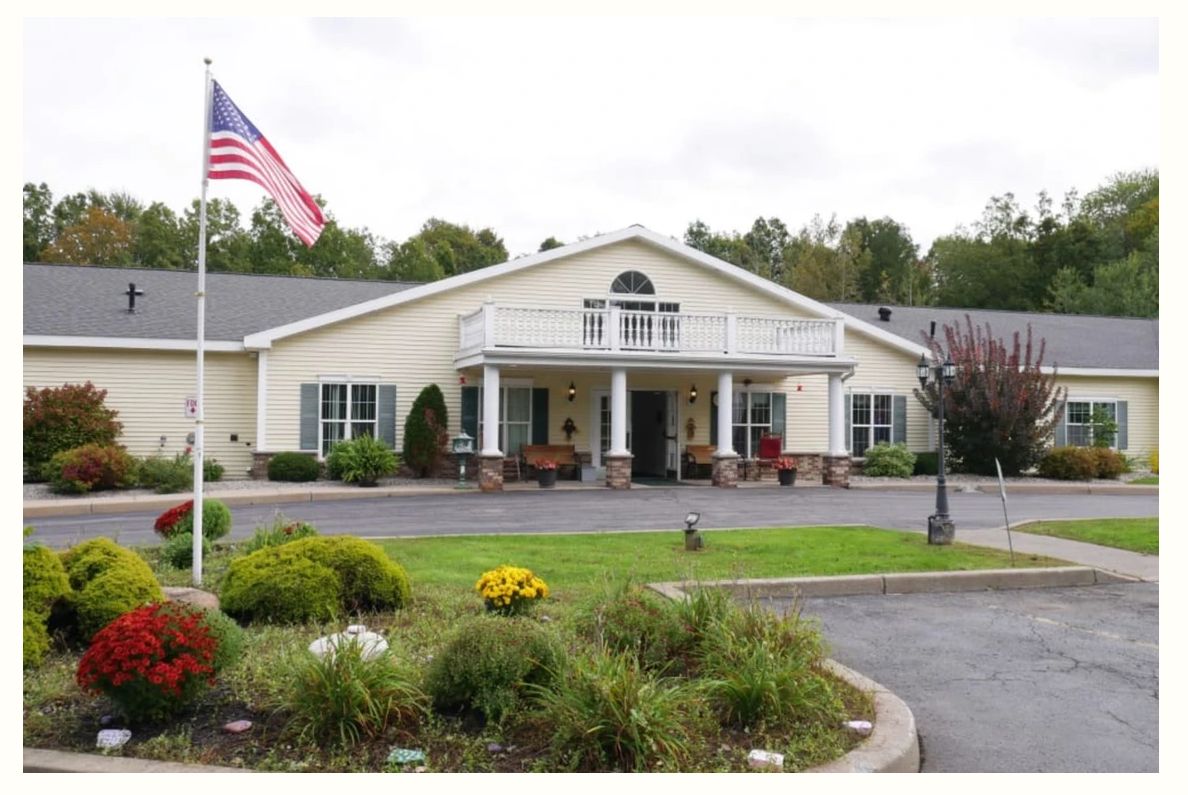
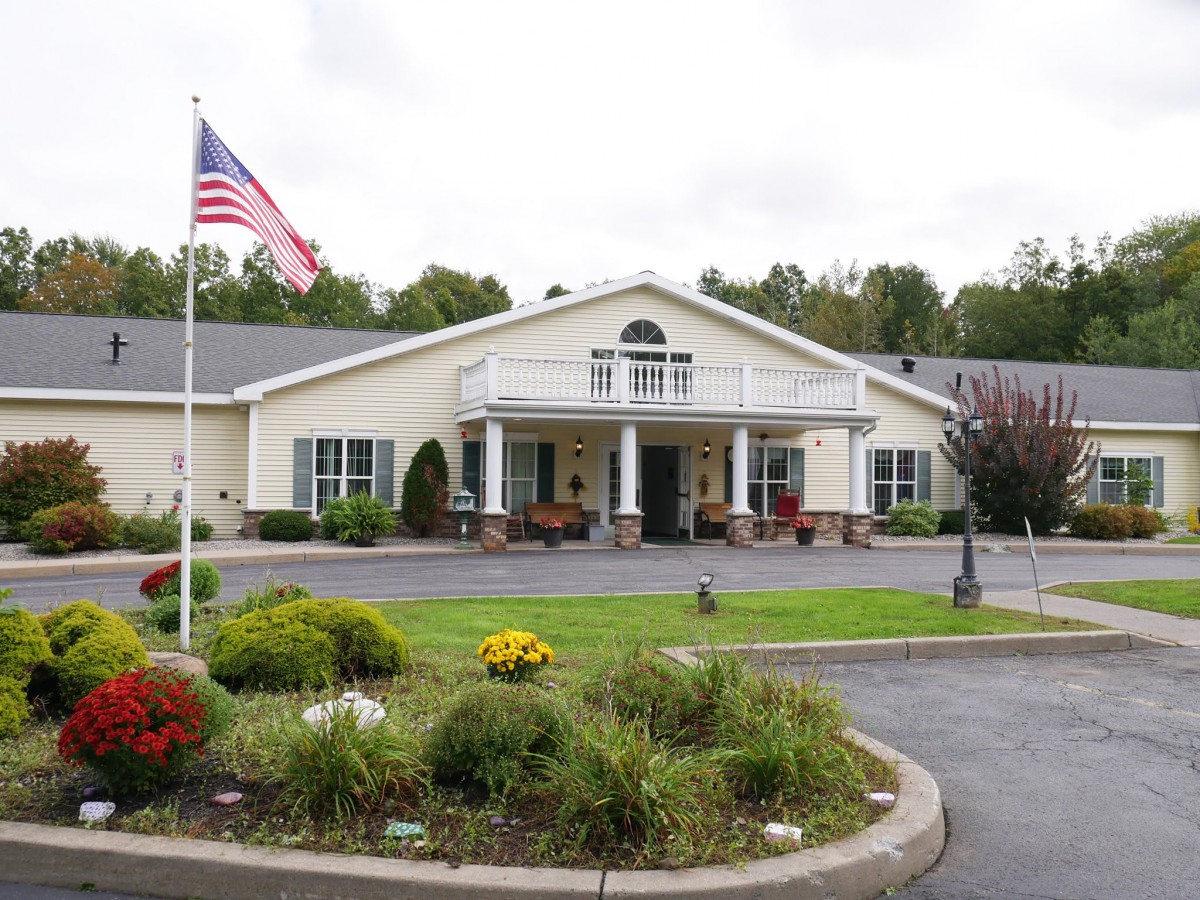
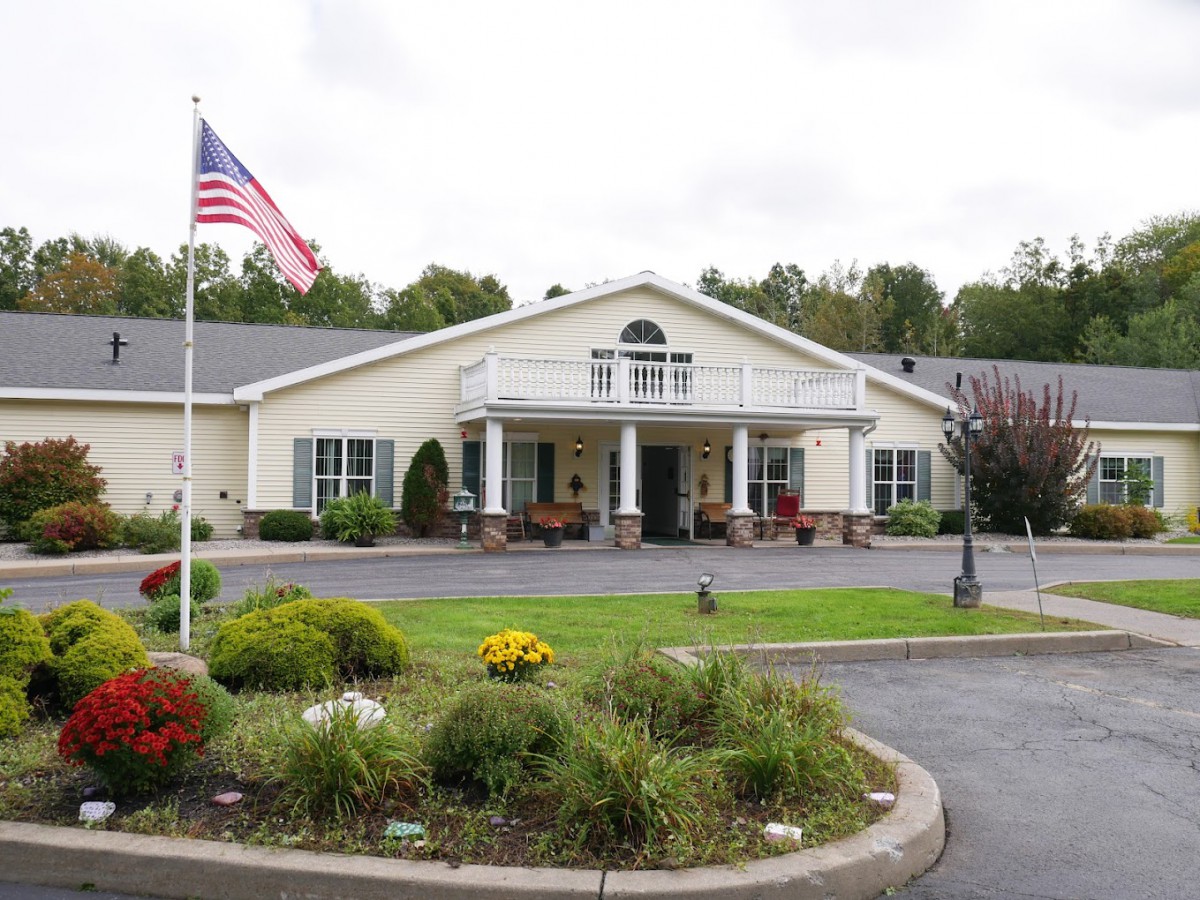
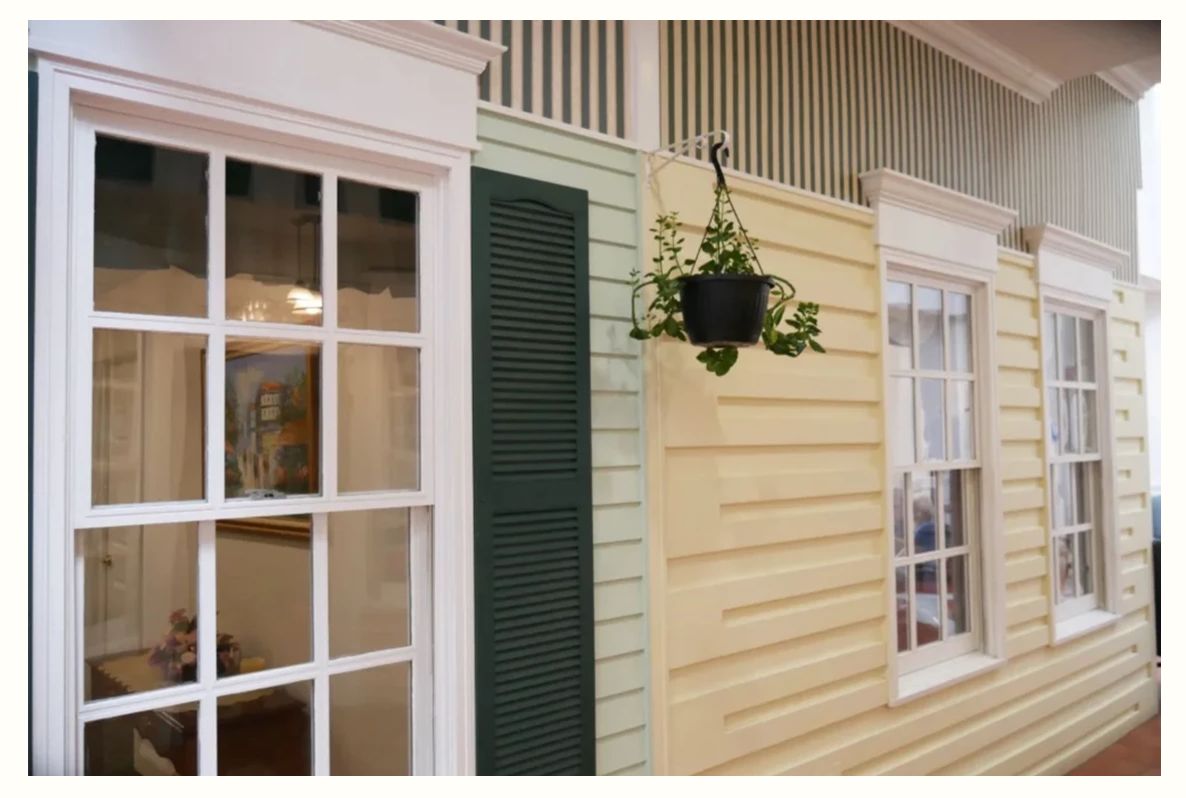
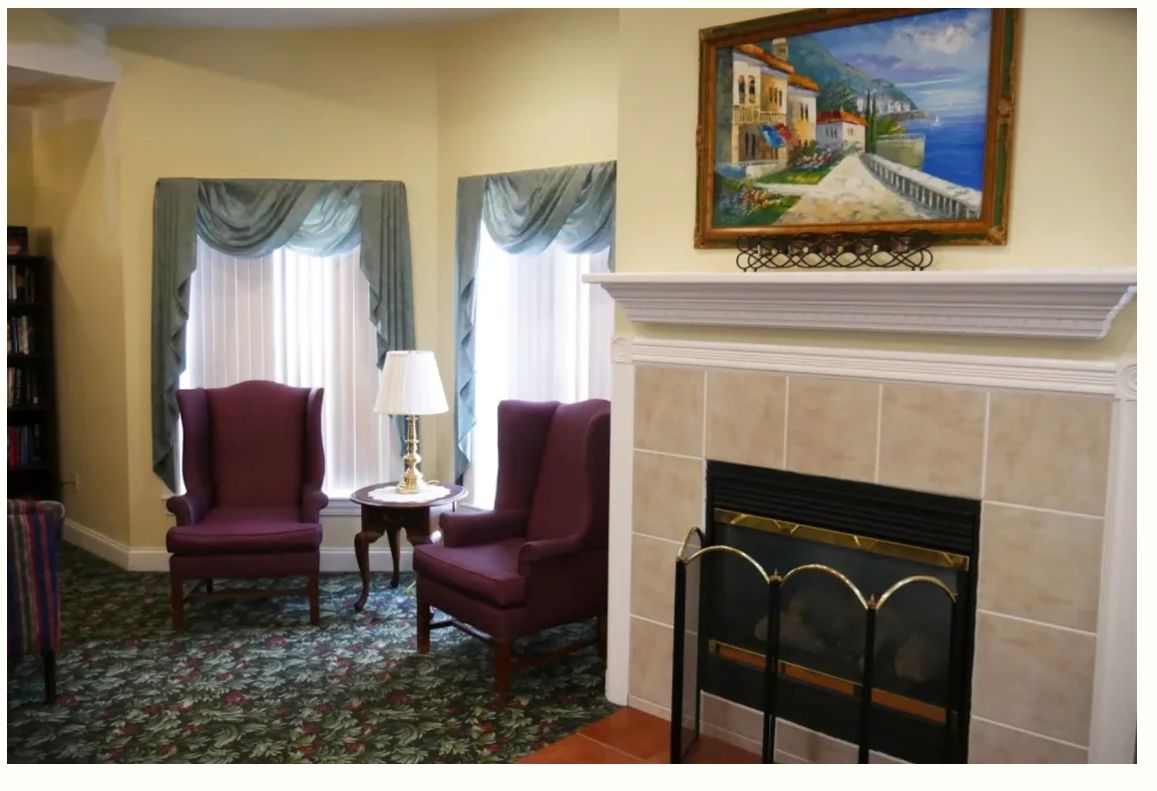
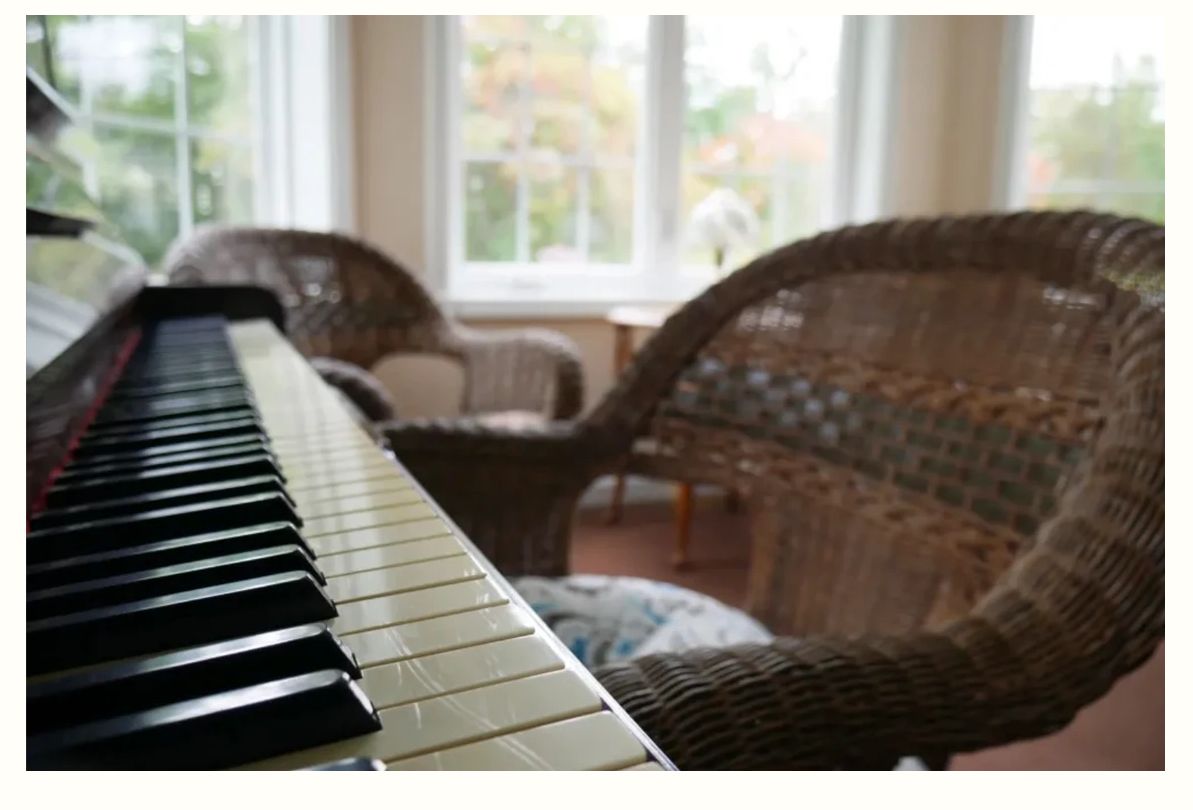
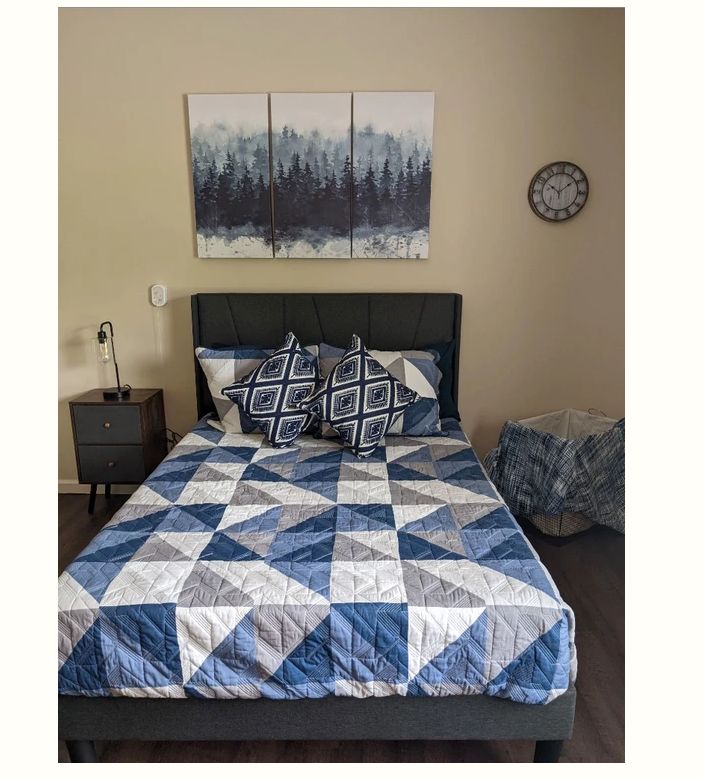
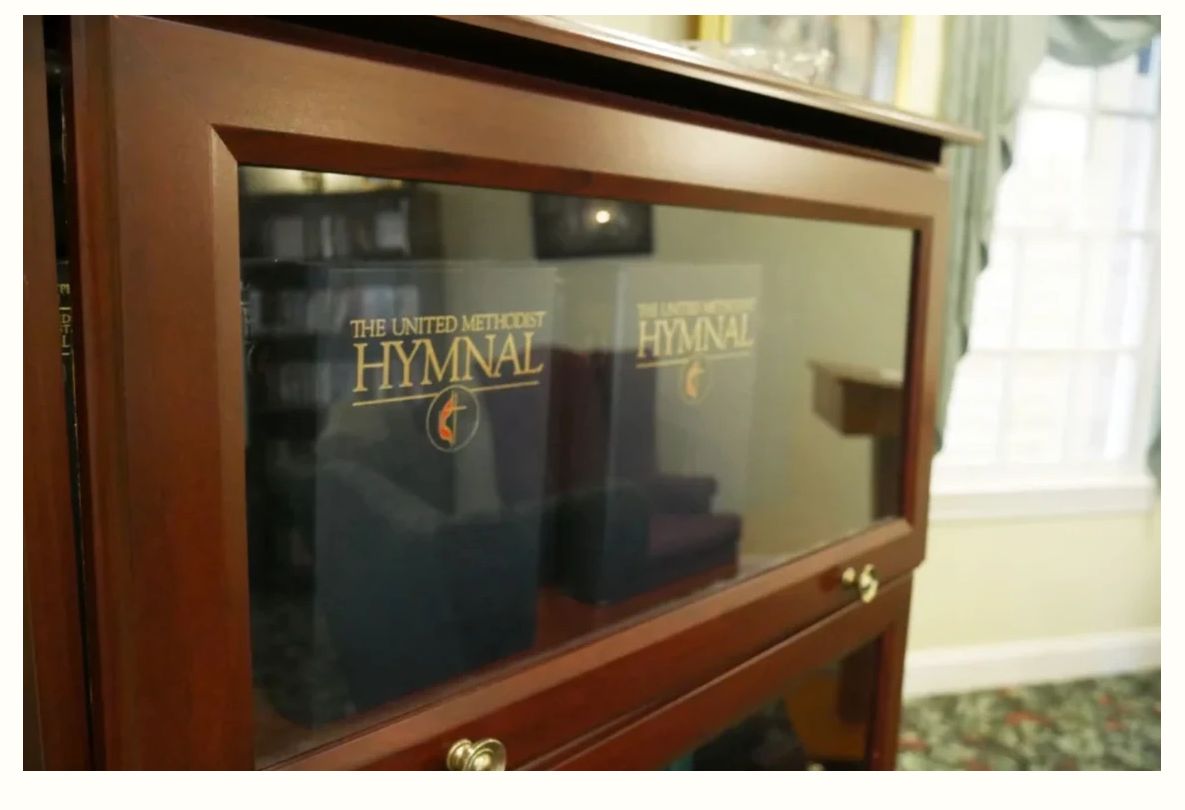
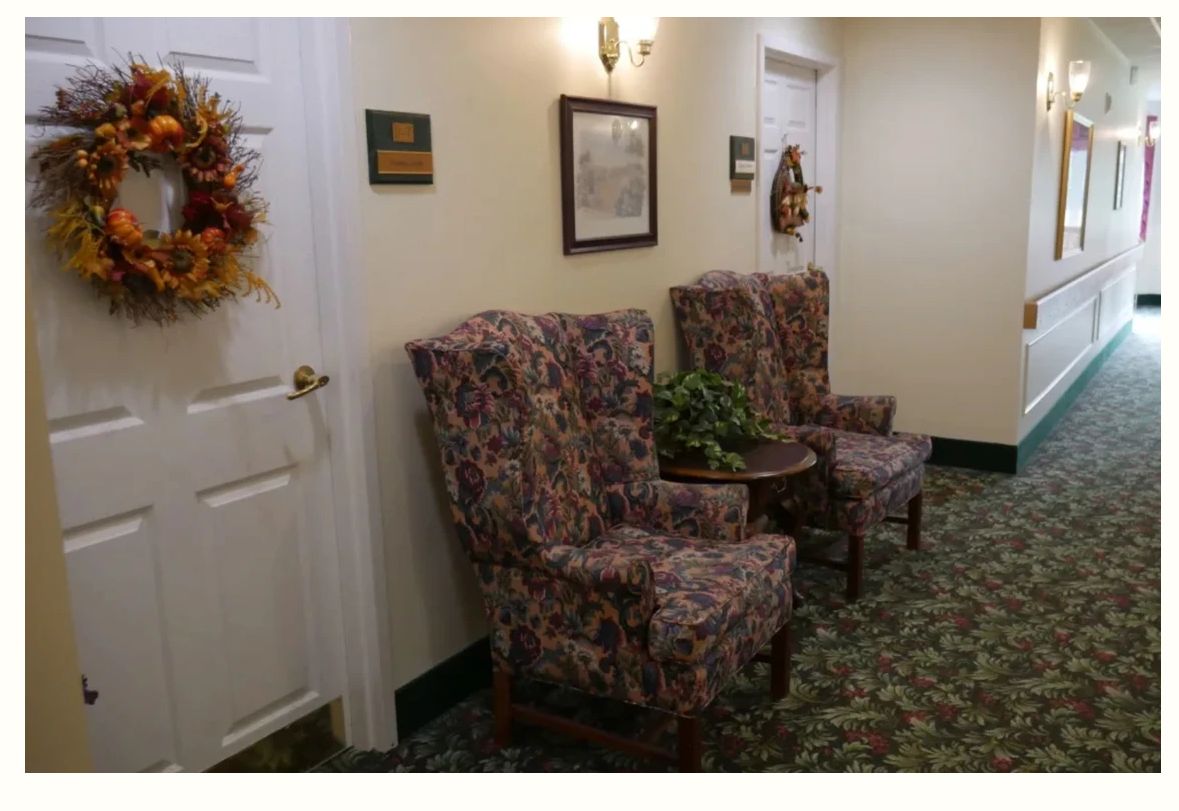
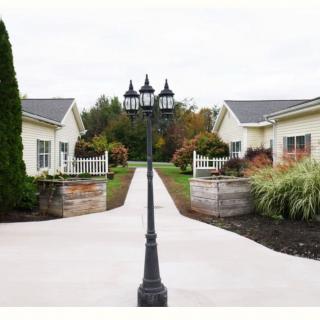
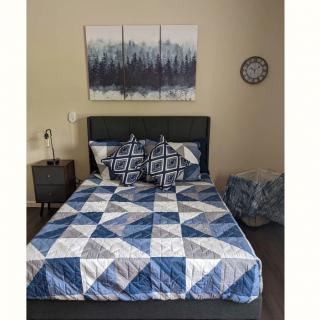
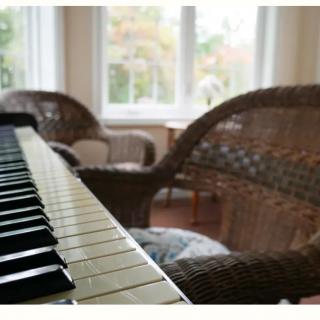
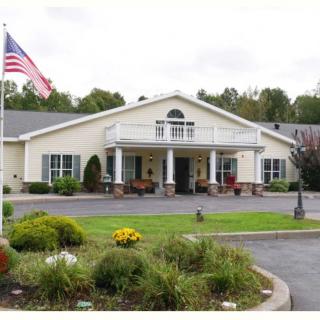
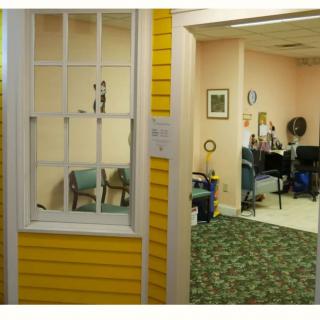
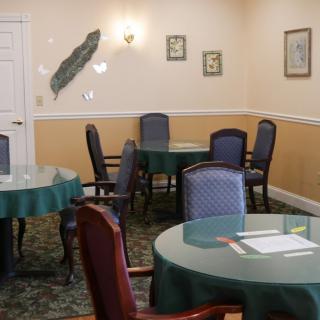
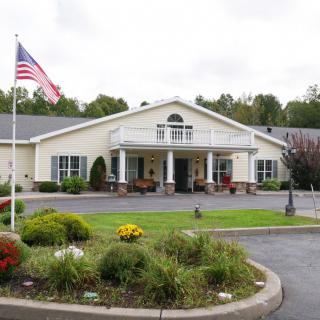
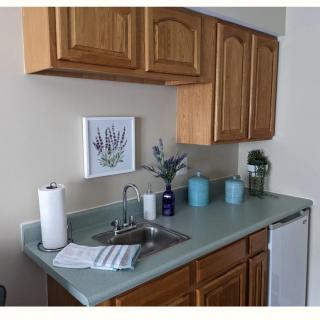
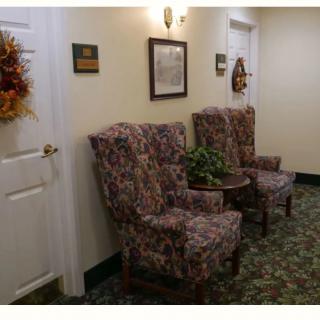
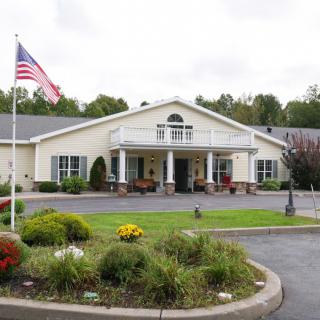
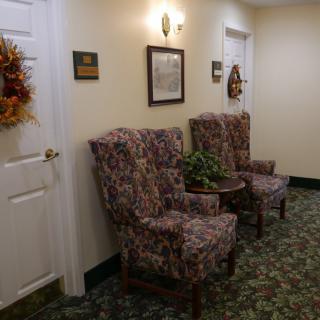
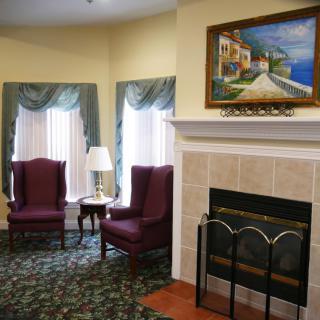
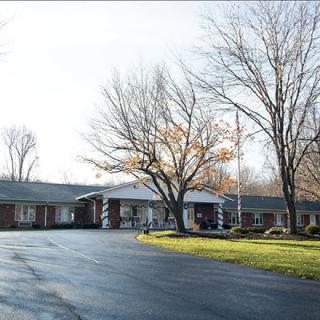
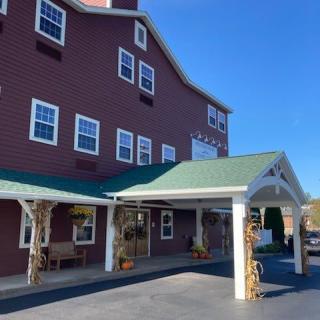
Park Terrace at Radisson on seniors.fyi includes 16 photos including images showing interior, decor, landscaping, flag, living room, entrance, windows, artwork, and more.
Nearby Communities
Meadows At Radisson
Baldwinsville, NY
2.3 from 3 reviews
Personalized care with diabetic support and engaging activities
Silver Fox Senior Social Club
Baldwinsville, NY
4.9 from 16 reviews
Welcoming, engaging environment with nutritious meals.
Red Mill Manor LLC
Baldwinsville, NY
4.7 from 21 reviews
$2,500 to $4,000 / month
Supportive staff, strong sense of community, and well-maintained common areas with engaging activities.
Loretto Community Residences
Baldwinsville, NY
Easy access to nearby amenities and parks for social and outdoor activities.
Conifer Village Apartments
Baldwinsville, NY
4.1 from 16 reviews
$2,375 to $3,875 / month
Impeccable management and a lively independent living community.
New Legacy Senior Living Not Senior Living
Baldwinsville, NY
2.5 from 4 reviews
$1,105 / month
Spacious apartments with responsive maintenance and quality meals.
Elderwood at Liverpool
Liverpool, NY
2.8 from 48 reviews
Compassionate staff with strong personal care and engaging activities.
Buckley Landing
North Syracuse, NY
4.5 from 24 reviews
Friendly staff and a welcoming transition for families.
Parkrose Estates
Liverpool, NY
4.7 from 80 reviews
$3,360 to $4,060 / month
Friendly staff, clean facility, and engaging activities
The article compares assisted living and skilled nursing facilities, detailing their differing levels of assistance, medical support, cost structures, and day-to-day experiences. It emphasizes that assisted living is for those needing help with daily activities while maintaining independence, whereas skilled nursing facilities provide intensive medical care with 24-hour staff supervision.
Vibrant Senior Living emphasizes active senior living communities that promote independence and engagement through diverse amenities and activities, fostering wellness and social interaction among older adults. These communities range from independent to assisted living, with a focus on personal growth, family involvement, financial planning, and leveraging technology to enhance residents' experiences.
Assisted living provides moderate support for seniors seeking independence, while memory care offers specialized support for individuals with dementia or cognitive impairments through structured routines and trained staff. Key differences include care approaches, environment security measures, staff training levels, activity types, and cost considerations.
Get PricingAsk A QuestionSchedule A TourContact Senior Advisor
By clicking submit, you agree to our Partner's Terms of Use. You
also consent to receive calls and texts, which may be autodialed, from our Partner. Your consent is not a condition to
using our Partner's service. Please visit our Partner's Privacy Policy for information about their privacy practices.

 65 resident community capacity
 Studio apartments
 Assisted Living
 Memory Care
 Cats allowed
 Dogs allowed
 Activities on-site
 Air-conditioning
 Beautician on-site
 Cable or satellite TV
 Cafe
Cafe Computer center
 Devotional services off-site
 Dining room
 Financial aid
 Fitness room
 Fully furnished
 Gaming room
 Garden
 Guest parking
 Hiking trails
 Housekeeping services
 Indoor common areas
 Kitchenette
 Laundry
 Move-in coordination
 Outdoor space
 Private bathrooms
 Respite or short term stays offered
 Restaurant-style dining
 Small library
 Telephone
 Wellness center
 Wi-Fi/high-speed internet available
 Syracuse-Hancock International (11 miles away)
 Community operated transportation
 12-16 hour nursing
 24-hour call system
 Ambulatory care
 Assistance with bathing
 Assistance with dressing
 Assistance with transfers
 Diabetes diet
 Diabetic care
 Incontinence care
 Medication management
 Mental wellness program
 Physical therapy
 Special dietary restrictions
 Arts and crafts
 BBQs or picnics
 Book club
 Catholic services
 Concierge services
 Cooking classes
 Day trips and outings
 Games
Games Happy hour
 Live dance or theater performances
 Live musical performances
 Trivia games
 Wii bowling
 English
 Personalized care with diabetic support and engaging activities


 Exploring the Contrasts Between Assisted Living and Skilled Nursing
 Vibrant Senior Living: A Comprehensive Guide for Active Older Adults
 Assisted Living and Memory Care: Understanding Their Core Differences