
3490 Meadowbriar Ln, Baldwinsville, NY 13027
To contact a resident: (315) 635-6125
For more information about senior living options: (866) 208-4318
Overall Review of Meadows At Radisson
Pros
 The staff is great.
- They complete work very quickly.
- The environment is very clean.
- They do a great job with winter plowing.
Cons
 Colleen is the worst person to deal with.
- Colleen is fake.
- Colleen invades privacy by listening to conversations, accessing phones, door cameras, and even talking while someone sleeps to obtain PIN numbers.
- Colleen will lie about others, try to have them fired, and take them to court for no reason.
- Colleen will hack into the internet.
- The downstairs neighbor keeps the door propped open after staff leave, which makes residents nervous.
Review
Meadows At Radisson in Baldwinsville, NY appears best suited for seniors who prize a clean, well-kept environment with a responsive maintenance team and straightforward, simple services. The facility earns a low-to-average overall rating, but the specific experiences point to clearly discernible strengths in upkeep and service responsiveness that can support daily living for those who place high value on reliability around repairs, snow removal, and tidy common areas. For families evaluating practical daily care needs, these operational facets matter: a resident who can navigate occasional friction but rely on prompt fixes and a consistently clean setting will find Meadows acceptable as a baseline option.
One decisive caveat centers on privacy and interpersonal trust. At least one reviewer portrays a troubling pattern around a named staff member, claiming invasive behavior and serious breaches of privacy. While such allegations demand careful verification, the tenor of the claim creates a substantive red flag for households prioritizing secure, respectful boundaries between residents and staff. This dimension, trustworthy staff conduct and clear boundaries, can eclipse other positives if left unaddressed, and it anchors a core question for families: who is truly watching the watchers, and how transparent are those protections when concerns arise?
On the upside, the positive feedback highlights a capable, responsive maintenance culture. When work is needed, staff are described as fast and effective, contributing to a sense of reliability in day-to-day life. The facility is consistently described as clean, with attention to winter plowing and outdoor upkeep, which directly supports safety and comfort during harsher months. For residents who value practical, hands-on problem solving and a consistently tidy environment, these operational strengths translate into fewer daily friction points and greater independence within the building.
Security and nuisance-related issues surface as mixed signals. A reviewer notes a situation where a neighbor keeps a door propped open after staff leave, which understandably triggers anxiety about entry control and corridor safety. While this concern reflects dynamics that may involve neighbors or resident behavior beyond staff control, it underscores a larger point: even well-maintained spaces can feel risky when access control is porous. Families should weigh how much security depends on resident cooperation and how the community enforces door safety and visitor policies, especially for residents with mobility or cognitive challenges.
Another tension emerges around rule enforcement and community norms. The sense that “some people can get away with anything” suggests inconsistent policy application, particularly around issues such as pet ownership or noisy disturbance. In a setting where residents rely on predictable boundaries to prevent conflicts, this inconsistency can erode trust and contribute to a sense of unpredictability. The best-case outcome arises when staff and management provide transparent, consistently enforced rules, with clear avenues for reporting concerns and timely, documented responses.
In deciding whether Meadows At Radisson fits, families should anchor their assessment to what matters most: privacy, safety, and the credibility of staff conduct. For households prioritizing rapid maintenance response and a spotless, orderly environment, Meadows offers tangible value. For those where privacy breaches, inconsistent rule enforcement, or perceived supervisory gaps are non-negotiables, alternatives should be explored. Prospective residents are advised to request direct meetings with the property manager, scrutinize current staff background checks and grievance procedures, and probe how privacy, security, and complaint resolution are tracked and escalated. In short, MeadowsAt Radisson can satisfy practical needs, but its merit hinges on assurances around trust, oversight, and consistent policy application that align with each family’s non-negotiables.
 Activities on-site
 Devotional services off-site
 Indoor common areas
 Syracuse-Hancock International (11 miles away)
 Ambulatory care
 Diabetic care
 Meals provided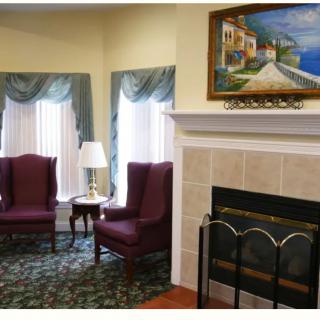



 Encouraging Participation in Adult Day Care: A Guide to Supporting a Hesitant Parent
 Comprehensive Exploration of Living Wills and Other Advance Directives
 A Detailed Exploration of Living Wills and Advance Directives