For more information about senior living options: (866) 208-4318
2.5 from 29 reviews
5 stars
10
4 stars
0
3 stars
2
2 stars
0
1 stars
17
Overall Review of St Luke Residential Health Care Facility
common8 reviews mention this
Staff are helpful and caring
Many residents and families describe attentive, kind staff members.
Across multiple reviews, families mention staff who are friendly, helpful, and quick to respond. Several reviewers specifically credit caregivers with hands-on support like helping residents eat, getting people out of bed, and keeping them comfortable. Others also praise professional clinicians and a social worker for staying in the loop and supporting families during care transitions.
caveat4 reviews mention this
Communication feels inconsistent
Some families report trouble getting timely updates.
A few reviewers describe communication problems, including not being able to reach the facility by phone and not being notified about changes in a resident’s condition. Others mention issues with staff communication across teams, and one reviewer describes a caregiver who did not show up as scheduled. Overall, these comments point to gaps that can make families feel left out of important moments.
caveat5 reviews mention this
Concerns about staffing and monitoring
Some reviews raise serious concerns about staffing levels and supervision.
Several negative reviews describe shortages or cost-cutting practices, along with examples of residents not getting timely care. Others point to monitoring concerns such as nighttime bed checks and delays getting basic needs addressed. A couple of reviewers also describe incidents that they attribute to inadequate follow-through or delays in notifying families.
common6 reviews mention this
Food is a mixed experience
Residents and families mention both strong and weak dining experiences.
Some reviewers say meals are decent, well balanced, or that their loved one was well fed, including during comfort care. Others are far less positive, describing food that is inedible or served cold. Even where food is praised, it is often discussed alongside how care staff support eating and feeding needs.
common5 reviews mention this
Therapy and rehab support
Families frequently highlight therapy support during rehab.
Multiple reviews discuss rehabilitation and describe strong physical and occupational therapy experiences. Several families also report that nursing and support teams helped residents with progress after accidents or surgery, including discharge planning and recommendations to continue improving at home. These comments suggest therapy is a visible part of the short-term care experience.
common5 reviews mention this
Activities, cleanliness, and comfort
Reviews commonly mention a clean environment and active days.
Many reviewers describe the facility as clean and orderly, with a comfortable, well-kept environment. Several also say residents are kept busy with activities and day-to-day scheduling, while still having privacy. The community’s focus on daily programming shows up repeatedly alongside comments about friendliness and ease of day-to-day care.
How we summarize
Counts show how many written reviews mention each theme; a review can touch several themes, and only frequently mentioned themes are displayed.
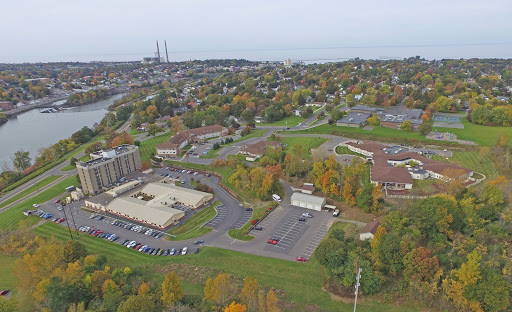
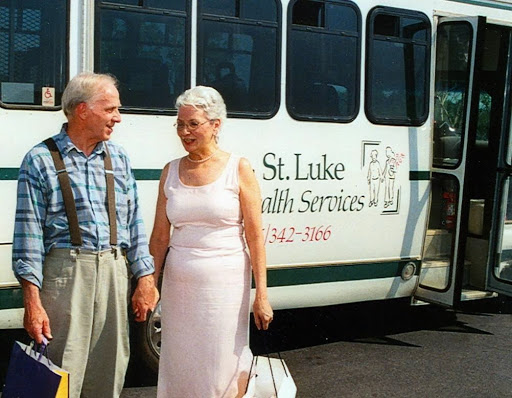
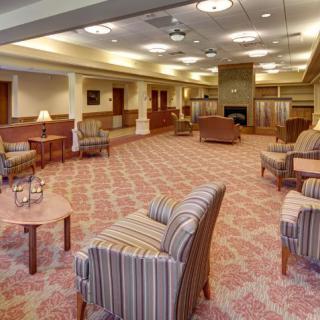
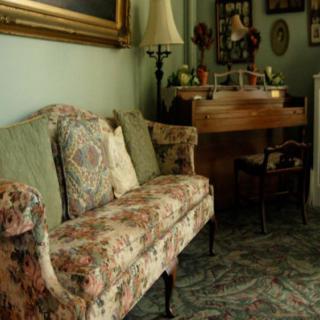
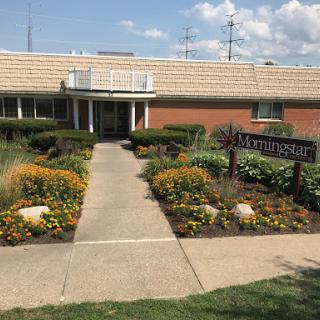
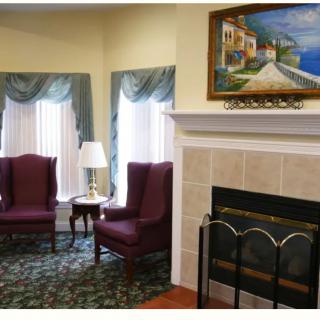
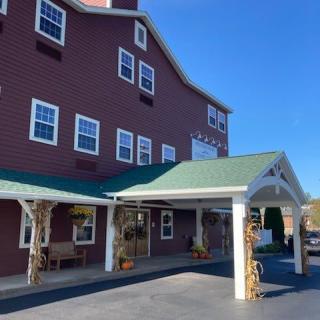
St Luke Residential Health Care Facility on seniors.fyi includes 4 photos including images showing outdoor, building, trees, parking, architecture, aerial view, landscaping, and more.
Nearby Communities
Bishop's Commons At St. Luke
Oswego, NY
5 from 4 reviews
Comprehensive amenities and active programs with restaurant-style dining and on-site transportation.
Pontiac Nursing Home
Oswego, NY
2.6 from 31 reviews
Caring staff in a clean, home-like setting with strong therapy programs.
St. Francis Commons
Oswego, NY
4.8 from 9 reviews
Excellent care and dining in a clean, professionally run community.
Ladies Home Of Oswego
Oswego, NY
4.5 from 4 reviews
Small, fully furnished assisted living with 24/7 care and restaurant-style dining.
Valehaven Hfa
Oswego, NY
Fully furnished apartments with 24/7 care and restaurant-style dining.
Loretto Heights
Oswego, NY
4.1 from 51 reviews
Excellent access to nearby amenities.
Morningstar Residential Care Center
Oswego, NY
2.8 from 28 reviews
$1,800 / month
Affordable private-room pricing with strong amenities and services.
Park Terrace at Radisson
Baldwinsville, NY
4.2 from 38 reviews
$3,916 to $5,182 / month
Caring, attentive staff; clean, welcoming atmosphere with engaging activities and good meal options.
Red Mill Manor LLC
Baldwinsville, NY
4.7 from 21 reviews
$2,500 to $4,000 / month
Supportive staff, strong sense of community, and well-maintained common areas with engaging activities.
Medicare covers in-home health care services, which are medical and provided by licensed professionals under a physician's supervision, whereas non-medical personal assistance is generally not covered unless part of a broader skilled care plan. Eligibility for benefits depends on being homebound and needing intermittent skilled services from a Medicare-certified agency, with specific coverage limitations and additional resources available for navigating options.
In-home care is increasingly sought after by older adults for maintaining independence, with average private home care rates in 2025 varying by state and service type, reflecting geographical and local labor market influences. As demand rises, families are considering funding options like Medicaid waivers and long-term care insurance to manage costs effectively while ensuring quality care.
Home health care has become essential for supporting independence among the aging population, offering diverse services such as skilled nursing and rehabilitation in familiar environments, while also incorporating technology for personalized care. Despite its benefits, including improved recovery rates and emotional well-being, challenges like safety, staff availability, and insurance navigation must be managed for effective implementation.
Get PricingAsk A QuestionSchedule A TourContact Senior Advisor
By clicking submit, you agree to our Partner's Terms of Use. You
also consent to receive calls and texts, which may be autodialed, from our Partner. Your consent is not a condition to
using our Partner's service. Please visit our Partner's Privacy Policy for information about their privacy practices.



 200 resident community capacity
 Skilled Nursing Facility
 Air-conditioning
 Beauty salon
 Cable or satellite TV
 Computer center
 Dining room
 Fitness room
 Fully furnished
 Gaming room
 Garden
 Housekeeping services
 Kitchenette
 Move-in coordination
 Outdoor space
 Private bathrooms
 Restaurant-style dining
 Small library
 Telephone
 Wellness center
 Wi-Fi/high-speed internet available
 Community operated transportation
 12-16 hour nursing
 24-hour call system
 Activities of daily living assistance
 Assistance with bathing
 Assistance with dressing
 Assistance with transfers
 Diabetes diet
 Medication management
 Mental wellness program
 Special dietary restrictions
 Concierge services
 Planned day trips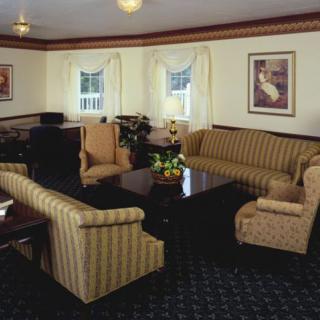
 Comprehensive amenities and active programs with restaurant-style dining and on-site transportation.


 Navigating Medicare Coverage for In-Home Care Services
 In-Home Care Costs in 2025: A Detailed State-by-State Exploration
 Understanding Home Health Care: A Comprehensive Guide