At Brookdale Niagara, the monthly costs for residency reflect the premium services and amenities offered, with a studio room priced at $4,250 and a semi-private room at $6,040. When compared to local and state averages, these figures present an interesting landscape; for instance, the average cost in Niagara County for a studio is $3,762, while across New York State it stands at $4,532. Notably, the semi-private option at Brookdale Niagara significantly exceeds both county and state averages of $3,563 and $4,389 respectively. This pricing indicates that while Brookdale Niagara may be positioned on the higher end of the spectrum, residents likely benefit from enhanced care levels and an exceptional living environment tailored to their needs.
Floor plans
Brookdale Niagara
Niagara County
New York
Studio
$4,250
$3,762
$4,532
Semi-Private
$6,040
$3,563
$4,389
Memory care communities with a similar price nearby
Families and residents frequently describe staff as caring, responsive, and available with updates.
Many reviewers say staff treat residents with respect and kindness, and they describe feeling confident leaving a loved one in memory care. Several also mention communication with family—sharing updates about health, responding to concerns, and being approachable with questions. A smaller set of reviews raises concerns about turnover and continuity, but the dominant theme is that families feel supported during care.
common
Food is repeatedly praised
Food quality comes up often, with residents described as enjoying chef-prepared meals.
Reviewers commonly mention that meals are delicious or “home cooked,” and several say their loved ones are gaining weight or eating well. Some also connect dining with daily enjoyment and engagement. A few reviews are more mixed about food or overall service value, but the overall tone toward meals is positive.
common
Activities help residents stay engaged
Residents are described as staying busy with frequent activities and outings.
Many reviewers report that activities are frequent and help residents feel involved, including programs like exercise and music. Several also mention specific activity experiences (for example, games and community events) and describe residents as happier once care begins. A couple of reviews shift to negatives about space or layout, but even there the discussion often circles back to how residents spend time during the day.
common
Facility feels clean and home-like
Multiple reviews highlight cleanliness and a home-like feel in the community.
Several families describe the facility as clean, well maintained, and decorated in a way that feels comfortable rather than institutional. Others mention updated-looking common spaces and a pleasant atmosphere that made visits easier during stressful transitions. On the caveat side, a few reviewers raise issues with housekeeping details, and others point to constraints like limited common seating.
differentiator
Memory care includes personal care support
Residents in memory care are described as receiving close help with daily needs.
Reviewers frequently connect the memory care program to safety and daily support, describing help with hygiene and being monitored for medical needs. Some also mention improved comfort and steadiness as care increased, and one reviewer describes coordination with hospice after a serious diagnosis. The community also lists care services related to ambulatory needs and incontinence support, aligning with the daily-care focus described in reviews.
caveat
Concerns about turnover and cost
Some reviewers warn about staffing turnover and criticize pricing and day-to-day space or service consistency.
A few reviews mention too much staff turnover and lack of continuity, including concerns about how reliably care planning and communication were handled. Cost shows up as another recurring point, with reviewers describing the monthly rate as too high and noting rate increases. Separate comments also raise practical limitations like tight walking/common space and questions about housekeeping quality, which can affect the day-to-day experience.
How we summarize
We summarize when many written reviews mention each theme; a review can touch several themes, and only frequently mentioned themes are displayed.
Features
Types of Care
Memory Care
Pets
Cats allowed
Dogs allowed
Amenities
Beautician on-site
Cable or satellite TV
Garden
Kitchenette
Transportation
Buffalo Niagara International (13 miles away)
Transportation & parking
Care Services
Ambulatory care
Incontinence care
Nearby Places of Interest
North Tonawanda, New York, offers a variety of amenities for seniors looking to settle in the area. With numerous pharmacies such as Walmart Pharmacy, Rite Aid, and CVS Pharmacy within a short distance, accessing necessary medications and healthcare services is convenient. Additionally, there are several reputable physicians' offices including Niagara Professional and Excelsior Orthopaedics nearby for comprehensive medical care. In terms of dining options, Lumberjack's Patio Grill and My Tomato Pie are popular choices for casual meals. For recreational activities, Marios Park and Starpoint Intermediate Playground provide opportunities for outdoor enjoyment. Overall, North Tonawanda boasts a diverse range of resources and attractions making it a desirable location for seniors seeking a vibrant community to call home.
Pharmacies
Walmart Pharmacy (3 miles)
Rite Aid (3.1 miles)
Walgreens (3.2 miles)
Tops Pharmacy (3.2 miles)
CVS Pharmacy (3.2 miles)
Wurlitzer Family Pharmacy (4.1 miles)
Wegmans (4.5 miles)
Cafes
Tim Hortons (3 miles)
Wegmans Food Markets (4.5 miles)
Wegmans Market Cafe (5.3 miles)
Panera Bread (5.4 miles)
Tim Hortons (6.7 miles)
Panera Bread (7.1 miles)
Starbucks (7.2 miles)
Parks
Marios Park (3.1 miles)
Starpoint Intermediate Playground (3.5 miles)
North Tonawanda Gateway Park (5.2 miles)
Ellicott Creek Park (5.5 miles)
Town of Niagara Veterans Memorial Park (6.9 miles)
At Brookdale Niagara, the monthly costs for residency reflect the premium services and amenities offered, with a studio room priced at $4,250 and a semi-private room at $6,040. When compared to local and state averages, these figures present an interesting landscape; for instance, the average cost in Niagara County for a studio is $3,762, while across New York State it stands at $4,532. Notably, the semi-private option at Brookdale Niagara significantly exceeds both county and state averages of $3,563 and $4,389 respectively. This pricing indicates that while Brookdale Niagara may be positioned on the higher end of the spectrum, residents likely benefit from enhanced care levels and an exceptional living environment tailored to their needs.
Incontinence care at Brookdale Niagara is an essential feature that addresses the comfort and dignity of residents with dementia or Alzheimer's disease, who may experience cognitive and physical challenges that affect their ability to control bladder and bowel functions. This specialized support not only helps maintain hygiene and prevents skin issues, but also reduces anxiety for both residents and their families, fostering a more secure living environment. Trained staff provide compassionate assistance while respecting the individual needs of each resident, ensuring that these personal care moments are handled with sensitivity. By prioritizing incontinence care, Brookdale Niagara enhances the overall quality of life for its residents, allowing them to focus on engaging in activities that promote cognitive stimulation and social interaction.
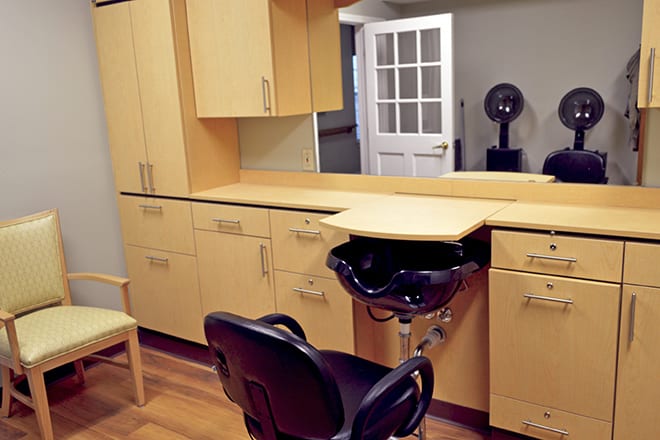
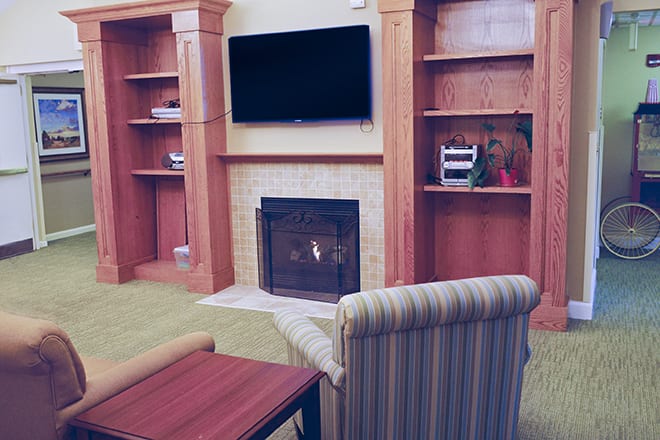
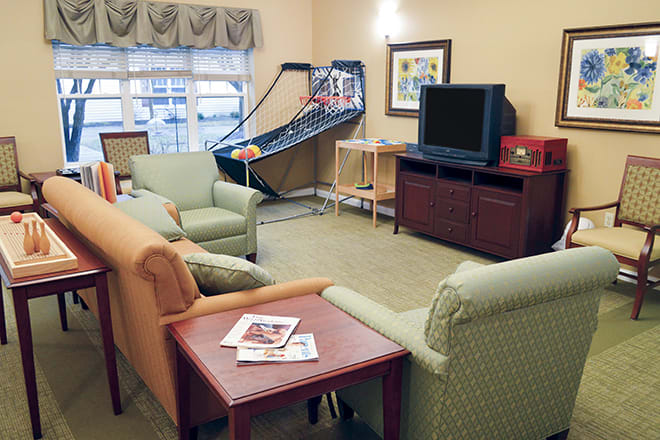
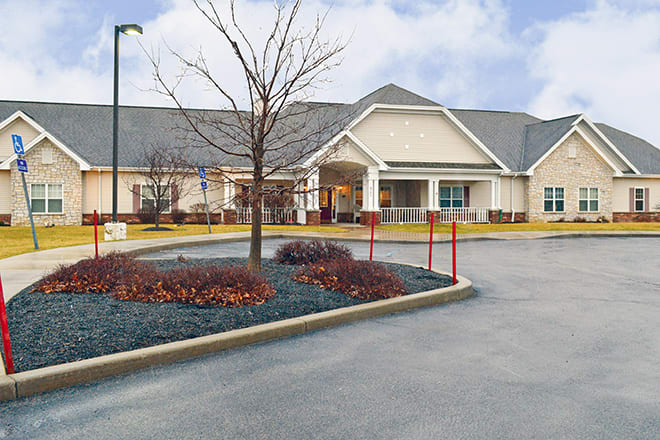
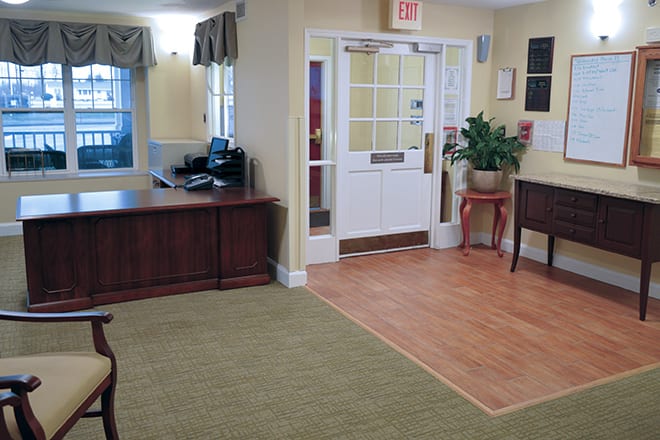
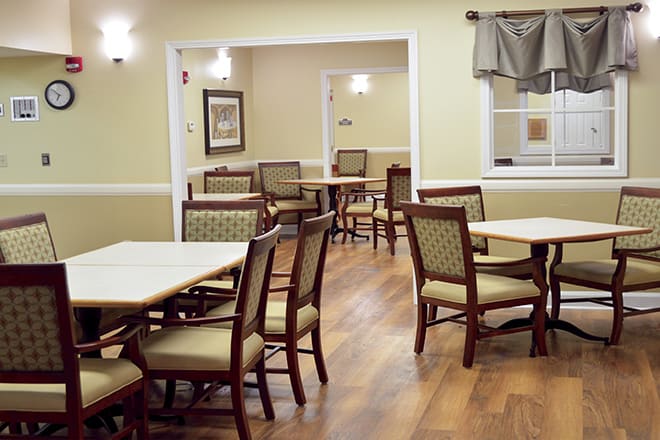
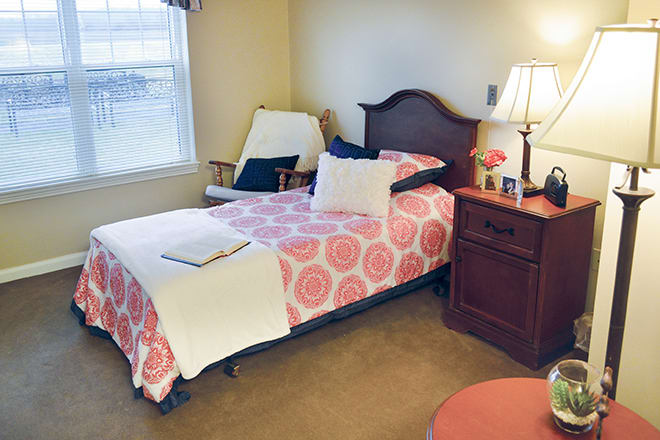
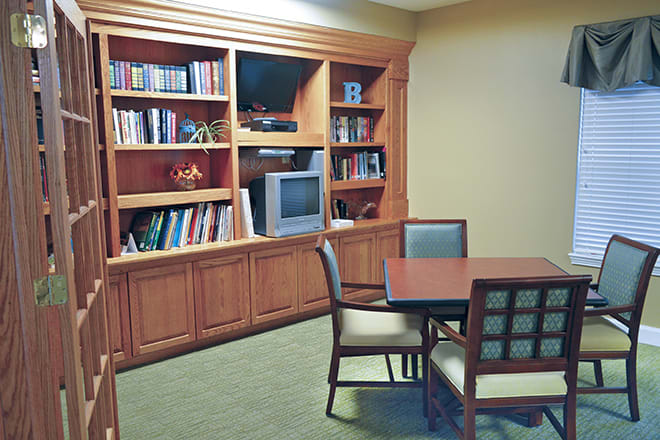
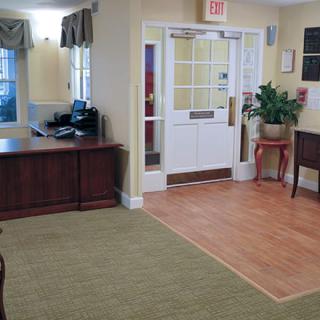
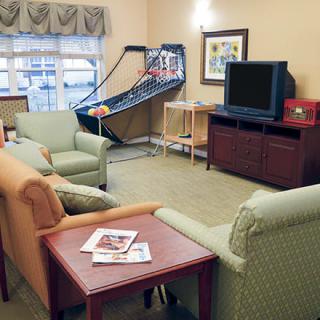
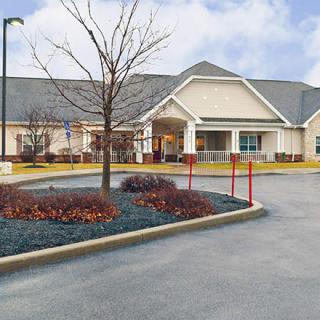
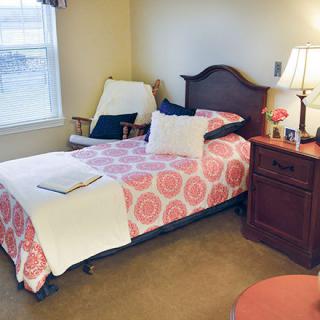
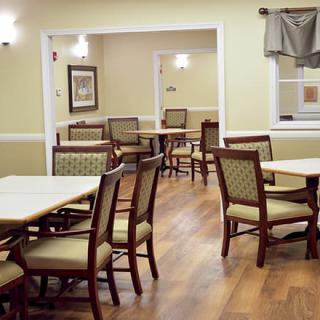
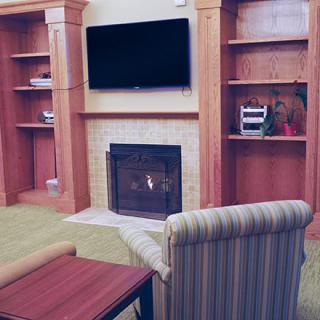
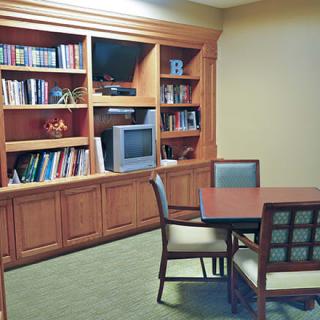
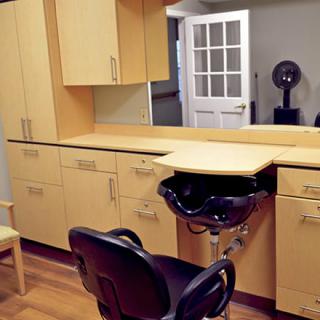
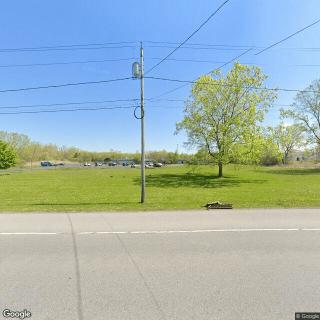
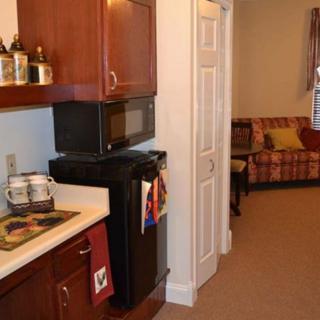
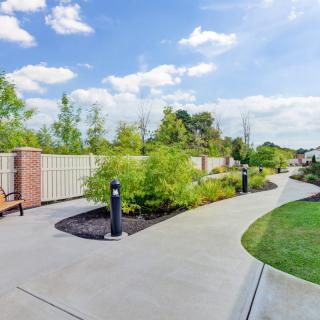
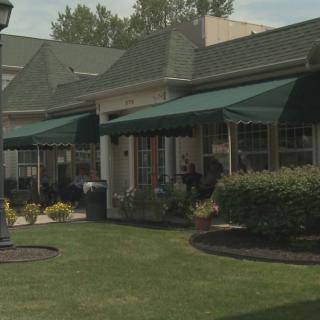
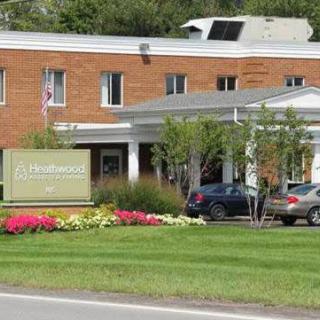
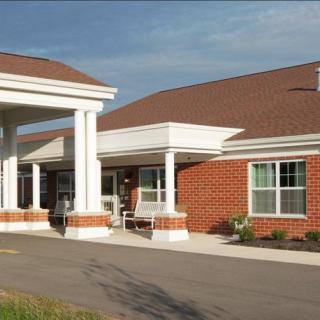
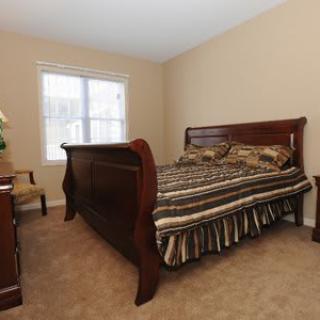
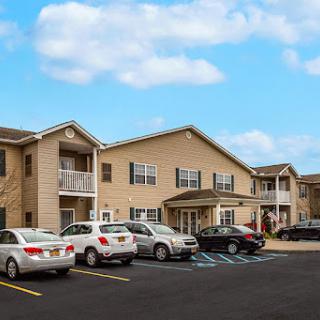
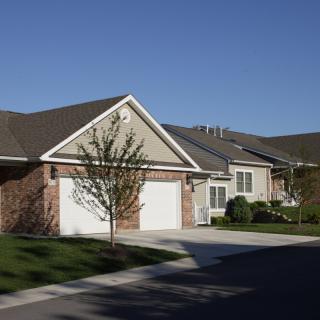
Brookdale Niagara on seniors.fyi includes 8 photos including images showing interior, television, salon, living room, bedroom, windows, architecture, landscaping, and more.
Nearby Communities
Alterra Clare Bridge Cottage of Niagara
North Tonawanda, NY
4.4 from 24 reviews
Caring staff, clean environment, and engaging activities create a warm memory-care community.
Brookdale Niagara
North Tonawanda, NY
4.4 from 44 reviews
$5,390 to $6,410 / month
Strong sense of community with caring staff and personalized attention in a clean, welcoming setting.
North Gate Health Care Facility
North Tonawanda, NY
2.9 from 104 reviews
Some staff are friendly and residents engage in activities.
Elderwood Assisted Living at Wheatfield
Niagara Falls, NY
3.6 from 68 reviews
$4,003 to $4,685 / month
Caring staff and engaging activities.
Forestview Active Living 55+
North Tonawanda, NY
$1,210 to $1,445 / month
Pricing well below county and state averages with on-site/off-site activities.
Woodlands Senior Village
North Tonawanda, NY
3.7 from 15 reviews
$875 to $1,030 / month
Friendly staff, active programs, clean, welcoming atmosphere, and competitive pricing for 1- and 2-bedroom units.
Bishop Gibbons Apartments
North Tonawanda, NY
3 from 10 reviews
Excellent access to nearby health care and amenities.
Elderwood Residences at Wheatfield
Wheatfield, NY
4.7 from 64 reviews
$2,649 to $2,905 / month
Strong management, friendly staff, engaging activities, and comfortable, well-maintained living spaces.
Garden House
Getzville, NY
3.2 from 13 reviews
Comprehensive memory care and skilled nursing with 24/7 supervision and engaging activities.
The article compares assisted living and skilled nursing facilities, detailing their differing levels of assistance, medical support, cost structures, and day-to-day experiences. It emphasizes that assisted living is for those needing help with daily activities while maintaining independence, whereas skilled nursing facilities provide intensive medical care with 24-hour staff supervision.
Vibrant Senior Living emphasizes active senior living communities that promote independence and engagement through diverse amenities and activities, fostering wellness and social interaction among older adults. These communities range from independent to assisted living, with a focus on personal growth, family involvement, financial planning, and leveraging technology to enhance residents' experiences.
Assisted living provides moderate support for seniors seeking independence, while memory care offers specialized support for individuals with dementia or cognitive impairments through structured routines and trained staff. Key differences include care approaches, environment security measures, staff training levels, activity types, and cost considerations.
Get PricingAsk A QuestionSchedule A TourContact Senior Advisor
By clicking submit, you agree to our Partner's Terms of Use. You
also consent to receive calls and texts, which may be autodialed, from our Partner. Your consent is not a condition to
using our Partner's service. Please visit our Partner's Privacy Policy for information about their privacy practices.

 Memory Care
 Cats allowed
 Dogs allowed
 Beautician on-site
 Cable or satellite TV
 Garden
 Kitchenette
 Buffalo Niagara International (13 miles away)
 Transportation & parking
 Ambulatory care
 Incontinence care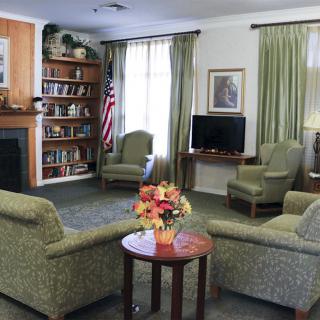
 Caring staff, clean environment, and engaging activities create a warm memory-care community.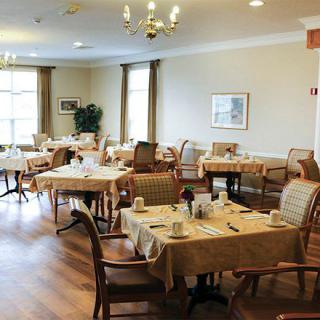

 Exploring the Contrasts Between Assisted Living and Skilled Nursing
 Vibrant Senior Living: A Comprehensive Guide for Active Older Adults
 Assisted Living and Memory Care: Understanding Their Core Differences