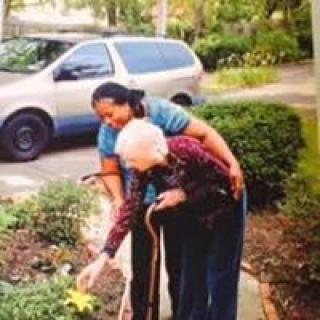


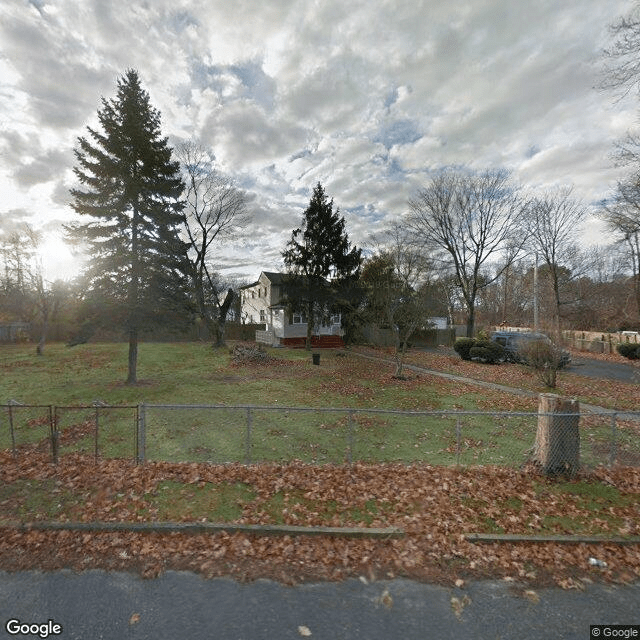
70 Massachusetts Ave, Bay Shore, NY 11706
To contact a resident: (631) 418-7585
For more information about senior living options: (866) 208-4318
Pleasantview Home for Adults Costs & Pricing
Pleasantview Home for Adults offers competitive pricing for its various room types when compared to the broader market in Suffolk County and the state of New York. For a semi-private room, Pleasantview charges $3,500 per month, which is slightly below the county average of $3,706 and significantly lower than the state average of $4,389. The one-bedroom option at Pleasantview is priced at $4,000, again more affordable than the Suffolk County average of $5,646 and closely aligned with the state average of $4,307. Residents seeking a private living space will find that Pleasantview's rate of $4,500 is higher than both the county's average of $4,234 and New York's state average of $5,159. However, for those looking into studio accommodations, Pleasantview's $6,500 fee exceeds both local ($5,129) and state averages ($4,532). Overall, while some options may be pricier than competitors in specific categories, Pleasantview remains a valuable choice for many residents seeking quality adult living arrangements in this region.
| Floor plans | Pleasantview Home for Adults | Suffolk County | New York |
|---|---|---|---|
| Semi-Private | $3,500 | $3,706 | $4,389 |
| 1 Bedroom | $4,000 | $5,646 | $4,307 |
| Private | $4,500 | $4,234 | $5,159 |
| Studio | $6,500 | $5,129 | $4,532 |
Memory care communities with a similar price nearby
-
from +$200 / mo
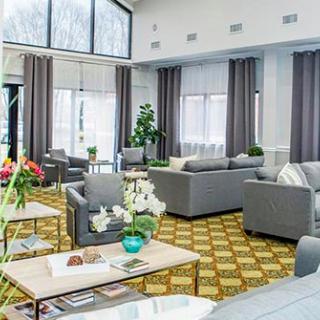
The Arbors at Bohemia
$3,700 to $6,800 / month7.7 miles away -
from +$634 / mo

Sunrise of West Babylon
$4,134 to $7,326 / month6.7 miles away -
from +$595 / mo
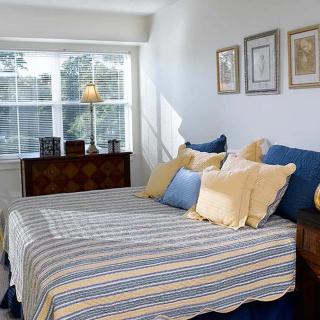
Atria Tanglewood
$4,095 to $8,995 / month22.2 miles away -
About the same
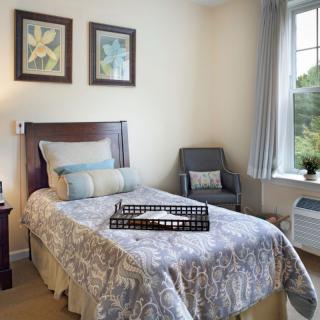
Sunrise of Holbrook
$3,600 to $8,190 / month11.1 miles away -
from -$500 / mo
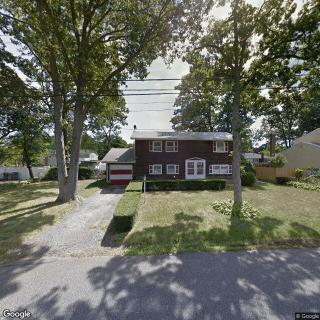
Home with a Hope
$3,000 to $4,500 / month5.6 miles away
Overall Review of Pleasantview Home for Adults
Pros
 The advisor was supportive and guided the family through the placement decision.
- Pleasantview is described as calm and nurturing, with nursing care rated as excellent.
- The staff were always available, giving the family peace of mind.
- The care staff treat residents like family, making Pleasantview feel like home.
- The facility is a gem found for the mother and highly recommended for the care provided.
- The move to Pleasantview produced a remarkable improvement in the mother’s mood and social engagement.
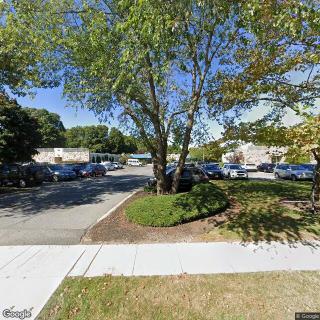
- The Bay Shore location is well kept, clean, conveniently located, and has ample parking.
- Betty provides warm, comfortable, loving care and runs a day filled with activities.
- The director is friendly and genuinely caring, and the home is clean and well managed.
- The attention to residents is exceptional and the care is described as beyond excellence.
Cons
 The decision to move her into an assisted living facility was tough because she had become depressed and could no longer live alone.
- She was barely communicative, refused to eat, and sometimes would not get out of bed.
- The combined costs were a financial burden for the family.
- He was too much work for the staff, and the arrangement ultimately didn't work out.
- Finding care outside the home was emotionally overwhelming.
Review
Pleasantview Home for Adults in Bay Shore, NY is best suited for families seeking dementia-focused assisted living delivered in a warm, home-like setting. The community distinguishes itself where the resident has Alzheimer’s or related cognitive challenges and requires steady, compassionate supervision, daily structure, and meaningful social engagement. The prevailing voice in reviews is that of families who needed reassurance that their loved one would be treated as a member of the family, with attentive nursing care and a calm, nurturing environment. For those prioritizing a high-touch, relationship-driven approach to memory care, Pleasantview is a compelling match.
Those who should consider alternatives are typically evaluating two things: budget and a level of amenity that goes beyond the core dementia care model. One-to-one care can significantly escalate the monthly cost, and several reviews note that while basic care is affordable, adding individualized attention pushes expenses upward quickly. Families with tighter budgets or expectations of more luxurious campus features may find other options more suitable. Additionally, those whose loved one requires very specific medical services or a level of independence that looks for more robust clinical infrastructure might prefer facilities that emphasize different care mixes or pricing structures.
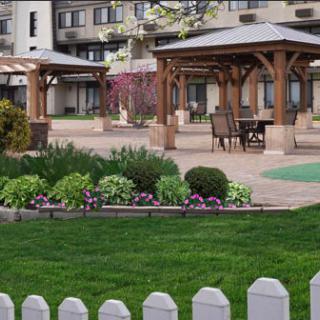
The strongest positives at Pleasantview center on staffing and the daily lived reality of residents. Nursing care is repeatedly described as outstanding, with the staff’s compassion and attentiveness highlighted as a defining strength. The environment is depicted as calm, clean, and carefully maintained, reinforcing a sense of safety and predictability that is so important for people with dementia. Personal attention feels deeply ingrained, with residents treated like family and care plans that emphasize individualized routines, activities, and social connections. Several families credit staff with meaningful, observable improvements in mood, engagement, and even functional abilities, one resident regained walking confidence, another found renewed social engagement and purpose through daily activities. The leadership, particularly figures referenced as Betty and the director, is consistently described as warmth-driven and competent, guiding care with a genuine, family-first philosophy.
Those same strengths help offset the main drawbacks when weighed in practical terms. The deeply human approach to care translates into reduced family anxiety, better sleep for caregivers, and a clear sense that a loved one is in capable hands. The trade-off is real: the cost of one-to-one care can be substantial, and the transition for some residents may take weeks or even months before the new routine feels completely natural. Yet once settled, families report sustained improvements in happiness, social participation, and day-to-day functioning that blunt the severity of dementia progression. In short, the emotional and behavioral benefits often outweigh the added expense, especially for families prioritizing a nurturing, consistent caregiver team.
For families moving through the decision process, a practical path emerges: assess the total cost with realistic contingencies for expanded care needs, and probe how the home tailors programming to individual residents. A visit should center on meeting the staff who will interact daily, understanding how nurses coordinate with therapists, and seeing whether activities align with the loved one’s interests and history. Seek clarity on care planning, including who drives cognitive-stimulation activities, how mobility support is delivered, and what happens when a resident’s needs intensify. Given the strong emphasis on personal attention and family-like care, asking to meet the specific caregiver most involved, often someone like Betty, can provide a clear read on day-to-day dynamics and reliability.
In the end, Pleasantview stands out for families prioritizing dementia-centered care delivered with warmth, consistency, and real, observable benefits in quality of life. It is a compelling choice for those who want a home where residents are known by name, where activities matter, and where a calm, supportive environment complements strong clinical attention. Those who cannot absorb the ongoing cost of intensive, individualized care or who seek a more luxury-oriented setting should realistically compare alternatives. For the right mix of memory-care expertise, personal touch, and a genuinely nurturing community, Pleasantview is a decision worth choosing with confidence.
 Board and Care Home
 Memory Care
 Activities on-site
 Devotional services off-site
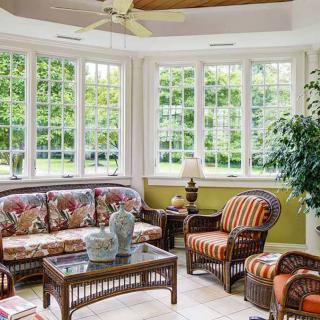
 Indoor common areas
 Private
 Respite or short term stays offered
 Wheelchair accessible showers
 Long Island - MacArthur (8 miles away)
 Ambulatory care
 Diabetic care
 Incontinence care
 Medication management
 Gluten-free
 Art classes
 Catholic services
 Gardening club


 How to Communicate with a Loved One Living with Dementia: 10 Supportive Strategies
 Comprehensive Guide to VA Nursing Homes: A Crucial Long-Term Care Resource for Veterans
 Estimating the Expenses of At-Home Dementia Care: A Detailed Exploration