
147 Second Avenue, Brentwood, NY 11717
For more information about senior living options: (866) 208-4318
Overall Review of Brentwood Adult Home
Pros
 The place is very nice and beautiful.
- They took great care of a family member.
- The owner and his son are very kind.
- They are nice people.
- They treat guests like they are one of their own.
- They are very respectful to all patients and staff members.
Review
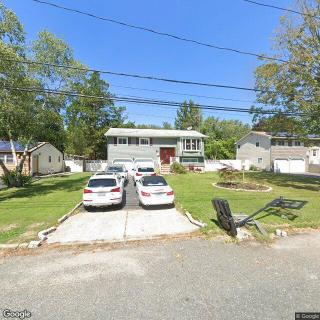
Brentwood Adult Home is best suited for families seeking a warm, intimate living environment where residents are treated as members of a extended family and where personal attention from the owners shapes daily life. The property comes across as pleasant and well-kept, with a sense that care happens in a human-scale setting rather than a glossy institutional model. This community shines for seniors who value dignity, steady, respectful interaction, and the comfort of a home-like atmosphere. The reviews emphasize a welcoming energy, with the owner and his son personally involved, which translates into daily routines that feel attentive and personal rather than transactional. For families prioritizing relational care and a calm, predictable environment, this Brentwood home stands out as a compelling option.
That said, alternatives may be worth considering for residents who expect broader clinical support or a more structured continuum of services. If a resident requires robust medical management, memory-specific programming, or a larger campus with formal, regimented schedules and documented care protocols, a bigger or more clinically focused facility could be a better fit. The intimate, family-operated vibe that makes Brentwood appealing can feel insufficient for those who need extensive on-site medical oversight, specialized therapies, or a wide array of organized activities and supports. In such cases, exploring options with a clearly defined clinical team and broader ancillary services is a prudent step.
The strongest positives here are concrete and impactful. The space is described as beautiful, a setting that reduces stress and creates a sense of comfort from the moment of arrival. More importantly, care quality is highlighted as “great,” which suggests that residents receive attentive, consistent support. The owner and his son are praised for kindness and for treating residents like family, a factor that often translates into higher trust, smoother communication, and fewer adversarial family conversations about care decisions. The staff’s respectful demeanor toward patients and colleagues reinforces a culture of safety and collaboration, which can matter greatly for day-to-day quality of life, reducing confusion and ensuring needs are heard promptly. Taken together, these attributes form a compelling value proposition for families who prioritize relational warmth and dependable, respectful caregiving.
Yet the reviews leave room for a cautious assessment. The small number of evaluations means there is limited data on how the home maintains consistency over time, how care adapts as needs evolve, or what happens when challenging medical situations arise. The absence of explicit mentions about medical staffing depth, emergency procedures, or long-term care planning could signal to prospective residents that certain clinical assurances are not prominently showcased in the public narrative. For families with long horizons, those planning for progressive needs, memory care, or frequent changes in level of care, this gap warrants direct inquiry. The good news is that the favorable personal dynamics reported by current families can be a powerful offset, but only when verified through a direct tour and candid conversations with staff and, where possible, other residents.
From a practical standpoint, a disciplined due-diligence approach is essential. Families should schedule a visit to observe how the owner and his son interact with residents, how staff respond to questions, and whether the undertone of the environment aligns with the stated values of respect and personalization. During visits, inquire about staffing patterns, caregiver turnover, and the availability of on-site medical support or partnerships with local clinicians. Request a sample care plan and a clear outline of daily routines, meals, and activities, along with a transparent discussion about costs, admission criteria, and what happens if care needs escalate. Talking to residents and families who know the operation well can provide real-world color to the warmly framed narratives already present in reviews.
In the end, Brentwood Adult Home presents a persuasive case for families who prize a homey, person-centered experience with leaders who visibly stand behind the care. It is especially well-suited for seniors who wish to avoid impersonal, large-scale housing in favor of a respectful, family-like setting where dignity, courtesy, and steady caregiving are the norm. The central caveat for decision-makers is that this may not be the place for those who require extensive medical programming, highly structured activities, or a wide network of clinical services on site. For residents and families who place emphasis on warmth, personal accountability from leadership, and a calm, respectful daily rhythm, Brentwood Adult Home should be seriously considered. For others, it remains essential to compare with alternatives that more clearly demonstrate expansive clinical support and a broader continuum of care.
 30 resident community capacity
 Assisted Living
 Beauty salon
 Cable or satellite TV
 Dining room
 Fully furnished
 Garden
 Housekeeping services
 Kitchenette
 Move-in coordination
 Outdoor space
 Restaurant-style dining
 Small library
 Telephone
 Wi-Fi/high-speed internet available
 Long Island - MacArthur (7 miles away)
 24-hour call system
 Activities of daily living assistance
 Assistance with bathing
 Assistance with dressing
 Assistance with transfers
 Diabetes diet
 Medication management
 Mental wellness program
 Special dietary restrictions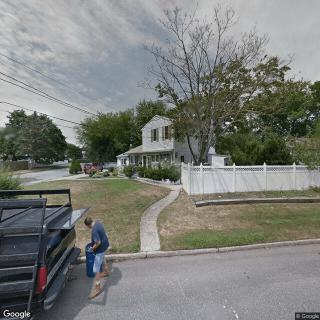





 Beyond the Bingo Hall: 50+ Enriching Activities for Seniors in Assisted Living
 Understanding the Distinctions: Assisted Living and Memory Care Explained
 Guiding Elderly Parents Who Refuse Assisted Living: 6 Practical Steps