Touched by A White Dove Assisted Living in Albuquerque, NM

Save

Touched by A White Dove Assisted Living in Albuquerque, NM

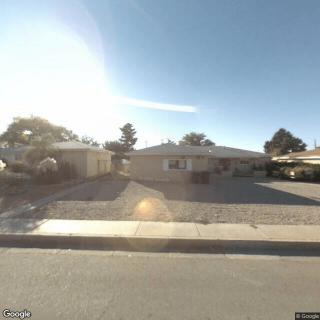
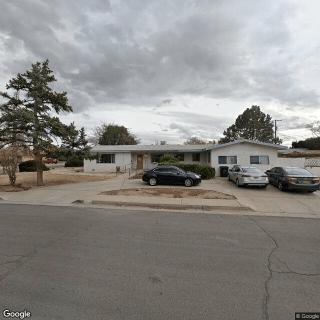
1605 Cardenas Drive Northeast, Albuquerque, NM 87110

For more information about senior living options: (844) 490-3973

4.3 from 24 reviews
5 stars
18
4 stars
0
3 stars
2
2 stars
4
1 stars
0

Assisted Living Board and Care Home Memory Care

Touched by A White Dove Assisted Living Costs & Pricing

Touched by A White Dove Assisted Living offers competitive pricing for its private and one-bedroom accommodations, with a monthly cost of $4,000. This rate is notably lower than the average costs within both Bernalillo County, which sits at approximately $4,602 for private rooms and $4,162 for one-bedroom units, as well as the statewide average in New Mexico of $4,391 for private rooms and $4,055 for one-bedroom options. By providing quality care at a more affordable price point compared to regional counterparts, Touched by A White Dove Assisted Living positions itself as an attractive choice for families seeking compassionate and accessible assisted living solutions.

Floor plansTouched by A White Dove Assisted LivingBernalillo CountyNew Mexico
Private$4,000$4,602$4,391
1 Bedroom$4,000$4,162$4,055

What level of care are you interested in?

Assisted Living

Memory Care

Independent Living

Skilled Nursing Facility

Continuing Care Retirement Community (CCRC)CCRC

Other


Request a tour at Touched by A White Dove Assisted Living

    Overall Review of Touched by A White Dove Assisted Living

    Pros

    • pro The community is wonderful.
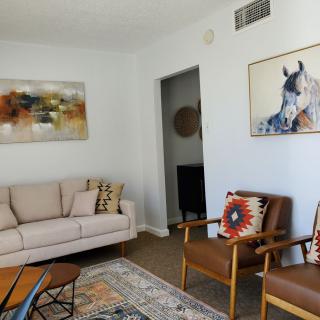
    • pro The room sizes are good.
    • pro The food looks and smells good.
    • pro They keep residents engaged with meaningful activities.
    • pro Carmen and Curtis provide patience, kindness, care, and a safe home environment.
    • pro They never make clients feel guilty; they show compassion and understanding.
    • pro Residents are loved and cared for as if they were family.
    • pro There is no staff turnover, with familiar faces around the clock.

    Cons

    • pro The hospital-type senior care was horrible, with residents drugged and kept zoned out.
    • pro The large national-chain facility left the resident bumped and bruised, clothing went missing, and she was not kept clean, leading to isolation.
    • pro The previous facility treated residents as "clients," not real people, and failed to provide personalized care while costs kept escalating.
    • pro One location was not a good fit: the room was small, there were structural issues, and the caretakers did not inquire about her condition.
    • pro Another residence was too restrictive, with visitors after 5 pm discouraged, making it feel isolating for the mom.
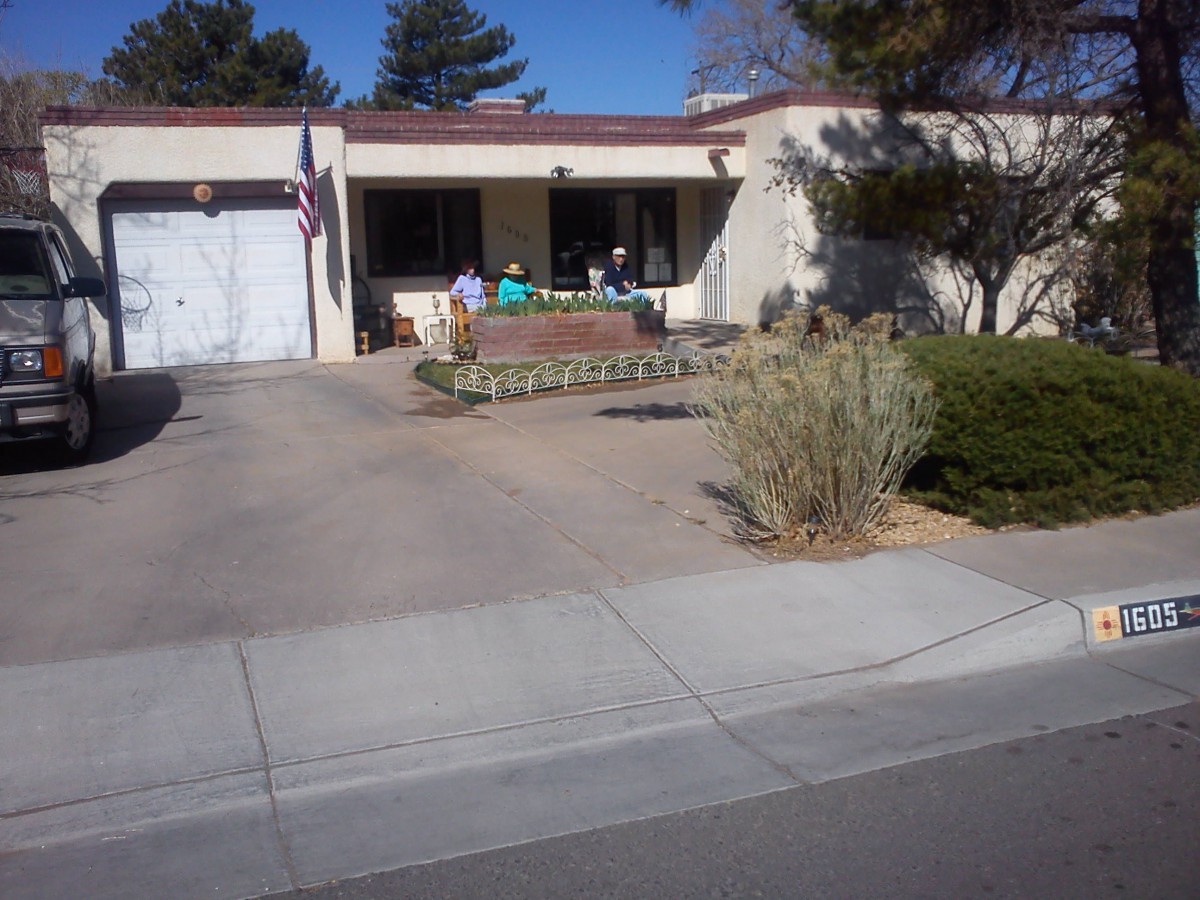
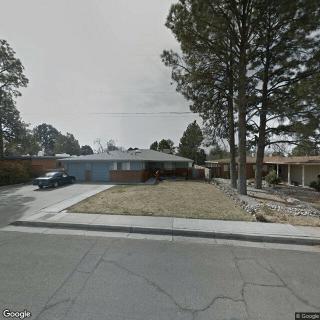
    • pro The place's lawn exterior suggested problems: cleanliness was bad, staff seemed from a lower socioeconomic class, and it was overly religious with plants and memorabilia everywhere.

    Review

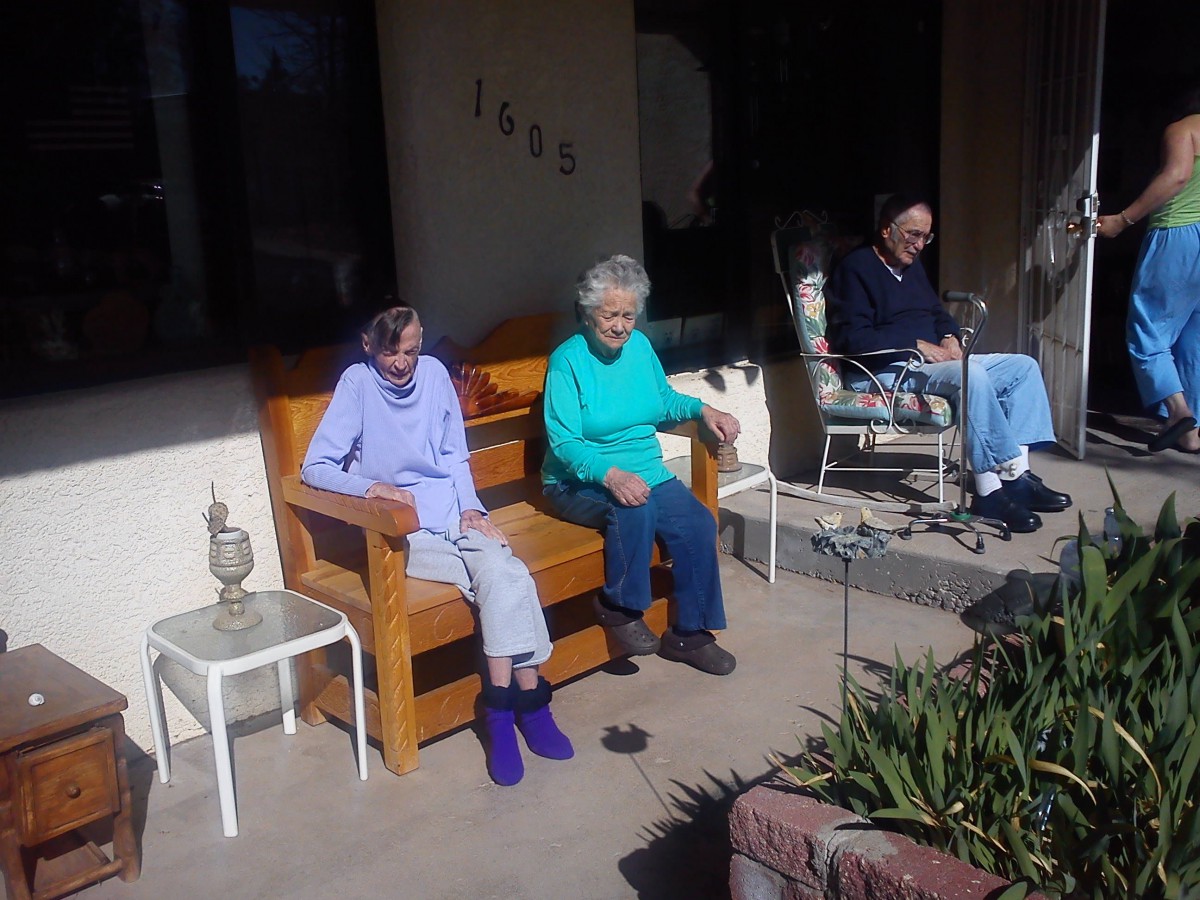
    Touched by A White Dove Assisted Living in Albuquerque is best suited for families seeking a deeply home-like, caregiver-driven setting where every resident is treated as family. The community shines for dementia and end-of-life care, with Carmen and Curtis Hudson delivering around-the-clock, personalized attention in a small, intimate home environment. Reviews consistently praise constant, familiar faces, thorough communication with families, and a level of devotion that feels personal rather than corporate. For families prioritizing emotional warmth, low staff turnover, and hand-in-glove coordination with Hospice or other services, this is a clear, practical fit.

    Not everyone should place a loved one here. Alternatives deserve consideration for those who want a more traditional, larger campus with formal programming and robust recreational schedules, or for residents who require significant medical oversight beyond what a small home can reliably provide. Several reviews note the very intimate setting can feel limiting: rooms can be small, the property is a house rather than an institution, and some residents - particularly those with advanced sundowning or a preference for broader social programming - may need more space, more structured routines, or longer visiting hours than the home naturally offers. In short, it's ideal for comfort and connection; it may not be ideal for those seeking a large, highly structured care environment.

    The strongest pros are the daily, tangible realities that families often fear they'll lose at larger centers. The care team's consistency is a standout, with residents and families reporting "no staff turnover" and caregivers who know the person's history, preferences, and routines. The home atmosphere - complete with family photos, friendly pets, shared meals, and intimate activities - creates a sense of belonging that can translate into better mood, appetite, and engagement for residents with dementia. Excellent family communication, including regular updates and photos, reduces anxiety for long-distance caregivers and helps families feel truly involved. When end-of-life care is needed, the staff's attentiveness, pace, and compassionate presence feel like a genuine alternative to institutional settings.

    Where the numbers tilt toward caution are the practical trade-offs of the same intimate model. Some reviews describe small rooms and a finite number of residents, which, while cozy, may feel crowded for certain loved ones who require more private space or a wider array of daily activities. A few families also noted that the home's smaller, husband-and-wife operation can feel restrictive - visitors may encounter limited hours in some scenarios, and the request for a quiet, predictable environment can translate into perceptions of "not enough" social or structured programming for more active seniors. For families seeking aggressive medical management, or those with residents who need frequent, high-acuity interventions, this setup may fall short.

    Decision-makers should approach with a practical playbook: visit and observe how staff interact with the resident, assess whether the daily routine aligns with the person's preferences (meal schedules, activities, quiet time, pets), and confirm how emergencies or nighttime needs are handled. Ask about caregiver-to-resident ratios, the specifics of medication administration, and how transitions between Hospice, home care, or hospital stays are coordinated. Inquire about room options, potential for private space, and whether the home can adapt activities to a resident's changing abilities. Most importantly, request candid references from families with similar needs to your own - dementia progression, end-of-life care, or a desire for home-like engagement.

    In the end, Touched by A White Dove stands out as a compassionate, family-centered sanctuary for loved ones who thrive on constant, individualized attention and a home atmosphere. It is a practical, emotionally intelligent choice for families wrestling with dementia care or end-of-life planning when the priority is dignity, familiarity, and steady caregiver relationships. It is less suited for those who require expansive space, formal campus programming, or intensive clinical oversight. For families willing to trade size for heart, the trade-off pays dividends in peace of mind, consistent caregiving, and a sense that a loved one is welcomed home every day.

    Features

    Housing

    • 21 resident community capacity 21 resident community capacity

    Types of Care

    • Assisted Living Assisted LivingAssisted living facilities provide crucial support and care for seniors who may need help with daily tasks such as medication management, bathing, and meal preparation. These communities offer a safe and comfortable environment where seniors can maintain their independence while receiving the assistance they need to thrive in their golden years.
    • Board and Care Home Board and Care HomeBoard and care homes provide a smaller, more intimate setting for seniors who require assistance with daily tasks but do not need the level of care offered by a nursing home. They offer personalized care, meals, and social activities in a homelike environment, ensuring that seniors receive individualized attention and support in their golden years.
    • Memory Care Memory CareMemory care is crucial for seniors as it provides specialized support and services for individuals with dementia or Alzheimer's disease. These programs offer a safe and secure environment where residents receive personalized care, cognitive stimulation, and help with daily activities. Memory care helps seniors maintain their independence, quality of life, and dignity while also providing peace of mind for their families.

    Amenities

    • Activities off-site Activities off-siteEngaging in off-site activities is crucial for seniors to maintain social connections, stay active, and stimulate their minds. It promotes overall well-being and helps combat feelings of isolation and loneliness.
    • Activities on-site Activities on-siteActivities on-site are important for seniors because they provide opportunities for socialization, mental stimulation, physical activity, and overall well-being. Engaging in activities can help seniors stay active, maintain their independence, and improve their quality of life.
    • Bath tubs Bath tubsBath tubs are important for seniors because they provide a safe and relaxing way to bathe, helping to prevent slips and falls while promoting independence and overall well-being.
    • Beauty salon Beauty salonBeauty salons are important for seniors because they provide a space for them to feel pampered, socialize, and maintain their personal grooming and hygiene. Regular visits to a beauty salon can help boost seniors' self-esteem and overall well-being.
    • Cable or satellite TV Cable or satellite TVCable or satellite TV is important for seniors because it provides entertainment, news, and companionship, helping to combat loneliness and boredom. It also offers a wide range of programming options tailored to different interests and preferences.
    • Devotional services off-site Devotional services off-siteDevotional services off-site are important for seniors as they provide spiritual nourishment, social engagement, and a sense of community outside of the senior living facility. This can enhance overall well-being and help combat feelings of isolation and loneliness often experienced by older adults.
    • Dining room Dining roomDining rooms are important for seniors as they provide a space for socialization, connection, and nutritious meals. They offer opportunities for residents to bond over shared meals, foster a sense of community, and promote healthy eating habits. Dining rooms also ensure that seniors have access to well-balanced meals tailored to their dietary needs and preferences.
    • Fully furnished Fully furnishedFully furnished senior living communities are important for seniors because they provide convenience, comfort, and a hassle-free moving experience. Seniors can easily settle into their new living space without the stress of having to buy and move furniture. This allows them to focus on enjoying their new home and community.
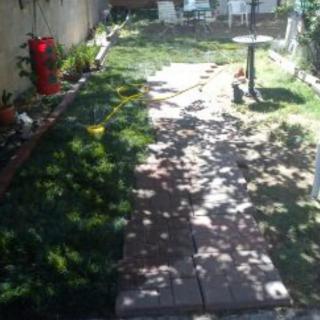
    • Garden GardenGardens are important for seniors as they provide a peaceful and therapeutic environment for relaxation, physical activity, and socialization. Being in nature has been shown to reduce stress, improve mood, and promote overall well-being. Gardens also offer opportunities for seniors to engage in gardening activities, which can improve mobility, flexibility, and cognitive function. Additionally, gardens create a sense of community and connection with others who share a passion for plants and outdoor spaces.
    • Housekeeping services Housekeeping servicesHousekeeping services are important for seniors because they help maintain a clean and safe living environment, promote independence, and reduce the risk of accidents or illnesses. Additionally, having assistance with household chores can alleviate physical strain and allow seniors to focus on other aspects of their well-being.
    • Indoor common areas Indoor common areasIndoor common areas are crucial for seniors as they provide a space for socialization, recreation, and community engagement, promoting overall well-being and reducing feelings of isolation and loneliness.
    • Kitchenette KitchenetteKitchenettes are important for seniors living in senior living communities because they provide the convenience and independence of being able to prepare simple meals and snacks in the comfort of their own living space. This can help promote a sense of autonomy and well-being for seniors, allowing them to maintain some level of control over their dietary choices and daily routines.
    • Move-in coordination Move-in coordinationMove-in coordination is important for seniors because it helps ease the transition into their new living environment. It ensures that all logistics, such as packing, organizing movers, and setting up utilities are taken care of, allowing seniors to focus on settling in and adjusting to their new home. Having a smooth move-in process can alleviate stress and anxiety, making the transition smoother and more enjoyable for seniors.
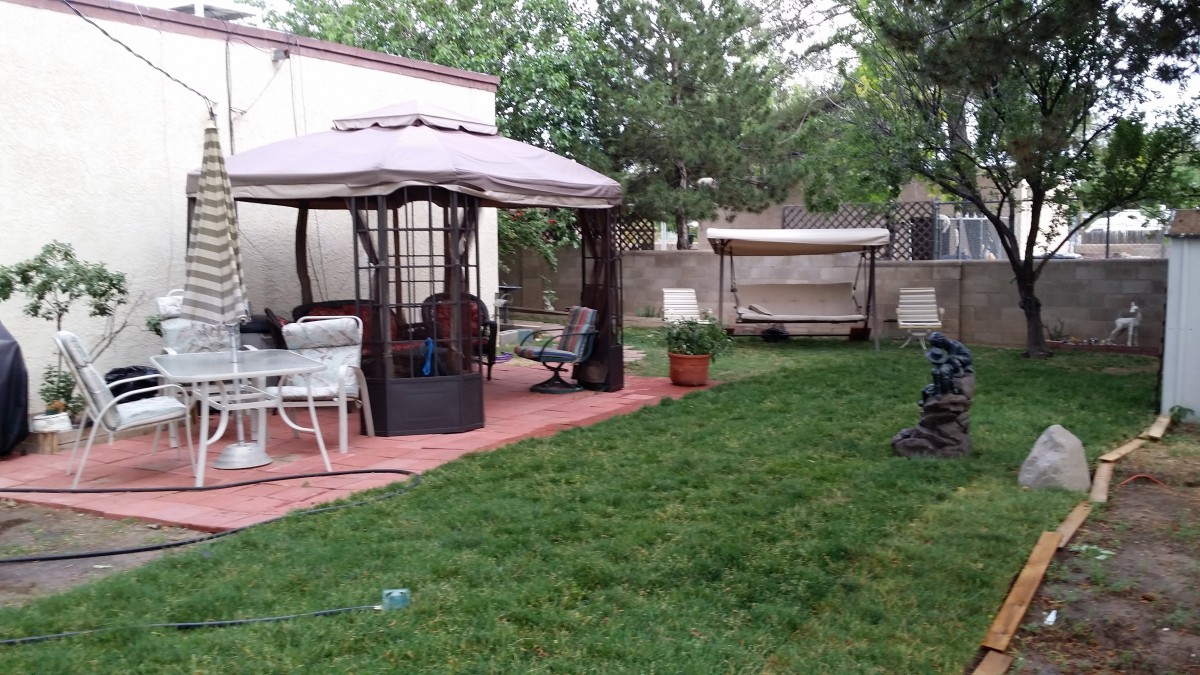
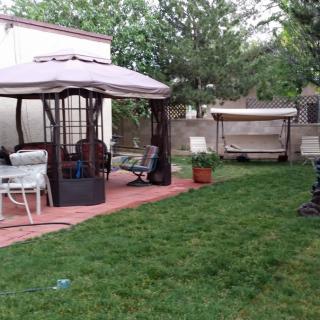
    • Outdoor common areas Outdoor common areasOutdoor common areas are important for seniors as they provide a space for socialization, physical activity, and relaxation. Being outside in nature can improve mood and overall well-being, while also encouraging movement and engagement with others. These spaces can help combat feelings of isolation and promote a sense of community among residents.
    • Outdoor space Outdoor spaceOutdoor spaces are important for seniors as they provide opportunities for physical activity, social interaction, exposure to natural light and fresh air, and a sense of connection to nature. Having access to outdoor spaces can improve overall well-being and quality of life for older adults living in senior communities.
    • Private PrivatePrivacy is important for seniors as it allows them to maintain their independence, dignity, and sense of control over their own lives. It also gives them the space and freedom to relax, reflect, and engage in activities that bring them joy and fulfillment. Creating private spaces within senior living facilities is crucial for promoting overall well-being and quality of life.
    • Telephone TelephoneTelephones are important for seniors as they provide a lifeline for communication with loved ones, emergency services, and healthcare providers. They offer a sense of security and independence, enabling seniors to stay connected and access assistance when needed.
    • Wi-Fi/high-speed internet available Wi-Fi/high-speed internet availableWi-Fi/high-speed internet is important for seniors to stay connected with loved ones, access online resources, and participate in virtual activities to combat feelings of loneliness and isolation. It also allows them to easily manage healthcare needs, access entertainment, and engage in lifelong learning opportunities.

    Transportation

    • Albuquerque International (4 miles away) Albuquerque International (4 miles away)

    Care Services

    • 24-hour call system 24-hour call system24-hour call systems are important for seniors because they provide peace of mind and immediate assistance in case of emergencies. This technology ensures that help is always available, promoting safety and security for elderly individuals living alone or in assisted living facilities.
    • 24-hour supervision 24-hour supervision24-hour supervision is important for seniors to ensure their safety, well-being, and access to immediate assistance in case of emergencies or health issues. This constant support provides peace of mind for both seniors and their loved ones, allowing them to age in place with dignity and security.
    • Activities of daily living assistance Activities of daily living assistanceActivities of daily living assistance are important for seniors because they provide essential support with tasks such as eating, bathing, dressing, and mobility. This assistance helps seniors maintain their independence, dignity, and overall quality of life as they age.
    • Ambulatory care Ambulatory care"Ambulatory care services provide essential medical support and treatment to seniors without requiring hospitalization, allowing them to maintain their independence and quality of life while managing chronic conditions or receiving routine medical care."
    • Assistance with bathing Assistance with bathingAssistance with bathing is crucial for seniors as it helps maintain personal hygiene, prevents infections, and ensures their overall well-being and comfort. It also provides a sense of dignity and independence for seniors who may struggle with this task on their own.
    • Assistance with dressing Assistance with dressingAssistance with dressing is important for seniors because it helps maintain their independence, promotes personal hygiene, prevents accidents and injuries, and improves overall quality of life. This service ensures that seniors can continue to dress comfortably and confidently, despite any physical limitations they may have.
    • Assistance with transfers Assistance with transfersAssistance with transfers is crucial for seniors as it helps prevent falls and injuries, maintains their independence, and ensures they can safely navigate their living environment. It also provides peace of mind for both seniors and their loved ones.
    • Coordination with health care providers Coordination with health care providersCoordination with health care providers is crucial for seniors to ensure proper medical care, medication management, and overall well-being. This collaboration helps prevent overlapping treatments, track progress more effectively, and provide comprehensive support tailored to individual needs.
    • Diabetes diet Diabetes dietA diabetes diet is crucial for seniors as it helps manage blood sugar levels, reduce risks of complications, and improve overall health and well-being. By following a balanced and nutritious diet tailored to their specific needs, seniors can better control their diabetes and enhance their quality of life.
    • Diabetic care Diabetic careDiabetic care is crucial for seniors as they are more susceptible to developing diabetes due to aging and other health conditions. Proper management of diabetes can help prevent complications such as heart disease, vision loss, and nerve damage, improving the overall quality of life for seniors in senior living communities.
    • High acuity care High acuity careHigh acuity care is important for seniors because it provides specialized medical attention and support for individuals with complex medical needs. This level of care ensures that seniors receive the appropriate treatment and assistance to maintain their health and quality of life as they age.
    • Incontinence care Incontinence careIncontinence care is essential for seniors to maintain their dignity, hygiene, and overall quality of life. By addressing incontinence issues promptly and effectively, seniors can enjoy a sense of independence and comfort in their daily activities.
    • Meal preparation and service Meal preparation and serviceMeal preparation and service are crucial for seniors as they may have limited mobility or energy to cook nutritious meals. Having access to healthy and convenient food options can ensure they are getting the proper nutrition needed to maintain their overall health and well-being.
    • Medication management Medication managementMedication management is crucial for seniors to ensure they are taking the right medications at the correct dosages and times. This helps prevent adverse drug interactions, reduces the risk of medication errors, and promotes overall health and well-being. Proactive management also allows for adjustments as needed based on changing health conditions or new prescriptions.
    • Mental wellness program Mental wellness programMental wellness programs are essential for seniors as they promote cognitive stimulation, emotional support, and social engagement. These programs help prevent isolation, depression, and cognitive decline, ultimately enhancing the overall quality of life for older adults.
    • Special dietary restrictions Special dietary restrictionsSpecial dietary restrictions are important for seniors because age-related changes in metabolism and health conditions can make it difficult for their bodies to process certain foods. By following a diet tailored to their specific needs, seniors can maintain their overall health and well-being, manage chronic conditions, and reduce the risk of complications such as malnutrition or food interactions with medications.
    • Transportation arrangement (medical) Transportation arrangement (medical)Transportation arrangements for medical purposes are essential for seniors as they may have difficulty driving themselves to appointments or accessing public transportation. Having reliable and safe transportation options ensures that seniors can receive timely medical care and maintain their health and well-being.
    • Transportation to doctors appointments Transportation to doctors appointmentsTransportation to doctors' appointments is crucial for seniors as it ensures they have access to necessary medical care and support for their health needs. Without reliable transportation, seniors may struggle to attend important appointments, leading to potential delays in treatment and health complications. Providing transportation services helps seniors maintain their overall well-being and quality of life.

    Dining

    • Diabetes diet Diabetes dietA diabetes diet is crucial for seniors as it helps manage blood sugar levels, reduce risks of complications, and improve overall health and well-being. By following a balanced and nutritious diet tailored to their specific needs, seniors can better control their diabetes and enhance their quality of life.
    • Kosher KosherKosher options are important for seniors because they adhere to dietary laws that are significant to many Jewish individuals, providing them with peace of mind and an opportunity to maintain their cultural traditions and beliefs while living in a senior living community.
    • Meals provided Meals provided"Meals provided" are crucial for seniors in assisted living communities as it ensures they have access to nutritious, balanced meals without the stress of meal planning and preparation. This can help promote overall health and well-being for seniors who may have limited mobility or cognitive abilities.
    • Special dietary restrictions Special dietary restrictionsSpecial dietary restrictions are important for seniors because age-related changes in metabolism and health conditions can make it difficult for their bodies to process certain foods. By following a diet tailored to their specific needs, seniors can maintain their overall health and well-being, manage chronic conditions, and reduce the risk of complications such as malnutrition or food interactions with medications.
    • Vegetarian VegetarianA vegetarian diet is important for seniors because it can help lower the risk of chronic diseases, maintain a healthy weight, and provide essential nutrients needed for aging bodies. Additionally, plant-based diets are often easier on digestive systems and can contribute to overall well-being in older adults.

    Activities

    • Activities off-site Activities off-siteEngaging in off-site activities is crucial for seniors to maintain social connections, stay active, and stimulate their minds. It promotes overall well-being and helps combat feelings of isolation and loneliness.
    • Activities on-site Activities on-siteActivities on-site are important for seniors because they provide opportunities for socialization, mental stimulation, physical activity, and overall well-being. Engaging in activities can help seniors stay active, maintain their independence, and improve their quality of life.
    • Community-sponsored activities Community-sponsored activitiesCommunity-sponsored activities are important for seniors as they provide opportunities for social interaction, mental stimulation, and physical activity. These activities can help improve overall well-being, combat loneliness and isolation, and promote a sense of belonging and purpose among older adults.
    • Devotional activities offsite Devotional activities offsiteDevotional activities offsite are important for seniors because they provide social engagement, spiritual growth, and a sense of community outside of their living environment. This can improve overall well-being, mental health, and combat feelings of isolation or loneliness.
    • Resident-run activities Resident-run activitiesResident-run activities are important for seniors as they encourage social interaction, creativity, and a sense of autonomy. These activities empower seniors to stay engaged and active in their community while fostering meaningful connections with their peers.
    • Scheduled daily activities Scheduled daily activitiesScheduled daily activities are important for seniors because they provide structure, socialization, mental stimulation, and physical activity. Engaging in regular activities can improve overall well-being and quality of life for seniors living in a community setting.

    Description

    Touched by A White Dove Assisted Living in Albuquerque, NM is a memory care community that offers a comfortable and supportive environment for seniors with memory loss. Our dedicated staff is trained to provide specialized care to meet the unique needs of individuals with Alzheimer's or other forms of dementia.

    At Touched by A White Dove, residents can enjoy a variety of amenities designed to enhance their quality of life. We offer activities on-site to keep residents engaged and stimulated, as well as indoor and outdoor common areas where they can socialize and enjoy the fresh air. Our spacious private rooms provide a cozy retreat for residents to relax and have privacy. For those who prefer spiritual activities, we also offer devotional services off-site.

    Our highly trained caregivers are able to provide comprehensive care services, including diabetic care, high acuity care for those with more complex medical needs, incontinence care, and medication management. We strive to ensure that each resident's health and well-being is closely monitored and any necessary assistance is provided.

    Meals at Touched by A White Dove are provided and catered to dietary preferences, including vegetarian options. We understand the importance of good nutrition for overall health and aim to provide delicious meals that are both nutritious and enjoyable.

    In addition to our on-site activities, we are conveniently located near various amenities that enhance the daily lives of our residents. With 6 cafes, 6 parks, 18 pharmacies, 30 physicians, 28 restaurants, 3 places of worship, 1 theater nearby, as well as 8 hospitals in close proximity, our residents have easy access to all they may need or desire.

    At Touched by A White Dove Assisted Living in Albuquerque, NM, we strive to create a warm and welcoming community where seniors with memory loss feel safe and supported. Our goal is to provide exceptional care while promoting independence and maintaining each resident's dignity.

    Nearby Places of Interest

    This part of Albuquerque, New Mexico offers a convenient and diverse range of amenities for senior living. With a variety of restaurants, pharmacies, parks, physicians, cafes, theaters, places of worship, and hospitals in close proximity, residents can easily access essential services and recreational activities. The neighborhood boasts popular dining options such as Le Bistro and Magokoro, as well as trusted healthcare providers like San Pedro Family Practice and University of New Mexico Hospital. Additionally, the area features several parks for outdoor leisure opportunities and multiple places of worship for spiritual nourishment. Overall, this neighborhood provides a well-rounded and accessible environment for seniors looking to live comfortably in Albuquerque.

    Restaurants

    • Le Bistro (0.2 miles)
    • Sara Tori Di Tully Italian Pastry Shop (0.4 miles)
    • McDonald's (0.4 miles)
    • Uptown Sports Bar (0.9 miles)
    • Magokoro (1.1 miles)
    • McDonald's (1.1 miles)
    • Viet Taste (1.1 miles)

    Pharmacies

    • Smith's Food & Drug (0.4 miles)
    • Phil's Pills (0.5 miles)
    • Walmart Pharmacy (1.1 miles)
    • Walgreens (1.1 miles)
    • Walgreens (1.2 miles)
    • Smith's Food & Drug (1.3 miles)
    • Walgreens (1.4 miles)

    Parks

    • Workers Memorial Park (0.4 miles)
    • Midtown Dog Park (0.5 miles)
    • Altura Park (1.2 miles)
    • Eunice Kaloch Park (2.1 miles)
    • Hyder Park (2.3 miles)
    • New Mexico Veterans Memorial (2.5 miles)

    Physicians

    • San Pedro Family Practice (0.7 miles)
    • Dawn Abriel, DO - Bright Heart Health (0.7 miles)
    • Allergy & Asthma Center (1.3 miles)
    • Southwest Retina (1.3 miles)
    • Midtown Family Medicine (1.5 miles)
    • Presbyterian Medical Group (1.5 miles)
    • New Mexico Pain and Spine Institute (1.5 miles)

    Cafes

    • Starbucks (1 miles)
    • Humble Coffee Company (1.1 miles)
    • Michael Thomas Coffee (1.9 miles)
    • Satellite Coffee (2.4 miles)
    • Olympia Cafe (2.5 miles)
    • The Range Cafe (3 miles)

    Theaters

    • Regal Winrock IMAX & RPX (1.1 miles)

    Places of Worship

    • Highland Baptist Church (1.3 miles)
    • Faith Chapel (2 miles)
    • Sangre De Cristo Catholic Church (2.6 miles)

    Hospitals

    • Albuquerque Indian Health Center (2 miles)
    • Unm Psychiatric Center (2 miles)
    • University of New Mexico Hospital (2.1 miles)
    • Children's Hospital of New Mexico (2.2 miles)
    • Gibson Medical Center (2.5 miles)
    • Raymond G. Murphy Va Medical Center (2.6 miles)
    • Carrie Tingley Childrens Hospital (2.6 miles)

    Frequently Asked Questions

    How much does it cost to live at Touched by A White Dove Assisted Living in Albuquerque, NM?
    Where is Touched by A White Dove Assisted Living?
    Does Touched by A White Dove Assisted Living provide care for residents with dementia or Alzheimer's disease?
    What photos are available for Touched by A White Dove Assisted Living in Albuquerque, New Mexico?

    Nearby Communities

    • Alvarado Manor

      Alvarado Manor

      Albuquerque, NM


      pro Excellent access to nearby amenities and healthcare.
    • Grandma's House

      Grandma's House

      Albuquerque, NM

      4 from 1 review
       

      pro Friendly, attentive staff and a clean, welcoming atmosphere.

    • Seniorcare LLC - Mountain House

      Seniorcare LLC - Mountain House

      Albuquerque, NM

      3.7 from 9 reviews
      $2,900 to $3,400 / month

      pro Caring staff with a welcoming atmosphere; pet-friendly and relatively affordable private/semi-private options.

    • Care Med Residential Svc

      Care Med Residential Svc

      Albuquerque, NM

      3.2 from 29 reviews
       

      pro Excellent access to nearby healthcare and amenities for an active lifestyle.

    • Hannett House

      Hannett House

      Albuquerque, NM

      5 from 1 review
       

      pro Excellent access to numerous nearby amenities and healthcare options.

    • Hannett House Assisted Living-Abq

      Hannett House Assisted Living-Abq

      Albuquerque, NM

      5 from 1 review
       

      pro 24-hour supervision and medication management with furnished apartments and engaging daily activities.

    • Sandia Senior Suites

      Sandia Senior Suites

      Albuquerque, NM

      4.1 from 43 reviews
      $3,600 / month

      pro Caring, attentive staff with a family-like atmosphere and good communication with families.

    • Albuquerque Grand Senior Living

      Albuquerque Grand Senior Living

      Albuquerque, NM

      3.9 from 149 reviews
      $1,550 to $2,200 / month

      pro Friendly staff, clean facilities, spacious rooms, and engaging activities.

    • Camino Retirement Apartments

      Camino Retirement Apartments

      Albuquerque, NM

      4.2 from 48 reviews
      $2,150 to $2,450 / month

      pro Caring staff, welcoming environment, and budget-friendly pricing.

    Memory care in Nearby Cities

    Related Resources

    • reminiscence therapyAn In-Depth Look at Reminiscence Therapy in Dementia Care

      Reminiscence therapy is a structured method for older adults, especially those with dementia, to share life stories using prompts and sensory cues, fostering emotional well-being, social engagement, and self-identity. It aims to improve quality of life by enhancing interpersonal connections and cognitive stimulation while requiring careful facilitation to avoid distressing memories.

    • dementia hallucinationsDementia-Related Hallucinations: Causes, Experiences, and Practical Approaches

      Dementia, particularly Lewy body dementia, often involves hallucinations that can significantly distress both patients and caregivers due to disruptions in sensory processing and neurotransmitter imbalances. Effective management includes compassionate communication, environmental adjustments, and a multidisciplinary approach to care while addressing the emotional needs of caregivers.

    • alzheimer's factsIlluminating Insights About Alzheimer's Disease: Ten Crucial Realities


      Alzheimer’s disease is a progressive neurological disorder that significantly impacts memory and cognitive functions, accounting for 60-80% of dementia cases, with early diagnosis being crucial yet challenging. It involves brain changes like beta-amyloid plaques and tau tangles, influenced by genetic and lifestyle factors, and while there is no cure, symptom management and support for caregivers are essential.


    Get Pricing Ask A Question Schedule A Tour Contact Senior Advisor