Casa Maria Alzheimer's Ctr

Save
Casa Maria Alzheimer's Ctr

Casa Maria Alzheimer's Ctr

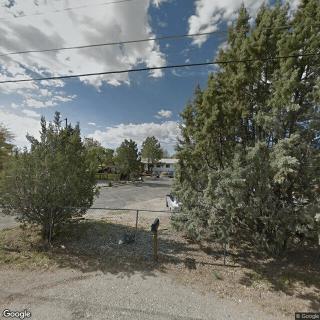
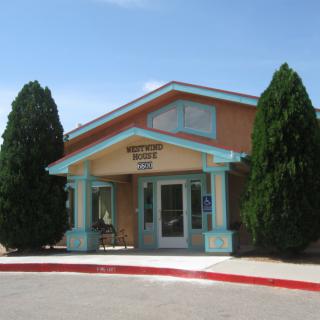
1024 Lead Ave SW, Albuquerque, NM 87102

For more information about senior living options: (844) 490-3973

4.4 from 13 reviews
5 stars
11
4 stars
0
3 stars
0
2 stars
0
1 stars
2

Day Program Memory Care

Overall Review of Casa Maria Alzheimer's Ctr

Pros

  • pro They provide good information and have very friendly staff.
  • pro They do a lot of good work and offer facilities to organizations for a small fee.
  • pro Their employees are a great resource for families dealing with dementia.
  • pro Alfredo and his team go above and beyond to raise awareness and support families affected by Alzheimer's.
  • pro The organization is amazing.

Cons

  • pro They are way behind on new research, holistic care options, diet, and chemical testing, and teach that there is no prevention or holding steady once you have Alzheimer's, which has been contradicted by recent research including Loma Linda.
  • pro Their customer service is terrible.
  • pro They usually don't answer the phone, and when they do answer, the promised email information never arrives.

Review

A number of people speak with appreciation for the organization's mission and its day-to-day warmth. They describe it as a source of good information and a homey, friendly presence in a field that can feel overwhelming. For those who are caring for loved ones slowly fading away, the group is portrayed as a practical ally that makes its facilities available to others for a small fee, a gesture that helps communities come together around difficult conversations and caregiving tasks. The narrator emphasizes the cruelty of dementia itself, underscoring why the organization's work feels so important and why the people involved inspire affection and gratitude.

One reviewer singles out Alfredo and his team for exceptional effort. They praise Alfredo and his colleagues for going "above and beyond" to spread awareness and to support families who are managing the challenges of Alzheimer's disease. The sentiment is that the organization operates with a high degree of dedication and that their outreach has real impact, earning the writer's strong admiration and a clear sense of respect for the work being done. In short, the organization is celebrated for leadership and for the positive difference it makes in the lives of families navigating a difficult illness.

Yet there is a notable counterpoint about how up-to-date the organization's approach is. The reviewer argues that the group is "way behind on new research, holistic care options, diet, chemical testing, etc." They contend that the organization teaches there is no prevention and that a decline is inevitable once Alzheimer's takes hold, a message that, in the reviewer's view, contradicts more recent findings and broader research, including work associated with Loma Linda. The implication is that the organization's educational stance and programmatic focus may not reflect the latest science, which creates tension for those who are seeking cutting-edge information or more expansive options for prevention and stabilization.

Amid the criticisms, another voice affirms the staff's strengths, noting "great staff providing superior service." This observation reinforces the sense that, despite disagreements about research timelines and treatment horizons, the people working in the organization deliver quality service and support. It suggests that the day-to-day interactions - whether in person, over programs, or through outreach - are capable, considerate, and professional, contributing positively to the overall perception of the organization.

There is also a clear frustration with the organization's customer service. The reviewer describes a pattern of being unable to reach someone by phone after multiple attempts and receiving promises of email information that never arrives. This critique highlights a gap between the organization's evident passion and competence in its mission and the practical, everyday communication that families rely on. The lack of timely responses and follow-through on promised information casts a shadow over otherwise positive impressions.

Taken together, the reviews present a nuanced portrait. The organization emerges as a well-meaning, community-centered entity that is deeply valued for its information, facility access, and the generosity of its volunteers and staff. The praise for Alfredo and the staff's dedication stands in contrast to concerns about how current the organization's research guidance is and how reliably it communicates with those seeking help. For families dealing with dementia, this combination of admiration and critique reflects real-world tensions: the importance of compassionate, tangible support on the ground, alongside the desire for up-to-date, evidence-based guidance that aligns with the latest scientific understanding.

Ultimately, the overall message is one of warmth tempered by constructive critique. People appreciate the organization's humanity, accessibility, and the essential services it provides, while at the same time urging closer alignment with ongoing research developments and improved responsiveness in communications. The reviews together paint a picture of an organization that is beloved by many for the good it does, yet challenged to evolve quickly enough to satisfy all who look to it for guidance in a rapidly changing landscape of dementia care and prevention.

Features

Types of Care

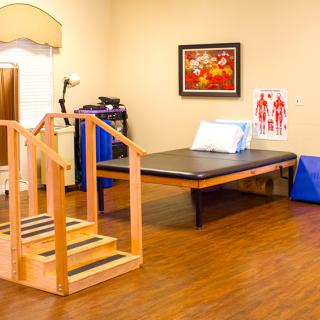
  • Day Program Day ProgramDay programs are important for seniors because they provide a safe and supportive environment where older adults can socialize, engage in activities, receive assistance with daily tasks, and access valuable resources and services. These programs help prevent isolation and loneliness, promote mental and physical well-being, and offer a sense of purpose and community for seniors.
  • Memory Care Memory CareMemory care is crucial for seniors as it provides specialized support and services for individuals with dementia or Alzheimer's disease. These programs offer a safe and secure environment where residents receive personalized care, cognitive stimulation, and help with daily activities. Memory care helps seniors maintain their independence, quality of life, and dignity while also providing peace of mind for their families.

Transportation

  • Albuquerque International (4 miles away) Albuquerque International (4 miles away)
Description

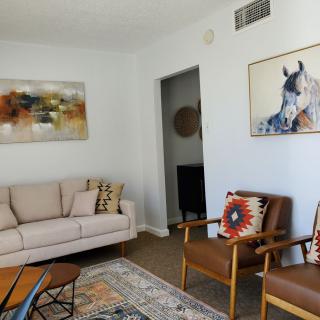
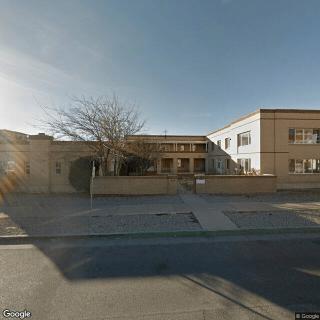
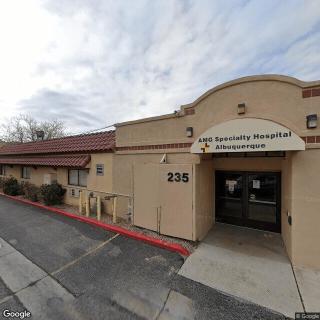
Casa Maria Alzheimer's Center in Albuquerque, NM, is a dedicated memory care facility that provides compassionate and specialized support for individuals with Alzheimer's and other dementia-related conditions. The center focuses on creating a nurturing environment that promotes dignity, respect, and quality of life for its residents.

Surrounded by a vibrant community, Casa Maria offers convenient access to numerous amenities that enhance the living experience. Residents can enjoy 9 nearby cafes for casual outings, while 21 restaurants offer diverse dining options for family visits or social gatherings. For those who appreciate the outdoors, there are 5 parks in close proximity where residents can take leisurely strolls or engage in recreational activities.

Health and well-being are paramount at Casa Maria. With 18 pharmacies and 11 hospitals nearby, residents have easy access to medical resources and assistance as needed. Additionally, with 27 physicians in the area, comprehensive healthcare support is readily available.

Transportation options are also accessible, with 7 transportation services nearby ensuring residents can participate in community events or appointments conveniently. Furthermore, Casa Maria fosters a sense of community through connections to local places of worship (2 nearby) and encourages spiritual engagement if desired.

At Casa Maria Alzheimer's Center, dedicated staff members work tirelessly to provide tailored care programs designed to meet each resident's unique needs. This focus on personalized care allows families to feel assured that their loved ones are receiving the attention and support necessary for a fulfilling life even in times of cognitive challenge.

Nearby Places of Interest

This part of Albuquerque, New Mexico, offers a variety of amenities that may be attractive to seniors looking for a convenient and comfortable living environment. With several physicians' offices and hospitals within a short distance, residents have access to quality medical care. Additionally, there are pharmacies nearby for easy access to prescriptions. The neighborhood also boasts a selection of restaurants and cafes for dining options, as well as parks for leisurely strolls and outdoor activities. Transportation options are plentiful with bus and train stations close by, making it easy to get around the city. Overall, this area provides a mix of healthcare facilities, dining options, recreational opportunities, and convenient transportation services that can cater to the needs of older individuals looking for a well-rounded community to call home.

Physicians

  • Medicine At Downtown (0.1 miles)
  • Duke City Recovery Toolbox (1 miles)
  • Gamma Knife Center of New Mexico (1.2 miles)
  • Infectious Diseases & Internal Medicine Associates PC (1.2 miles)
  • Lovelace Neurosciences Center (1.2 miles)
  • First Choice Community Healthcare (1.2 miles)
  • New Mexico Clinical Research & Osteoporosis Center (1.4 miles)

Restaurants

  • Dog House Drive In (0.4 miles)
  • Wendy's (0.9 miles)
  • Copper Lounge (1.7 miles)
  • Golden Pride BBQ Chicken & Ribs (2.1 miles)
  • Whataburger (2.1 miles)
  • Golden Pride BBQ Chicken & Ribs (2.2 miles)
  • Burger King (2.2 miles)

Pharmacies

  • Albuquerque City Drug (0.6 miles)
  • Walgreens (1.1 miles)
  • Walgreens (1.8 miles)
  • UNM Hospital Outpatient Pharmacy (2.1 miles)
  • Price Rite Groc.Whse (2.2 miles)
  • Pharmerica (2.7 miles)
  • Walgreens (2.7 miles)

Transportation

  • Amtrak & Greyhound Station (0.7 miles)
  • Alvarado Transportation Center (0.7 miles)
  • United Airlines Ticket Counter (3.3 miles)
  • TSA Checkpoint - Albuquerque International Sunport (3.4 miles)
  • Security Checkpoint (3.4 miles)
  • Concourse B, ABQ (3.4 miles)
  • Amazing Car Rental Albuquerque (3.5 miles)

Hospitals

  • Comadre A Comadre (0.9 miles)
  • Lovelace Medical Center - Downtown (1.2 miles)
  • Heart Hospital of New Mexico (1.4 miles)
  • Presbyterian (1.5 miles)
  • UNM Hospital Hope Building (1.7 miles)
  • UNM Cancer Reseach and Treatment Center (2 miles)
  • Carrie Tingley Childrens Hospital (2.1 miles)

Cafes

  • Starbucks (1.1 miles)
  • Starbucks (1.6 miles)
  • Starbucks (2.2 miles)
  • Olympia Cafe (2.2 miles)
  • Satellite Coffee (2.3 miles)
  • Dutch Bros Coffee (2.9 miles)
  • Michael Thomas Coffee (2.9 miles)

Places of Worship

  • Saint George Greek Orthodox Church (1.2 miles)
  • Faith Chapel (3 miles)

Parks

  • Roosevelt Park (1.6 miles)
  • Graves Park (1.8 miles)
  • Hyder Park (3 miles)
  • Altura Park (3.6 miles)
  • Eunice Kaloch Park (4.2 miles)

Frequently Asked Questions

Where is Casa Maria Alzheimer's Ctr?
Does Casa Maria Alzheimer's Ctr provide care for residents with dementia or Alzheimer's disease?

Nearby Communities

Memory care in Nearby Cities

Related Resources

  • sundown syndromeComprehending Evening Confusion in Dementia: Causes, Manifestations, and Support

    Sundown syndrome, or sundowning, is a phenomenon in dementia patients characterized by increased confusion and agitation during late afternoon and evening, influenced by factors like disrupted circadian rhythms and fatigue. Effective caregiver strategies include establishing routines and managing environmental light while addressing caregiver stress through support services.

  • delirium vs dementiaDelirium and Dementia: Unraveling the Key Differences

    Delirium is a rapidly onset, reversible cognitive disturbance often caused by acute medical issues, while dementia is a gradual and irreversible decline due to chronic neurodegenerative diseases. Accurate differentiation between the two is essential for appropriate treatment and management in older adults.

  • can you die from dementiaAre Dementia and Alzheimer's Disease Lethal? A Comprehensive Exploration

    Dementia, including Alzheimer’s disease, is often mischaracterized in terms of lethality as it leads to complications that can be fatal rather than being a direct cause of death; it causes a progressive decline in cognitive and physical health, making patients vulnerable to infections and other health crises. Effective management of nutrition, hydration, and communication is crucial in patient care, with palliative care becoming vital in advanced stages to enhance comfort and quality of life while caregivers play a key role amidst the challenges posed by the disease.