
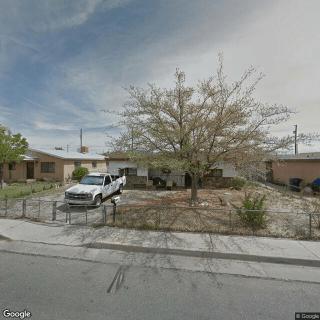
1629 Bowe Lane Sw, Albuquerque, NM 87105
For more information about senior living options: (866) 208-4318
Overall Review of South Valley Care Center
Pros
 The staff consistently showed empathy, respect, and dignity toward residents.
- The facility is clean and well organized, and the staff are authentically kind and helpful to families.
- The nurse manager, Sue, is exceedingly competent and runs a tight ship.
- Two CNAs were especially gentle and kind to residents.
- Administration and medical staff keep families well informed and respond respectfully to questions.
- The administrator genuinely cares for residents and leads with dedication.
- The center is regarded as one of the best in the city, with caring and wonderful staff.
Cons
 They describe bruises on residents with no explanation.
 - They report violent patients roaming the halls and punching people, per staff warnings.
- They claim residents’ belongings frequently go missing, suspecting staff involvement.
- They say rooms are worse than jail cells and residents are limited to one weekly shower with cold water.
- They allege mental abuse of residents and that some are sedated rather than having underlying issues addressed.
- They note shady practices like withholding mail, monitoring calls, and restricting residents’ choices, violating rights.
- They recount an incident where a male CNA allegedly grabbed a patient from bed and slammed her into a wheelchair.
Review
South Valley Care Center in Albuquerque is best suited for families on a tight budget who genuinely need Medicaid-eligible care and are prepared to be actively involved in oversight. The facility tends to draw those who want a more affordable option with enough organization and administration to keep operations moving. It may work for residents who do not require a flawless safety culture and who can tolerate varying experiences in care, communication, and daily life. In short, this is a practical choice for cost-conscious families willing to persist with questions, monitoring, and ongoing dialogue with staff and managers.
Those who should consider alternatives are families for whom safety, dignity, and consistent, respectful treatment are non-negotiable. If a loved one has high behavioral risk, a history of aggression, or requires a proven, zero-tolerance approach to mistreatment, this center demands extra scrutiny or avoidance. Prospective buyers should also seek options with stronger, verifiable records of incident reporting, transparent investigations, and fewer red flags around patient rights, mail privacy, and consent practices. Families seeking premium dining, modern rooms, or highly specialized memory-care programming may find other communities more aligned with those expectations.
The facility’s strongest practical strengths lie in affordability combined with a degree of administrative responsiveness and family communication. Several long-tenured staff members and a commendable administrator contribute to a sense that operations are organized and that concerns can reach leadership. Cleanliness and general upkeep are repeatedly noted in positive testimonies, and for families navigating Medicaid pathways, the capability to secure 24/7 care without breaking the bank is a meaningful offset to other compromises. In this framework, the best-case scenario rests on steady, respectful care from dedicated staff and transparent, ongoing family updates.
Yet the most damning thread running through the reviews concerns safety and care quality. Reports of aggressive residents roaming the halls, alleged physical force by staff, and allegations of sedation as a management tool paint a troubling picture. Instances of missing personal belongings, restricted mail, and perceived micromanagement of resident choices further erode trust in the daily living environment. These themes are not merely isolated anecdotes; they recur across multiple accounts and accompany mentions of lawsuits or investigations. When safety culture is in question, even solid administrative competence struggles to compensate.
From a decision-making standpoint, visitors should push hard on concrete assurances before placement. Ask for current incident statistics, staffing ratios during day versus night shifts, and the process for addressing resident behavioral concerns. Require up-to-date training records for CNAs, evidence of non-pharmacological behavior-management approaches, and detailed routines for meals, hydration, and hygiene. Insist on direct conversations with front-line staff about daily care tasks, and request candid responses from the administrator about any past or ongoing legal actions and what changes have been implemented. A thorough tour at different times of day can reveal whether the environment aligns with the expectations set for safety, dignity, and engagement.
In the end, South Valley Care Center offers a realistic, affordable path for families who prioritize access and basic care and who are prepared to closely supervise and advocate for their loved one. It is not a generic “yes” for every family; it is a considered option that can work when budget constraints are real and when there is a disciplined commitment to ongoing oversight. For those unwilling to compromise on safety, or who cannot tolerate the risk of inconsistent treatment or restricted resident rights, stronger alternatives with documented, higher safety standards are worth pursuing. The prudent course is to investigate thoroughly, compare peers, and choose only after clear, actionable assurances about protection, dignity, and sustained quality of life.
 58 resident community capacity
 Skilled Nursing Facility
 Air-conditioning
 Beauty salon
 Cable or satellite TV
 Computer center
 Dining room
 Fitness room
 Fully furnished
 Gaming room
 Garden
 Housekeeping services
 Kitchenette
 Move-in coordination
 Outdoor space
 Private bathrooms
 Restaurant-style dining
 Small library
 Telephone
 Wellness center
 Wi-Fi/high-speed internet available
 Albuquerque International (4 miles away)
 Community operated transportation
 12-16 hour nursing
 24-hour call system
 Activities of daily living assistance
 Assistance with bathing
 Assistance with dressing
 Assistance with transfers
 Diabetes diet
 Medication management
 Mental wellness program
 Special dietary restrictions
 Concierge services
 Planned day trips




 Skilled Nursing Facilities vs. Nursing Homes: Making Sense of the Differences
 A Detailed Examination of Nursing Home Costs Across the U.S.
 Exploring Nonmedical Home Care: Understanding Services, Costs, and Financial Approaches