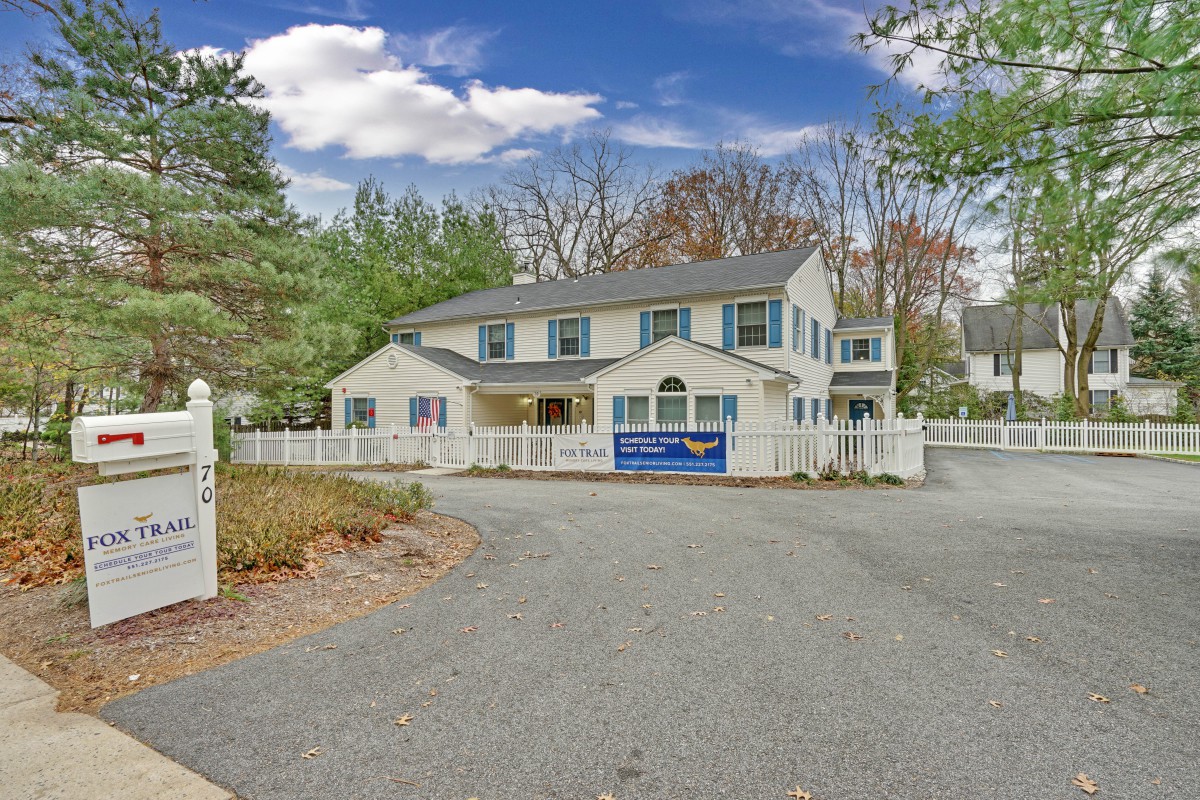




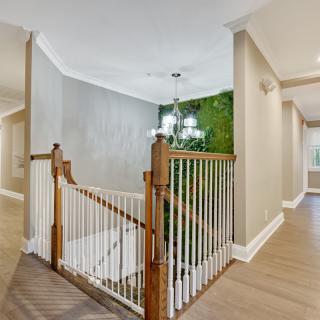


70 Lake St, Ramsey, NJ 07446
To contact a resident: (201) 962-9527
For more information about senior living options: (866) 208-4318
Fox Trail Memory Care Living at Lake Street Costs & Pricing
At Fox Trail Memory Care Living at Lake Street, the monthly cost for a studio room is set at $6,450. This figure is slightly below the average for Bergen County, where similar accommodations typically range around $6,525. In comparison to the broader landscape of New Jersey, where average costs can be lower at approximately $5,286 for comparable facilities, Fox Trail's pricing reflects its commitment to providing specialized care and an enriching environment tailored for individuals with memory impairments. The facility's focus on quality service and personalized support ensures that residents receive not just housing but also comprehensive care designed to enhance their well-being.
| Floor plans | Fox Trail Memory Care Living at Lake Street | Bergen County | New Jersey |
|---|---|---|---|
| Studio | $6,450 | $6,525 | $5,286 |
Memory care communities with a similar price nearby
-
About the same

The Delaney at The Green
$6,400 to $11,350 / month24.0 miles away -
from -$750 / mo
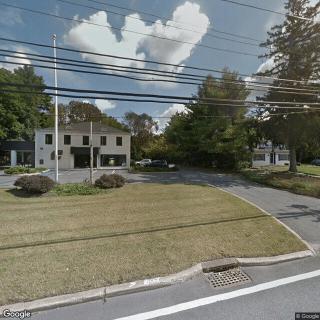
Brandywine Living At Mahwah
$5,700 / month3.1 miles away -
from +$1050 / mo

Fox Trail Memory Care Living at Hillsdale East
$7,500 / month5.4 miles away -
from -$1035 / mo
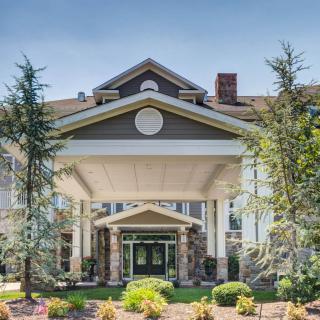
Arbor Terrace Roseland
$5,415 to $9,260 / month18.9 miles away -
from -$650 / mo
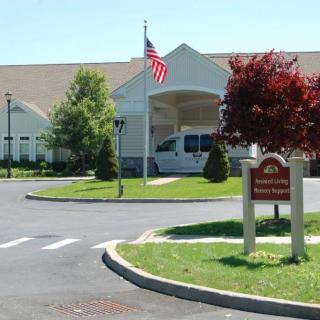
Yorktown Assisted Living Residence
$5,800 to $11,500 / month21.2 miles away
Overall Review of Fox Trail Memory Care Living at Lake Street
Pros
 The staff is excellent and their communication is excellent.
- They provide three meals and snacks a day.
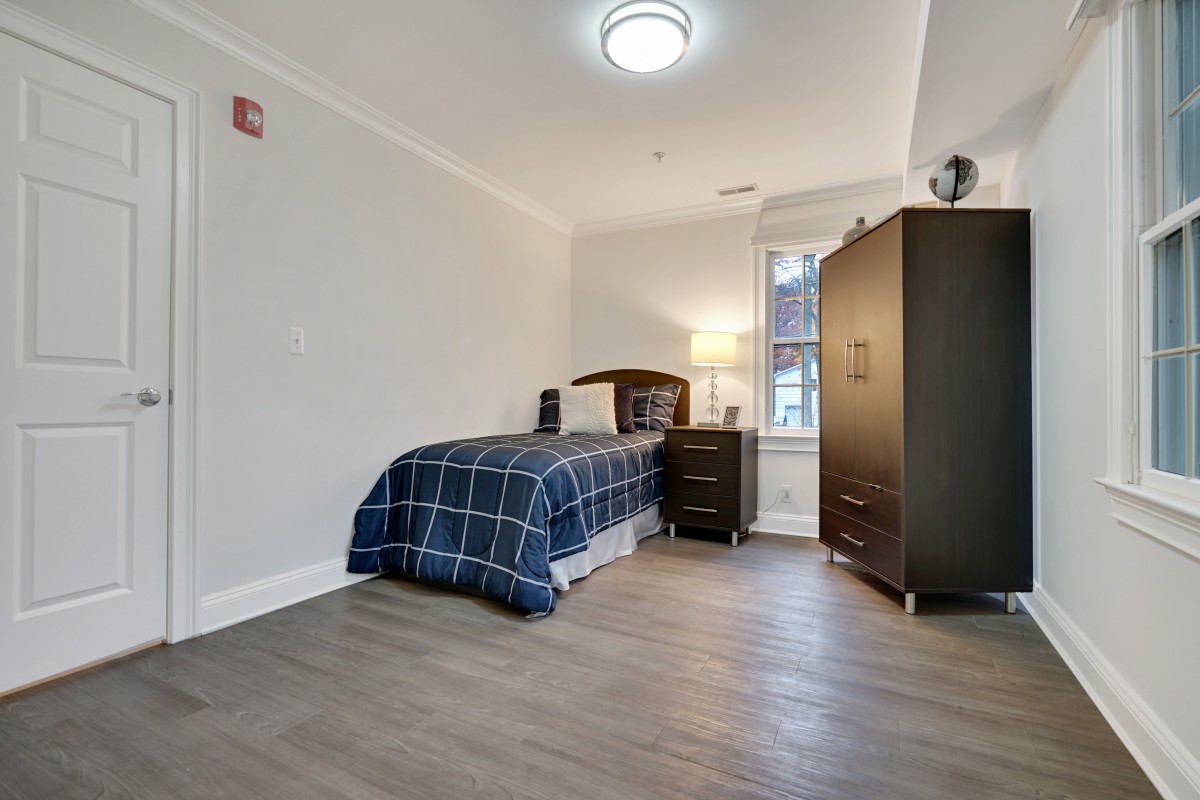
- The corner room with two windows is bigger than the other rooms.
- There are morning bingo activities and afternoon movies.
- It is probably most satisfactory for most of the people that are there.
- The brother has improved, and the reviewer is grateful to the staff and to the company for taking him in.
Cons
 It is a very small community.
- Lots of residents have very poor memory.
Review
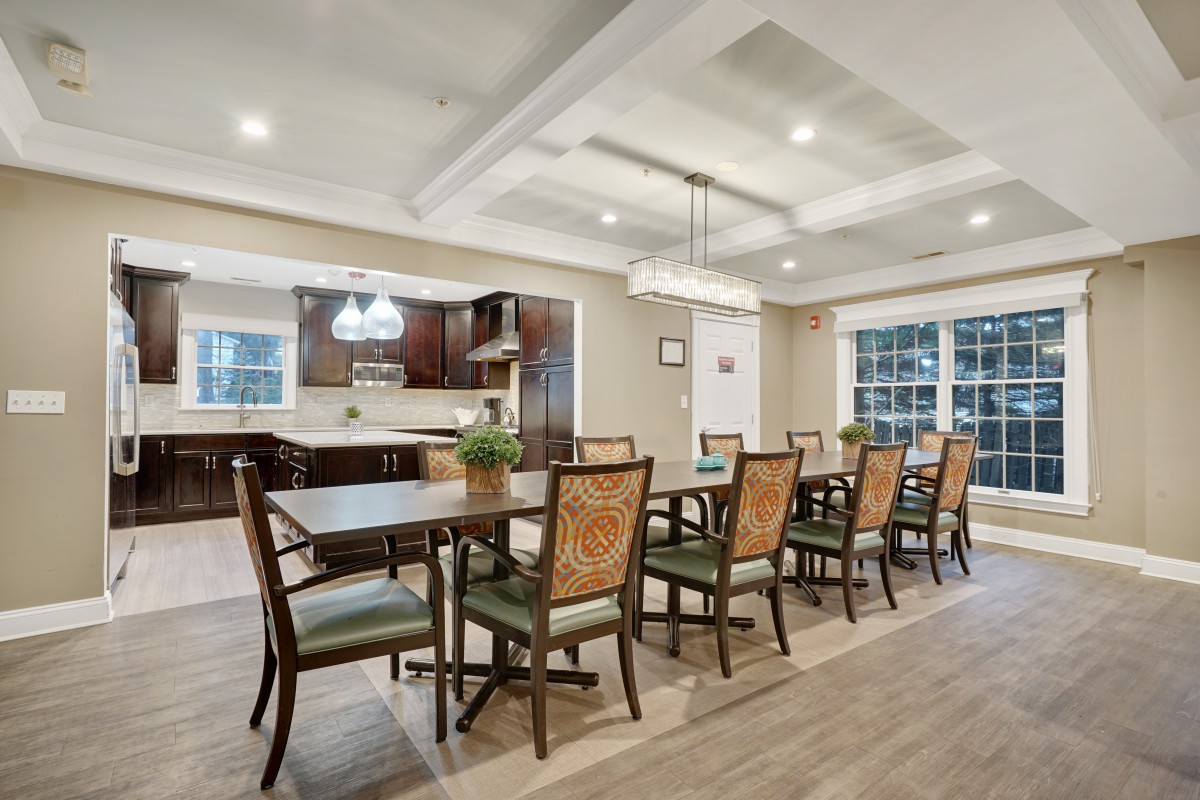
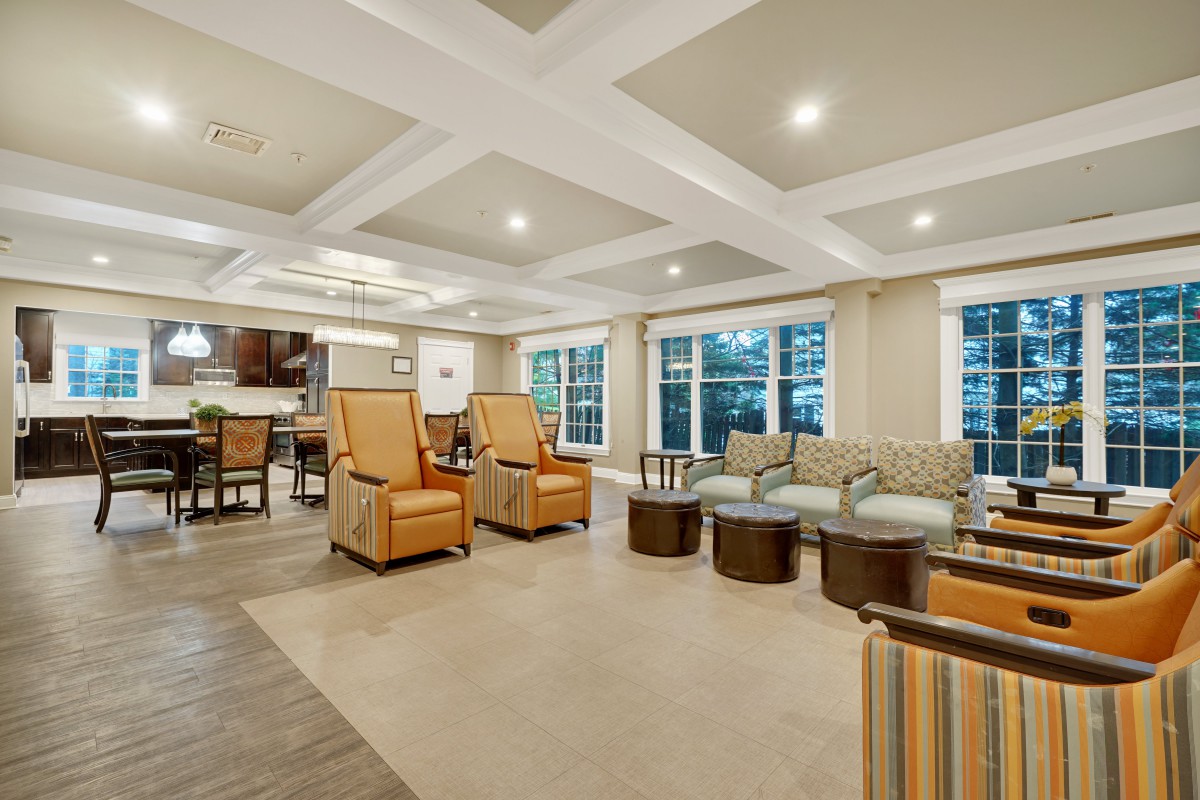
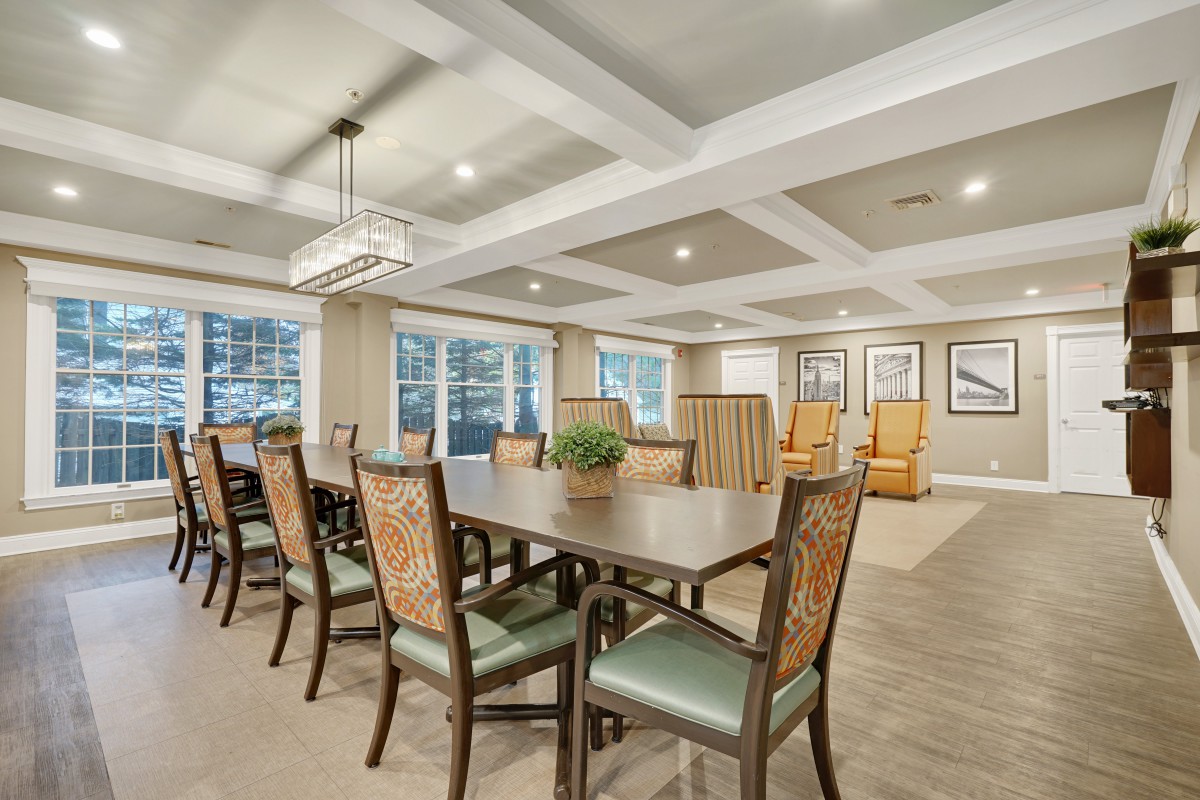
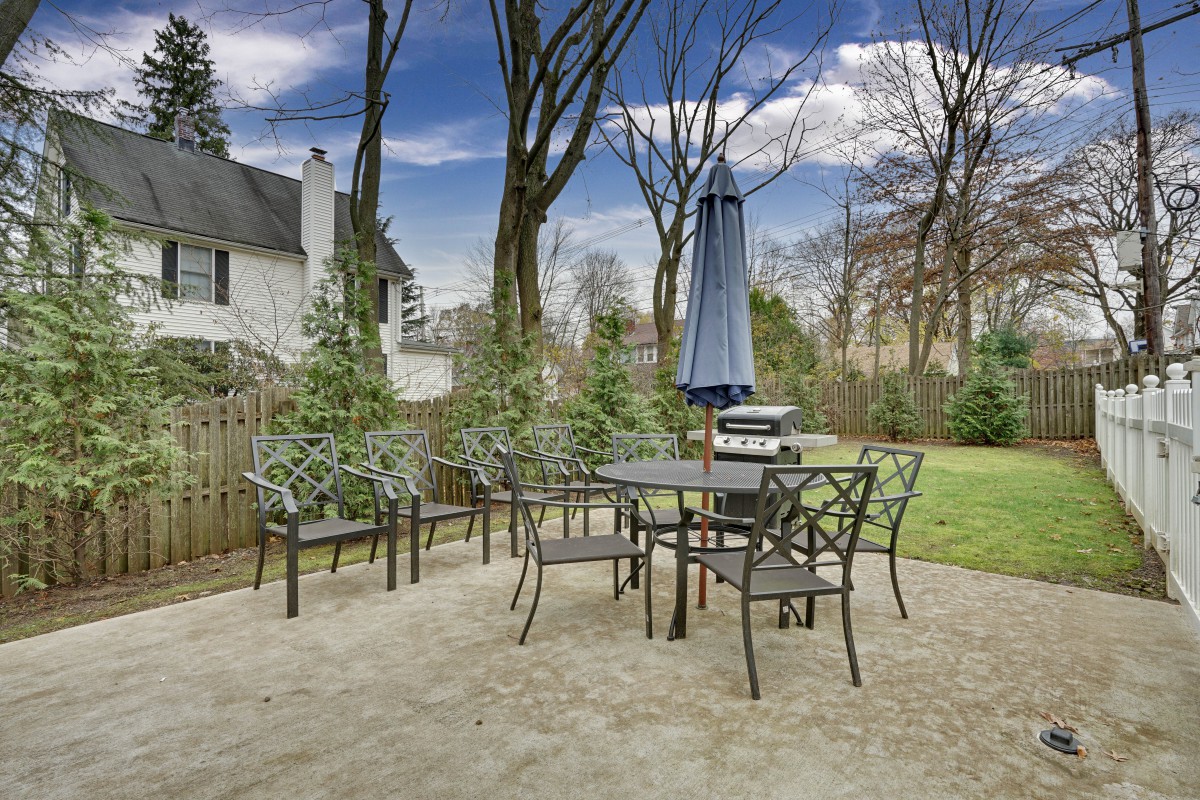
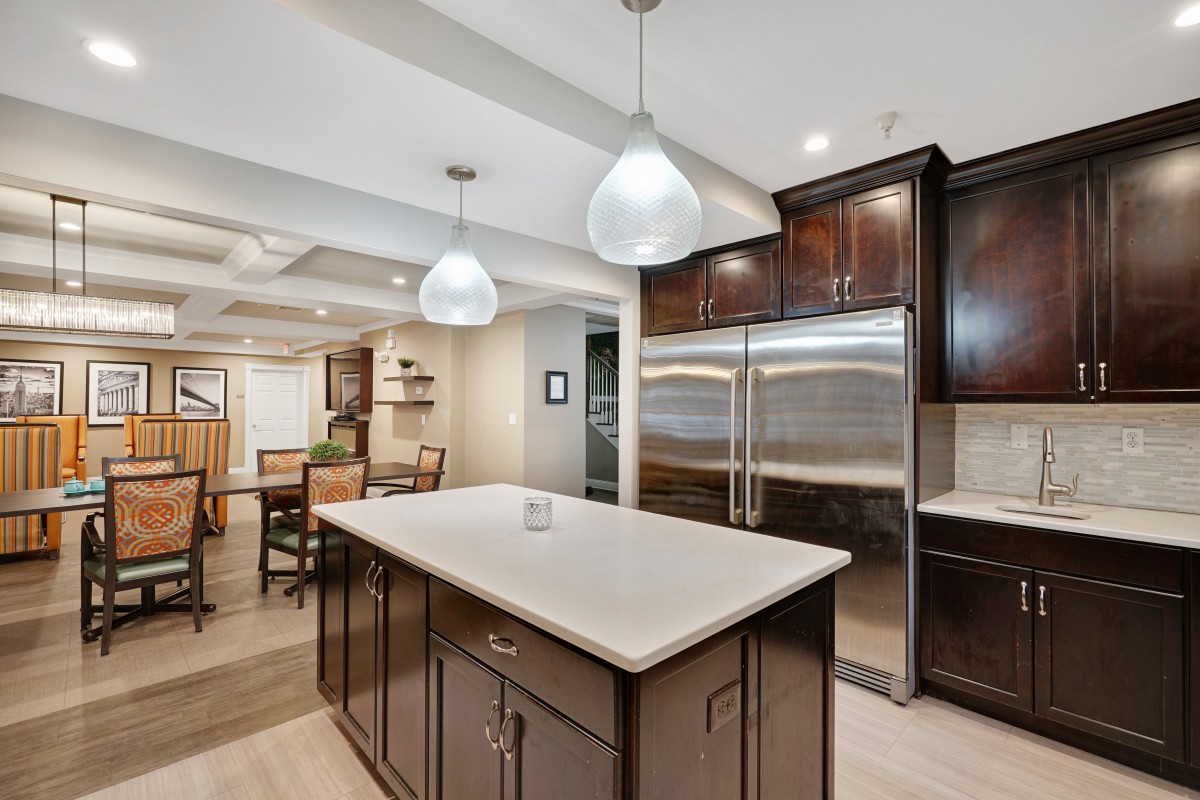
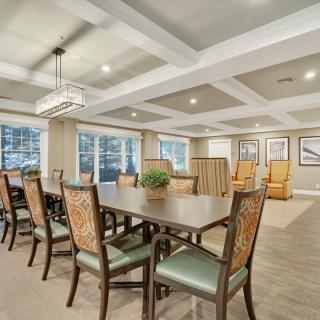
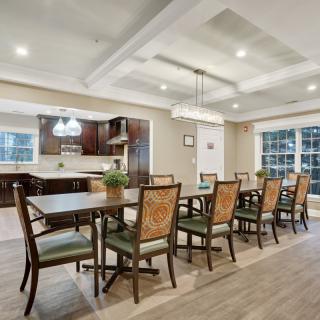
Fox Trail Memory Care Living at Lake Street in Ramsey is best suited for seniors living with memory impairment who benefit from a tight-knit, highly supervised environment. The community’s strengths lie in the hands-on attention from staff and the direct, transparent communication families receive. Residents do well with a predictable routine, three meals plus snacks, and memory-focused activities that are intentionally structured. The available room options include larger corner rooms, which can matter for comfort and a sense of dignity. The setting works especially well for families who want to be closely informed about daily care and who prioritize consistent, compassionate caregiving over a bustling, larger campus vibe.
Those weighing alternatives should consider whether a larger community with a wider array of social programming, more extensive on-site medical oversight, or more expansive transport and activity options aligns better with the resident’s needs. If independence and a broad social calendar are priorities, or if a resident requires higher levels of medical staffing at all hours, a more expansive memory-care campus or a facility with more medical integration may be preferable. This Ramsey option excels in focused memory care and family communication, but it may feel constricted for residents who crave broader exploration or more varied peer groups.
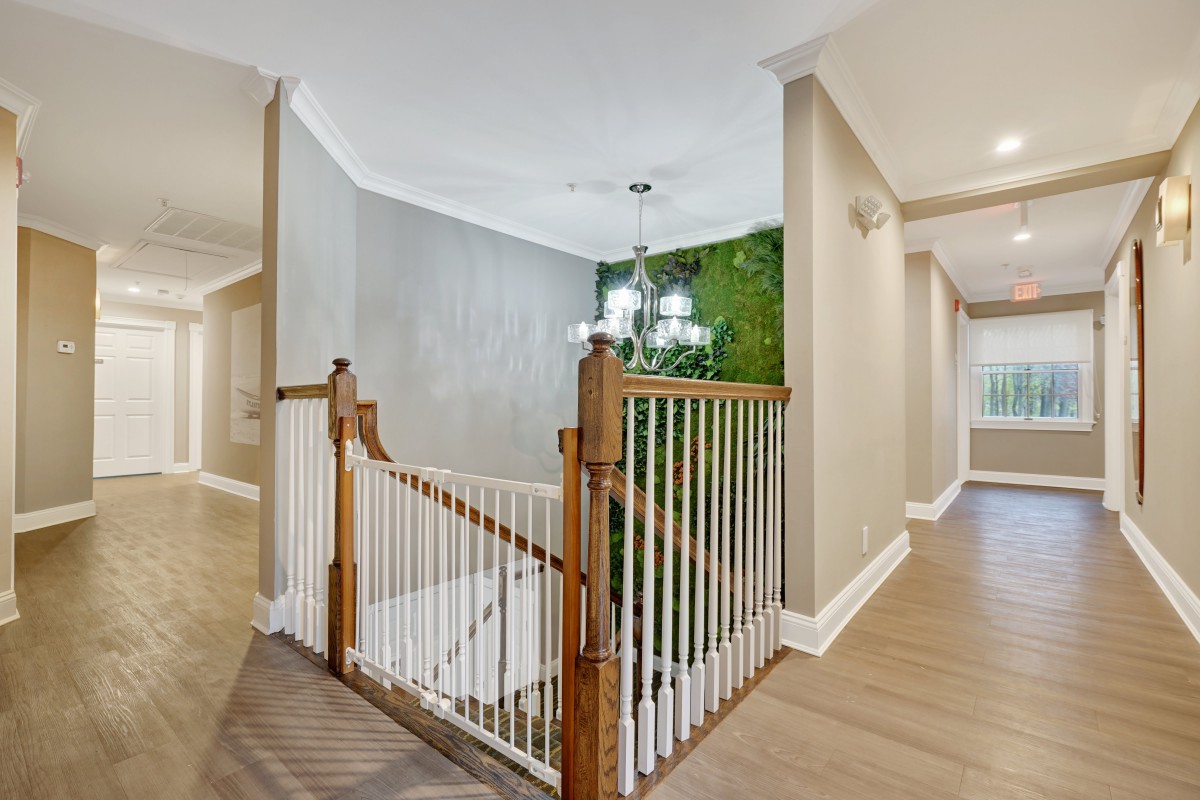
On the upside, staff quality and communication stand out as defining strengths. Observers note respectful, clear interaction with residents and families, consistent check-ins, and a willingness to engage in meaningful conversations about care. The daily routine includes three meals and snacks, with a cadence of morning activities such as bingo and afternoon films that align with memory care needs. The small, intimate setting fosters a sense of safety and belonging, and staff tailor activities to memory-impaired residents to maximize engagement. The environment includes comfortable room options, corner units that feel larger, contributing to dignity and choice. Family members report tangible improvements in memory for a resident, underscoring the effective care approach.
Nevertheless, the tight community size can limit social variety and incidental opportunities that larger campuses naturally provide. For residents who desire a wider network of peers and a broader slate of programming, this may feel restrictive over time. The reviews do not specify the full scope of medical staffing or on-site capabilities, which matters when memory care intersects with other health needs. Price, billing structure, transportation options, and the flexibility of care plans are not detailed here, making comprehensive cost comparisons essential. In short, while the care team excels, the setting may not fit every memory-care resident, particularly those seeking dynamic, expansive environments.
Yet these potential drawbacks are notably offset by the proven strengths. The ability to communicate openly with a responsive staff minimizes family stress and ensures care plans stay aligned with changing needs. A small footprint allows staff to observe subtle shifts in cognition or mood quickly, enabling timely interventions. Structured, memory-focused activities deliver meaningful engagement, reducing agitation and supporting cognitive function. Regular meals and consistent routines bolster stability, which is particularly valuable for individuals with memory challenges. The observed memory improvements, as reported by a grateful family member, demonstrate that the care model here can translate into real, tangible benefits. For families prioritizing reliable, attentive, and transparent care in a compact setting, these advantages carry significant weight.
For families evaluating Fox Trail, plan a site visit with a checklist focused on staff interaction quality, daily schedules, and the resident-to-staff ratio. Ask about how memory-care programming evolves as needs shift and what triggers changes to care plans. Request specifics on room availability, meal options, and how family communication is structured. Inquire about pricing, included services, and any additional fees, as well as transportation and access to healthcare partners. If a resident thrives on a close-knit community and consistent, compassionate care with visible memory support, Fox Trail Memory Care Living at Lake Street is a compelling choice. If the priority is breadth over intimacy, alternatives deserve careful consideration.
 Studio apartments
 Memory Care
 Cats allowed
 Dogs allowed
 Activities off-site
 Air-conditioning
 Bath tubs
 Beautician on-site
 Cable or satellite TV
 Devotional services off-site
 Dining room
 Ground floor units
 Guest parking
 Home sale assistance
 Housekeeping services
 Indoor common areas
 Laundry
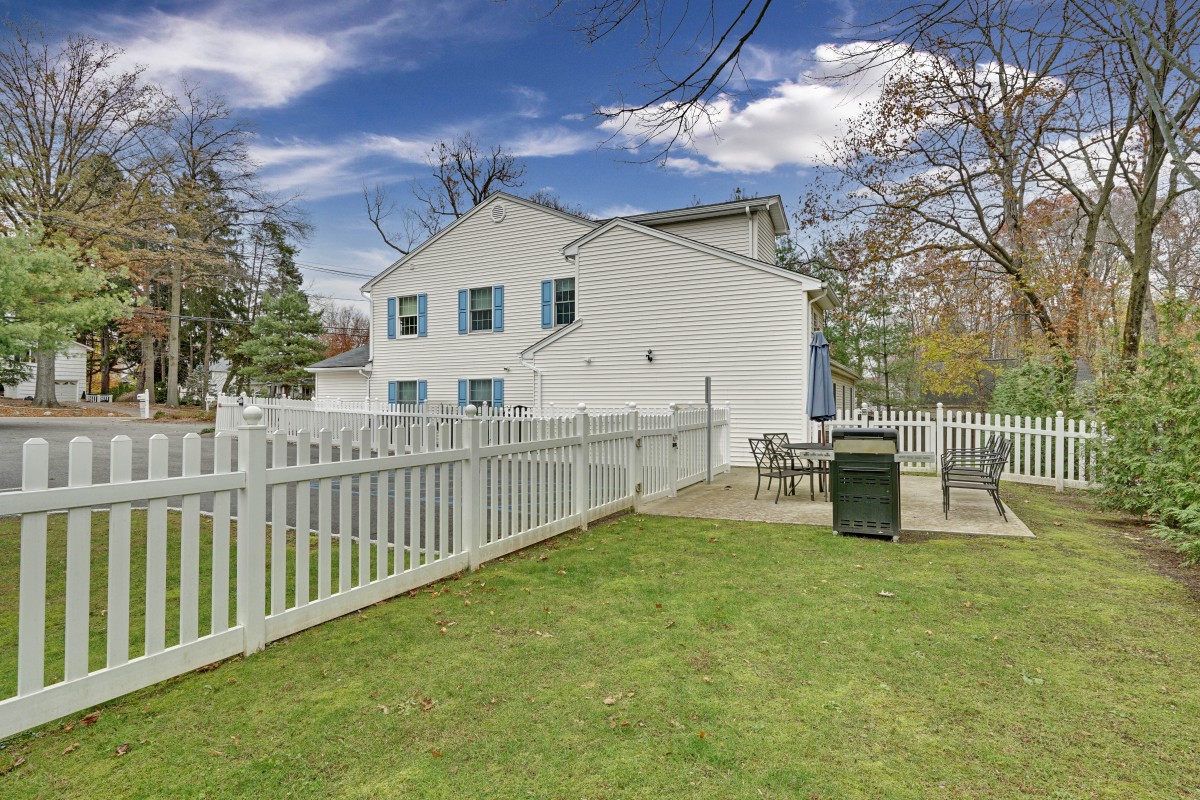
 Outdoor common areas
 Respite or short term stays offered
 Security gate
 Wheelchair accessible showers
 Wi-Fi/high-speed internet available
 Westchester Cty (22 miles away)
 Ambulatory care
 Companion care
 Diabetic care
 Hospice care
 Incontinence care
 Medication management
 Physical therapy
 Meals provided
 Special dietary restrictions
 Art classes
 Book club
 Catholic services
 Cooking classes
 Day trips and outings
 Educational speakers / life long learning
 Games
Games Gardening club
 Jewish services
 Karaoke
 Live musical performances
 Live well programs





 Dementia, Paranoia, and Caregiver Guidance: Understanding the Connection
 Engaging Memory Care Activities That Enhance Quality of Life
 When to Transition from Assisted Living to Memory Care: Key Indicators, Steps, and Finding the Right Community