

103 Kinderkamack Rd, Park Ridge, NJ 07656
To contact a resident: (201) 391-4310
For more information about senior living options: (866) 208-4318
Fox Trail Memory Care Living at Park Ridge Costs & Pricing
Fox Trail Memory Care Living at Park Ridge offers a studio room at a monthly cost of $7,500, which reflects the comprehensive care and supportive environment tailored specifically for individuals with memory challenges. When compared to the average costs in Bergen County, which stands at $6,525 for similar accommodations, Fox Trail's pricing is notably higher. Furthermore, the statewide average in New Jersey for comparable studio living is around $5,286. This pricing structure indicates that while Fox Trail may be positioned at a premium compared to both county and state averages, it likely encompasses additional services and amenities that contribute to its value proposition in fostering a nurturing and secure setting for residents.
| Floor plans | Fox Trail Memory Care Living at Park Ridge | Bergen County | New Jersey |
|---|---|---|---|
| Studio | $7,500 | $6,525 | $5,286 |
Memory care communities with a similar price nearby
-
from +$240 / mo
Sunrise of Mountain Lakes
$7,740 to $9,660 / month23.5 miles away -
from +$1045 / mo

The Watermark at Brooklyn Heights
$8,545 to $15,620 / month23.1 miles away -
About the same
Fox Trail Memory Care Living at Hillsdale East
$7,500 / month2.3 miles away -
from -$905 / mo

Atria Briarcliff Manor
$6,595 to $8,895 / month13.5 miles away -
from -$1000 / mo

Harmony Village at CareOne At Hanover Township
$6,500 to $13,000 / month24.9 miles away
Overall Review of Fox Trail Memory Care Living at Park Ridge
Pros
 The staff is very kind and friendly and adapts care to each resident.
- The facility feels home-like and easy to visit.
- They keep families updated at all times, even during challenging times.
- The staff is professional, caring, and treats residents with dignity and respect.
- The atmosphere is warm and joyful, making families feel part of an extended family.
- Tia, the Activities Director, is tireless and ensures every resident can participate.
- Janis, the House Manager, is approachable, kind, and highly understanding.
- The overall cost is far below other facilities, offering excellent value.
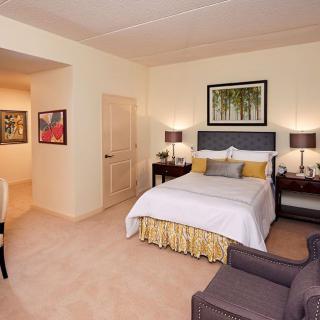
- The facility is very clean, with private, well-maintained rooms and a secure, homey setting.
Cons
 They would not recommend placing a loved one in their care.
- The staff was extremely inconsistent, with three different managers over about a year and a half; the third manager was fired.
- The grandmother with dementia would lock herself in her room, and no one would check on her.
- She had multiple falls that landed her in the hospital.
- There were fewer than 10 residents, and the caretakers did not provide adequate care.
- When visited, staff were often on their phones or sleeping on the couch rather than attending to residents.
- Communication suffered during the Covid transfer when a loved one was moved to another facility.
Review
Fox Trail Memory Care Living at Park Ridge is best suited for families seeking a small, home‑like memory care option where resident relationships feel real and staff become familiar quickly. It works best for residents in the earlier to mid stages of dementia who can thrive in a setting that emphasizes personal attention, predictable routines, and open family access. The community shines for families that value direct, ongoing communication and a sense of community over a polished, institutional atmosphere. Those whose loved ones require significant medical oversight, high‑acuity nursing, or top‑tier campus amenities may want to consider alternatives.
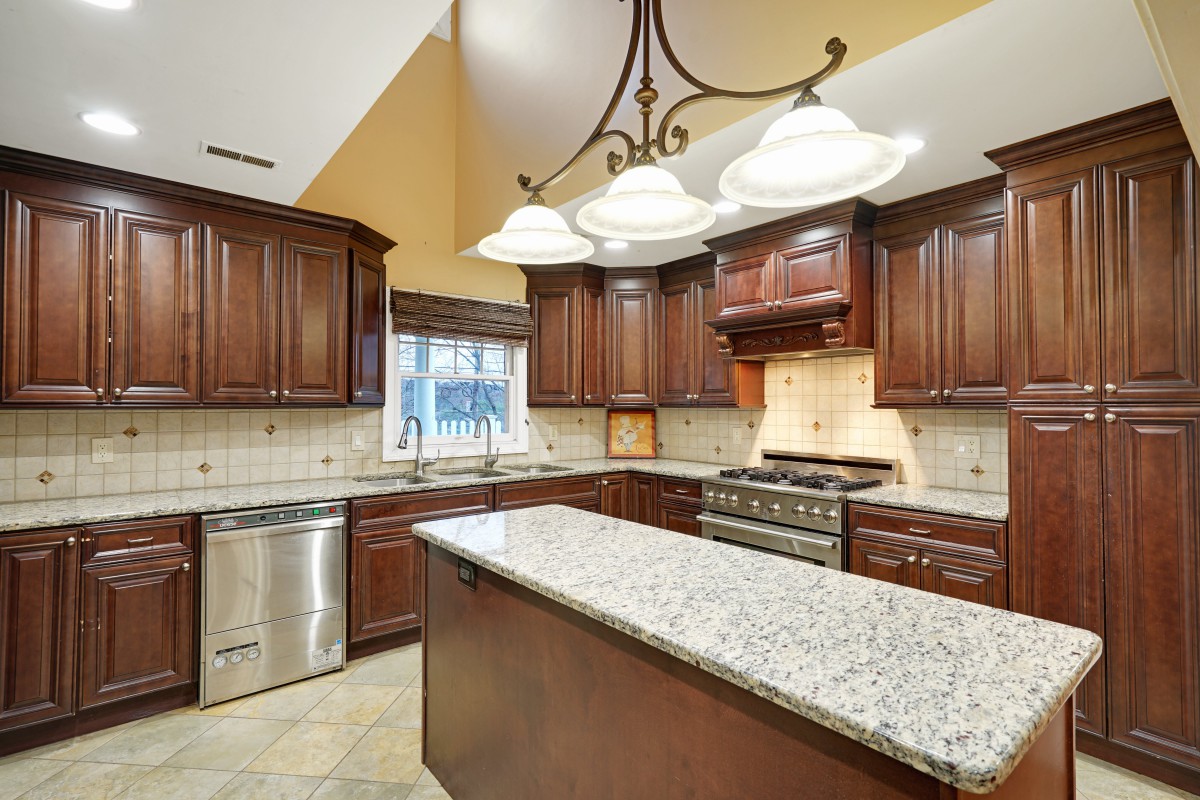
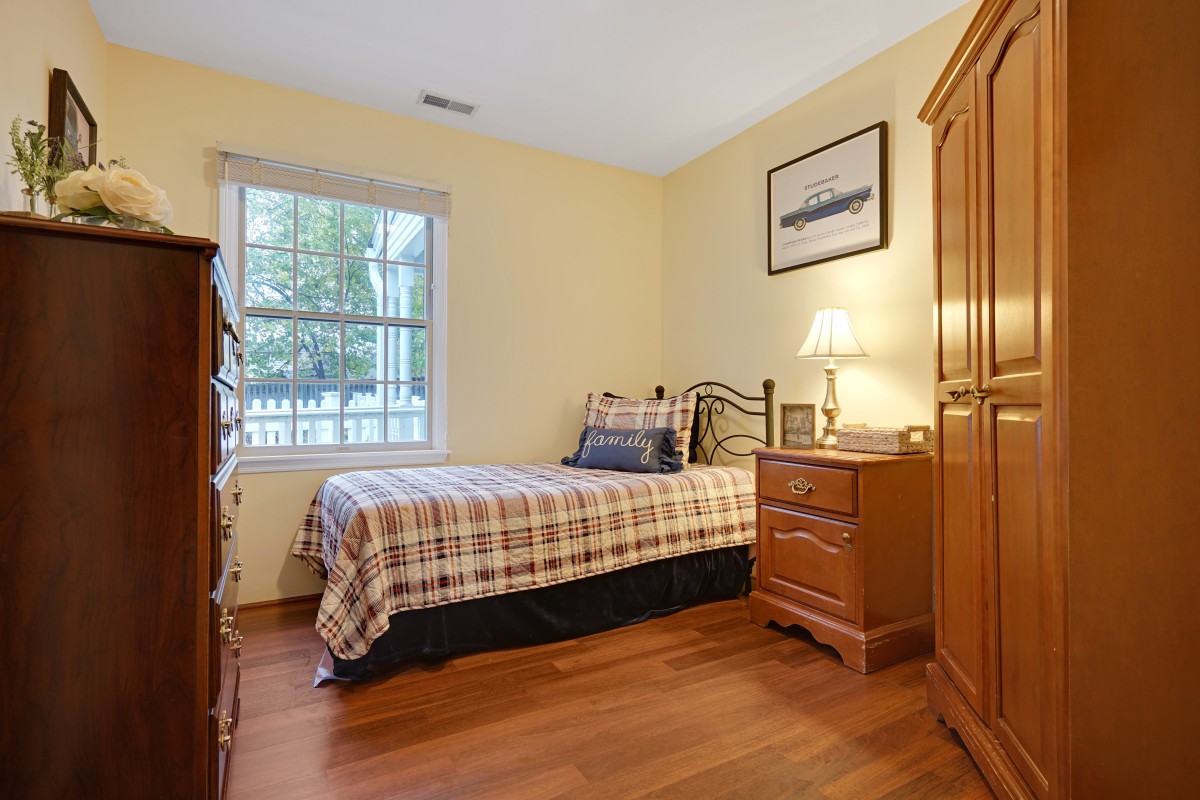
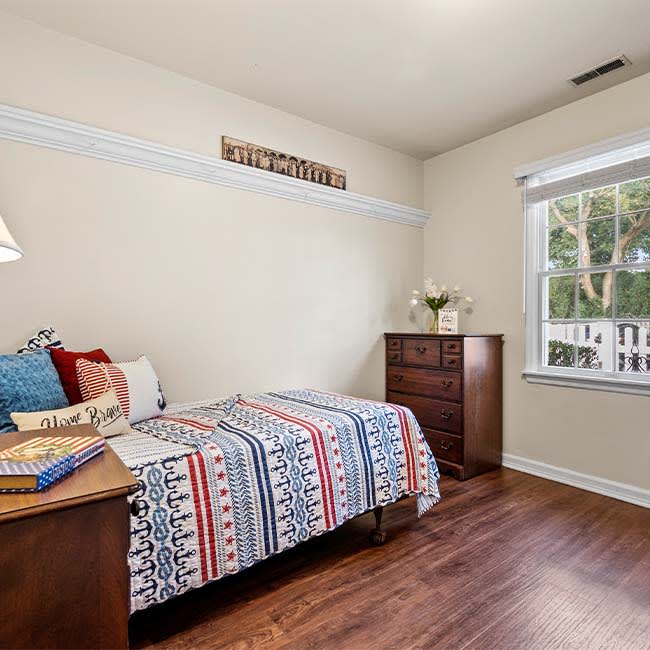
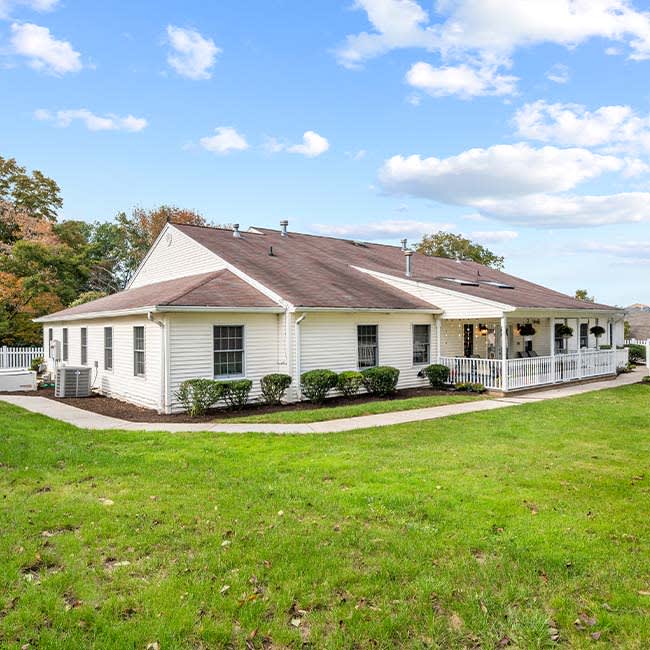
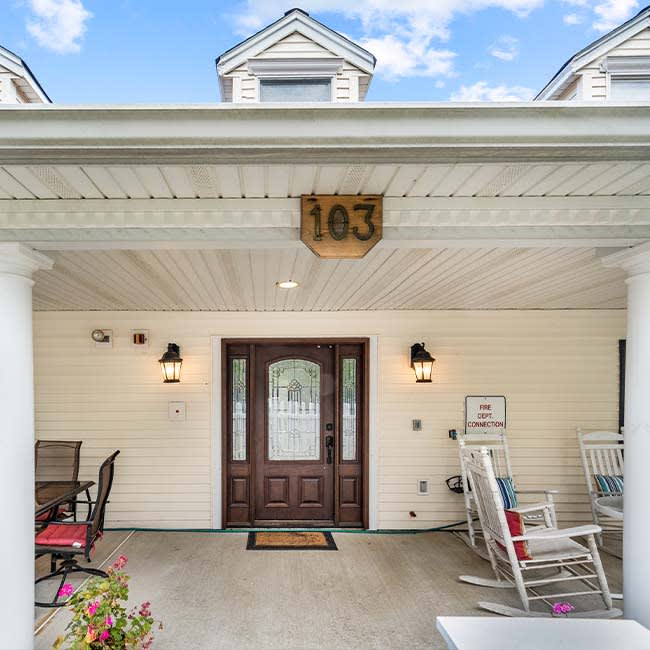
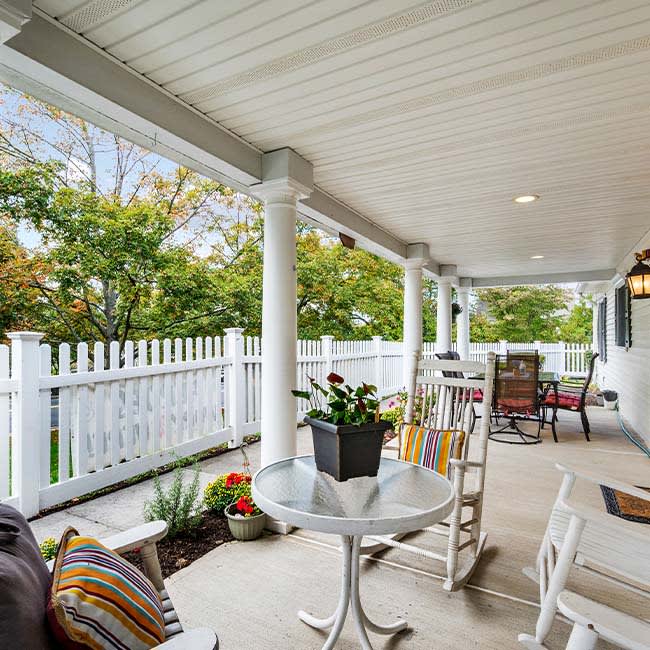
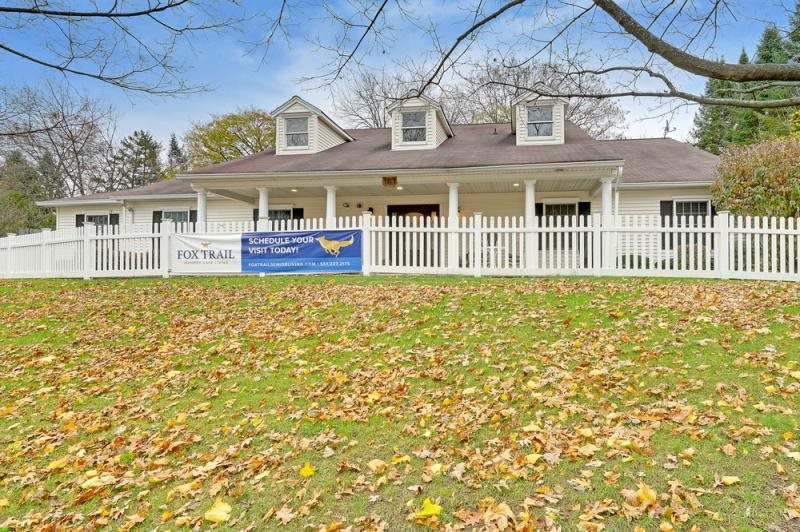
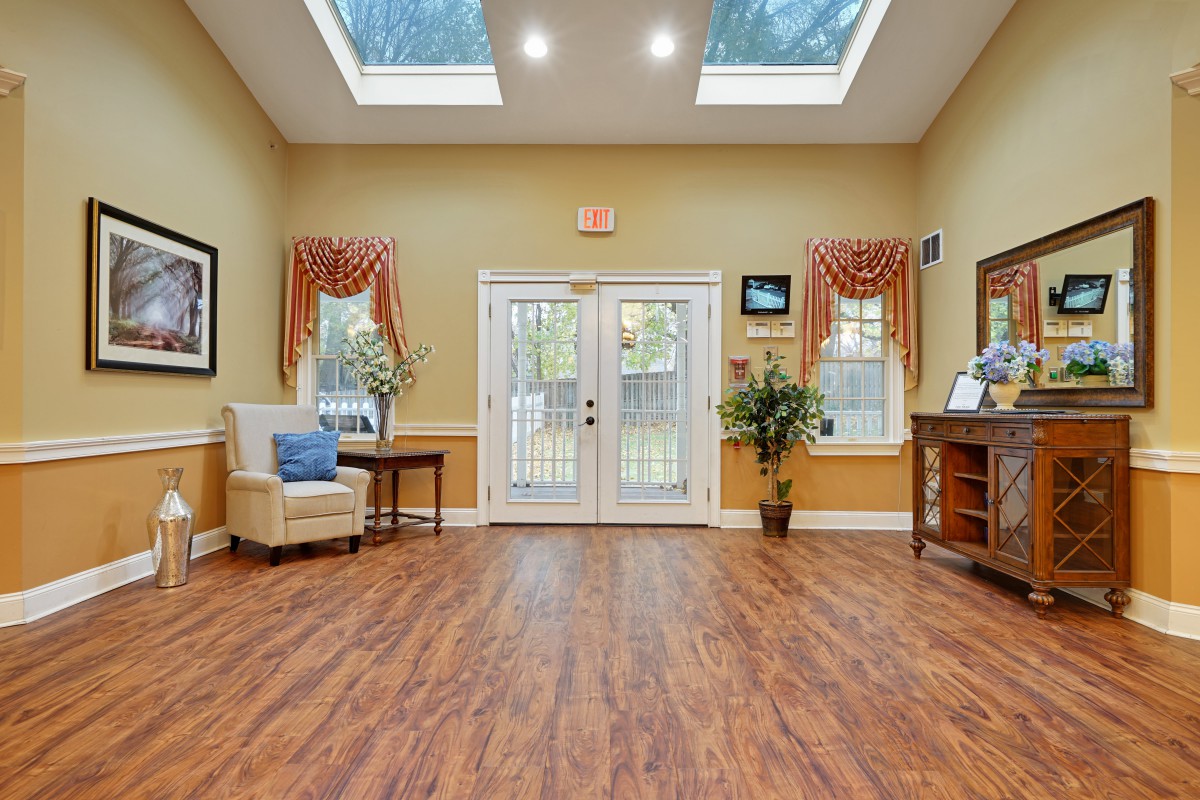
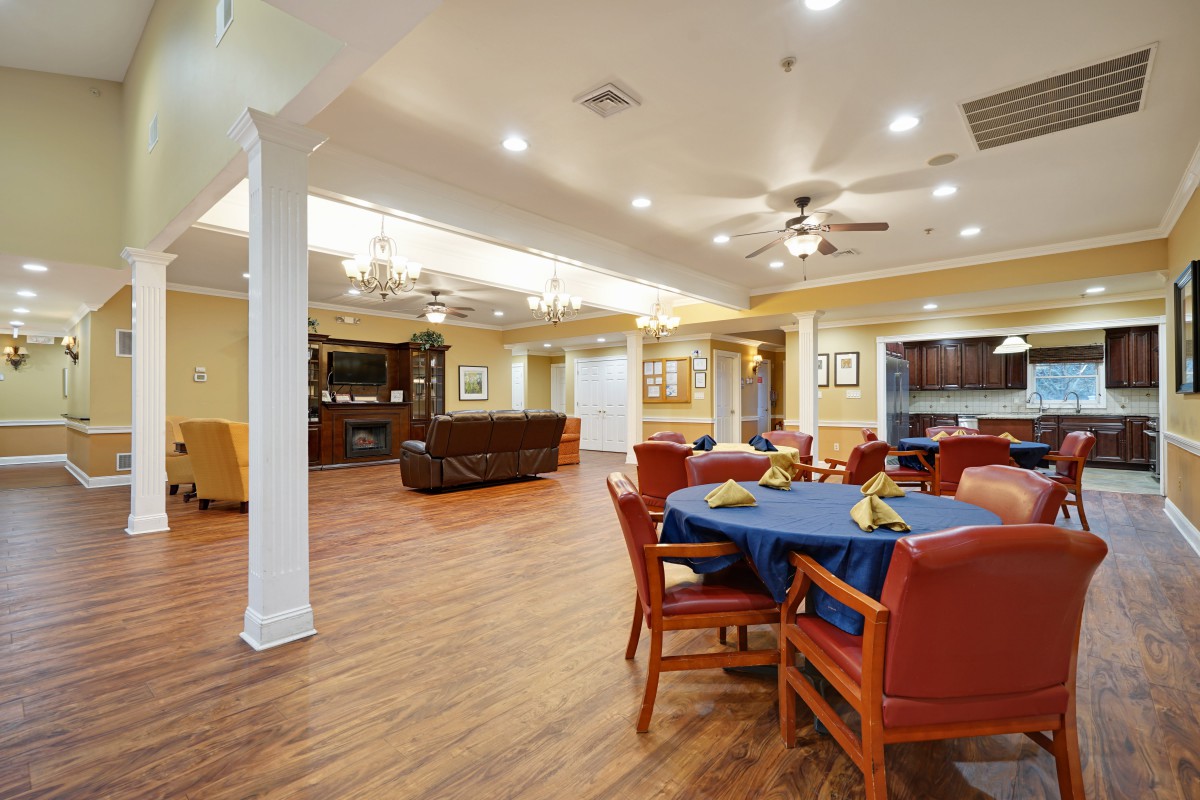
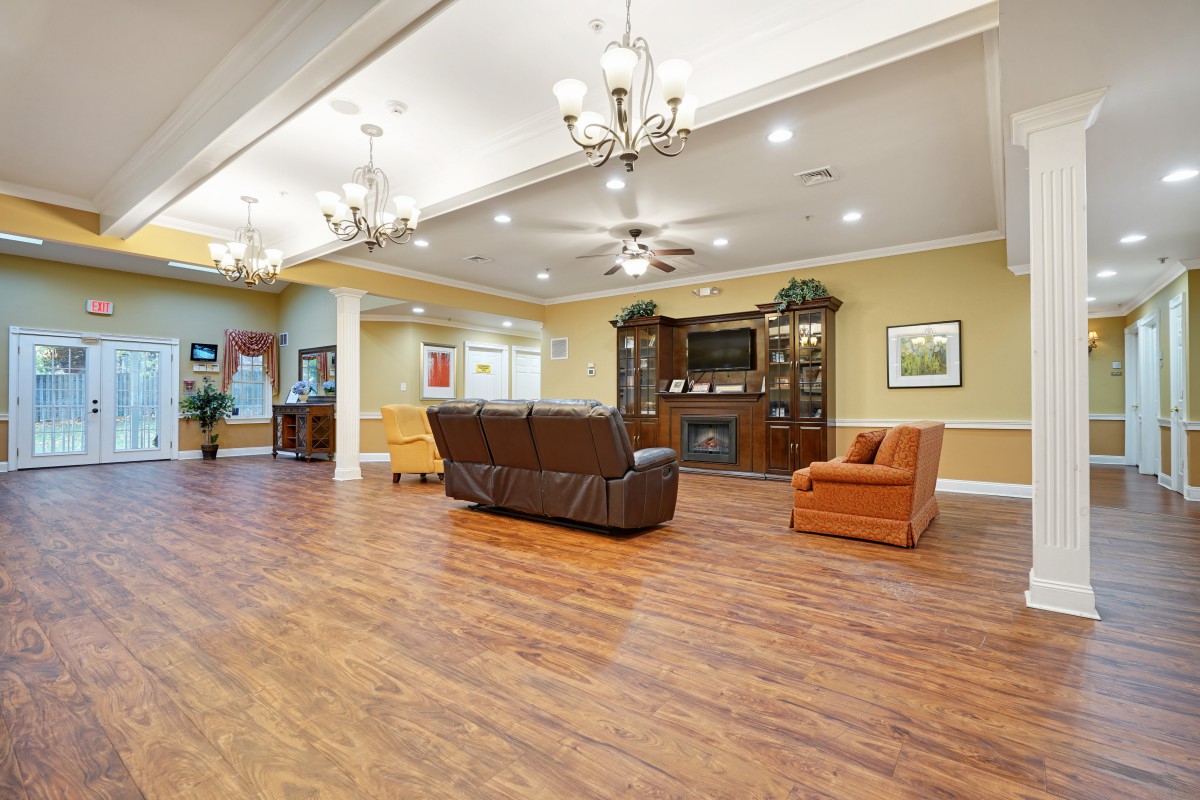
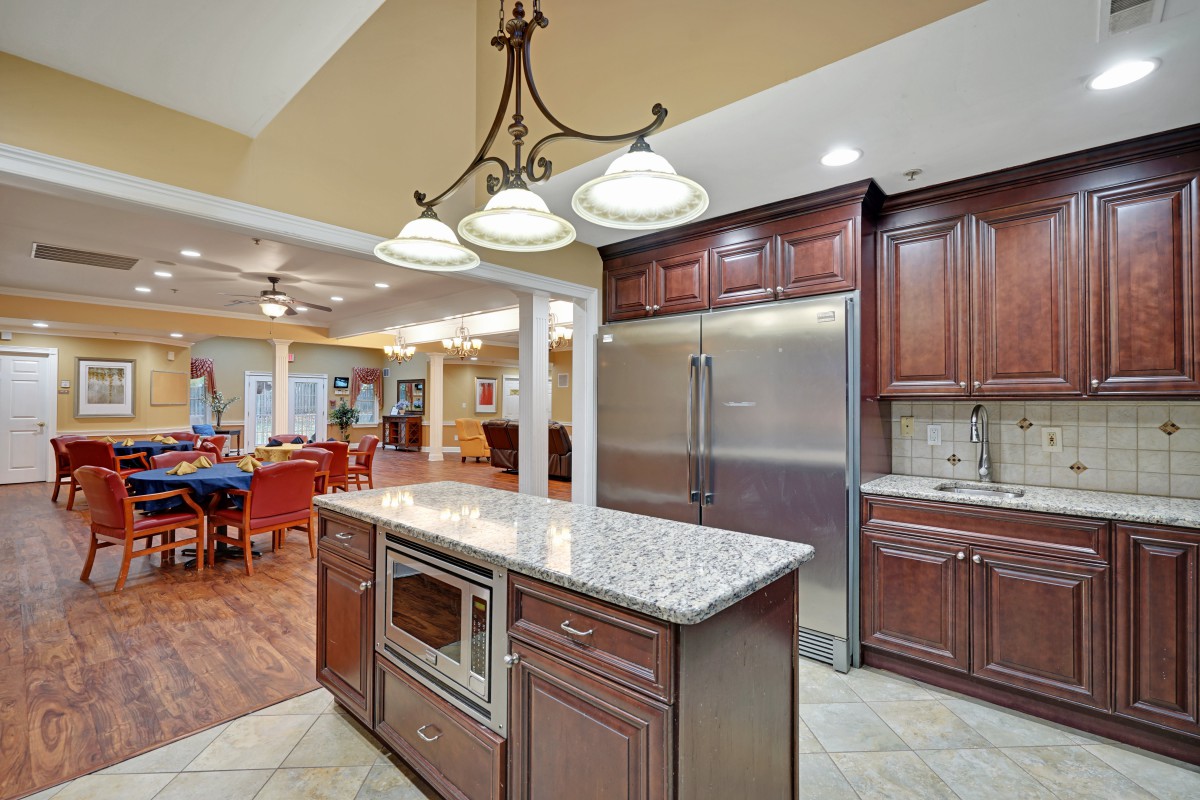
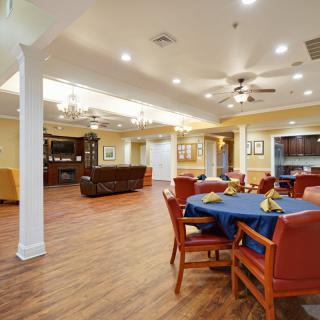
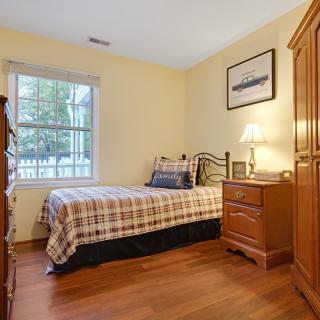
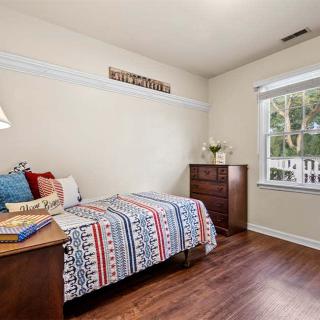
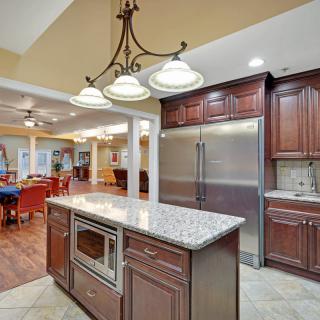
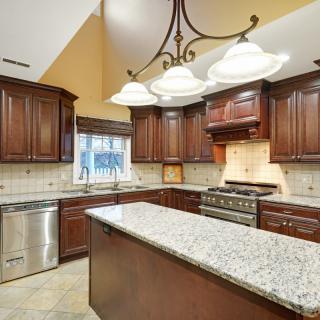
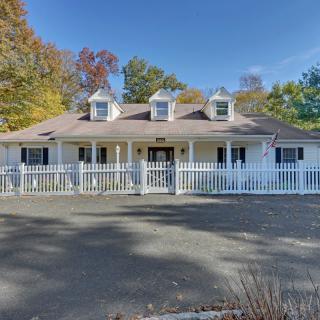
The strongest selling points center on size, warmth, and hands‑on care. The house‑like layout, with private rooms and an open living, dining, and kitchen space, allows staff to keep residents visually connected and engaged throughout the day. Families consistently report attentive, personable caregivers who know residents’ histories, preferences, and daily rhythms. The leadership by Janis, the house manager, and the proactive involvement of the activities director, Tia, stand out as especially meaningful: they keep families informed, tailor conversations to each resident, and smooth transitions when health needs shift. Cleanliness and a welcoming atmosphere also recur as notable positives, along with reliable dining experiences and well‑considered day programs that make daily life feel purposeful.
Nevertheless, the caveats are real and must be weighed carefully. Some reviews describe a history of leadership turnover that translated into inconsistent day‑to‑day supervision, which in turn raised concerns about responsiveness during difficult moments. Instances of staff distraction or fatigue, occasional cellphone use or moments of seeming disengagement, underscore the risk that a small team can be stretched thin when needs spike. There are documented episodes of falls and hospitalizations, reminders that dementia care remains high risk even in well‑intentioned teams. The pandemic period is cited as a time when communication and care continuity suffered, a reminder that stability at the top and a steady frontline staff is crucial to sustained quality.
On the balance, the pros can offset many of the cons for families prioritizing a close-knit, transparent care environment. When leadership roles are steady and caregivers consistently deliver personalized attention, the small footprint translates into nimble care, easier family access, and more meaningful daily engagement for residents. The praise for structured routines, responsive updates, and the ability for loved ones to participate in activities and meals, paired with the homey setting, often makes Fox Trail a compelling choice for those who fear the impersonality of larger facilities. However, the offsetting factors rely heavily on leadership stability and staffing consistency; without those, the risk of uneven care rises.
Families who should strongly consider alternatives are those whose loved one requires continuous, hospital‑level monitoring, highly specialized dementia programming, or an environment with more than a handful of caregivers on shift at once. Larger memory‑care campuses or facilities with a proven track record of minimal turnover and guaranteed consistent management may offer the predictability and clinical edge that some residents need. Prospective movers should also assess whether the community’s policies and hours accommodate flexible visiting and thorough visibility into daily operations, as some families perceive room to improve in those areas. If peace of mind hinges on a consistently high staffing ratio, predictable leadership, and formalized, ongoing clinical oversight, it may be prudent to explore other options.
In the end, Fox Trail Park Ridge delivers a compelling case for a particular kind of senior living: a small, personable, and communicative memory‑care environment where dedicated staff, especially the house manager and activities lead, can make a tangible difference in daily life. The facility tends to excel when care needs are not extreme and when families prioritize intimate interaction, homey ambiance, and direct lines of communication. The prudent course is to visit with a clear checklist: observe staff engagement during peak hours, ask pointed questions about turnover and training, request to meet the care team and the activities program, review safety protocols and fall prevention practices, and confirm access policies and meal accommodations. If those boxes align with the loved one's needs, Fox Trail Memory Care Living at Park Ridge can be a strong, emotionally supportive home, provided leadership remains steady and staffing stays consistently attentive.
 Studio apartments
 Memory Care
 Cats allowed
 Dogs allowed
 Activities off-site
 Air-conditioning
 Bath tubs
 Beautician on-site
 Cable or satellite TV
 Devotional services off-site
 Dining room
 Ground floor units
 Guest parking
 Home sale assistance
 Housekeeping services
 Indoor common areas
 Laundry
 Outdoor common areas
 Respite or short term stays offered
 Security gate
 Wheelchair accessible showers
 Wi-Fi/high-speed internet available
 Westchester Cty (17 miles away)
 Ambulatory care
 Companion care
 Diabetic care
 High acuity care
 Hospice care
 Incontinence care
 Medication management
 Physical therapy
 Anytime dining
 Special dietary restrictions
 Art classes
 Book club
 Catholic services
 Cooking classes
 Educational speakers / life long learning
 Games
Games Gardening club
 Jewish services
 Live musical performances





 Comprehensive Guide to VA Nursing Homes: A Crucial Long-Term Care Resource for Veterans
 Estimating the Expenses of At-Home Dementia Care: A Detailed Exploration
 Comprehensive Insights on the Late Stages of Dementia: What to Expect and How to Provide Care