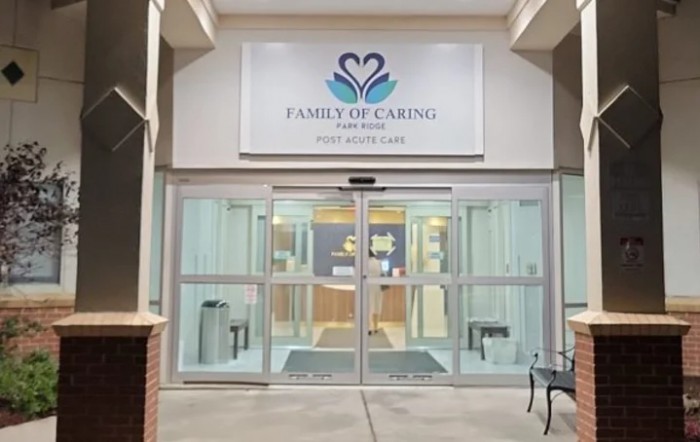




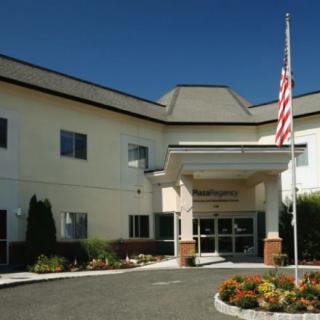

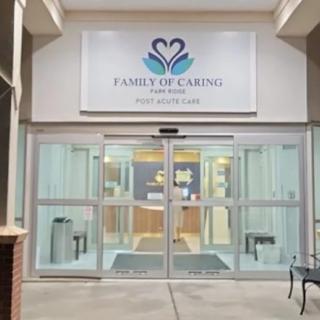
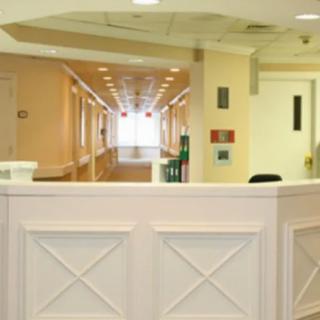
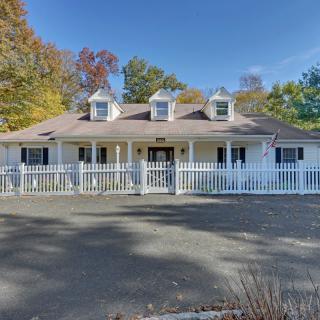
120 Noyes Drive, Park Ridge, NJ 07656
For more information about senior living options: (866) 208-4318
Overall Review of Atrium Post Acute Care Of Park Ridge
Pros
 The staff are courteous, attentive, and go above and beyond to help residents.
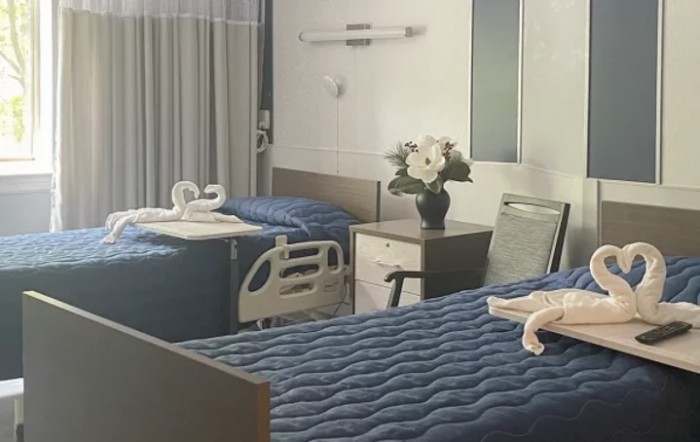
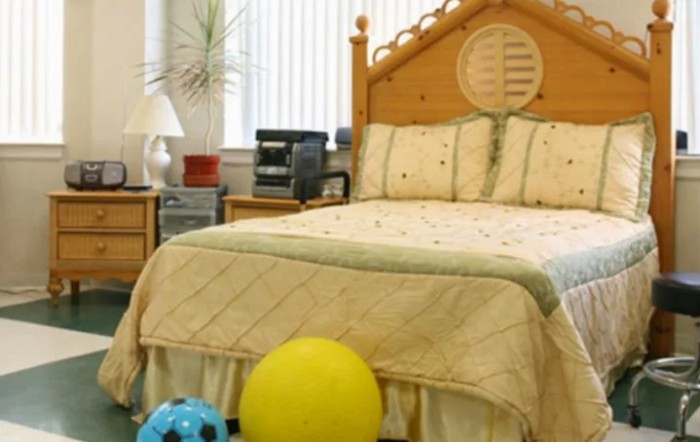
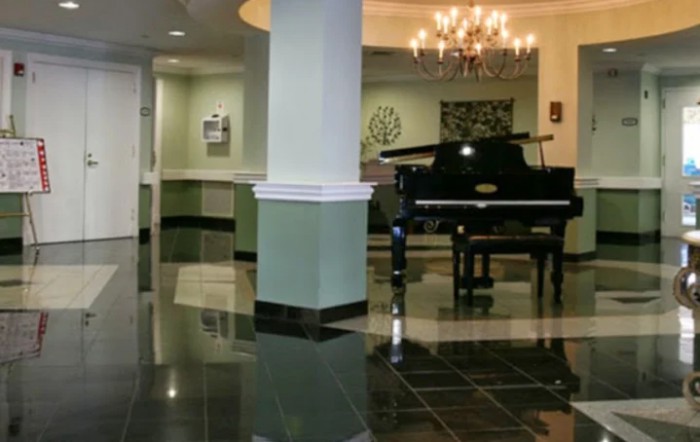
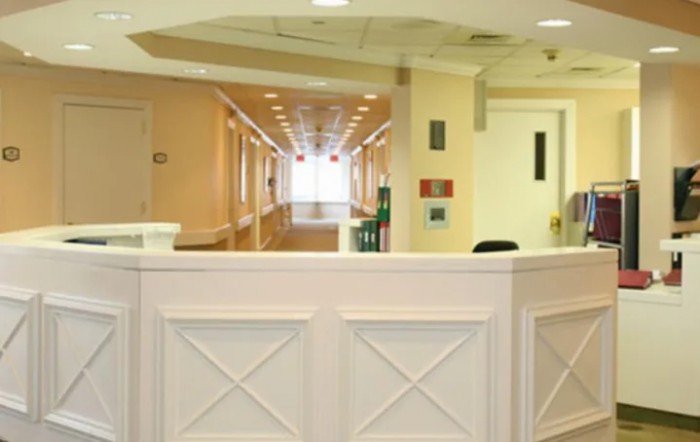
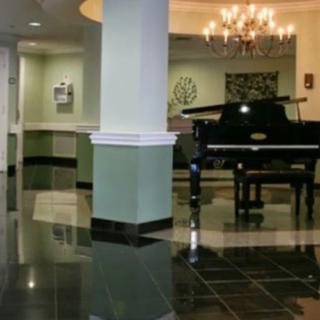
 - The facility is clean, bright, and welcoming, with spacious, comfortable rooms.
- The therapy teams are outstanding and highly skilled in helping residents regain function.
- The meals are tasty, well prepared, and offer a variety of balanced options.
- The administration and social work staff are helpful, responsive, and supportive during transitions.
- The care team is dedicated, professional, and capable of delivering high-quality care.
- The overall atmosphere is warm and caring, with staff who know residents by name and treat them with respect.
Cons
 The facility has gone downhill.
- Her room was dirty and not cleaned daily.
- She was told there was no whole milk in the building, only skim.
- After Christmas, no one arrived to help her get ready until 1:00 pm and lunch wasn’t served until about 2:00 pm.
- She had to wait about an hour for help getting to the bathroom.
- The food was usually cold and she did not get what she ordered.
- The facility is understaffed and the caregivers are overworked.
- There is an odor in the facility that you can’t seem to eliminate.
Review
Atrium Post Acute Care of Park Ridge is best suited for families seeking a rehabilitation-forward option where a strong therapy program can drive meaningful recovery, especially after a stroke, hip or knee replacement, or other major medical events. The community earns praise for its physical and occupational therapy teams, and for a setting that often feels clean, spacious, and activity-rich. The core value appears to be progress through skilled rehab, supported by attentive social work and a generally professional nursing presence when staffing holds steady. This facility tends to reward families who are willing to stay engaged, advocate on behalf of their loved one, and align expectations with the realities of a busy post-acute environment.
Those who may want to consider alternatives are families prioritizing flawless daily nursing oversight and a consistently predictable rhythm to meals, hygiene, and bedside assistance. Reviews signal that staffing can be uneven, with occasional delays in help and moments of reduced attentiveness at the bedside. Cleanliness and odor issues surface in some accounts, and communication between departments has at times been cited as problematic. For residents who require constant monitoring, a dementia unit, or where every meal and routine must be handled with meticulous reliability, a facility with steadier cadence and less variability may be a better fit. In short, this is not the safest bet for families unable to actively monitor and coordinate care on a regular basis.
The strongest pros center on therapy and the overall care ecosystem when staffing is adequate. Therapists frequently receive high marks for knowledge, responsiveness, and a willingness to tailor regimens to individual goals, with several families noting notable functional gains after rehab. The nursing and support staff can be warm, courteous, and capable, and the social work team is praised for coordination and advocacy. The environment, rooms described as spacious, dining areas as clean and welcoming, and daily activities that keep residents engaged, supports a positive rehab experience. Taken together, these elements often translate into tangible improvement and a sense of progress, which can be a powerful offset when shortfalls in daily nursing are momentary or well-managed.
Yet the cons are persistent enough to require sober consideration. Understaffing remains a recurring theme across multiple reviews, with families reporting that aides and nurses can be stretched thin, particularly on busy shifts. Incidents of missed or delayed routine care, disputes over who is responsible for certain tasks, and gaps in communication between departments surface as significant friction points. Personal items such as glasses or dentures have been reported as lost, and there are uncomfortable anecdotes about fall risks when supervision is insufficient. Food quality and temperature are not consistently reliable, and some residents describe odors in rooms and common areas that detract from the otherwise favorable impression of the facility. These are not isolated complaints; they echo a pattern that can undermine confidence in long-term daily care.
The balance of pros and cons suggests a nuanced calculus. For residents whose recovery trajectory hinges on aggressive, well-coordinated therapy, the strong PT/OT backbone and a generally clean, engaging environment can produce meaningful gains that offset some daily care irritants. In shorter rehab stays, these advantages may dominate the experience, especially when family members are actively involved in communicating needs and tracking progress. However, for anyone planning a longer stay where daily nursing reliability, consistent dining service, and uninterrupted supervision are non-negotiables, the concerns around staffing, communication, and basic care safety weigh more heavily. The facility can be an excellent choice for rehab-focused goals, provided expectations are aligned with the realities of staffing cycles and care handoffs.
For families weighing next steps, a practical approach is essential. Tour with a focus on real-world staffing patterns: ask for current nurse-to-patient ratios, weekend coverage, and how quickly aides respond to call bells during peak times. Interview the administrator, the director of nursing, and the therapy leadership about care coordination protocols, escalation procedures, and how communications are documented and shared across shifts. Inspect rooms and shared spaces for cleanliness, assess the dining operation during peak hours, and probe how dietary needs are accommodated, including any specialized textures or restrictions. Finally, compare a few nearby options, paying close attention to whether the rehab-first strengths at Atrium Park Ridge genuinely align with the long-term safety and daily living needs of the intended resident. For the right profile, Atrium Post Acute Care of Park Ridge delivers solid rehab gains within a capable but imperfect care framework.
 210 resident community capacity
 Skilled Nursing Facility
 Air-conditioning
 Beauty salon
 Cable or satellite TV
 Computer center
 Dining room
 Fitness room
 Fully furnished
 Gaming room
 Garden
 Housekeeping services
 Kitchenette
 Move-in coordination
 Outdoor space
 Private bathrooms
 Restaurant-style dining
 Small library
 Telephone
 Wellness center
 Wi-Fi/high-speed internet available
 Westchester Cty (17 miles away)
 Community operated transportation
 12-16 hour nursing
 24-hour call system
 Activities of daily living assistance
 Assistance with bathing
 Assistance with dressing
 Assistance with transfers
 Diabetes diet
 Medication management
 Mental wellness program
 Special dietary restrictions
 Concierge services
 Planned day trips




 6 Crucial Ways an Elder Law Attorney Assists Families
 Navigating the Tax Landscape of Caregiving: Credits, Deductions, and Beyond
 Highly Beneficial Low-Impact Exercises for Senior Living Residents