Overall Review of Potomac Home
caveat
2 reviews mention this
Understaffing and rushed care concerns
Some residents’ families say understaffing led to rushed, undignified care.
A small set of reviewers describe serious concerns about staffing levels and how care is delivered. They report long waits for help (including using call buttons), feeding assistance happening in common areas, and a loss of dignity during meals. One reviewer specifically cautions against the community for a loved one with Alzheimer’s, describing the facility as unqualified for that need.
common
8 reviews mention this
Rehab therapy gets strong praise
Rehab therapy is consistently described as skilled, hands-on, and encouraging.
Across multiple reviews, residents and families highlight physical therapy and occupational therapy as a standout part of the experience. Several people describe therapists and nursing staff working closely on exercises and mobility goals day to day, including progress from assisted movement to walking or using less support. A few reviewers also mention feeling motivated and supported during recovery, with therapy teams and nurses communicating and checking in regularly.
common
5 reviews mention this
Food and dining quality stands out
Food quality is mentioned positively by multiple families and residents.
Several reviewers comment on meals and the dining experience as a reason they felt comfortable with care. Mentions include good-tasting food and meals that look appealing, along with reference to food being served hot. In the same reviews that focus on care, families connect the food and overall environment with feeling their loved ones were well taken care of.
How we summarize
Counts show how many written reviews mention each theme; a review can touch several themes, and only frequently mentioned themes are displayed.
Nearby Places of Interest
Located in Park Ridge, New Jersey, this area offers a range of amenities for seniors looking to settle down in a peaceful and convenient location. With several reputable physicians and hospitals nearby such as Tenafly Pediatrics and Hackensack Meridian Health Pascack Valley Medical Center, residents can easily access quality healthcare services. In terms of dining options, there are popular chains like Taco Bell and Wendy's for quick meals, as well as upscale restaurants like Allendale Bar & Grill for special occasions. Pharmacies including CVS and Franklyn's Pharmacy are conveniently located for medication needs. Additionally, there are cafes like Starbucks and Panera Bread for leisurely outings with friends or family. For spiritual fulfillment, there are various places of worship such as Good Shepherd Lutheran Church and Community Church Of Glen Rock. Those looking to enjoy nature can visit nearby parks like Saddle River County Park and Van Saun County Park for relaxation and outdoor activities. Overall, this part of Park Ridge offers a mix of healthcare facilities, dining options, religious institutions, and recreational spaces to cater to the diverse needs of senior residents.
Physicians
- Tenafly Pediatrics (0.2 miles)
- Women's Total Health of Woodcliff Lake (1.7 miles)
- Memorial Sloan Kettering Cancer Center Bergen (2.1 miles)
- Orangetown Pediatric Associates (3.8 miles)
- Kayal Orthopedic - Westwood (3.8 miles)
- Northeast Orthopedics & Sports Medicine - Orangeburg (4.6 miles)
- Advanced Orthopedics & Sports Medicine (5.1 miles)
Restaurants
- Taco Bell (0.6 miles)
- Allendale Bar & Grill (4.5 miles)
- Wendy's (4.5 miles)
- White Castle (4.6 miles)
- McDonald's (4.6 miles)
- Chick-Fil-A (4.6 miles)
- Savini Restaurant (4.7 miles)
Pharmacies
- CVS Pharmacy (0.7 miles)
- CVS Pharmacy (2 miles)
- CVS Pharmacy (2.3 miles)
- CVS Pharmacy (3.2 miles)
- Franklyn's Pharmacy (4.4 miles)
- Rite Aid (4.4 miles)
- CVS Pharmacy (4.6 miles)
Cafes
- Starbucks (1.5 miles)
- Starbucks (4.6 miles)
- Panera Bread (5.6 miles)
- Starbucks (6.1 miles)
- Starbucks (6.7 miles)
- Willow & Whisk (6.7 miles)
- Boxer Donut & Espresso Bar (7.4 miles)
Places of Worship
- Good Shepherd Lutheran Church (2.2 miles)
- St Pauls Parish (5.8 miles)
- All Saints Episcopal Church (6.5 miles)
- Community Church Of Glen Rock (6.7 miles)
- Congregation Tzemach Tzedek Lubavitch of Monsey (6.8 miles)
- Hawthorne Gospel Church (7.3 miles)
- Bais Hamedrash (7.4 miles)
Hospitals
- Hackensack Meridian Health Pascack Valley Medical Center (3.8 miles)
- The Valley Hospital (4.7 miles)
Theaters
- Nanuet STM 12 & RPX (4.3 miles)
- AMC Palisades 21 (6.2 miles)
- Dreamscape at AMC Garden State Plaza (8.5 miles)
Transportation
- NJT - Waldwick Station (4.5 miles)
- Bus Stop (4.7 miles)
- IHA Arbor Road Bus Stop (7.8 miles)
- Metro North / NJT - Suffern Station (7.9 miles)
Parks
- Saddle River County Park (6.2 miles)
- Saddle River County Park - Dunkerhook Area (6.7 miles)
- Piermont Pier (6.8 miles)
- Tallman Mountain State Park (6.9 miles)
- Van Saun County Park (7.3 miles)

 Westchester Cty (18 miles away)
 Convenient access to healthcare, dining, pharmacies, transportation, and cultural activities in a peaceful Park Ridge setting.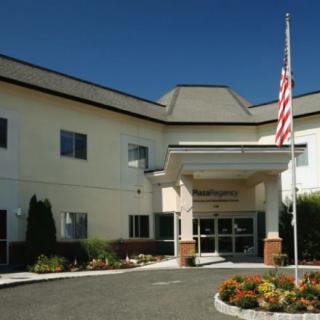
 9 Stimulating Memory Activities for Seniors: Puzzles, Cards, and Much More
 Managing Nursing Home Expenses After Medicare Coverage Ends
 Is a Geriatric Care Manager the Right Choice for Your Family?