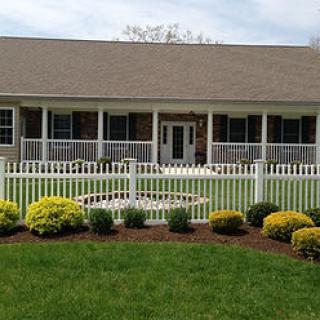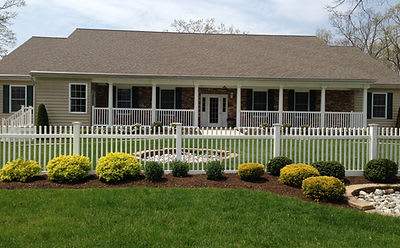
1288 NJ-34, Aberdeen Township, NJ 07747
To contact a resident: (732) 204-7321
For more information about senior living options: (866) 208-4318
Alcoeur Gardens at Aberdeen Costs & Pricing
At Alcoeur Gardens at Aberdeen, the monthly cost for a one-bedroom unit is priced at $8,950. When comparing this to the broader financial landscape of Monmouth County, where the average cost for similar accommodations reaches approximately $9,644, Alcoeur Gardens presents a more attractive option. Furthermore, when assessed within the context of New Jersey as a whole, where costs typically hover around $5,994 for comparable living arrangements, Alcoeur Gardens offers a premium experience that aligns closely with local market rates while providing exceptional services and amenities tailored to enhance residents' quality of life. This balance positions Alcoeur Gardens as a compelling choice for those seeking both comfort and community in their living environment.
| Floor plans | Alcoeur Gardens at Aberdeen | Monmouth County | New Jersey |
|---|---|---|---|
| 1 Bedroom | $8,950 | $9,644 | $5,994 |
Memory care communities with a similar price nearby
-
from -$450 / mo

Millennium Memory Care at Freehold
$8,500 / month11.8 miles away -
from +$550 / mo
Millennium Memory Care of Holmdel
$9,500 / month6.8 miles away -
from +$450 / mo
Artis Senior Living of Eatontown
$9,400 / month13.0 miles away -
from -$405 / mo
The Watermark at Brooklyn Heights
$8,545 to $15,620 / month23.9 miles away -
About the same

Artis Senior Living of Princeton
$8,700 / month21.1 miles away
Overall Review of Alcoeur Gardens at Aberdeen
Pros
 The staff at Peaceful Pines is always patient, compassionate, and attentive.
- They have an incredible nursing team that ensures all residents are taken care of.
- They offer various activities and PT/OT/ST to help residents move optimally and have the best quality of life.
- They wouldn't send their mom anywhere else.
- The activity ladies are amazing and interact most with the residents each day.
- Aides go above and beyond for residents' care.
- The staff treat residents as if they were their own family.
- They are calm and patient and quickly catch issues.
- Admissions are quick and appreciated.
- Alcoeur Gardens in Aberdeen is absolutely amazing; they treat residents like their own grandparents and go above what one would expect for a dementia/Alzheimer's care facility.
Cons
 The owner will tell you anything and everything you want to get paid.
- She talks a good game, but in truth she appears for tours and payment, and after that she barely shows her face in the building.
- The food is “home cooked,” which means it’s most likely coming out of a can or box.
- For a month, the loved one is not getting the care they deserve.
- Shared bathrooms and rooms are disgustingly dirty.
- Staff only changes sheets once per week.
- Staff shares grooming products between residents, and no one gets oral care.
- There are about two aides who go above and beyond for the residents, but they are unappreciated.
Review
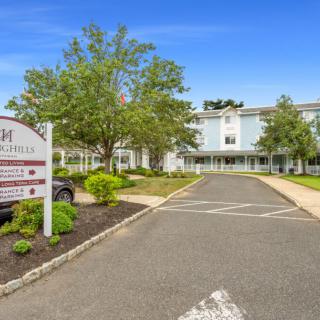
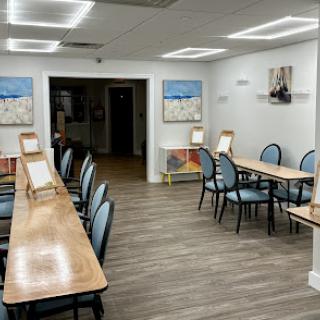
Alcoeur Gardens at Aberdeen is best suited for families seeking a warm, memory-care–leaning environment where caregiving comes with a distinctly human touch. The community shows strength in its nursing presence and in a programming slate that keeps residents engaged throughout the day. Reviewers consistently point to patient, compassionate staff who respond quickly and catch health issues early, and to an activity team that brings routine meaningful moments, crafts, television time, and dementia-friendly engagement, that help residents feel known and connected. The emphasis on dementia and Alzheimer’s care is a clear throughline, with several accounts describing the staff as treating residents like their own family members. For families who prize a home-like atmosphere backed by solid clinical support, this is a compelling option.
At the same time, potential entrants should scrutinize certain realities that can influence day-to-day life. A negative experience highlighted concerns about transparency and ongoing leadership visibility, portions of the care experience that felt inconsistent, and questions surrounding food quality. Additional caution comes from reports of shared bathrooms, infrequent linen changes, and grooming products being shared among residents. The combination of these factors can sap comfort for families expecting strict housekeeping standards and meticulous personal care. Price sensitivity also appears in feedback, with caregivers noting a wish for more affordable options without sacrificing care quality.
The strongest pros, the calm, patient staff; a nursing team that is described as capable and vigilant; and an active, engaging program, can substantially offset several drawbacks for families prioritizing clinical stability and daily interaction. The ability to get a resident admitted quickly and settled into a predictable routine matters a great deal for memory care. When staff go “above and beyond” for residents with dementia, family members gain reassurance that symptoms will be monitored, mood shifts noticed early, and daily routines maintained. The activity team, along with rehab services (PT/OT/ST), reinforces mobility, cognitive stimulation, and a sense of purpose, factors that frequently determine whether a resident thrives in community living rather than declines at home.
However, the main concerns cannot be dismissed. Cleanliness lapses and inconsistencies in daily upkeep undermine the environment for residents who need a consistently sanitary, well-organized setting. Shared spaces and belongings raise infection-control questions for some families, particularly when oral care and routine hygiene are cited as insufficient. Price and ownership transparency matter as well; a perception that leadership is not consistently present or forthcoming can erode confidence, especially for relatives who cannot be on-site daily to observe care quality. Families should plan for thorough, repeated visits, and should request direct conversations with front-line staff and leadership to validate expectations around cleanliness, care routines, and financial terms.
Practical steps help families make an informed choice. During tours, observe several shifts to gauge how staff interact with residents and how well housekeeping tasks are executed in real-time. Request to see multiple resident rooms and bathrooms, note whether private or shared arrangements are standard, and ask for a detailed list of what is included in the monthly rate versus add-ons. Probe the memory-care program specifics: staff qualifications, dementia-specific activities, daily care planning, and how behavioral symptoms are managed. Seek current resident and family references, review the menu quality and dining routines, and examine the cadence of housekeeping, laundry, and personal care tasks. Finally, obtain a transparent written contract that outlines all fees, services, and escalation procedures.
In the end, Alcoeur Gardens at Aberdeen presents a well-qualified option for families prioritizing compassionate nursing care and an engaged activity environment, especially for residents with memory-care needs. The positives, genuine warmth from staff, attentive monitoring, and a robust program, are meaningful advantages that can offset several concerns when matched with careful due diligence. If cleanliness standards, predictable governance, and cost flexibility are non-negotiables, this community remains a strong contender but families should widen the field and compare with alternatives to ensure alignment across care quality, environment, and value. A disciplined, multi-point evaluation will reveal whether this setting truly aligns with a loved one’s needs and a family’s expectations.
 Memory Care
 Newark International (20 miles away)


 5 Early Indicators of Dementia and What You Can Do
 8 Important Indicators That Memory Care May Be Necessary
 Delving into the Inner World of Dementia: Insights into Thoughts and Awareness