Spring Hills Matawan Costs & Pricing
Spring Hills Matawan offers competitive pricing for its various room types when compared to both Monmouth County and the broader state of New Jersey. For a semi-private room at Spring Hills, residents pay $3,300, which is significantly lower than the county average of $5,251 and the state average of $5,068. In terms of studio accommodations, the monthly cost is $5,280 - still below the county's average of $5,738 and quite comparable to New Jersey's statewide average of $5,286. However, for a one-bedroom unit, Spring Hills Matawan charges $6,300; while this figure is higher than the New Jersey state average of $5,994, it remains significantly more affordable than the staggering county average of $9,644. Overall, Spring Hills Matawan presents a thoughtful balance between quality care and cost-effectiveness in a region where assisted living expenses can be daunting.
| Floor plans | Spring Hills Matawan | Monmouth County | New Jersey |
|---|
| Semi-Private | $3,300 | $5,251 | $5,068 |
| Studio | $5,280 | $5,738 | $5,286 |
| 1 Bedroom | $6,300 | $9,644 | $5,994 |
Skilled Nursing Facilities with a similar price nearby
-
from +$200 / mo
Gardens At Monroe Healthcare And Rehabilitation
$3,500 / month
14.6 miles away
-
from -$364 / mo
Harrogate a CCRC
$2,936 to $5,378 / month
24.5 miles away
-
from -$120 / mo
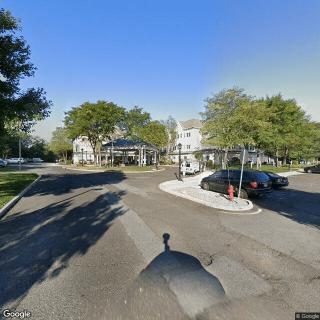
Whispering Knoll
$3,180 to $5,130 / month
12.6 miles away
-
from +$249 / mo
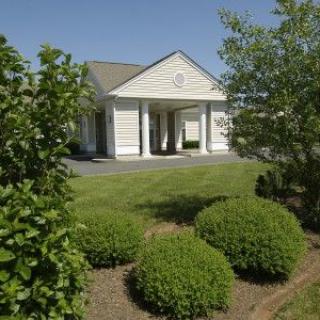
Spring Hills Somerset
$3,549 to $6,600 / month
16.4 miles away
-
from -$423 / mo
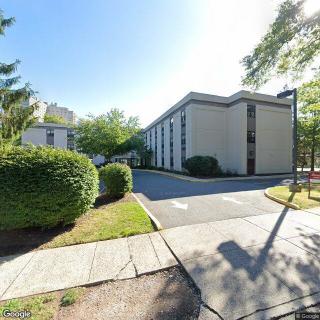
Brookhaven Center for Rehabilitation and Healthcare
$2,877 to $3,452 / month
24.7 miles away
Overall Review of Spring Hills Matawan
caveat
7 reviews mention this
Cleanliness and odor come up
Multiple residents and families raise concerns about cleanliness and strong odors.
Several reviews describe the facility as dirty, including mentions of urine smells and dirty dining areas. Other comments point to upkeep issues and needed repairs, like wall or carpet problems and general maintenance not feeling fully handled. A few reviews contrast with that by saying the building and rooms were clean, but the negative cleanliness reports are frequent enough to stand out.
common
8 reviews mention this
Dining quality is mixed
Dining gets both praise for restaurant-style meals and complaints about inconsistency.
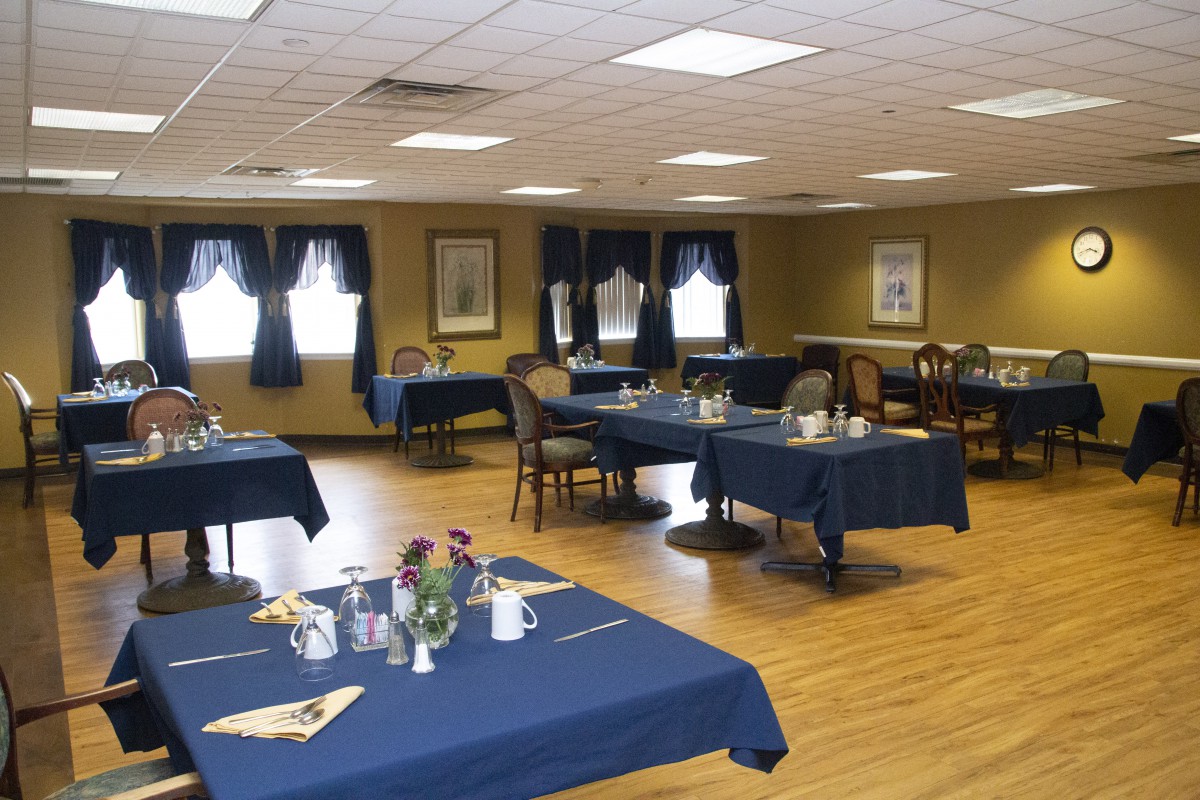
Some reviews say the dining experience is very good, including restaurant-style options and attention to detail. Others report food that is inconsistent, with some meals described as horrible or subpar. A few also mention specific problems in the dining area, which reinforces that dining quality varies from person to person.
caveat
6 reviews mention this
Care quality is debated
Residents and families disagree about how reliably care is delivered.
Positive reviews mention competent nursing support, medication help, and families feeling peace of mind. At the same time, several critical reviews describe serious lapses, including untreated issues and a lack of timely help during concerns. There are also mentions of short staffing that families say affects multiple departments, which may explain why experiences feel inconsistent across reviews.
common
10 reviews mention this
Staffing and responsiveness split opinions
Staff interactions are often described as kind, responsive, and engagedā€”alongside concerns about understaffing.
Many reviews praise staff for being friendly and for going the extra mile, with examples like checking on residents often and responding quickly to needs. Others say requests sometimes have to be made again, and several describe feeling like staffing was short, which led to departments suffering and delays in assistance. A few comments also raise concerns about aide attitudes and training, making staff experience a mixed part of the overall picture.
caveat
4 reviews mention this
Memory care security and falls
Memory care reviews mention both secured-unit positives and safety concerns.
Some families say the memory care unit was secured and that their loved one liked it. Other reviews describe problems with security on a memory care floor, including doors that were not lockable as expected, and they also mention incidents where extra supervision or an aide was needed. Falls and episodes of confusion also appear in reviews, with at least one family describing close monitoring and quick responses.
caveat
3 reviews mention this
Pricing feels expensive to families
Several reviews describe the cost as high for the value they expected.
Families evaluating the community say it was too expensive or that nursing-home pricing felt absorbed into an outcome that was hard to justify. Other reviews express frustration about cost when it comes up alongside unmet expectations, including paying for help beyond what was expected. The overall theme is that affordability was a sticking point for multiple households.
How we summarize
Counts show how many written reviews mention each theme; a review can touch several themes, and only frequently mentioned themes are displayed.



 1-bedroom apartments
 Assisted Living
 Memory Care
 Skilled Nursing Facility
 Cats allowed
 Dogs allowed
 Activities off-site
 Air-conditioning
 Beautician on-site
 Cable or satellite TV
 Computer center
 Devotional services off-site
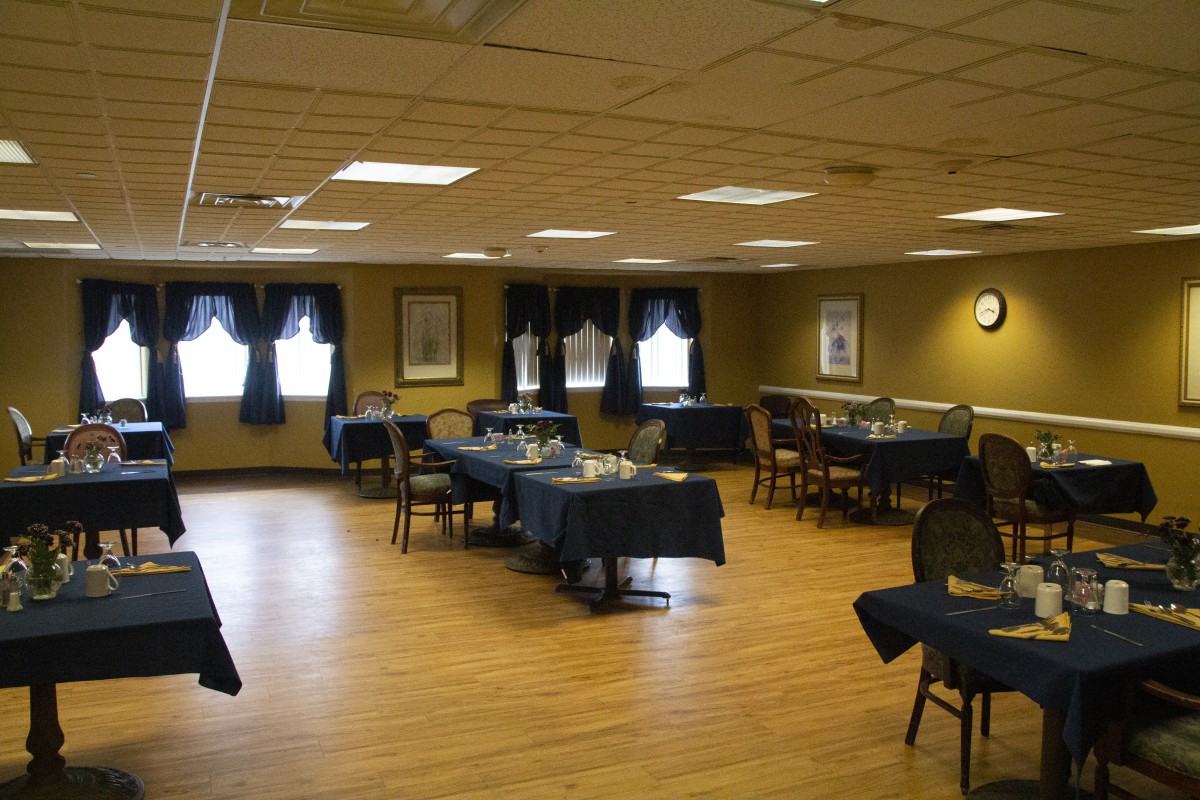
 Dining room
 Garden
 Ground floor units
 Guest parking
 Handicap accessible
 Home sale assistance
 Housekeeping services
 Indoor common areas
 Kitchenette
 Laundry
 Outdoor common areas
 Overnight guests
 Party space
 Respite or short term stays offered
 Wheelchair accessible showers
 Wi-Fi/high-speed internet available
 Newark International (21 miles away)
 Transportation & parking
 Ambulatory care
 Diabetic care
 Hospice care
 Incontinence care
 Medication management
 Physical therapy
 Psychiatric care
 Gluten-free
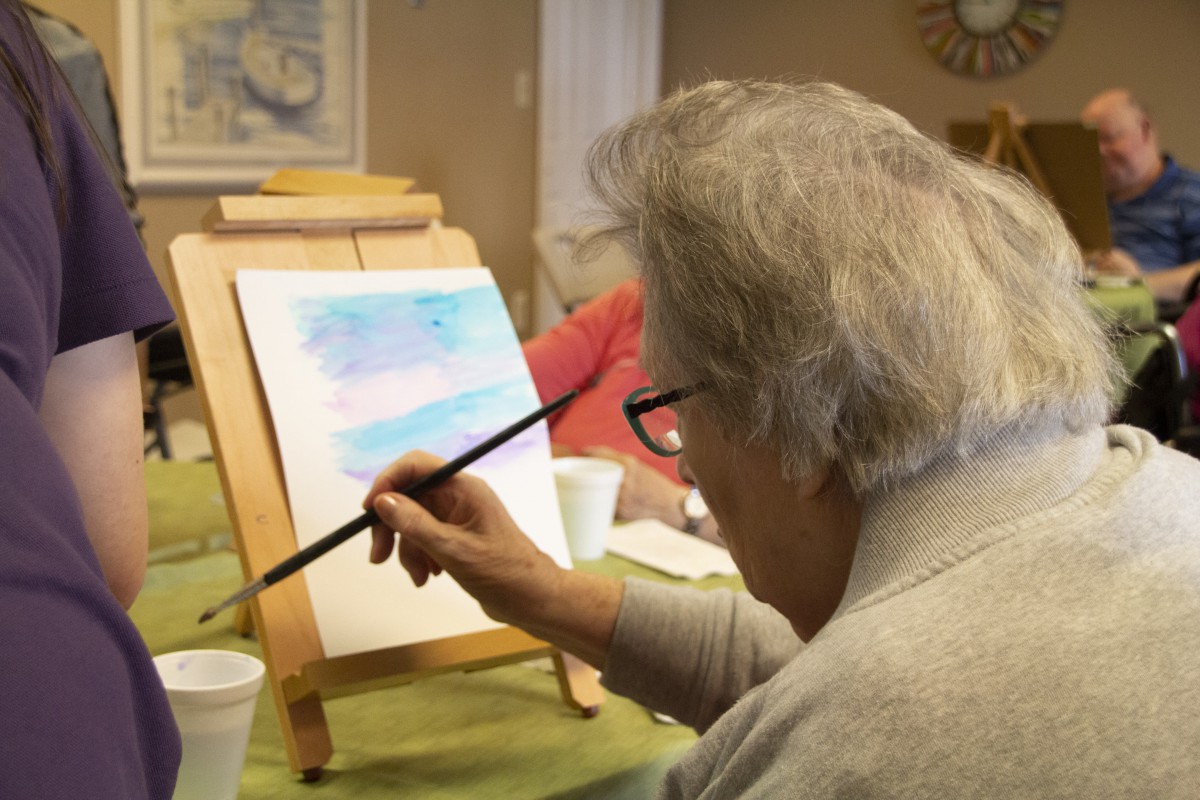
 Art classes
 Book club
 Catholic services
 Cooking classes
 Educational speakers / life long learning
 Fitness programs
 Games
Games Jewish services
 Live musical performances
 Tai Chi
 Wii bowling
 English
 Caring staff, responsive aides, and an active, clean environment.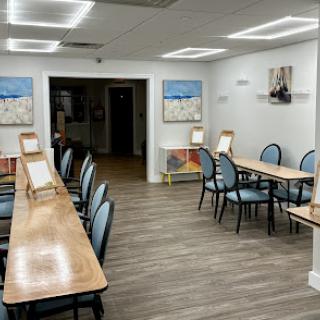
 Choosing the Right Senior Care: A Detailed Exploration of Assisted Living and Nursing Homes
 Safeguarding Your Memory Through the Golden Years: Eight Ways to Preserve Cognitive Health
 Comprehensive Insights into Activities of Daily Living (ADLs) and Their Assessment