For more information about senior living options: (866) 208-4318
4.4 from 70 reviews
5 stars
50
4 stars
12
3 stars
2
2 stars
0
1 stars
6
The Chelsea At Marlboro Costs & Pricing
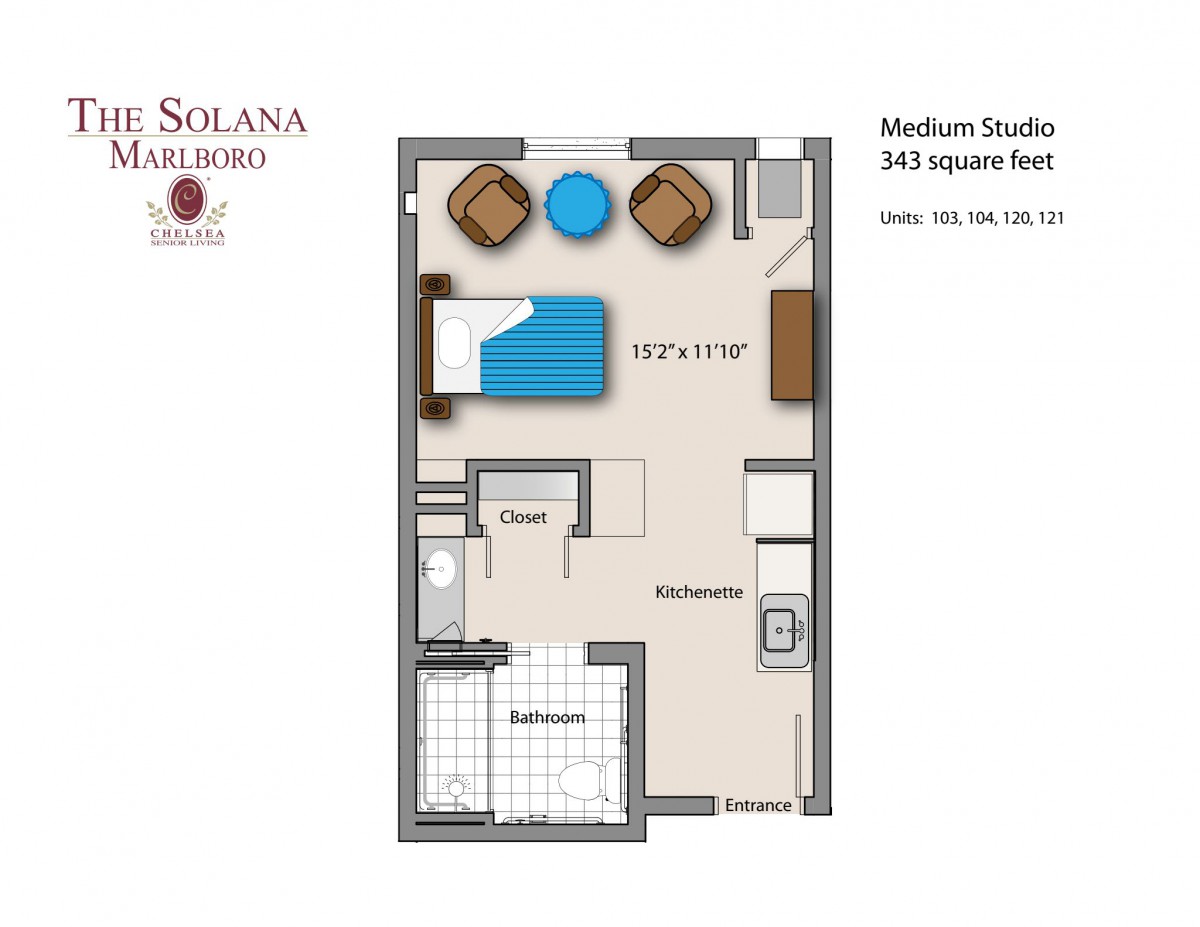
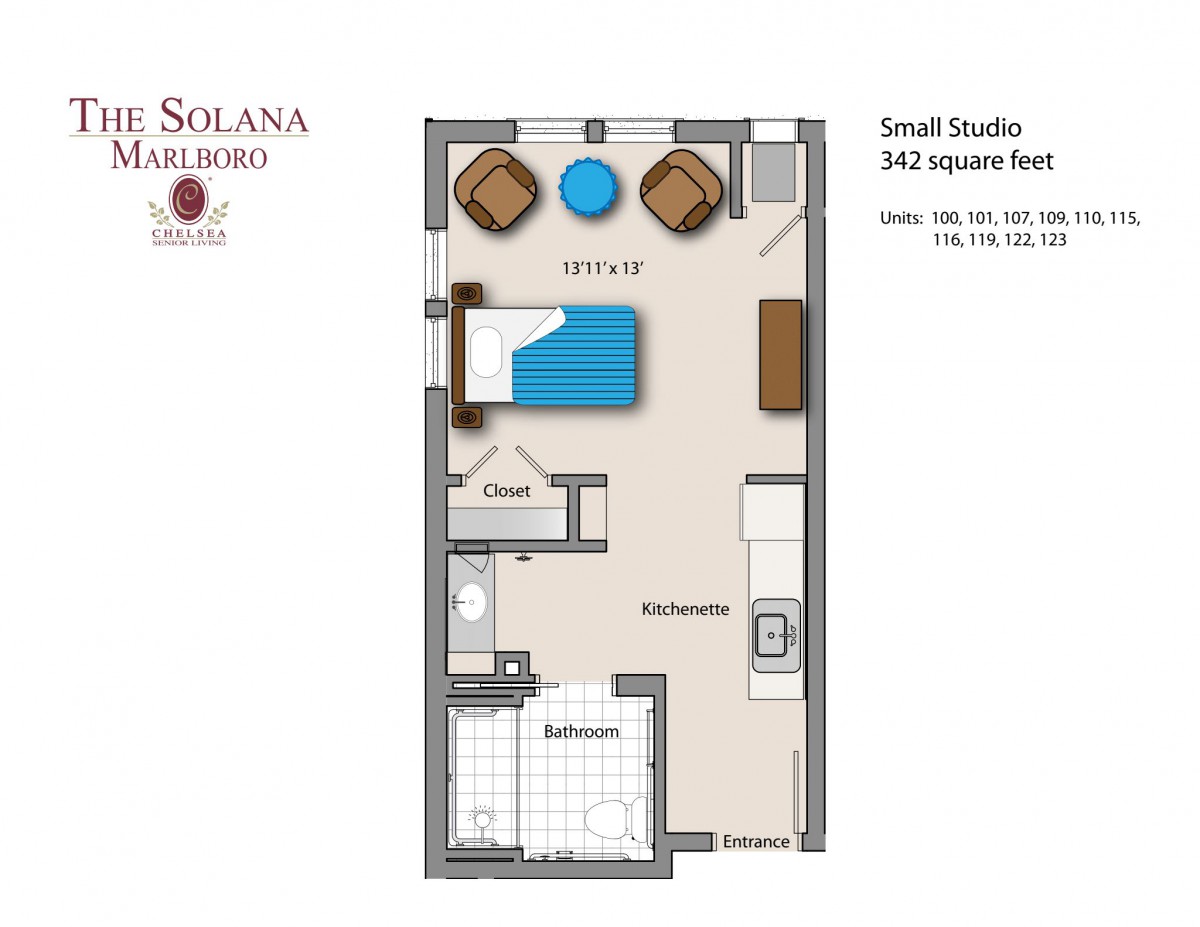
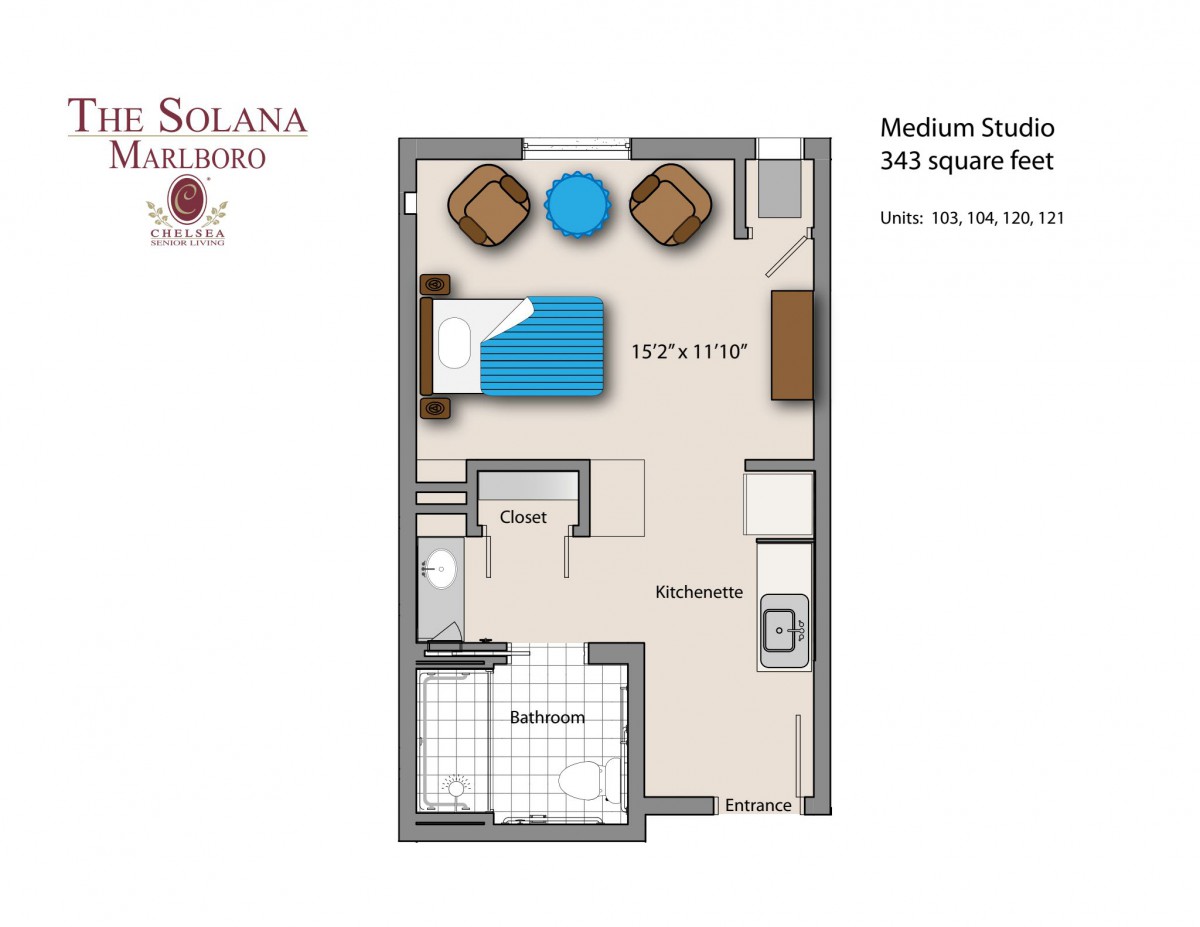
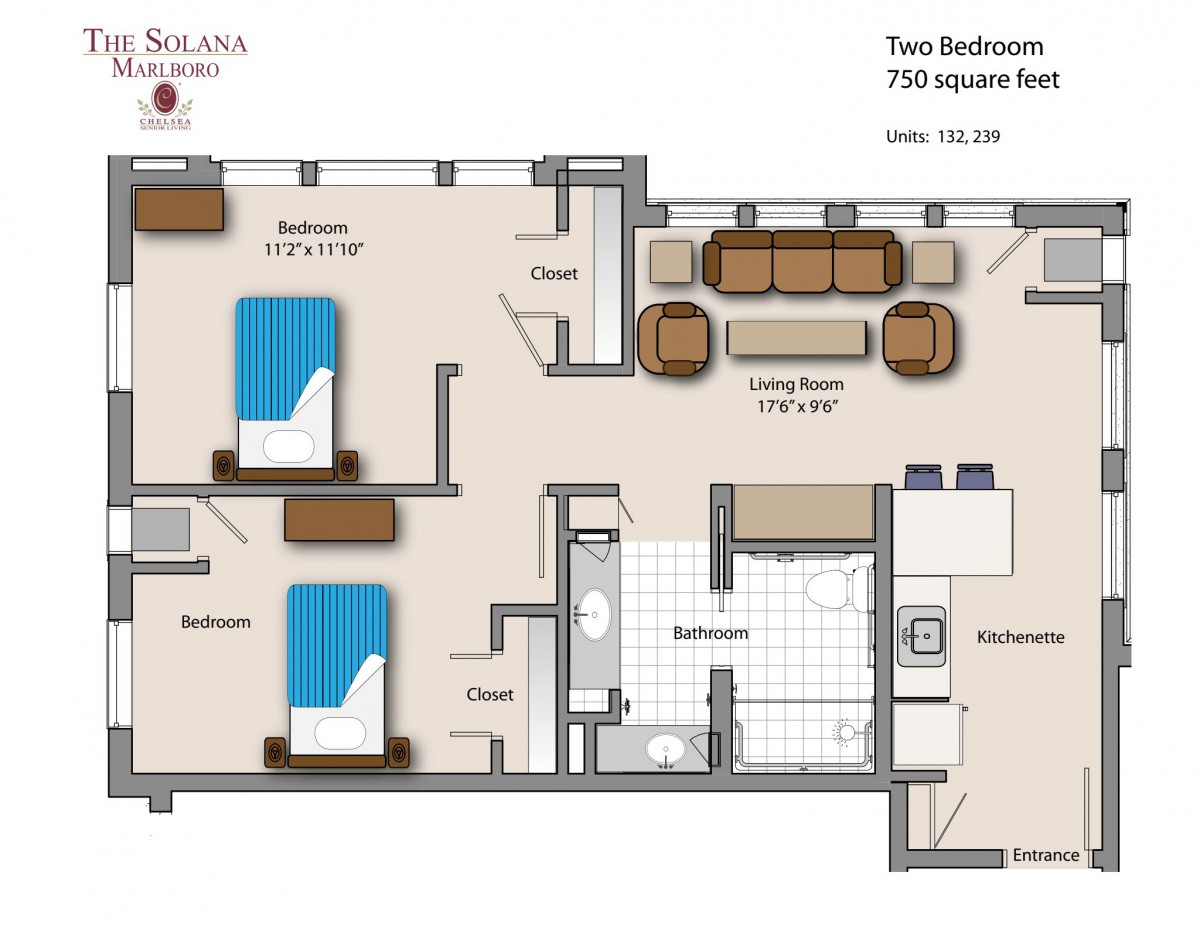
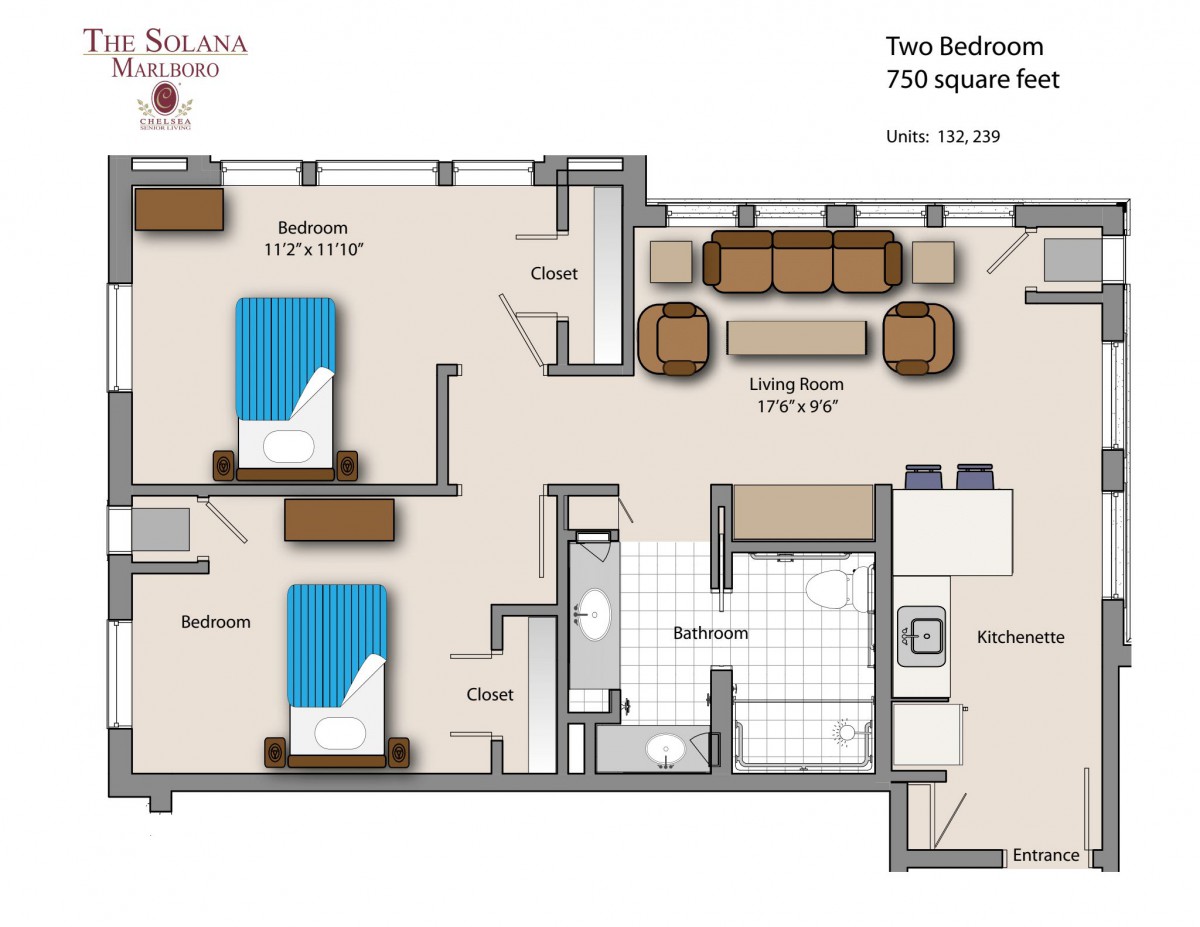
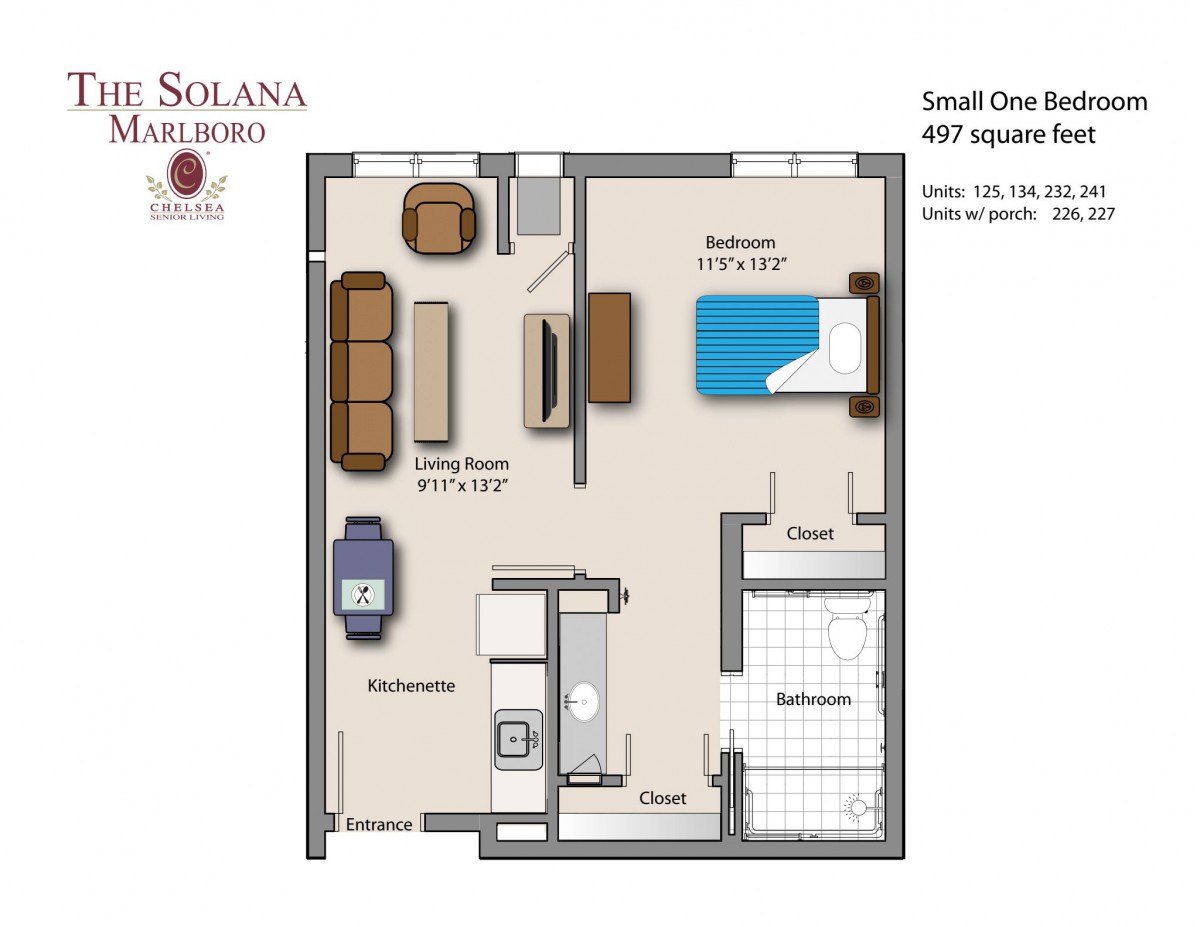
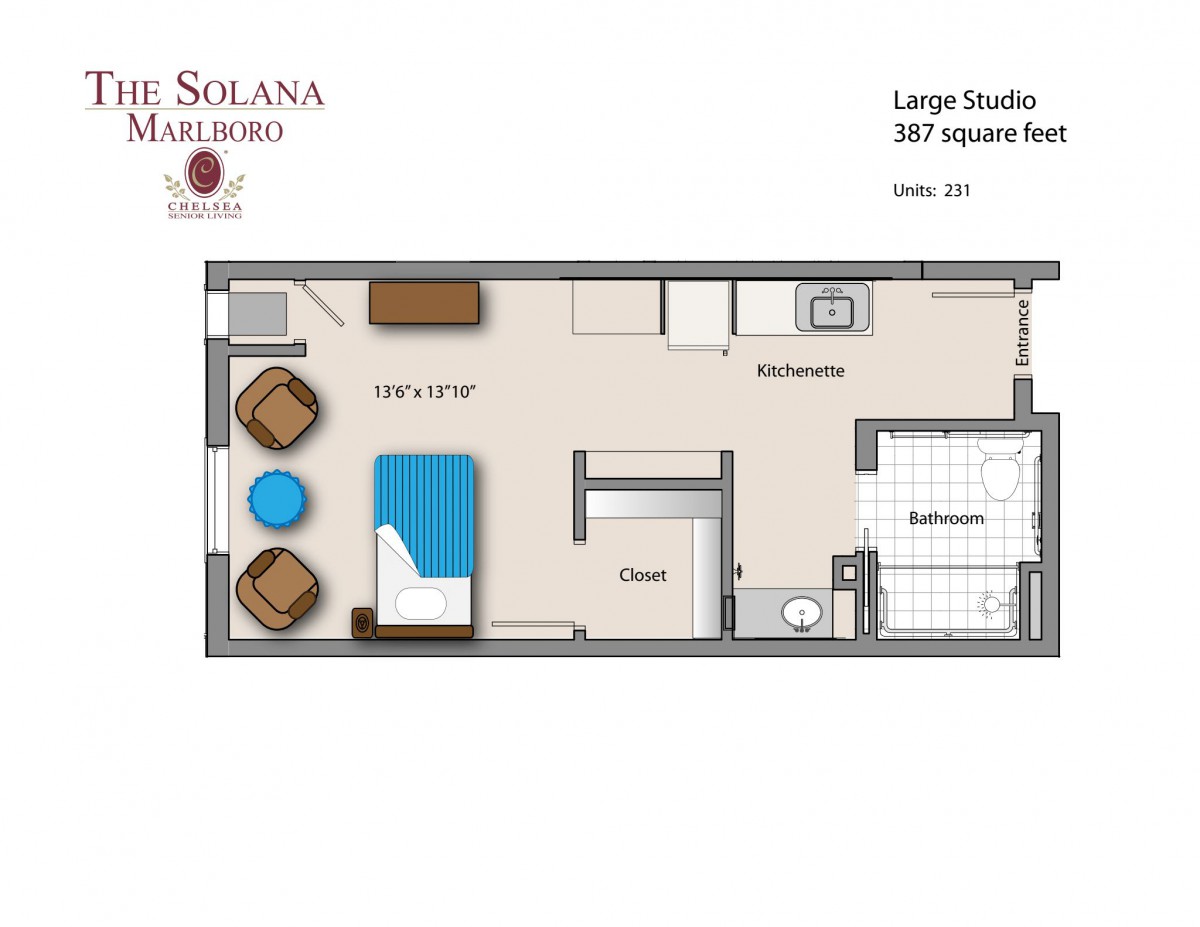
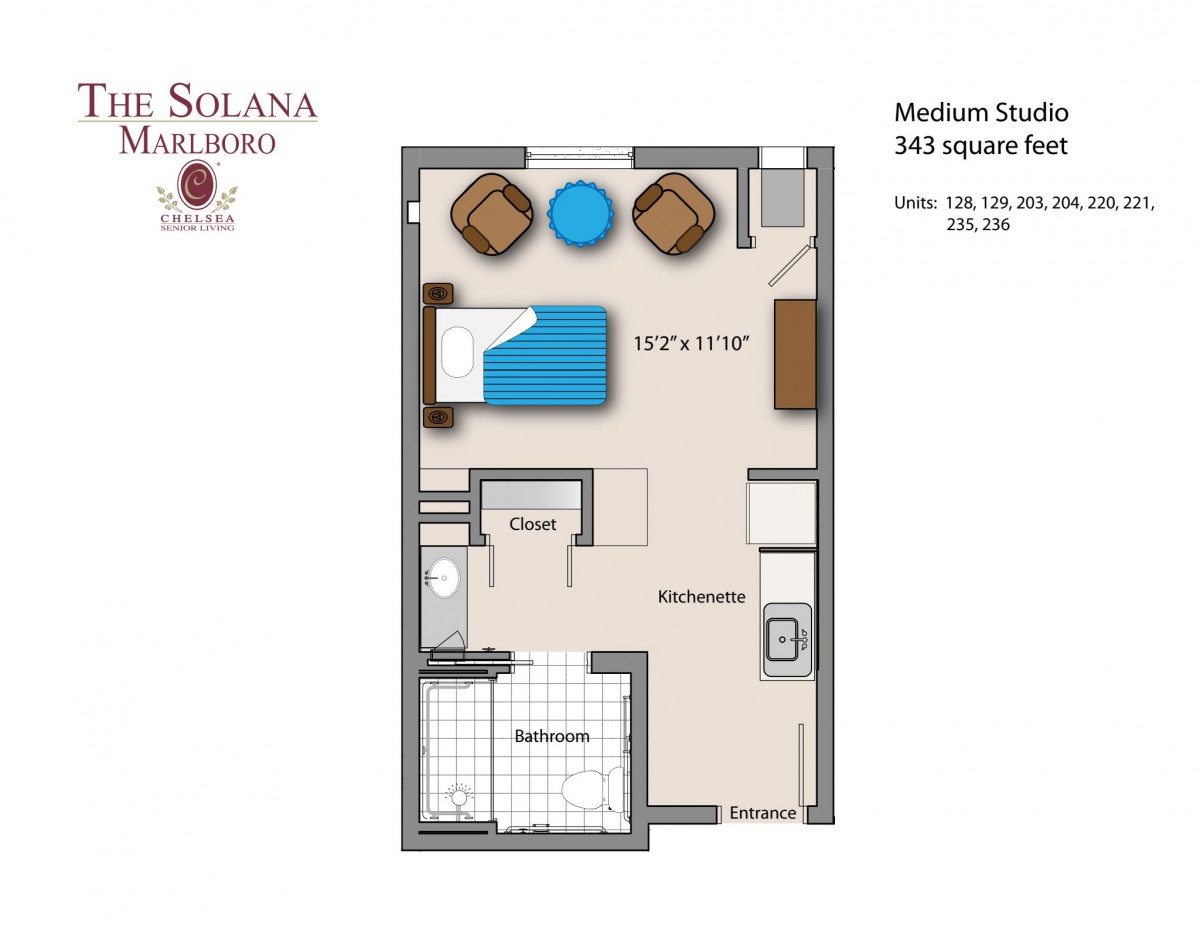
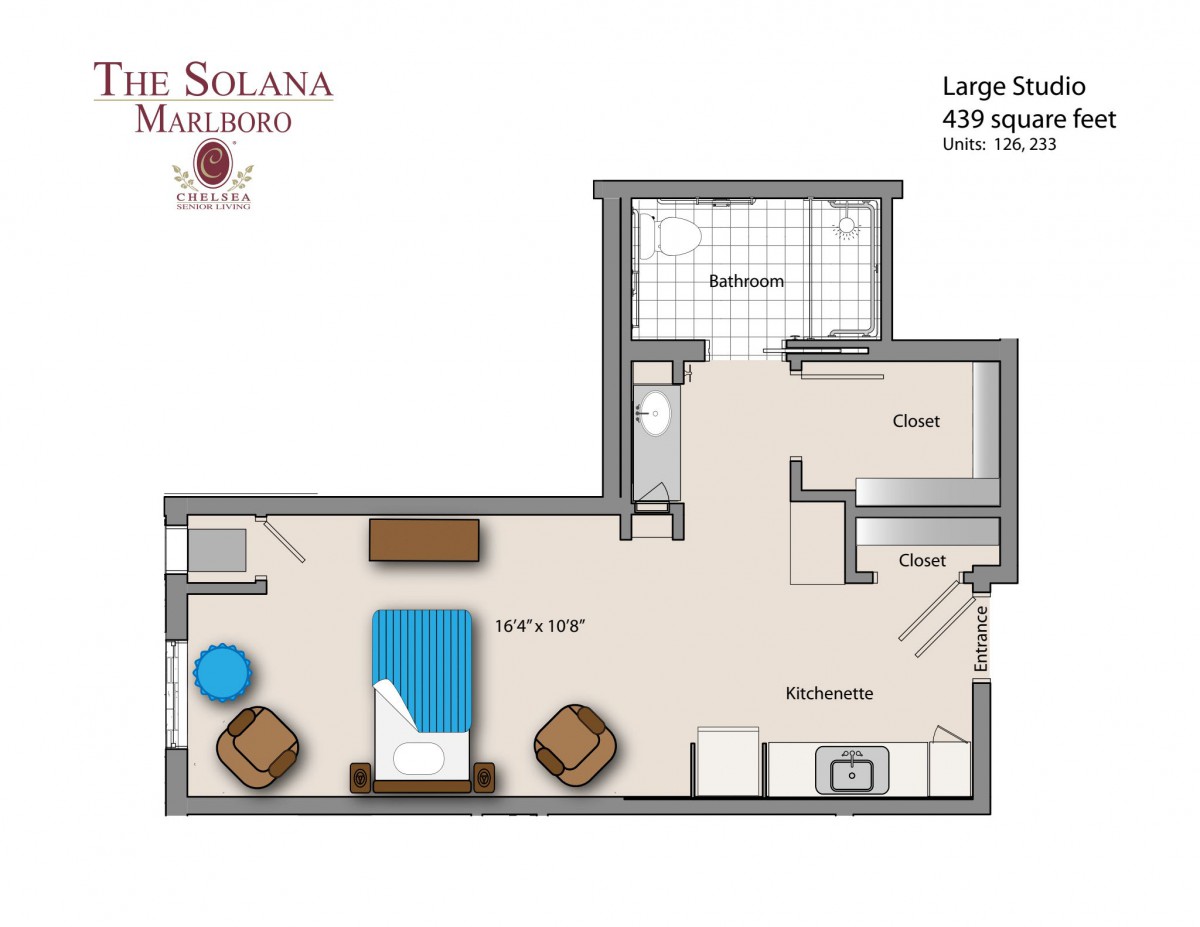
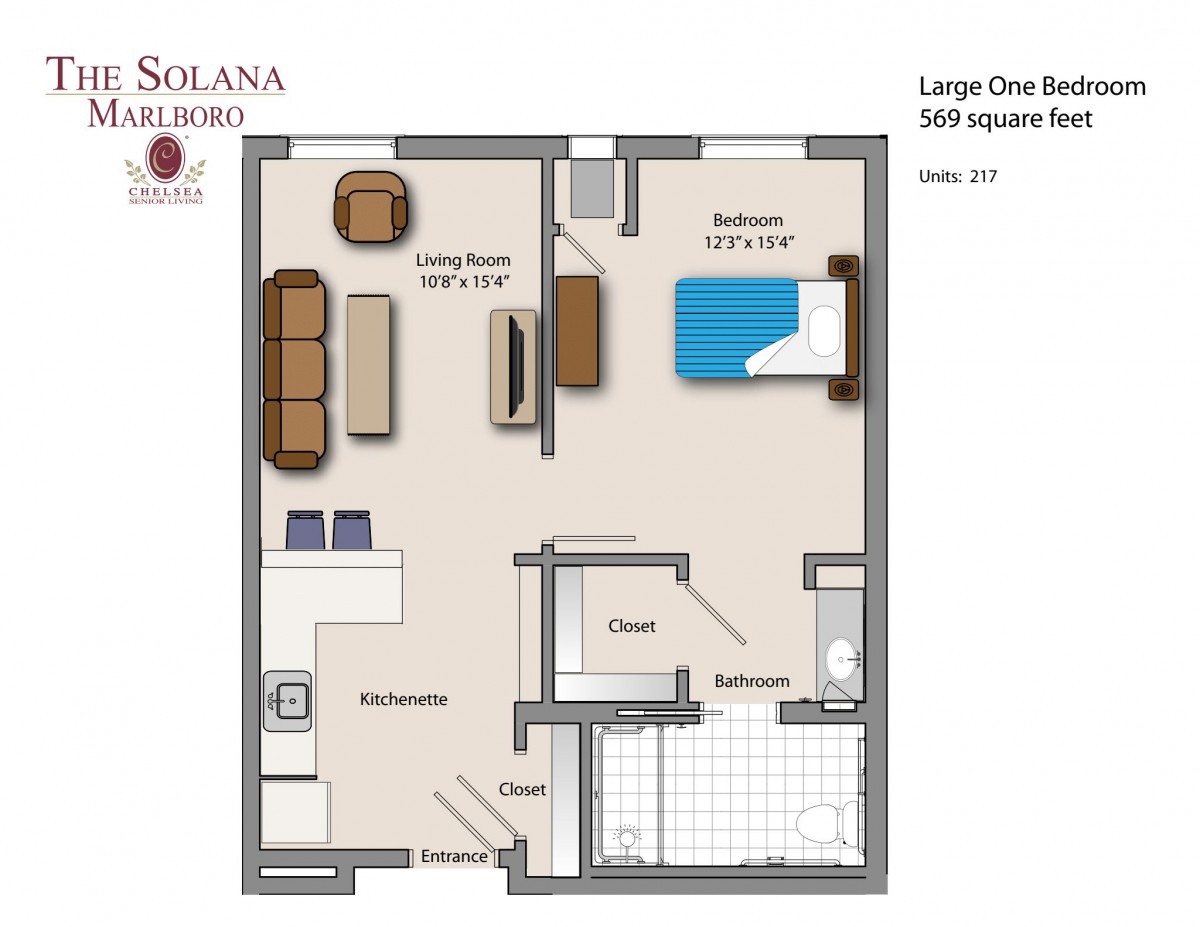
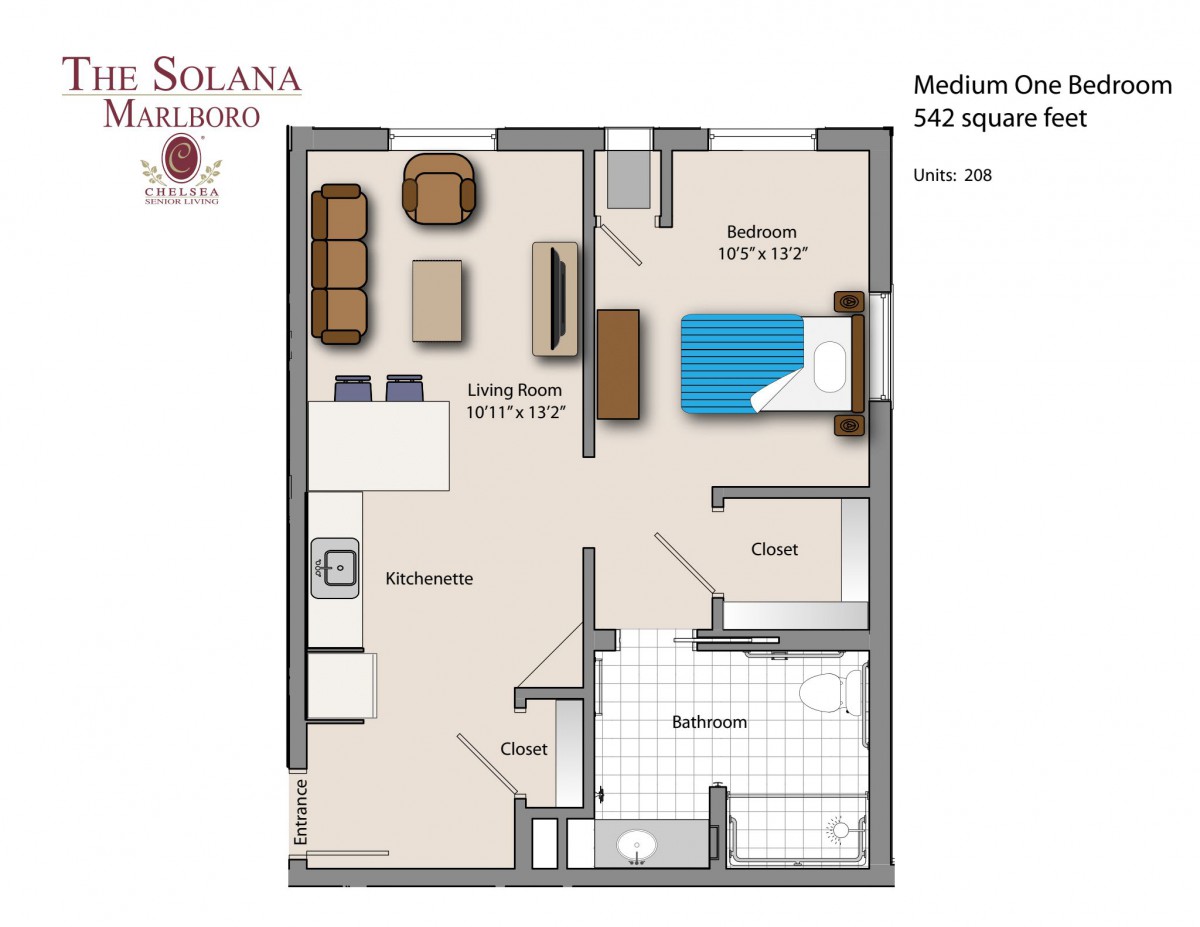
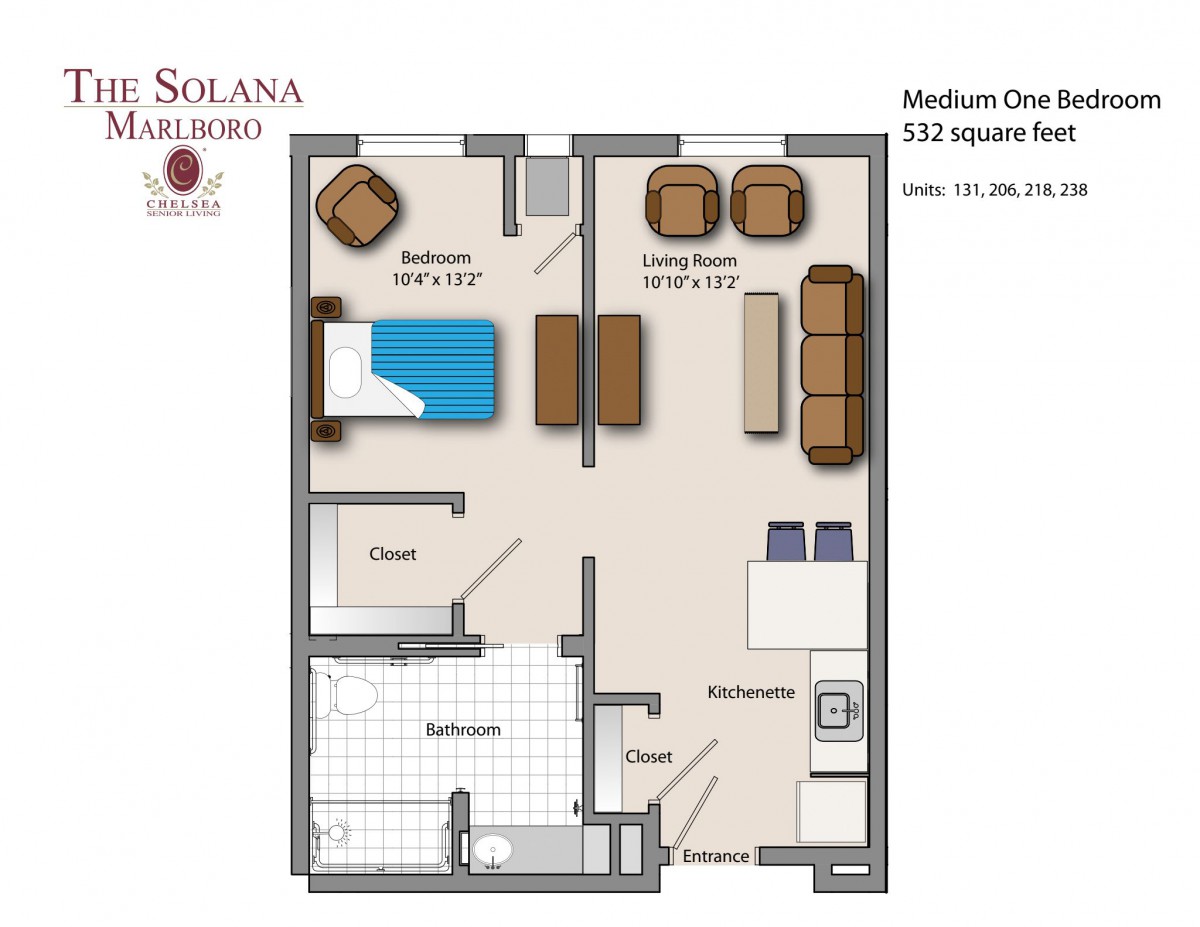
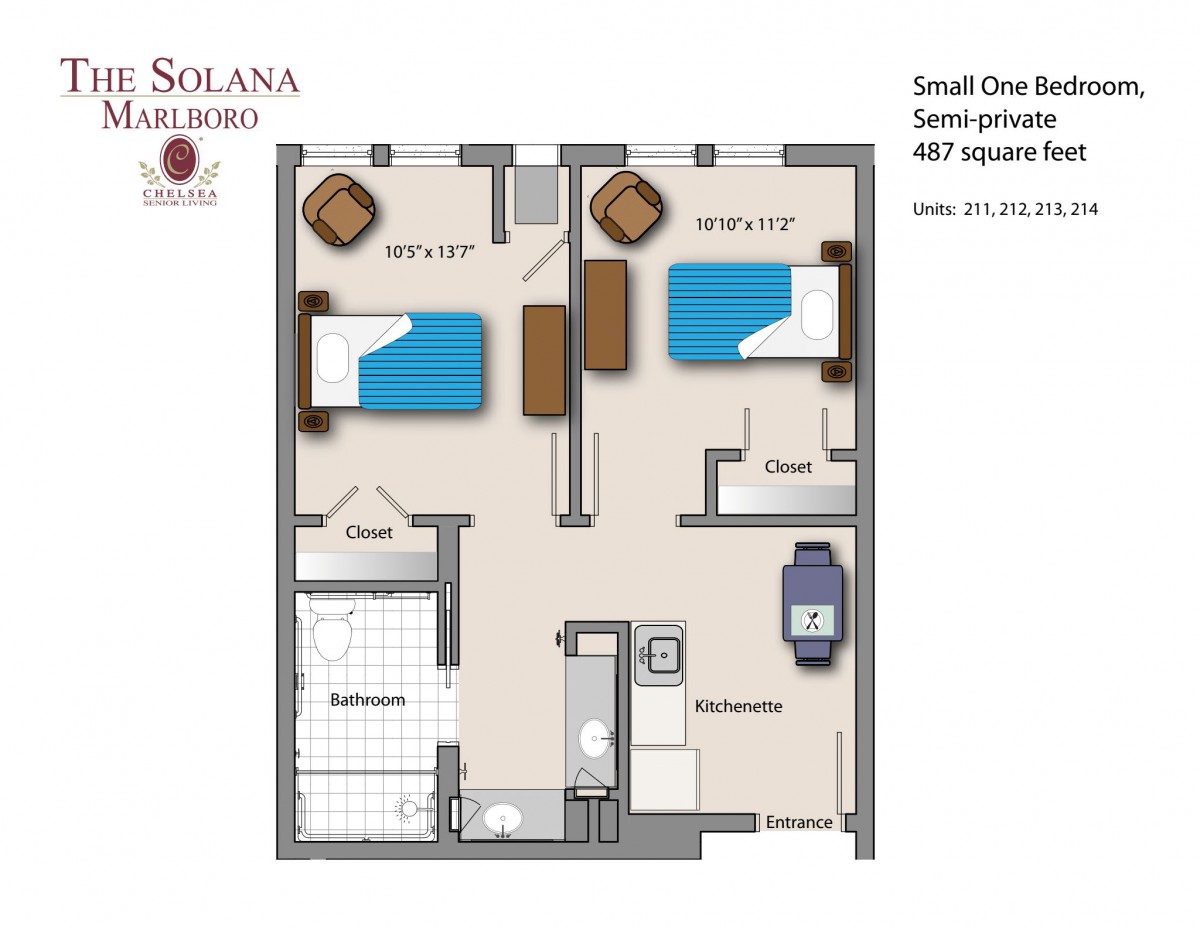
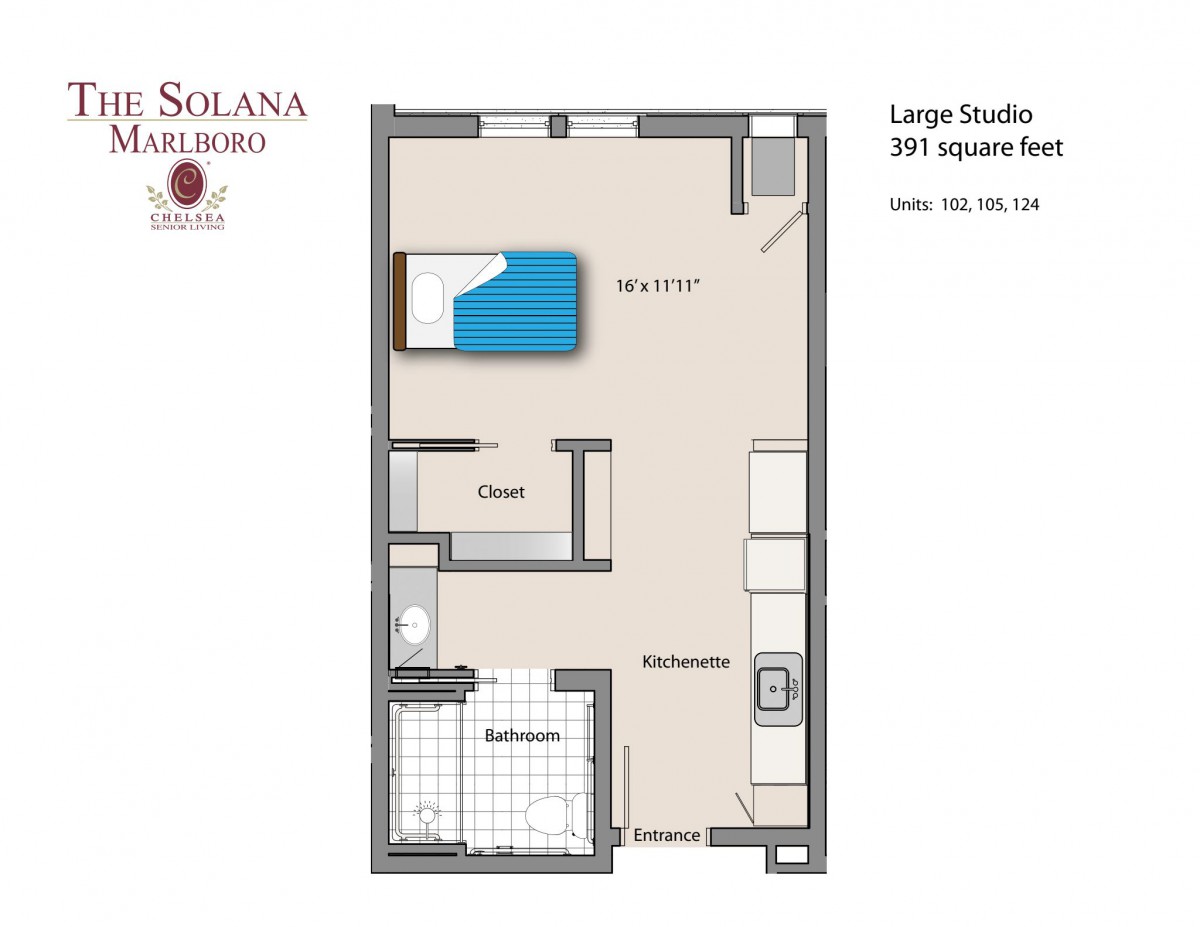
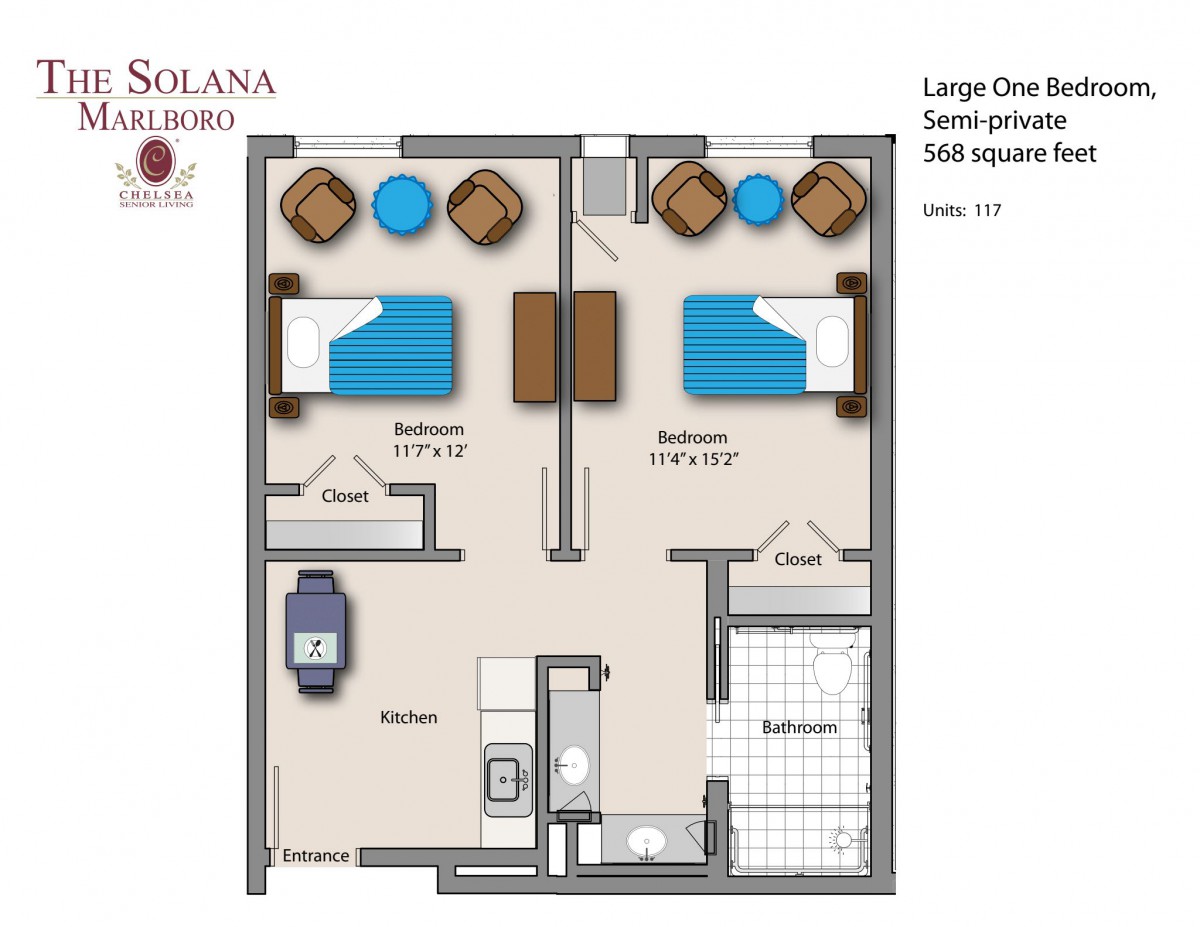
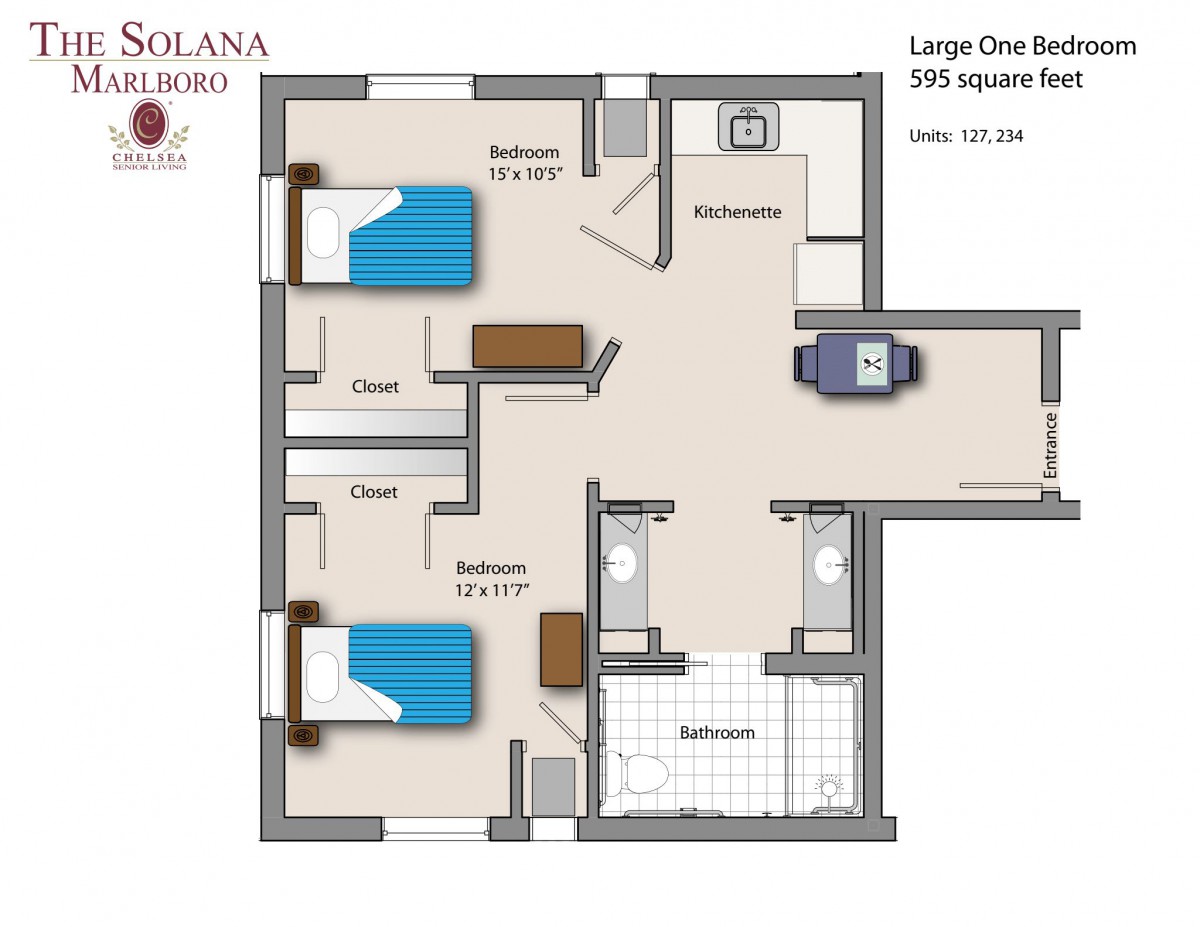
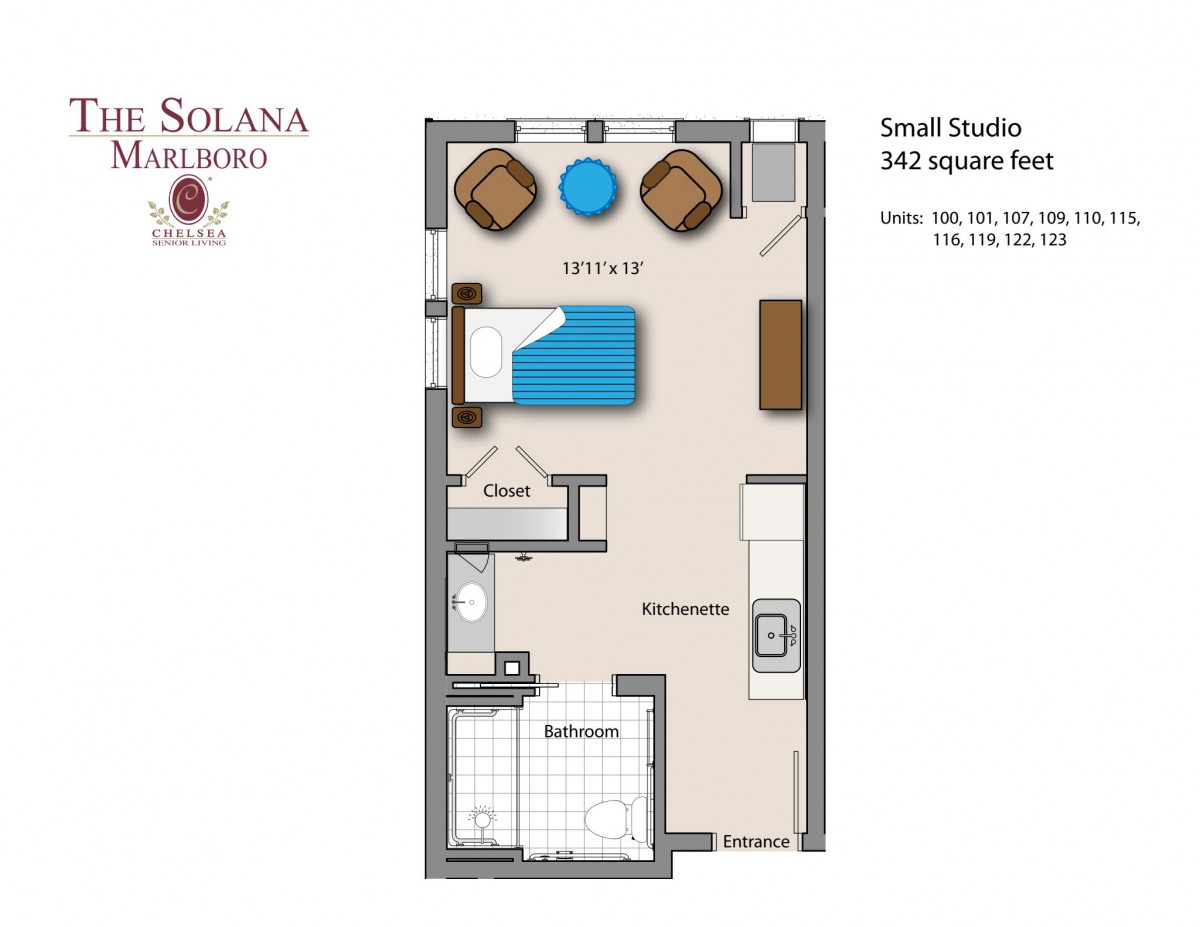
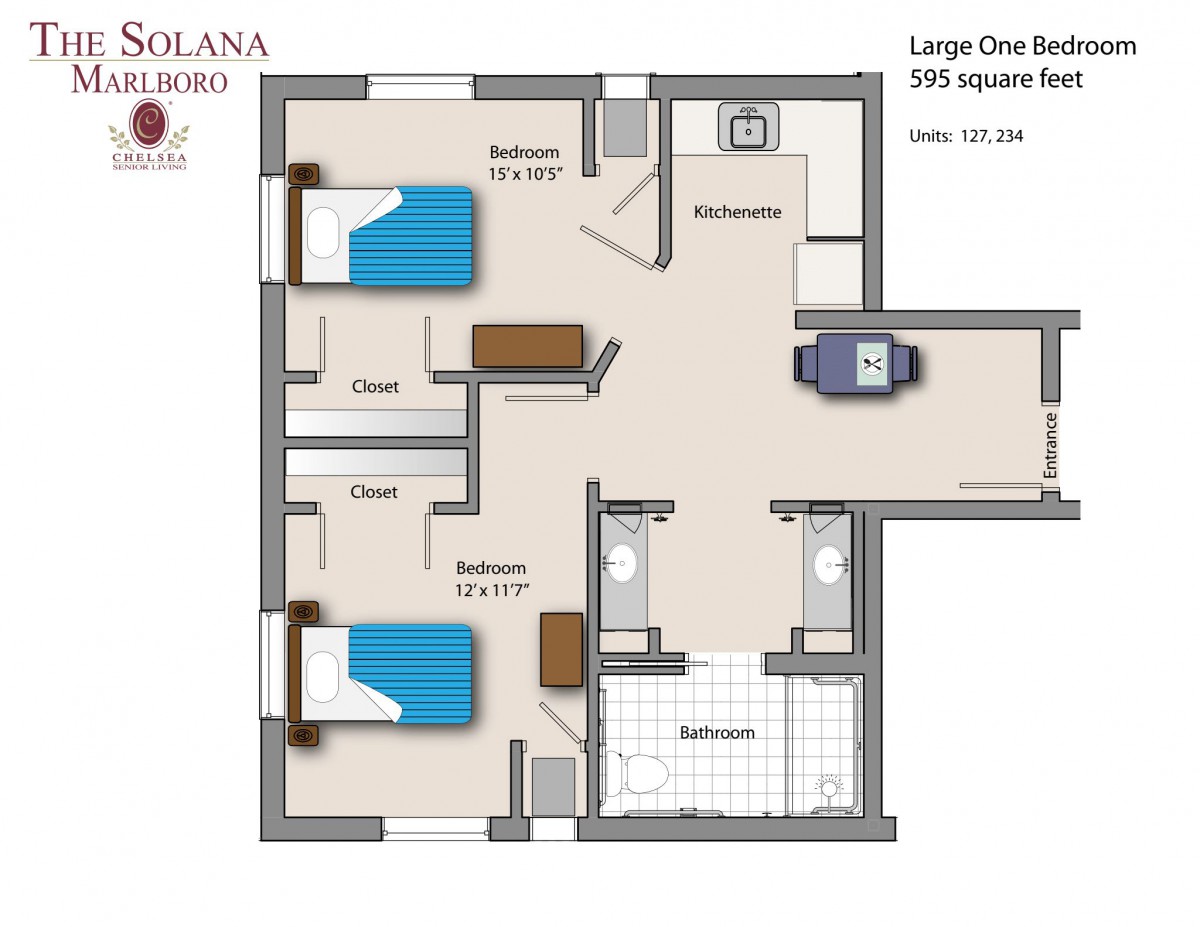
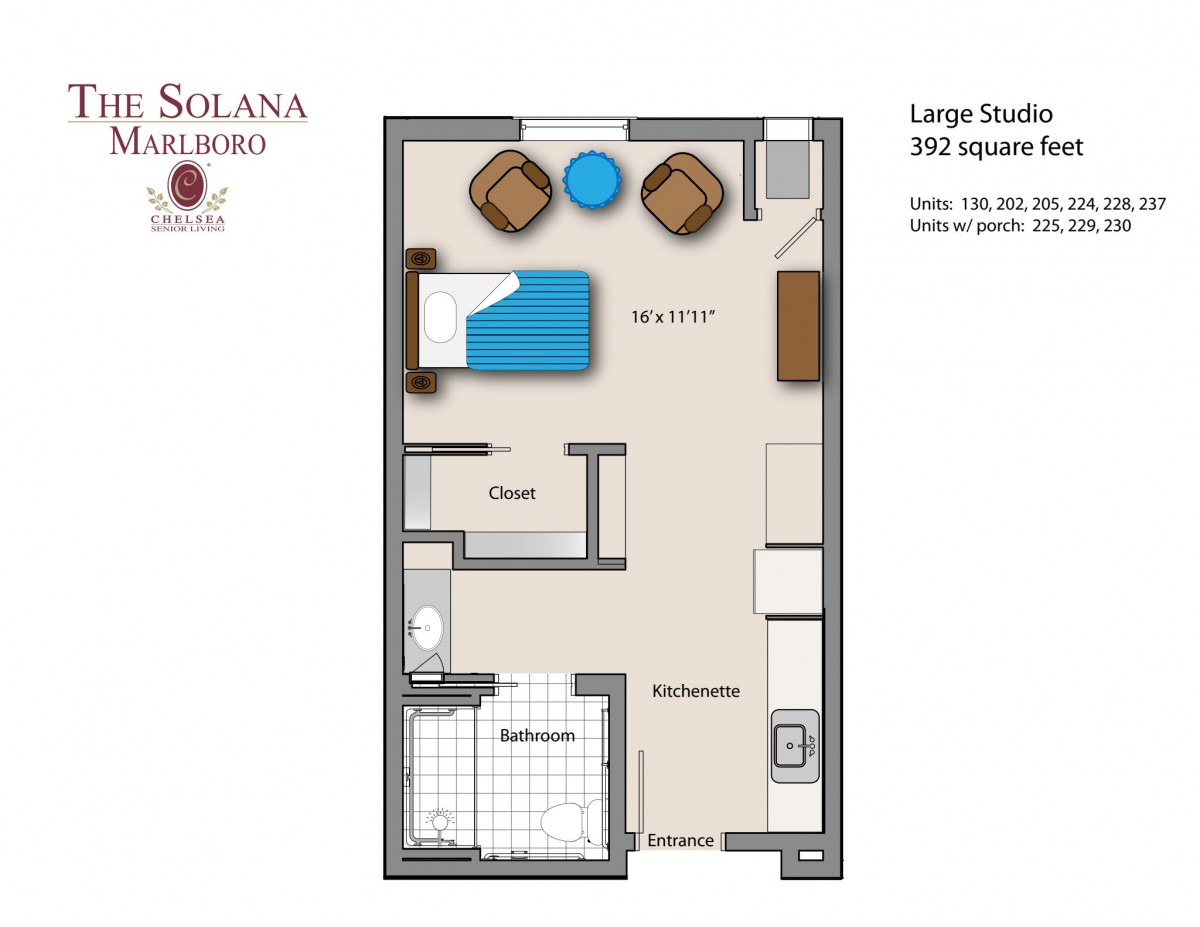
The Chelsea At Marlboro offers competitive pricing within the context of Monmouth County and New Jersey as a whole. For semi-private rooms, residents can expect to pay $4,800 per month, which is notably lower than the county average of $5,251 and the state average of $5,068. Studio apartments at The Chelsea are priced at $6,000, aligning with both Monmouth County's rate of $5,738 and New Jersey's average of $5,286. The costs for one-bedroom units stand at $7,620, which falls below Monmouth County's average of $9,644 but exceeds the state average of $5,994. Additionally, two-bedroom options range from $5,500 to $8,400 - a wide spectrum that still presents a more affordable choice compared to the striking county average of $13,971. Overall, The Chelsea At Marlboro provides appealing options for seniors seeking quality living arrangements with an eye on cost-effectiveness relative to its local market.
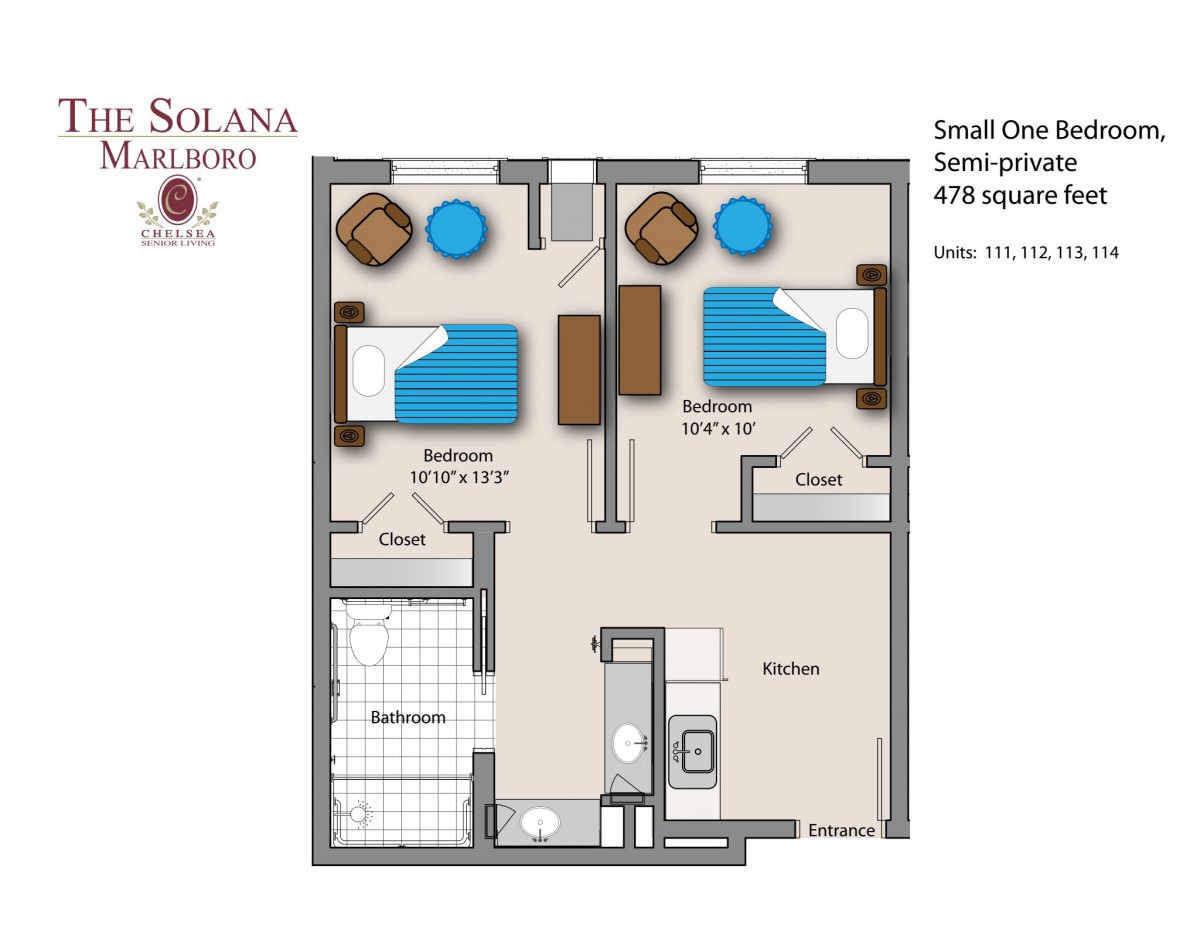
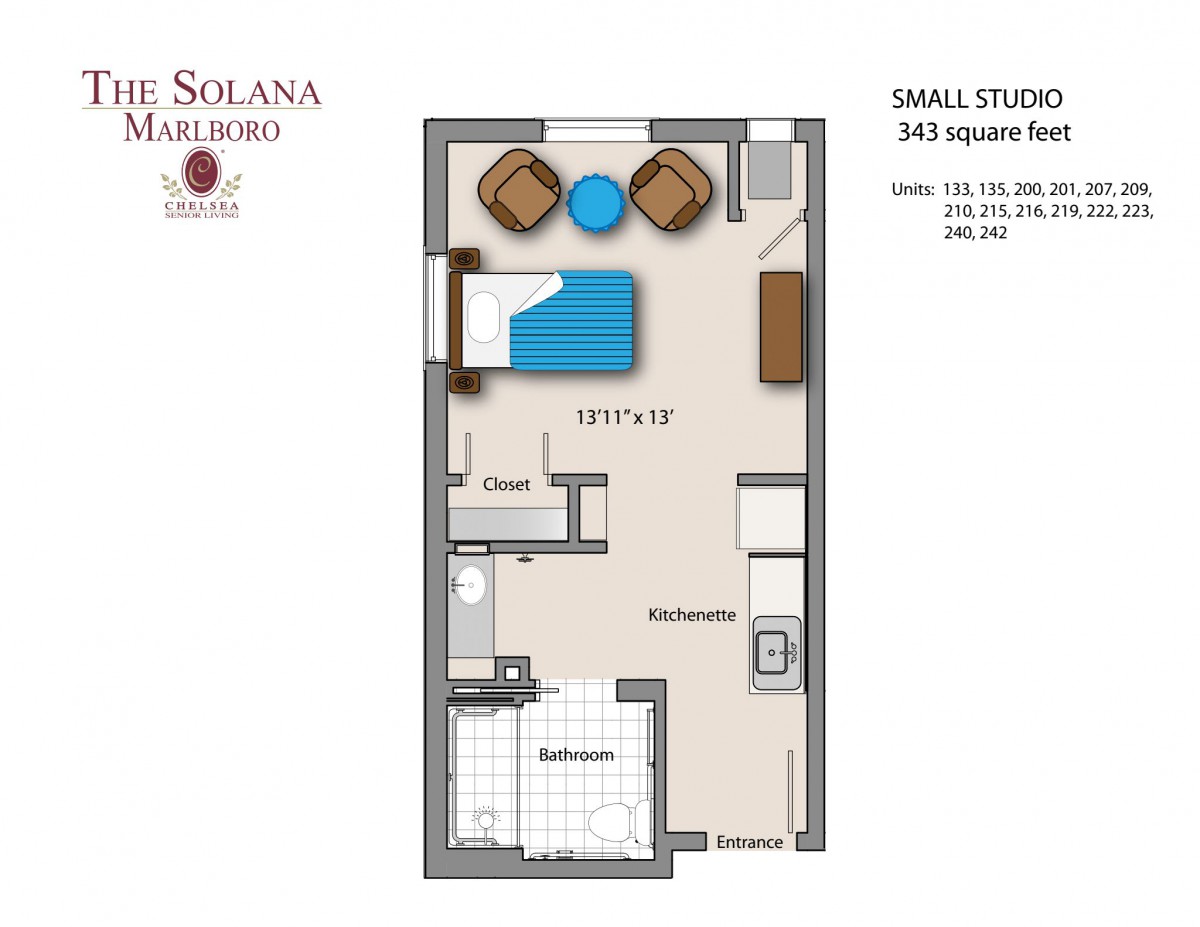
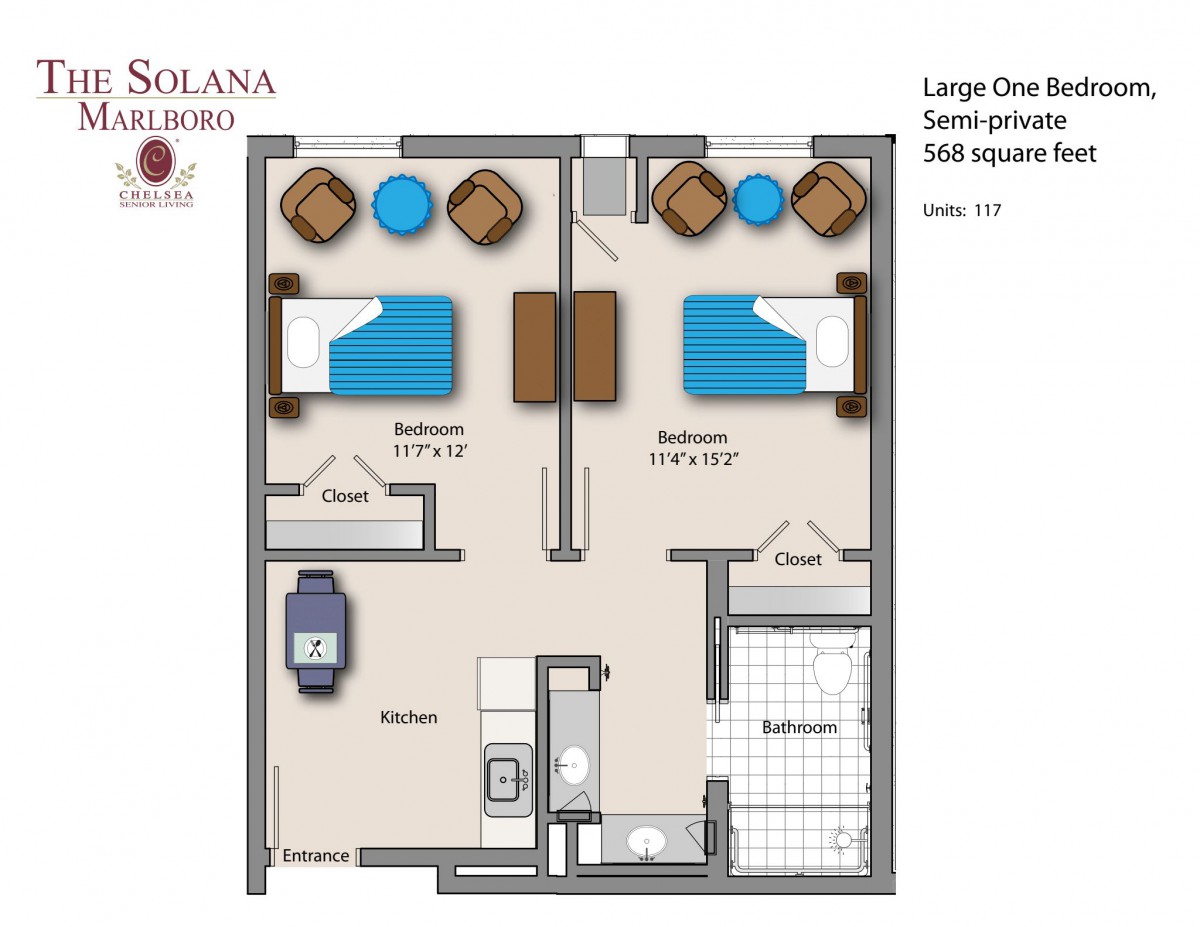
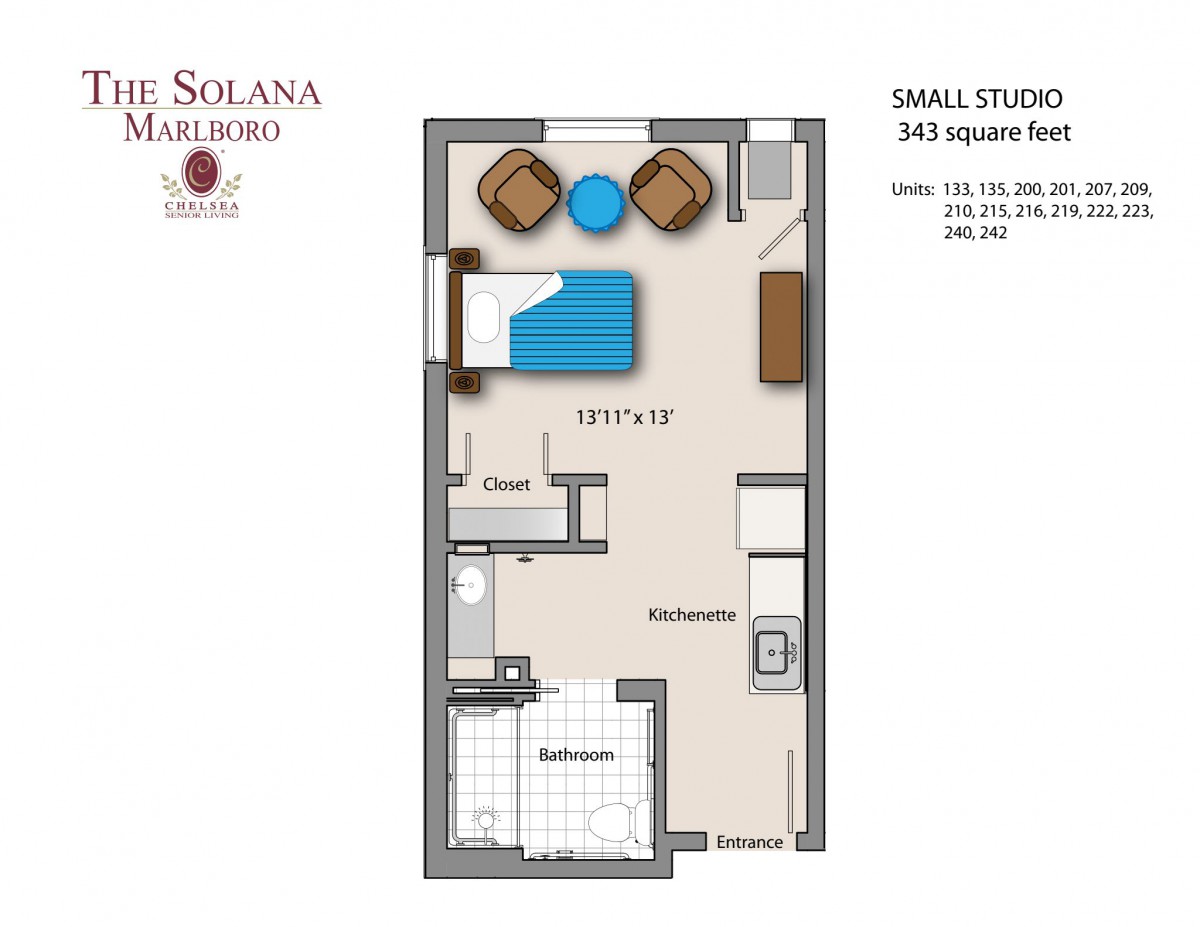
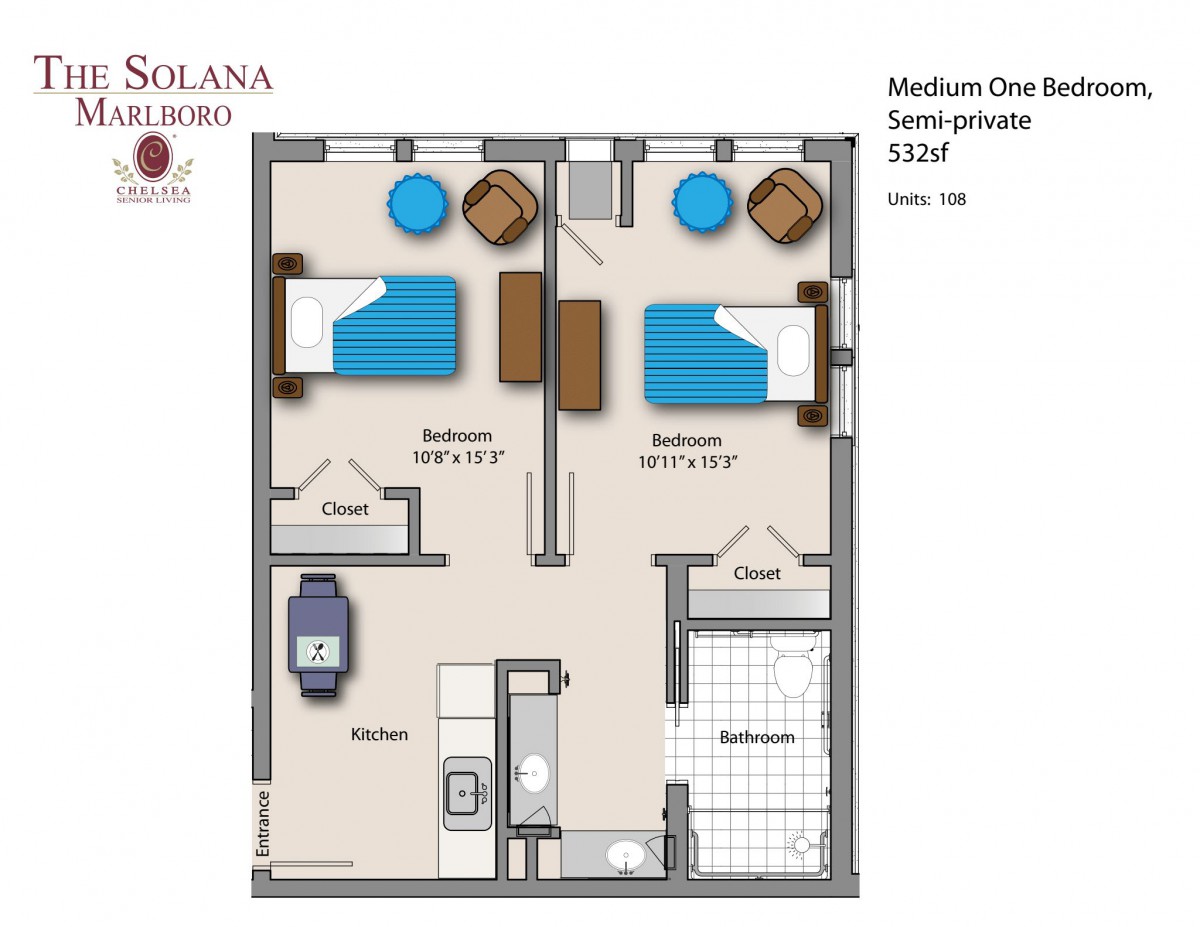
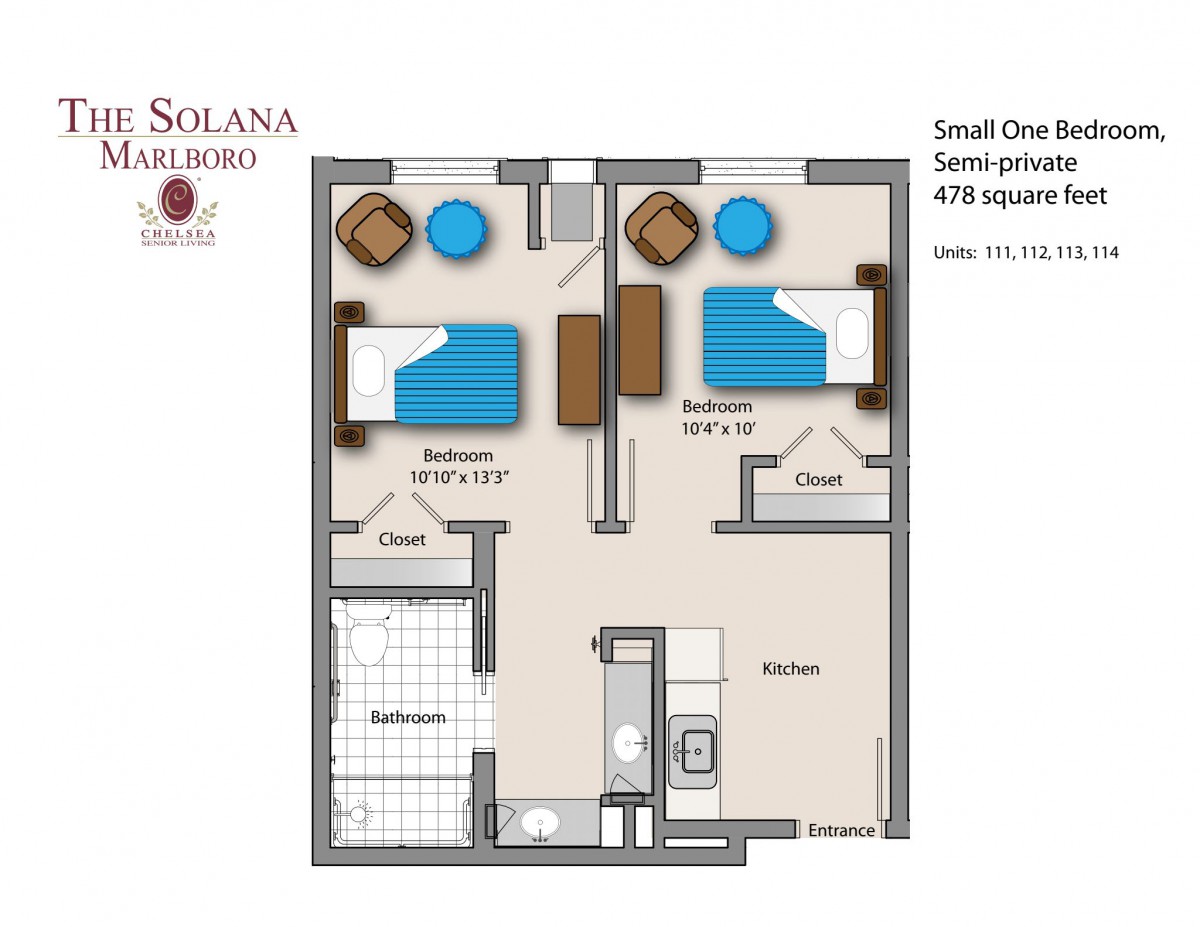
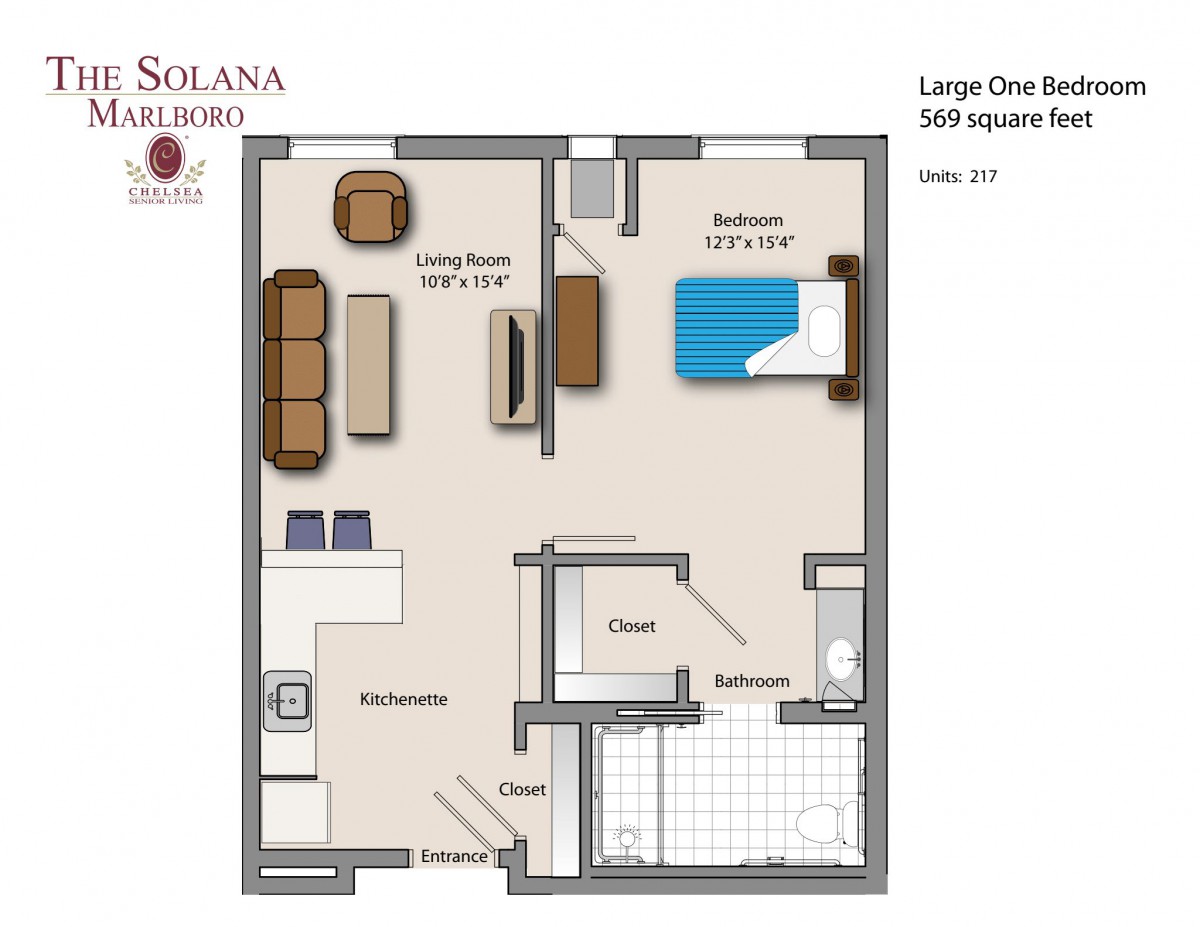
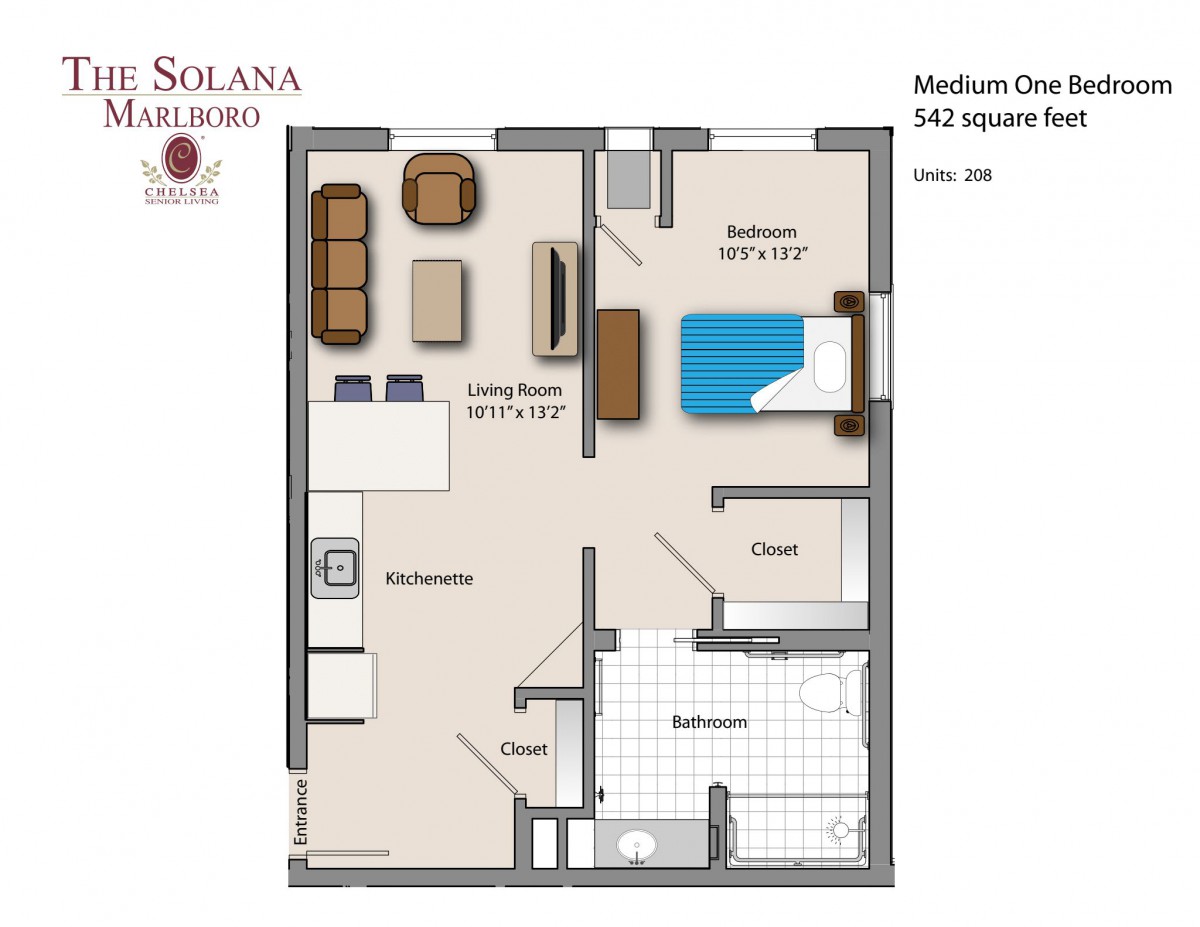
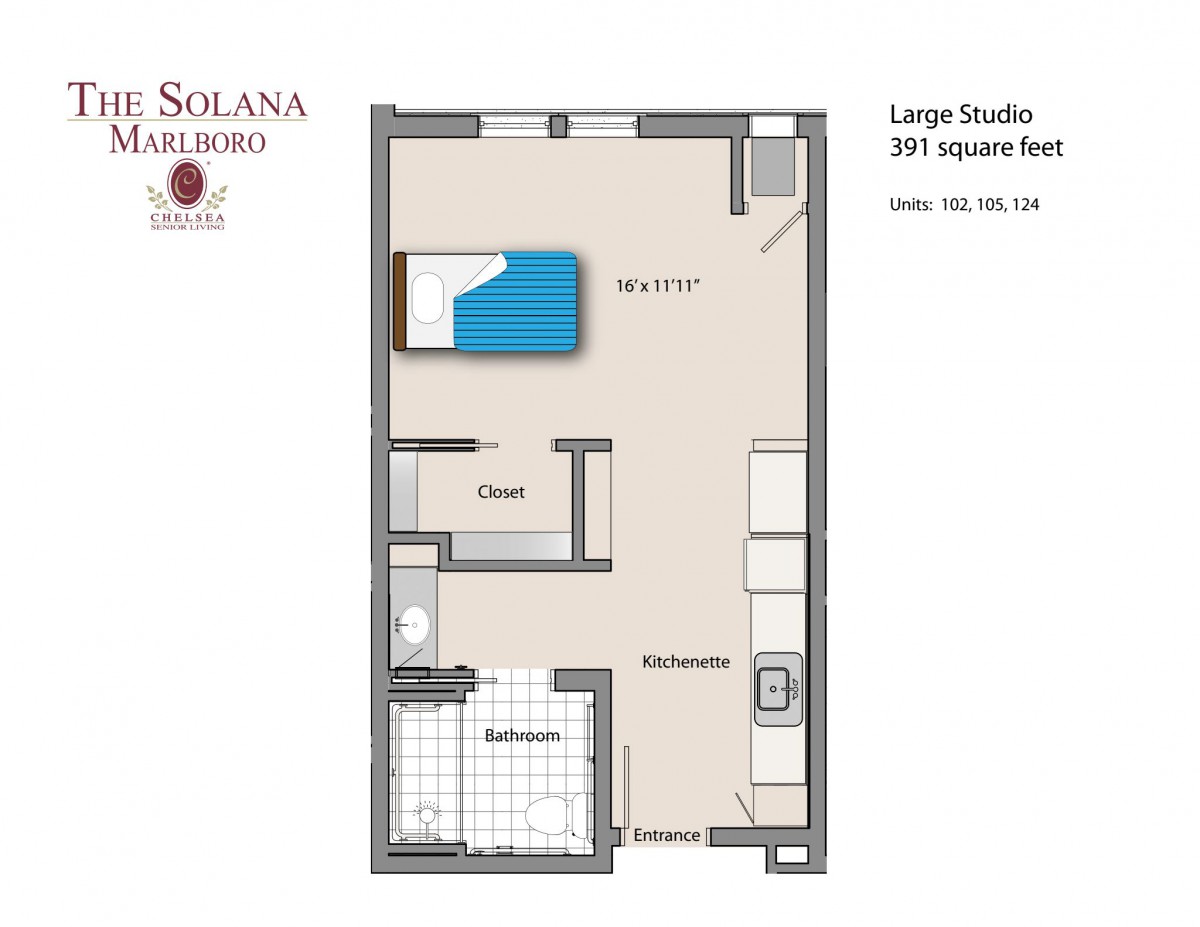
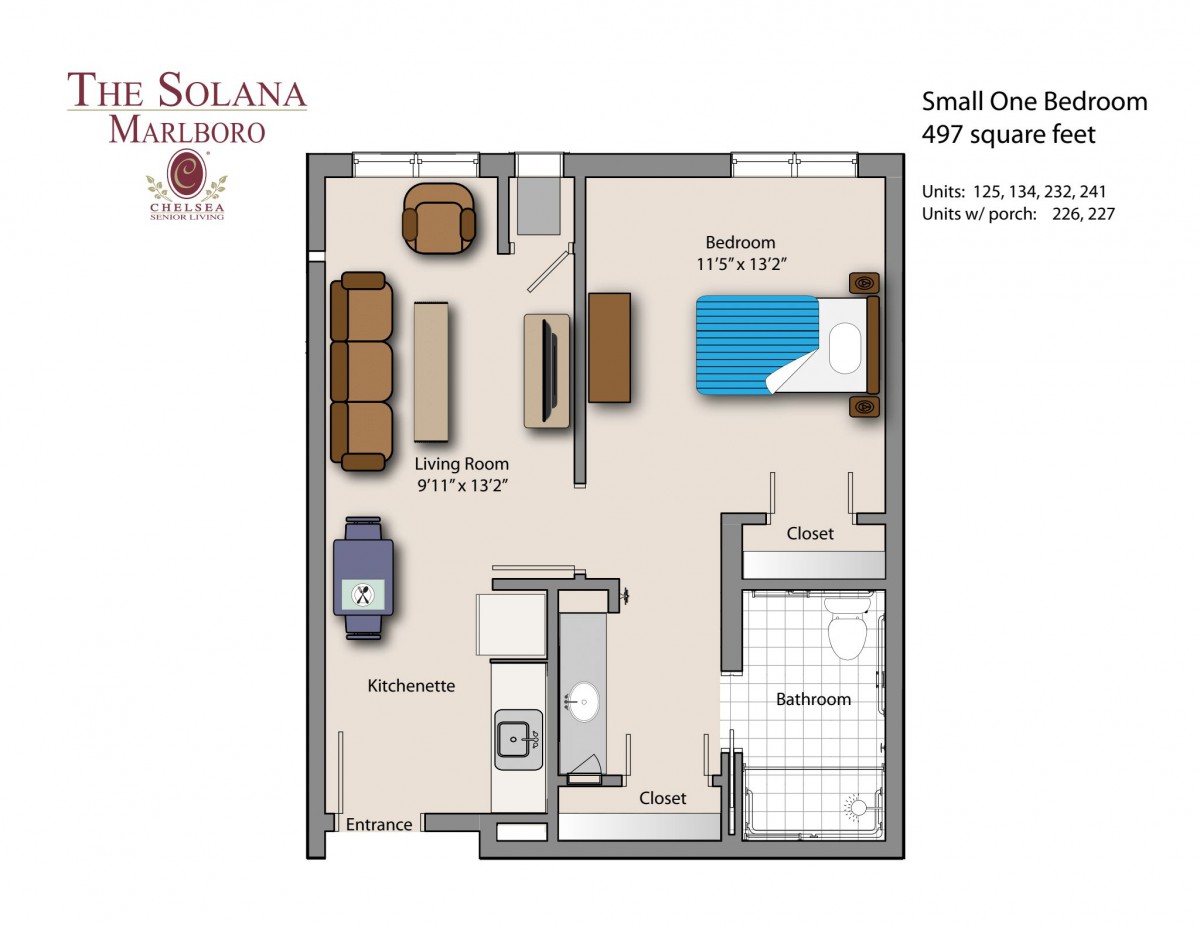
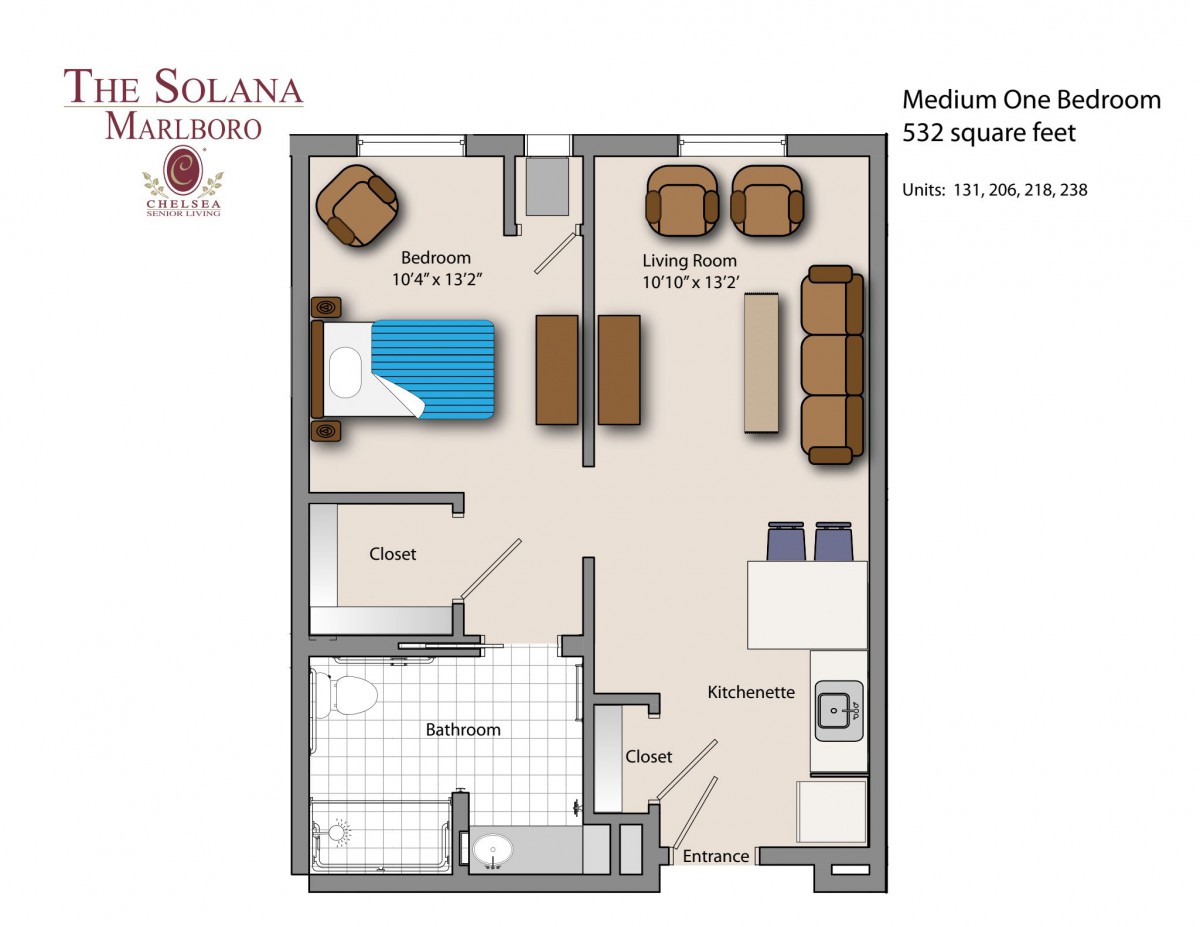
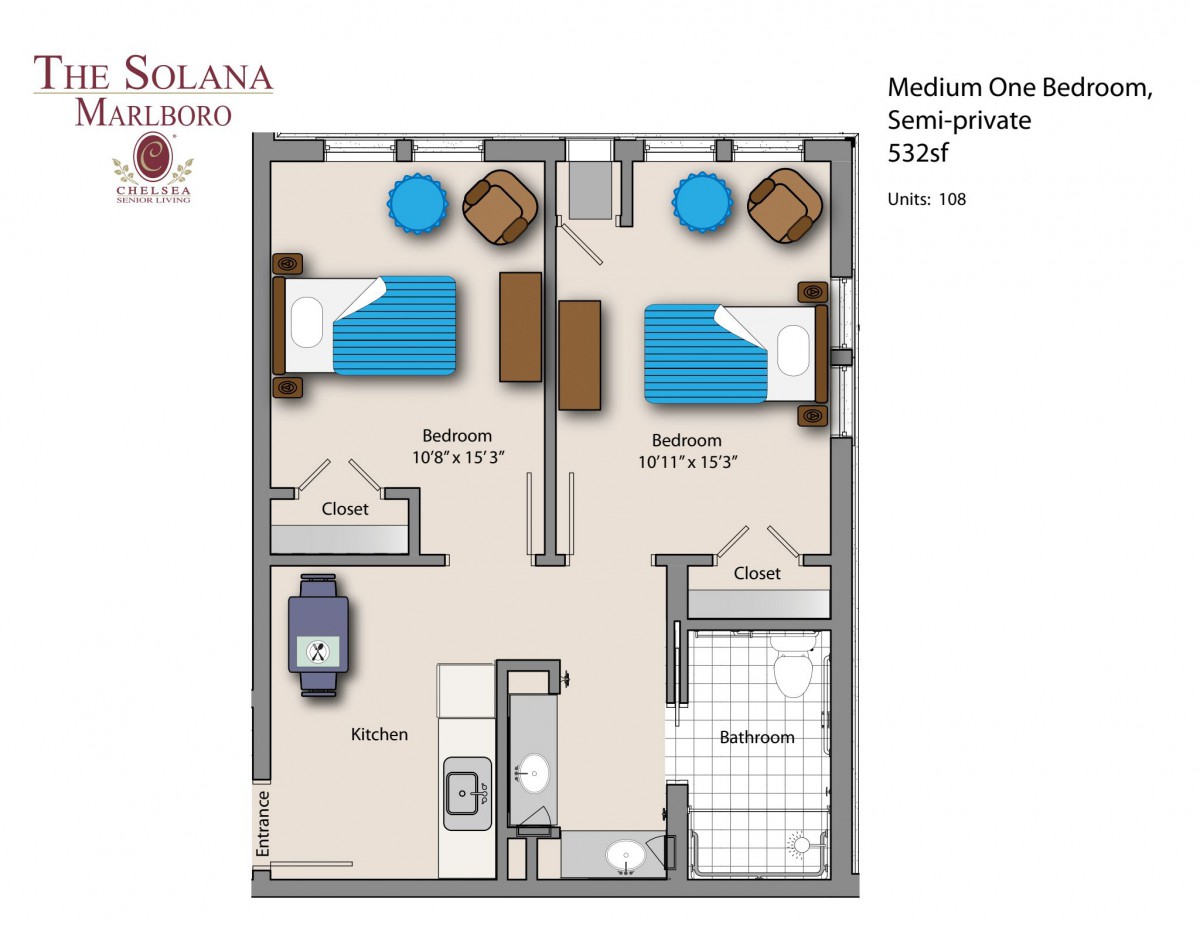
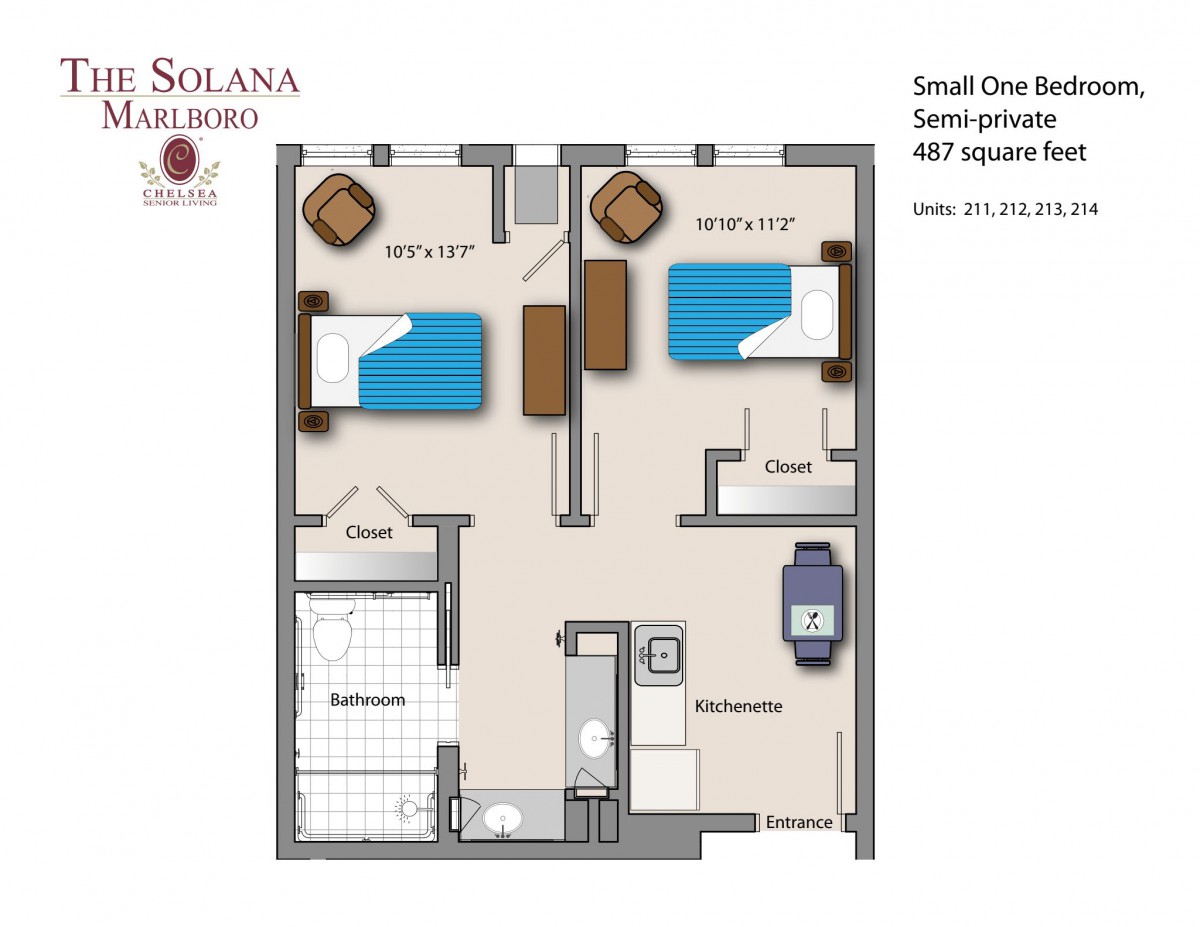
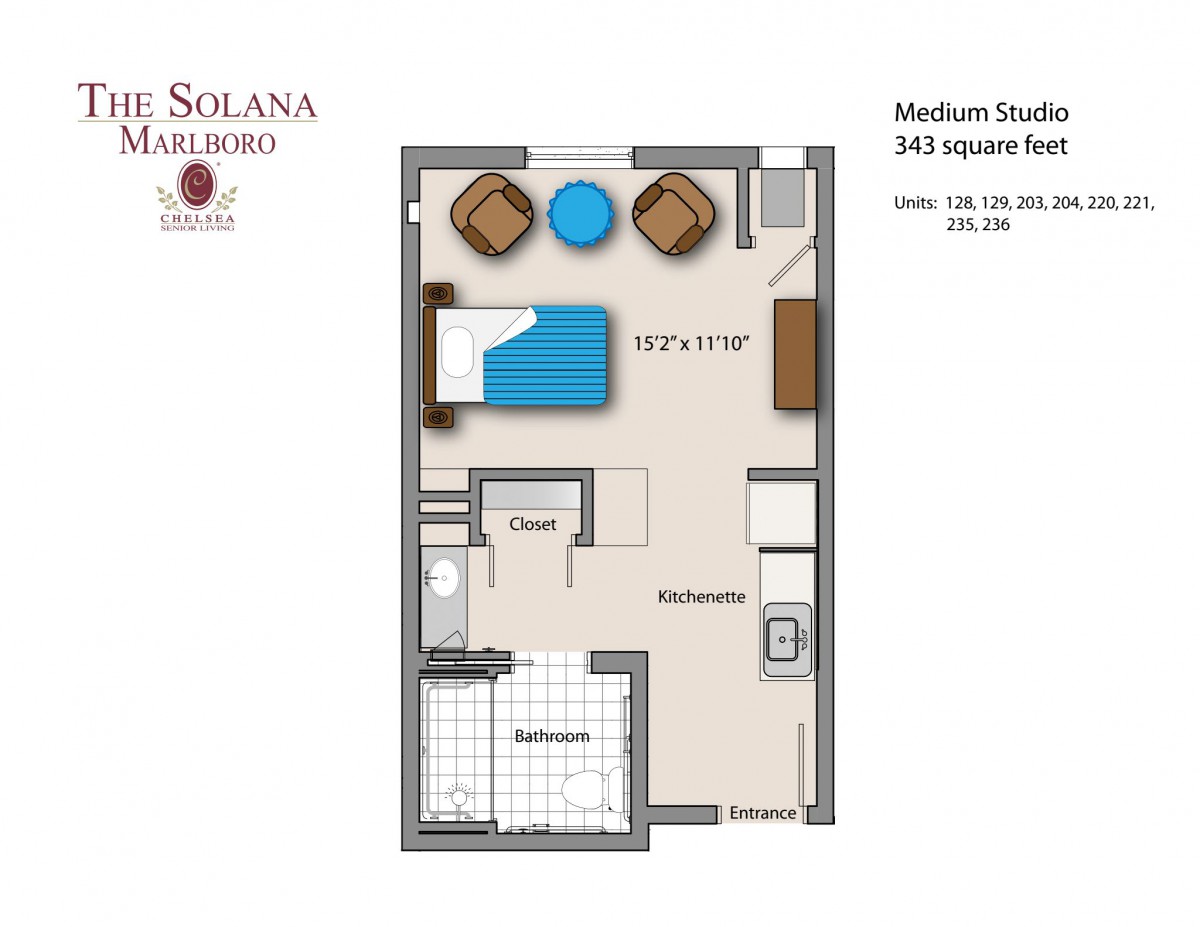
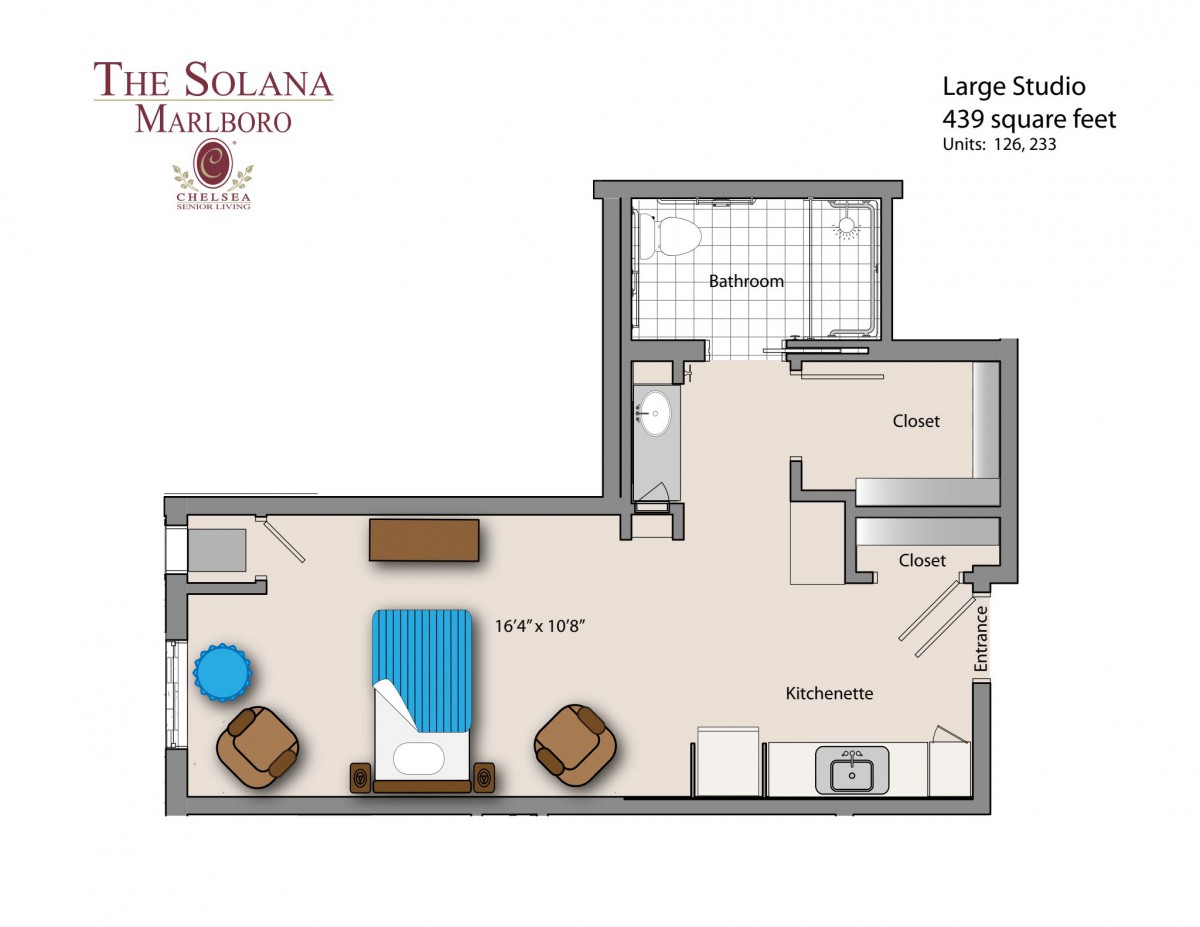
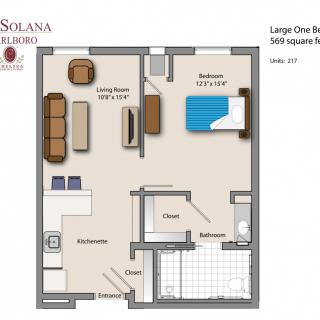
Floor plans
The Chelsea At Marlboro
Monmouth County
New Jersey
Semi-Private
$4,800
$5,251
$5,068
2 Bedrooms
$5,500 to $8,400
$13,971
$6,216
Studio
$6,000
$5,738
$5,286
1 Bedroom
$7,620
$9,644
$5,994
Skilled Nursing Facilities with a similar price nearby
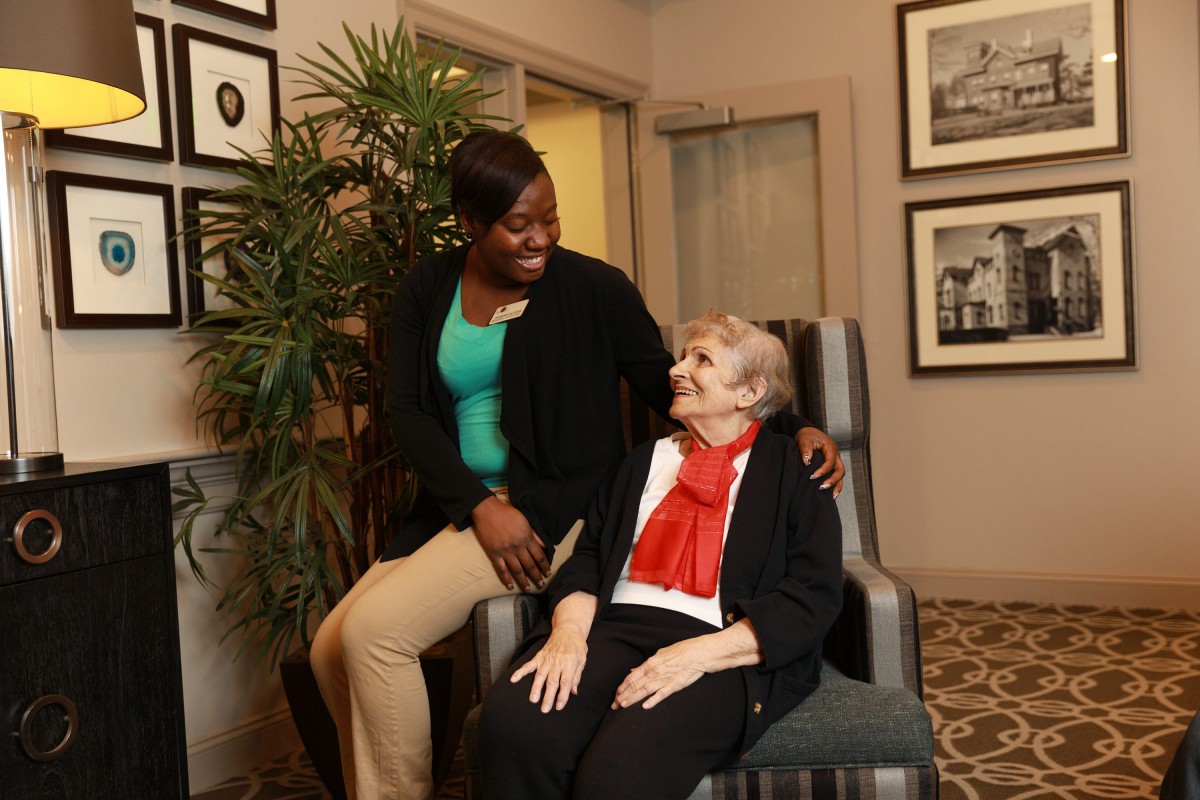
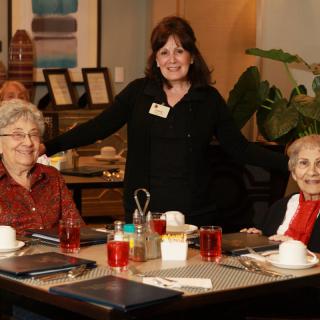
Residents and families repeatedly describe staff as kind, attentive, and responsive to needs.
A common thread across reviews is the way staff show up for residents and families—answering questions, following up, and treating people with respect. Several reviewers specifically call out nurses and aides for being on top of care details and helping with day-to-day comfort. Even in mentions of respite or transitions, people describe peace of mind from reliable support.
common12 reviews mention this
Activities help residents stay engaged
The community emphasizes daily engagement with activities, outings, and group events.
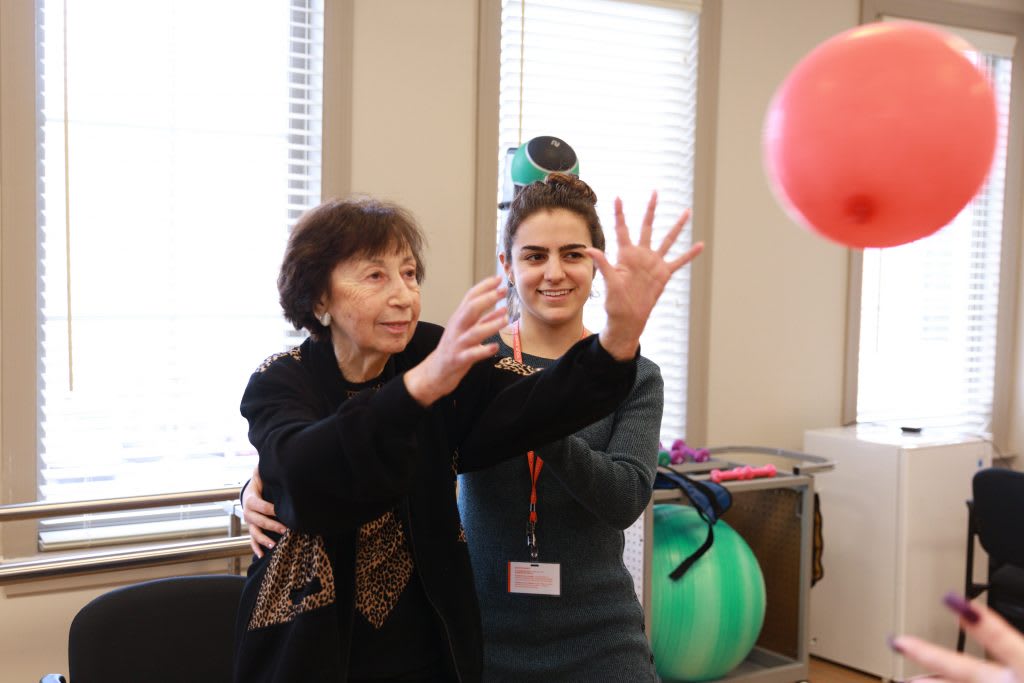
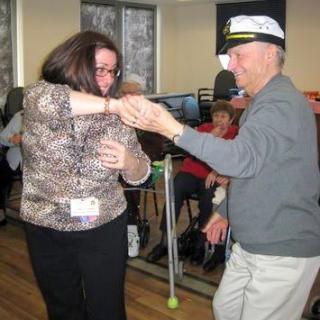
Many reviews describe a steady flow of activities—games, happy hours, craft and group programs, and movies. Families also mention residents staying busy throughout the day and enjoying social opportunities, including trips and community events. A few reviews still note that there could be more variety after dinner, suggesting room to expand evening programming.
common10 reviews mention this
Dining is a mix, often praised
Residents frequently comment on food quality and options, though a minority raise concerns.
Several reviewers say meals are plentiful and enjoyable, and that residents like the food enough to stay satisfied. Others describe the dining experience in terms of flexibility—meals taken in-room or in a dining space with space for visitors. On the downside, a few comments focus on the food not meeting expectations and mention changing chefs or dietary miscommunication.
differentiator8 reviews mention this
Care support across levels
Reviews and care offerings point to support that can span respite, memory care, and higher acuity needs.
Families describe care that extends beyond baseline assistance, including help coordinating clinical needs and supporting recovery after a rehab stay. Multiple reviews mention respite specifically, with staff guiding residents through activities and mealtimes while monitoring needs. There are also reviews that reference memory care programming and, separately, hospice support for end-of-life care.
caveat4 reviews mention this
Price stands out as expensive
Multiple reviewers raise concerns about expense and paying extra for additional items.
Some reviews describe the community as very expensive and suggest expectations don’t always match the cost, including how food is handled. One review also mentions charging for essentially everything and describes frustration with pricing as services change. While many families express strong satisfaction overall, these cost-focused comments are recurring.
common9 reviews mention this
Clean, attractive building and grounds
Reviews often highlight cleanliness and a well-kept, attractive environment.
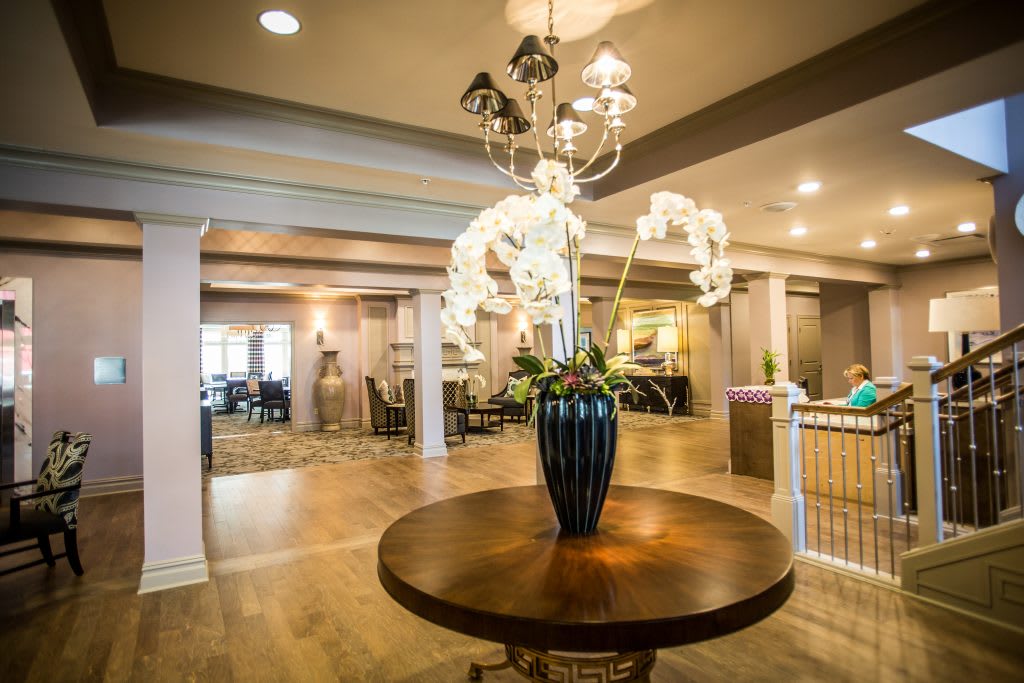
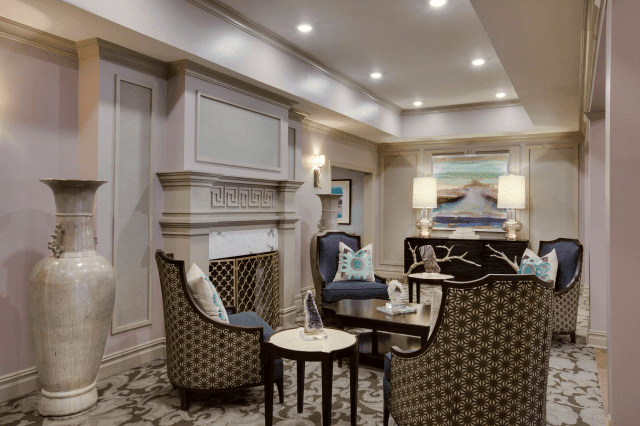
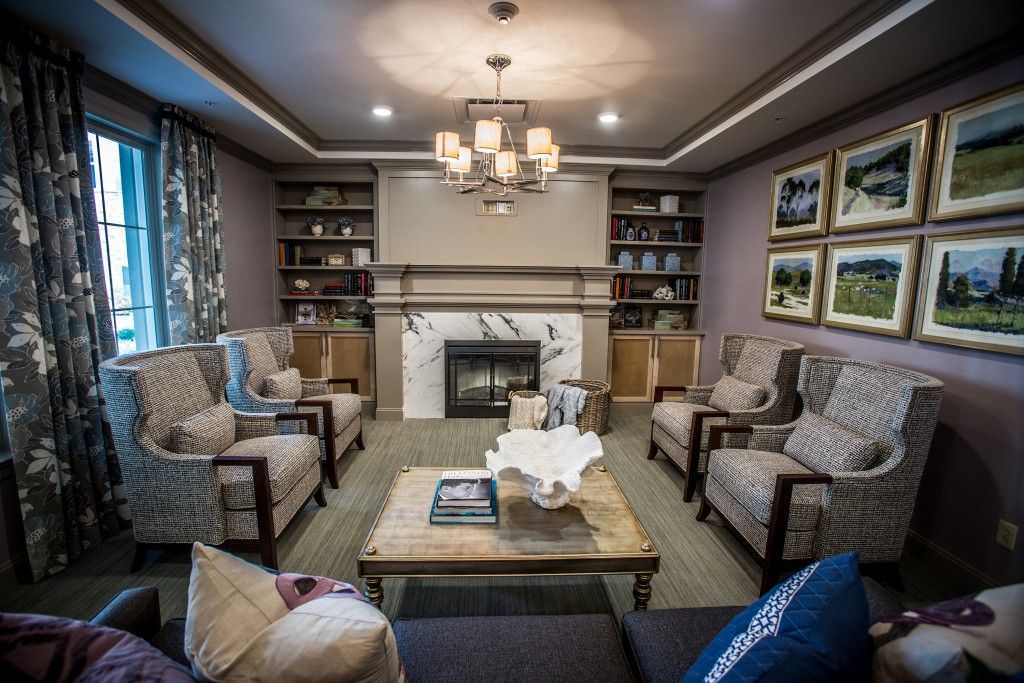
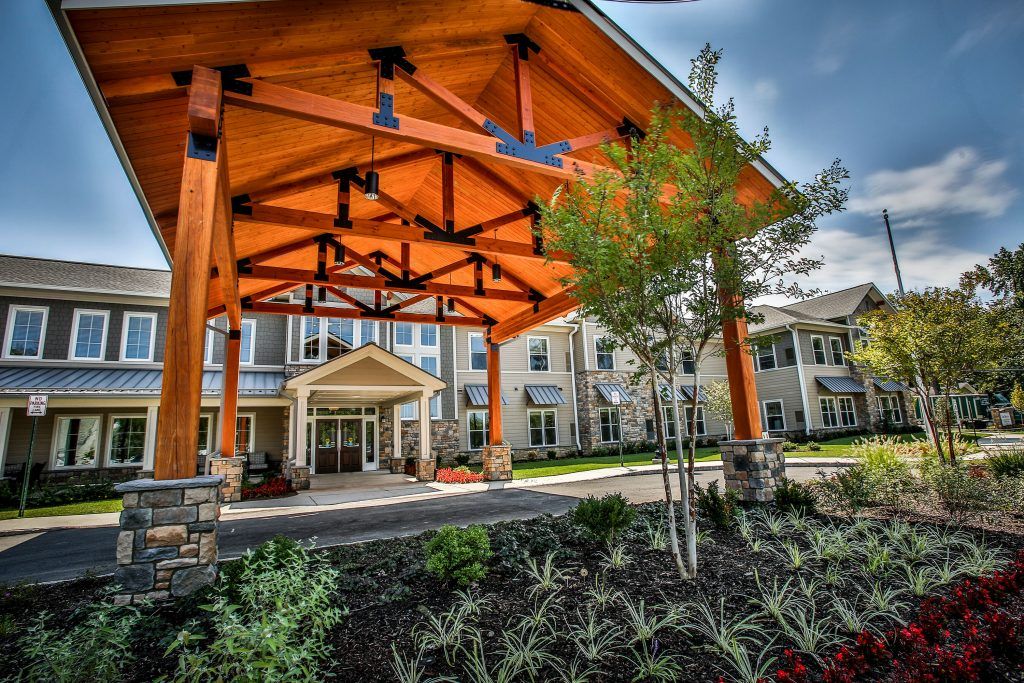
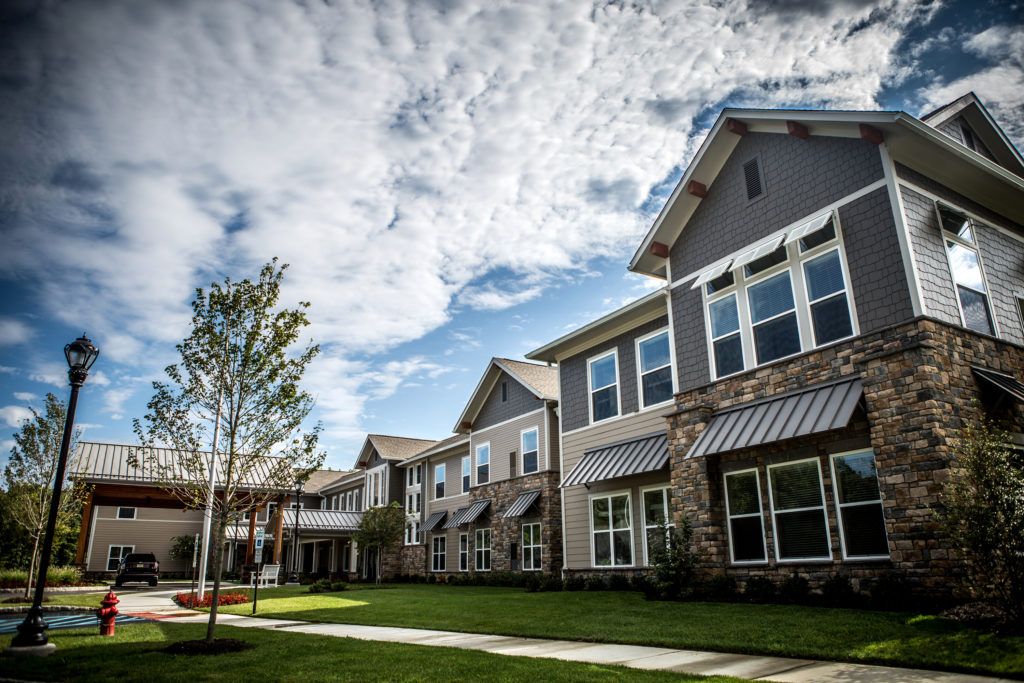
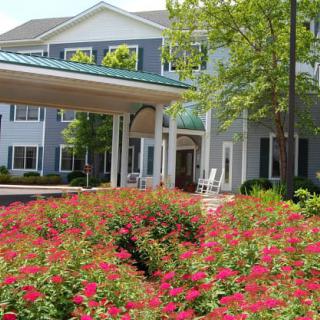
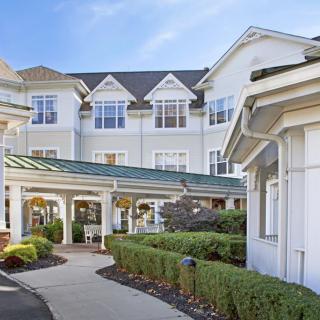
Many reviewers describe the building as clean and bright, with common areas that visitors notice and comment on. Families also mention the grounds and overall upkeep, including updates to interior spaces and an inviting look. A smaller number of comments temper this by saying it doesn’t feel fully like home or that the grounds are limited, but cleanliness remains a frequent point of agreement.
How we summarize
Counts show how many written reviews mention each theme; a review can touch several themes, and only frequently mentioned themes are displayed.
Features
Housing
100 resident community capacity
Studio apartments
Types of Care
Assisted Living
Memory Care
Respite Care
Skilled Nursing Facility
Pets
Cats allowed
Dogs allowed
Amenities
Activities on-site
Air-conditioning
Beautician on-site
Beauty salon
Cable or satellite TV
Computer center
Devotional services off-site
Dining room
Fitness room
Fully furnished
Gaming room
Garden
Ground floor units
Guasts at mealtime
Handicap accessible
Housekeeping services
Indoor common areas
Kitchenette
Laundry
Move-in coordination
Outdoor common areas
Outdoor space
Party space
Private bathrooms
Respite or short term stays offered
Restaurant-style dining
Small library
Telephone
Wellness center
Wheelchair accessible showers
Wi-Fi/high-speed internet available
Transportation
Newark International (25 miles away)
Community operated transportation
Transportation & parking
Transportation arrangement
Transportation arrangement (non-medical)
Transportation to doctors appointments
Care Services
12-16 hour nursing
24-hour call system
24-hour supervision
Activities of daily living assistance
Assistance with bathing
Assistance with dressing
Assistance with transfers
Coordination with health care providers
Dementia waiver
Diabetes diet
Diabetic care
High acuity care
Hospice waiver
Incontinence care
Meal preparation and service
Medication management
Mental wellness program
Mild cognitive impairment
Physical therapy
Special dietary restrictions
Specialized memory care programming
Transportation arrangement (medical)
Transportation to doctors appointments
Dining
Anytime dining
Diabetes diet
Gluten-free
Guest meals
Low / no sodium
Meals provided
No Sugar
Professional chef
Restaurant style dining
Room service
Special dietary restrictions
Special dining programs
Vegetarian
Activities
Activities off-site
Art classes
Bible study group
Catholic services
Community-sponsored activities
Concierge services
Cooking classes
Devotional activities offsite
Educational speakers / life long learning
Fitness programs
Jewish services
Other religious services
Planned day trips
Protestant services
Resident-run activities
Scheduled daily activities
Visiting Rabbi
Visiting chaplain or priest
Languages Spoken
English
Nearby Places of Interest
Located in Marlboro, New Jersey, this area offers a variety of amenities that cater to the needs of seniors. With numerous cafes including multiple Starbucks locations within close proximity, residents can enjoy a cup of coffee or socialize with friends. There are also several pharmacies nearby for convenient access to medications and healthcare supplies. The abundance of restaurants provides plenty of dining options, ranging from casual fast food to upscale Italian cuisine. In terms of healthcare, there are several hospitals and physician offices within a short drive, ensuring easy access to medical services. Additionally, the area boasts beautiful parks for leisurely walks and outdoor activities as well as a theater for entertainment options. Overall, this neighborhood offers a mix of conveniences and recreational opportunities that would make it a desirable location for seniors looking to settle down in Marlboro.
Cafes
Starbucks (0.2 miles)
Starbucks (5.2 miles)
Starbucks (6.8 miles)
Deli Plus (7.7 miles)
Starbucks (8.8 miles)
Pharmacies
Walgreens (0.3 miles)
CVS Pharmacy (0.7 miles)
Walmart Pharmacy (1.7 miles)
CVS Speciality (3.1 miles)
Walgreens (3.4 miles)
The Food Emporium (3.4 miles)
CVS Pharmacy (3.5 miles)
Transportation
Union Hill Rd Park & Ride (1 miles)
NJT - Aberdeen-Matawan Station (6.3 miles)
Old Bridge P&R Bus Stop (6.4 miles)
Bus Stop Twin Rivers Loop (11 miles)
Restaurants
Trattoria Ravello (2.3 miles)
Crown Palace (3.9 miles)
McDonald's (4.4 miles)
FroYoWay (4.6 miles)
La Ginestra Ristorante Italiano & Pizzeria (6.3 miles)
Jersey Freeze (6.5 miles)
McDonald's (6.7 miles)
Hospitals
Raritan Bay (2.3 miles)
NJ Spine and Wellness (5 miles)
Bright Horizons At Centrastate Medical Center (7.9 miles)
Hackensack Meridian Health Raritan Bay Medical Center (11.5 miles)
Physicians
Hackensack Meridian Health Rehabilitation (3.6 miles)
Monroe Family Medicine (4.8 miles)
Arthritis and Osteoporosis Associates (5.3 miles)
Tiefenbrunn Fortin & Tuck Pediatrics (7.3 miles)
Professional Orthopaedic Associates (7.4 miles)
University Pediatric Associates (7.5 miles)
Dr Raj (7.7 miles)
Places of Worship
Monroe Township Jewish Center Congregation Etz Chaim (4.5 miles)
The Chelsea At Marlboro offers competitive pricing within the context of Monmouth County and New Jersey as a whole. For semi-private rooms, residents can expect to pay $4,800 per month, which is notably lower than the county average of $5,251 and the state average of $5,068. Studio apartments at The Chelsea are priced at $6,000, aligning with both Monmouth County's rate of $5,738 and New Jersey's average of $5,286. The costs for one-bedroom units stand at $7,620, which falls below Monmouth County's average of $9,644 but exceeds the state average of $5,994. Additionally, two-bedroom options range from $5,500 to $8,400 - a wide spectrum that still presents a more affordable choice compared to the striking county average of $13,971. Overall, The Chelsea At Marlboro provides appealing options for seniors seeking quality living arrangements with an eye on cost-effectiveness relative to its local market.
The Chelsea At Marlboro enhances the quality of life for residents with dementia or Alzheimer's disease through a comprehensive range of supportive features tailored to their unique needs. With 24-hour supervision, residents benefit from constant oversight, ensuring safety and immediate assistance when required. Activities of daily living assistance--including help with bathing, dressing, and transfers--promotes independence while providing necessary support in personal care. The coordination with health care providers ensures that medical needs are effectively managed, complemented by medication management to maintain adherence to prescribed regimens. The facility also addresses specific challenges such as incontinence care and meal preparation, thus catering to individual dietary requirements while promoting dignity during meals. Additionally, specialized memory care programming and a mental wellness program foster cognitive engagement and emotional well-being, while physical therapy may enhance mobility and physical strength. Transportation arrangements for medical appointments further ensure that residents remain connected to essential healthcare resources, allowing them to navigate both routine check-ups and emergencies seamlessly. Collectively, these features create a holistic approach that not only safeguards residents but also enriches their daily lives as they navigate the complexities of memory loss.
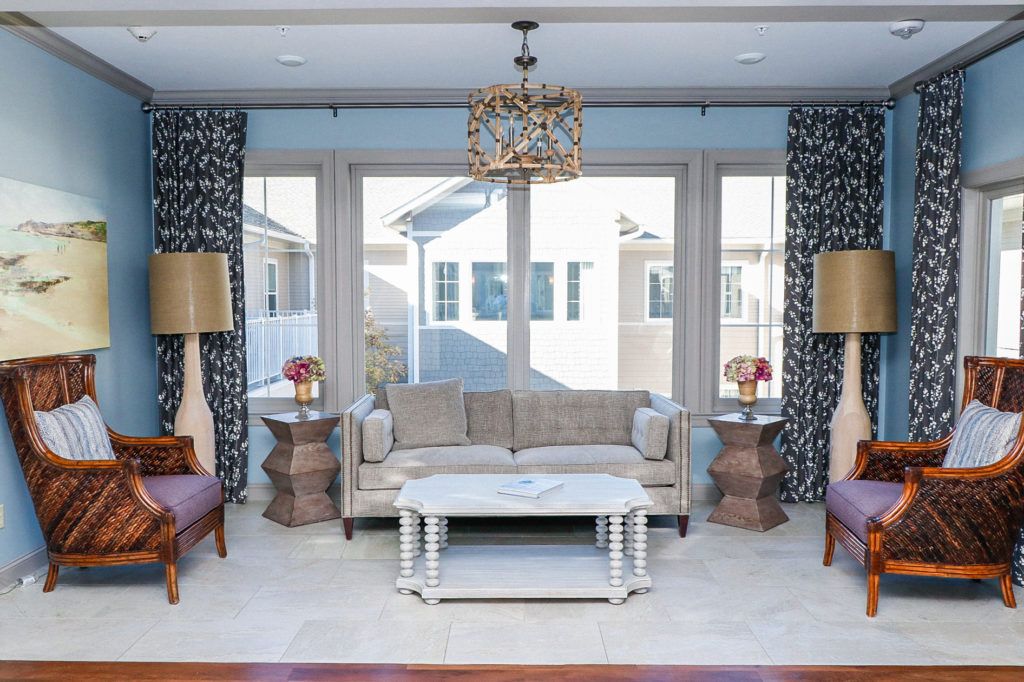
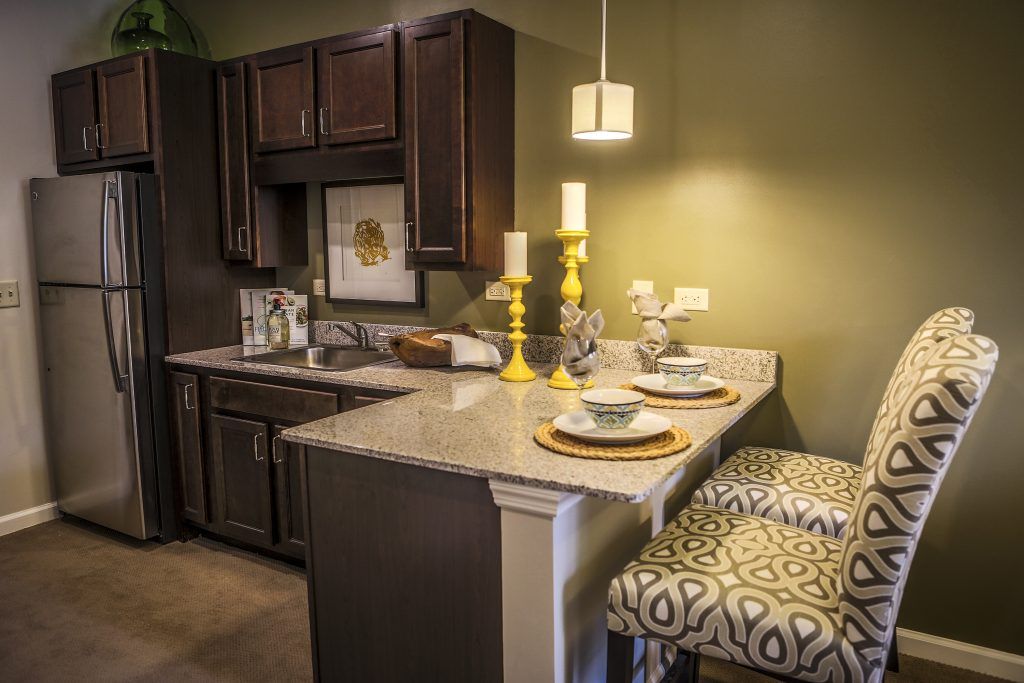
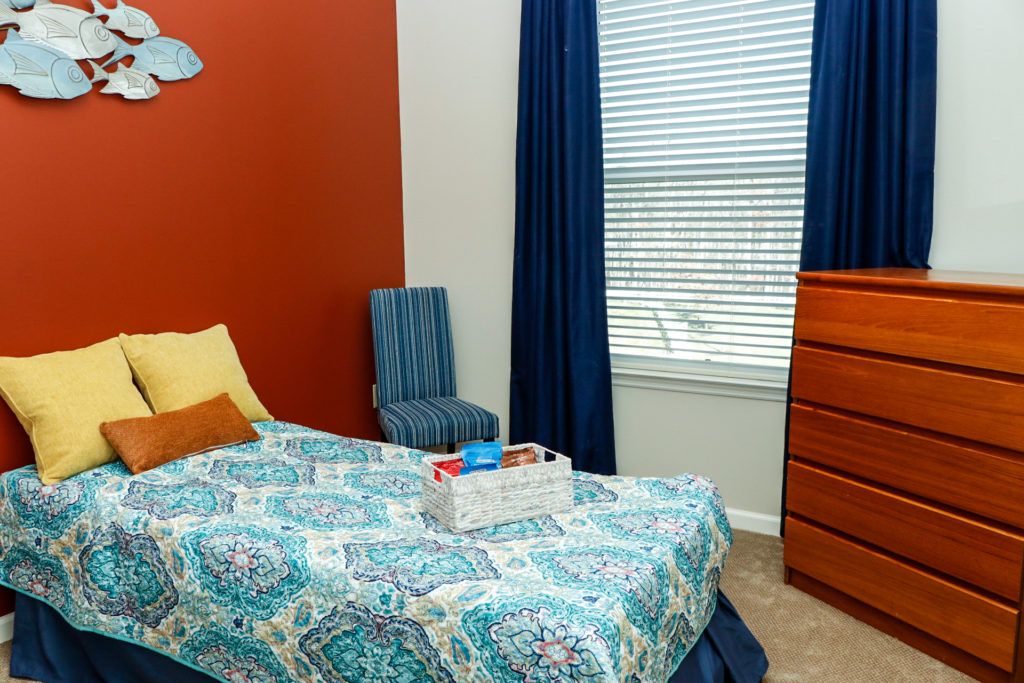
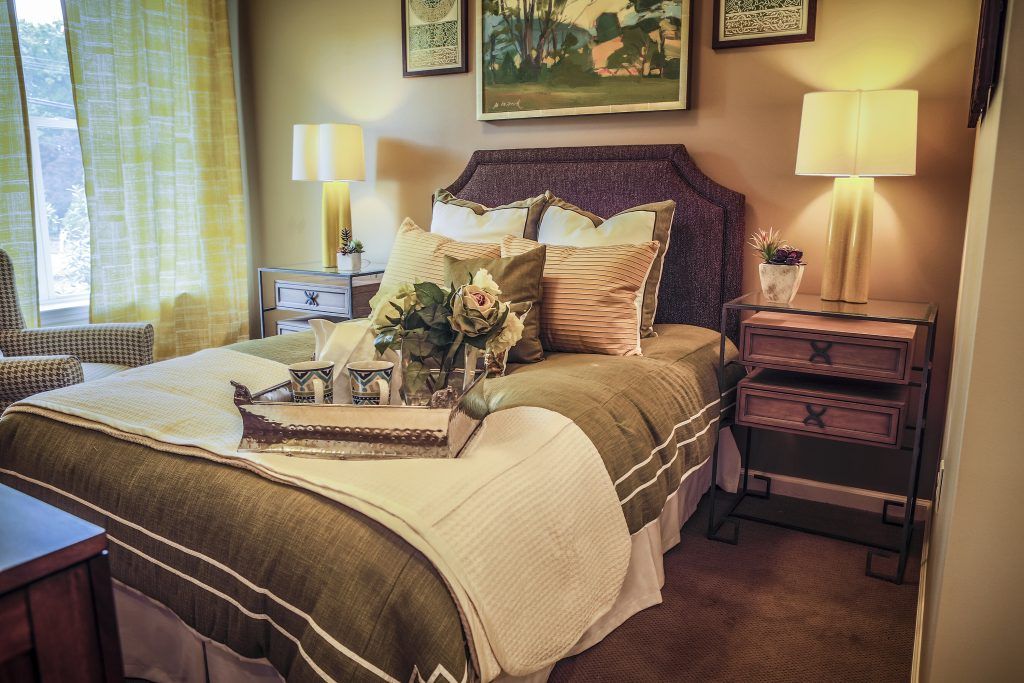
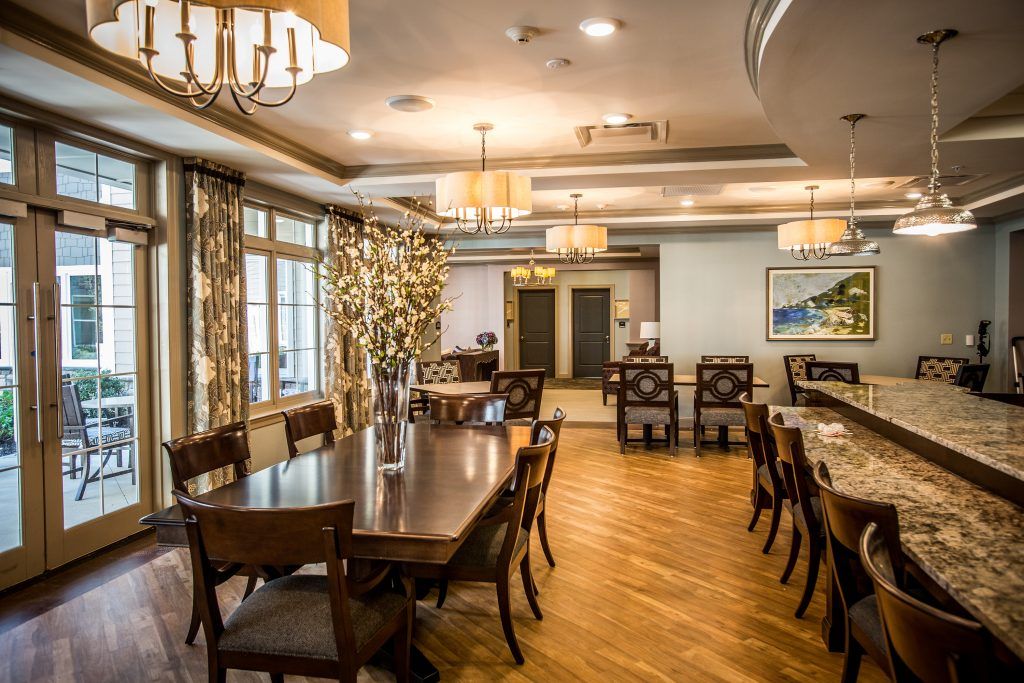
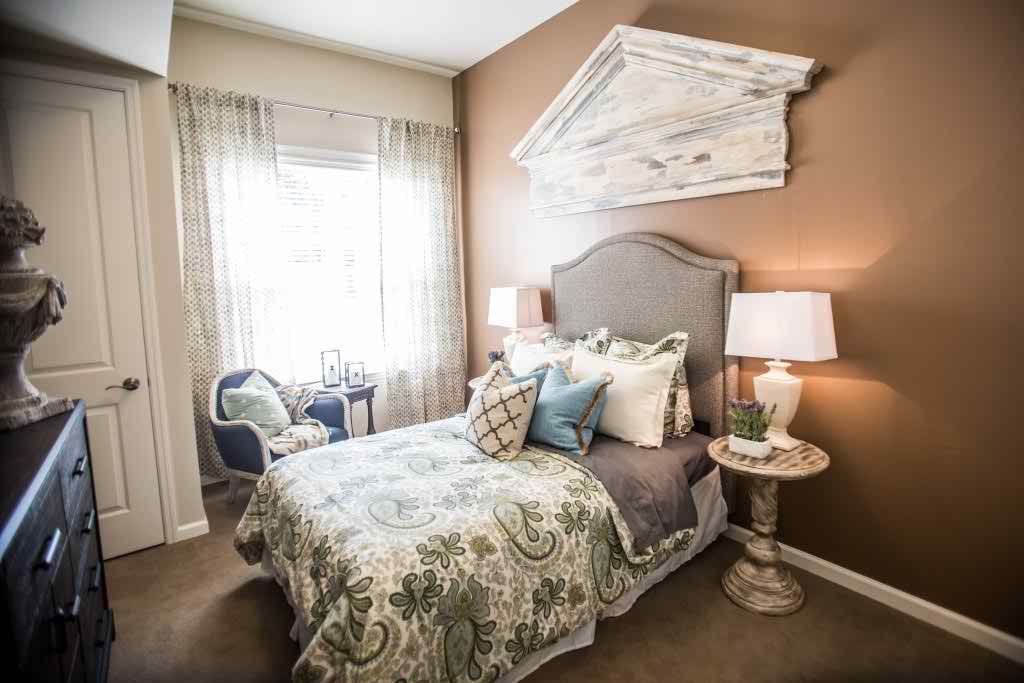
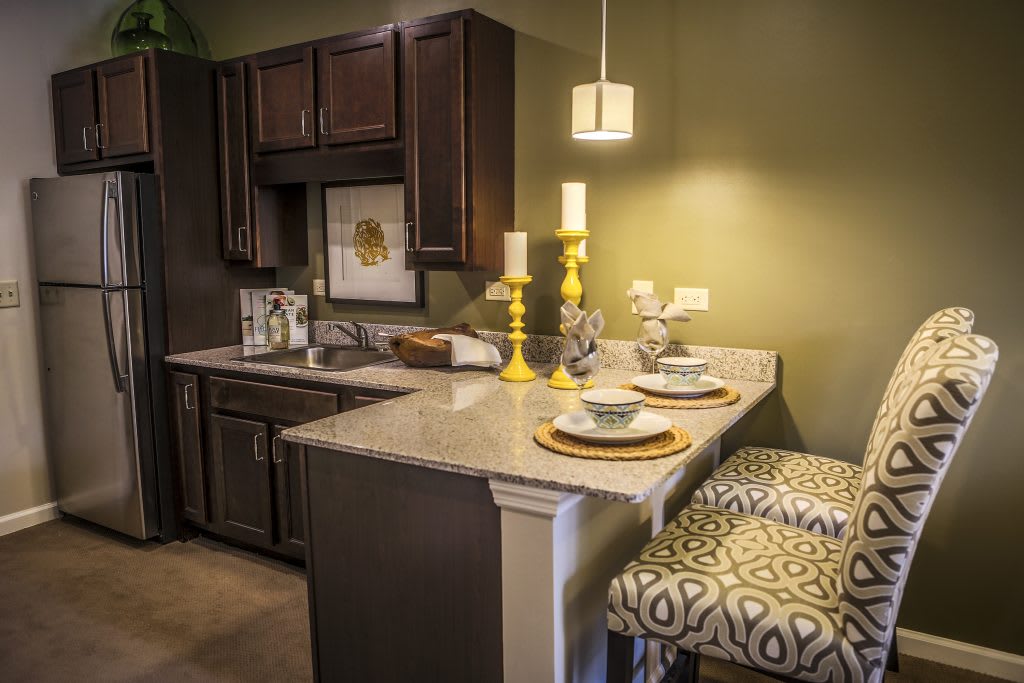
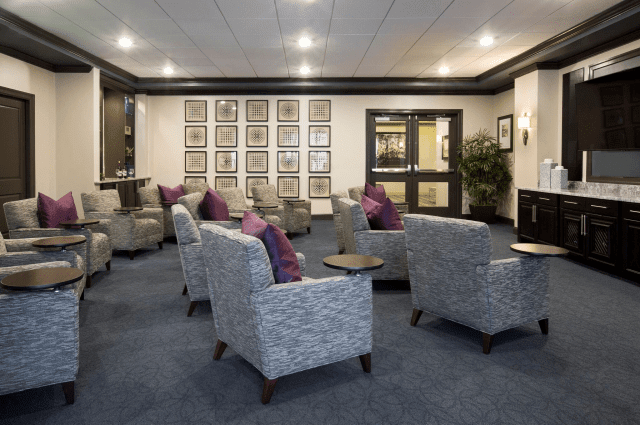
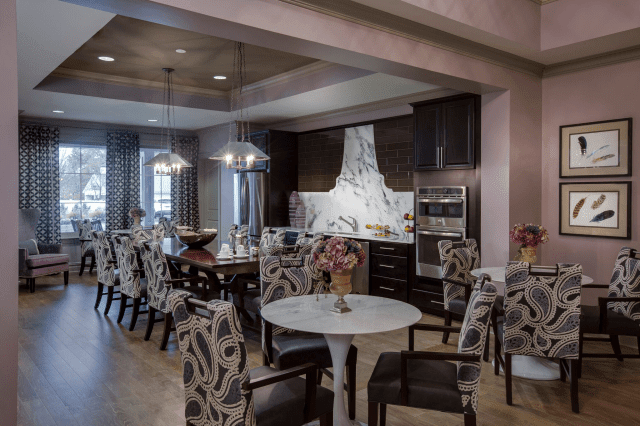
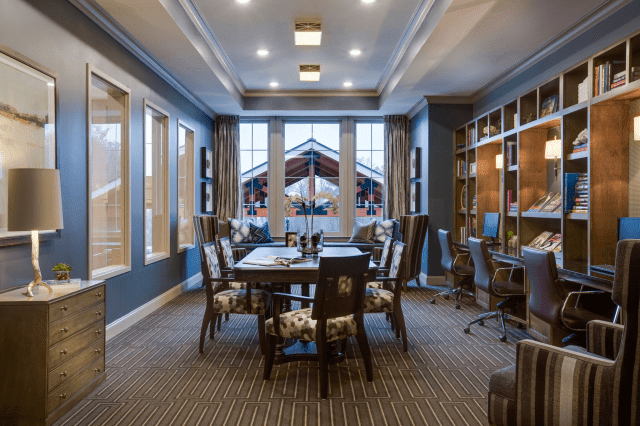
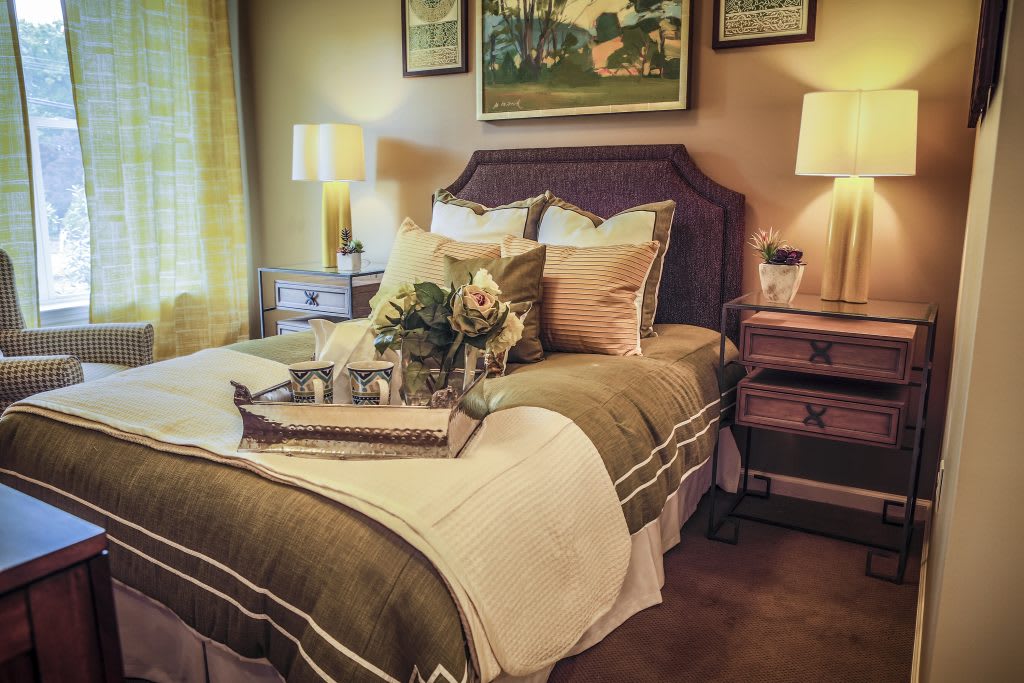
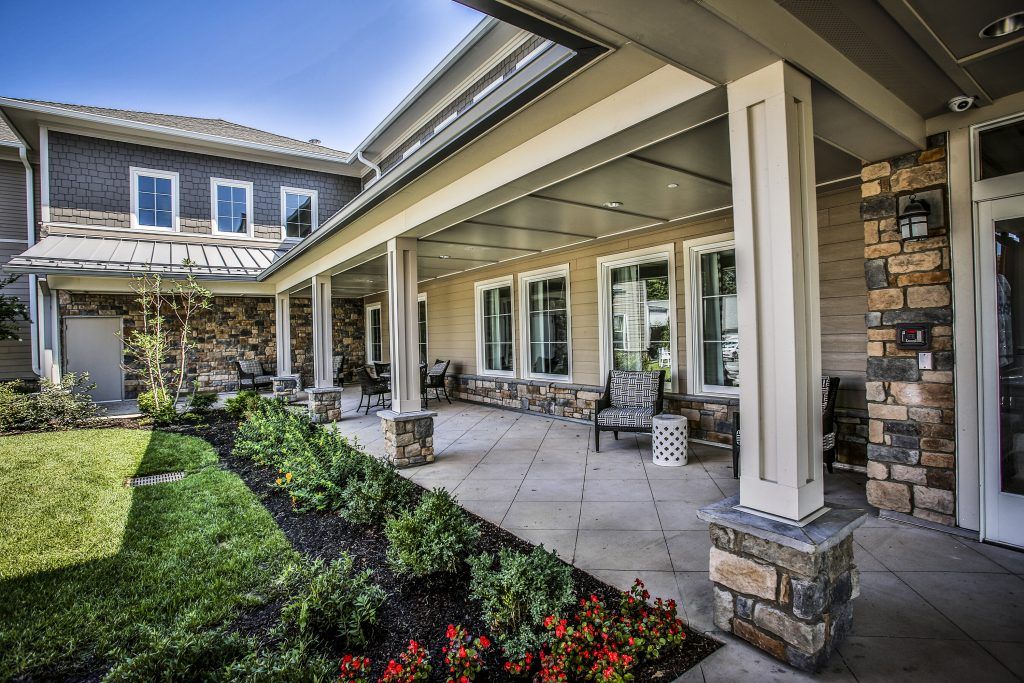
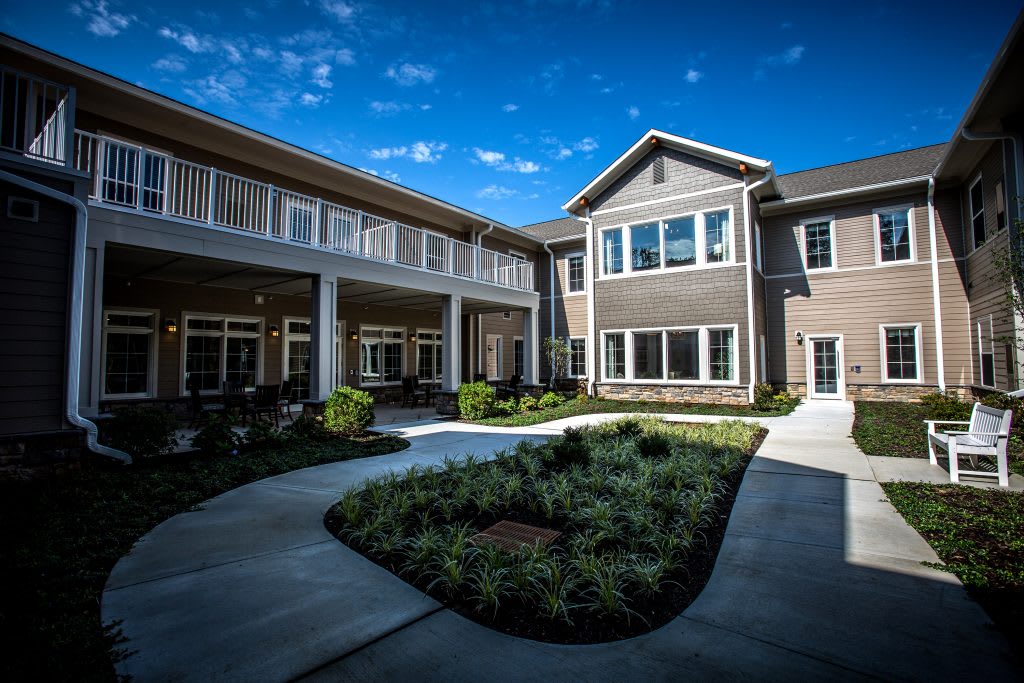
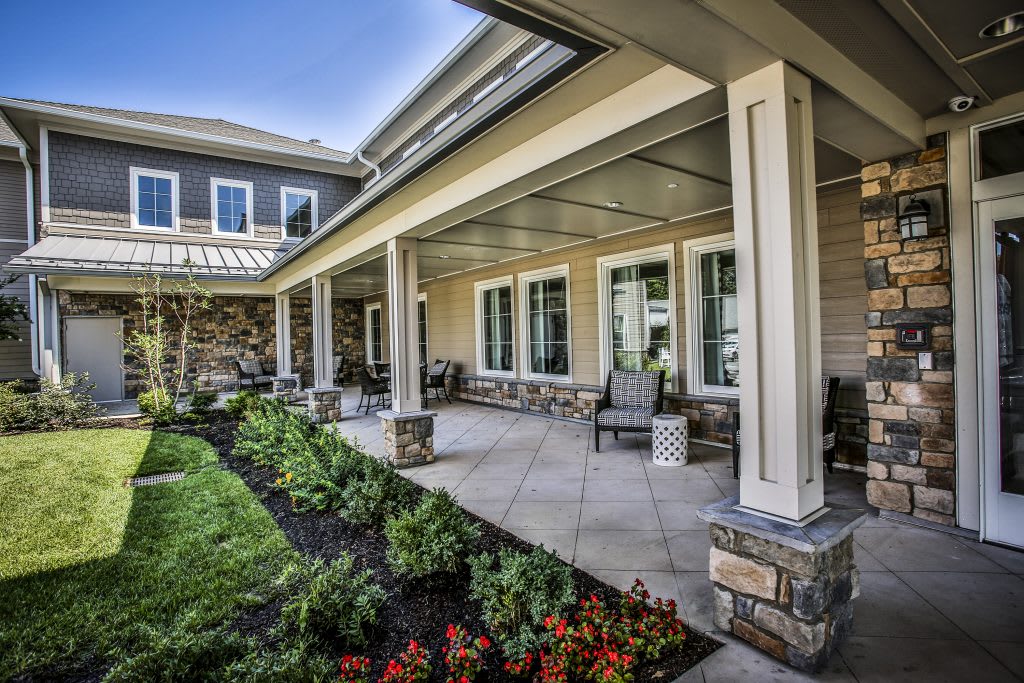
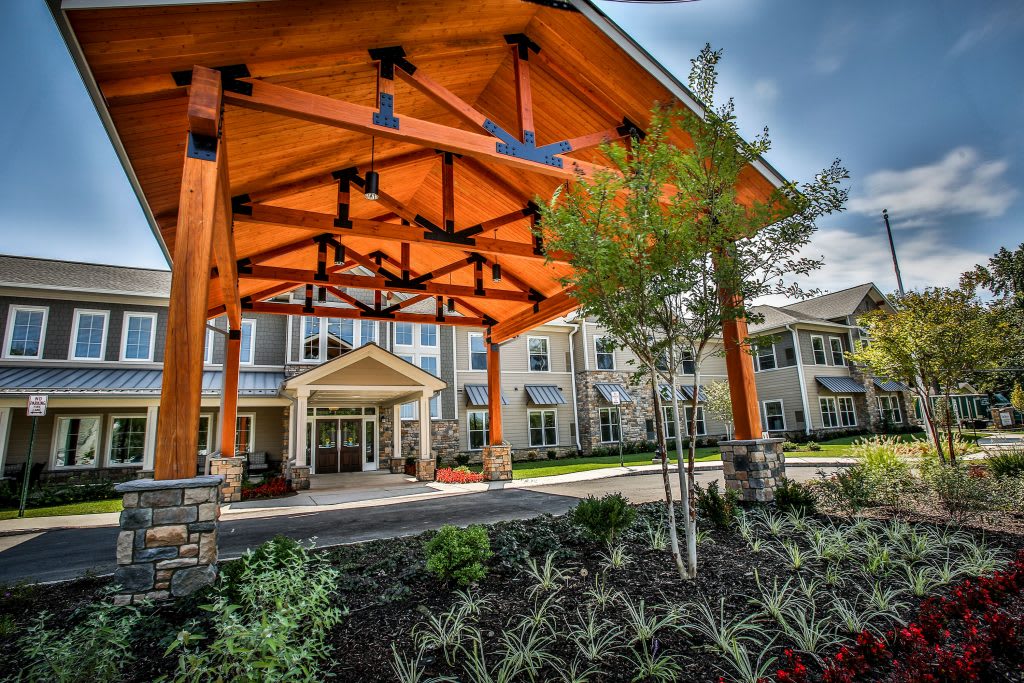
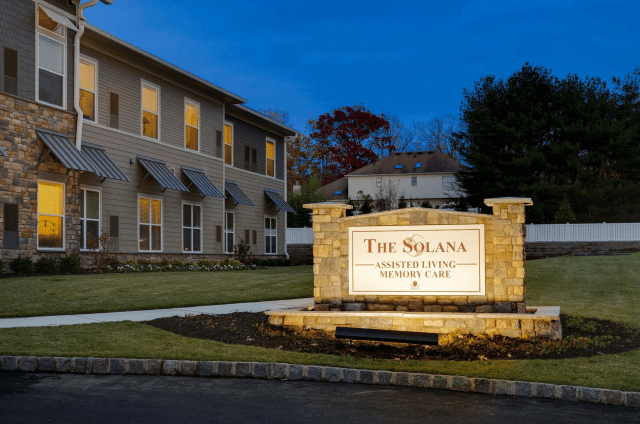
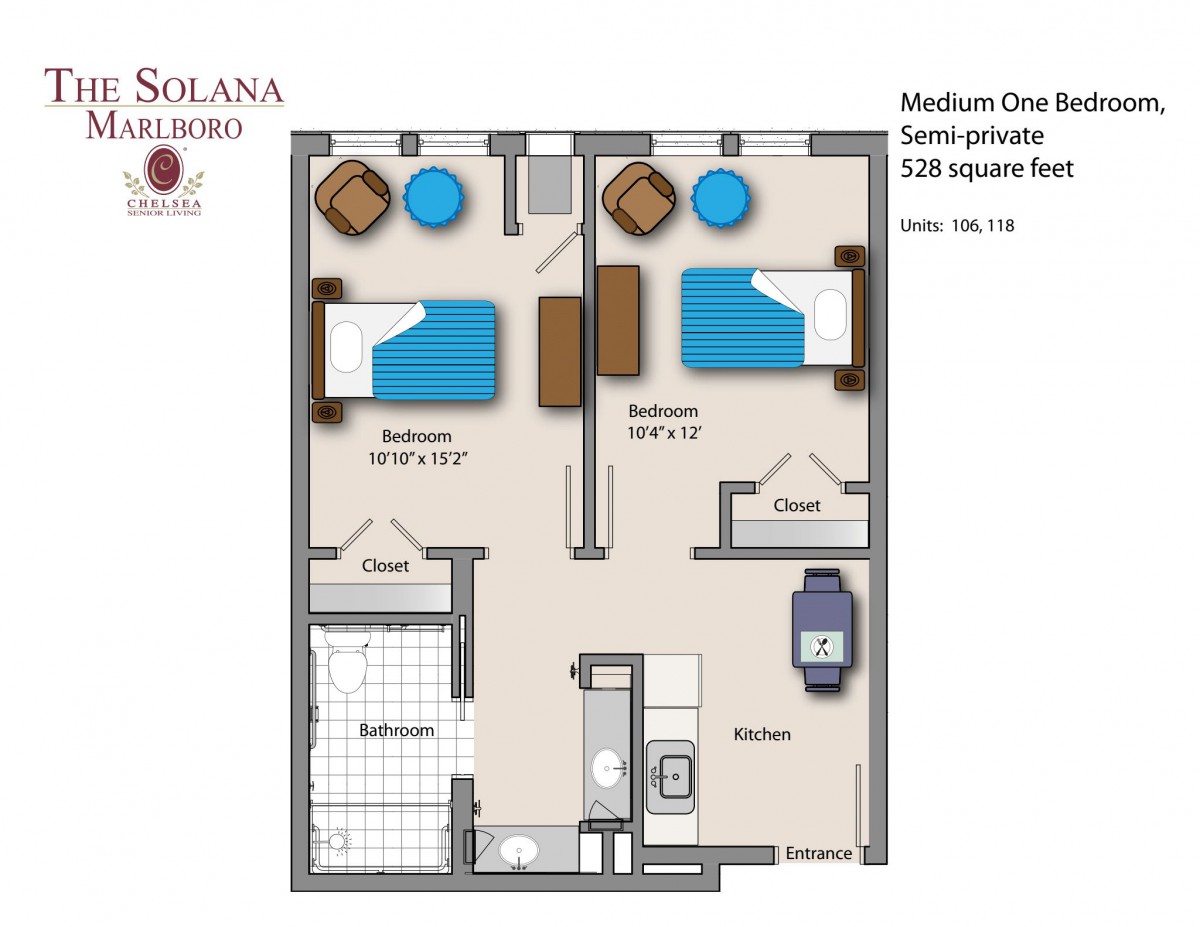
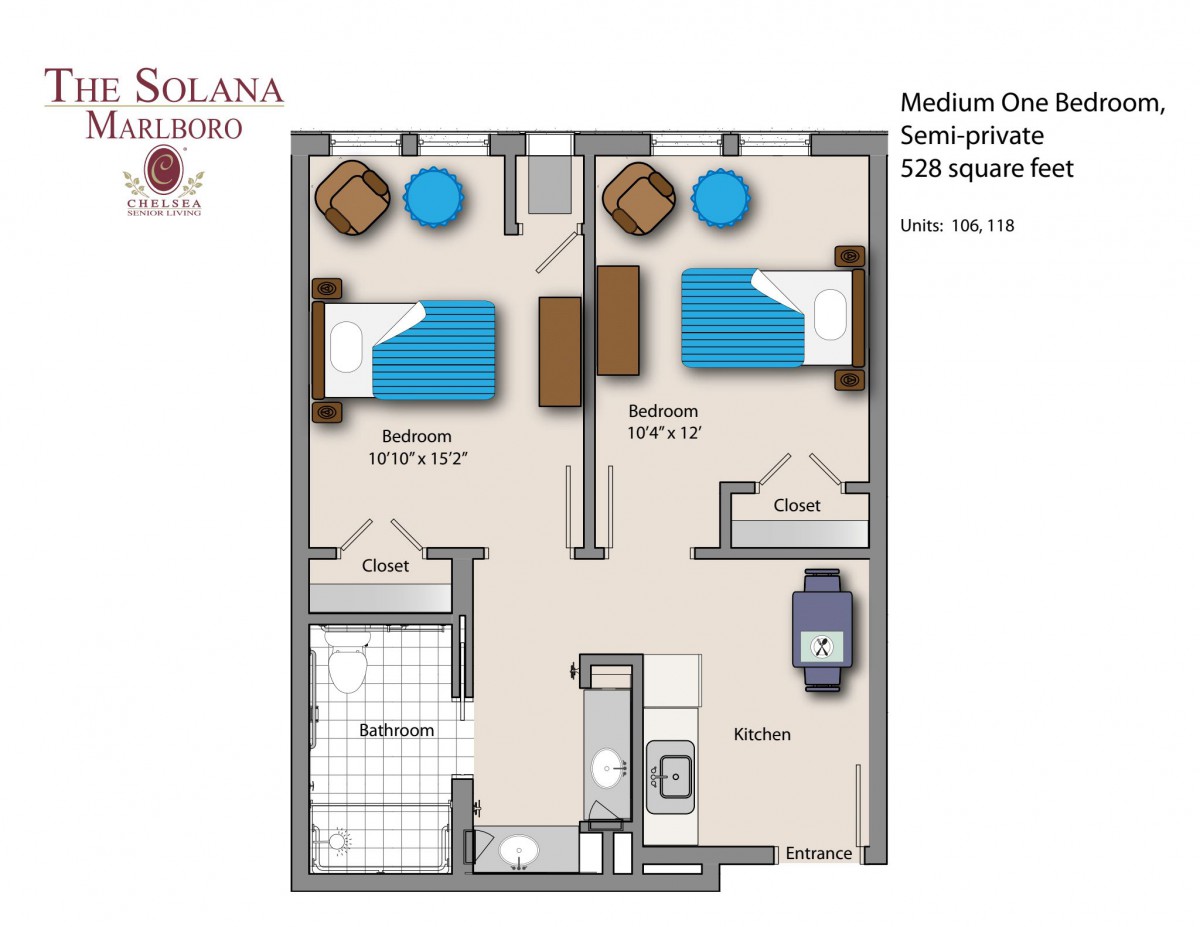
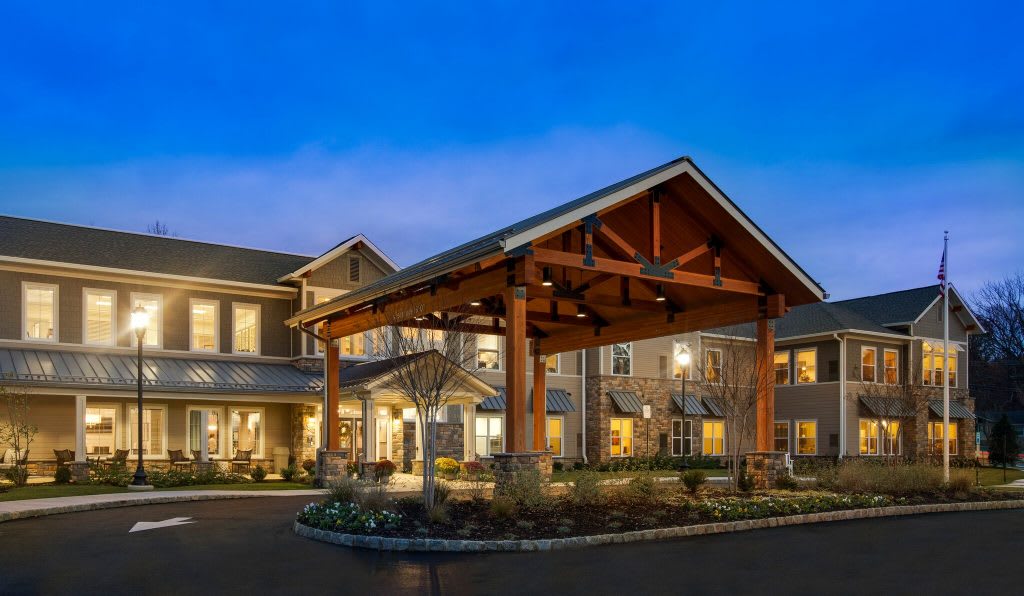
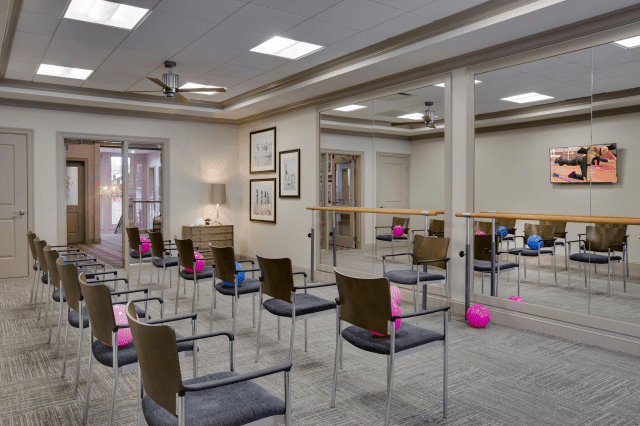
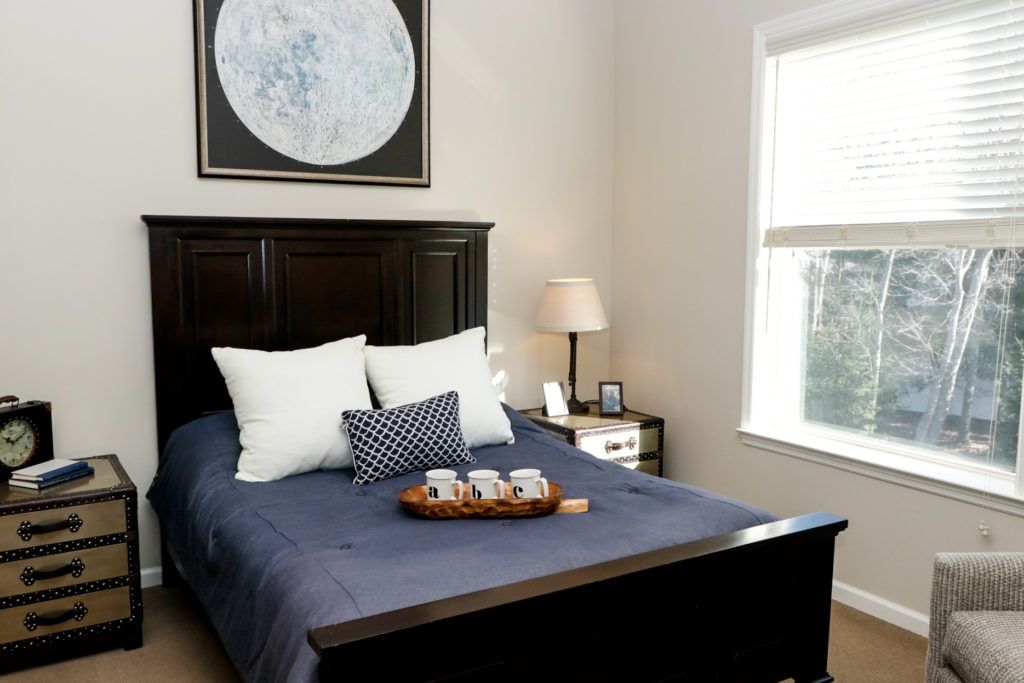
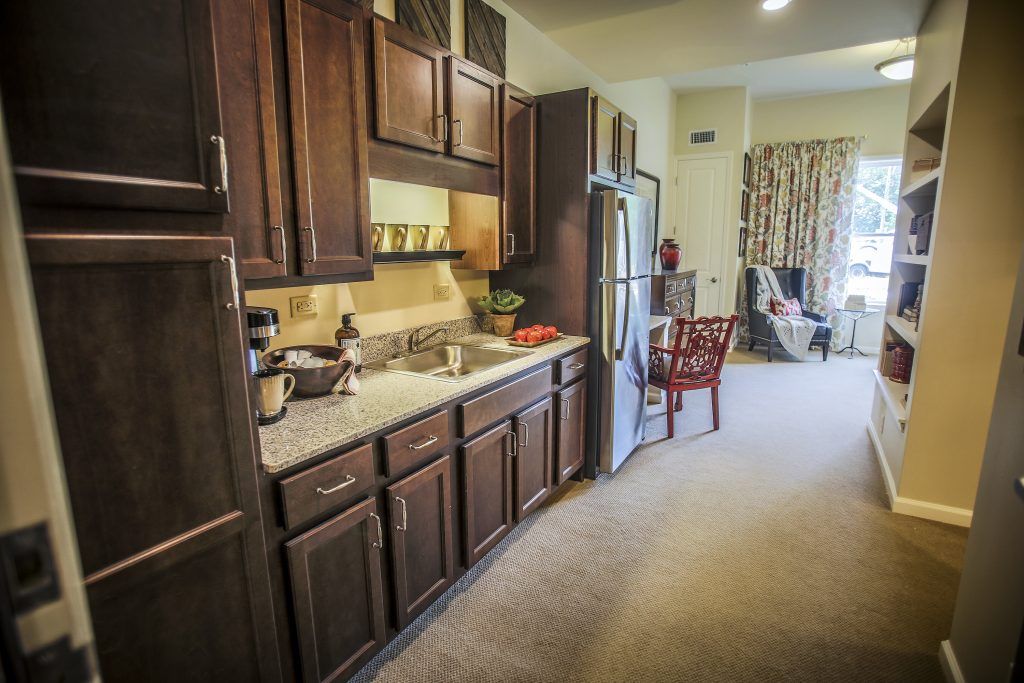
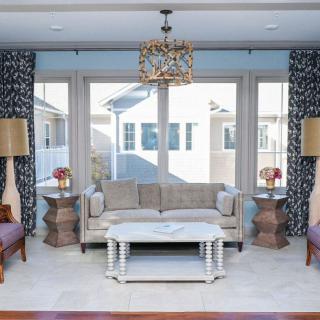
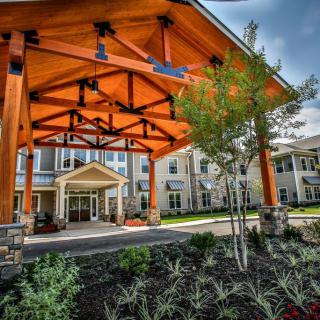
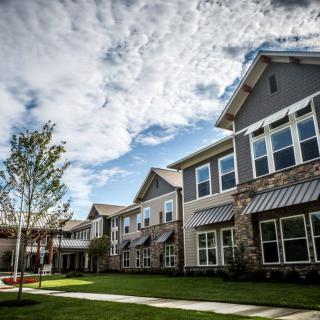
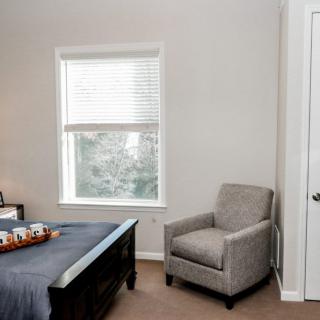
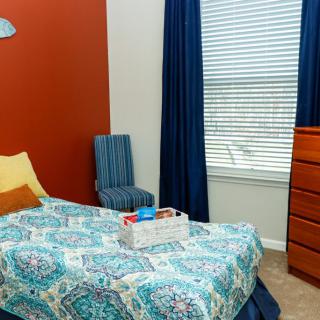
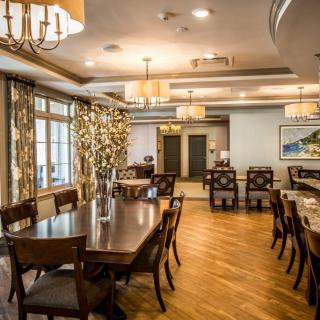
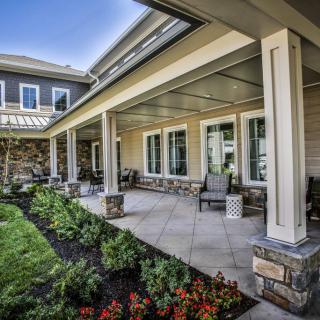
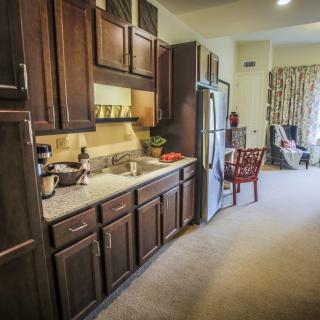
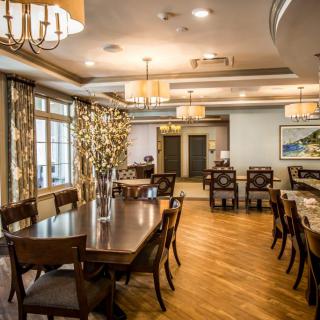
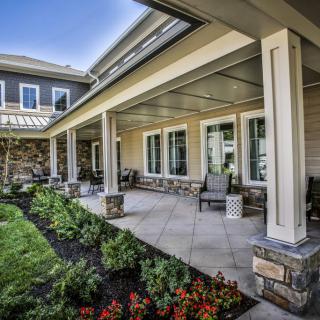
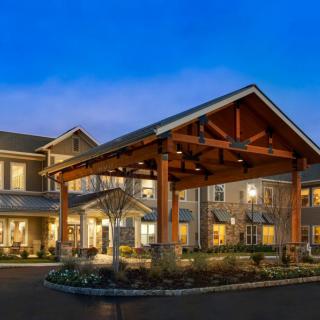
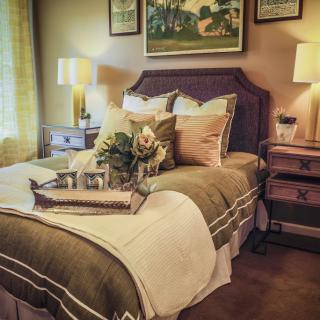
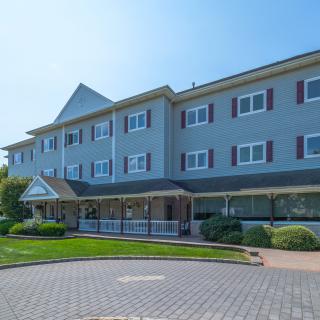
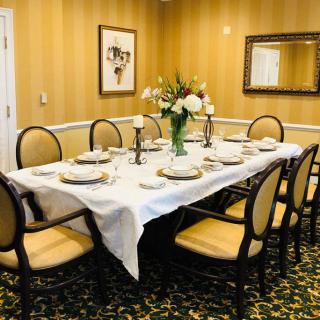
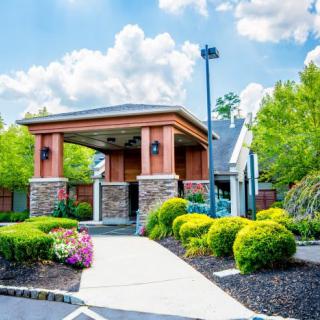
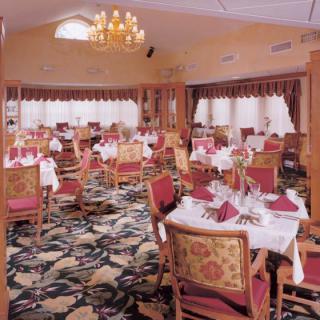
The Chelsea At Marlboro on seniors.fyi includes 70 photos including images showing floor plan, interior, bedroom, kitchen, bathroom, studio apartment, living room, architecture, and more.
Nearby Communities
Madison Crossing at Birch Hill
Old Bridge, NJ
4.4 from 29 reviews
Small, personalized assisted living with nearby services.
Marlboro Greens
Englishtown, NJ
3.9 from 19 reviews
Small, personalized assisted living with meal/medication support and dietary options.
Roosevelt Care Center At Old Bridge
Old Bridge, NJ
4.8 from 116 reviews
Extensive on-site amenities and services (24/7 care, transportation, wellness center, restaurant-style dining, activities, furnished apartments).
Plaza Grande at Old Bridge
Old Bridge, NJ
4.2 from 32 reviews
Comprehensive care services and dietary options with a well-connected location near pharmacies, hospitals, places of worship, and local amenities.
Homewatch Caregivers - Old Bridge, NJ
Old Bridge, NJ
5 from 10 reviews
Exceptional staff with effective caregiver matching and responsive administrative support.
The Chelsea At Manalapan
Manalapan, NJ
4.5 from 29 reviews
$4,350 to $6,840 / month
Clean, updated facility with a homey feel and attentive staff.
Preferred Care at Old Bridge
Old Bridge, NJ
4.7 from 120 reviews
$6,673 to $7,217 / month
Comprehensive rehab (PT/OT/ST) with attentive staff and good meals.
Reformed Church Home
Old Bridge, NJ
4.4 from 96 reviews
$4,723 to $7,025 / month
Clean, bright, and welcoming environment with caring staff and good communication.
Sunrise of Marlboro
Marlboro, NJ
4.7 from 102 reviews
$7,530 to $10,110 / month
Caring staff with engaging activities and a warm community.
Dementia, influenced by aging and certain medications, may be exacerbated by drug classes such as anticholinergics, benzodiazepines, and antipsychotics, which are associated with cognitive impairment. Regular medication reviews by healthcare professionals are crucial for older adults to manage risks and optimize cognitive health.
Dementia often results in disrupted sleep patterns, leading to excessive daytime sleeping due to factors like brain damage affecting circadian rhythms, medication side effects, and lack of structure in daily activities. Caregivers must monitor these changes closely, as oversleeping can increase risks such as malnutrition or dehydration, and provide necessary support and routines to enhance patient engagement and well-being.
The transition from assisted living to skilled nursing care is often prompted by complex medical needs that assisted living cannot meet, with key indicators including frequent health declines, increased falls, severe memory issues, and caregiver burnout. Families should recognize these signs early to discuss options with healthcare providers and prepare for the emotional and logistical aspects of moving to a facility that offers comprehensive medical support.
Get PricingAsk A QuestionSchedule A TourContact Senior Advisor
By clicking submit, you agree to our Partner's Terms of Use. You
also consent to receive calls and texts, which may be autodialed, from our Partner. Your consent is not a condition to
using our Partner's service. Please visit our Partner's Privacy Policy for information about their privacy practices.


 100 resident community capacity
 Studio apartments
 Assisted Living
 Memory Care
 Respite Care
 Skilled Nursing Facility
 Cats allowed
 Dogs allowed
 Activities on-site
 Air-conditioning
 Beautician on-site
 Cable or satellite TV
 Computer center
 Devotional services off-site
 Dining room
 Fitness room
 Fully furnished
 Gaming room
 Garden
 Ground floor units
 Handicap accessible
 Housekeeping services
 Indoor common areas
 Kitchenette
 Laundry
 Move-in coordination
 Outdoor common areas
 Party space
 Private bathrooms
 Restaurant-style dining
 Small library
 Telephone
 Wellness center
 Wheelchair accessible showers
 Wi-Fi/high-speed internet available
 Newark International (25 miles away)
 Community operated transportation
 12-16 hour nursing
 24-hour call system
 Assistance with bathing
 Assistance with dressing
 Assistance with transfers
 Diabetes diet
 Diabetic care
 High acuity care
 Hospice waiver
 Incontinence care
 Medication management
 Mental wellness program
 Physical therapy
 Special dietary restrictions
 Transportation arrangement (medical)
 Art classes
 Bible study group
 Concierge services
 Cooking classes
 Educational speakers / life long learning
 Jewish services
 Planned day trips
 English
 Small, personalized assisted living with nearby services.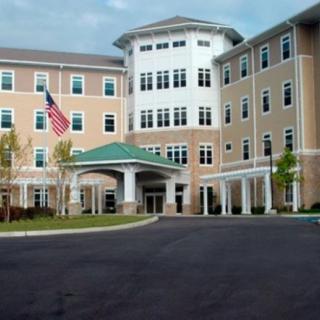
 A Thorough Discussion of Medications Potentially Linked to Dementia Risk
 Why Do Dementia Patients Sleep So Much? Understanding Oversleeping, Stages, and Care Approaches
 8 Key Indicators That Suggest It May Be Time to Transition from Assisted Living to Skilled Nursing Care