Preferred Care at Old Bridge offers distinct care accommodations with monthly costs that exceed both Middlesex County and the broader New Jersey averages. For a semi-private room, the facility charges $6,673, which is notably higher than the county's average of $4,878 and the state average of $5,068. Residents opting for a studio can expect to pay $7,161 - again surpassing the county's rate of $5,815 and the state's average of $5,286. Those seeking more privacy in a private room will find themselves paying $7,217 at Preferred Care; this rate is greater than Middlesex County's average of $5,507 and New Jersey's average of $5,799. These figures highlight Preferred Care at Old Bridge's positioning as a premium provider within a competitive market focused on providing quality care tailored to individual needs.
Floor plans
Preferred Care at Old Bridge
Middlesex County
New Jersey
Semi-Private
$6,673
$4,878
$5,068
Studio
$7,161
$5,815
$5,286
Private
$7,217
$5,507
$5,799
Skilled Nursing Facilities with a similar price nearby
Residents and families repeatedly describe a clean, welcoming facility.
Multiple reviews emphasize how clean the building is, including clean bathrooms, hallways, and overall maintenance. Several also describe feeling comfortable on arrival, with an environment that feels friendly rather than institutional. One review even notes residents have space to move around with assistance, reinforcing the day-to-day comfort residents feel.
common38 reviews mention this
Staff care and responsiveness
Staff kindness and attentiveness are a consistent theme in reviews.
Across reviews, residents and families describe staff as kind, courteous, professional, and helpful, often mentioning nurses, aides, therapy staff, and social work. Several reviewers say staff keep an eye on residents to support safety and help residents feel cared for throughout the day. There are also a few negative reviews focused on communication and perceived missed check-ins, which affects trust even for otherwise positive visitors.
common18 reviews mention this
Rehab progress with therapy
Rehabilitation therapy and building strength come up often in reviews.
Many reviews highlight physical therapy as a key part of the experience, with residents describing getting stronger and making progress during their stay. Several also mention the therapy team working closely with patients and treating them with respect. A smaller set of concerns describe therapy time as insufficient or outcomes as not improving, but the overall reviews still point to therapy as a central focus of care.
common9 reviews mention this
Dining is mostly good
Meals are generally well received, with a few complaints about taste.
Several reviews describe the food as good, delicious, or enjoyable, including mentions that residents like what they eat. Others note food was not the greatest or lacked flavor, even when the rest of the stay went well. Overall, dining feedback seems mixed but leans positive.
caveat4 reviews mention this
Ongoing concerns about communication
Some families raise serious concerns about communication and day-to-day oversight.
A few critical reviews describe problems that appear tied to oversight, including unsanitary conditions being noticed by family and delayed responses. Others mention difficulty getting calls returned or requests addressed, and there are also concerns about safety and emergent attention. These issues stand out because they describe experiences that felt stressful or unsafe to the reviewer, even though many other reviews focus on cleanliness and attentive staff.
How we summarize
Counts show how many written reviews mention each theme; a review can touch several themes, and only frequently mentioned themes are displayed.
Features
Housing
140 resident community capacity
Types of Care
Memory Care
Skilled Nursing Facility
Amenities
Air-conditioning
Beauty salon
Cable or satellite TV
Computer center
Dining room
Fitness room
Fully furnished
Gaming room
Garden
Housekeeping services
Kitchenette
Move-in coordination
Outdoor space
Private
Private bathrooms
Restaurant-style dining
Small library
Telephone
Wellness center
Wi-Fi/high-speed internet available
Transportation
Newark International (23 miles away)
Community operated transportation
Transportation arrangement
Transportation arrangement (non-medical)
Transportation to doctors appointments
Care Services
12-16 hour nursing
24-hour call system
24-hour supervision
Activities of daily living assistance
Assistance with bathing
Assistance with dressing
Assistance with transfers
Diabetes diet
Meal preparation and service
Medication management
Mental wellness program
Special dietary restrictions
Dining
Diabetes diet
Special dietary restrictions
Activities
Community-sponsored activities
Concierge services
Fitness programs
Planned day trips
Resident-run activities
Scheduled daily activities
Videos
Nearby Places of Interest
This part of Old Bridge, New Jersey offers a variety of amenities that may be appealing for seniors looking to relocate. With several hospitals and pharmacies within close proximity, access to healthcare services is convenient. There are also a number of restaurants and cafes for dining options, as well as parks for outdoor recreation and relaxation. The area boasts a range of physicians' offices for medical care, and places of worship for spiritual fulfillment. Additionally, transportation options like park and ride stops and train stations make it easy to get around the area. For entertainment, there are theaters nearby for movie nights or outings with friends. Overall, this neighborhood provides a well-rounded environment with resources and activities that cater to the needs of older adults looking for a comfortable and convenient lifestyle.
Hospitals
Raritan Bay (0.4 miles)
NJ Spine and Wellness (3.6 miles)
Hackensack Meridian Health Raritan Bay Medical Center (9.8 miles)
Robert Wood Johnson University Hospital (10 miles)
Bright Horizons At Centrastate Medical Center (10 miles)
Pharmacies
Walmart Pharmacy (0.9 miles)
Walgreens (1.5 miles)
CVS Pharmacy (1.6 miles)
CVS Pharmacy (1.9 miles)
Walgreens (2.4 miles)
Franklin Pharmacy (4.4 miles)
CVS Pharmacy (4.9 miles)
Restaurants
Trattoria Ravello (2.1 miles)
FroYoWay (3.2 miles)
McDonald's (4.2 miles)
Magnifico's Ice Cream (5.2 miles)
McDonald's (5.7 miles)
Garden State Deli (6 miles)
Crown Palace (6.4 miles)
Cafes
Starbucks (2.3 miles)
Starbucks (4.3 miles)
Deli Plus (5.4 miles)
Starbucks (5.6 miles)
Starbucks (6.3 miles)
Starbucks (9.5 miles)
Parks
Mundy Ave Park (3 miles)
Welsh Park (3.7 miles)
Monroe Twp. Veteran's Park (4.4 miles)
East Brunswick Dog Park (5.9 miles)
Thompson Park (6.3 miles)
Bicentennial Park (7.9 miles)
Half-Acre Park (9 miles)
Physicians
Monroe Family Medicine (3.1 miles)
Tiefenbrunn Fortin & Tuck Pediatrics (4.9 miles)
University Pediatric Associates (5.3 miles)
Hackensack Meridian Health Rehabilitation (5.8 miles)
Preferred Care at Old Bridge offers distinct care accommodations with monthly costs that exceed both Middlesex County and the broader New Jersey averages. For a semi-private room, the facility charges $6,673, which is notably higher than the county's average of $4,878 and the state average of $5,068. Residents opting for a studio can expect to pay $7,161 - again surpassing the county's rate of $5,815 and the state's average of $5,286. Those seeking more privacy in a private room will find themselves paying $7,217 at Preferred Care; this rate is greater than Middlesex County's average of $5,507 and New Jersey's average of $5,799. These figures highlight Preferred Care at Old Bridge's positioning as a premium provider within a competitive market focused on providing quality care tailored to individual needs.
The features offered by Preferred Care at Old Bridge are integral to providing comprehensive support for residents with dementia or Alzheimer's disease. Assistance with dressing ensures that individuals can maintain their dignity and sense of identity, while medication management helps them adhere to necessary treatment regimens safely. Meal preparation and service cater to nutritional needs, promoting overall health and well-being. Support with activities of daily living fosters independence, enhancing the quality of life for residents. Assistance with bathing and transfers ensures safety and comfort during personal care routines. Furthermore, 24-hour supervision provides a secure environment that alleviates anxiety for both residents and families. Lastly, a mental wellness program engages cognitive functions and social connections, which are essential for emotional health in those facing memory challenges. Together, these features create a compassionate and supportive atmosphere tailored to the unique needs of each resident.
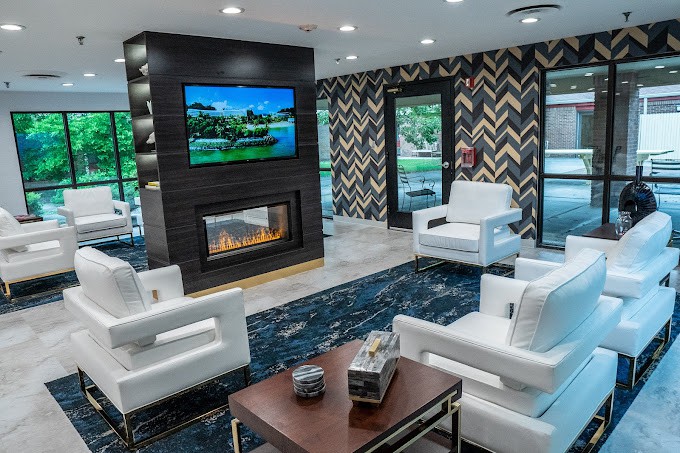
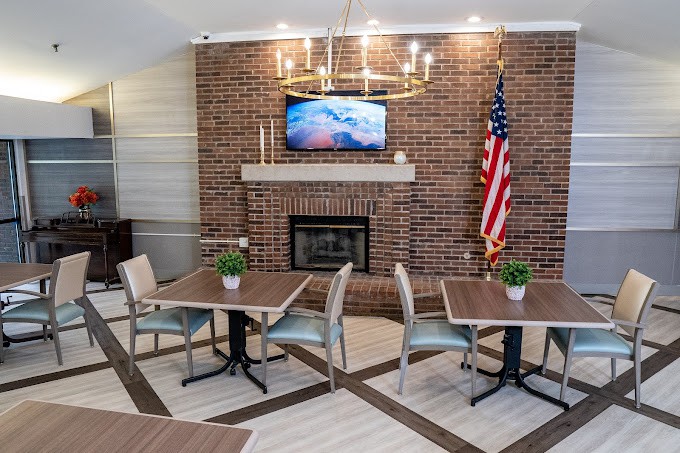
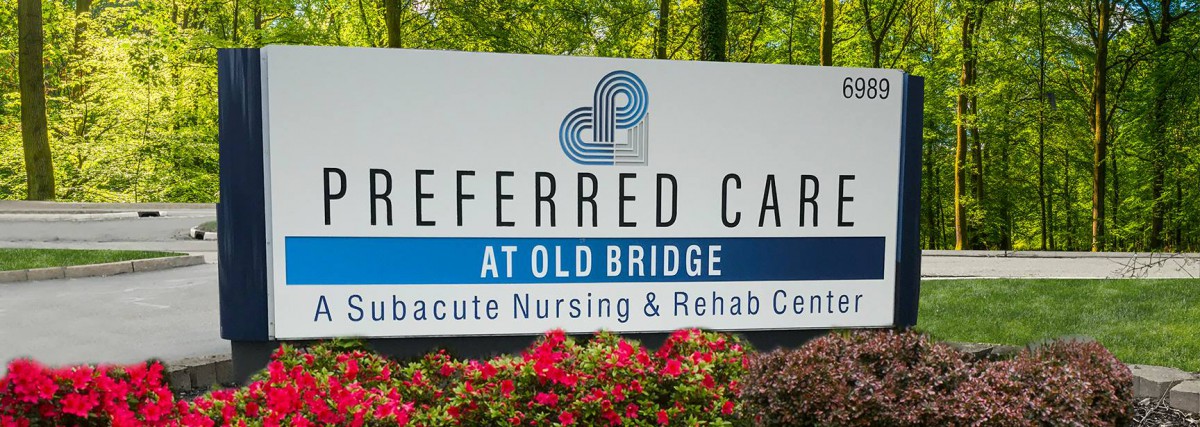
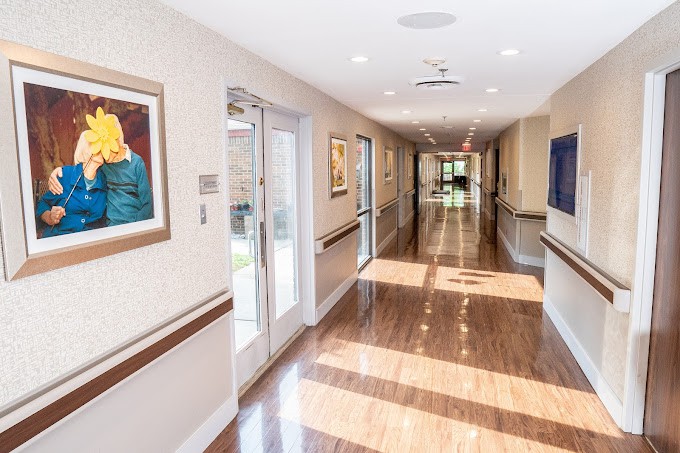
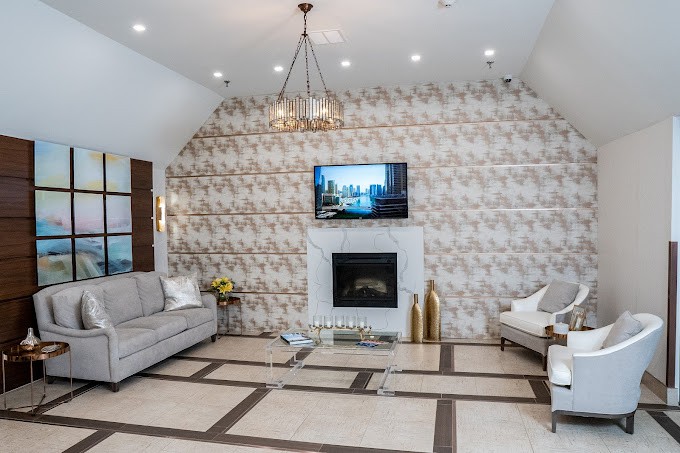
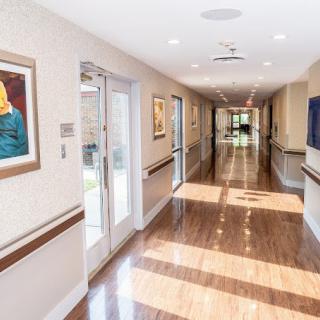
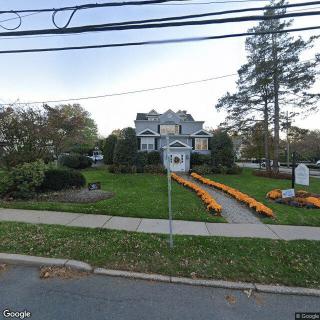
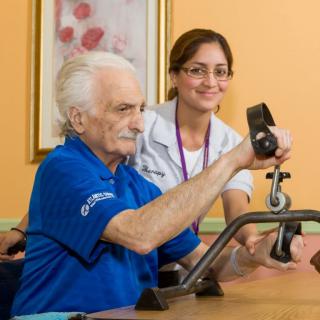
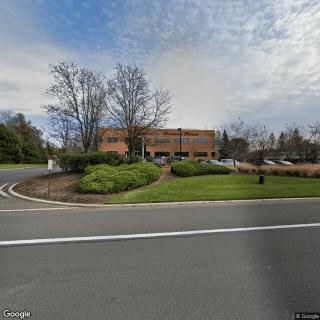
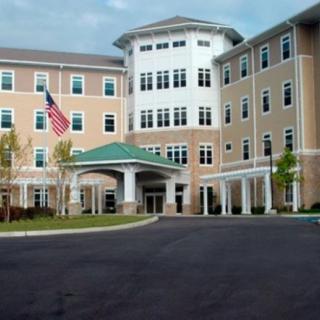
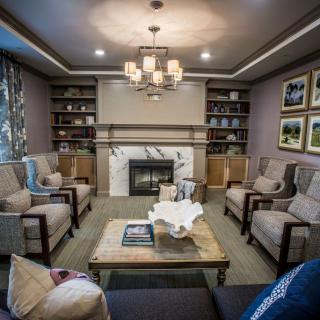
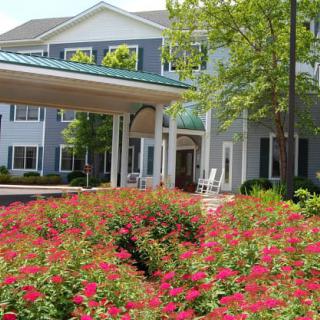
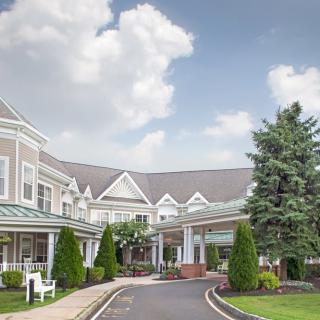
Preferred Care at Old Bridge on seniors.fyi includes 9 photos including images showing interior, television, fireplace, chandelier, dining, living room, building, trees, and more.
Nearby Communities
Reformed Church Home
Old Bridge, NJ
4.4 from 96 reviews
$4,723 to $7,025 / month
Clean, bright, and welcoming environment with caring staff and good communication.
Golden Livingcenter
Old Bridge Township, NJ
3.6 from 5 reviews
Memory care available with nearby dining, parks, pharmacies, and hospitals.
Homewatch Caregivers - Old Bridge, NJ
Old Bridge, NJ
5 from 10 reviews
Exceptional staff with effective caregiver matching and responsive administrative support.
Birchwood at Old Bridge
Old Bridge, NJ
4 from 14 reviews
Convenient access to nearby cafes, parks, pharmacies, restaurants, transportation, healthcare, and a place of worship.
Roosevelt Care Center At Old Bridge
Old Bridge, NJ
4.8 from 116 reviews
Extensive on-site amenities and services (24/7 care, transportation, wellness center, restaurant-style dining, activities, furnished apartments).
Plaza Grande at Old Bridge
Old Bridge, NJ
4.2 from 32 reviews
Comprehensive care services and dietary options with a well-connected location near pharmacies, hospitals, places of worship, and local amenities.
The Chelsea At Marlboro
Marlboro, NJ
4.4 from 70 reviews
$4,800 to $8,400 / month
Clean, spacious, and well-maintained with friendly staff and engaging activities.
The Chelsea At Manalapan
Manalapan, NJ
4.5 from 29 reviews
$4,350 to $6,840 / month
Clean, updated facility with a homey feel and attentive staff.
Sunrise of East Brunswick
East Brunswick, NJ
4.3 from 101 reviews
$3,810 to $7,440 / month
Compassionate memory care staff and a clean, welcoming environment with engaging activities and good dining.
The article highlights eight indicators that a loved one with dementia may require specialized memory care, emphasizing the emotional and logistical challenges families encounter in this decision. It discusses signs such as difficulties with daily tasks, safety concerns, and caregiver burnout, suggesting that memory care facilities can provide the necessary support and structured environments for those experiencing cognitive decline.
Dementia, primarily caused by Alzheimer's disease but also linked to other conditions, leads to cognitive decline impacting memory and daily functioning, with individuals experiencing varied awareness of their impairments. Despite memory loss, emotional connections persist, enabling responses to familiar stimuli, highlighting the need for caregivers to provide compassionate support that recognizes both limitations and retained emotional depth.
The article presents five subtle indicators of dementia, such as memory lapses and mood swings, to help families assess cognitive decline in loved ones. It emphasizes early detection, open communication, and seeking professional help while providing practical support steps.
Get PricingAsk A QuestionSchedule A TourContact Senior Advisor
By clicking submit, you agree to our Partner's Terms of Use. You
also consent to receive calls and texts, which may be autodialed, from our Partner. Your consent is not a condition to
using our Partner's service. Please visit our Partner's Privacy Policy for information about their privacy practices.







 140 resident community capacity
 Memory Care
 Skilled Nursing Facility
 Air-conditioning
 Beauty salon
 Cable or satellite TV
 Computer center
 Dining room
 Fitness room
 Fully furnished
 Gaming room
 Garden
 Housekeeping services
 Kitchenette
 Move-in coordination
 Outdoor space
 Private
 Private bathrooms
 Restaurant-style dining
 Small library
 Telephone
 Wellness center
 Wi-Fi/high-speed internet available
 Newark International (23 miles away)
 Community operated transportation
 12-16 hour nursing
 24-hour call system
 Activities of daily living assistance
 Assistance with bathing
 Assistance with dressing
 Assistance with transfers
 Diabetes diet
 Medication management
 Mental wellness program
 Special dietary restrictions
 Concierge services
 Planned day trips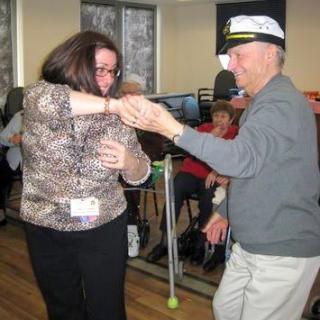
 Clean, bright, and welcoming environment with caring staff and good communication.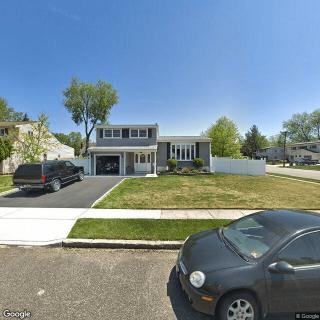

 8 Important Indicators That Memory Care May Be Necessary
 Delving into the Inner World of Dementia: Insights into Thoughts and Awareness
 Five Subtle Dementia Indicators to Observe: An In-Depth Guide to Understanding “Does My Mom Have Dementia?”