At Waterford at Wilderness Hills, the monthly costs for various room types reflect a competitive pricing structure when compared to both Lancaster County and the broader state of Nebraska. For semi-private accommodations, residents are charged $4,384, which is notably lower than the county average of $4,923 and slightly more favorable than the state average of $4,123. Private rooms range from $5,260 to $5,295 and are in line with the county's average of $5,238 while exceeding Nebraska's average of $4,615. The studio apartments command prices between $5,295 and $5,699; while this appears higher than both Lancaster County's average of $4,599 and the state's more modest average of $3,728, it reflects the unique offerings and amenities provided at Waterford. Overall, Waterford at Wilderness Hills presents a compelling value proposition in a vibrant community setting.
Floor plans
Waterford at Wilderness Hills
Lancaster County
Nebraska
Semi-Private
$4,384
$4,923
$4,123
Private
$5,260 to $5,295
$5,238
$4,615
Studio
$5,295 to $5,699
$4,599
$3,728
Memory care communities with a similar price nearby
Residents describe a highly personalized approach in memory care.
Several reviews highlight memory-care support that feels tailored to the person, including close monitoring as needs change. Families mention customized care through later stages of dementia and attentive handling during difficult end-of-life periods. One review specifically notes strong training for working with memory loss, and another describes staff learning what each resident needs from shift to shift.
common25 reviews mention this
Compassion and responsiveness stand out
Families most often praise staff kindness and day-to-day responsiveness.
Across the reviews, residents and families repeatedly describe staff as caring, supportive, and engaged with residents. Many families say communication is good, including staff providing updates and asking for input. Even when a reviewer had concerns about skill or operations, they still noted friendliness and cleanliness rather than dismissing the team entirely.
common6 reviews mention this
Small size enables closer attention
Residents and families say the smaller setting supports more attention.
Multiple reviews describe the facility as small in a way that feels more home-like and allows closer observation. Families mention more individual attention and a better fit for loved ones because the environment is easier to navigate. A couple of reviewers also point out that the limited size can come with tradeoffs, like fewer opportunities for structured activity time.
common5 reviews mention this
Meals are usually supported well
Meals receive frequent feedback, including customization based on preferences and needs.
Positive comments mention that meals are handled thoughtfully, including staff modifying portions and accommodating when a resident is ready to eat. One review also discusses nutrition drink questions and whether supplies are provided, reflecting how expectations can vary by family. While most feedback is constructive, one reviewer raised a serious concern about meal quality in memory care.
caveat2 reviews mention this
Activity options can feel limited
Some families worry that activity scheduling is not robust.
Two reviewers said the facility did not seem to have a real set schedule for activities. One also reported they were unsure how much activity time was happening because they were told an activities director was being sought. In contrast, at least one other review describes residents going outside and walking inside when they can’t be outside, suggesting the experience may vary.
caveat4 reviews mention this
Operational gaps show up in a few reviews
A minority of reviews describe lapses in organization or staffing reliability.
Some concerns focus on day-to-day coordination, including a tour appointment where the person scheduled to meet was not there and the reviewer felt the tour was not fully knowledgeable. Others mention behind-the-scenes organization issues and scheduling concerns so nurses know assignments for the day. One review also alleges severe failures involving neglect, poor meals, and inappropriate night-time staffing, which stands apart from the more positive feedback.
caveat
Pricing sits below county
Rates are priced below county benchmarks but above or near state levels depending on unit type.
Pricing varies by unit, with all listed ranges coming in below the county comparison. At the same time, the listed deltas indicate the studio range runs notably above the state comparison, while private and semi-private units are closer to or below state depending on the unit type. If you’re comparing options, it’s worth checking how each unit type lines up with your target budget range.
common
Nearby medical options are close
The area includes nearby physician offices and hospitals.
For day-to-day care access, the listing’s nearby options include physician and pharmacy locations within about one to a few miles. There are also hospital options in the 4.7 to 5.3-mile range listed nearby, which can matter for urgent needs. These are location features, not a substitute for what staff provides on-site.
How we summarize
We summarize when many written reviews mention each theme; a review can touch several themes, and only frequently mentioned themes are displayed.
Features
Types of Care
Board and Care Home
Memory Care
Amenities
Beautician on-site
Private
Transportation
Lincoln Municipal (10 miles away)
Care Services
Ambulatory care
Diabetic care
Incontinence care
Medication management
Dining
Special dining programs
Nearby Places of Interest
This particular area of Lincoln, Nebraska, offers a variety of amenities and services that may be beneficial for seniors looking to relocate. With a range of dining options such as Asian Fusion, Runza, and Chick-Fil-A within close proximity, residents have easy access to diverse culinary experiences. Additionally, there are several pharmacies nearby including Walgreens and CVS Pharmacy for convenient access to medications and healthcare products. The area also boasts several reputable physicians' offices like Nebraska Foot & Ankle PC and EyeCare Specialties for comprehensive medical care. For outdoor enthusiasts, there are parks like Williamsburg Village Park and Holmes Lake Dog Park where one can enjoy nature and stay active. Furthermore, there are places of worship like Lincoln Berean Church and Sheridan Lutheran Church for spiritual fulfillment. In terms of healthcare facilities, the presence of hospitals like Bryanlgh Medical Center and Madonna Rehabilitation Hospital ensures quality medical care is readily available in the vicinity. Overall, this area provides a mix of essential services, recreational opportunities, and healthcare options that cater to the needs of seniors looking for a comfortable living environment in Lincoln.
Restaurants
Asian Fusion (0.5 miles)
Runza (0.9 miles)
Chick-Fil-A (1.3 miles)
Hacienda Real (1.4 miles)
Taco Bell (1.4 miles)
Old Chicago (1.4 miles)
Sultan's Kite 14th Pine Lake (1.4 miles)
Transportation
Budget Rent A Car (0.9 miles)
Pharmacies
Super Saver (1.1 miles)
Walgreens (1.2 miles)
Walgreens (2.2 miles)
CVS Pharmacy (2.3 miles)
Walgreens (2.3 miles)
Nebraska Ltc Pharmacy (3.6 miles)
Walgreens (4.6 miles)
Physicians
Nebraska Foot & Ankle PC (1.2 miles)
EyeCare Specialties (1.3 miles)
Family Health & Wellness Center, PC (1.4 miles)
Lincoln Internal Medicine (1.5 miles)
Complete Children's Health (1.5 miles)
Allergy Asthma & Immunology - James L Fiedlander, MD (1.5 miles)
At Waterford at Wilderness Hills, the monthly costs for various room types reflect a competitive pricing structure when compared to both Lancaster County and the broader state of Nebraska. For semi-private accommodations, residents are charged $4,384, which is notably lower than the county average of $4,923 and slightly more favorable than the state average of $4,123. Private rooms range from $5,260 to $5,295 and are in line with the county's average of $5,238 while exceeding Nebraska's average of $4,615. The studio apartments command prices between $5,295 and $5,699; while this appears higher than both Lancaster County's average of $4,599 and the state's more modest average of $3,728, it reflects the unique offerings and amenities provided at Waterford. Overall, Waterford at Wilderness Hills presents a compelling value proposition in a vibrant community setting.
Waterford at Wilderness Hills offers medication management and incontinence care as pivotal features in its memory care services. Medication management ensures that residents receive their prescribed medications accurately and on time, which is crucial for maintaining health and minimizing confusion that can arise from missed doses or incorrect administration. This structured approach not only bolsters physical well-being but also enhances cognitive stability, allowing residents to engage more fully in daily activities. Incontinence care is equally important, as it addresses a common concern among individuals with dementia and Alzheimer's disease, helping to reduce anxiety and discomfort associated with this condition. By providing compassionate support in this area, staff members create a dignified environment where residents feel safe and respected, enabling them to focus on social interactions and personal connections rather than the challenges of their condition. Together, these services foster an atmosphere of trust and security, essential for encouraging the emotional well-being of those facing memory-related issues.
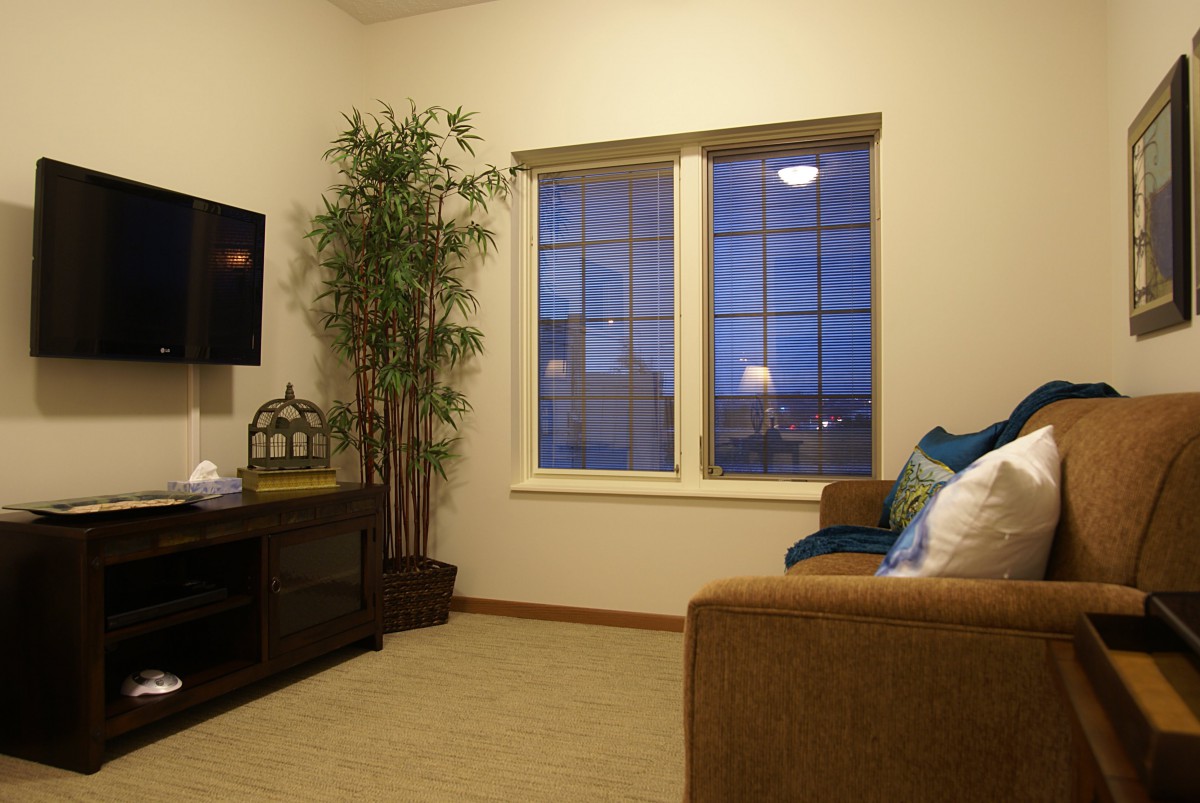
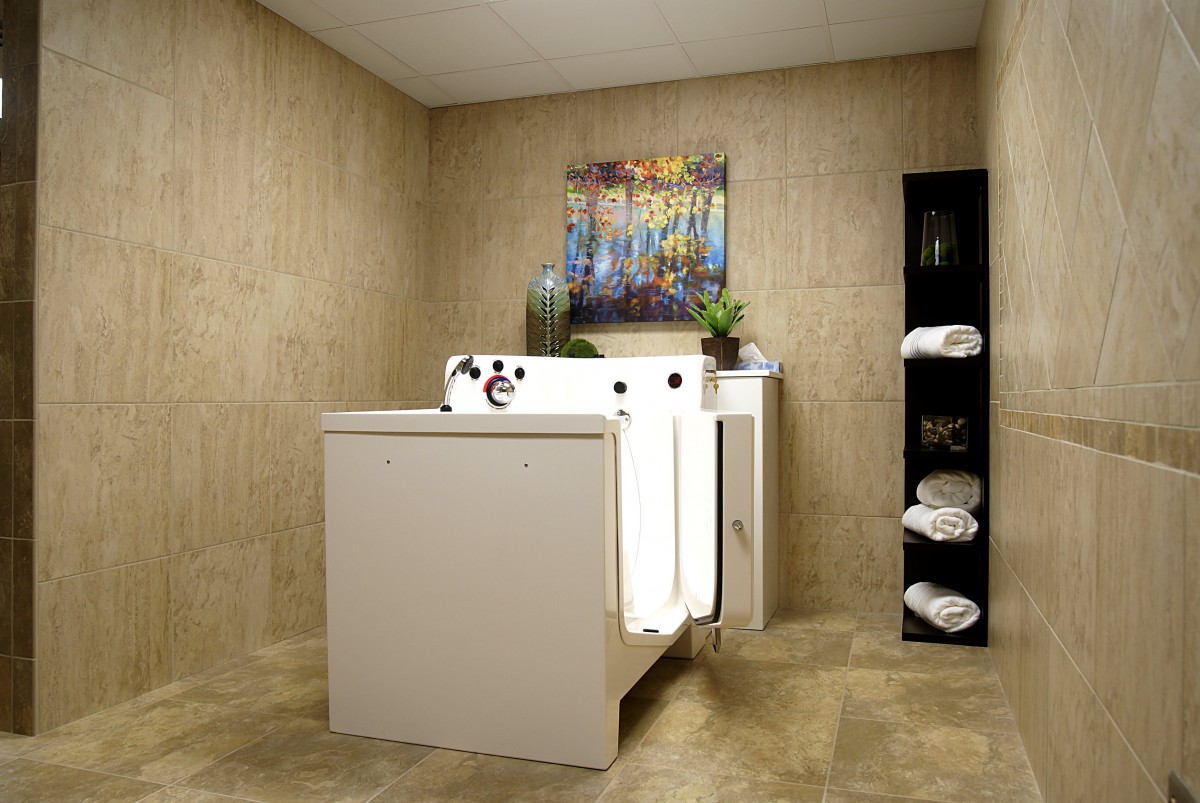
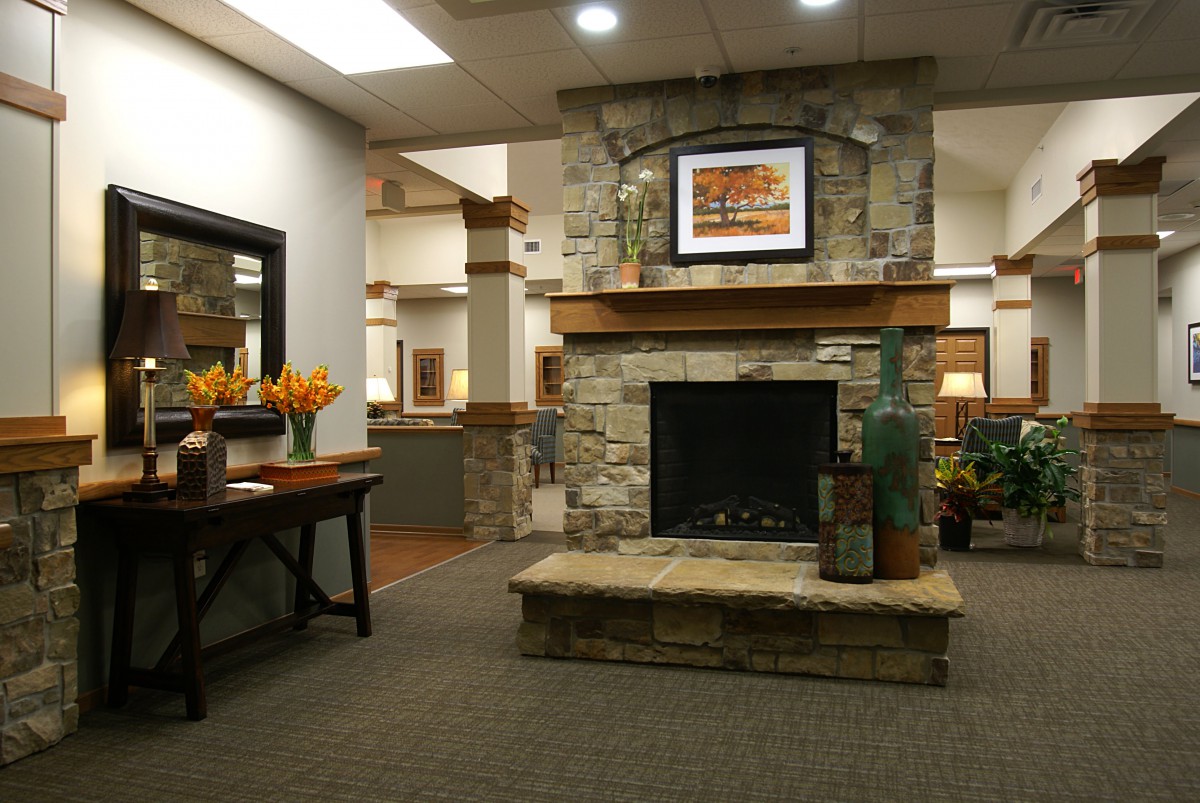
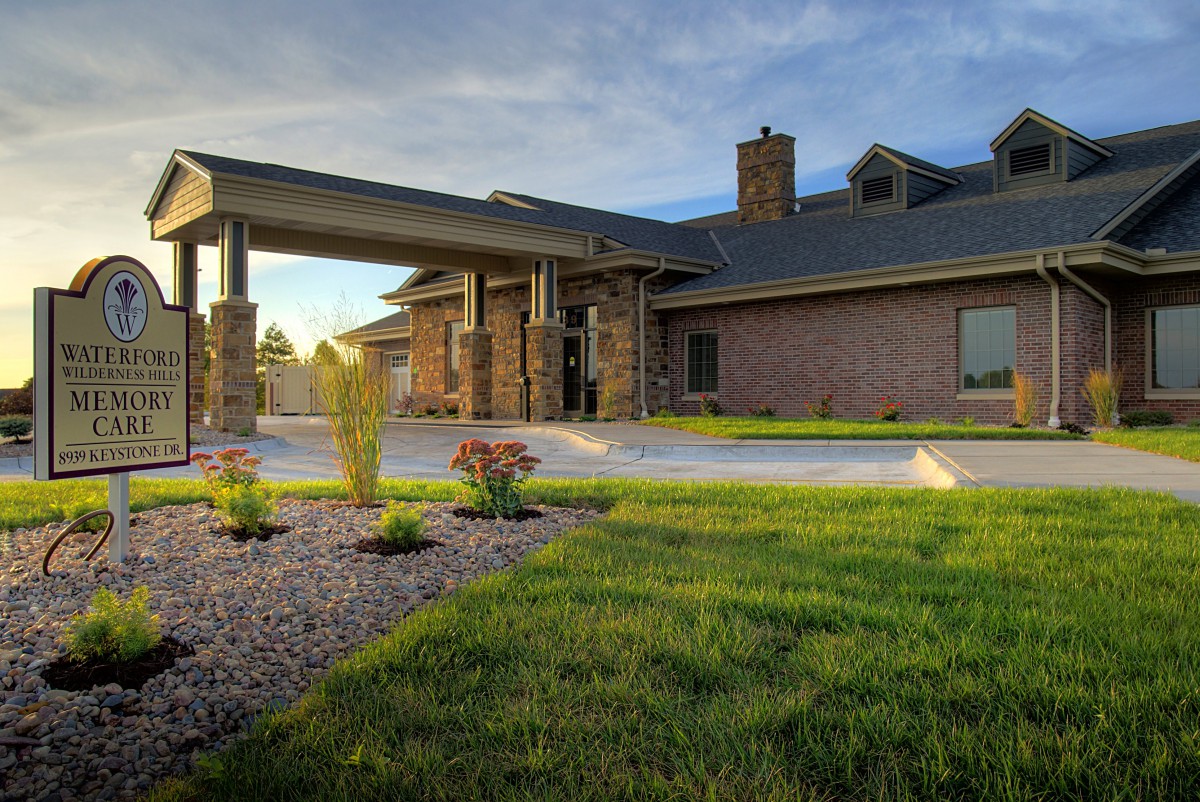
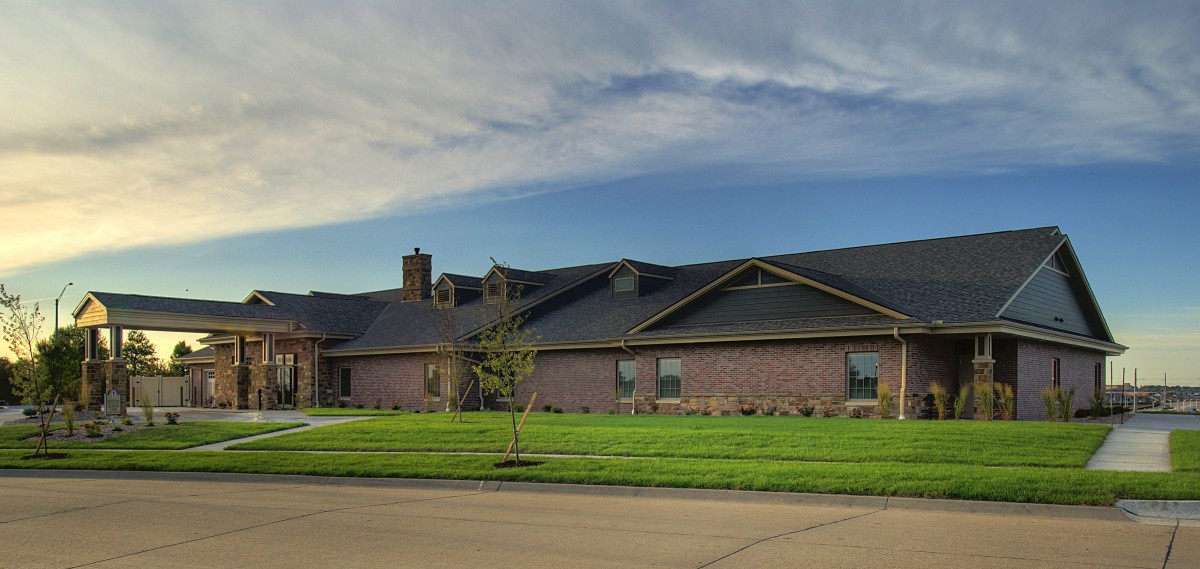
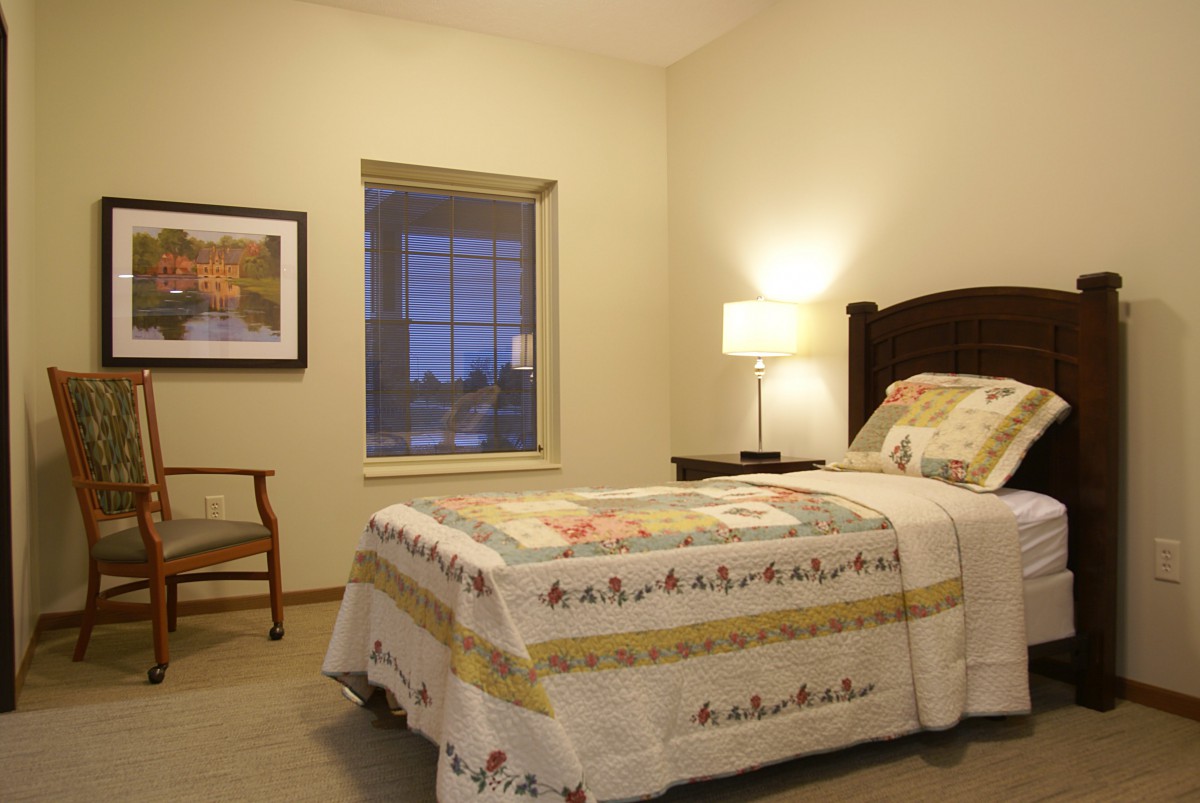
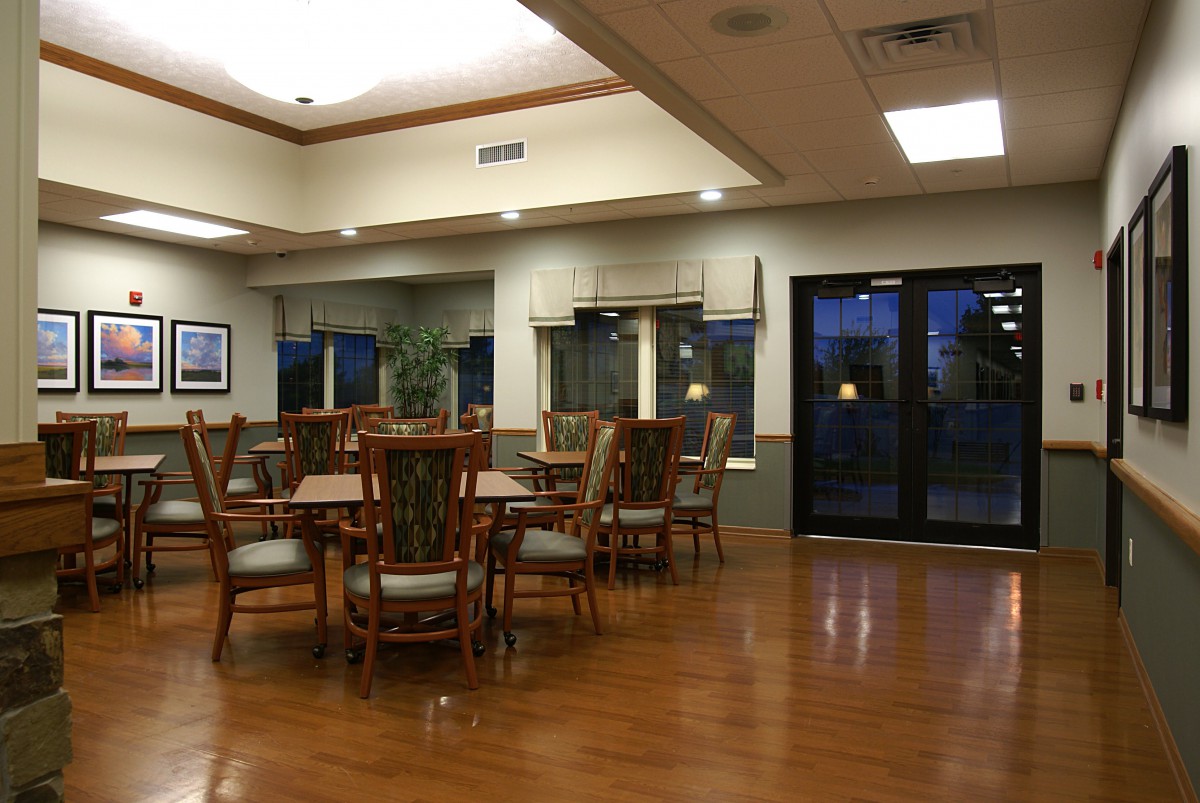
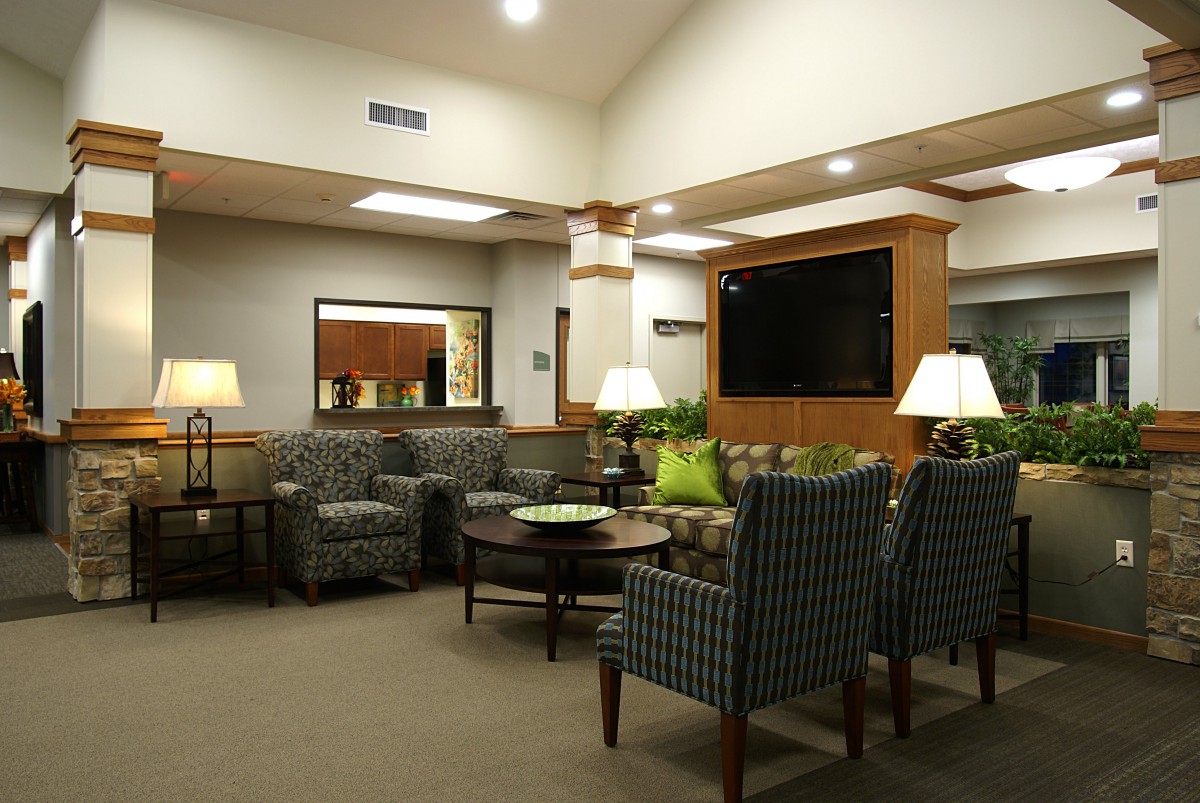
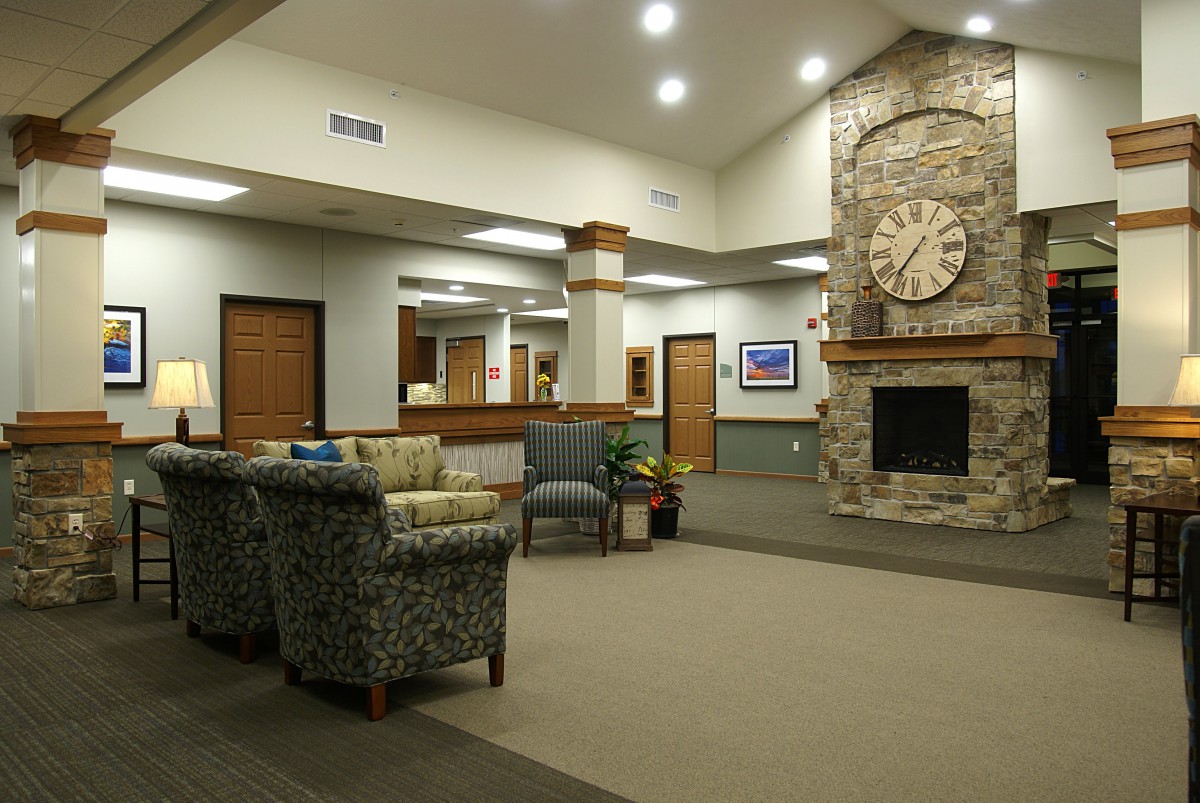
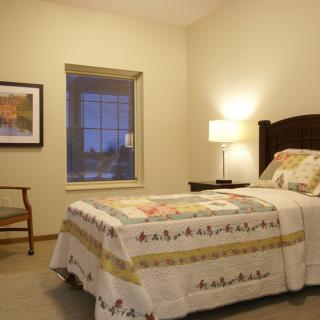
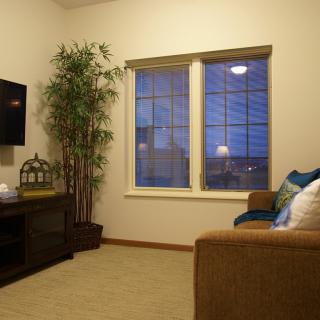
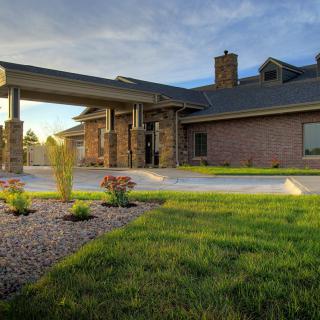
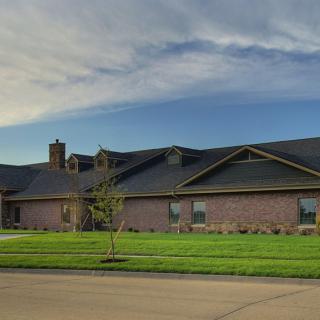
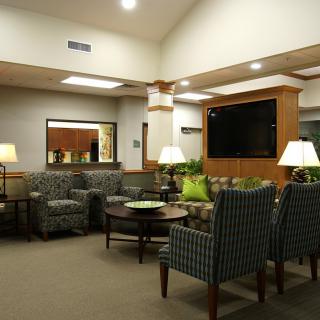
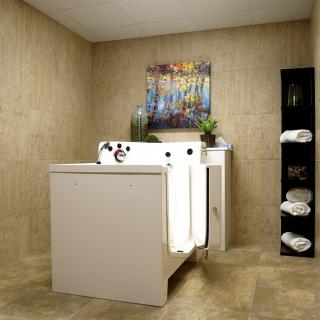
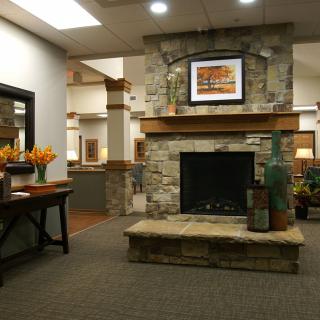
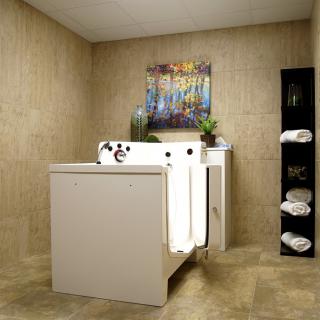
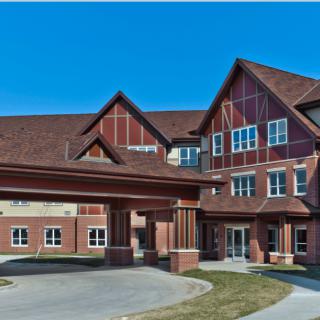
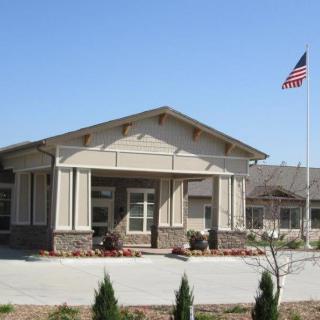
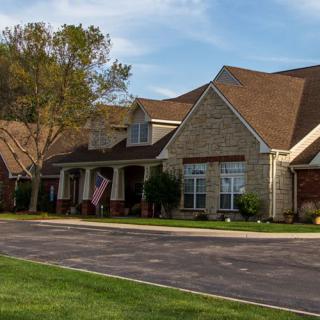
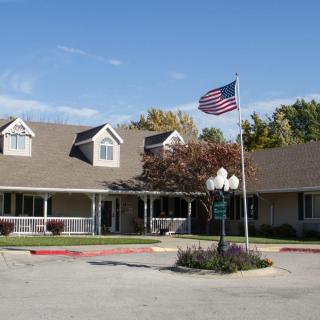
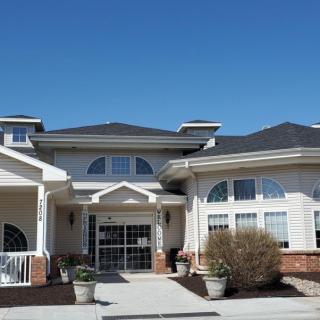
Waterford at Wilderness Hills on seniors.fyi includes 11 photos including images showing interior, landscaping, decor, bathroom, bedroom, windows, lobby, seating area, and more.
Nearby Communities
Yankee Hill Village
Lincoln, NE
4.4 from 39 reviews
$3,137 to $6,236 / month
Warm, welcoming memory care with caring staff, engaging activities, and spacious, pet-friendly apartments.
Clark Jeary Retirement Community
Lincoln, NE
4.5 from 68 reviews
Clean, welcoming, home-like environment with compassionate staff and active community life.
Clark Jeary
Lincoln, NE
4.1 from 23 reviews
Comprehensive care options with memory care and robust on-site amenities.
Savannah Pines Retirement Community
Lincoln, NE
4.6 from 42 reviews
$3,411 to $4,010 / month
Friendly staff, high-quality dining, and a resort-like, active community.
Tabitha At The Landing
Lincoln, NE
Small, intimate community with 24/7 supervision, restaurant-style dining, and engaging activities.
Assisted Living At The Landing
Lincoln, NE
4.4 from 27 reviews
Offers memory care and independent living options with meals and on-site activities.
Waterford at College View
Lincoln, NE
4.1 from 36 reviews
$3,000 / month
Well-staffed with compassionate caregivers and engaging activities.
High Plains Senior Living
Lincoln, NE
4.7 from 109 reviews
$4,473 to $5,673 / month
Caring staff with engaging activities in a clean, home-like setting.
Bailey Pointe on Van Dorn
Lincoln, NE
4.8 from 121 reviews
$4,500 to $5,300 / month
Welcoming, bright, and clean environment with caring staff and engaging on-site activities.
Vibrant Senior Living emphasizes active senior living communities that promote independence and engagement through diverse amenities and activities, fostering wellness and social interaction among older adults. These communities range from independent to assisted living, with a focus on personal growth, family involvement, financial planning, and leveraging technology to enhance residents' experiences.
Assisted living provides moderate support for seniors seeking independence, while memory care offers specialized support for individuals with dementia or cognitive impairments through structured routines and trained staff. Key differences include care approaches, environment security measures, staff training levels, activity types, and cost considerations.
Choosing between assisted living and nursing homes involves evaluating emotional and financial factors, with assisted living offering independence and support for daily activities at a lower cost, while nursing homes provide intensive medical care for individuals with significant health needs. The decision is influenced by personal preferences, health status, cognitive function, and varying Medicaid coverage across states.
Get PricingAsk A QuestionSchedule A TourContact Senior Advisor
By clicking submit, you agree to our Partner's Terms of Use. You
also consent to receive calls and texts, which may be autodialed, from our Partner. Your consent is not a condition to
using our Partner's service. Please visit our Partner's Privacy Policy for information about their privacy practices.


 Board and Care Home
 Memory Care
 Beautician on-site
 Private
 Lincoln Municipal (10 miles away)
 Ambulatory care
 Diabetic care
 Incontinence care
 Medication management
 Special dining programs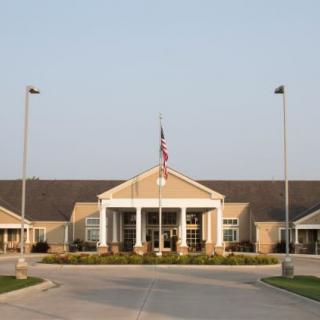
 Warm, welcoming memory care with caring staff, engaging activities, and spacious, pet-friendly apartments.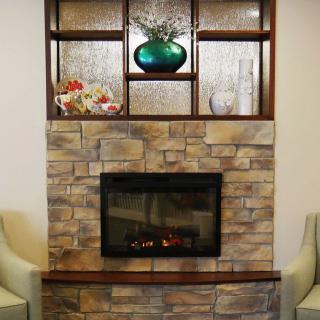

 Vibrant Senior Living: A Comprehensive Guide for Active Older Adults
 Assisted Living and Memory Care: Understanding Their Core Differences
 Choosing the Right Senior Care: A Detailed Exploration of Assisted Living and Nursing Homes