Overall Review of Clark Jeary Retirement Community
common
Staff care is a mixed picture
Residents and families describe staff as caring, attentive, and sometimes rude.
Many reviews emphasize kindness and responsiveness, including staff taking time to visit, helping with meals, and providing good communication to families. Several reviewers also describe the overall staff as compassionate and welcoming, from nurses to wait staff and cleaning teams. On the other hand, a few reviews call out rudeness and include concerns about staffing turnover, especially around higher-care transitions.
common
Meals get consistent praise
Meals are repeatedly described as very good and well presented.
Residents and families frequently mention the quality of meals, with comments that food was very good and enjoyable over time. Reviews also describe structured dining with support during meals and the feel of a dining experience beyond a simple cafeteria. A few reviews discuss dining in the context of celebrations or daily routines, reinforcing that meals are part of everyday life for residents.
common
Activities keep residents engaged
The community offers frequent activities that residents participate in.
Reviews describe an active schedule, including cards, bingo, group gatherings, and outings like shopping trips. Several mentions focus on residents staying busy and having chances to socialize, rather than only staying in their rooms. This aligns with the community listing that includes on-site activities and religious services, plus transportation support for getting out.
caveat
Care transitions can disappoint families
Some families report problems when needs increase or settings change.
While other reviews highlight strong medical care and support, a recurring concern is that higher levels of care did not match expectations during transitions. A few families describe promises that did not hold, moving their loved ones to a different memory care setting or higher level of support, and then seeing declines they felt were related to changes in staffing or approach. These critiques also include claims about being short on staff at times and the difficulty of finding suitable next steps afterward.
common
Apartments emphasize home-like comfort
Residents describe comfortable apartments with home-like layouts.
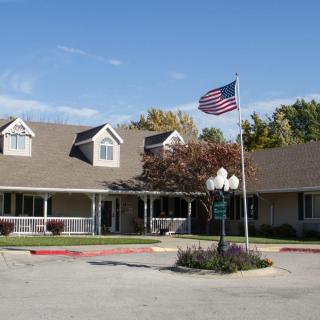
Multiple reviews mention apartment features that make residents feel at home, including openness, windows, and layouts that support independence. Families also point to conveniences within units, like full kitchens and laundry in the unit, along with patio space in at least one description. The listing also indicates a range of housing options, including studio, one- through three-bedroom apartments, and detached homes or condos/townhomes.
How we summarize
We summarize when many written reviews mention each theme; a review can touch several themes, and only frequently mentioned themes are displayed.
Features
Housing
1-bedroom apartments
2-bedroom apartments
3-bedroom apartments
Condos / townhomes
Detached homes
Studio apartments
Types of Care
Assisted Living
Amenities
Activities on-site
Beautician on-site
Devotional services off-site
Financial aid
Financing advice
Full kitchen
Garden
Home sale assistance
Housekeeping services
Indoor common areas
Respite or short term stays offered
VA Benefits Consultation
Transportation
Lincoln Municipal (10 miles away)
Transportation & parking
Care Services
Ambulatory care
Diabetic care
Hospice care
Dining
Meals provided
Activities
Activities on-site
Devotional activities offsite
Religious services
Languages Spoken
English
Nearby Places of Interest
Restaurants
Asian Fusion (0.3 miles)
Runza (0.5 miles)
Hacienda Real (1 miles)
Chick-Fil-A (1 miles)
Taco Bell (1.1 miles)
Old Chicago (1.1 miles)
Panda Express (1.5 miles)
Physicians
EyeCare Specialties (0.9 miles)
Lincoln Internal Medicine (1 miles)
Complete Children's Health (1 miles)
Allergy Asthma & Immunology - James L Fiedlander, MD (1 miles)
Clark Jeary Retirement Community offers 1-bedroom apartments, 2-bedroom apartments, 3-bedroom apartments, Condos / townhomes, Detached homes, and Studio apartments.
Assisted living costs often exceed Social Security benefits, necessitating a combination of funding sources like state aid and Medicaid. Understanding the interaction between Social Security programs and available financial support is essential for affording such care.
The VA Aid and Attendance benefit provides financial support to veterans needing assistance with daily living due to medical conditions or disabilities, augmenting standard VA pensions for services like in-home care. Eligibility is based on service duration, wartime status, income, and medical needs, with a detailed application process required to access funds for caregiving and home modifications.
Senior move management services assist older adults in the relocation process by providing emotional support and organizational help, addressing unique challenges like downsizing and moving from long-term homes. These specialists collaborate with real estate agents and manage logistics, making the transition smoother for seniors and their families.
Get PricingAsk A QuestionSchedule A TourContact Senior Advisor
By clicking submit, you agree to our Partner's Terms of Use. You
also consent to receive calls and texts, which may be autodialed, from our Partner. Your consent is not a condition to
using our Partner's service. Please visit our Partner's Privacy Policy for information about their privacy practices.


 1-bedroom apartments
 Condos / townhomes
 Detached homes
 Assisted Living
 Activities on-site
 Beautician on-site
 Devotional services off-site
 Financial aid
 Full kitchen
 Garden
 Housekeeping services
 Indoor common areas
 Respite or short term stays offered
 Lincoln Municipal (10 miles away)
 Transportation & parking
 Ambulatory care
 Diabetic care
 Hospice care
 Meals provided
 English
 Warm, welcoming memory care with caring staff, engaging activities, and spacious, pet-friendly apartments.






 Social Security Benefits and Assisted Living: Navigating Options Across the U.S.
 An Extensive Exploration of the VA Aid and Attendance Benefit
 Senior Transition Services: Understanding Their Role, Cost, and Importance