
8401 South 33rd Street, Lincoln, NE 68516
For more information about senior living options: (866) 208-4318
Overall Review of Clark Jeary
Pros
 The staff are very friendly and attentive, putting residents first.
- The Clark Jeary community has nice staff and residents, creating a home-like environment.
- The facility offers excellent medical care with clear family communication and no surprises.
- The meals are excellent, and staff celebrate residents' birthdays with care.
- The staff team—administration, nurses, cleaning staff, and wait staff—are highly regarded.
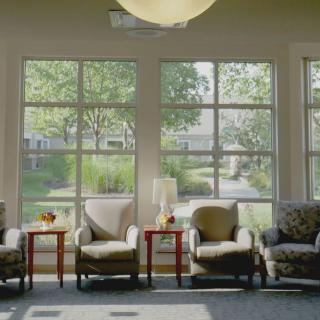
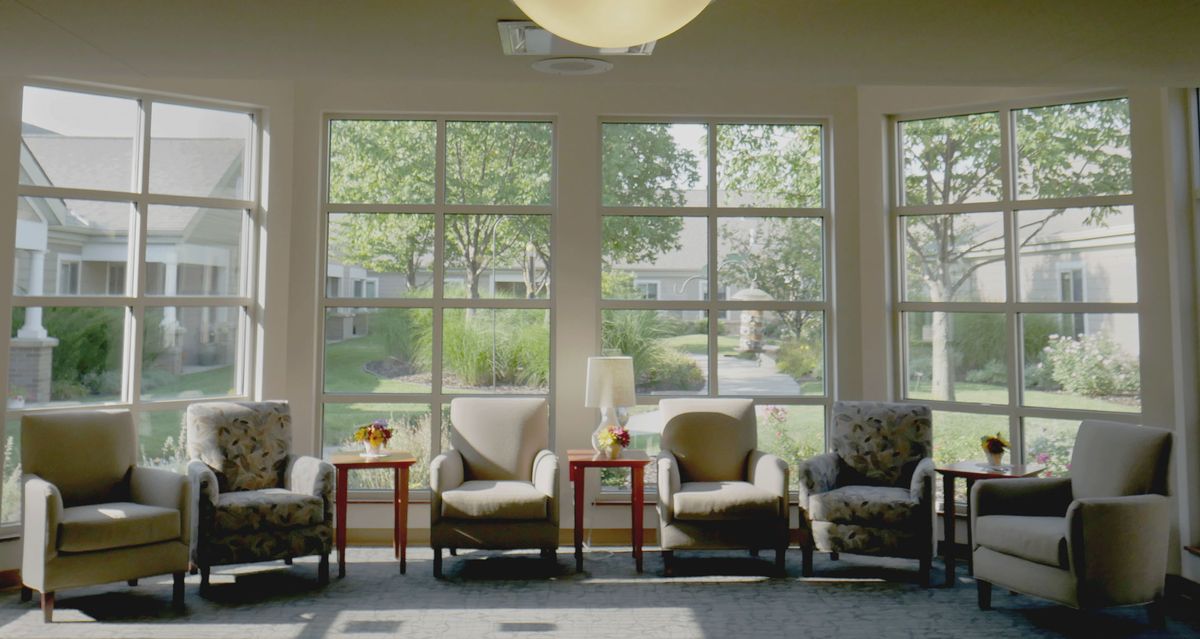
- The openness and plentiful windows are appreciated by residents, contributing to a sense of home.
- Residents make new friends and are known by name, with others eager to join them at meals.
- The community is beautiful and caring, with kind and loving staff.
Cons
 The staff were horrible and not friendly to delivery drivers; they were very rude.
- The receptionist is rude; she was seen yelling at a worker yesterday.
- The administration said one thing and did another; promises of change were never kept.
- The facility was frustrating, irritating, and overpriced; the family was told their mother could stay until end of life, then she was kicked out due to staff shortages.
- The family would tell everyone never to trust Clark Jeary with their parents’ care.
Review
Clark Jeary in Lincoln, NE is best suited for families seeking a warm, resident-centered environment where daily life feels like a community rather than a facility. The strongest case is made by multiple families who describe staff as genuinely caring, meals as enjoyable, and social life as active. Residents appear to enjoy open spaces, inviting common areas, and a layout that feels home-like, with feedback about birthdays, meals, and friendly interactions reinforcing a sense of belonging. For caregivers who want steady family communication and a place that treats residents as individuals, with attention to mood, friendships, and daily routines, Clark Jeary often checks those boxes. This is a community that earns trust through visible kindness, consistent engagement, and a palpable respect for residents’ dignity.
However, there are clear caveats that families must weigh. Several reviews flag disruptive frontline behavior and troublesome interactions with staff, rude reception, a delivery staff demeanor described as unhelpful, and administrative failures to keep promises. The most troubling notes concern management accountability: promises made to families and residents are not consistently fulfilled, creating a pattern of frustration and mistrust. The most severe red flag appears to be reports of being asked to leave if staffing is short, which raises questions about admission stability and the safeguarding of long-term living plans. Those considering Clark Jeary should reckon with the possibility of inconsistent customer service alongside excellent daily care.
In weighing the positives against these concerns, the ongoing strength lies in the daily lived experience of residents. When staff are praised as the “best,” when administration, nurses, and support staff are described as kind and devoted, and when families repeatedly observe genuine warmth and attentive care, the pros become compelling. The dining experience, birthday celebrations, and visible efforts to involve visitors create meaningful quality of life. For families who want assurance that medical care is attentive and communication with the family is frequent and clear, these elements can offset many ordinary care gaps. The overall atmosphere, an engaged, affectionate, and hospitable community, matters a great deal in navigating the stresses of aging and memory care.
Memory care, in particular, carries its own set of thresholds. While some reviewers praise dedicated care and the sense that staff know the residents well, the negative experiences around promises and policy on changes in care indicate potential fragility in the face of staffing pressures. Prospective families should probe current memory-care leadership stability, discharge policies, and the specific safeguards in place to prevent abrupt transitions. The risk here is not merely dissatisfaction; it is the unpredictability that can disrupt a resident’s sense of security. If memory care needs are central, demand concrete assurances on consistency, staffing coverage, and the escalation path when expectations aren’t met.
For decision-making, come prepared with a tight set of questions and a plan for due diligence. Request a current staffing model by shift, a clear set of service commitments in the contract, and the exact process for handling care changes or capacity pressures. See a sample family communication log, and talk to multiple families about their experience over time, not just during a friendly visit. Tour the dining areas at peak times, observe how aides interact with residents, and verify how activities are tailored to different levels of ability. Ask about transparency on pricing, the shift in policies when staff shortages occur, and how the community supports residents who are transitioning from independent living or other care settings.
In the end, Clark Jeary offers a compelling blend of genuine warmth, strong individual attention, and a lively social environment that can make aging in place feel comfortable and dignified. It is a practical choice for families who prioritize daily lived quality, delicious meals, personal connections, and visible compassion from caregivers, while also remaining vigilant about management reliability and policy consistency. If the facility’s leadership demonstrates steadiness, clarity, and a proven track record of honoring commitments, Clark Jeary becomes a standout option. If not, alternatives with more predictable administration and fewer dissonant experiences may be the safer route for long-term peace of mind.
 90 resident community capacity
 Assisted Living
 Independent Living
 Memory Care
 Air-conditioning
 Beauty salon
 Cable or satellite TV
 Computer center
 Dining room
 Fitness room
 Fully furnished
 Gaming room
 Garden
 Housekeeping services
 Kitchenette
 Move-in coordination
 Outdoor space
 Private bathrooms
 Restaurant-style dining
 Small library
 Telephone
 Wellness center
 Wi-Fi/high-speed internet available
 Lincoln Municipal (10 miles away)
 Community operated transportation
 24-hour call system
 Activities of daily living assistance
 Assistance with bathing
 Assistance with dressing
 Assistance with transfers
 Diabetes diet
 Medication management
 Mental wellness program
 Special dietary restrictions
 Concierge services
 Planned day trips







 Exploring the Power of Reminiscence Therapy for Individuals With Dementia
 An In-Depth Look at Reminiscence Therapy in Dementia Care
 Dementia-Related Hallucinations: Causes, Experiences, and Practical Approaches