
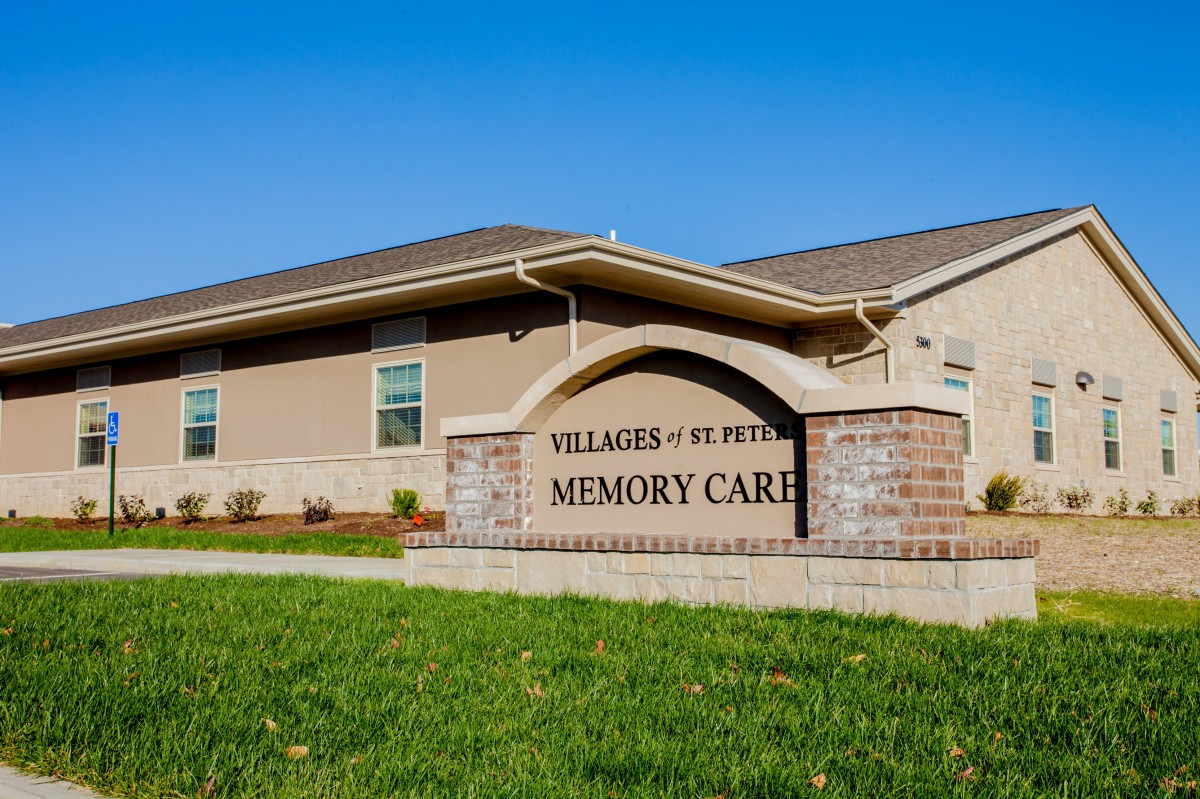

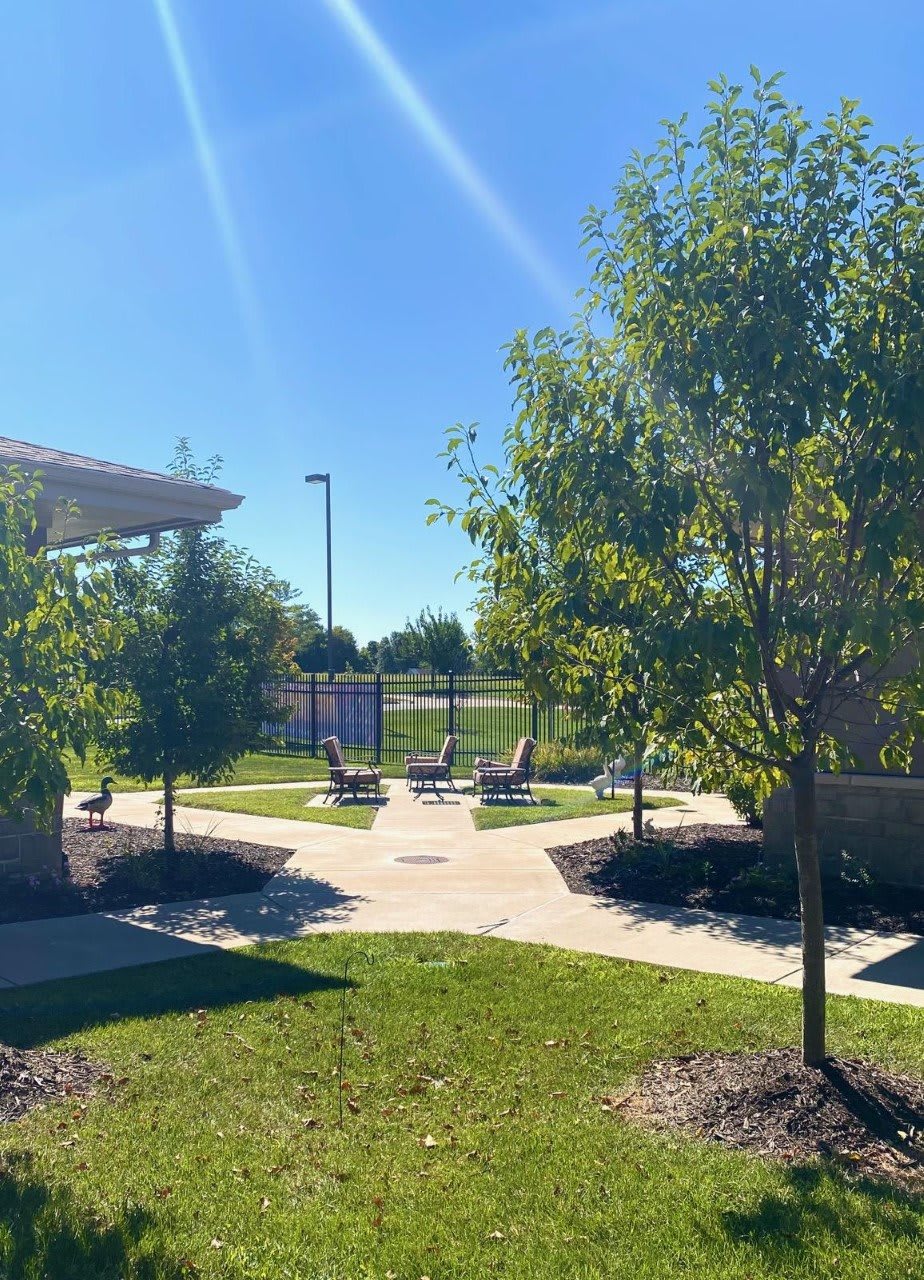



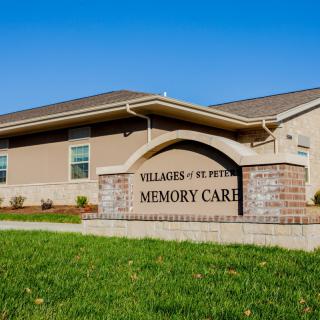


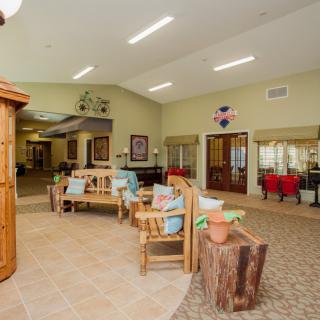
5300 Executive Center Pkwy, Saint Peters, MO 63376
To contact a resident: (636) 477-6955
For more information about senior living options: (866) 208-4318
Villages of St. Peters Memory Care Costs & Pricing
Villages of St. Peters Memory Care offers a range of specialized care options at competitive rates, particularly when compared to the broader market in St. Charles County and throughout Missouri. For instance, the cost of a semi-private room at Villages of St. Peters is $6,252 per month, which is significantly higher than the county average of $4,408 and the state average of $3,772. Similarly, residents opting for a studio can expect to pay $7,150 monthly, again surpassing St. Charles County's average of $4,151 and Missouri's overall average of $3,418. While these costs may reflect a premium for high-quality memory care services tailored to individual needs, they also indicate a commitment to providing an enriched living experience that may justify the investment over more generalized care options.
| Floor plans | Villages of St. Peters Memory Care | St. Charles County | Missouri |
|---|---|---|---|
| Semi-Private | $6,252 | $4,408 | $3,772 |
| Studio | $7,150 | $4,151 | $3,418 |
Memory care communities with a similar price nearby
-
from -$1062 / mo
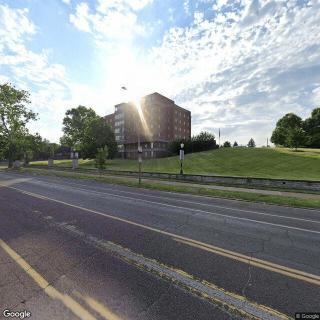
Bavaria Memory Care at the St. Louis Altenheim
$5,190 / month24.9 miles away -
from +$698 / mo
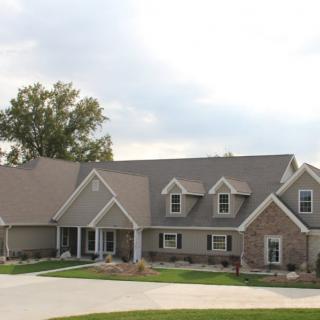
Glenfield Memory Care Homes
$6,950 / month3.3 miles away -
from -$853 / mo

Anthology of Wildwood
$5,399 to $7,999 / month14.9 miles away -
About the same

San Gabriel Memory Care
$6,295 / month24.4 miles away -
from +$1248 / mo

Friendship Village Sunset Hills
$7,500 / month21.4 miles away
Overall Review of Villages of St. Peters Memory Care
Pros
 The team concept is strong, with everyone working together to care for neighbors and one another.
- They had a good experience and would recommend the community.
- The overall care for Mom was exceptional, and staff provided helpful guidance during difficult times.
- The family felt like they were part of a caring, family-like environment where staff went above and beyond to make Mom feel at home.
- The experience has been excellent, and they have recommended Villages to friends.
- The memory care facility was chosen for its smaller, single-level design and affordability, and has delivered positive care.
- The community feels homey, not too big, with staff always around, leaving families very happy.
- Staff communication with families is good, meals are provided three times daily, and are good.
- The staff and quality of care provide peace of mind; activities are good and many would recommend to other families.
- The mother has received good, compassionate care in a safe environment, and concerns are addressed promptly.
Cons
 They expressed concern that staff turnover is increasing.
- They felt the quality of care had not been as good in the last few weeks.
- They noted that staff may medicate residents as a solution to problems.
- They observed that residents were not asked to participate in activities.
- They would not recommend Villages of St. Peters to others.
- They reported having a few major issues.
Review
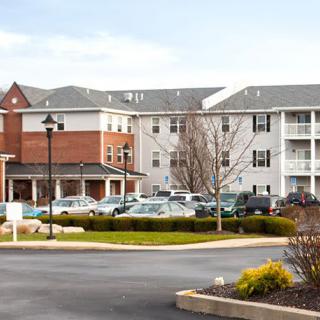
Villages of St. Peters Memory Care is best suited for families seeking a small, home-like memory care setting where care feels personal, coordinated, and clearly focused on individual residents. The community’s intimate, one-level footprint and team-centered approach create an atmosphere that many families describe as safer and more navigable than larger facilities. It also serves as a practical option for those who need Medicaid beds on site and want the assurance of continuing care within a nearby hospital network, making it a sensible choice for transitions between rehab, memory care, or future Medicaid needs.
Those who may want to consider alternatives are families craving a larger, more bustling campus with a broader activity calendar or a setting that prioritizes non-pharmacological behavior management with less risk of quick medicating as a default. Several reviews flag concerns when staffing shifts produce noticeable changes in care quality, and a few voices suggest that behavior challenges can sometimes be managed more effectively with strategies beyond medications. For families with highly stable, long-term staffing expectations or with residents whose needs demand extensive, diversified programming, other communities may deliver a stronger fit.
The core strengths of Villages of St. Peters Memory Care offset the drawbacks in meaningful, practical ways. The small size and cohesive team enable staff to know residents well, tailor responses to individual routines, and communicate consistently with families, an advantage when advocacy and timely updates matter. The homey atmosphere, on-site meals that residents regularly enjoy, and a reliable three-meal-per-day structure contribute to predictable daily rhythms that reduce anxiety for memory-impaired residents. The emphasis on a family-like environment, combined with accessible Medicaid options and a single-level layout, creates a setting where peace of mind is tangible for families.
Care quality in practice is repeatedly described as compassionate and attentive. Nurses are portrayed as friendly and focused on comfort and happiness, and an activities director is noted for coaxing participation, which matters for engagement and mood. Several families point to positive health outcomes since transitioning to this community, including fewer ER visits for infections and a sense that medical needs are monitored more closely. The dining program earns consistent praise, and the tight-knit feel supports steady, visible oversight of daily routines. Taken together, these elements cultivate reliability and a sense that residents are cherished as individuals within a protected, manageable environment.
Yet the cautions deserve consideration. Ongoing staff turnover can disrupt continuity of care, and some observers worry about decisions to medicate when behavioral issues surface, rather than pursuing alternative management strategies. A few reviews note that not every resident is drawn into activities, which speaks to variability in engagement that families should probe during tours. These concerns do not negate the positives, but they do establish a prudent expectation: the quality of care hinges on stable staffing and proactive, non-pharmacologic programming; prospective families should verify current staffing levels, observe activity options, and ask about how care plans adapt to evolving needs.
In the final assessment, Villages of St. Peters Memory Care stands as a strong option for families prioritizing a warm, manageable memory-care environment with a clear emphasis on family involvement and consistent communication. It is especially well-suited for those who value a smaller, homelike setting and the reassurance of Medicaid-capable beds on site, along with the convenience of a nearby hospital network. For families needing a larger continuum of care, or for those whose loved one requires intensive, day-long programming and a proven, non-pharmacologic behavior-management approach, it is wise to compare with other campuses. Prospective buyers should schedule multiple visits, speak candidly with frontline staff, and request exact staffing ratios and care protocols, ensuring the match is both stable and aligned with the resident’s goals and daily routines.
 Memory Care
 Activities off-site
 Air-conditioning
 Beautician on-site
 Cable or satellite TV
 Devotional services on-site
 Garden view
 Ground floor units
 Handicap accessible
 Indoor common areas
 Outdoor common areas
 Respite or short term stays offered
 Wheelchair accessible showers
 Wi-Fi/high-speed internet available
 Lambert-St Louis International (13 miles away)
 Ambulatory care
 Diabetic care
 High acuity care
 Incontinence care
 Medication management
 Guest meals
 Art classes
 Catholic services
 Cooking classes
 Day trips and outings
 Live dance or theater performances
 Live musical performances
 Stretching classes
 Trivia games



 When Dementia Sparks Anger and Aggression: Understanding the Connection and Ways to Cope
 Dementia Behaviors: In-Depth Understanding and Effective Coping Strategies
 5 Early Indicators of Dementia and What You Can Do