The Villages of St. Peters in Saint Peters, MO

Save

The Villages of St. Peters in Saint Peters, MO

5400 Executive Center Parkway, Saint Peters, MO 63376

For more information about senior living options: (844) 490-3973

3.1 from 43 reviews
5 stars
15
4 stars
6
3 stars
5
2 stars
2
1 stars
15

Assisted Living Skilled Nursing Facility

The Villages of St. Peters Costs & Pricing

The Villages of St. Peters offers competitive pricing for various room types, presenting an attractive option within both St. Charles County and the broader Missouri market. For a studio, residents can expect to pay $3,100 per month, significantly lower than the county average of $4,151 and also under the state average of $3,418. The one-bedroom units are priced at $3,700, which is slightly above the county rate of $3,409 but still favorably positioned against the statewide cost of $3,349. In terms of shared accommodations, the semi-private rooms are set at $5,239 - higher than both county and state averages ($4,408 and $3,772 respectively). For those seeking more privacy, private rooms come in at $6,975; while this exceeds both the county's average cost of $5,195 and Missouri's average of $4,483, it reflects a premium service offering that may justify the investment. Overall, The Villages of St. Peters stands out for its studio and one-bedroom rates while providing options across varying needs and budgets in a regional context.

Floor plansThe Villages of St. PetersSt. Charles CountyMissouri
Studio$3,100$4,151$3,418
1 Bedroom$3,700$3,409$3,349
Semi-Private$5,239$4,408$3,772
Private$6,975$5,195$4,483

Overall Review of The Villages of St. Peters

Pros

  • pro The memory care staff is warm and caring.
  • pro They have many activities.
  • pro The facilities are clean, well-kept, bright, and cheerful.
  • pro She has a well-sized room with two closets.
  • pro Everybody there is very caring and compassionate.
  • pro There are church activities, manicures, and movie days.
  • pro The therapy department was amazing.
  • pro The food is excellent.

Cons

  • pro The staff were described as unprofessional and careless, often ignoring patient requests and arguing in hallways.
  • pro Response times to call bells were frequently very long, delaying needed assistance.
  • pro Meals were inconsistently served, arriving cold or overcooked and sometimes left at the bedside.
  • pro Cleanliness and odor issues were noted, including a pervasive urine smell in common areas and rooms.
  • pro Staffing levels were frequently described as insufficient, leading to poor supervision and delayed care.
  • pro Pain management and medication administration were mishandled, with delays in providing pain meds and unclear communication about medications.
  • pro Families reported a lack of updates, including during outbreaks and lockdowns that restricted visitation.
  • pro There were allegations of neglect contributing to a resident's death, implying serious harm.
  • pro The memory care unit was not welcoming and information for visitors or new families was lacking.

Review

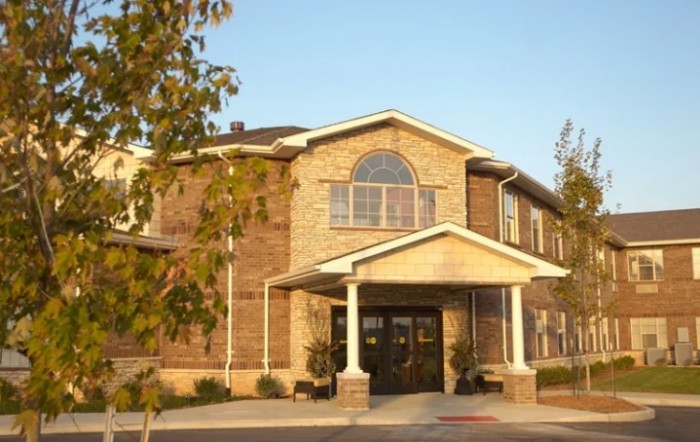
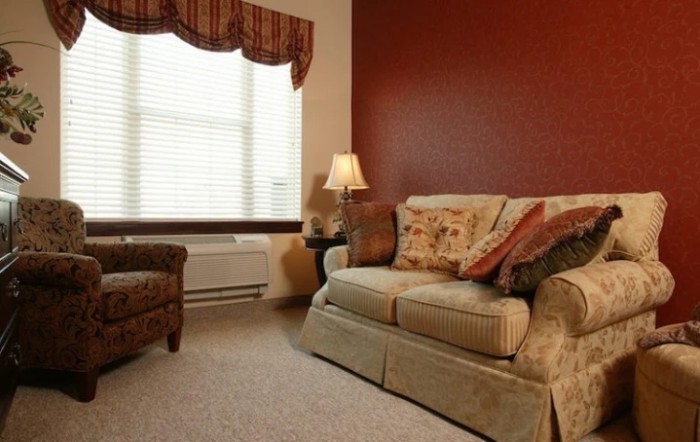
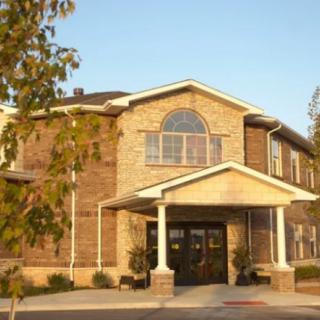
The Villages of St. Peters is best suited for families seeking a rehab- and activity-forward environment with memory care options, where residents can be kept busy in a smaller-wing setting that feels like a close-knit neighborhood. The facility's design - small, cottage-style wings, bright common spaces, and a memory care unit with dedicated programming - appeals to families who value personal attention, approachable staff, and an engaging daily schedule. When a loved one needs structured therapy, social outlets, and a sense of daily purpose, this community can deliver those elements in spades. It can also work well for seniors who prioritize a comfortable, hotel-like atmosphere, clean surroundings, and accessible spaces that accommodate walkers and wheelchairs.

That said, potential residents and families should consider alternatives if the priority is unwavering consistency in medical oversight, rapid response to calls for help, and uniformly dependable care across all departments. Reviewers repeatedly flag gaps in staffing, communication, and administration, with some accounts describing long bell-rings, delayed pain management, and inconsistent follow-through on care plans. Several voices also warn that when the facility is short-staffed or leadership shifts occur, the quality of care can deteriorate quickly. For families who require rigorous, 24/7 attention to medical needs, or who demand a consistently tight, transparent care-coordination machine, other options may offer more reassurance.

The strongest positives at The Villages of St. Peters are the rehab core and the social fabric that surrounds daily life. Physical therapy and occupational therapy teams earn high marks for capability and results, often helping residents regain independence so they can return home. The memory care environment is frequently described as warm and engaging, with staff who are attentive, activities that draw residents into group and one-on-one interactions, and a design that supports safe movement. Cleanliness and attractive common spaces further bolster the sense that the facility "has it together" in terms of atmosphere and guest experience. In many reviews, residents voice satisfaction with meals, room size, and the availability of meaningful daytime options.

Yet the cons cited repeatedly cast a shadow over the otherwise strong rehab and activity picture. Numerous accounts highlight slow response times to call bells, gaps in night and weekend staffing, and inconsistent administration that complicates communication with families. Some families report missed information, delayed updates, and a sense that the care team can be overwhelmed or uneven in performance from shift to shift. There are even extreme anecdotes describing neglectful experiences and adverse outcomes, including pain mismanagement and unaddressed safety risks. While not universal, these reports are persistent enough to demand careful scrutiny by anyone considering this community, especially for residents with high medical or mobility needs.

These pros and cons clash in a way that makes the bottom line highly situational. If a rehabilitation track, structured daily activities, and a memory-care environment with visible staff engagement are the primary criteria, The Villages of St. Peters can offset many concerns through robust PT/OT results, a lively activity calendar, and a welcoming, well-kept setting. However, when stability, consistent nursing vigilance, and flawless communication are non-negotiable, the risk signals from staffing and leadership patterns may tilt the balance toward exploring other options. The facility's best-case stories show what thoughtful oversight and routine, proactive care can achieve; the worst-case narratives show what happens when staffing pressures or governance gaps emerge.

For families ready to move forward, approach with a rigorous due-diligence plan. Request current staffing ratios by shift, ask to meet the therapy supervisor and unit managers, and tour both the rehab and memory-care wings during different times of day. Probe for specifics on response times, pain management protocols, and daily activity schedules, and review recent state inspection notes or survey results to gauge whether improvements have occurred or plateaued. Ask for a concrete care plan template and a direct contact for ongoing updates. In short, The Villages of St. Peters can be a strong fit for rehab-focused and activity-rich care, but only when the care coordination and staffing realities align with family expectations and the resident's medical needs.

Features

Housing

  • 62 resident community capacity 62 resident community capacity

Types of Care

  • Assisted Living Assisted LivingAssisted living facilities provide crucial support and care for seniors who may need help with daily tasks such as medication management, bathing, and meal preparation. These communities offer a safe and comfortable environment where seniors can maintain their independence while receiving the assistance they need to thrive in their golden years.
  • Skilled Nursing Facility Skilled Nursing FacilitySkilled Nursing Facilities are crucial for seniors as they provide round-the-clock medical care, rehabilitation services, and assistance with daily activities. These facilities ensure that seniors receive the specialized care they need to maintain their health and well-being as they age.

Amenities

  • Activities off-site Activities off-siteEngaging in off-site activities is crucial for seniors to maintain social connections, stay active, and stimulate their minds. It promotes overall well-being and helps combat feelings of isolation and loneliness.
  • Activities on-site Activities on-siteActivities on-site are important for seniors because they provide opportunities for socialization, mental stimulation, physical activity, and overall well-being. Engaging in activities can help seniors stay active, maintain their independence, and improve their quality of life.
  • Air-conditioning Air-conditioningAir conditioning is important for seniors as they are more vulnerable to heat-related illnesses and may have underlying health conditions that make it difficult for them to regulate their body temperature. It helps to keep them comfortable, safe, and healthy in hot weather.
  • Bath tubs Bath tubsBath tubs are important for seniors because they provide a safe and relaxing way to bathe, helping to prevent slips and falls while promoting independence and overall well-being.
  • Beautician on-site Beautician on-siteHaving a beautician on-site at a senior living community is important for seniors as it allows them to easily access grooming and personal care services, boosting their self-esteem and overall well-being. It also provides convenience and helps seniors maintain their sense of independence and personal style.
  • Beauty salon Beauty salonBeauty salons are important for seniors because they provide a space for them to feel pampered, socialize, and maintain their personal grooming and hygiene. Regular visits to a beauty salon can help boost seniors' self-esteem and overall well-being.
  • Cable or satellite TV Cable or satellite TVCable or satellite TV is important for seniors because it provides entertainment, news, and companionship, helping to combat loneliness and boredom. It also offers a wide range of programming options tailored to different interests and preferences.
  • Computer center Computer centerA computer center is essential for seniors as it provides access to technology, communication tools, and resources that can enhance their daily lives. It allows them to stay connected with loved ones, engage in online activities, and learn new skills, ultimately promoting socialization and mental stimulation.
  • Devotional services on-site Devotional services on-siteDevotional services on-site provide seniors with spiritual support and a sense of community, as well as an opportunity for reflection and guidance during their senior living experience. This can promote emotional well-being and connection to others, leading to a more fulfilling and enriching lifestyle in their later years.
  • Dining room Dining roomDining rooms are important for seniors as they provide a space for socialization, connection, and nutritious meals. They offer opportunities for residents to bond over shared meals, foster a sense of community, and promote healthy eating habits. Dining rooms also ensure that seniors have access to well-balanced meals tailored to their dietary needs and preferences.
  • Fitness room Fitness roomHaving a fitness room in a senior living community is essential for seniors to stay active, maintain their physical health, and improve their overall well-being. Regular exercise can help prevent falls, reduce the risk of chronic diseases, and promote mental sharpness. It also provides social opportunities for residents to connect with others and enjoy a sense of community.
  • Fully furnished Fully furnishedFully furnished senior living communities are important for seniors because they provide convenience, comfort, and a hassle-free moving experience. Seniors can easily settle into their new living space without the stress of having to buy and move furniture. This allows them to focus on enjoying their new home and community.
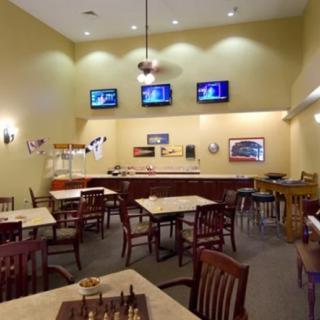
  • Gaming room Gaming roomGaming rooms are important for seniors as they provide a fun and engaging environment for socializing, cognitive stimulation, and physical activity. Games can improve memory, problem-solving skills, and overall mental well-being while fostering friendships and reducing feelings of isolation.
  • Garden GardenGardens are important for seniors as they provide a peaceful and therapeutic environment for relaxation, physical activity, and socialization. Being in nature has been shown to reduce stress, improve mood, and promote overall well-being. Gardens also offer opportunities for seniors to engage in gardening activities, which can improve mobility, flexibility, and cognitive function. Additionally, gardens create a sense of community and connection with others who share a passion for plants and outdoor spaces.
  • Housekeeping services Housekeeping servicesHousekeeping services are important for seniors because they help maintain a clean and safe living environment, promote independence, and reduce the risk of accidents or illnesses. Additionally, having assistance with household chores can alleviate physical strain and allow seniors to focus on other aspects of their well-being.
  • Indoor common areas Indoor common areasIndoor common areas are crucial for seniors as they provide a space for socialization, recreation, and community engagement, promoting overall well-being and reducing feelings of isolation and loneliness.
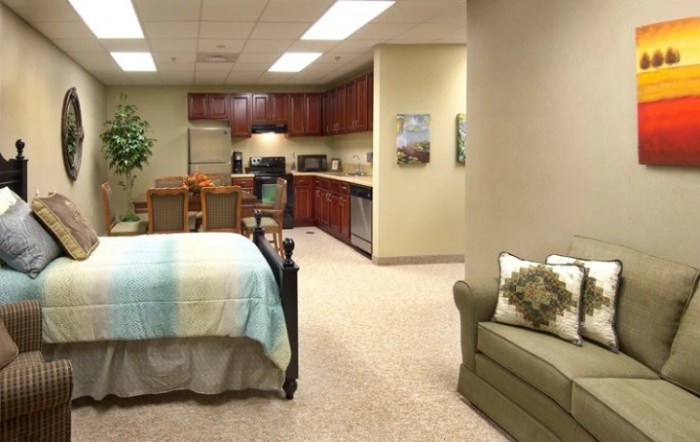
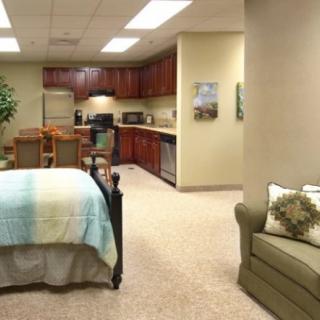
  • Kitchenette KitchenetteKitchenettes are important for seniors living in senior living communities because they provide the convenience and independence of being able to prepare simple meals and snacks in the comfort of their own living space. This can help promote a sense of autonomy and well-being for seniors, allowing them to maintain some level of control over their dietary choices and daily routines.
  • Move-in coordination Move-in coordinationMove-in coordination is important for seniors because it helps ease the transition into their new living environment. It ensures that all logistics, such as packing, organizing movers, and setting up utilities are taken care of, allowing seniors to focus on settling in and adjusting to their new home. Having a smooth move-in process can alleviate stress and anxiety, making the transition smoother and more enjoyable for seniors.
  • Outdoor common areas Outdoor common areasOutdoor common areas are important for seniors as they provide a space for socialization, physical activity, and relaxation. Being outside in nature can improve mood and overall well-being, while also encouraging movement and engagement with others. These spaces can help combat feelings of isolation and promote a sense of community among residents.
  • Outdoor space Outdoor spaceOutdoor spaces are important for seniors as they provide opportunities for physical activity, social interaction, exposure to natural light and fresh air, and a sense of connection to nature. Having access to outdoor spaces can improve overall well-being and quality of life for older adults living in senior communities.
  • Private PrivatePrivacy is important for seniors as it allows them to maintain their independence, dignity, and sense of control over their own lives. It also gives them the space and freedom to relax, reflect, and engage in activities that bring them joy and fulfillment. Creating private spaces within senior living facilities is crucial for promoting overall well-being and quality of life.
  • Private bathrooms Private bathroomsPrivate bathrooms are important for seniors in senior living communities because they provide independence, dignity, and comfort. Having a private bathroom allows seniors to maintain their personal hygiene routines without the need for assistance, promoting a sense of autonomy and privacy. Additionally, private bathrooms help prevent the spread of infections and provide a safe and clean environment for seniors to navigate safely.
  • Respite or short term stays offered Respite or short term stays offeredRespite or short term stays provide seniors with a temporary solution when their regular caregiver is unavailable, offering them the opportunity to receive additional care and support during times of need, while also giving caregivers a chance to rest and recharge.
  • Restaurant-style dining Restaurant-style diningRestaurant-style dining is important for seniors because it allows them to enjoy delicious, nutritious meals in a social and upscale setting. This enhances their dining experience, promotes healthy eating habits, and fosters socialization with fellow residents, ultimately contributing to their overall well-being and quality of life.
  • Small library Small librarySmall libraries are important for seniors as they provide access to a variety of reading materials, including books, newspapers, and magazines. This can help stimulate their minds, keep them engaged, and provide a sense of community through book clubs and other social activities. Additionally, reading has been shown to improve cognitive function and overall mental well-being in older adults.
  • Telephone TelephoneTelephones are important for seniors as they provide a lifeline for communication with loved ones, emergency services, and healthcare providers. They offer a sense of security and independence, enabling seniors to stay connected and access assistance when needed.
  • Wellness center Wellness centerWellness centers are important for seniors because they offer a variety of programs and services that promote physical, mental, and emotional well-being. These centers provide opportunities for exercise, socialization, education, and relaxation, helping seniors maintain their overall health and quality of life.
  • Wheelchair accessible showers Wheelchair accessible showersWheelchair accessible showers are crucial for seniors as they provide a safe and independent bathing option for those with mobility challenges. These showers help prevent falls and allow seniors to maintain their dignity and autonomy while ensuring they can bathe comfortably.
  • Wi-Fi/high-speed internet available Wi-Fi/high-speed internet availableWi-Fi/high-speed internet is important for seniors to stay connected with loved ones, access online resources, and participate in virtual activities to combat feelings of loneliness and isolation. It also allows them to easily manage healthcare needs, access entertainment, and engage in lifelong learning opportunities.

Transportation

  • Lambert-St Louis International (13 miles away) Lambert-St Louis International (13 miles away)
  • Community operated transportation Community operated transportationCommunity operated transportation is crucial for seniors as it provides them with the means to access essential services, social activities, and medical appointments. It allows seniors to maintain their independence and quality of life by ensuring they can participate in activities outside of their homes. Additionally, community-operated transportation services offer a safe and reliable way for seniors to travel without having to rely on family or friends for assistance.
  • Transportation arrangement Transportation arrangementTransportation arrangements are crucial for seniors as they may face challenges with driving, mobility, or access to public transportation. Having reliable transportation services ensures that seniors can easily attend appointments, social activities, and maintain their independence and quality of life.

Care Services

  • 24-hour call system 24-hour call system24-hour call systems are important for seniors because they provide peace of mind and immediate assistance in case of emergencies. This technology ensures that help is always available, promoting safety and security for elderly individuals living alone or in assisted living facilities.
  • 24-hour supervision 24-hour supervision24-hour supervision is important for seniors to ensure their safety, well-being, and access to immediate assistance in case of emergencies or health issues. This constant support provides peace of mind for both seniors and their loved ones, allowing them to age in place with dignity and security.
  • Activities of daily living assistance Activities of daily living assistanceActivities of daily living assistance are important for seniors because they provide essential support with tasks such as eating, bathing, dressing, and mobility. This assistance helps seniors maintain their independence, dignity, and overall quality of life as they age.
  • Assistance with bathing Assistance with bathingAssistance with bathing is crucial for seniors as it helps maintain personal hygiene, prevents infections, and ensures their overall well-being and comfort. It also provides a sense of dignity and independence for seniors who may struggle with this task on their own.
  • Assistance with dressing Assistance with dressingAssistance with dressing is important for seniors because it helps maintain their independence, promotes personal hygiene, prevents accidents and injuries, and improves overall quality of life. This service ensures that seniors can continue to dress comfortably and confidently, despite any physical limitations they may have.
  • Assistance with transfers Assistance with transfersAssistance with transfers is crucial for seniors as it helps prevent falls and injuries, maintains their independence, and ensures they can safely navigate their living environment. It also provides peace of mind for both seniors and their loved ones.
  • Diabetes diet Diabetes dietA diabetes diet is crucial for seniors as it helps manage blood sugar levels, reduce risks of complications, and improve overall health and well-being. By following a balanced and nutritious diet tailored to their specific needs, seniors can better control their diabetes and enhance their quality of life.
  • Diabetic care Diabetic careDiabetic care is crucial for seniors as they are more susceptible to developing diabetes due to aging and other health conditions. Proper management of diabetes can help prevent complications such as heart disease, vision loss, and nerve damage, improving the overall quality of life for seniors in senior living communities.
  • High acuity care High acuity careHigh acuity care is important for seniors because it provides specialized medical attention and support for individuals with complex medical needs. This level of care ensures that seniors receive the appropriate treatment and assistance to maintain their health and quality of life as they age.
  • Incontinence care Incontinence careIncontinence care is essential for seniors to maintain their dignity, hygiene, and overall quality of life. By addressing incontinence issues promptly and effectively, seniors can enjoy a sense of independence and comfort in their daily activities.
  • Meal preparation and service Meal preparation and serviceMeal preparation and service are crucial for seniors as they may have limited mobility or energy to cook nutritious meals. Having access to healthy and convenient food options can ensure they are getting the proper nutrition needed to maintain their overall health and well-being.
  • Medication management Medication managementMedication management is crucial for seniors to ensure they are taking the right medications at the correct dosages and times. This helps prevent adverse drug interactions, reduces the risk of medication errors, and promotes overall health and well-being. Proactive management also allows for adjustments as needed based on changing health conditions or new prescriptions.
  • Special dietary restrictions Special dietary restrictionsSpecial dietary restrictions are important for seniors because age-related changes in metabolism and health conditions can make it difficult for their bodies to process certain foods. By following a diet tailored to their specific needs, seniors can maintain their overall health and well-being, manage chronic conditions, and reduce the risk of complications such as malnutrition or food interactions with medications.

Dining

  • Diabetes diet Diabetes dietA diabetes diet is crucial for seniors as it helps manage blood sugar levels, reduce risks of complications, and improve overall health and well-being. By following a balanced and nutritious diet tailored to their specific needs, seniors can better control their diabetes and enhance their quality of life.
  • Kosher KosherKosher options are important for seniors because they adhere to dietary laws that are significant to many Jewish individuals, providing them with peace of mind and an opportunity to maintain their cultural traditions and beliefs while living in a senior living community.
  • Meals provided Meals provided"Meals provided" are crucial for seniors in assisted living communities as it ensures they have access to nutritious, balanced meals without the stress of meal planning and preparation. This can help promote overall health and well-being for seniors who may have limited mobility or cognitive abilities.
  • Special dietary restrictions Special dietary restrictionsSpecial dietary restrictions are important for seniors because age-related changes in metabolism and health conditions can make it difficult for their bodies to process certain foods. By following a diet tailored to their specific needs, seniors can maintain their overall health and well-being, manage chronic conditions, and reduce the risk of complications such as malnutrition or food interactions with medications.
  • Vegetarian VegetarianA vegetarian diet is important for seniors because it can help lower the risk of chronic diseases, maintain a healthy weight, and provide essential nutrients needed for aging bodies. Additionally, plant-based diets are often easier on digestive systems and can contribute to overall well-being in older adults.

Activities

  • Activities off-site Activities off-siteEngaging in off-site activities is crucial for seniors to maintain social connections, stay active, and stimulate their minds. It promotes overall well-being and helps combat feelings of isolation and loneliness.
  • Activities on-site Activities on-siteActivities on-site are important for seniors because they provide opportunities for socialization, mental stimulation, physical activity, and overall well-being. Engaging in activities can help seniors stay active, maintain their independence, and improve their quality of life.
  • Christian services Christian servicesChristian services are important for seniors because they provide a sense of community, spiritual support, and opportunities for connection with others who share their faith. These services can offer comfort, hope, and guidance as seniors navigate the challenges of aging and find meaning and purpose in their lives.
  • Community-sponsored activities Community-sponsored activitiesCommunity-sponsored activities are important for seniors as they provide opportunities for social interaction, mental stimulation, and physical activity. These activities can help improve overall well-being, combat loneliness and isolation, and promote a sense of belonging and purpose among older adults.
  • Concierge services Concierge servicesConcierge services are essential for seniors as they provide assistance with daily tasks and errands, enhance their quality of life by offering convenience and personalized care, and promote a sense of safety and security.
  • Devotional activities on-site Devotional activities on-siteDevotional activities on-site provide seniors with a sense of community, spiritual fulfillment, and emotional support, promoting overall well-being and a positive sense of purpose in their lives.
  • Fitness programs Fitness programsFitness programs are crucial for seniors as they help improve strength, flexibility, balance, and overall well-being. Staying active can reduce the risk of chronic diseases, improve mental health, and enhance quality of life in older adults.
  • Planned day trips Planned day tripsPlanned day trips are important for seniors because they offer opportunities for socialization, mental stimulation, and physical activity. They provide a change of scenery and help seniors stay engaged and connected to their community, promoting overall well-being and quality of life.
  • Resident-run activities Resident-run activitiesResident-run activities are important for seniors as they encourage social interaction, creativity, and a sense of autonomy. These activities empower seniors to stay engaged and active in their community while fostering meaningful connections with their peers.
  • Scheduled daily activities Scheduled daily activitiesScheduled daily activities are important for seniors because they provide structure, socialization, mental stimulation, and physical activity. Engaging in regular activities can improve overall well-being and quality of life for seniors living in a community setting.

Description

The Villages of St. Peters is a skilled nursing facility located in Saint Peters, MO. Our community offers a range of care services, including high acuity care and incontinence care. We provide comfortable and accessible living spaces, with amenities such as activities on-site, bath tubs, beautician services on-site, devotional services on-site, indoor and outdoor common areas, private accommodations, and wheelchair accessible showers.

At The Villages of St. Peters, we believe in providing a holistic approach to senior living. Our dining options include meals provided and vegetarian options to cater to individual dietary needs. We also offer various activities for our residents to enjoy, including on-site activities and devotional activities for those who desire spiritual fulfillment.

Our community is conveniently located near several amenities and services within the surrounding area. There are cafes, parks, pharmacies, physicians' offices, restaurants, places of worship, theaters and hospitals nearby for easy access to additional resources.

At The Villages of St. Peters, we strive to create a warm and welcoming environment where residents can receive the care they need while enjoying an active and fulfilling lifestyle.

Nearby Places of Interest

Located in the heart of Saint Peters, Missouri, this area offers a convenient and vibrant community for seniors looking to settle down. With multiple healthcare facilities nearby such as Advanced Bone & Joint and Barnes Jewish Medical Building, residents can feel reassured about their medical needs. There are also various dining options including Chili's Grill & Bar and Gulf Shores Restaurant & Grill for enjoyable meals out. Pharmacies like CVS and Walgreens are easily accessible for medication needs. For leisure activities, parks like Schaefer Park and theaters such as Marcus Theatres provide opportunities for entertainment and relaxation. Places of worship such as St Cletus Catholic Church offer spiritual fulfillment within the community. Overall, this neighborhood provides a well-rounded living experience for seniors looking to enjoy their golden years in a welcoming environment.

Physicians

  • Advanced Bone & Joint formerly St Peters Bone & Joint (0.3 miles)
  • Professional Building 1 (0.9 miles)
  • Clarkson Eyecare (1.7 miles)
  • Ssm St Joseph Medical Park (4.2 miles)
  • SSM Family Medicine (4.2 miles)
  • Walsh, Martin Ssm Health Outpatient Center Veterans Memorial Parkway (5.5 miles)
  • Family Medicine (5.6 miles)

Restaurants

  • McDonald's (0.7 miles)
  • Chili's Grill & Bar (1.2 miles)
  • Pasta House Co. (1.2 miles)
  • Third Wheel Brewing (1.3 miles)
  • Gulf Shores Restaurant & Grill (1.3 miles)
  • O'Charley's Restaurant + Bar (1.4 miles)
  • Burger King (1.5 miles)

Hospitals

  • Barnes Jewish Medical Building (0.8 miles)
  • St Joseph's Hospital (6 miles)
  • CenterPointe Hospital (6.9 miles)

Pharmacies

  • CVS Pharmacy (1 miles)
  • Walgreens (1.7 miles)
  • Walgreens (1.8 miles)
  • Schnucks Mid Rivers Floral (1.9 miles)
  • Walmart Pharmacy (2.3 miles)
  • CVS Pharmacy (3.2 miles)
  • Dierbergs (3.3 miles)

Cafes

  • Sugar Beans Coffee House (1.8 miles)

Places of Worship

  • Harvester Nazarene NMI (2.8 miles)
  • St Cletus Catholic Church (3.2 miles)
  • Jungs Station Baptist Church (3.9 miles)
  • St Joseph Church-Cottleville (4.8 miles)

Parks

  • Schaefer Park (3.6 miles)
  • Kwanis Park (4.2 miles)
  • Vogt Brothers Park (5.4 miles)
  • Blanchette Memorial Hall (5.9 miles)
  • Frontier Park (6.2 miles)
  • Creve Coeur Park (7.7 miles)

Theaters

  • Marcus Theatres (4.3 miles)
  • AMC Streets Of St Charles 8 (5.9 miles)

Frequently Asked Questions

How much does it cost to live at The Villages of St. Peters in Saint Peters, MO?
Where is The Villages of St. Peters?
What photos are available for The Villages of St. Peters in Saint Peters, Missouri?

Nearby Communities

  • Villages of St. Peters Memory Care

    Villages of St. Peters Memory Care

    Saint Peters, MO

    4.4 from 14 reviews
    $6,252 to $7,150 / month

    pro Home-like, small memory-care community with attentive staff and strong family communication.


  • Eldercare Management Services

    Eldercare Management Services

    St. Charles, MO


    pro Close access to cafes, parks, pharmacies, physicians, places of worship, theater, and a nearby hospital.

  • Chestnut Glen Senior Living

    Chestnut Glen Senior Living

    Saint Peters, MO

    4.3 from 98 reviews
    $4,290 to $5,670 / month

    pro Attentive staff in a warm, homelike atmosphere with clean facilities and flexible dining options.

  • Chestnut Terrace II

    Chestnut Terrace II

    St. Peters, MO

    4.8 from 4 reviews
    $5,040 to $5,940 / month

    pro Comprehensive memory care with high-acuity and incontinence support, plus on-site/off-site activities and devotional services.

  • Spencer Place

    Spencer Place

    Saint Peters, MO

    4.4 from 61 reviews
    $3,240 to $4,380 / month

    pro Outstanding staff with engaging activities and restaurant-style dining in a well-maintained, attractive setting.

  • St Peters Manor Care Center

    St Peters Manor Care Center

    Saint Peters, MO

    3.3 from 70 reviews
     

    pro Clean facility with friendly staff and strong rehab services.

  • The Watermark At St. Peters

    The Watermark At St. Peters

    St. Peters, MO

    4.7 from 159 reviews
    $2,750 to $5,000 / month

    pro Friendly staff, varied activities, and pleasant dining in a well-maintained setting.

  • St Peters Villa

    St Peters Villa

    St. Peters, MO

    4.1 from 18 reviews
     

    pro Excellent access to dining, parks, pharmacies, places of worship, and a nearby hospital.

  • The Boulevard of St. Charles Senior Living

    The Boulevard of St. Charles Senior Living

    Saint Charles, MO

    4.5 from 140 reviews
    $2,650 to $5,040 / month

    pro Beautiful, clean facility with friendly staff and engaging activities.

Related Resources

  • how to pay for assisted livingSecuring Financial Support for Assisted Living: A Comprehensive Overview

    Assisted living facilities offer crucial support for older adults needing help with daily activities but come with varying and significant costs, which can be financed through personal savings, government assistance programs, long-term care insurance, and home equity options. Professional guidance from experts can aid families in navigating these financial complexities to establish a sustainable budgeting approach for assisted living services.

  • assisted living for seniors on social securitySocial Security Benefits and Assisted Living: Navigating Options Across the U.S.

    Assisted living costs often exceed Social Security benefits, necessitating a combination of funding sources like state aid and Medicaid. Understanding the interaction between Social Security programs and available financial support is essential for affording such care.

  • aid and attendance vaAn Extensive Exploration of the VA Aid and Attendance Benefit

    The VA Aid and Attendance benefit provides financial support to veterans needing assistance with daily living due to medical conditions or disabilities, augmenting standard VA pensions for services like in-home care. Eligibility is based on service duration, wartime status, income, and medical needs, with a detailed application process required to access funds for caregiving and home modifications.