
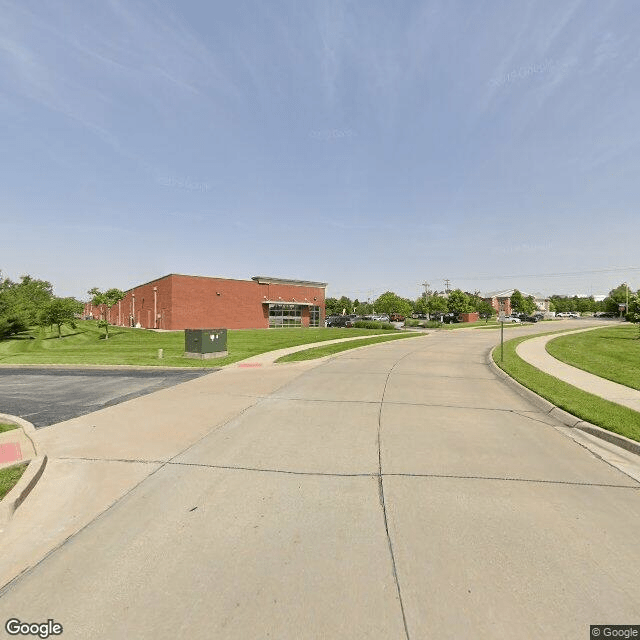
129 Klondike Crossing, St. Peters, MO 63376
To contact a resident: (636) 928-4200
For more information about senior living options: (866) 208-4318
Chestnut Terrace II Costs & Pricing
Chestnut Terrace II offers competitive pricing for its residential options when compared to St. Charles County and the broader state of Missouri. For those considering a semi-private room, the monthly cost at Chestnut Terrace II is $5,040, which exceeds both the county average of $4,408 and the state average of $3,772. Similarly, the studio option at Chestnut Terrace II is priced at $5,940, notably higher than the county's rate of $4,151 and significantly above Missouri's average of $3,418. While these costs may be higher than local and state trends, they may reflect additional services or amenities provided at Chestnut Terrace II that prioritize resident care and comfort.
| Floor plans | Chestnut Terrace II | St. Charles County | Missouri |
|---|---|---|---|
| Semi-Private | $5,040 | $4,408 | $3,772 |
| Studio | $5,940 | $4,151 | $3,418 |
Memory care communities with a similar price nearby
-
About the same
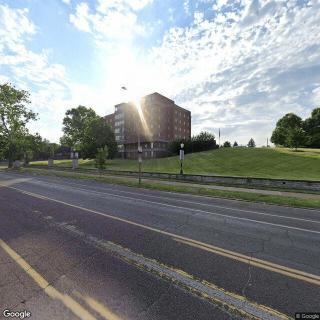
Bavaria Memory Care at the St. Louis Altenheim
$5,190 / month24.5 miles away -
from -$890 / mo
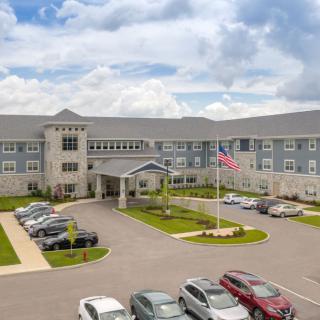
Clarendale of St. Peters
$4,150 to $5,720 / month2.2 miles away -
from +$359 / mo
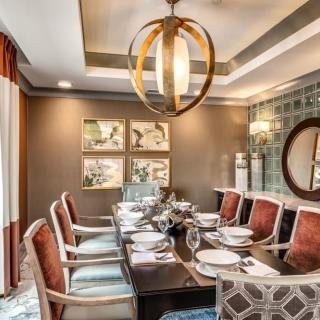
Anthology of Wildwood
$5,399 to $7,999 / month14.7 miles away -
from +$359 / mo
Anthology of Town & Country
$5,399 to $7,999 / month10.2 miles away -
About the same

Allegro Richmond Heights
$4,900 to $8,900 / month18.4 miles away
Overall Review of Chestnut Terrace II
Pros
 The staff are wonderful and treat residents with care.
- Residents are treated as part of the family, with love and compassion from the staff.
- Chestnut Terrace provides a family-like atmosphere where residents thrive.
- The facility is well managed and professionally staffed, with excellent health communications.
- Families are kept fully informed about their loved ones’ health and needs.
- The environment feels like a home, where residents are comfortable and well cared for.
Cons
 There is turnover in staff.
- The disease is horrible.
Review
Chestnut Terrace II in St. Peters, MO is best suited for families seeking a genuinely home-like assisted living experience where every resident can expect attentive, personalized care. The community excels when residents thrive on a warm, intimate setting, not a sprawling campus. Here, staff are described as wonderful, with a cadre of long-tenured caregivers who treat residents as if they were their own. The result is a quiet confidence that seniors are known by name, with daily routines tailored to individual needs. For families who want transparent, frequent communication and reassurance about health matters, Chestnut Terrace II stands out as a reliably steady choice.
That said, this may not be the ideal fit for every situation. If a resident or family is seeking a large, bustling campus with a wide array of on-site activities and amenities, or requires a higher level of medical complexity and specialized services, alternatives should be explored. The small, intimate nature of Chestnut Terrace II is its strength, but that same size can be limiting for those who crave more breadth in programming or more robust supports for advanced care needs. The decision should hinge on whether a homey atmosphere and strong caregiver continuity trump the desire for scale and variety.
The positive attributes form the core of Chestnut Terrace II’s value. The staff’s warmth and dedication translate into a daily sense of belonging for residents. Families repeatedly note that residents are treated as family, a culture that translates into genuine compassion and attentive care. The small scale enables caregivers to know nuanced preferences, routines, and changing needs, which minimizes the risk of neglect and helps residents stay comfortable. This is not a facility that feels clinical; it feels like a well-managed home where staff anticipate needs and respond with thoughtful, consistent care.
At the same time, a practical observer will acknowledge the potential downside of a small operation. Turnover in staff is mentioned, albeit alongside a substantial contingent of long-time, devoted employees. The key offset here is the visible stability of core staff and the high level of communication with families. When health issues arise, the team is described as proactive and thorough, keeping families fully informed and involved. The combination of personal attention, clear updates, and professional management tends to blunt the impact of turnover on day-to-day quality, ensuring residents remain comfortable and engaged.
For families evaluating whether to move a loved one here, several questions and observations can help crystallize the decision. Ask about how caregiver assignments are managed on swings and weekends, how communication is structured (daily notes, phone calls, or portal updates), and how health changes are escalated and documented. Observe how staff interact with residents, whether conversations feel individualized, whether residents’ preferences are honored, and how transitions in routine are handled. Consider the resident’s social needs as well; a smaller setting can offer fewer formal activities, so confirm that informal engagement and purposeful programming align with expectations for meaningful daily life.
In sum, Chestnut Terrace II represents a compelling choice for seniors who prize a warm, family-like environment with highly attentive, communicative staff. The community’s strengths, personalized care, a welcoming home atmosphere, and transparent health communication, often outweigh the realities of a smaller operation and occasional turnover. For families prioritizing continuity, dignity, and daily comfort in a close-knit setting, Chestnut Terrace II earns strong endorsement. Those who require a larger campus, extensive activity calendars, or advanced medical capabilities should explore alternatives, but for the right fit, this is a standout option in the St. Peters area.
 Memory Care
 Activities off-site
 Bath tubs
 Devotional services off-site
 Indoor common areas
 Outdoor common areas
 Wheelchair accessible showers
 Lambert-St Louis International (13 miles away)
 Ambulatory care
 Diabetic care
 High acuity care
 Incontinence care
 Meals provided
 8 Important Indicators That Memory Care May Be Necessary
 Delving into the Inner World of Dementia: Insights into Thoughts and Awareness
 Five Subtle Dementia Indicators to Observe: An In-Depth Guide to Understanding “Does My Mom Have Dementia?”