Stonebridge Maryland Heights Costs & Pricing
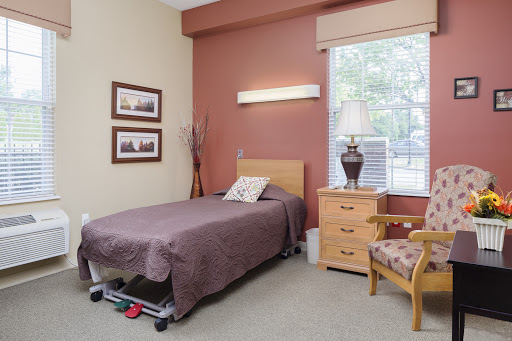
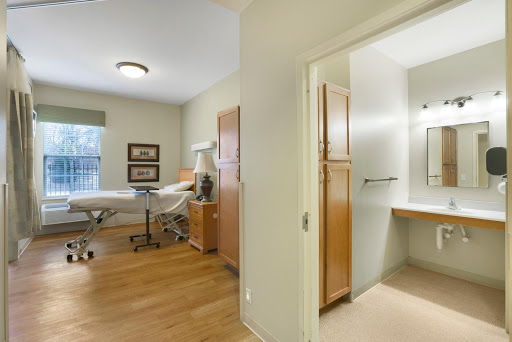
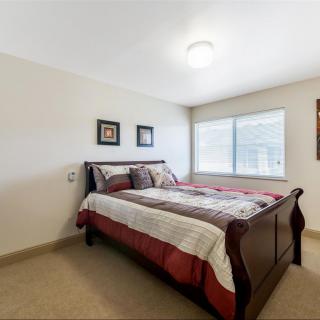
At Stonebridge Maryland Heights, the monthly costs for various room types reflect a competitive positioning within the St. Louis County and Missouri markets. For a semi-private room, residents can expect to pay $4,350, which is slightly lower than the county average of $4,438 but higher than the state average of $3,772. In terms of private accommodations, Stonebridge offers its rooms at $4,950 - this rate surpasses both the county's average of $4,622 and Missouri's average of $4,483. The cost for studios stands at $5,250, which is notably higher than both the county's average of $4,203 and significantly above the state's average at $3,418. Overall, while Stonebridge Maryland Heights presents a range of options that are competitive with regional averages for some room types, it reflects premium pricing in others - particularly for private and studio accommodations.
| Floor plans | Stonebridge Maryland Heights | St. Louis County | Missouri |
|---|
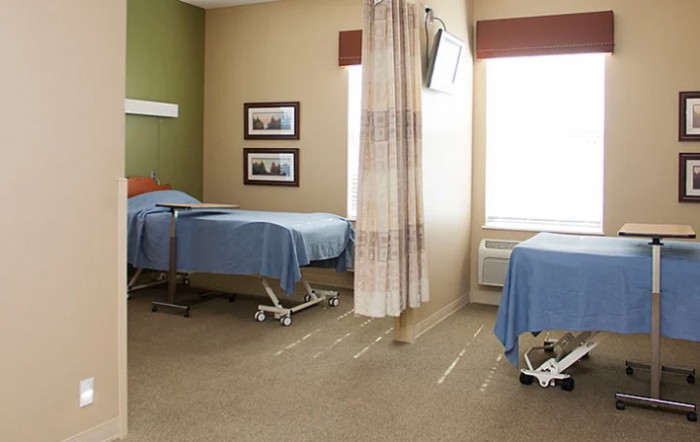
| Semi-Private | $4,350 | $4,438 | $3,772 |
| Private | $4,950 | $4,622 | $4,483 |
| Studio | $5,250 | $4,203 | $3,418 |
Skilled Nursing Facilities with a similar price nearby
-
About the same
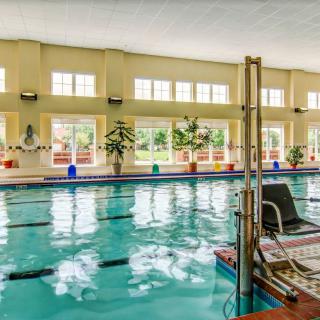
Chestnut Glen Senior Living
$4,290 to $5,670 / month
9.3 miles away
-
from -$850 / mo
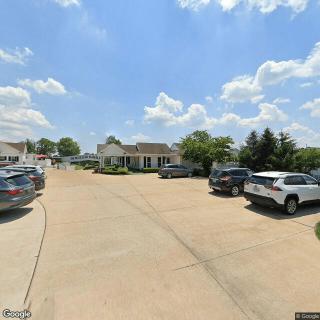
Lutheran Senior Services At Meramec Bluffs
$3,500 / month
13.2 miles away
-
from +$212 / mo
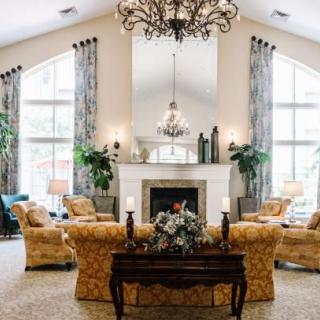
Mari De Villa Retirement Ctr
$4,562 / month
7.9 miles away
-
from -$655 / mo
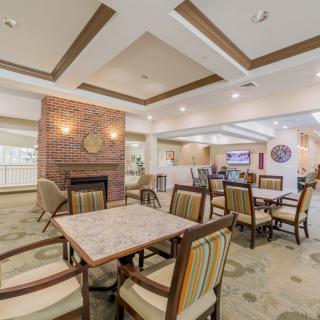
Park Place at Winghaven
$3,695 to $6,600 / month
16.3 miles away
-
from +$250 / mo
The Landing Of Ofallon
$4,600 to $7,280 / month
13.8 miles away
Overall Review of Stonebridge Maryland Heights
common
26 reviews mention this
Cleanliness is a major split
Cleanliness is frequently mentioned, both positively and negatively.
Many residents and families describe the building as very clean, including rooms and common areas, and some mention that it smells fresh instead of unpleasant odors. Other reviewers report problems like unclean bathrooms, dirty rooms, sticky floors, and strong smells. Several comments connect cleanliness to confidence in care, while the negative accounts describe the lack of cleaning as a recurring issue.
common
24 reviews mention this
Staff care brings highs
Staff compassion and responsiveness stand out in many accounts.
A large group of reviews emphasizes that staff members are kind, attentive, and emotionally invested, with families describing frequent greetings and feeling supported during health changes. Some reviewers also praise specific roles like nursing, therapy, and social work, saying communication and follow-through were strong. At the same time, a notable number of reviews criticize staff behavior, including rudeness, being hard to reach, and concerns about neglect when call lights or medications are involved.
caveat
20 reviews mention this
Staffing and call-light concerns recur
Several reviewers describe understaffing and delays in getting help.
Some residents and families say they experienced difficulty getting staff when they needed assistance, including problems with call lights and long waits. Several negative reviews also mention medication timing problems, missed care tasks, and delayed responses to health concerns. A few reviews note that things have improved over time or that staffing transitions were shaky, but the most severe accounts describe this as ongoing and serious.
common
16 reviews mention this
Dining quality and preferences
Dining quality is mentioned often, including both praise and complaints.
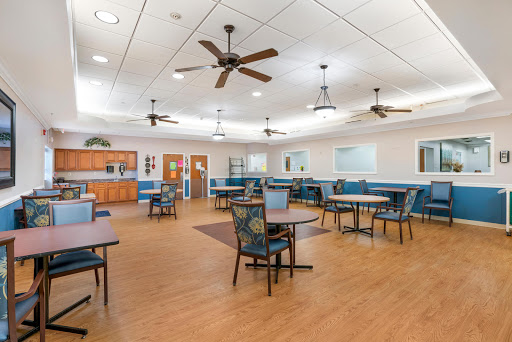
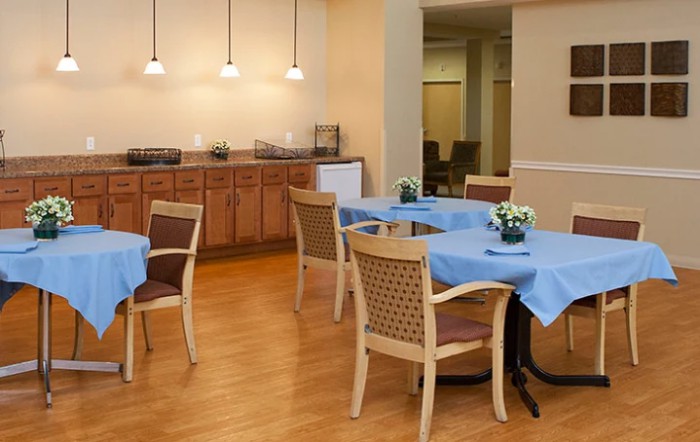
Some reviewers say the food is good or better than expected, with meals described as balanced and suitable for residents’ dietary needs. Others report that meals are served cold, arrive late, or are not appealing, sometimes tying this to missed meals in rooms. The community offers restaurant-style dining and lists multiple support services for dietary needs, which matches why meals come up repeatedly in reviews.
common
12 reviews mention this
Activities help residents stay engaged
Residents are regularly described as having activities to join.
Reviews frequently mention scheduled daily activities, day rooms, and group events like music and bingo, with some families saying their loved ones stay social and look forward to what’s planned. A few reviewers also describe therapy and outings as part of helping residents stay active. Other accounts are less focused on activities and instead center on care issues, but the overall pattern is that programming is a visible part of daily life for many residents.
differentiator
10 reviews mention this
Memory care gets mixed reviews
Memory care programming and supervision are central to many experiences.
Several reviewers say the memory care setup supported their loved ones with socialization, structured engagement, and care that felt appropriate for dementia. Others express concerns specific to memory care, including claims of poor supervision and unaddressed needs, which undermines confidence for those families. Because the community offers memory care as well as skilled nursing, it’s especially important in reviews whether residents are being monitored and supported consistently.
How we summarize
Counts show how many written reviews mention each theme; a review can touch several themes, and only frequently mentioned themes are displayed.

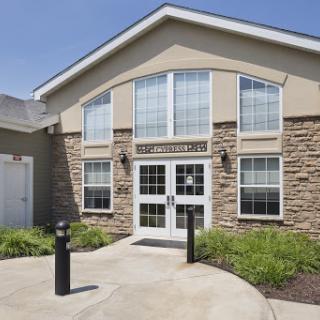
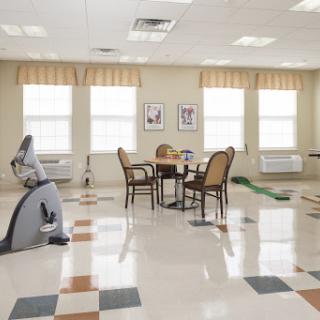
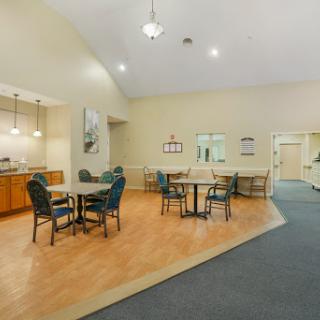
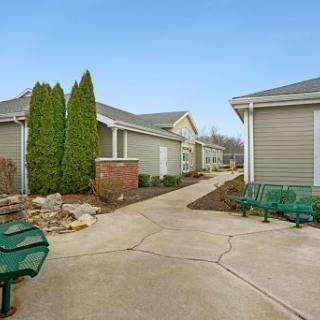
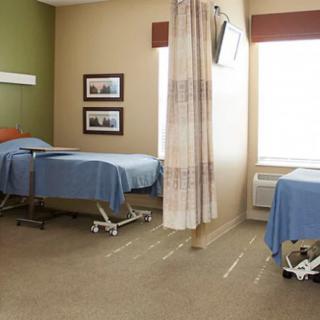
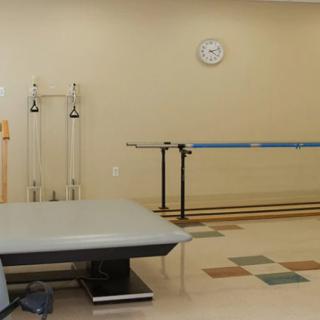
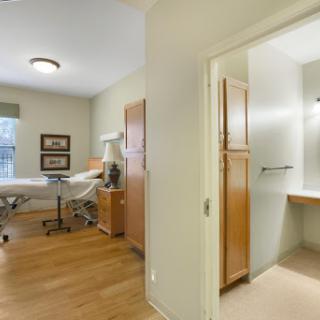
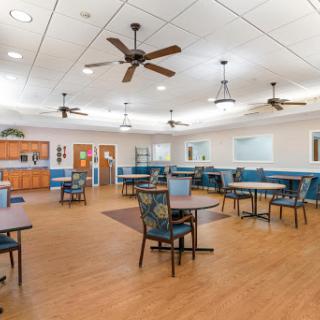
 223 resident community capacity
 Memory Care
 Skilled Nursing Facility
 Air-conditioning
 Beauty salon
 Cable or satellite TV
 Computer center
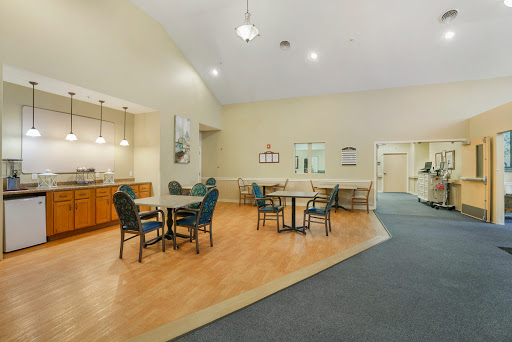
 Dining room
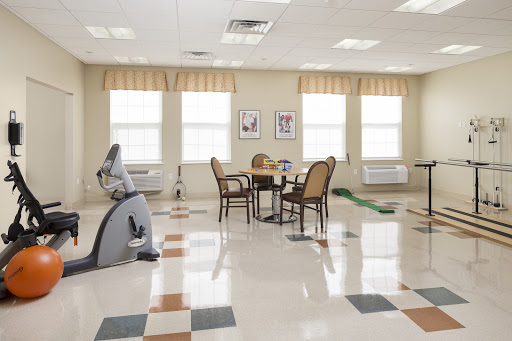
 Fitness room
 Fully furnished
 Gaming room
 Garden
 Housekeeping services
 Kitchenette
 Move-in coordination
 Outdoor space
 Private
 Private bathrooms
 Restaurant-style dining
 Small library
 Telephone
 Wellness center
 Wi-Fi/high-speed internet available
 Lambert-St Louis International (4 miles away)
 Community operated transportation
 24-hour call system
 Activities of daily living assistance
 Assistance with bathing
 Assistance with dressing
 Assistance with transfers
 Diabetes diet
 Medication management
 Special dietary restrictions
 Concierge services
 Planned day trips
 Some staff provide attentive care and meals are reportedly good.

 A Detailed Exploration of Assisted Living Medicaid Waivers Across the United States
 Exploring the Contrasts Between Assisted Living and Skilled Nursing
 Vibrant Senior Living: A Comprehensive Guide for Active Older Adults