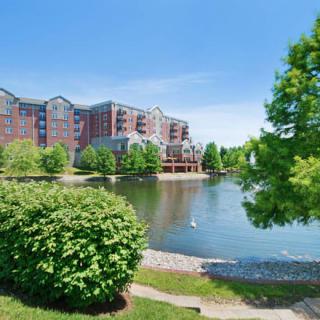
NHC Healthcare - Maryland Heights

Information last verified:

2920 Fee Fee Road, Maryland Heights, MO 63043

For more information about senior living options: (844) 490-3973

3.3 from 88 reviews
5 stars
41
4 stars
8
3 stars
4
2 stars
4
1 stars
31

Overall Review of NHC Healthcare - Maryland Heights

Pros

  • pro The nurses and therapists are praised for being caring, helpful, and informative.
  • pro The facility is consistently described as clean, well-maintained, and welcoming.
  • pro Residents enjoy a wide range of daily activities and plentiful entertainment.
  • pro The meals are frequently described as tasty, nutritious, and served on time.
  • pro Staff are seen as professional, compassionate, and dedicated to each resident’s well-being.
  • pro Families feel welcomed, informed, and supported by front desk staff and social workers.
  • pro The memory care units are thoughtfully organized to meet different levels of need.
  • pro The overall atmosphere is warm, humane, and like a family environment.

Cons

  • pro The front desk receptionist is rude.
  • pro The whole facility smells like urine.
  • pro They shorted my grandpa on his pills.
  • pro The staff frequently ignores call buttons and provides little timely care.
  • pro The care is neglectful and sometimes abusive.
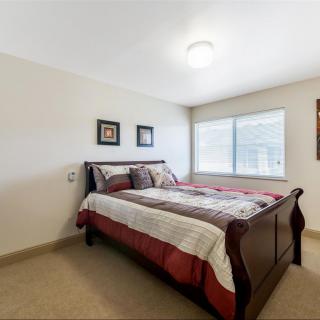
  • pro The beds are terrible and uncomfortable for rehab.
  • pro The food is terrible, often cold and flavorless.
  • pro The rooms are dirty and poorly maintained.
  • pro Some staff steal residents’ belongings and make up excuses.

Review

This community is best suited for families seeking a lively skilled-nursing and rehabilitation environment where care feels personal, staff establish real connections with residents, and the daily life of the facility centers on activity, engagement, and a home-like atmosphere. Reviewers consistently flag strong rehabilitative services, dedicated nurses and aides, and a team that treats residents as people rather than numbers. The place emphasizes relationship-building: therapists, social workers, and nursing staff who know individual histories, communicate regularly with families, and coordinate care in ways that feel collaborative. The environment is described as warm and busy, with day-long programming, on-site doctors and memory-care options that are segmented to match needs. For families prioritizing meaningful therapy, social interaction, and a sense that a resident’s day has purpose, this is a compelling fit.

Those who may want to consider alternatives are families that require extremely consistent, highly responsive care across all hours, or who worry about documented issues with communication, staffing, and medication management. A portion of reviews highlights recurring concerns: front-desk staff who feel off-putting to visitors, noticeable delays in call-button responses, and reports of inadequate oversight in some shifts. Several families describe frustrations with short staffing, particularly after 5 pm or on weekends, and there are multiple anecdotes alleging missed meals, delayed medications, or care gaps in acute moments. For families whose priorities include near-perfect reliability, unambiguous medication safety, or robust oversight by administration at every hour, a different facility with a more uniform staffing model may be prudent.

The core pros, robust rehabilitation programs, attentive nursing and therapy staff, abundant activities, and a genuine sense of community, often offset many of the facility’s drawbacks, especially for residents who truly value ongoing therapy and social engagement. Rehab teams are praised for progress, and case managers or social workers frequently receive credit for keeping families informed and involved. The Eden-inspired influences, live programming, and even animals onboard create a nurturing atmosphere that supports mood and motivation. Cleanliness and a welcoming, homelike vibe are repeatedly mentioned, with facilities and spaces described as accommodating for families who visit often. When therapy goals and family collaboration align, these strengths produce tangible improvements in mobility, confidence, and overall well-being that can outweigh some operational irritants.

However, the cons carry real weight for anyone evaluating long-term placement. A consistent thread among reviews is variable staffing levels, especially outside peak daytime hours, which translates into slower call-button responses and uneven care experiences. Accounts range from praise for interpersonal warmth to accusations of neglect and, in extreme cases, medical mismanagement. Several families cite inconsistencies around meals, medication administration, and bedside attention, including allegations of improper dosing and delayed treatments. Maintenance and housekeeping quality also appears to vary, with some residents reporting odors or clutter while others describe spotless, well-kept environments. These contrasts matter: even the best rehab program cannot compensate for reliability gaps, unresponsive staff, or lapses in basic daily care.

From a practical decision-making standpoint, prospective families should approach a tour with a structured checklist focused on concrete safeguards. Inquire about staffing ratios by shift and unit, especially evenings and weekends; request recent quality-assurance data and any open investigations; ask to meet the director of nursing and the rehab leadership to gauge responsiveness and transparency. Observe the memory-care units if the loved one needs that level of support, and confirm how residents are assessed for safety and how transitions between units are managed. Sample a meal in both dining areas, talk with dietary staff about menu flexibility and dietary restrictions, and spend time in common areas to gauge how often residents are engaged. Finally, insist on speaking with multiple families about discharge planning, communication patterns, and how concerns are escalated.

Bottom line: NHC Maryland Heights delivers a compelling package for families prioritizing active rehab, resident-centered care, and a sociable, caring culture. The facility’s strengths, therapist expertise, attentive nursing, consistent family updates, and an atmosphere that feels like home, create meaningful advantages for many residents. Yet the reviews cannot be ignored: there are credible, repeated complaints about staffing variability, response times, and certain care-management gaps that can undermine safety and trust. For families where reliability and flawless medication safety are non-negotiable, a careful, time-boxed due-diligence process is essential, and exploring alternative facilities with stronger staffing consistency may be warranted. The prudent path combines a thorough on-site evaluation with candid conversations about expectations, and a clear plan for ongoing oversight once a loved one is in care.

Features

Housing

  • 220 resident community capacity 220 resident community capacity

Types of Care

  • Skilled Nursing Facility Skilled Nursing FacilitySkilled Nursing Facilities are crucial for seniors as they provide round-the-clock medical care, rehabilitation services, and assistance with daily activities. These facilities ensure that seniors receive the specialized care they need to maintain their health and well-being as they age.

Amenities

  • Air-conditioning Air-conditioningAir conditioning is important for seniors as they are more vulnerable to heat-related illnesses and may have underlying health conditions that make it difficult for them to regulate their body temperature. It helps to keep them comfortable, safe, and healthy in hot weather.
  • Beauty salon Beauty salonBeauty salons are important for seniors because they provide a space for them to feel pampered, socialize, and maintain their personal grooming and hygiene. Regular visits to a beauty salon can help boost seniors' self-esteem and overall well-being.
  • Cable or satellite TV Cable or satellite TVCable or satellite TV is important for seniors because it provides entertainment, news, and companionship, helping to combat loneliness and boredom. It also offers a wide range of programming options tailored to different interests and preferences.
  • Computer center Computer centerA computer center is essential for seniors as it provides access to technology, communication tools, and resources that can enhance their daily lives. It allows them to stay connected with loved ones, engage in online activities, and learn new skills, ultimately promoting socialization and mental stimulation.
  • Dining room Dining roomDining rooms are important for seniors as they provide a space for socialization, connection, and nutritious meals. They offer opportunities for residents to bond over shared meals, foster a sense of community, and promote healthy eating habits. Dining rooms also ensure that seniors have access to well-balanced meals tailored to their dietary needs and preferences.
  • Fitness room Fitness roomHaving a fitness room in a senior living community is essential for seniors to stay active, maintain their physical health, and improve their overall well-being. Regular exercise can help prevent falls, reduce the risk of chronic diseases, and promote mental sharpness. It also provides social opportunities for residents to connect with others and enjoy a sense of community.
  • Fully furnished Fully furnishedFully furnished senior living communities are important for seniors because they provide convenience, comfort, and a hassle-free moving experience. Seniors can easily settle into their new living space without the stress of having to buy and move furniture. This allows them to focus on enjoying their new home and community.
  • Gaming room Gaming roomGaming rooms are important for seniors as they provide a fun and engaging environment for socializing, cognitive stimulation, and physical activity. Games can improve memory, problem-solving skills, and overall mental well-being while fostering friendships and reducing feelings of isolation.
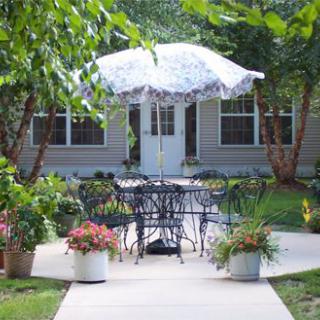
  • Garden GardenGardens are important for seniors as they provide a peaceful and therapeutic environment for relaxation, physical activity, and socialization. Being in nature has been shown to reduce stress, improve mood, and promote overall well-being. Gardens also offer opportunities for seniors to engage in gardening activities, which can improve mobility, flexibility, and cognitive function. Additionally, gardens create a sense of community and connection with others who share a passion for plants and outdoor spaces.
  • Housekeeping services Housekeeping servicesHousekeeping services are important for seniors because they help maintain a clean and safe living environment, promote independence, and reduce the risk of accidents or illnesses. Additionally, having assistance with household chores can alleviate physical strain and allow seniors to focus on other aspects of their well-being.
  • Kitchenette KitchenetteKitchenettes are important for seniors living in senior living communities because they provide the convenience and independence of being able to prepare simple meals and snacks in the comfort of their own living space. This can help promote a sense of autonomy and well-being for seniors, allowing them to maintain some level of control over their dietary choices and daily routines.
  • Move-in coordination Move-in coordinationMove-in coordination is important for seniors because it helps ease the transition into their new living environment. It ensures that all logistics, such as packing, organizing movers, and setting up utilities are taken care of, allowing seniors to focus on settling in and adjusting to their new home. Having a smooth move-in process can alleviate stress and anxiety, making the transition smoother and more enjoyable for seniors.
  • Outdoor space Outdoor spaceOutdoor spaces are important for seniors as they provide opportunities for physical activity, social interaction, exposure to natural light and fresh air, and a sense of connection to nature. Having access to outdoor spaces can improve overall well-being and quality of life for older adults living in senior communities.
  • Private bathrooms Private bathroomsPrivate bathrooms are important for seniors in senior living communities because they provide independence, dignity, and comfort. Having a private bathroom allows seniors to maintain their personal hygiene routines without the need for assistance, promoting a sense of autonomy and privacy. Additionally, private bathrooms help prevent the spread of infections and provide a safe and clean environment for seniors to navigate safely.
  • Restaurant-style dining Restaurant-style diningRestaurant-style dining is important for seniors because it allows them to enjoy delicious, nutritious meals in a social and upscale setting. This enhances their dining experience, promotes healthy eating habits, and fosters socialization with fellow residents, ultimately contributing to their overall well-being and quality of life.
  • Small library Small librarySmall libraries are important for seniors as they provide access to a variety of reading materials, including books, newspapers, and magazines. This can help stimulate their minds, keep them engaged, and provide a sense of community through book clubs and other social activities. Additionally, reading has been shown to improve cognitive function and overall mental well-being in older adults.
  • Telephone TelephoneTelephones are important for seniors as they provide a lifeline for communication with loved ones, emergency services, and healthcare providers. They offer a sense of security and independence, enabling seniors to stay connected and access assistance when needed.
  • Wellness center Wellness centerWellness centers are important for seniors because they offer a variety of programs and services that promote physical, mental, and emotional well-being. These centers provide opportunities for exercise, socialization, education, and relaxation, helping seniors maintain their overall health and quality of life.
  • Wi-Fi/high-speed internet available Wi-Fi/high-speed internet availableWi-Fi/high-speed internet is important for seniors to stay connected with loved ones, access online resources, and participate in virtual activities to combat feelings of loneliness and isolation. It also allows them to easily manage healthcare needs, access entertainment, and engage in lifelong learning opportunities.

Transportation

  • Lambert-St Louis International (4 miles away) Lambert-St Louis International (4 miles away)
  • Community operated transportation Community operated transportationCommunity operated transportation is crucial for seniors as it provides them with the means to access essential services, social activities, and medical appointments. It allows seniors to maintain their independence and quality of life by ensuring they can participate in activities outside of their homes. Additionally, community-operated transportation services offer a safe and reliable way for seniors to travel without having to rely on family or friends for assistance.
  • Transportation arrangement Transportation arrangementTransportation arrangements are crucial for seniors as they may face challenges with driving, mobility, or access to public transportation. Having reliable transportation services ensures that seniors can easily attend appointments, social activities, and maintain their independence and quality of life.

Care Services

  • 24-hour call system 24-hour call system24-hour call systems are important for seniors because they provide peace of mind and immediate assistance in case of emergencies. This technology ensures that help is always available, promoting safety and security for elderly individuals living alone or in assisted living facilities.
  • 24-hour supervision 24-hour supervision24-hour supervision is important for seniors to ensure their safety, well-being, and access to immediate assistance in case of emergencies or health issues. This constant support provides peace of mind for both seniors and their loved ones, allowing them to age in place with dignity and security.
  • Activities of daily living assistance Activities of daily living assistanceActivities of daily living assistance are important for seniors because they provide essential support with tasks such as eating, bathing, dressing, and mobility. This assistance helps seniors maintain their independence, dignity, and overall quality of life as they age.
  • Assistance with bathing Assistance with bathingAssistance with bathing is crucial for seniors as it helps maintain personal hygiene, prevents infections, and ensures their overall well-being and comfort. It also provides a sense of dignity and independence for seniors who may struggle with this task on their own.
  • Assistance with dressing Assistance with dressingAssistance with dressing is important for seniors because it helps maintain their independence, promotes personal hygiene, prevents accidents and injuries, and improves overall quality of life. This service ensures that seniors can continue to dress comfortably and confidently, despite any physical limitations they may have.
  • Assistance with transfers Assistance with transfersAssistance with transfers is crucial for seniors as it helps prevent falls and injuries, maintains their independence, and ensures they can safely navigate their living environment. It also provides peace of mind for both seniors and their loved ones.
  • Diabetes diet Diabetes dietA diabetes diet is crucial for seniors as it helps manage blood sugar levels, reduce risks of complications, and improve overall health and well-being. By following a balanced and nutritious diet tailored to their specific needs, seniors can better control their diabetes and enhance their quality of life.
  • Meal preparation and service Meal preparation and serviceMeal preparation and service are crucial for seniors as they may have limited mobility or energy to cook nutritious meals. Having access to healthy and convenient food options can ensure they are getting the proper nutrition needed to maintain their overall health and well-being.
  • Medication management Medication managementMedication management is crucial for seniors to ensure they are taking the right medications at the correct dosages and times. This helps prevent adverse drug interactions, reduces the risk of medication errors, and promotes overall health and well-being. Proactive management also allows for adjustments as needed based on changing health conditions or new prescriptions.
  • Special dietary restrictions Special dietary restrictionsSpecial dietary restrictions are important for seniors because age-related changes in metabolism and health conditions can make it difficult for their bodies to process certain foods. By following a diet tailored to their specific needs, seniors can maintain their overall health and well-being, manage chronic conditions, and reduce the risk of complications such as malnutrition or food interactions with medications.

Dining

  • Diabetes diet Diabetes dietA diabetes diet is crucial for seniors as it helps manage blood sugar levels, reduce risks of complications, and improve overall health and well-being. By following a balanced and nutritious diet tailored to their specific needs, seniors can better control their diabetes and enhance their quality of life.
  • Special dietary restrictions Special dietary restrictionsSpecial dietary restrictions are important for seniors because age-related changes in metabolism and health conditions can make it difficult for their bodies to process certain foods. By following a diet tailored to their specific needs, seniors can maintain their overall health and well-being, manage chronic conditions, and reduce the risk of complications such as malnutrition or food interactions with medications.

Activities

  • Community-sponsored activities Community-sponsored activitiesCommunity-sponsored activities are important for seniors as they provide opportunities for social interaction, mental stimulation, and physical activity. These activities can help improve overall well-being, combat loneliness and isolation, and promote a sense of belonging and purpose among older adults.
  • Concierge services Concierge servicesConcierge services are essential for seniors as they provide assistance with daily tasks and errands, enhance their quality of life by offering convenience and personalized care, and promote a sense of safety and security.
  • Fitness programs Fitness programsFitness programs are crucial for seniors as they help improve strength, flexibility, balance, and overall well-being. Staying active can reduce the risk of chronic diseases, improve mental health, and enhance quality of life in older adults.
  • Planned day trips Planned day tripsPlanned day trips are important for seniors because they offer opportunities for socialization, mental stimulation, and physical activity. They provide a change of scenery and help seniors stay engaged and connected to their community, promoting overall well-being and quality of life.
  • Resident-run activities Resident-run activitiesResident-run activities are important for seniors as they encourage social interaction, creativity, and a sense of autonomy. These activities empower seniors to stay engaged and active in their community while fostering meaningful connections with their peers.
  • Scheduled daily activities Scheduled daily activitiesScheduled daily activities are important for seniors because they provide structure, socialization, mental stimulation, and physical activity. Engaging in regular activities can improve overall well-being and quality of life for seniors living in a community setting.

Description

NHC Healthcare - Maryland Heights is an assisted living community located in Maryland Heights, MO. This community is dedicated to providing a comfortable and enjoyable living environment for seniors.

The amenities offered at NHC Healthcare - Maryland Heights include a beauty salon, cable or satellite TV, community operated transportation, a computer center, a dining room, a fitness room, fully furnished accommodations, a gaming room, a garden, housekeeping services, kitchenettes in each room, move-in coordination assistance, outdoor space for relaxation and activities, private bathrooms for residents' convenience and privacy, restaurant-style dining options, a small library for reading enthusiasts, telephone access in every room for easy communication with loved ones and caregivers or staff members on-site when needed.

Care services at this community are designed to provide 24-hour supervision and assistance with activities of daily living such as bathing and dressing. Staff members are trained to assist with transfers if necessary. Special dietary needs like diabetes diets or other restrictions are also accommodated. Medication management is provided to ensure residents take their medications correctly and on time. Transportation arrangements can be made for medical appointments or outings.

Residents at NHC Healthcare - Maryland Heights can enjoy a variety of activities including fitness programs to stay active and healthy. Planned day trips allow residents to explore the surrounding area. Resident-run activities encourage socialization among peers within the community. Scheduled daily activities provide opportunities for entertainment and engagement.

The location of NHC Healthcare - Maryland Heights offers convenience with two cafes nearby for outings or gatherings with friends or family members. One park nearby allows residents to enjoy nature and outdoor activities. There are several pharmacies conveniently located nearby for prescription needs. Many restaurants in the area provide dining options for residents who may want to explore different cuisines. Transportation options nearby make it easy for residents to access various locations within the community. There is also one theater nearby that offers entertainment options. Additionally, there are three hospitals nearby which provides peace of mind knowing medical assistance is accessible if needed.

Overall, NHC Healthcare - Maryland Heights offers a wide range of amenities and care services to ensure residents' comfort, safety, and well-being. The community provides opportunities for socialization, engagement in activities, and convenient access to nearby amenities and services.

Videos

Nearby Places of Interest

Restaurants

  • Syberg's Dorsett (1.5 miles)
  • McDonald's (1.6 miles)
  • St Louis Bread Company (2 miles)
  • St Louis Bread Co. (2.1 miles)
  • McDonald's (2.1 miles)
  • Westport Plaza (2.1 miles)
  • McDonald's (2.2 miles)

Pharmacies

  • Schnucks (1.6 miles)
  • Walgreens (1.8 miles)
  • Walgreens (2 miles)
  • Schnucks (2.1 miles)
  • Walgreens (2.2 miles)
  • CVS Pharmacy (2.2 miles)
  • Walgreens (3.4 miles)

Hospitals

  • DePaul Hospital (2.1 miles)
  • DePaul Health Center - Emergency Room (2.1 miles)
  • Barnes-Jewish West County Hospital (4.2 miles)
  • St Joseph's Hospital (5.4 miles)
  • St John's Mercy Surgery Center (5.5 miles)

Transportation

  • Terminal 1 (3 miles)
  • Terminal 1 Passenger Pickup (3.1 miles)
  • St. Louis Lambert International Airport (STL) (3.1 miles)
  • TSA PreCheck A Gates (3.1 miles)
  • TSA Security Checkpoint Gates C & D (3.1 miles)
  • Budget Rent A Car (3.2 miles)
  • Hertz Rent A Car (3.3 miles)

Cafes

  • Panera Bread (3.3 miles)
  • Starbucks (3.7 miles)
  • Panera Bread (5.4 miles)
  • Starbucks (5.8 miles)
  • Made. by Lia (6.9 miles)
  • Old Town Donut Shop (7 miles)
  • Starbucks (7.6 miles)

Parks

  • Creve Coeur Park (3.6 miles)
  • Frontier Park (5.1 miles)
  • Vogt Brothers Park (5.4 miles)
  • Blanchette Memorial Hall (6.4 miles)
  • Shaw Park (6.5 miles)
  • St Ferdinand Park (7.5 miles)
  • Tilles Park Neighborhood (7.7 miles)

Theaters

  • AMC Streets Of St Charles 8 (5 miles)
  • Marcus Theatres (6.5 miles)

Physicians

  • Walsh, Martin Ssm Health Outpatient Center Veterans Memorial Parkway (5.3 miles)
  • University Club Medical (7.6 miles)

Places of Worship

  • St Ann Catholic School (6.5 miles)

Frequently Asked Questions

Where is NHC Healthcare - Maryland Heights?

Nearby Communities

  • Healing Hands Homecare

    Healing Hands Homecare

    Bridgeton, MO

    5 from 2 reviews
     

    pro Proximity to amenities and healthcare.
  • Stonebridge Maryland Heights

    Stonebridge Maryland Heights

    Maryland Heights, MO

    3.2 from 101 reviews
    $4,350 to $5,250 / month

    pro Helpful staff and engaging activities.

  • Parkwood Skilled Nursing And Rehabilitation Center

    Parkwood Skilled Nursing And Rehabilitation Center

    Maryland Heights, MO

    1.9 from 47 reviews
     

    pro Some staff provide attentive care and meals are reportedly good.

  • Gables At Brady Circle

    Gables At Brady Circle

    St. Louis, MO

    3.8 from 33 reviews
    $4,000 to $4,500 / month

    pro Friendly staff in a clean, small-house setting with straightforward pricing.

  • St. Andrews Assisted Living

    St. Andrews Assisted Living

    Bridgeton, MO

    4.3 from 34 reviews
     

    pro Friendly, attentive staff in a clean, intimate setting with engaging activities and good meals.

  • Compassionate Nursing Services

    Compassionate Nursing Services

    Saint Louis, MO

    4 from 20 reviews
     

    pro Responsive service with compassionate caregivers and strong communication.

  • The Sarah Community

    The Sarah Community

    Bridgeton, MO

    4.1 from 36 reviews
    $2,691 to $4,149 / month

    pro Comfortable, clean atmosphere with friendly staff, spacious remodeled rooms, and engaging activities.

  • Autumn View Gardens Creve Coeur

    Autumn View Gardens Creve Coeur

    Creve Coeur, MO

    4.4 from 62 reviews
    $2,690 to $4,890 / month

    pro Friendly, attentive staff in a welcoming, home-like environment.

  • Brookdale Creve Coeur

    Brookdale Creve Coeur

    Creve Coeur, MO

    4.6 from 158 reviews
    $3,295 to $5,775 / month

    pro Friendly, attentive staff with a warm, active community and good dining options.

Related Resources

  • does medicare cover hospiceComprehensive Guide to Medicare Coverage for Hospice Care

    Hospice care focuses on providing comfort and support for individuals nearing the end of life, with Medicare Part A covering services like nursing care and counseling for patients with a terminal illness and a life expectancy of six months or less. While most hospice services are low-cost for eligible patients, families should be aware that certain expenses, such as room and board, may not be covered.

  • caregiver burnoutCaring for Those Who Care: Recognizing, Understanding, and Overcoming Caregiver Burnout

    Caregiver burnout is a common issue resulting from the intense physical, emotional, and mental demands of caregiving, leading to symptoms like fatigue and social withdrawal. To prevent burnout, caregivers should recognize early warning signs and implement self-care strategies, seek support, and prioritize their own well-being alongside that of those they care for.

  • caregiver burnoutCaregiver Exhaustion: Recognizing the Signs and Restoring Your Well-Being

    Caregiver exhaustion, or burnout, stems from the relentless demands of caregiving, leading to emotional and physical depletion characterized by stress, frustration, and neglect of personal needs. Addressing this burden is essential to prevent long-term consequences, with early recognition and support being crucial for caregivers to maintain balance and implement self-care.