
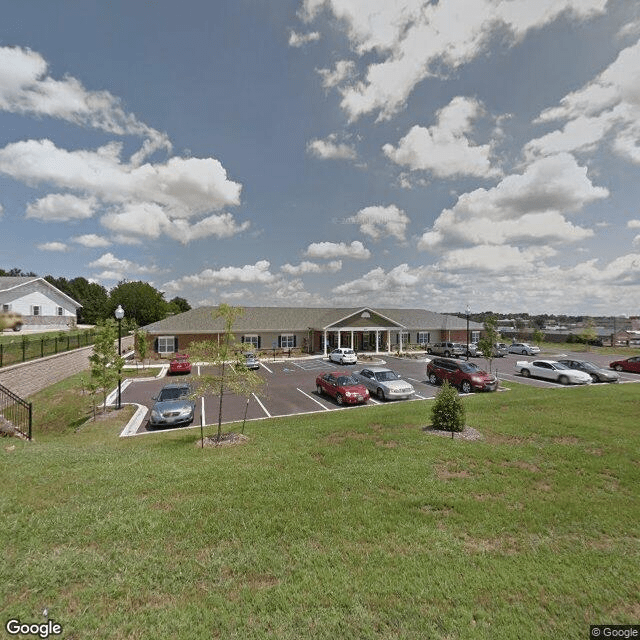
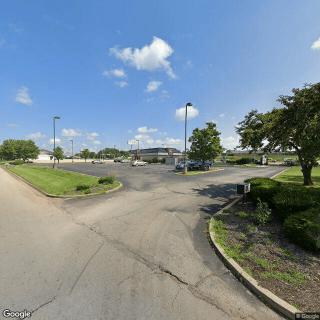
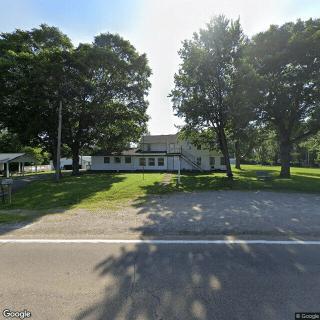
520 Maple Valley Drive, Farmington, MO 63640
To contact a resident: (573) 840-0218
For more information about senior living options: (866) 208-4318
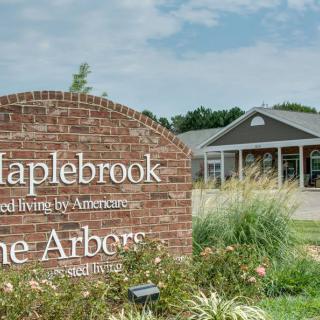
The Arbors at Maplebrook Costs & Pricing
The Arbors at Maplebrook offers a range of accommodations with pricing that reflects its high-quality services and amenities. For semi-private rooms, the monthly cost is $4,650, which is significantly higher than the average costs in St. Francois County at $3,015 and the statewide figure of $3,772. Similarly, the studio apartments at The Arbors are priced at $5,580, surpassing both local and state averages; St. Francois County residents generally pay around $4,478 for similar living arrangements, while Missouri's overall average stands at $3,418. These figures indicate that The Arbors at Maplebrook positions itself as a premium option within the market, emphasizing its commitment to quality care and a superior living experience for its residents.
| Floor plans | The Arbors at Maplebrook | St. Francois County | Missouri |
|---|---|---|---|
| Semi-Private | $4,650 | $3,015 | $3,772 |
| Studio | $5,580 | $4,478 | $3,418 |
Overall Review of The Arbors at Maplebrook
Pros
 The Arbors at Maplebrook feels small and cozy.
- The rooms are very large.
- There are many scheduled activities.
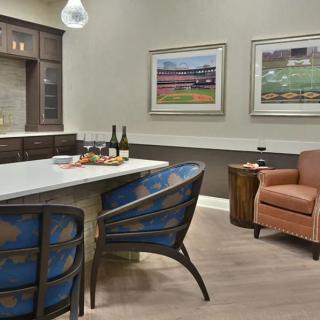
- The on-site kitchen setup lets residents cook with staff, which brings back memories and feels homey.
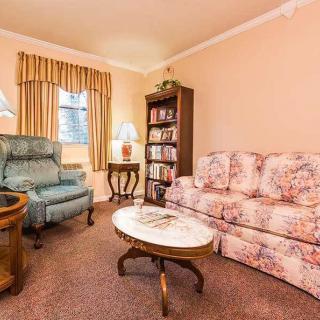
- The overall atmosphere is very much like being at home.
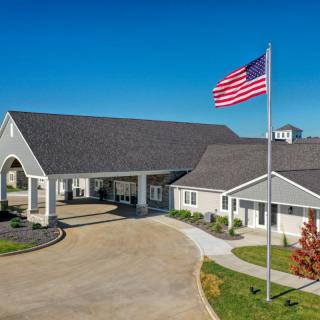
- The outdoor area is secure and pleasant, with a fenced doorway, cameras, and a long sidewalk with grass and flowers along the building.
Cons
 The kitchen activity is reduced to just five potatoes and onions, which may feel insufficient.
- The security setup prevents residents from leaving through the main door, which could feel restrictive.
- The emphasis on security and limited outdoor access might detract from the sense of freedom.
Review
The Arbors at Maplebrook in Farmington, MO is best suited for seniors who want a small, homelike community where social connection and everyday security are central. The space feels intimate, with rooms described as large enough to feel private yet still part of a compact, walkable footprint. Residents have meaningful opportunities to engage in hands-on activities, including a kitchen-like setting where staff and residents cook together, tapping into memories of home life. This approach cultivates a sense of belonging and routine, making it an appealing choice for those who prize comfort, familiarity, and a village feel over a sprawling, hospital-like campus.
Those weighing alternatives should consider markets that offer more extensive medical oversight or larger campuses with broader, more varied programming. If 24/7 nursing care, on-site rehabilitation, memory-care specialization, or a wider array of on-site services are priorities, other communities may deliver more comprehensive coverage. The Arbors has strong social programming and a secure, homey atmosphere, but the information available does not signal a full spectrum of medical resources or specialized dementia care on site, which can be a deciding factor for families with evolving care needs.
The principal advantages align tightly with practical needs and safety priorities. The small, home-oriented environment reduces the sense of institutional distance and fosters easy socialization among residents. Large rooms contribute to a comfortable living space without feeling cramped, supporting longer-term comfort and personal privacy. A strong activity calendar keeps minds engaged, while the kitchen-like activity area offers meaningful, intergenerational moments that can strengthen family traditions and daily routines. Taken together, these positives create a livable rhythm that can offset the typical drawbacks of smaller settings, such as limited turnkey medical services, by delivering a clear sense of purpose and daily structure.
Security and mobility features further enhance suitability for its target residents. The outdoor space is fenced and monitored, and cameras are in place, which supports peace of mind for families and residents alike. The design emphasizes accessibility: there are no long, intimidating hallways, and doors open into common areas, reducing confusion and making social opportunities readily accessible. A sidewalk that runs the length of the building and surrounding greenery encourages safe, casual strolls for walkers, extending outdoor time without compromising safety. These elements collectively bolster independence while maintaining a protective perimeter around daily activities.
Decision-makers should match these strengths against individual care trajectories. The Arbors at Maplebrook is a strong match for seniors who value a tightly knit community, easy navigation, meaningful daytime routines, and secure opportunities to stroll outdoors. It particularly suits those who enjoy social cooking, shared activities, and a home-like ambiance that encourages reminiscence and connection with staff and peers. Families should plan for careful evaluation if future needs might include more intensive nursing support, sharper clinical oversight, or dementia-specific programming, areas where alternatives may offer more comprehensive coverage.
In sum, The Arbors at Maplebrook offers a compelling option for families seeking a small, warm, and engaged environment with real attention to daily life and safety. The combination of large living spaces, interactive activities, and a walkable, secure outdoor area creates a practical, emotionally resonant setting that can significantly ease the transition to assisted living. Those prioritizing a homey vibe, social engagement, and straightforward mobility will find the strongest value here. For cases requiring more robust medical services, larger-scale amenities, or specialized memory-care resources, it is prudent to explore alternatives while recognizing the distinct, down-to-earth strengths that this community brings to everyday living.
 1-bedroom apartments
 Memory Care
 Skilled Nursing Facility
 Cats allowed
 Dogs allowed
 Activities off-site
 Beautician on-site
 Cable or satellite TV
 Computer center
 Devotional services on-site
 Dining room
 Financing advice
 Garden
 Guest parking
 Housekeeping services
 Indoor common areas
 Kitchenette
 Laundry
 Outdoor common areas
 Overnight guests
 Party space
 Respite or short term stays offered
 Spa
Spa Swimming pool
 Wheelchair accessible showers
 Wi-Fi/high-speed internet available
 Transportation & parking
 Ambulatory care
 Diabetic care
 Incontinence care
 Medication management
 Physical therapy
 Guest meals
 Art classes
 Book club
 Cooking classes
 Day trips and outings
 Educational speakers / life long learning
 Fitness programs
 Games
Games Karaoke
 Live musical performances
 Sensory-based programs
 Trivia games
 Wii bowling
 English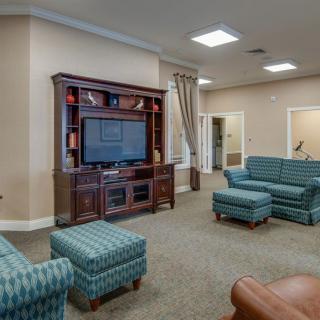

 Are Dementia and Alzheimer's Disease Lethal? A Comprehensive Exploration
 Exploring the Power of Reminiscence Therapy for Individuals With Dementia
 An In-Depth Look at Reminiscence Therapy in Dementia Care