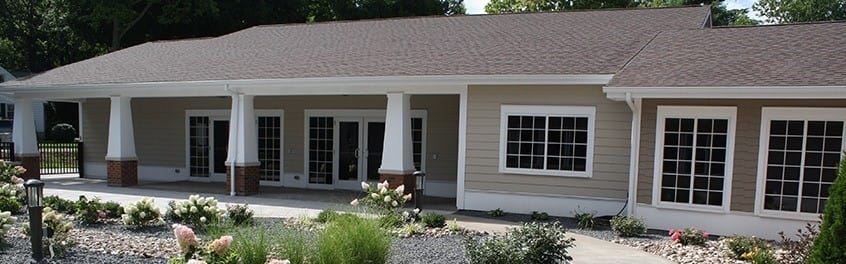
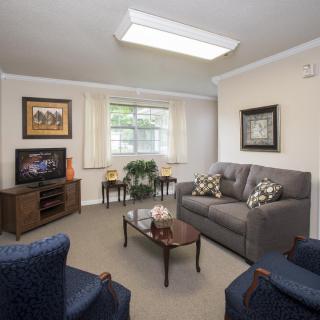

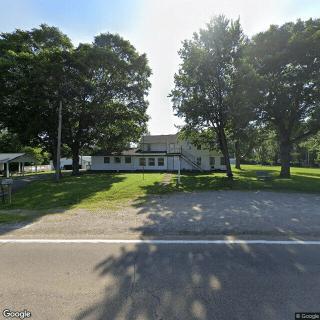
500 Cayce Street, Farmington, MO 63640
For more information about senior living options: (866) 208-4318
Farmington Presbyterian Manor Costs & Pricing
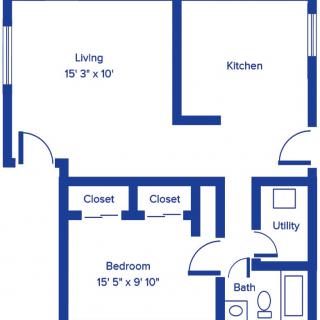
Farmington Presbyterian Manor offers competitive monthly costs in comparison to the broader market in St. Francois County and the state of Missouri. For instance, a one-bedroom apartment at Farmington averages $1,101, significantly lower than the county's average of $3,425 and the state's average of $3,349. Similarly, the two-bedroom option is priced at $1,139, which again presents a stark contrast to the county's average of $3,770 and Missouri's average of $3,675. However, studio accommodations at Farmington are priced higher at $3,362 compared to both regional figures - $4,478 in St. Francois County and a more favorable $3,418 state-wide - indicating that while some options may vary in pricing structure, overall Farmington Presbyterian Manor provides affordable living choices that are well below local norms for individual rooms.
| Floor plans | Farmington Presbyterian Manor | St. Francois County | Missouri |
|---|---|---|---|
| 1 Bedroom | $1,101 | $3,425 | $3,349 |
| 2 Bedrooms | $1,139 | $3,770 | $3,675 |
| Studio | $3,362 | $4,478 | $3,418 |
Overall Review of Farmington Presbyterian Manor
Pros
 The staff at Presbyterian Manor are caring, kind, and truly treat residents like family.
- Residents' dignity is protected at all times, and they receive high-quality care.
- The facility provides comprehensive care across assisted living and memory care.
- Families feel confident that their loved ones are well cared for in a supportive environment.
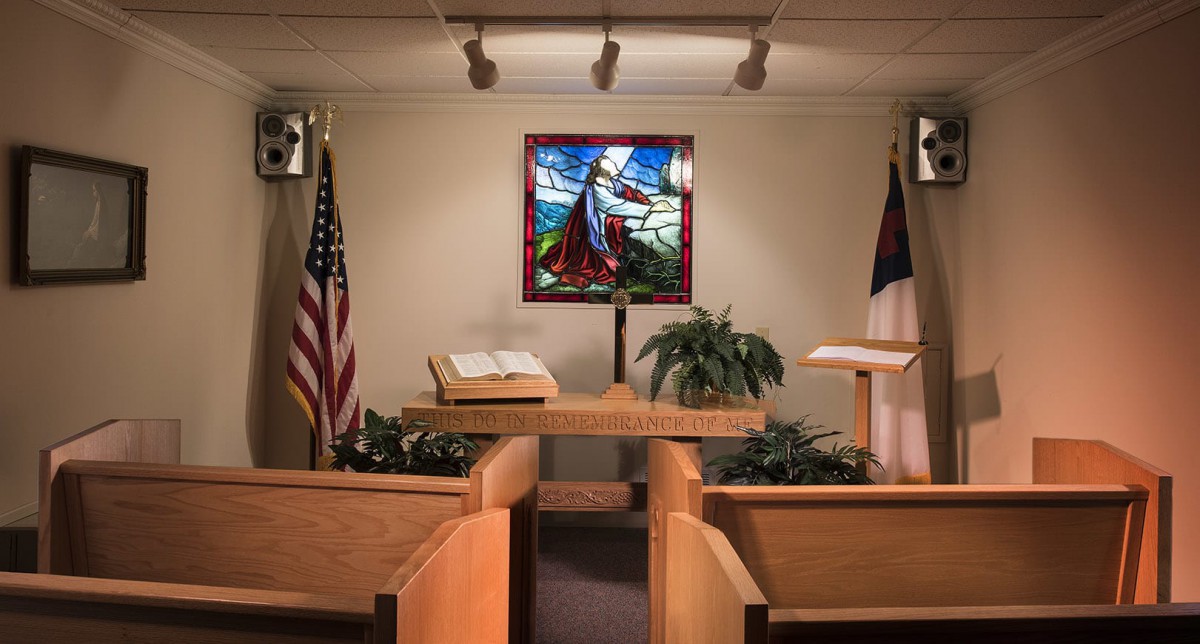
- The community fosters connection through church services, crafts, and a well-stocked library.
- The memory care team is praised for compassion, professionalism, and going above and beyond for residents and their families.
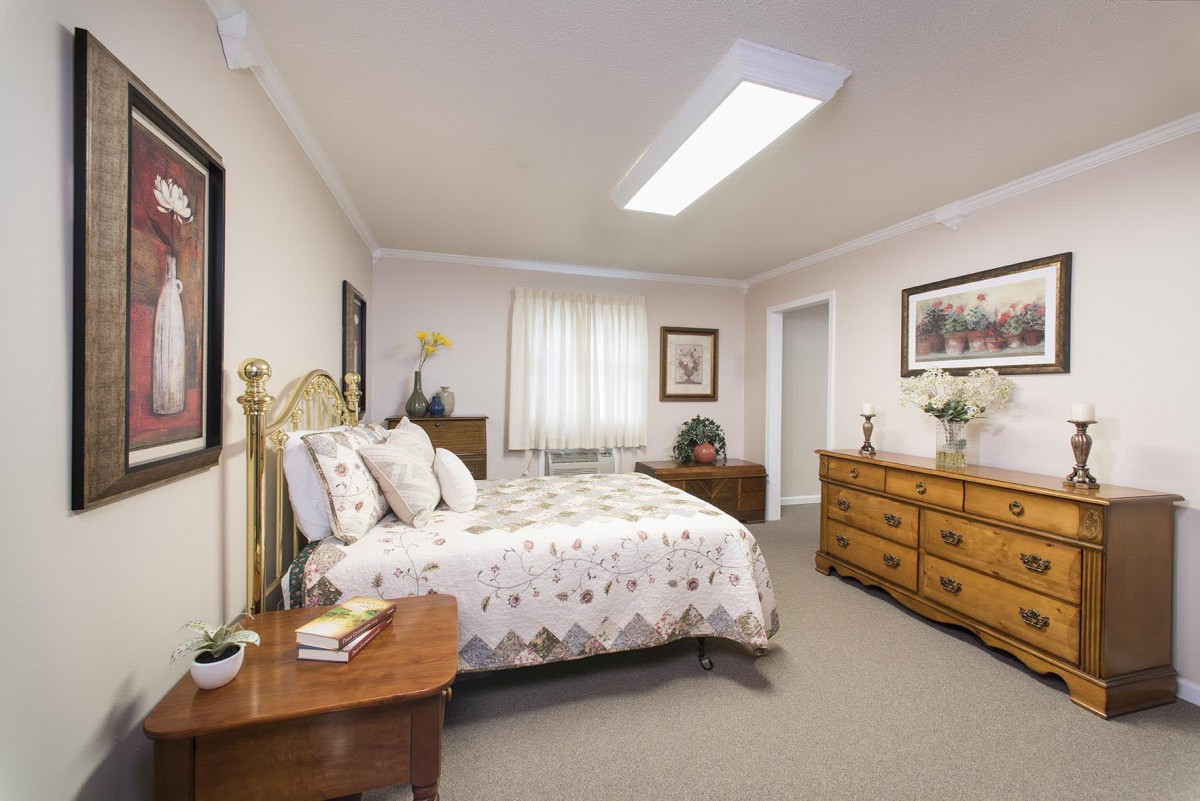
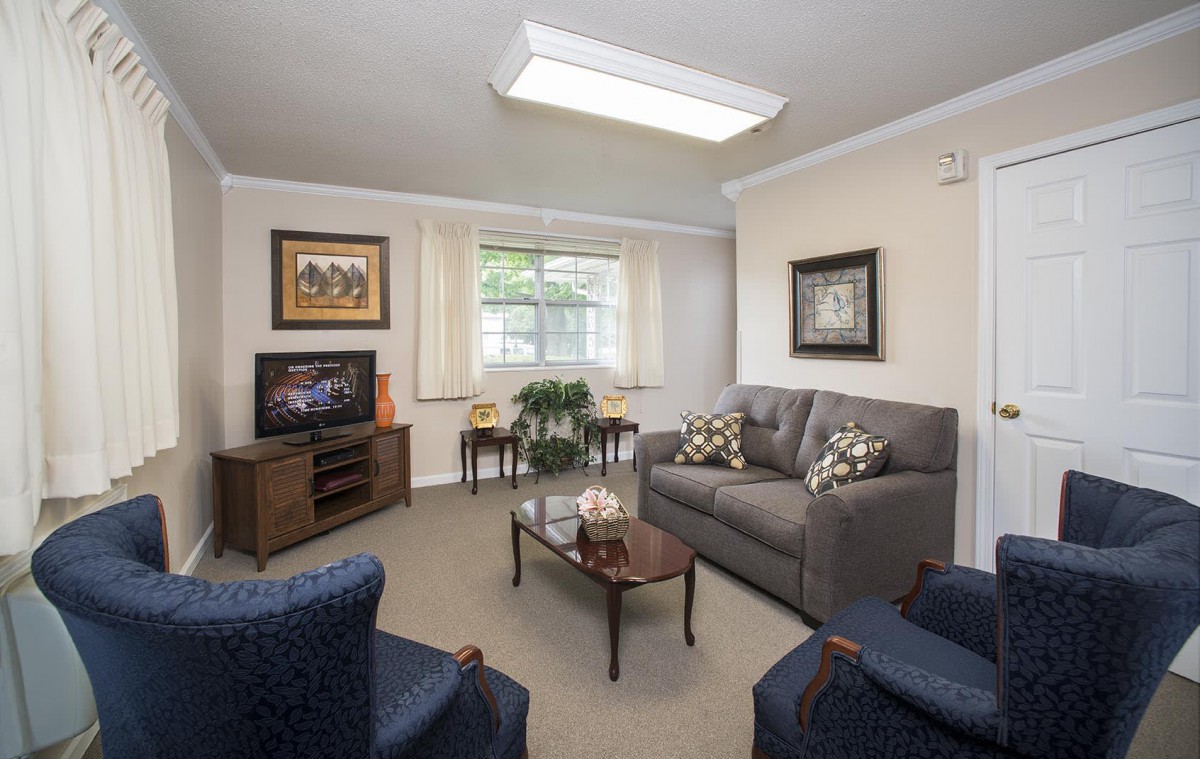
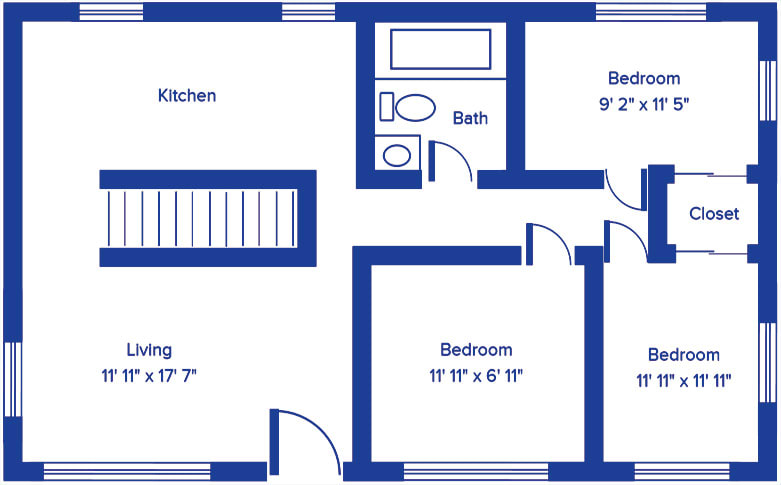
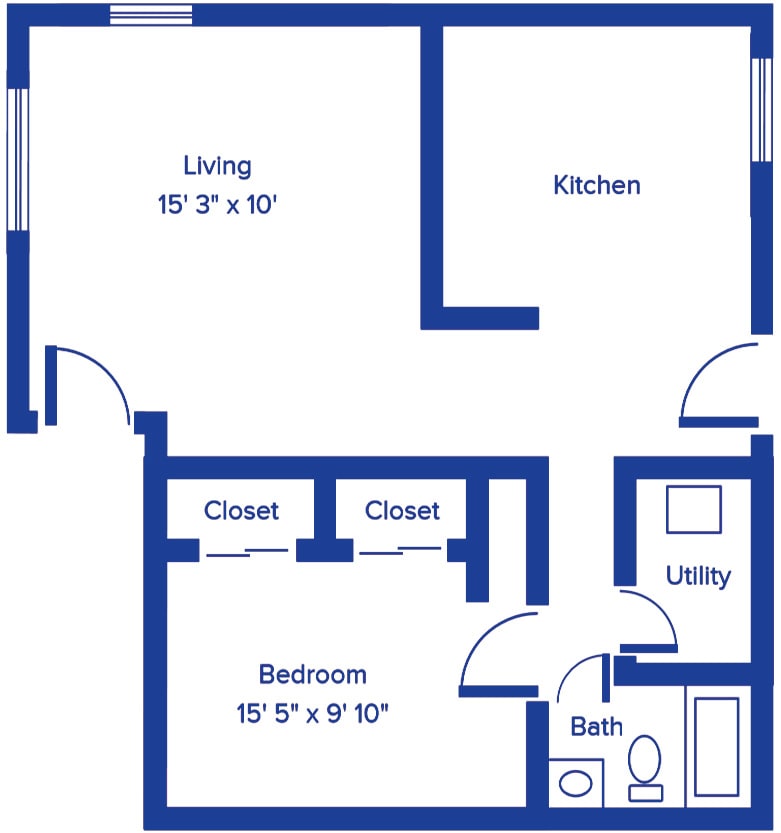
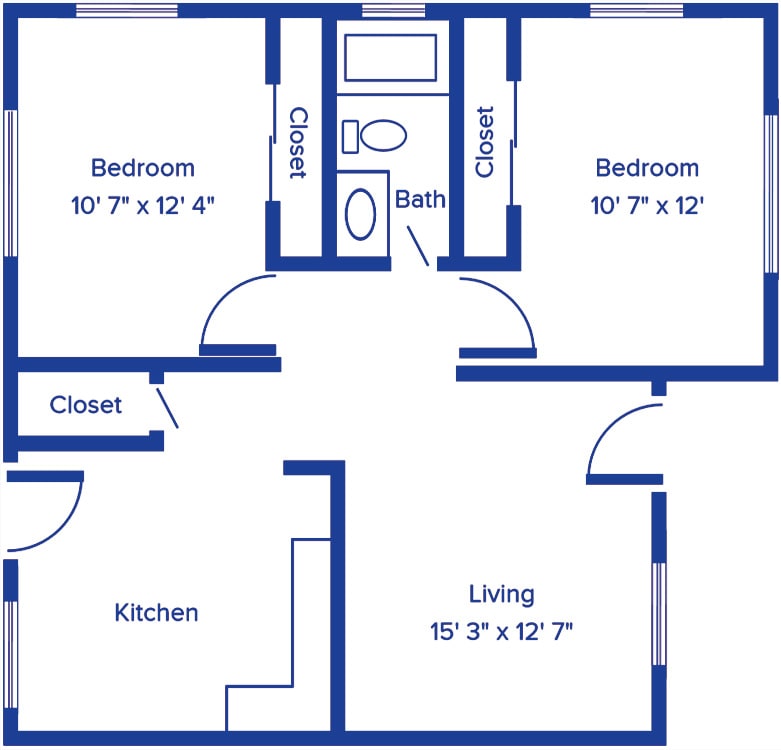
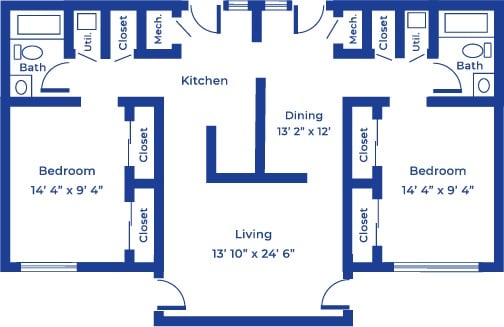
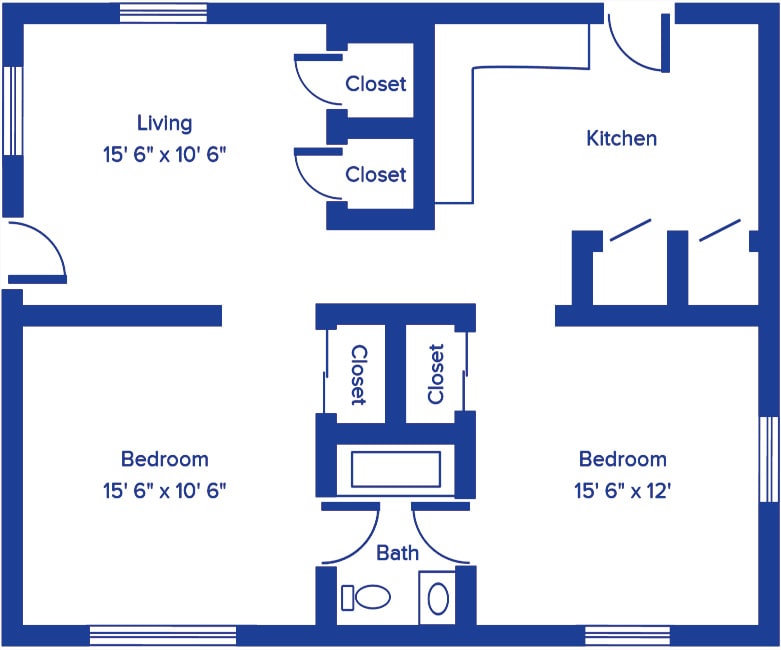
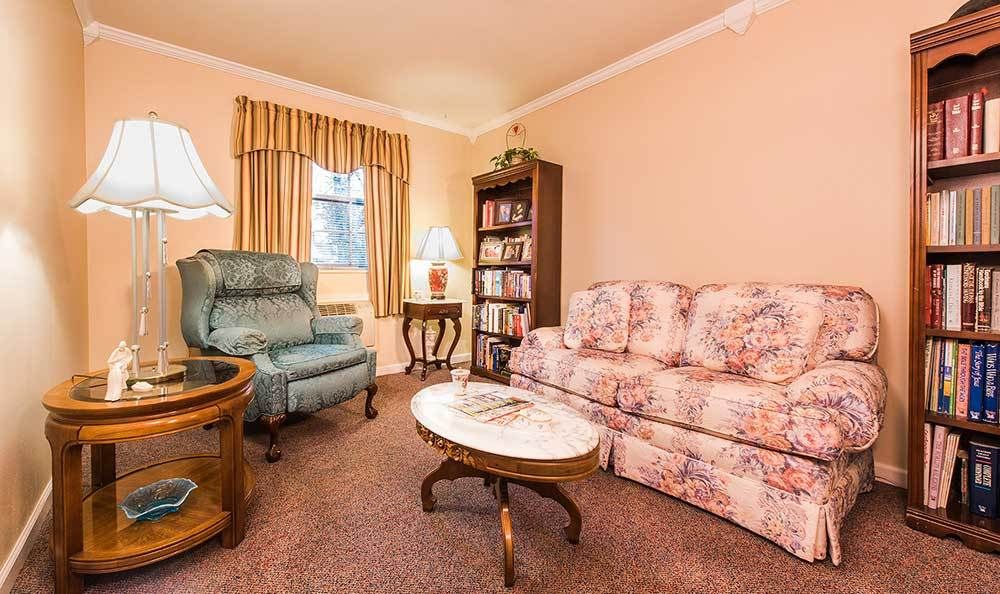
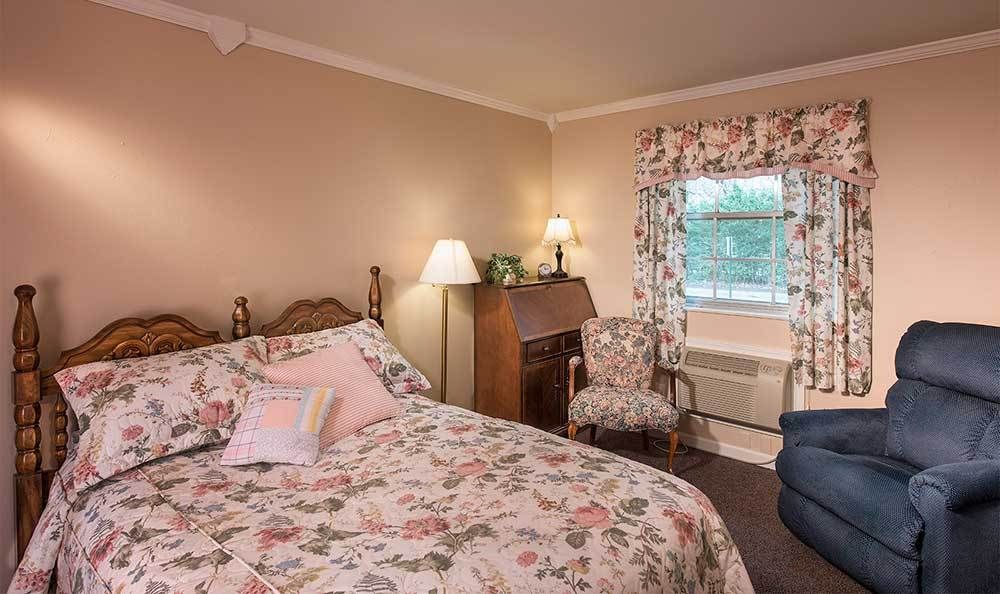
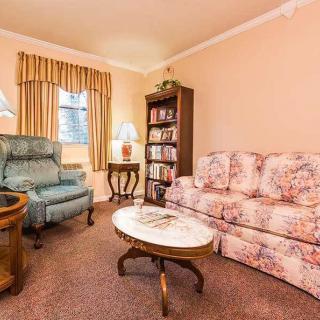
- The setting is homey and comfortable, with adaptable living options like cottages and two-bedroom apartments.
Cons
 The reviewer warns that residents in rehab could be kicked out before they are better and that staff allegedly lie about their ability to care for themselves.
- The meals were described as kind of bad, and hygiene concerns were raised about kitchen staff not washing their hands after using the restroom.
- The kitchen staff were unkind to a reviewer’s friend.
Review
Farmington Presbyterian Manor is best suited for seniors who want a warm, family-like community that offers a credible continuum of care, from independent living through assisted living and into memory care. The strongest case rests with residents who prize dignity, personal attention, and a sense of belonging, backed by staff who appear consistently engaged with residents and families. The cottages present a homey, low-stress option for daily living, allowing continuity as needs evolve without forcing abrupt moves. For families seeking a stable, well-managed environment where daily life centers on meaningful contact, this community stands out as a practical, well-structured choice.
Alternatives become worth considering for those with acute rehab needs or expectations of rapid post-acute recovery. A notably negative thread warns about rehab practices, including early discharge and unclear progress communication, suggesting this may not be the right setting for short-term, high-intensity rehabilitation. Those who want larger living spaces or floor plans with more open momentum for two people may also want to compare room footprints and layout options. Additionally, prospective residents who insist on top-tier dining and flawless kitchen hygiene should verify current operations, as a few reviews highlighted concerns in those areas.
The core appeal, consistency of care and genuine kindness across staff, often offsets the potential drawbacks. Across multiple testimonials, caregivers are praised for compassion, professionalism, and a willing, hands-on approach to residents’ needs, with families feeling heard and involved. The community’s breadth of services, combined with transparent fee discussions during tours, reduces uncertainty and supports long-term planning. The overall atmosphere emphasizes home, community, and routine, elements that most families value when a loved one’s daily life hinges on reliable, thoughtful support.
Another strong point is the integrated, patient-centered environment that supports transitions between care levels without forcing relocation to unfamiliar settings. Hospice or palliative partners are described as enhancing comfort, underscoring a holistic approach to end-of-life care that aligns with many families’ expectations. Nursing and CNA teams frequently receive praise for going above and beyond, reinforcing the sense that care is not merely routine but personally attentive. The campus design, windows, natural light, and a layout that fosters social connection, helps residents feel at ease, which matters deeply when health declines or memory care is required.
For families evaluating this community, prepare a practical due-diligence plan. Ask what the base fees cover and how ancillary charges are triggered, and verify how smoothly a resident can move between independent living, assisted living, and memory care as needs shift. Seek direct conversations with care staff about daily routines, response times, and staffing levels. Tour the memory care area to assess safety, interaction quality, and the tone among residents and caregivers. If space or privacy matters, confirm the availability of two-bedroom cottages and inspect remodel status. Finally, corroborate notes with current residents or families about consistency of care and management communication over time.
In sum, Farmington Presbyterian Manor is a pragmatic, steady choice for families seeking long-term stability, genuine caregiving, and a community that supports aging in place with dignity. It excels where staff devotion, resident-centered practices, and a rich social/spiritual life create a sense of home that endures as needs evolve. It may not be the best fit for families prioritizing aggressive rehab protocols, or for those who require very large, open-floor apartments or flawless dining operations without exception. For the right resident, the blend of compassionate caregivers, transparent pricing, and a full continuum of care makes Presbyterian Manor a compelling, trustworthy option worth serious consideration.
 60 resident community capacity
 Assisted Living
 Continuing Care Retirement Community (CCRC)
 Hospice Agency
 Independent Living
 Memory Care
 Respite Care
 Skilled Nursing Facility
 Cats allowed
 Dogs allowed
 Activities off-site
 Air-conditioning
 Beautician on-site
 Cable or satellite TV
 Computer center
 Devotional services on-site
 Fitness room
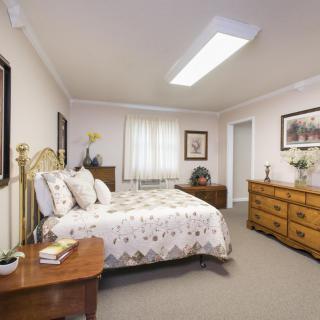
 Fully furnished
 Gaming room
 Garden
 Ground floor units
 Handicap accessible
 Housekeeping services
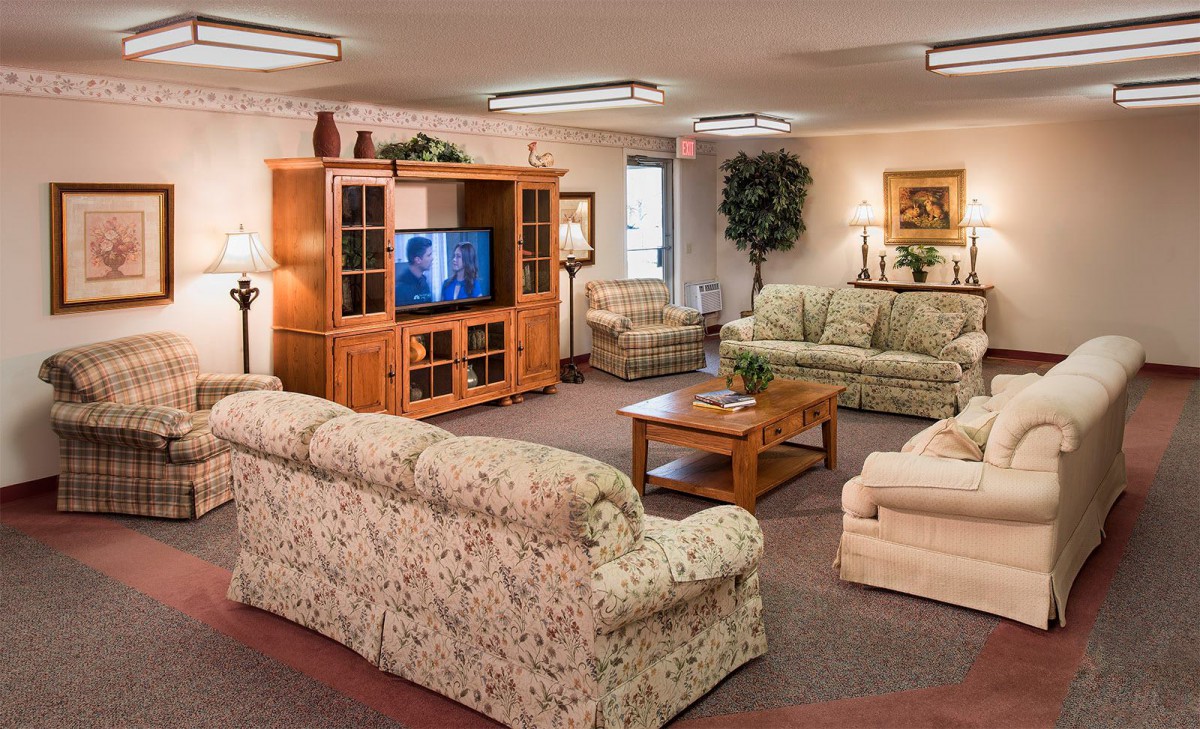
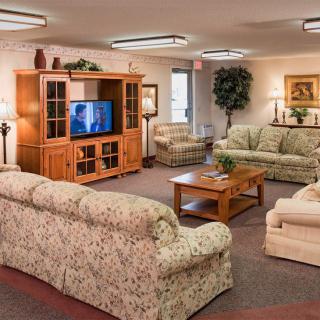
 Indoor common areas
 Kitchenette
 Move-in coordination
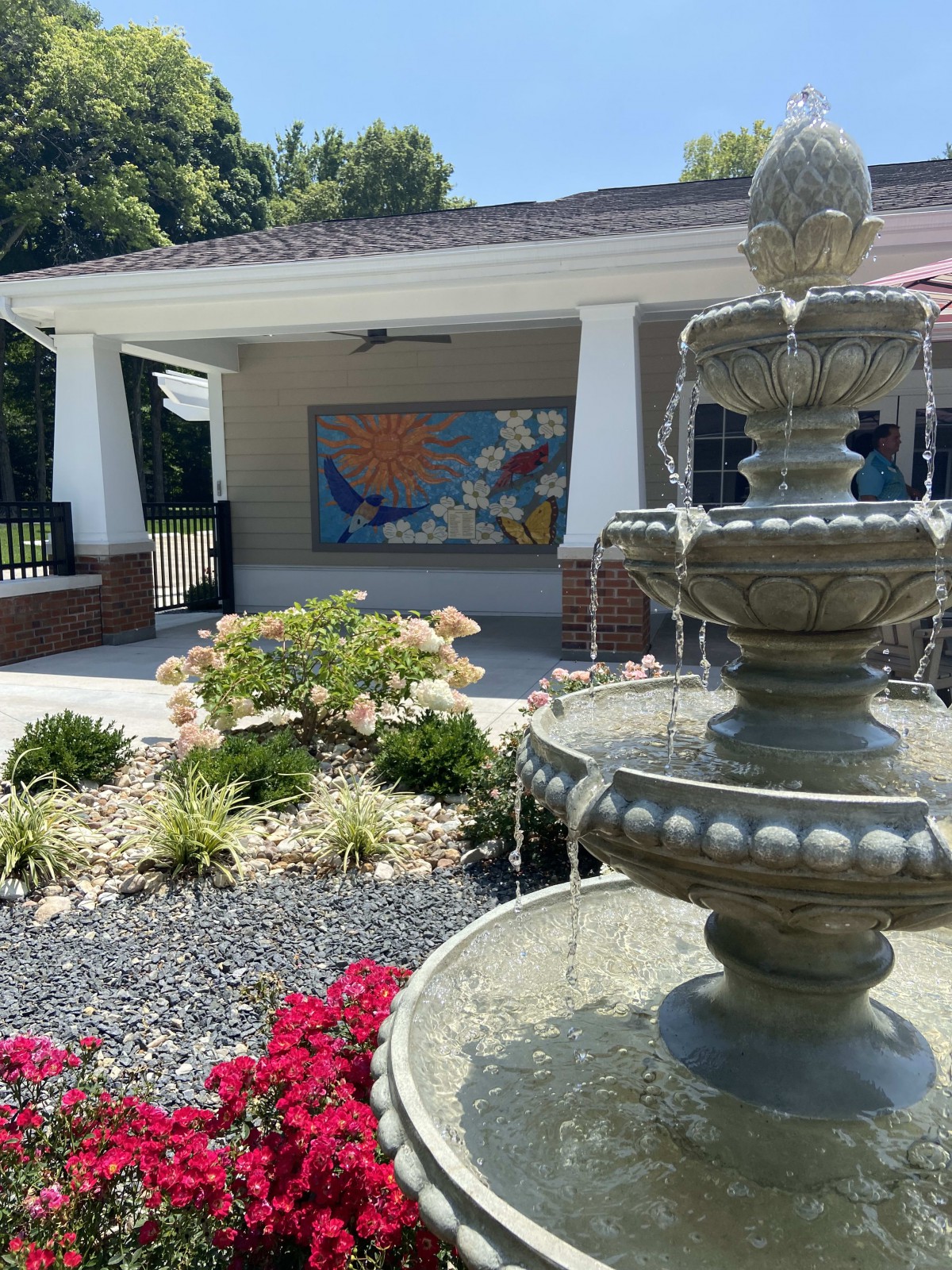
 Outdoor common areas
 Private bathrooms
 Restaurant-style dining
 Small library
 Telephone
 Wellness center
 Wi-Fi/high-speed internet available
 Community operated transportation
 24-hour call system
 Ambulatory care
 Assistance with bathing
 Assistance with dressing
 Assistance with transfers
 Diabetes diet
 Diabetic care
 Medication management
 Special dietary restrictions
 Birthday parties
 Concierge services
 Live musical performances
 Planned day trips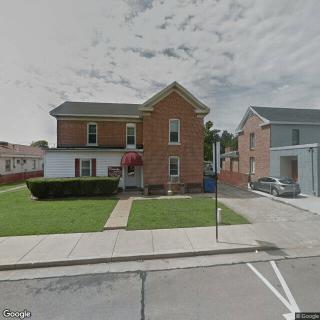
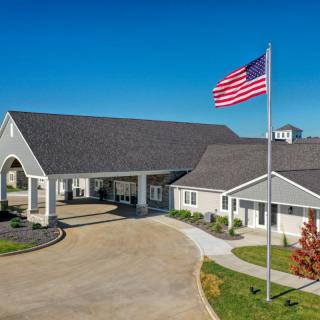
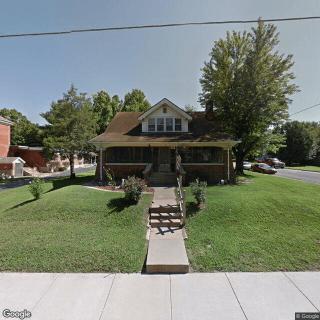

 Delving into the Inner World of Dementia: Insights into Thoughts and Awareness
 Five Subtle Dementia Indicators to Observe: An In-Depth Guide to Understanding “Does My Mom Have Dementia?”
 Dementia, Paranoia, and Caregiver Guidance: Understanding the Connection