
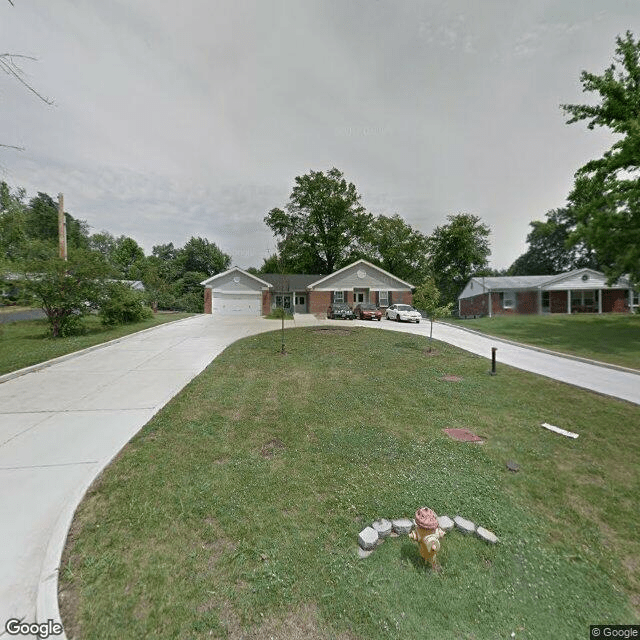
232 Creve Coeur Ave, Ballwin, MO 63011
To contact a resident: (314) 686-4444
For more information about senior living options: (866) 208-4318
Family Partners Costs & Pricing
The costs associated with Family Partners significantly exceed both the county and state averages for housing. For a studio, Family Partners charges $7,519 per month, which is considerably higher than St. Louis County's rate of $4,203 and Missouri's average of $3,418. This notable difference underscores the unique value that Family Partners presumably offers in terms of services or amenities designed to support families. However, it's essential for prospective clients to weigh these costs against the benefits provided to determine if this investment aligns with their needs and financial situation.
| Floor plans | Family Partners | St. Louis County | Missouri |
|---|---|---|---|
| Studio | $7,519 | $4,203 | $3,418 |
Memory care communities with a similar price nearby
-
from -$569 / mo
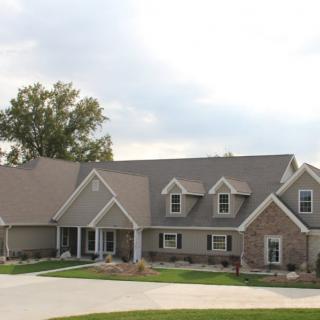
Glenfield Memory Care Homes
$6,950 / month15.2 miles away -
from -$1267 / mo
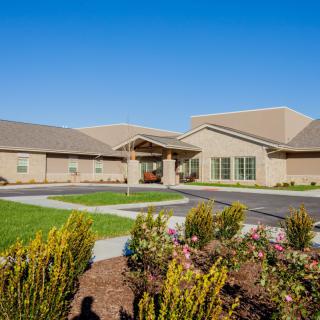
Villages of St. Peters Memory Care
$6,252 to $7,150 / month15.3 miles away -
About the same

Friendship Village Sunset Hills
$7,500 / month6.2 miles away -
from -$744 / mo

Avalon Memory Care - St. Louis
$6,775 to $8,275 / month9.0 miles away -
from -$899 / mo

The Grande at Creve Coeur
$6,620 / month5.1 miles away
Overall Review of Family Partners
Pros
 The staff at Family Partners truly cares for residents and makes each day enjoyable.
- Family Partners is regarded as among the top facilities, with a strong caregiver-to-patient ratio and a homelike environment.
- The homes are small, new, and spacious, each with outdoor courtyards that are comfortable for ambulatory residents.
- Residents are treated with dignity and respect, giving families confidence in the care provided.
- The community is clean and well maintained, with varied daily activities led by a caring activity director.
- Family Partners fosters a genuine family-like atmosphere where staff are deeply invested in each participant's well-being.
- The team is described as an extended family who truly cares about every resident, often becoming a trusted support system for families.
- Families view Family Partners as a lifesaver that provides a safe, nurturing place for loved ones.
Cons
 The quality of service declined a great deal and the family feel that had once been there was no longer.
- There were only a few staff to begin with, and over half of them left.
- In less than a year they had over five directors come in and out of the center.
- They refused to provide their tax ID number for income tax purposes.
- The reviewer cautions to proceed with caution because many of the reviews reflect the time of the old director.
Review
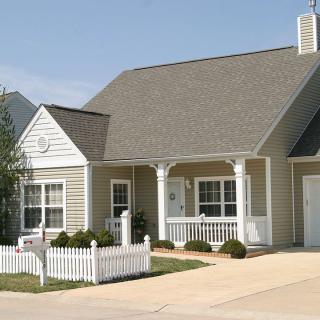
Family Partners in Ballwin, MO is best suited for families seeking an intimate, home-like setting where care feels personal and highly engaged. This community excels for residents who benefit from a high-touch approach delivered in a small-house model (three homes with roughly 12–13 residents each). The footprint is intentionally compact, which supports regular human interaction and a lived-in feel rather than a clinical, impersonal environment. Outdoor courtyards invite strolls and social moments, while an active schedule run by a devoted activity director keeps days purposeful. For seniors with memory challenges or those who would benefit from hospice in place, the arrangement offers continuity of care and a sense of safety that comes from consistent, familiar faces in a homelike setting.
Those weighing alternatives should consider the risk factors tied to leadership and staffing stability. A number of reviews caution that a director’s departure and subsequent turnover among front-line staff can erode the once-strong family atmosphere and disrupt routines. This is a meaningful consideration for families relying on dependable daily interactions and a steady care plan. For residents with complex medical needs requiring robust on-call medical leadership or for families who prioritize a flawlessly predictable administrative experience, larger campuses with longer-standing management teams may feel more reassuring. In short, people who prize unwavering consistency and formal, steady governance may want to compare other options before committing.
The strongest pros, exceptional caregiver attention, a genuinely homelike ambiance, and a small-community rhythm, clearly offset several notable drawbacks when the environment remains stable. The caregiver-to-resident ratio stands out in this market, translating into timely assistance, more individualized conversations, and a sense that staff truly knows each resident. The three homes’ intimate scale makes care feel tailored rather than protocol-driven, while the accessible staff and the option to provide hospice in place support comfort for families navigating progressive illness. Meals, daily programming, and the friendly, respectful tone of interactions consistently surface as highlights, reinforcing the sense that residents are valued beyond mere tasks.
Yet, the risk of leadership turnover cannot be dismissed. When a long-tenured director departs, the resulting churn in managers and line staff can dilute the very strengths that families rely on: continuity, culture, and the depth of person-centered care. Prospective residents should demand current evidence of stability, who is in charge now, how long they have been in place, and what succession plans exist. Families with loved ones who require steady routines and highly reliable communication should seek explicit assurances about staff retention rates, supervisor accessibility, and a transparent mechanism for addressing concerns as soon as they arise.
For families facing memory care decisions, the environment’s pace, the small-team structure, and the ability to maintain meaningful relationships with caregivers can be decisive advantages. The capacity to keep a loved one in a familiar, affectionate milieu, where staff members greet residents by name, meals are not merely functional but enjoyable, and daily activities feel purposeful, often translates into improved quality of life and calmer days for both resident and family. The same advantages also support caregiver respite, knowing that a trusted, caring team is readily available can ease the burden of ongoing family caregiving. Still, these benefits hinge on stable leadership and consistent staffing over time.
The practical path to a confident choice is disciplined due diligence. Visit during typical activity hours to observe how staff interact with residents and how leadership responds to day-to-day questions. Inquire about current staff-to-resident ratios, the exact roles of those on duty, and how often shifts rotate. Request a current organizational chart and ask about any anticipated turnover or recent changes in management. Clarify policies on hospice coordination, medical emergencies, and financial processes, including how bills and any necessary tax documentation are handled. With a clear read on stability, families can decide whether the Family Partners model will deliver the sustained warmth and attentiveness sought for a beloved elder.
 Board and Care Home
 Memory Care
 Activities off-site
 Beautician on-site
 Devotional services on-site
 Indoor common areas
 Lambert-St Louis International (11 miles away)
 Ambulatory care
 Diabetic care
 High acuity care
 Incontinence care
 Medication management
 Meals provided






 Exploring the Contrasts Between Assisted Living and Skilled Nursing
 Vibrant Senior Living: A Comprehensive Guide for Active Older Adults
 Assisted Living and Memory Care: Understanding Their Core Differences